

Image of 1974 Jeep Cj5, Note: These illustrations use artistic license and may differ from actual historical models.
Performance Metrics
Fundamental Metrics
Emotional Appeal
MMP Rating
| Engine Specifications | |
|---|---|
| Engine Options: | AMC 304 V8, AMC 258 I6 |
| Displacement Range: | 3.8L - 5.0L |
| Horsepower Range: | 100-150 HP |
| Torque: | 185-245 lb-ft |
| Compression Ratio: | 8.4:1 - 9.0:1 |
| Ignition System: | Conventional, distributor |
| Cooling System: | Liquid-cooled |
| Performance Specifications | |
| 0-60 Time: | Estimated 10-12 seconds |
| 1/4 Mile Time: | Estimated 17-19 seconds |
| Top Speed: | 80-85 mph |
| Transmission and Drive | |
| Drive Type: | 4WD |
| Transmission Type: | 3-speed manual, 4-speed manual |
| Fuel and Efficiency | |
| Fuel System Type: | Carburetor |
| MPG: | 10-15 mpg |
| Dimensions and Brakes | |
| Brakes: | Front disc, rear drum |
| Wheelbase: | 83.5 inches |
| Weight: | 2,500-2,800 lbs |
Note: Specifications for classic cars are given to the best of our ability, considering the limited and variant data available.
1974 Jeep CJ-5: A Compact 4x4 with Real Trail Credentials
The 1974 Jeep CJ-5 could turn a paved road into an optional suggestion: short, open-sided, and built to keep moving when the ground ran out. Made by American Motors Corporation (AMC), the CJ-5 was a civilian Jeep with deep military roots and a practical, no-nonsense personality. Though often called a truck, it is more accurately a compact sport-utility vehicle and off-road runabout.
The CJ-5’s ancestry reaches back to the military Willys MB and the postwar civilian CJ models. Kaiser Jeep introduced the CJ-5 in the mid-1950s, and AMC took over Jeep in 1970. By 1974, AMC had given the CJ-5 a more modern engine lineup and a longer wheelbase than earlier versions, while preserving its unmistakable shape. One appealing detail for collectors is that this model year sits in the AMC era, when the classic Jeep silhouette met more widely available American engines and components.
Classic Jeep Styling and Cabin
From the front, the 1974 CJ-5 is instantly recognizable: a short, upright nose, round headlamps, flat windshield, seven-slot grille, and rounded front fenders. Its compact proportions give it a purposeful look rather than the polished appearance of a road-focused SUV. The spare tire is commonly carried at the rear, and the open body makes the vehicle feel ready for a trail, beach, ranch, or weekend project.
The cabin is simple and durable, with straightforward gauges, basic controls, and hard-wearing surfaces rather than luxury trim. Materials and equipment could vary with options and previous owners, but the design prioritizes function. The upright seating position gives the driver a clear view over the hood, while the narrow body makes the Jeep feel manageable on tight trails. A soft top was a popular choice; removable tops and doors let owners tailor the vehicle to the weather and their intended use. Hardtop configurations were also available.
AMC offered several paint colors over the model’s run, with availability depending on production choices and trim. Period Jeeps are often seen in shades such as red, blue, green, yellow, white, and earth tones. Bright colors suit the CJ-5’s cheerful, outdoorsy character, while a well-preserved factory shade can be a major attraction for collectors. The Renegade package added distinctive trim and a sportier look, making it one of the most recognizable CJ-5 versions of the period.
Engines, Gearing, and Period Features
Depending on configuration, a 1974 CJ-5 could be ordered with AMC six-cylinder power or a 304-cubic-inch V8. The sixes were practical choices for everyday use and trail driving, while the V8 offered stronger acceleration and a satisfying low-speed pull. A manual transmission was typical, with different gearbox and axle combinations available across the range. Four-wheel drive and a low-range transfer case were central to the CJ-5’s purpose, not luxury add-ons.
Its technology was straightforward by modern standards. The key equipment was mechanical: a part-time four-wheel-drive system, low-range gearing, and sturdy components designed for rough surfaces. There was no ABS, electronic stability control, or modern infotainment. Safety equipment was also basic compared with today’s vehicles, so careful driving and sensible upgrades matter for anyone using a CJ-5 regularly.
Why the CJ-5 Mattered
The CJ-5 helped make the idea of a compact civilian 4x4 feel natural. It was not a road-only vehicle dressed up with rugged styling: its short wheelbase, low-range gearing, and open body made it genuinely useful away from pavement. Owners could use the same Jeep for farm work, recreation, hunting, trail trips, or local transportation.
Its enduring influence is visible in later generations of Jeep, especially the Wrangler. The CJ-5 established a recognizable formula: upright windshield, removable top, compact dimensions, exposed utility, and serious four-wheel-drive ability. Compared with larger 4x4s of its era, it was easier to maneuver on narrow trails. Compared with ordinary passenger cars, it could handle terrain that would stop them outright. That versatility became a lasting part of Jeep’s identity.
Performance and Trail Manners
Performance depends heavily on the engine, transmission, axle gearing, tire size, and condition of the individual vehicle. As broad period-style estimates, a six-cylinder CJ-5 may take roughly 15 to 20 seconds to reach 60 mph, while a 304 V8 example may do it in about 10 to 13 seconds. Top speed is generally in the neighborhood of 80 to 95 mph, though the CJ-5 is far more comfortable at lower speeds. These are estimates rather than guaranteed factory figures, and modified vehicles can behave very differently.
On a trail, the CJ-5’s short wheelbase is an advantage. It can turn tightly, place its wheels accurately, and work through uneven ground using low range. The tradeoff is a choppy ride over bumps and ruts, especially with worn suspension or oversized tires. On winding roads, it feels lively and direct, but its short wheelbase and relatively high center of gravity call for measured inputs. Strong crosswinds and highway speeds can make the light, upright Jeep feel busy.
The driving experience is wonderfully unfiltered. The engine is close enough to hear clearly, the tires and suspension communicate the surface beneath them, and the driver operates the vehicle with old-school mechanical controls. A V8 adds a deeper exhaust note and stronger response, while a six-cylinder tends to feel more relaxed. Either way, the CJ-5 rewards patience and smooth driving rather than rushed shifts or sharp cornering.
Owning and Maintaining a 1974 CJ-5
Many CJ-5s serve as weekend trail vehicles, farm and property runabouts, show cars, or occasional local drivers. Some are restored to original specification; others have been modified with modern engines, suspension lifts, larger tires, or upgraded brakes. A well-sorted example can be enjoyable on short road trips, but the noise, weather exposure, and limited safety features make it less relaxing than a modern daily driver.
Mechanical repairs are often approachable for an owner with basic tools and experience. The engine bay is relatively accessible, the systems are largely mechanical, and replacement parts remain available through Jeep specialists and general suppliers. Condition is the deciding factor. Before buying, inspect the frame, body mounts, floor, wheel arches, and other areas vulnerable to corrosion. Also check the steering, brakes, drivetrain leaks, and the quality of any modifications. A shiny repaint can hide rust, while a poorly executed lift or engine swap may create handling and reliability problems.
Jeep CJ-5 Facts and Common Criticisms
The CJ-5 traces its basic design to the postwar civilian Jeep and military 4x4 tradition, but the 1974 model reflects AMC’s influence through its engine choices and updated platform. The Renegade trim is a notable period variation, valued for its distinctive appearance. Exact production totals for individual trims and model years can be difficult to establish from commonly available records. A reasonable working estimate for 1974 CJ-5 production is around 30,000 vehicles, though that should be treated as an estimate rather than a definitive factory count.
The most frequent criticisms are familiar: a rough ride, limited weather protection, modest highway comfort, and handling that demands respect. The short wheelbase and tall stance are part of the Jeep’s trail-friendly character, but they also mean it does not behave like a modern crossover. Buyers should be cautious of claims that any old CJ is automatically safe or mechanically sound. Rust, worn steering parts, old tires, and questionable modifications can turn a charming classic into a risky one.
1974 CJ-5 Values and Collector Appeal
Values vary with rust, originality, engine, trim, restoration quality, and local demand. As a broad current-market guide, a usable project or driver may fall around $8,000 to $15,000. A clean, well-maintained example can bring roughly $15,000 to $25,000, while an excellent restoration or particularly desirable Renegade may reach $25,000 to $40,000 or more. Exceptional vehicles can exceed that range, but condition and documentation need to support the asking price.
The CJ-5 is not especially rare in the broad sense, and examples continue to appear in the used market. However, unmodified, rust-free vehicles with documented history are increasingly hard to find. Values have generally strengthened as interest in classic 4x4s has grown, particularly for clean originals and quality restorations. Modified Jeeps remain popular too, but their value depends greatly on workmanship and whether the changes suit the buyer.
A Small Jeep with a Big Legacy
The 1974 Jeep CJ-5 combines a recognizable military-derived shape, useful four-wheel-drive hardware, and the character of a genuinely mechanical vehicle. It is not refined, quiet, or especially quick, but it is compact, capable, and easy to make your own. More than a vintage off-roader, the CJ-5 helped define what a Jeep could be: a simple machine that invites you to leave the pavement and see where the trail leads.
1974 Jeep Cj5 Catalog of Parts
 1974 Jeep CJ5 Shock Absorber Grommet. 1" bottom O.D-BN 11Shock Absorber Grommet. 1" bottom O.D., 3/4" high, with 5/8" I.D. Each
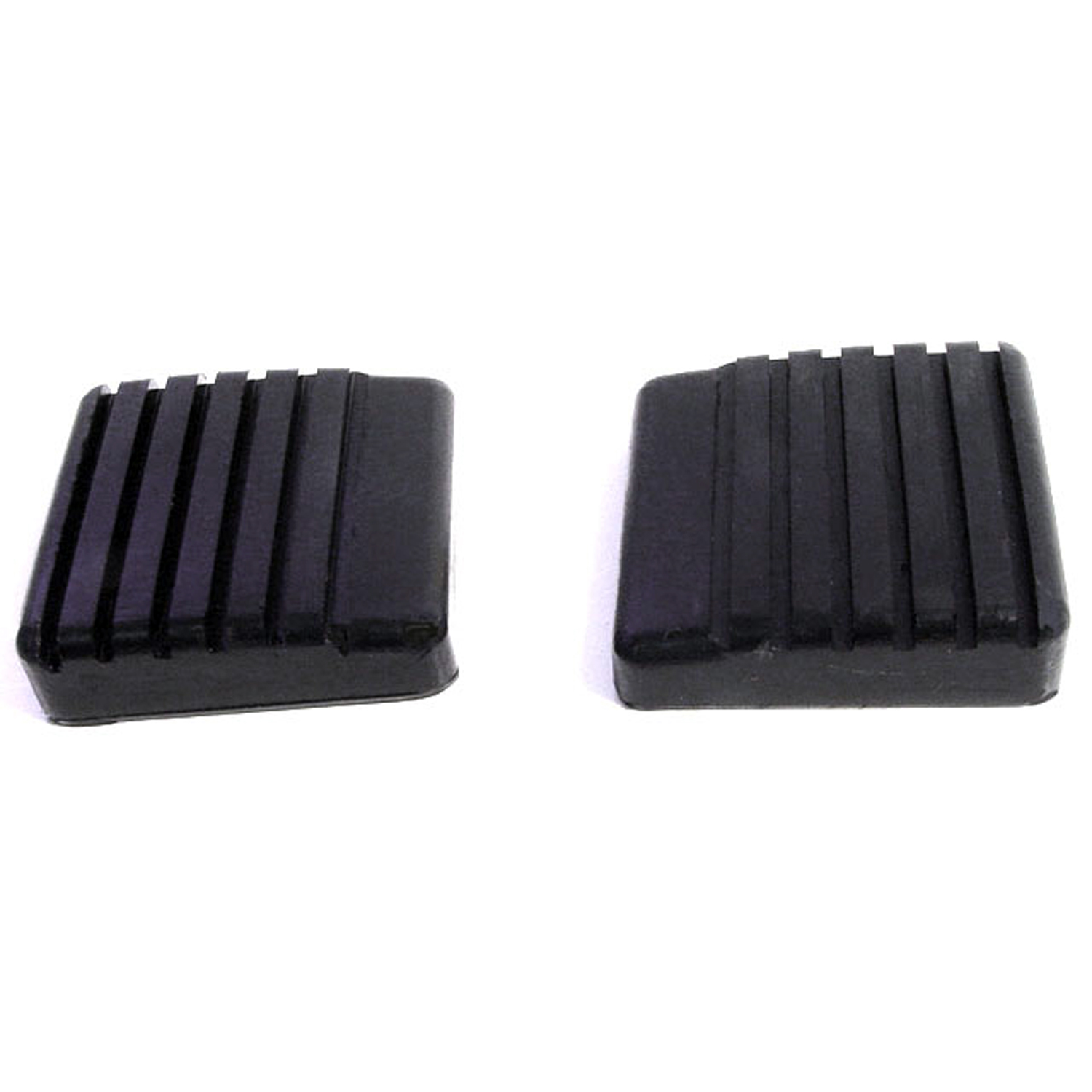 1974 Jeep CJ5 Clutch and Brake Pedal Pads. Pair-CB 61-BClutch and Brake Pedal Pads. Pair
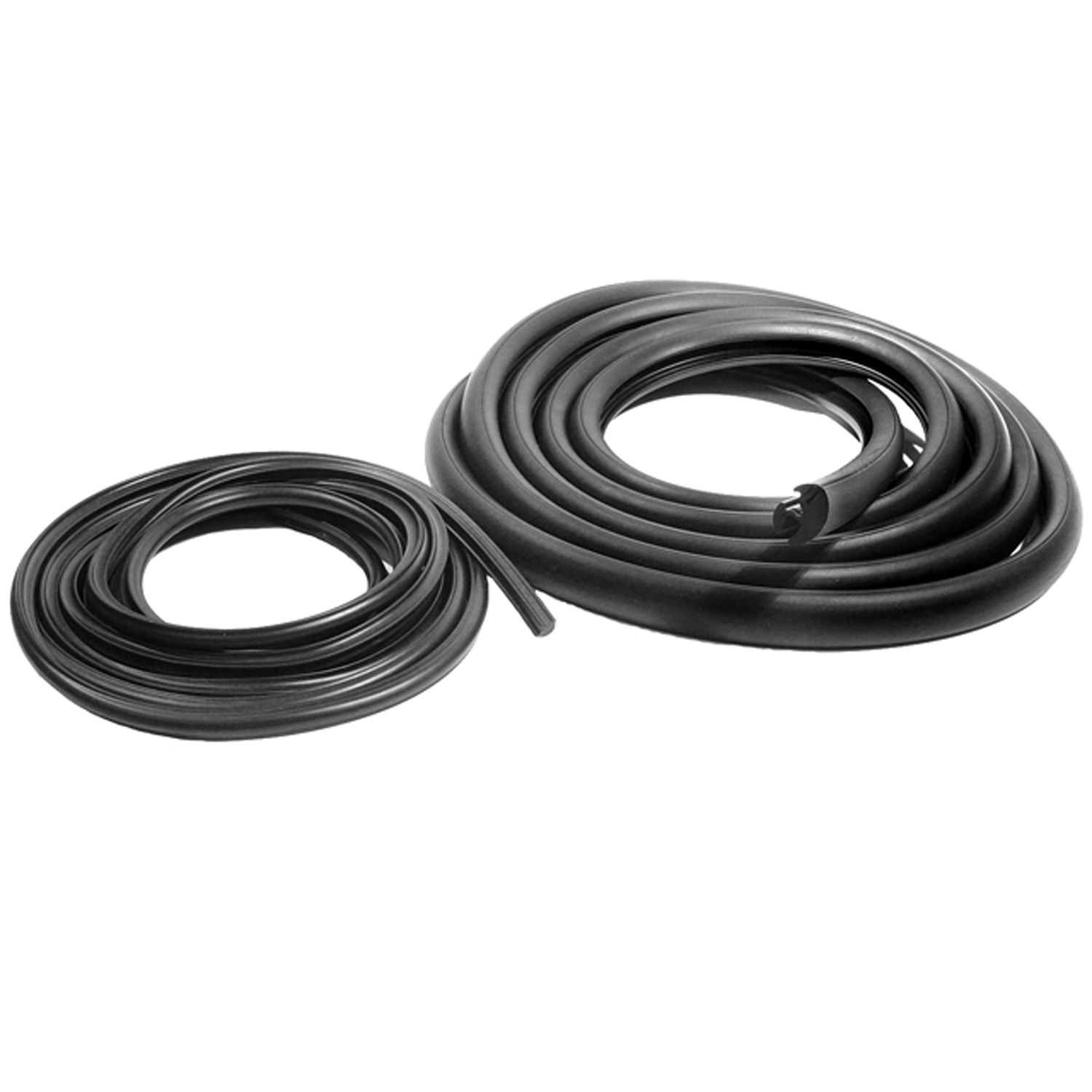 1974 Jeep CJ5 Vulcanized Windshield Seal with Lock-Strip. 144" Long each-VWS 1105Vulcanized Windshield Seal with Lock-Strip. 144" Long each. Each
Why Choose Metro?
For over 100 years, Metro Moulded Parts has been the pinnacle of quality in classic car restoration parts. Our commitment to precision and authenticity in every component ensures a perfect fit and an OEM-level appearance.
- Expert Craftsmanship & Quality: Each part is a testament to our dedication to reliability and perfection, crafted from original designs and thoroughly tested.
- Advanced Technology: We use cutting-edge techniques to create flawless, long-lasting parts that surpass others in performance.
- SuperSoft Sponge – The Ultimate Door Seal: Not only are our door seals 30% softer than competitors', but they're also guaranteed to never leak. They effectively reduce wind and road noise, enhancing your classic car's comfort and driving experience.
- Proudly American: Our parts are a product of American craftsmanship, made in the USA with a spirit of excellence and heritage.
- Unrivaled Warranty: We back our products with a 30-year industry-leading warranty, a testament to our confidence in their quality.
Join us in preserving the legacy of classic cars with parts that are crafted for perfection, not just made.