

Image of 1975 Jeep Dj5, Note: These illustrations use artistic license and may differ from actual historical models.
Performance Metrics
Fundamental Metrics
Emotional Appeal
MMP Rating
| Engine Specifications | |
|---|---|
| Engine: | Inline 6 |
| Displacement: | 232 - 258 cubic inches |
| Horsepower: | 100 - 150 HP |
| Torque: | 210 - 240 lb-ft |
| Compression Ratio: | 8.0:1 |
| Ignition System: | Conventional |
| Cooling System: | Liquid-cooled |
| Performance Specifications | |
| 0-60 Time: | Estimated 15 - 20 seconds |
| 1/4 Mile Time: | Estimated 20 - 25 seconds |
| Top Speed: | 75 - 80 mph |
| Transmission and Drive | |
| Drive Type: | Rear-wheel drive |
| Transmission Type: | 3-speed automatic |
| Fuel and Efficiency | |
| Fuel System Type: | Carburetor |
| MPG: | 10 - 15 mpg |
| Dimensions and Brakes | |
| Brakes: | Front disc and rear drum brakes |
| Wheelbase: | 81 inches |
| Weight: | 3,000 lbs |
Note: Specifications for classic cars are given to the best of our ability, considering the limited and variant data available.
1975 Jeep DJ-5: The Postal Jeep Built for the Route
The 1975 Jeep DJ-5 was designed for a job most vehicles were never asked to do: crawl from mailbox to mailbox, day after day, with its driver sitting on the curb side and a load of mail close at hand. Built by American Motors Corporation under the Jeep name, this compact, rear-wheel-drive delivery vehicle was a familiar sight on American streets and rural routes.
“DJ” stood for Dispatcher, and the DJ-5 belonged to a long-running line of two-wheel-drive Jeep utility vehicles. Although it shared Jeep’s practical, work-first outlook, it was not a four-wheel-drive CJ wearing a delivery body. It was a specialized fleet vehicle, developed around easy access, simple operation and the demands of postal service. One detail that makes it instantly recognizable is its right-hand-drive layout, which put the driver next to curbside mailboxes without requiring a risky step across traffic.
Model details can vary by build and fleet equipment, so a specific truck’s VIN, data plate and components are the best way to confirm its exact version. Many 1975 examples are associated with the DJ-5D designation and an AMC inline-six engine.
Boxy Styling, Built for Work
The DJ-5’s squared-off body was more about useful space than visual flair. Its upright windshield, short nose, flat sides and compact footprint helped it maneuver through tight neighborhoods. The front end looked distinctly Jeep, but the enclosed delivery body gave the vehicle a small-van profile rather than the open, trail-ready appearance people usually associate with the brand.
Most 1975 DJ-5s were enclosed two-door delivery vehicles, with a right-hand-drive cab and a cargo area adapted for mail. Sliding or specially arranged access points, fleet shelving and other postal fittings could be installed to suit the route. Equipment differed among vehicles, especially after years of service and modification. The familiar, practical postal configuration is the DJ-5’s signature form; it was not typically offered as a range of consumer trims and body styles in the way a passenger car was.
Inside, the priorities were durability and function. Expect simple vinyl upholstery, hard-wearing trim, a rubber floor and straightforward controls rather than plush carpeting or decorative finishes. Fleet vehicles could receive mail trays, dividers and other route-specific hardware. The cabin’s utilitarian materials were easy to clean and suitable for constant use, but they were never intended to feel luxurious.
White is the color most people associate with a postal DJ-5, particularly after USPS fleet preparation. The underlying vehicle’s original finish and later repaint history can vary, so a surviving example may show a different color beneath its postal paint. Fleet markings, mirrors, lights and interior fittings also changed over time as vehicles were equipped and maintained.
Simple Technology, Smart Ergonomics
The DJ-5’s standout innovation was not advanced electronics. It was its purpose-built ergonomics. Right-hand drive made curbside delivery more convenient, while the compact body helped drivers work efficiently on narrow streets. Automatic transmission was a welcome feature for a vehicle that spent much of its life stopping, starting and creeping along a route.
Typical 1975 DJ-5s are associated with AMC’s 232-cubic-inch (3.8-liter) inline-six and an automatic transmission, though the exact specification should be checked on the individual vehicle. The basic mechanical approach was familiar and comparatively uncomplicated: conventional engine components, rear-wheel drive and a chassis designed for hard service rather than high-speed touring.
Why the Postal Jeep Mattered
The DJ-5 made an important contribution through specialization. At a time when many delivery vehicles were adapted from passenger cars or larger commercial vans, the Jeep Dispatcher offered a compact platform tailored to short-distance work. Its right-hand-drive layout addressed a real safety and convenience issue, and its upright, boxy body put access and cargo capacity ahead of styling trends.
It was not a breakthrough in engine technology or a luxury-car design landmark. Its influence was more practical: the DJ-5 showed how a manufacturer could reshape a familiar utility-vehicle concept around a particular job. That focus helped make it an enduring postal fleet vehicle and gave it a distinctive place in Jeep history, separate from the brand’s four-wheel-drive reputation.
The DJ-5 also stands apart from many contemporaries because it was unmistakably a working tool. Its unusual driving position, tight cabin and delivery-focused body might seem eccentric in a modern collector car, but those features made sense on a route where the driver could make hundreds of stops in a shift.
Performance and Road Manners
The DJ-5 was built for neighborhood speeds, not quick acceleration. Reliable factory performance figures for every 1975 configuration are difficult to pin down, and age, gearing, engine condition and modifications make modern examples vary considerably. As a broad estimate, a healthy six-cylinder truck may reach 60 mph in roughly 18 to 22 seconds, with a top speed in the neighborhood of 70 to 80 mph. Those are estimates, not guaranteed original specifications, and sustained high-speed driving is not the vehicle’s strong suit.
On ordinary roads, the inline-six delivers its appeal through steady low- and mid-range pull rather than a dramatic rush of power. The automatic transmission suits stop-and-go work, while the rear-wheel-drive layout keeps the mechanical package straightforward. The engine’s sound is typically a familiar, subdued six-cylinder rumble, accompanied by the road and wind noise of a boxy utility body.
Ride comfort is functional. The DJ-5’s work-oriented suspension and short wheelbase can make potholes and sharp bumps feel pronounced, especially in a lightly loaded truck. On winding roads, it feels more like a small commercial vehicle than a modern car: tall, upright and best driven at a measured pace. Crosswinds can push against the flat body, and worn steering, suspension or tires can make an old example feel vague. A well-maintained one is much more reassuring than a neglected former fleet truck, but it was never designed to carve corners.
Living With a DJ-5
Today, owners use DJ-5s as preservation projects, local parade vehicles, postal-history displays, small-business advertising vehicles and occasional low-speed drivers. Some are restored to USPS appearance, while others are converted for camper, shop or recreational use. It can be a charming conversation starter, but its limited speed, sparse comfort and unusual right-hand-drive controls make it a specialized daily driver.
Mechanical repairs are often approachable for an owner with basic skills, particularly when the truck retains familiar AMC components. The inline-six is a conventional design, and much of the maintenance involves ordinary items such as ignition parts, cooling-system service, brakes and suspension wear. The bigger challenge is often finding the correct body panels, postal-specific fittings, glass, trim and model-specific parts. Years of commercial use also mean that individual vehicles may have been repaired or modified with non-original components.
Rust deserves close inspection. Check the floor, frame, body seams, wheel openings, door areas and any places where water or debris could collect. Also inspect the steering and brakes carefully, since a postal truck may have accumulated extensive stop-and-go mileage even if its odometer reading appears modest. A pre-purchase inspection by someone familiar with older Jeeps is a sensible investment.
Postal Jeep Facts and Common Complaints
The DJ-5’s right-hand-drive position was a practical solution for curbside delivery, not a novelty added for style. That layout remains one of the easiest ways to identify a postal Jeep in traffic or in a collection. Another important point is that a DJ-5 is rear-wheel drive: despite its Jeep badge, it is not a four-wheel-drive trail rig.
There is no widely documented production total for 1975 DJ-5s, and surviving examples can be difficult to distinguish by model year after decades of fleet repairs. The safest estimate is that production for a given year was in the thousands rather than a tiny, hand-built run, while the broader DJ-5 family was produced in much larger numbers. Exact totals should be treated cautiously unless supported by factory records.
Common criticisms are easy to understand. The cabin is noisy and basic, performance is modest, handling is trucklike and parts for postal-specific bodywork can be hard to locate. Many survivors also show the wear of demanding commercial service. Those shortcomings are part of the vehicle’s character, but they matter if you are considering one for regular road use.
1975 Jeep DJ-5 Collector Value
The DJ-5 remains a niche collectible rather than a high-dollar blue-chip classic. As a general U.S. market estimate, a project or incomplete truck may sell for about $1,500 to $4,000. A running, presentable example could fall around $4,000 to $9,000, while a carefully restored vehicle with appealing postal details may bring approximately $10,000 to $18,000. Exceptional examples can exceed that range, but condition, documentation, originality and local demand make a substantial difference.
These are broad estimates, not a formal appraisal. A complete truck with sound bodywork and a well-documented history is usually more desirable than a rare-looking example with major rust or missing components. Prices have generally benefited from growing interest in unusual commercial vehicles and postal history, but values can be uneven. The DJ-5 appears more likely to appreciate gradually in good condition than to deliver rapid investment returns.
Availability is limited compared with common classic Jeeps, though postal trucks do appear through private sales, auctions and specialist groups. Before buying, confirm the title and vehicle identity, check whether fleet equipment is original, and make sure replacement parts are available for any missing postal-specific pieces.
A Jeep With a Different Kind of Job
The 1975 Jeep DJ-5 earned its place through usefulness rather than speed or luxury. Its compact body, right-hand-drive cabin, simple mechanicals and route-ready layout made it a memorable tool of American mail delivery. It asks for patience on the highway and rewards owners who appreciate practical engineering, postal history and a little mechanical tinkering.
For collectors, the DJ-5 is a reminder that Jeep’s story extends well beyond the trail. This square-shouldered delivery truck turned an everyday route into a distinctive piece of automotive history, one mailbox at a time.
1975 Jeep Dj5 Catalog of Parts
 1975 Jeep DJ5 Shock Absorber Grommet. 1" bottom O.D-BN 11Shock Absorber Grommet. 1" bottom O.D., 3/4" high, with 5/8" I.D. Each
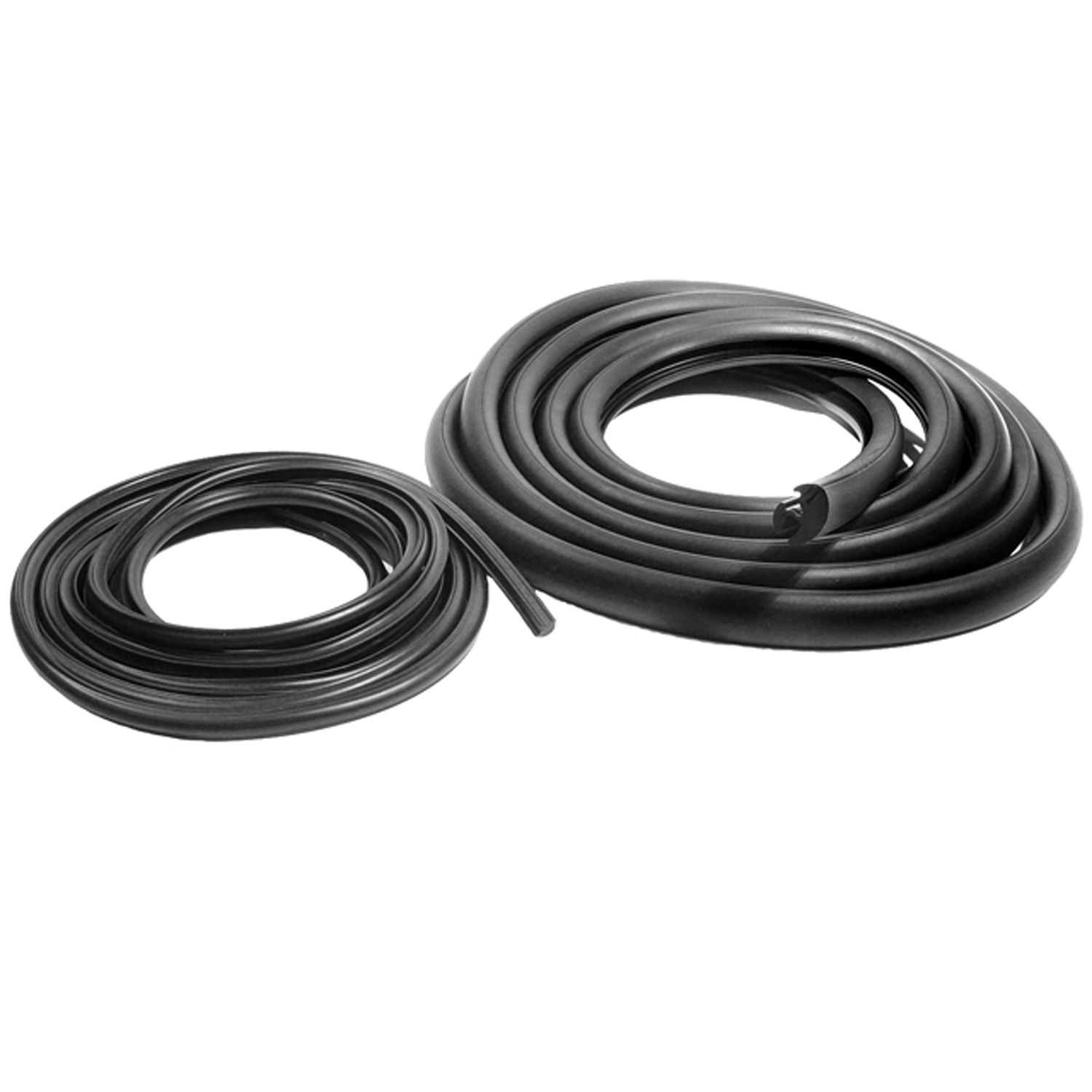 1975 Jeep DJ5 Vulcanized Windshield Seal with Lock-Strip. 144" Long each-VWS 1105Vulcanized Windshield Seal with Lock-Strip. 144" Long each. Each
Why Choose Metro?
For over 100 years, Metro Moulded Parts has been the pinnacle of quality in classic car restoration parts. Our commitment to precision and authenticity in every component ensures a perfect fit and an OEM-level appearance.
- Expert Craftsmanship & Quality: Each part is a testament to our dedication to reliability and perfection, crafted from original designs and thoroughly tested.
- Advanced Technology: We use cutting-edge techniques to create flawless, long-lasting parts that surpass others in performance.
- SuperSoft Sponge – The Ultimate Door Seal: Not only are our door seals 30% softer than competitors', but they're also guaranteed to never leak. They effectively reduce wind and road noise, enhancing your classic car's comfort and driving experience.
- Proudly American: Our parts are a product of American craftsmanship, made in the USA with a spirit of excellence and heritage.
- Unrivaled Warranty: We back our products with a 30-year industry-leading warranty, a testament to our confidence in their quality.
Join us in preserving the legacy of classic cars with parts that are crafted for perfection, not just made.