

Image of 1976 Jeep Wagoneer, Note: These illustrations use artistic license and may differ from actual historical models.
Performance Metrics
Fundamental Metrics
Emotional Appeal
MMP Rating
| Engine Specifications | |
|---|---|
| Engine: | AMC 360 V8 |
| Displacement: | 5.9L |
| Horsepower: | 175-195 hp |
| Torque: | 285-295 lb-ft |
| Compression Ratio: | 8.5:1 |
| Ignition System: | Electronic Ignition |
| Cooling System: | Liquid-cooled |
| Performance Specifications | |
| 0-60 Time: | Estimated 11-13 seconds |
| 1/4 Mile Time: | Estimated 18-20 seconds |
| Top Speed: | 100 mph |
| Transmission and Drive | |
| Drive Type: | 4WD |
| Transmission Type: | 3-speed automatic or 4-speed manual |
| Fuel and Efficiency | |
| Fuel System Type: | Carburetor |
| MPG: | 10-12 mpg |
| Dimensions and Brakes | |
| Brakes: | Front disc and rear drum brakes |
| Wheelbase: | 109 inches |
| Weight: | 4,500 lbs |
Note: Specifications for classic cars are given to the best of our ability, considering the limited and variant data available.
1976 Jeep Wagoneer: The SUV Before SUVs
The 1976 Jeep Wagoneer could take a family to dinner, tow a boat to the lake, and crawl along a muddy trail without changing vehicles. Built by American Motors Corporation (AMC), the four-wheel-drive Wagoneer blended truck toughness with the space and comfort of a passenger car, helping define the modern sport-utility vehicle decades before “SUV” became a household term.
The Wagoneer first arrived for the 1963 model year, when Jeep was part of Kaiser Jeep. AMC acquired Jeep in 1970 and continued developing the full-size SJ Wagoneer. By 1976, the model had matured into a roomy, familiar-looking 4x4 with a traditional body-on-frame construction. One detail that makes the Wagoneer especially interesting: its available Quadra-Trac system brought automatic, full-time four-wheel drive to a family-oriented vehicle, so drivers did not need to stop and engage the front axle when road conditions changed.
Woodgrain, Steel, and a Family-Friendly Cabin
The 1976 Wagoneer has a squared-off, upright profile that looks ready for work. Its long hood, tall greenhouse, broad shoulders, and near-vertical tailgate give it the proportions of a classic American truck. A prominent grille and round headlights frame the nose, while large windows make the cabin feel open and give the driver a useful view of the road. Depending on trim and equipment, Wagoneers could also wear woodgrain-style exterior trim, a look that later became closely associated with the Grand Wagoneer.
By this model year, the Wagoneer was a four-door wagon. Its two-door sibling had left the lineup years earlier, making the four-door body the defining configuration for a 1976 example. Inside, there was room for a family and its gear, with a bench-seat layout, practical carpeting, and a broad dashboard. Materials and appointments varied by trim, but the cabin generally aimed for comfort rather than bare-bones utility. Vinyl and cloth upholstery, padded surfaces, and decorative trim helped distinguish it from a more basic work 4x4.
Buyers could choose from period paint colors that included a range of whites, reds, blues, greens, browns, and earthy metallic shades, with availability varying by year and equipment. Earth tones and white are especially at home on a 1970s Wagoneer, while bold colors can make a restored example stand out. Trim names and equipment packages varied, but the later “Limited” and “Grand Wagoneer” identities should not be confused with the 1976 model.
For its era, the Wagoneer offered useful conveniences alongside its rugged hardware. Automatic transmission and power accessories could make everyday driving easier, while the available Quadra-Trac system offered full-time four-wheel drive. Some versions could also be equipped with a low-range reduction unit for more demanding terrain. Equipment depended on the original order, so two 1976 Wagoneers may differ considerably in comfort features and drivetrain details.
Why the Wagoneer Changed the 4x4
The Wagoneer’s lasting achievement was its combination of capabilities. Earlier four-wheel-drive vehicles were often noisy, sparse, and clearly designed around utility. The Wagoneer took a different approach: it offered genuine off-road ability in a vehicle with passenger-car comfort, a practical enclosed body, and space for several occupants. That formula became a blueprint for the family SUV.
Its influence is especially clear in the way later SUVs blended everyday transportation with four-wheel-drive hardware. The Wagoneer did not invent every feature associated with modern SUVs, but it showed that buyers wanted a vehicle that could handle rough roads without requiring them to accept a stripped-down truck interior. Its long-running design also demonstrated how enduring a well-packaged, purpose-built shape could be.
AMC V8 Power and 4x4 Road Manners
The AMC 360-cubic-inch V8 is the engine most closely associated with a 1976 Wagoneer. Output figures vary with configuration and period rating methods, but a commonly cited specification for the two-barrel version is around 175 horsepower and 285 lb-ft of torque. AMC six-cylinder engines were also available in some configurations. A three-speed automatic was a popular pairing, while drivetrain and transmission choices depended on the vehicle’s original specification.
Performance was about pulling power and all-weather traction, not quick acceleration. A healthy V8 Wagoneer typically takes roughly 13 to 15 seconds to reach 60 mph, and top speed is around 85 to 95 mph depending on gearing, tire size, condition, and load. Those are period-vehicle estimates rather than guarantees. Today, a 50-year-old example may perform very differently based on engine condition and restoration quality.
On the road, the Wagoneer feels substantial. Its body-on-frame construction and solid axles are durable on rough ground, but they do not deliver the precise, carlike response of a modern crossover. It can lean through turns, and crosswinds or uneven pavement demand a steady hand. The suspension is well suited to broken roads and trails, though worn springs, steering components, or bushings can make a neglected truck feel vague and unsettled.
Behind the wheel, the V8 provides a relaxed, low-revving rumble and useful torque, while the automatic transmission suits the vehicle’s easygoing nature. The high seating position and large windows make it pleasant to look out of, but the steering and brakes feel distinctly vintage. A good Wagoneer is comfortable at a measured pace; it is not a vehicle that rewards hurried cornering or modern highway expectations.
Living with a 1976 Wagoneer
Owners use these Jeeps as weekend cruisers, vintage 4x4s, family haulers, and show vehicles. Some remain working trucks, though their age, fuel consumption, and older safety equipment make them less convenient as everyday transportation than a modern SUV. The Wagoneer is better suited to relaxed driving and regular maintenance than to neglect or constant heavy-duty use.
The mechanical layout is relatively straightforward by modern standards, and many routine jobs are within reach of an experienced home mechanic. AMC V8 parts and service knowledge remain available through specialist suppliers and Jeep communities. However, age-related repairs can add up. Cooling systems, carburetors, ignition components, brakes, steering, and automatic transmissions all deserve careful inspection.
Rust is often the bigger concern than the engine. Check the frame, floorpans, inner fenders, rocker panels, door bottoms, tailgate, and areas around the windshield. Electrical faults and worn weather seals are also common on old vehicles. A solid body and frame are usually worth more to a buyer than a recently rebuilt engine in a rusty shell, because body restoration can be expensive and time-consuming.
Wagoneer Trivia and Common Gripes
The Wagoneer’s roots reach back to the 1963 model, designed by industrial designer Brooks Stevens. Its long production life is unusual: the basic SJ platform remained in service for decades, with the Grand Wagoneer eventually becoming one of the best-known American luxury 4x4s. The 1976 Wagoneer is part of that larger story, but it predates the Grand Wagoneer name and its most recognizable later-era trim.
There is no widely recognized speed or endurance record associated with the 1976 Wagoneer, and exact model-year production totals are not consistently reported in readily available sources. A reasonable working estimate is that roughly 15,000 to 25,000 Wagoneers may have been built for the 1976 model year, though that should be treated as an estimate rather than a confirmed factory figure. Individual trucks can be hard to find in excellent, original condition even if the model itself was not produced in tiny numbers.
Common criticisms are familiar to anyone who has driven a vintage full-size 4x4: fuel economy is poor by modern standards, handling is trucklike, and rust can be severe. Quadra-Trac also has specialized components that deserve inspection, particularly if the system has been poorly maintained or modified. Those drawbacks are part of the ownership calculation, not reasons to overlook the Wagoneer’s strengths: comfort, character, useful space, and genuine four-wheel-drive ability.
1976 Jeep Wagoneer Values
Collector values depend heavily on rust, originality, drivetrain condition, and the quality of any restoration. As a broad current-market guide, a rough or incomplete project may sell for about $3,000 to $8,000. A usable driver in fair-to-good condition might bring roughly $8,000 to $20,000, while a clean, well-restored example can reach $20,000 to $35,000 or more. Exceptional restorations or unusually well-preserved trucks may exceed that range, but they need to justify the premium with strong documentation and condition.
Interest in classic SUVs has supported values for Wagoneers, especially for rust-free examples with original features. Prices have generally strengthened over the longer term, though individual listings can vary widely and the market is not immune to fluctuations. The best buys are often mechanically sound trucks with honest cosmetics, while full restorations can cost more than their eventual resale value. Before buying, verify the drivetrain, inspect the frame and body carefully, and compare the truck’s specification with its documentation.
A Classic 4x4 with a Lasting Idea
The 1976 Jeep Wagoneer brought together family comfort, practical space, V8 power, and serious four-wheel-drive capability in a package that still feels unmistakably American. It is slower and thirstier than a modern SUV, and it asks its owner to stay ahead of maintenance, but it offers a direct connection to the period when the family 4x4 was taking shape. More than a vintage Jeep, the Wagoneer is one of the vehicles that helped invent the SUV experience.
1976 Jeep Wagoneer Catalog of Parts
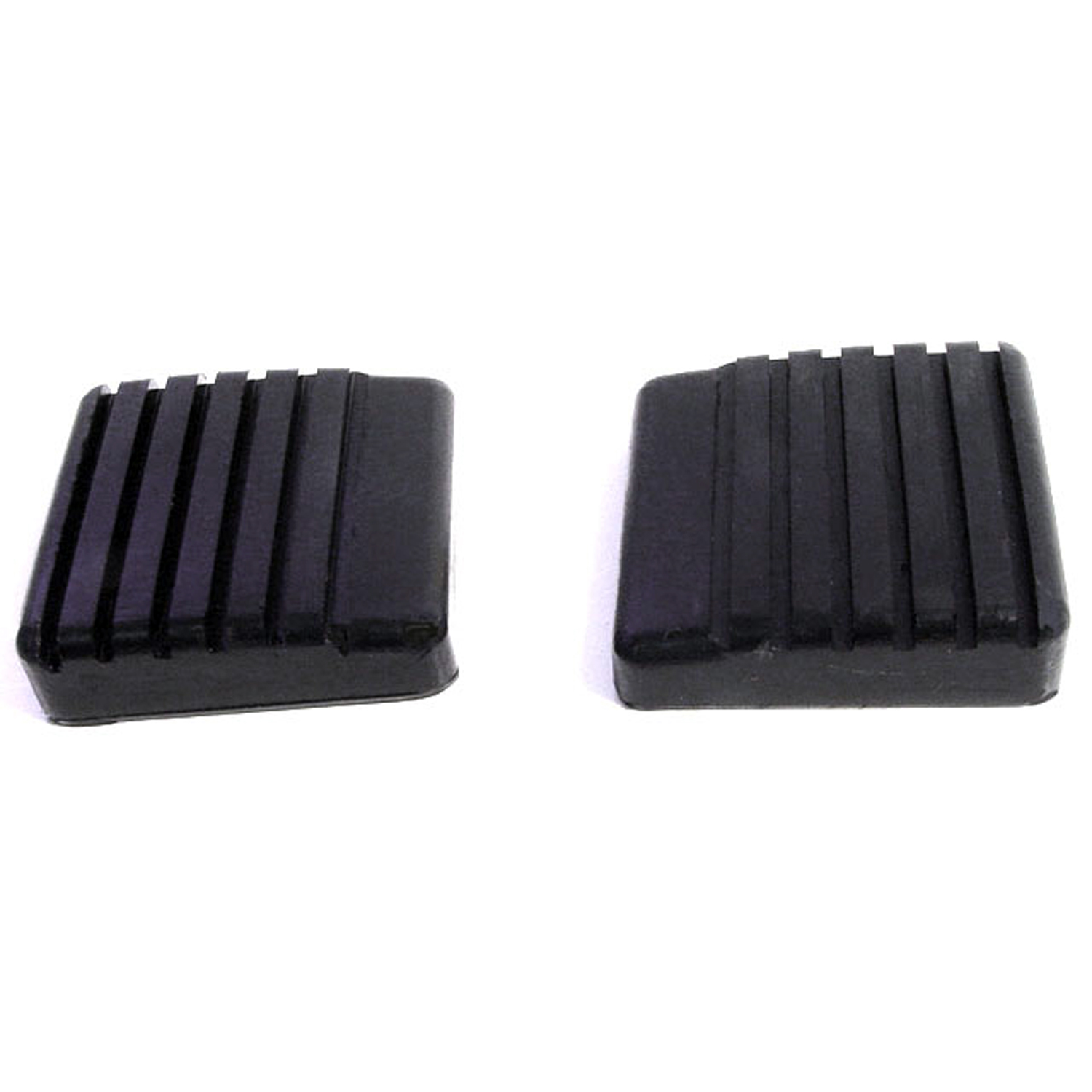 1976 Jeep Wagoneer Clutch and Brake Pedal Pads. Pair-CB 61-BClutch and Brake Pedal Pads. Pair
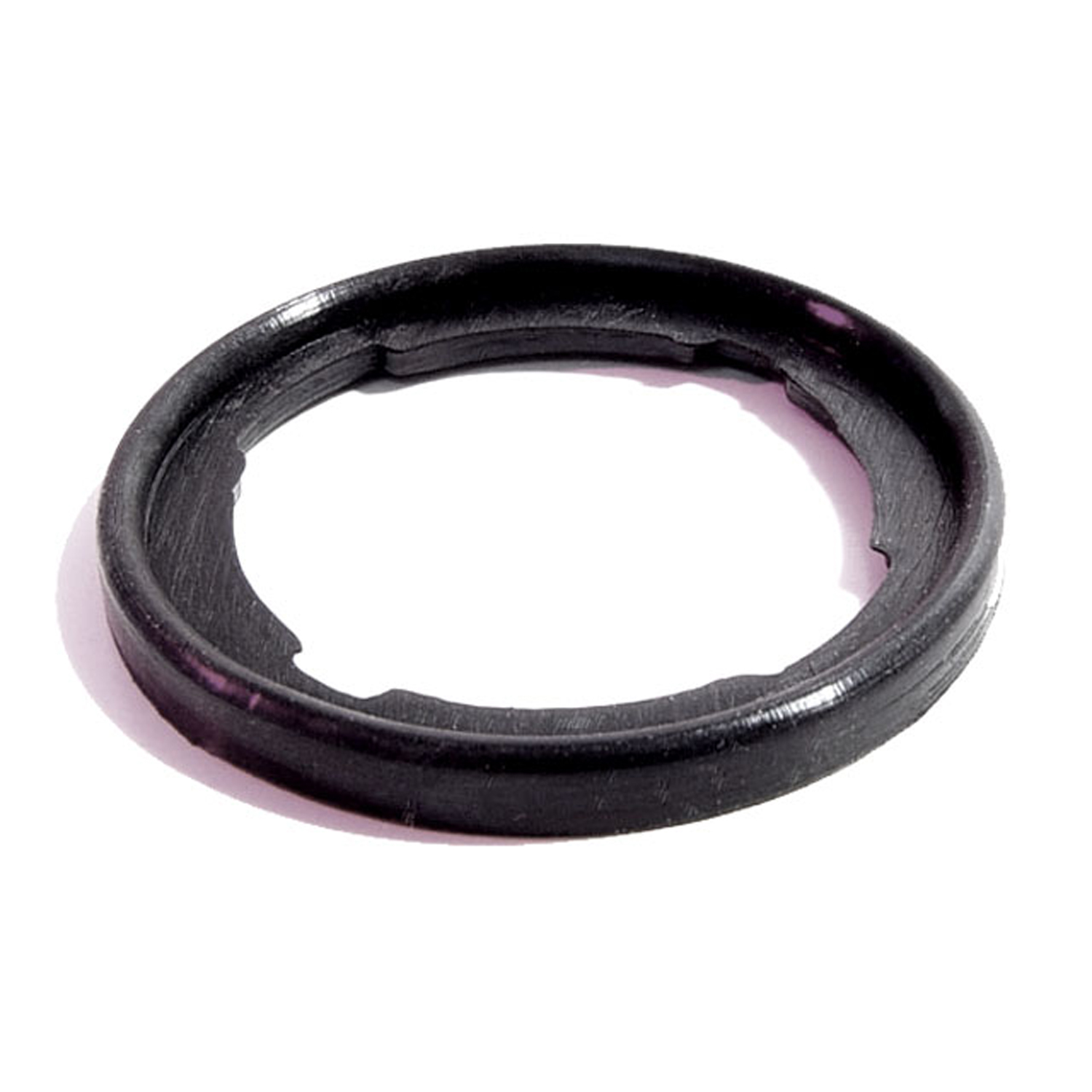 1976 Jeep Wagoneer Door Lock Gasket. Each-MP 1600Door Lock Gasket. Each
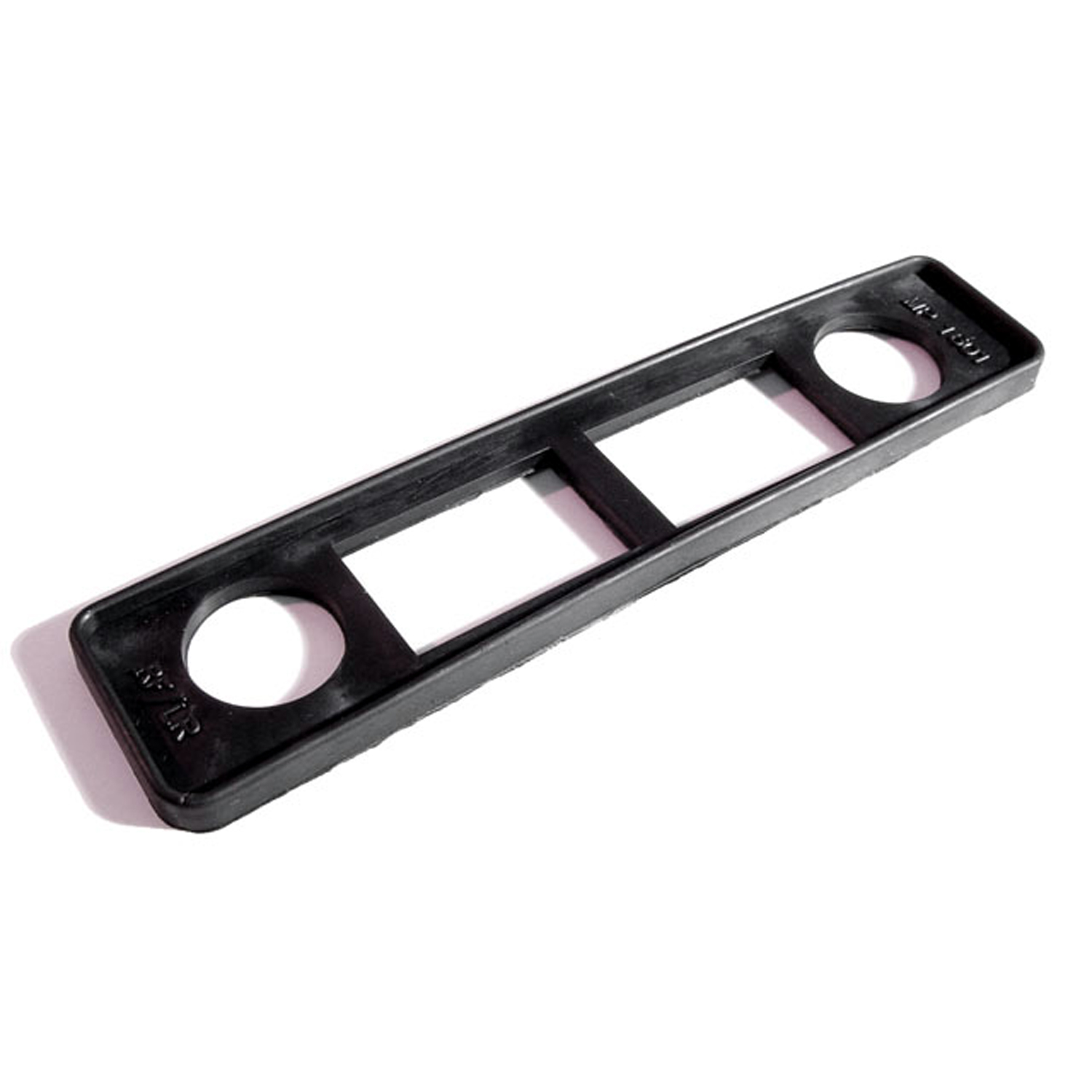 1976 Jeep Wagoneer Roof rack pad. Fits right front or left rear-MP 1601Roof rack pad. Fits right front or left rear. Replaces OEM# J5465665. Each.
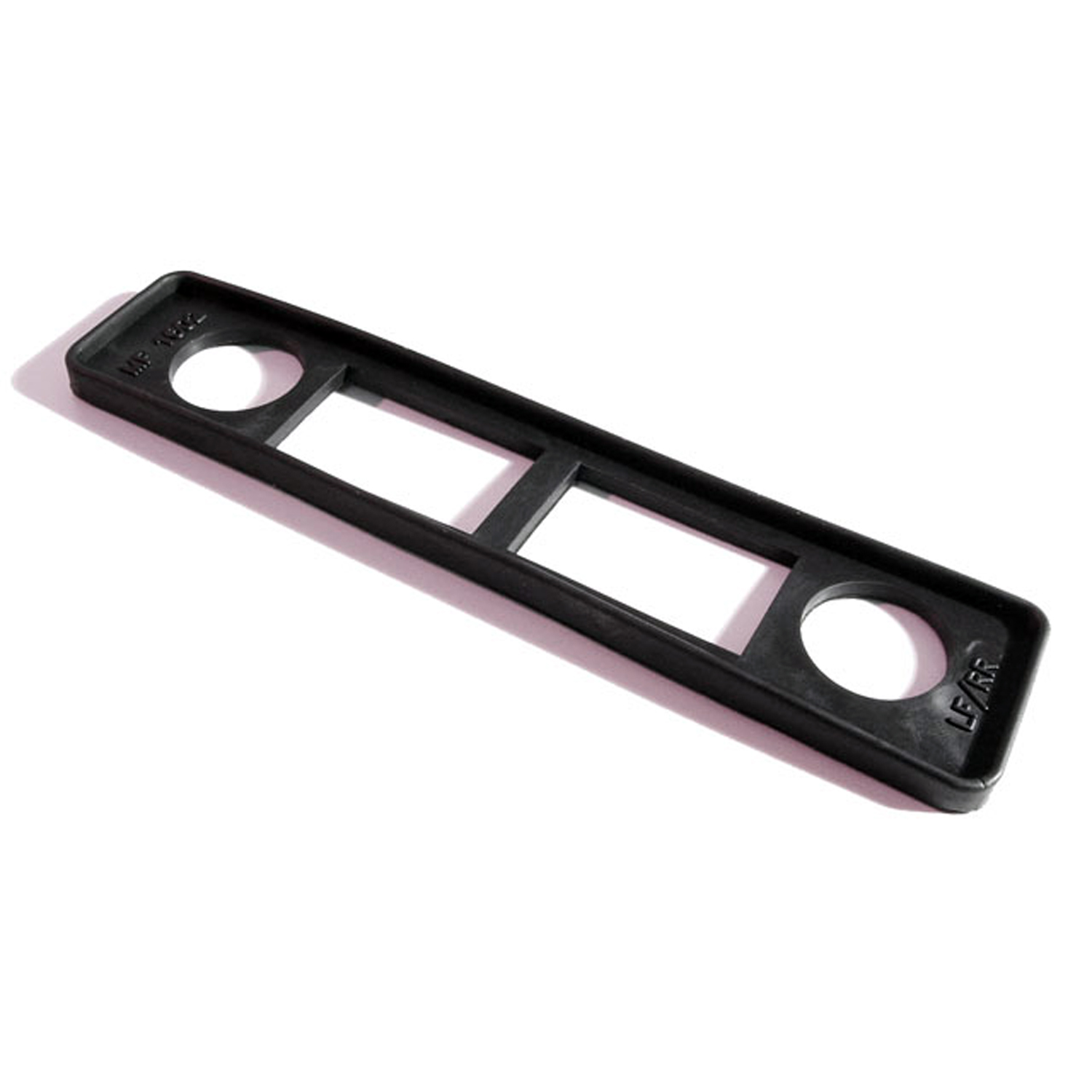 1976 Jeep Wagoneer Roof rack pad. Fits left front or right rear-MP 1602Roof rack pad. Fits left front or right rear. Replaces OEM# J5465666. Each.
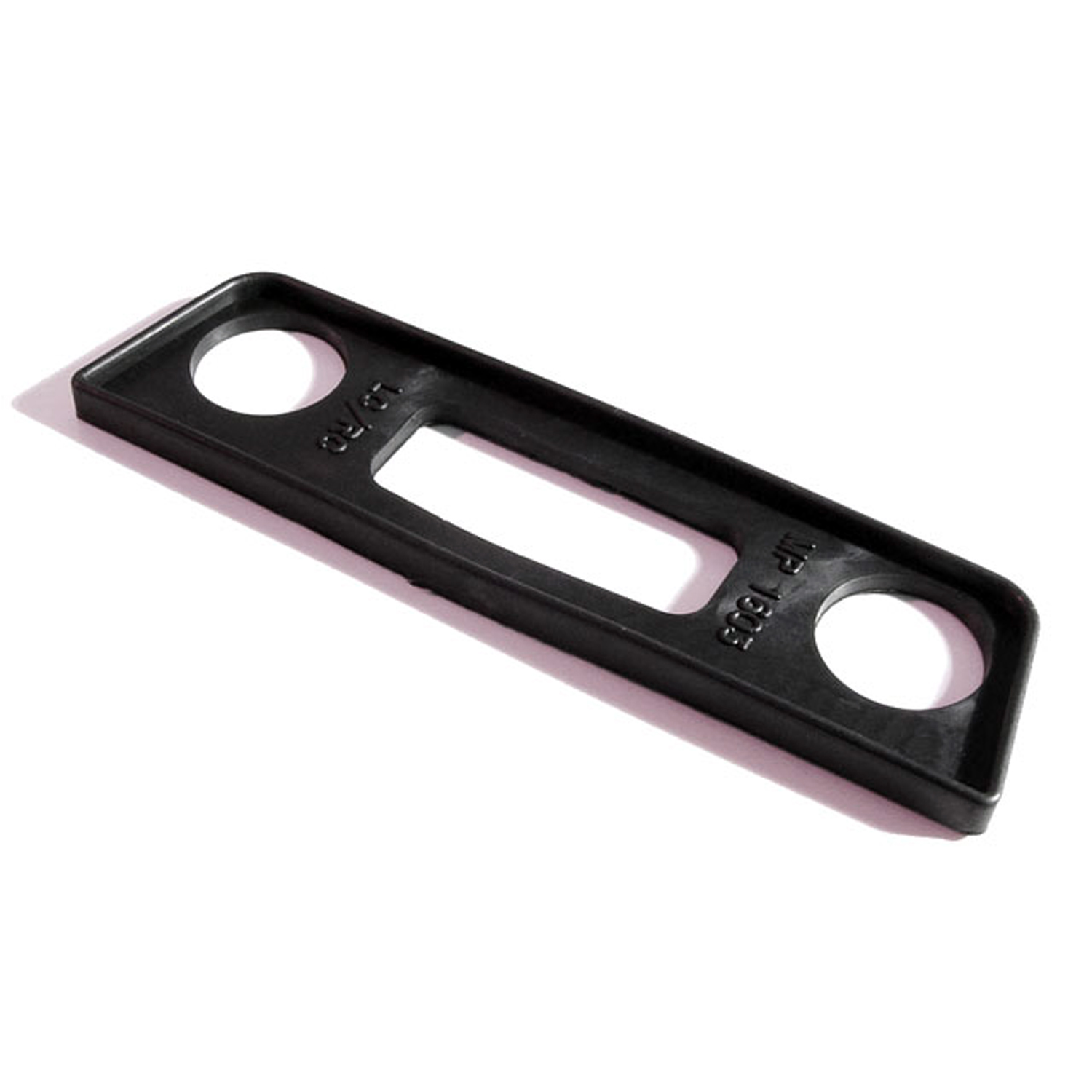 1976 Jeep Wagoneer Roof rack pad. Fits center standee. Replaces OEM# J5465676-MP 1603Roof rack pad. Fits center standee. Replaces OEM# J5465676. Each.
 1976 Jeep Wagoneer Tailgate lock base gasket. Replaces OEM# J5465676. Each.-MP 1604Tailgate lock base gasket. Replaces OEM# J5465676. Each.
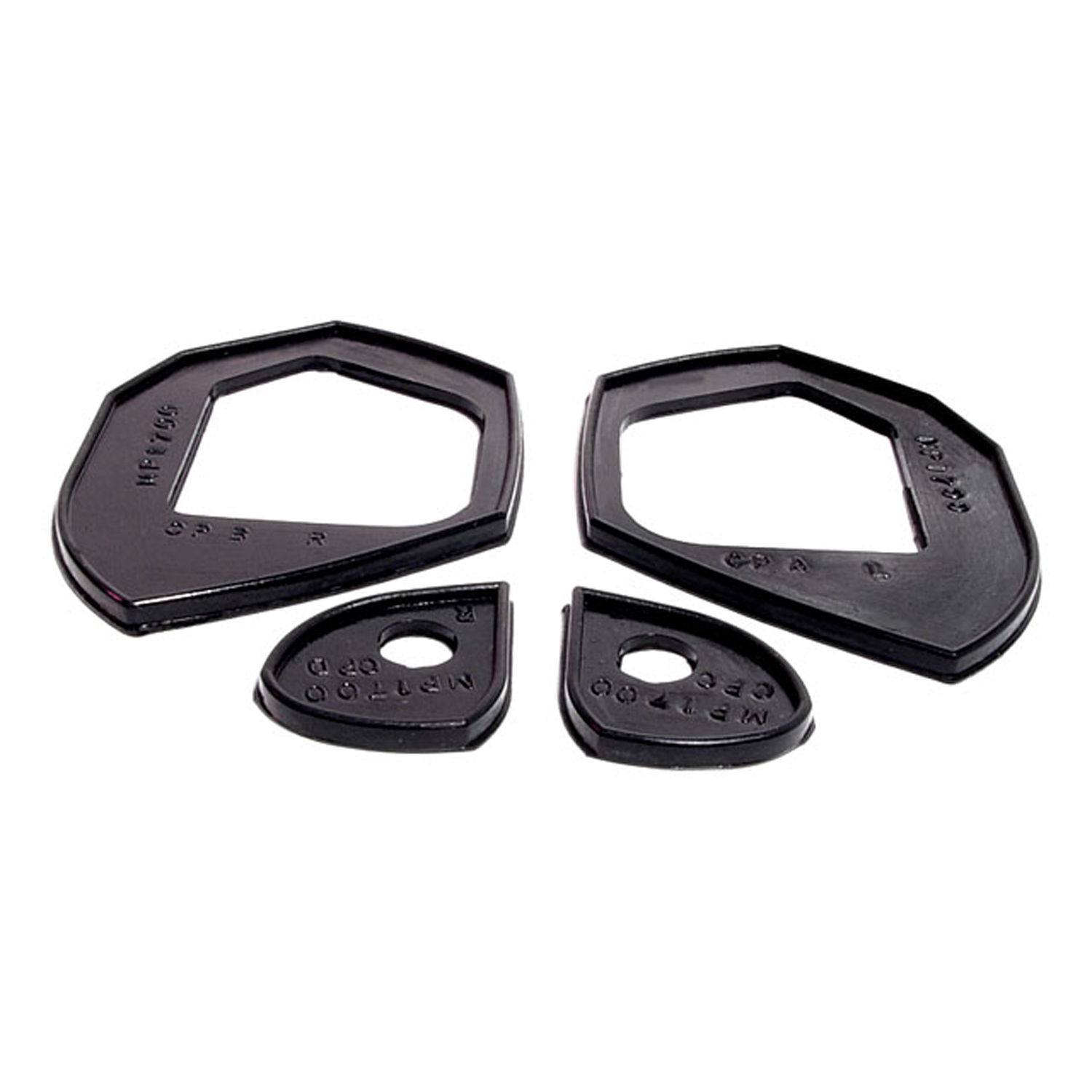 1976 Jeep Wagoneer Door handle mounting pads. 4-piece set. R&L.-MP 1700Door handle mounting pads. 4-piece set. R&L.
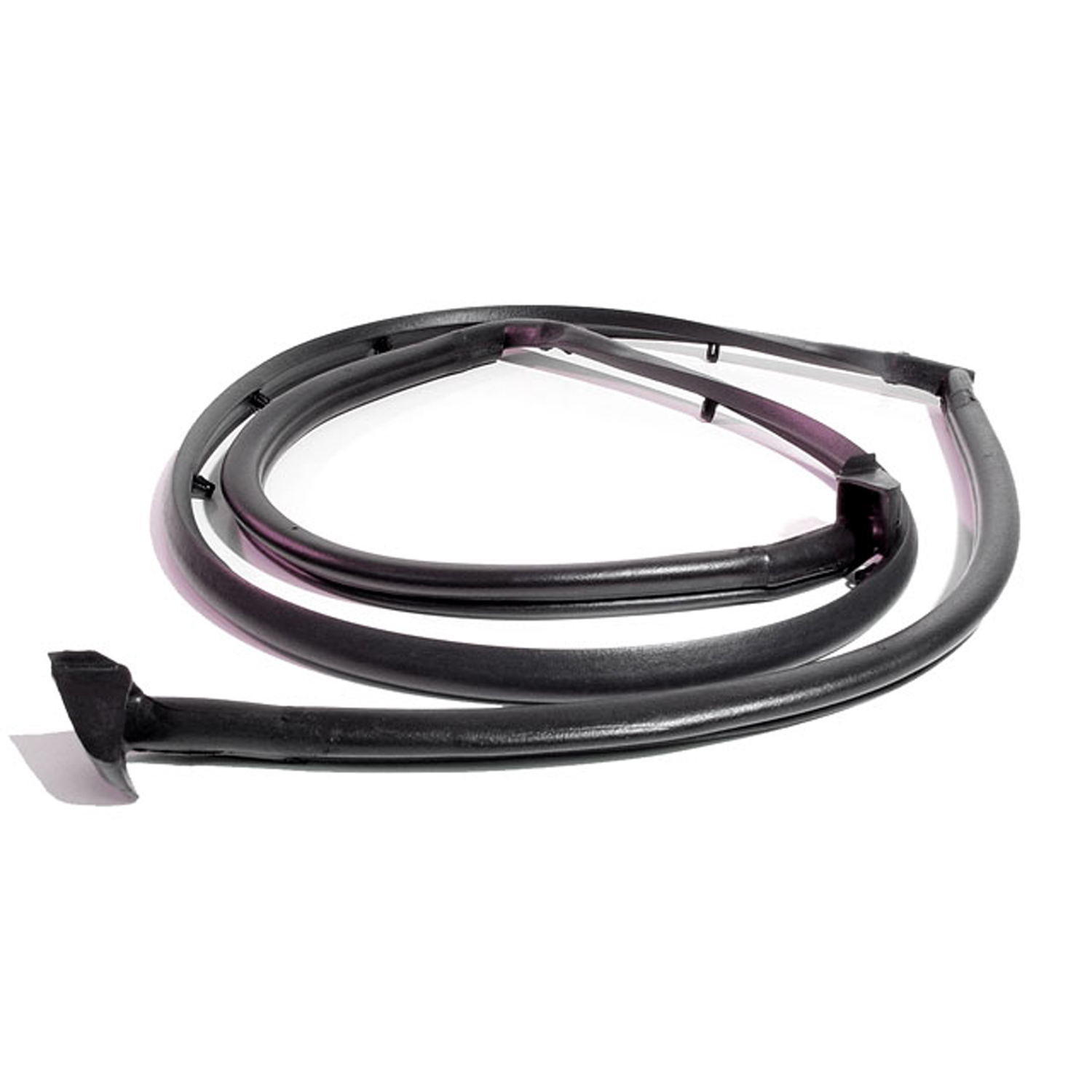 1976 Jeep Wagoneer Lower Tailgate Seal. Replaces OEM #J5451573. Each-TG 91Lower Tailgate Seal. Replaces OEM #J5451573. Each
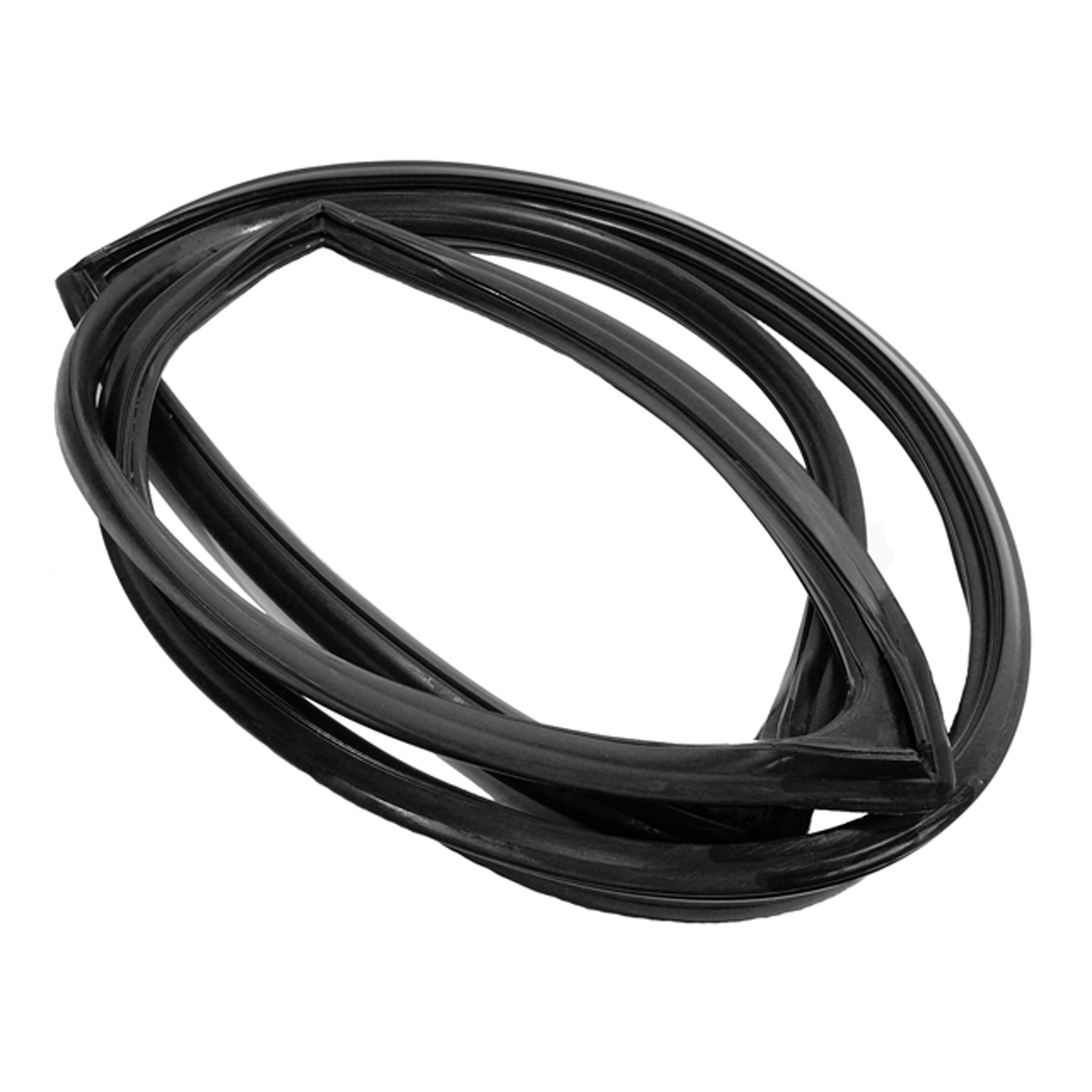 1976 Jeep Wagoneer Vulcanized Windshield Seal. 164-1/4" Long. Each-VWS 0643Vulcanized Windshield Seal. 164-1/4" Long. Each
Why Choose Metro?
For over 100 years, Metro Moulded Parts has been the pinnacle of quality in classic car restoration parts. Our commitment to precision and authenticity in every component ensures a perfect fit and an OEM-level appearance.
- Expert Craftsmanship & Quality: Each part is a testament to our dedication to reliability and perfection, crafted from original designs and thoroughly tested.
- Advanced Technology: We use cutting-edge techniques to create flawless, long-lasting parts that surpass others in performance.
- SuperSoft Sponge – The Ultimate Door Seal: Not only are our door seals 30% softer than competitors', but they're also guaranteed to never leak. They effectively reduce wind and road noise, enhancing your classic car's comfort and driving experience.
- Proudly American: Our parts are a product of American craftsmanship, made in the USA with a spirit of excellence and heritage.
- Unrivaled Warranty: We back our products with a 30-year industry-leading warranty, a testament to our confidence in their quality.
Join us in preserving the legacy of classic cars with parts that are crafted for perfection, not just made.