

Image of 1977 Jeep J20, Note: These illustrations use artistic license and may differ from actual historical models.
Performance Metrics
Fundamental Metrics
Emotional Appeal
MMP Rating
| Engine Specifications | |
|---|---|
| Engine: | AMC 360 V8 |
| Displacement: | 5.9L |
| Horsepower: | 175-195 hp |
| Torque: | 285-295 lb-ft |
| Compression Ratio: | 8.5:1 |
| Ignition System: | Electronic Ignition |
| Cooling System: | Liquid-cooled |
| Performance Specifications | |
| 0-60 Time: | Estimated 12-14 seconds |
| 1/4 Mile Time: | Estimated 18-20 seconds |
| Top Speed: | 100 mph |
| Transmission and Drive | |
| Drive Type: | 4WD |
| Transmission Type: | 3-speed automatic or 4-speed manual |
| Fuel and Efficiency | |
| Fuel System Type: | Carburetor |
| MPG: | 10-12 mpg |
| Dimensions and Brakes | |
| Brakes: | Front disc and rear drum brakes |
| Wheelbase: | 131 inches |
| Weight: | 4,500 lbs |
Note: Specifications for classic cars are given to the best of our ability, considering the limited and variant data available.
1977 Jeep J20: A Heavy-Duty Pickup with Jeep DNA
The 1977 Jeep J20 is the kind of pickup that looks ready to leave the pavement before you have even turned the key. Built by American Motors Corporation (AMC), it belonged to Jeep’s full-size J-Series, a line that blended work-truck capability with the brand’s established four-wheel-drive know-how.
The J-Series had roots in the Jeep Gladiator pickup, introduced in 1962. Jeep adopted the J10 and J20 names in the 1970s, with the J20 serving as the heavier-duty, three-quarter-ton model. In 1977, it sat in a distinctive place in the market: more substantial than a typical light-duty pickup, but still shaped by Jeep’s off-road heritage.
One detail that makes the J20 especially interesting is that it was not simply a J10 with a larger badge. Its heavy-duty chassis and running gear were intended for bigger payloads and harder work. That mix of truck toughness and four-wheel-drive versatility is a big part of why surviving examples still attract attention.
Square Shoulders and Work-Ready Details
The J20 wears the straightforward, upright styling that defined many American trucks of the era. Its broad hood, tall cab, slab-sided body, and prominent front grille give it a purposeful stance. Depending on the exact configuration, it could have a relatively plain work-truck appearance or more polished trim, but even dressed-up versions retained a rugged, functional look.
Inside, the cabin is practical rather than luxurious. Expect a wide bench seat, a simple dashboard, large controls, and durable vinyl or cloth upholstery depending on trim and options. The materials were chosen for everyday use, not delicate presentation. After decades of work, interior condition varies widely, and original seat upholstery, door panels, and dash components can be harder to find than mechanical parts.
Equipment varied by truck. Available conveniences could include power steering, power brakes, air conditioning, upgraded interior trim, and an automatic transmission. These were useful upgrades, especially for a heavy pickup used on the highway or for towing. The J20’s four-wheel-drive hardware was its most important technology: it gave the truck the traction to work on rough ground, snow, and muddy tracks. Some J-Series configurations could also be ordered with Jeep’s Quadra-Trac full-time four-wheel-drive system, though equipment depended on model and drivetrain.
Factory paint choices changed by year and trim, and buyers could choose from practical solid colors as well as brighter period shades. White, red, blue, green, and earth tones all suit the truck’s shape. Bright colors and contrasting trim are especially eye-catching today, but there is no single paint scheme that defines every 1977 J20.
J20 Configurations and Options
The J20 was offered as a conventional pickup, with cab and bed combinations depending on the specific model and equipment. It was built on a longer, heavier-duty platform than the half-ton J10, and many examples came with an eight-foot bed. The long-bed configuration is the classic J20 silhouette: a substantial cab followed by a full-length cargo box.
Buyers could tailor the truck with different engines, transmissions, axle ratios, four-wheel-drive equipment, and appearance or convenience packages. Period trim names and option availability varied across the J-Series, so it is worth checking a specific truck’s build information rather than assuming that a badge or accessory was factory-installed. For collectors, original paperwork, tags, and a consistent set of components can help distinguish a genuine configuration from later modifications.
Why the 1977 J20 Matters
The J20 represents an important chapter in Jeep’s evolution from a maker of compact utility vehicles into a manufacturer of full-size trucks and family-oriented four-wheel drives. Its lineage connected the original Gladiator pickup to later J-Series trucks, while its design showed how Jeep could apply off-road engineering to a more capable work vehicle.
What set the J20 apart from many contemporaries was its combination of heavy-duty hardware and Jeep identity. It was not merely a pickup with four-wheel drive added as an afterthought. The brand’s experience with rugged axles, transfer cases, and utility vehicles was central to the truck’s character. At the same time, the J20 remained a conventional, body-on-frame pickup, making it useful for hauling, towing, and farm or job-site duties.
The J-Series continued after 1977, eventually remaining in production until the late 1980s. The J20 therefore belongs to a long-running family of Jeep pickups that helped pave the way for later Jeep trucks, including the modern Gladiator. Its influence is less about introducing a single industry-changing feature and more about maintaining a distinctive place in the full-size 4x4 market.
Engines, Speed, and Road Manners
Engine availability depended on configuration and market. The 1977 J20 could be equipped with AMC’s 258-cubic-inch inline-six or a 360-cubic-inch V8, with larger V8 availability varying by year and specification. The 360 was a natural match for a heavy pickup, delivering the low-speed torque needed for hauling and climbing. Transmission choices included manual and automatic options, while axle ratios and drivetrain equipment also affected how each truck performed.
Exact acceleration and top-speed figures are difficult to pin down because the J20’s engine, gearing, tires, transmission, and load all make a substantial difference. As a broad estimate, a V8-equipped example might take roughly 13 to 17 seconds to reach 60 mph. A lightly loaded truck with suitable gearing might approach 85 to 95 mph, but that is not where the J20 feels most at home. These are period-truck estimates, not guaranteed factory test results, and a well-used example may perform differently.
On the road, the J20 feels large and deliberate. Its solid axles and heavy-duty suspension are built for carrying weight, so an unloaded truck can ride firmly and bounce over sharp pavement changes. Add a load and the suspension settles into its intended working rhythm. On winding roads, expect slower steering response and more body movement than in a modern pickup. The truck rewards smooth inputs rather than hurried cornering.
The driving experience is wonderfully mechanical. A V8 J20 announces itself with a deep exhaust note and a steady, low-speed rumble. The steering wheel, gear selector, and pedals provide direct feedback, and the high seating position gives a commanding view of the road. It feels like an old-school truck because it is one: substantial, unhurried, and most comfortable when allowed to do the job it was built for.
Living with a J20
Today, a 1977 J20 can serve as a weekend driver, farm truck, trail rig, restoration project, or vintage show vehicle. It is generally too thirsty and too large to be an economical daily driver, particularly in city traffic, but a well-maintained example can still handle regular use. Owners often value it as a working classic rather than a fragile museum piece.
Routine maintenance is familiar to anyone who has worked on older American trucks: oil and filter changes, ignition service, cooling-system checks, brake inspection, and regular attention to steering and suspension components. The J20’s mechanical systems are relatively straightforward, and many repairs are manageable for a capable home mechanic with a service manual and proper equipment.
Age and condition matter more than the badge. Inspect the frame, cab mounts, floor pans, bed, and lower body carefully for rust. Check the transfer case and axles for leaks or unusual noise, and pay close attention to brake condition and steering play. Parts support is reasonable for common service items, but trim, interior pieces, and model-specific components may take patience to locate. A rusty or heavily modified truck can become expensive quickly.
J20 Trivia and Common Complaints
The J20’s three-quarter-ton designation points to its heavier-duty role compared with the half-ton J10. That distinction is reflected in its chassis and running gear, not just its model name. The J-Series also offered different four-wheel-drive arrangements over its production life, so two trucks that look similar may have very different drivetrain hardware underneath.
There is no widely recognized speed, sales, or endurance record associated specifically with the 1977 J20, and it is not especially famous for a single celebrity owner or historical event. Its appeal is more grounded: these trucks earned their reputations through years of hauling, towing, and working in difficult conditions.
Common criticisms are familiar to owners of vintage full-size pickups. Fuel economy is poor by modern standards, the ride can be stiff when the bed is empty, and the truck’s size makes tight parking a chore. Rust and worn-out driveline components can also complicate restoration. Still, those drawbacks are part of the honest character of an old work truck, and many enthusiasts consider the J20’s toughness and unmistakable presence worth the trade-offs.
1977 Jeep J20 Values and Rarity
There is no dependable, widely published production total for 1977 J20s alone, so any model-year figure should be treated as an estimate rather than a factory count. As a rough guide, production was likely in the thousands rather than the tens of thousands. The J20 is less common on the road today than familiar half-ton pickups, but it is not so scarce that a patient buyer can never find one.
Collector values depend heavily on rust, originality, drivetrain, and the quality of any restoration. A rough project might sell for about $3,000 to $7,000. A usable driver in fair-to-good condition could fall in the $8,000 to $18,000 range, while a clean, well-restored example may bring roughly $20,000 to $35,000 or more. Exceptional originality, rare equipment, or a highly desirable engine could push a truck beyond those estimates. Actual prices vary by region and change with the condition of the market.
Interest in vintage 4x4s has helped keep good J20s desirable, and clean, original examples have generally become more valuable over time. That does not mean every truck is appreciating quickly. Projects remain projects, and restoration costs can exceed the eventual sale price. The best candidates for long-term value are solid, complete trucks with documented history and minimal rust.
A Full-Size Jeep with Working-Class Character
The 1977 Jeep J20 combines the utility of a three-quarter-ton pickup with the four-wheel-drive heritage that made Jeep famous. Its heavy-duty construction, practical cabin, and available V8 power made it a capable work truck in its day, while its distinctive styling and mechanical character give it lasting appeal.
It is not fast, frugal, or especially refined, and that is precisely the point. The J20 is a substantial old truck built to carry its share of the load. For enthusiasts who want a classic pickup with genuine Jeep roots, it remains a memorable and increasingly appreciated piece of American automotive history.
1977 Jeep J20 Catalog of Parts
 1977 Jeep J20 Shock Absorber Grommet. 1" bottom O.D-BN 11Shock Absorber Grommet. 1" bottom O.D., 3/4" high, with 5/8" I.D. Each
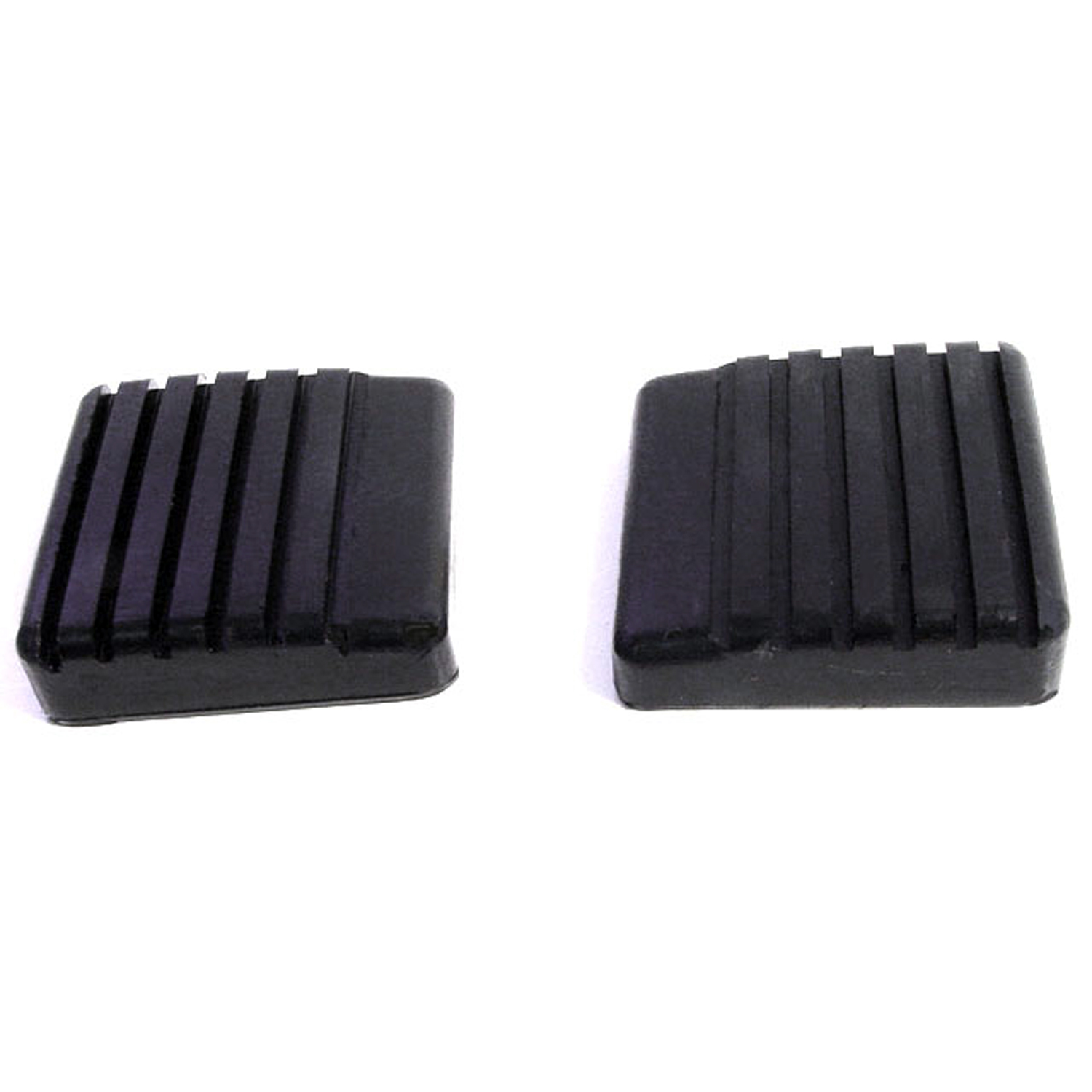 1977 Jeep J20 Clutch and Brake Pedal Pads. Pair-CB 61-BClutch and Brake Pedal Pads. Pair
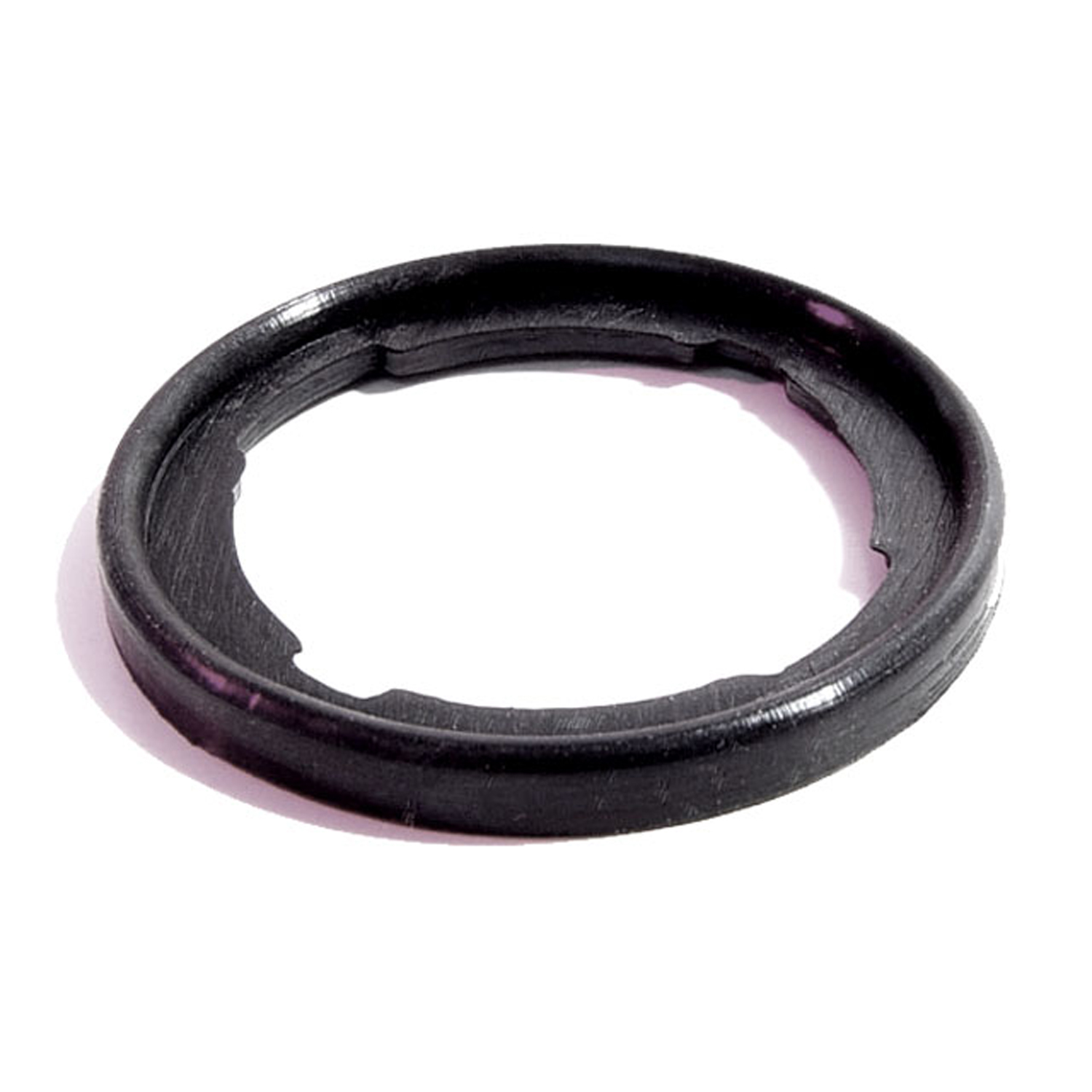 1977 Jeep J20 Door Lock Gasket. Each-MP 1600Door Lock Gasket. Each
Why Choose Metro?
For over 100 years, Metro Moulded Parts has been the pinnacle of quality in classic car restoration parts. Our commitment to precision and authenticity in every component ensures a perfect fit and an OEM-level appearance.
- Expert Craftsmanship & Quality: Each part is a testament to our dedication to reliability and perfection, crafted from original designs and thoroughly tested.
- Advanced Technology: We use cutting-edge techniques to create flawless, long-lasting parts that surpass others in performance.
- SuperSoft Sponge – The Ultimate Door Seal: Not only are our door seals 30% softer than competitors', but they're also guaranteed to never leak. They effectively reduce wind and road noise, enhancing your classic car's comfort and driving experience.
- Proudly American: Our parts are a product of American craftsmanship, made in the USA with a spirit of excellence and heritage.
- Unrivaled Warranty: We back our products with a 30-year industry-leading warranty, a testament to our confidence in their quality.
Join us in preserving the legacy of classic cars with parts that are crafted for perfection, not just made.