

Image of 1979 Jeep Cherokee, Note: These illustrations use artistic license and may differ from actual historical models.
Performance Metrics
Fundamental Metrics
Emotional Appeal
MMP Rating
| Engine Specifications | |
|---|---|
| Engine: | AMC 258 I6, AMC 360 V8 |
| Displacement: | 4.2L (258 cu in) for I6, 5.9L (360 cu in) for V8 |
| Horsepower: | 110-195 hp |
| Torque: | 210-285 lb-ft |
| Compression Ratio: | 8.0:1 for I6, 8.5:1 for V8 |
| Ignition System: | Electronic Ignition |
| Cooling System: | Liquid-cooled |
| Performance Specifications | |
| 0-60 Time: | Estimated 11-15 seconds |
| 1/4 Mile Time: | Estimated 18-20 seconds |
| Top Speed: | 100 mph |
| Transmission and Drive | |
| Drive Type: | 4WD |
| Transmission Type: | 3-speed automatic, 4-speed manual |
| Fuel and Efficiency | |
| Fuel System Type: | Carburetor |
| MPG: | Estimated 10-14 mpg |
| Dimensions and Brakes | |
| Brakes: | Front disc, rear drum |
| Wheelbase: | 108.7 inches |
| Weight: | 4,200 lbs |
Note: Specifications for classic cars are given to the best of our ability, considering the limited and variant data available.
1979 Jeep Cherokee: The Full-Size 4x4 With a Sporting Streak
The 1979 Jeep Cherokee could rumble down a muddy trail, cruise a highway, and haul a family’s gear without changing its basic character: this was a full-size 4x4 with real truck bones and an unusually adventurous streak. Built by American Motors Corporation (AMC), the Cherokee belonged to Jeep’s large SJ family, sharing its platform with the Wagoneer and combining rugged utility with more expressive styling than many SUVs of its day.
The Cherokee name had appeared on Jeep vehicles before, but the SJ Cherokee introduced in 1974 gave it a distinct identity as a sportier alternative to the luxury-minded Wagoneer. By 1979, the formula was well established: body-on-frame construction, available four-wheel drive, substantial engine choices, and trim packages that could make the truck look ready for a ranch or a rock concert.
One particularly memorable version was the Cherokee Chief. Its bold graphics, pronounced wheel-arch flares, and available wide-track stance gave the big Jeep a more muscular look than the average family wagon. That combination of genuine off-road hardware and unmistakable personality is a large part of why the SJ Cherokee remains so recognizable.
SJ Cherokee Styling and Trim
The Cherokee’s shape was upright and purposeful, with a long hood, squared-off glass, a vertical grille, and a tall roof that made the cabin feel airy. Its proportions were unmistakably those of a full-size vehicle, but trim details could give it very different personalities. A standard-trim truck looked like a practical workhorse, while a Chief with its flared arches and bold side graphics looked ready to be noticed.
For 1979, buyers could choose between two-door and four-door body styles. The two-door was especially associated with the Cherokee’s sporty image, while the four-door offered easier access to the rear seat and greater everyday practicality. Both were built on the same basic SJ platform. The Cherokee Chief is the best-known and most collectible appearance package, particularly when equipped with its wide-track fender treatment and period graphics.
Interior appointments depended on trim and options. Buyers could find durable vinyl, cloth upholstery, carpeting, and more decorative touches on better-equipped examples. The cabin was designed around usefulness rather than modern luxury: broad seats, straightforward controls, generous glass, and a commanding driving position. Compared with a car of the same era, the Cherokee felt more like a sturdy piece of equipment, though its upscale trims could add welcome comfort for long trips.
Factory paint choices varied by year, trim, and ordering combination. Period examples can be found in colors such as white, cream, red, blue, green, and earthy browns, along with darker shades and contrasting trim. Two-tone treatments and the Chief’s stripes are especially popular today because they emphasize the Cherokee’s late-1970s personality. Original paint and graphics can make a significant difference to collector appeal.
Four-Wheel-Drive Technology
Jeep’s available Quadra-Trac system was one of the Cherokee’s most notable technologies. It provided full-time four-wheel drive, so the driver did not have to stop and manually select four-wheel drive whenever road conditions changed. The system was designed to send power to the wheels with traction, making it useful on wet pavement as well as snow, gravel, and dirt. Some configurations also offered a low-range reduction unit for slow, demanding off-road work.
The Cherokee’s conventional body-on-frame construction was just as important to its capability. Its separate frame, sturdy axles, and truck-style underpinnings were well suited to rough roads, towing, and trail use. The tradeoff was weight and a less carlike ride than a unibody vehicle, but in 1979 many buyers considered that a fair exchange for toughness.
Why the Cherokee Mattered
The 1979 Cherokee arrived during the formative years of the modern SUV. Buyers were looking for vehicles that could handle family transport and recreation without giving up the utility of a four-wheel-drive truck. The SJ Cherokee answered that demand with a combination of interior space, serious off-road equipment, and styling that made it feel more personal than a plain utility wagon.
It also helped establish the idea that an SUV could be both capable and image-conscious. The Cherokee Chief’s graphics and wide-track appearance were not merely functional details. They helped turn a large 4x4 into a statement vehicle, a direction that would become increasingly important across the SUV market. The Cherokee did not invent the SUV, but its blend of full-size practicality and sporty character helped shape what buyers came to expect from one.
Its lasting influence is also visible in the Cherokee name itself. Jeep later applied the name to smaller, more modern vehicles, but the SJ established the Cherokee as a core part of the brand’s identity. For enthusiasts, the 1979 model represents the name in its original full-size form.
Engine Options and Road Performance
Engine availability depended on trim and drivetrain, but the main choices for 1979 included AMC’s 258-cubic-inch (4.2-liter) inline-six and 360-cubic-inch (5.9-liter) V8. The six-cylinder offered a simpler, more economical route into Cherokee ownership, while the V8 supplied the stronger low-speed pull that suited a heavy 4x4. Transmission and axle combinations varied, so the exact driving character can differ considerably from one surviving truck to another.
There is no single factory performance figure that neatly describes every 1979 Cherokee. As a guide, a healthy V8 example may reach 60 mph in roughly 12 to 15 seconds, while six-cylinder versions are generally slower. Top speed is typically estimated in the neighborhood of 90 to 100 mph, depending on engine, gearing, tire size, condition, and equipment. These are estimates, not guaranteed figures, and the Cherokee was built for torque and traction rather than quick acceleration.
On the road, the Cherokee feels substantial. The V8 delivers a deep, relaxed rumble and useful pulling power, while the inline-six has a more restrained sound and character. Its steering is slower and less precise than that of a modern SUV, and the tall body leans more through corners. On a winding road, it rewards smooth inputs rather than hurried direction changes.
Over bumps and broken pavement, the ride is trucklike but generally more comfortable than a bare-bones work vehicle. The long wheelbase helps it settle down on the highway, while the solid-axle setup and substantial tires make rough tracks feel manageable. In crosswinds, the tall body can move around, so drivers need to stay attentive. Off pavement, the high stance, four-wheel-drive system, and durable underpinnings are much more at home than the Cherokee’s size might suggest.
Living With a 1979 Cherokee
Today, Cherokees serve as trail rigs, vintage show vehicles, weekend cruisers, and practical classics for owners who want an old-school 4x4. Some are still used for work, but fuel consumption and the scarcity of rust-free examples make many owners reluctant to subject a clean truck to year-round duty. A V8 Cherokee can be thirsty, and real-world economy often falls around 8 to 13 mpg, depending on condition, gearing, and driving style.
Routine mechanical work is often approachable for a capable home mechanic. The engines are from an era with relatively straightforward layouts, and many components are accessible compared with those in a modern vehicle. Parts support remains available through Jeep specialists and the classic 4x4 community, although trim pieces, original graphics, and some body parts can be difficult or expensive to source.
Rust is the major ownership concern. Inspect the floors, rocker panels, lower doors, wheel arches, tailgate area, frame, and body mounts carefully. Also check the four-wheel-drive system, transmission, steering, brakes, and cooling system. A neglected drivetrain can be repaired, but extensive corrosion or missing Chief-specific trim can quickly turn a seemingly affordable project into an expensive restoration.
Rare Details and Cherokee Trivia
The Cherokee Chief is the standout visual variant for many enthusiasts. Its flared wheel openings, wider stance on applicable versions, and distinctive graphics make it easy to recognize. Period appearance packages and drivetrain combinations vary, so buyers should verify a truck’s original specification through documentation where possible rather than relying on badges alone.
The Cherokee did not set a headline speed record, and there is no widely recognized production milestone tied specifically to the 1979 model year. Its notable achievement was more cultural than numerical: it helped popularize the idea of a sporty, personal full-size 4x4. It also reflects a particular chapter of Jeep history, when the brand was part of AMC and its products were being shaped by the needs of the American market during the fuel-conscious late 1970s.
There is no reliable, widely documented production figure for every 1979 Cherokee configuration. As a rough estimate, total model-year Cherokee production may have been in the tens of thousands, perhaps around 15,000 to 25,000 vehicles across body styles and trims. That is an informed estimate rather than a confirmed factory count. Surviving examples are much fewer, especially trucks that retain original panels, drivetrain components, and correct trim.
1979 Jeep Cherokee Values
Condition, originality, rust, drivetrain, and trim make a major difference in today’s market. A rough project may sell for about $3,000 to $8,000, while a usable driver in fair condition might bring roughly $8,000 to $18,000. A clean, well-maintained example can fall in the $20,000 to $35,000 range, with high-quality restorations and especially desirable Chief models sometimes reaching $40,000 to $70,000 or more.
These are broad U.S. market estimates, not fixed appraisals. A rare, exceptionally original, documented example can exceed typical ranges, while a rusty or incomplete truck may sell for substantially less. Values for clean SJ Cherokees have generally strengthened as interest in vintage SUVs has grown. The best examples appear to be appreciating, though restoration costs can exceed the value of an average truck, making condition and purchase price crucial.
The Lasting Appeal of the 1979 Cherokee
The 1979 Jeep Cherokee combined AMC power, body-on-frame toughness, available full-time four-wheel drive, and styling with far more flair than a basic utility vehicle. Its two-door profile and Chief graphics gave it a memorable look, while its four-door version offered genuine family practicality. It was never a sports car, but it delivered the kind of rugged, confident driving experience that made the early SUV era exciting.
More than four decades later, the SJ Cherokee remains a compelling classic because it is both a useful machine and a vivid piece of automotive history. It helped define the sporty full-size 4x4, and when a Chief’s graphics flash across the road, its character is unmistakable.
1979 Jeep Cherokee Catalog of Parts
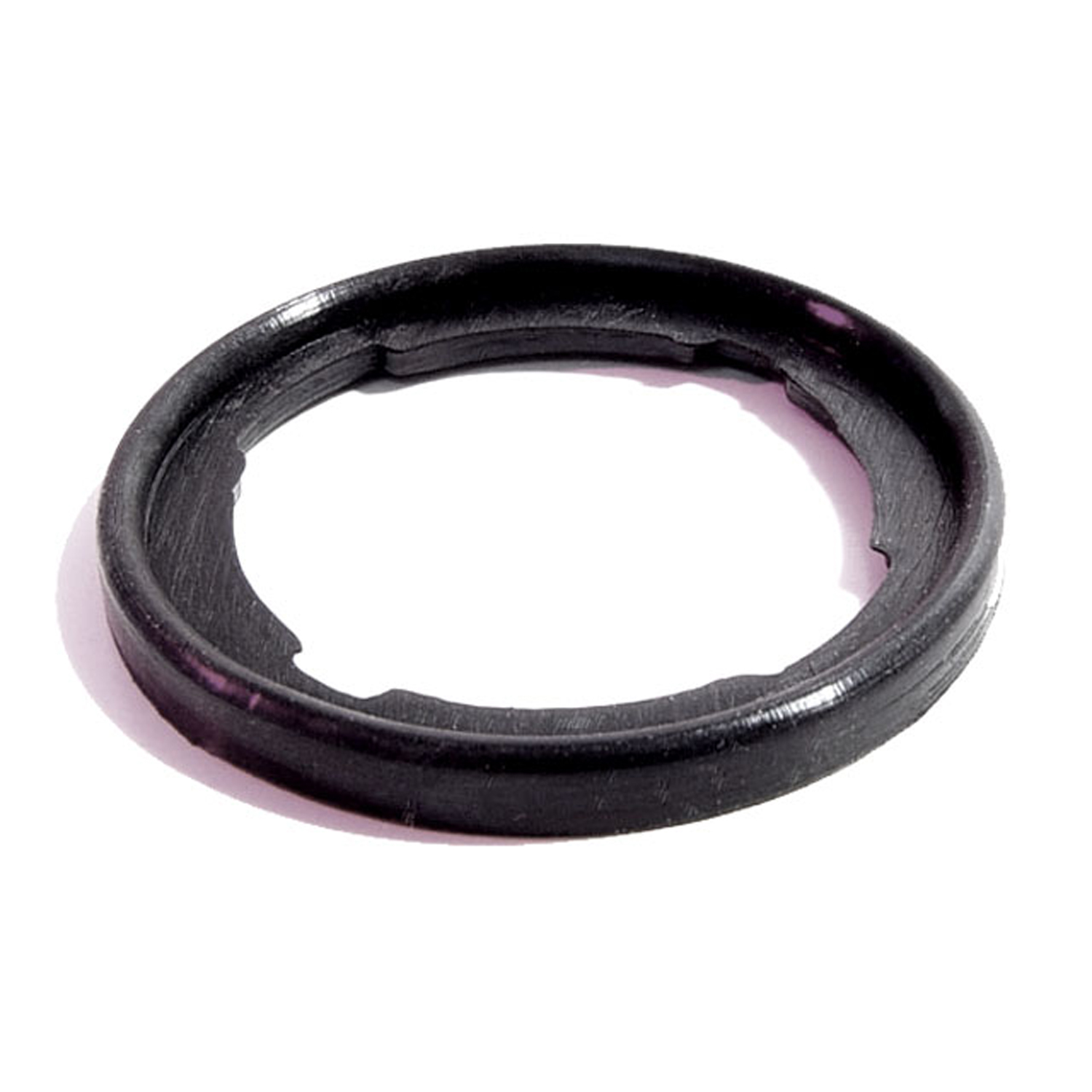 1979 Jeep Cherokee Door Lock Gasket. Each-MP 1600Door Lock Gasket. Each
 1979 Jeep Cherokee Tailgate lock base gasket. Replaces OEM# J5465676. Each.-MP 1604Tailgate lock base gasket. Replaces OEM# J5465676. Each.
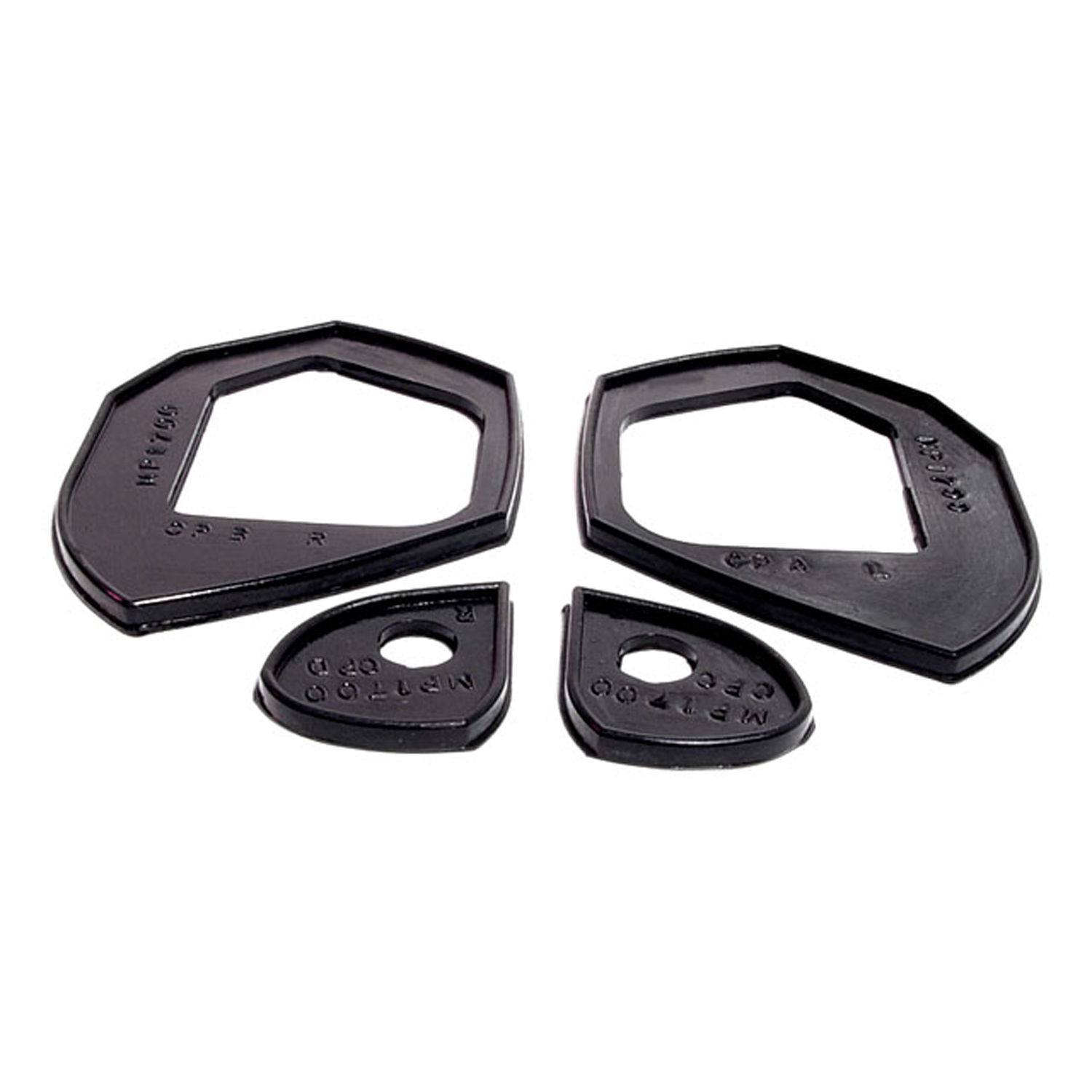 1979 Jeep Cherokee Door handle mounting pads. 4-piece set. R&L.-MP 1700Door handle mounting pads. 4-piece set. R&L.
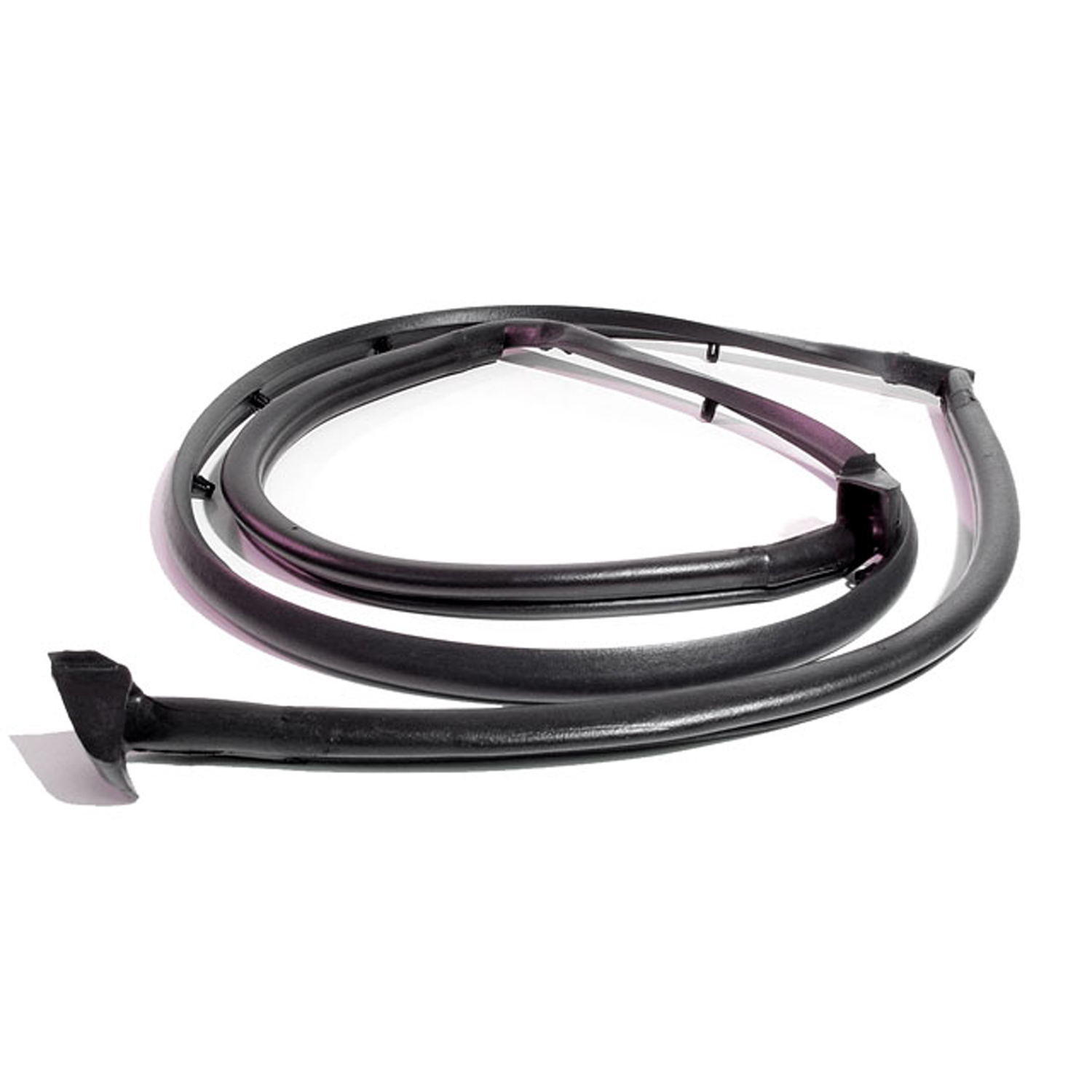 1979 Jeep Cherokee Lower Tailgate Seal. Replaces OEM #J5451573. Each-TG 91Lower Tailgate Seal. Replaces OEM #J5451573. Each
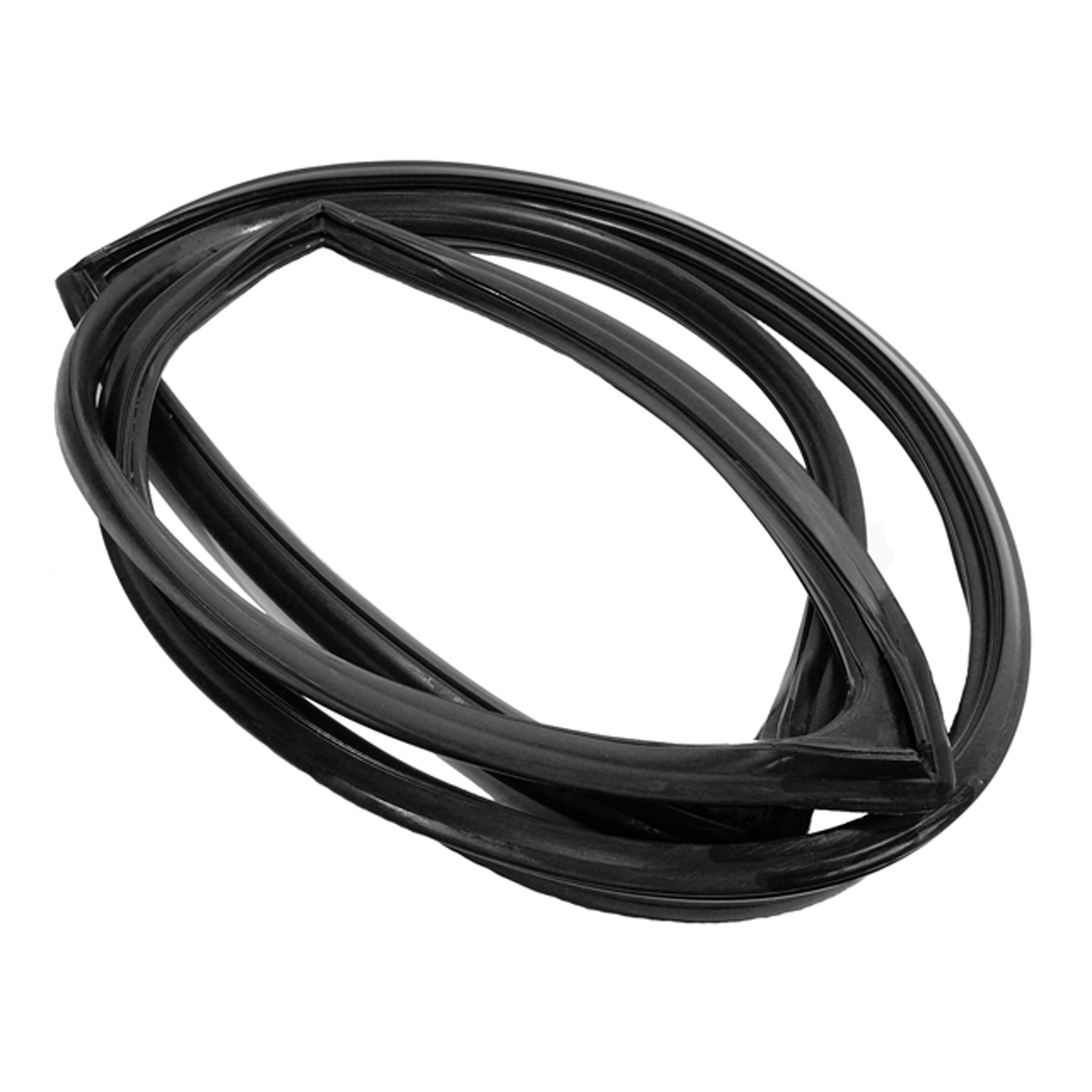 1979 Jeep Cherokee Vulcanized Windshield Seal. 164-1/4" Long. Each-VWS 0643Vulcanized Windshield Seal. 164-1/4" Long. Each
Why Choose Metro?
For over 100 years, Metro Moulded Parts has been the pinnacle of quality in classic car restoration parts. Our commitment to precision and authenticity in every component ensures a perfect fit and an OEM-level appearance.
- Expert Craftsmanship & Quality: Each part is a testament to our dedication to reliability and perfection, crafted from original designs and thoroughly tested.
- Advanced Technology: We use cutting-edge techniques to create flawless, long-lasting parts that surpass others in performance.
- SuperSoft Sponge – The Ultimate Door Seal: Not only are our door seals 30% softer than competitors', but they're also guaranteed to never leak. They effectively reduce wind and road noise, enhancing your classic car's comfort and driving experience.
- Proudly American: Our parts are a product of American craftsmanship, made in the USA with a spirit of excellence and heritage.
- Unrivaled Warranty: We back our products with a 30-year industry-leading warranty, a testament to our confidence in their quality.
Join us in preserving the legacy of classic cars with parts that are crafted for perfection, not just made.