
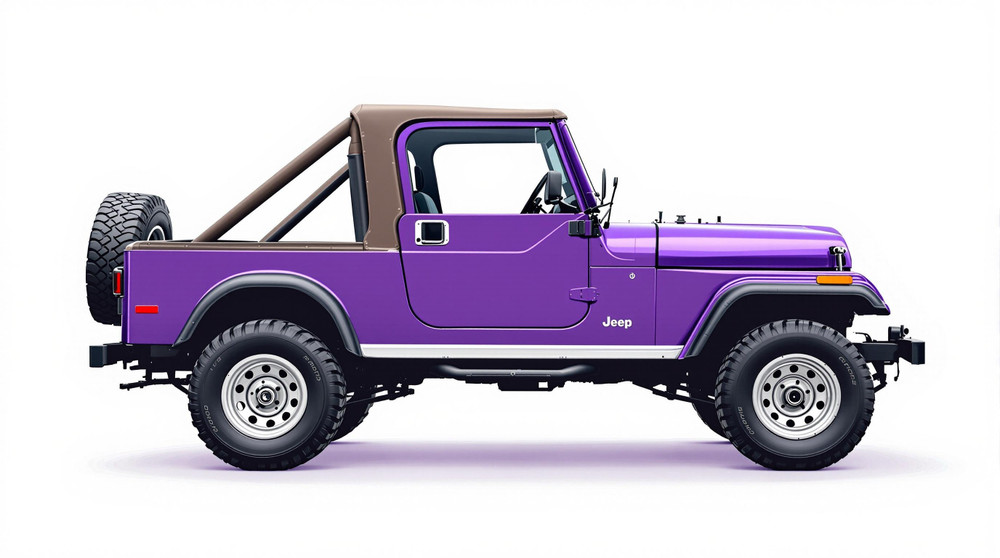
Image of 1980 Jeep Cj5, Note: These illustrations use artistic license and may differ from actual historical models.
Performance Metrics
Fundamental Metrics
Emotional Appeal
MMP Rating
| Engine Specifications | |
|---|---|
| Engine Options: | AMC 304 V8, AMC 258 I6 |
| Displacement Range: | 258-304 cu in (4.2-5.0 L) |
| Horsepower Range: | 125-150 hp |
| Torque: | 210-245 lb-ft |
| Compression Ratio: | 8.0:1 - 8.4:1 |
| Ignition System: | Electronic |
| Cooling System: | Liquid-cooled |
| Performance Specifications | |
| 0-60 Time: | Estimated 10-12 seconds |
| 1/4 Mile Time: | Estimated 17-19 seconds |
| Top Speed: | 85 mph |
| Transmission and Drive | |
| Drive Type: | 4WD |
| Transmission Type: | 3-speed manual, 4-speed manual |
| Fuel and Efficiency | |
| Fuel System Type: | Carburetor |
| MPG: | Estimated 10-15 mpg |
| Dimensions and Brakes | |
| Brakes: | Front disc, rear drum |
| Wheelbase: | 83.5 in |
| Weight: | 2,500-2,800 lbs |
Note: Specifications for classic cars are given to the best of our ability, considering the limited and variant data available.
1980 Jeep CJ-5: A Compact 4x4 With Serious Character
The 1980 Jeep CJ-5 was a small off-roader with the attitude of a much bigger truck. Built by American Motors Corporation (AMC), it paired a short, nimble body with genuine four-wheel-drive hardware, making it equally at home crawling along a trail or rumbling through town. Its basic shape had roots in military Jeeps, but by 1980 the CJ-5 had become a distinctive civilian vehicle with decades of trail-proven history behind it.
The CJ-5 story began with the military-derived Jeep M38A1. Introduced for the 1955 model year, the civilian CJ-5 adopted that Jeep’s rounded front fenders and cowl while developing into a family of its own. The 1980 model arrived late in the CJ-5’s long run, which ended in 1983. One intriguing detail: despite its compact 83.5-inch wheelbase, the CJ-5 used the same basic formula that helped establish Jeep as a go-anywhere brand, with a low-range transfer case, removable top, and a simple, rugged chassis.
Classic Jeep Styling and Cabin Details
The CJ-5 looks purposeful from every angle. Its upright grille, exposed hinges, rounded front fenders, flat windshield, and short rear body give it the unmistakable profile of a classic Jeep. The spare tire is typically mounted on the tailgate, while the compact proportions make the vehicle look ready to turn off the pavement at a moment’s notice. Depending on equipment, it could ride on steel wheels or more distinctive alloy wheels, with trim and graphics adding extra personality.
Inside, the priorities were practicality and durability, not plushness. The cabin is narrow and upright, with simple gauges, straightforward controls, and materials chosen to tolerate mud, dust, and regular use. Vinyl upholstery was common, and exposed metal surfaces reinforced the Jeep’s utilitarian character. The doors and top could be removed, opening the cabin to fresh air and trail views, though doing so also meant less protection from weather and road noise.
Engine and trim packages shaped the driving experience. The 1980 CJ-5 was offered with a 2.5-liter four-cylinder engine or AMC’s 4.2-liter, 258-cubic-inch inline-six, with availability varying by configuration and market. Four-cylinder examples offered a simpler, economical setup, while the six-cylinder was the more popular choice for drivers who wanted stronger low-speed pulling power. A manual transmission was typical, and the part-time four-wheel-drive system gave the driver a choice between two-wheel drive and low-range traction for demanding conditions.
Factory paint choices changed across model years and markets, but CJ-5s could be found in subdued shades as well as brighter colors. White, red, blue, and earthy tones all suit the vehicle’s rugged personality. Renegade versions are especially recognizable for their sportier trim, distinctive wheels, and bold graphics. The core body style remained the short-wheelbase, two-door open-top Jeep, with soft tops and, in some configurations, hardtops and other weather equipment available.
Why the CJ-5 Mattered
The CJ-5 helped define what a civilian four-wheel-drive vehicle could be. Unlike larger, more comfort-oriented 4x4s, it emphasized compact size, low-range capability, and mechanical simplicity. Its short wheelbase made it maneuverable on tight trails, while its body-on-frame construction and solid axles suited rough terrain. It was not the first vehicle to offer four-wheel drive, but it helped make the trail-ready 4x4 a recognizable and enduring part of American automotive culture.
By 1980, the CJ-5 shared the Jeep showroom with the longer CJ-7, which offered more passenger space and a less abrupt ride. The CJ-5’s continued appeal came from the opposite qualities: it was shorter, more compact, and felt especially direct on the trail. Its design influenced generations of recreational 4x4s, and the familiar upright grille and open-air layout remain central to Jeep’s visual identity.
Performance, Trail Manners, and Road Feel
Performance depends heavily on engine, gearing, tire size, condition, and transmission. As a broad period-vehicle estimate, a four-cylinder CJ-5 may take roughly 15 to 18 seconds to reach 60 mph, while a healthy 4.2-liter six-cylinder example may manage the run in approximately 11 to 14 seconds. Top speed is generally in the neighborhood of 75 to 85 mph, but these figures are estimates rather than guaranteed factory results. A CJ-5 is most comfortable at moderate speeds, not cruising flat-out on a modern freeway.
On a trail, its compact dimensions are a real advantage. The short wheelbase helps it negotiate tight turns and narrow routes, and low range provides useful control over loose, steep, or uneven ground. On broken surfaces, the solid axles and basic suspension can feel busy, but the vehicle’s toughness is part of its appeal. On winding pavement, the steering is more involved than in a modern SUV, and the short wheelbase can make the Jeep feel lively over bumps. Drivers need to stay attentive, particularly at higher speeds or in crosswinds.
The six-cylinder engine delivers a familiar, low-pitched mechanical note, while the four-cylinder is more modest and works harder under load. There is little sound insulation, so engine, tire, and wind noise are part of the experience. The steering, clutch, and gear changes feel direct and physical. A good CJ-5 rewards an engaged driver, but it does not disguise its age or behave like a contemporary crossover.
Owning and Maintaining a 1980 CJ-5
Owners use CJ-5s as weekend trail rigs, summer cruisers, farm and property vehicles, restoration projects, and show-worthy classics. Some are driven regularly, but many are kept as second vehicles because their weather protection, ride comfort, and highway manners are limited by modern standards. A well-sorted example can handle local trips and scenic back roads; long-distance travel asks more of both the Jeep and its occupants.
Mechanical simplicity is one of the model’s strongest ownership advantages. Many routine jobs can be handled by an experienced home mechanic with ordinary tools, and replacement parts remain widely available through Jeep specialists and the classic 4x4 parts market. The trade-off is age: inspect the frame, body mounts, floor pans, and windshield frame carefully for rust, and check the steering, brakes, wiring, and drivetrain for wear or improvised repairs. Modified vehicles deserve particular scrutiny, since oversized tires or poorly installed lift kits can put extra strain on steering and suspension components.
Jeep CJ-5 Trivia and Common Complaints
The CJ-5’s military connection is more than a styling cue. Its ancestry traces to the M38A1, a postwar military Jeep, and the civilian model kept the compact, functional proportions that made the type useful in the first place. The CJ-5 also shared its era with the CJ-7, introduced in 1976. The longer CJ-7 offered more room and became the better-known choice for many buyers, but the CJ-5 remained in production through 1983.
Renegade models are among the most sought-after CJ-5 configurations, especially when their trim and graphics are intact. Collectors should verify that special-edition details are genuine, since old Jeeps are often modified and decals or wheels can be added later. The CJ-5 is not known for a headline-grabbing speed or endurance record. Its reputation was built instead on years of practical service and recreational off-roading.
Common criticisms are easy to understand. The cabin is cramped by modern standards, the ride can be choppy, and wind and road noise are substantial with the top and doors removed. Its short wheelbase and relatively high center of gravity also call for sensible driving, especially during abrupt maneuvers. Those traits are not reasons to ignore safety or maintenance. They are reminders that the CJ-5 was engineered for a different era and should be driven accordingly.
Collector Value and Availability
As of 2026, a rough U.S. market guide for a 1980 CJ-5 might put a project vehicle in the $3,000 to $8,000 range, a usable driver around $8,000 to $18,000, and a clean, well-restored example between roughly $18,000 and $30,000 or more. Exceptional restorations, desirable original equipment, documented history, and especially attractive Renegade examples can command higher prices. Rust, poor modifications, incomplete paperwork, and worn mechanicals can reduce value sharply.
Clean, original CJ-5s are increasingly difficult to find, but the model is not so rare that buyers must wait indefinitely. For a sense of scale, a reasonable working estimate is that approximately 20,000 to 30,000 CJ-5s were built for the 1980 model year, though exact figures vary by source and are not easy to verify. That is an estimate, not a confirmed factory production total. Across its full production life, the CJ-5 was built in large numbers, which helps keep parts and specialist knowledge accessible.
Values have generally strengthened for solid, unmodified examples as interest in classic 4x4s has grown. The best cars are likely to remain desirable, while rough projects can be expensive to restore because rust repair and correct parts add up quickly. Condition and authenticity matter more than simply finding a 1980 model badge.
The 1980 CJ-5’s Lasting Appeal
The 1980 Jeep CJ-5 is not fast, quiet, or especially refined. What it offers is a compact, open-air 4x4 with a direct connection between driver, machine, and terrain. Its military-rooted design, capable low-range drivetrain, simple construction, and unmistakable silhouette have made it a lasting favorite among Jeep enthusiasts.
Choose one for comfort and you may be disappointed. Choose one for character, trail access, and the pleasure of driving something genuinely mechanical, and the CJ-5 makes a compelling case for itself. It is a small Jeep with a large place in American off-road history.
1980 Jeep Cj5 Catalog of Parts
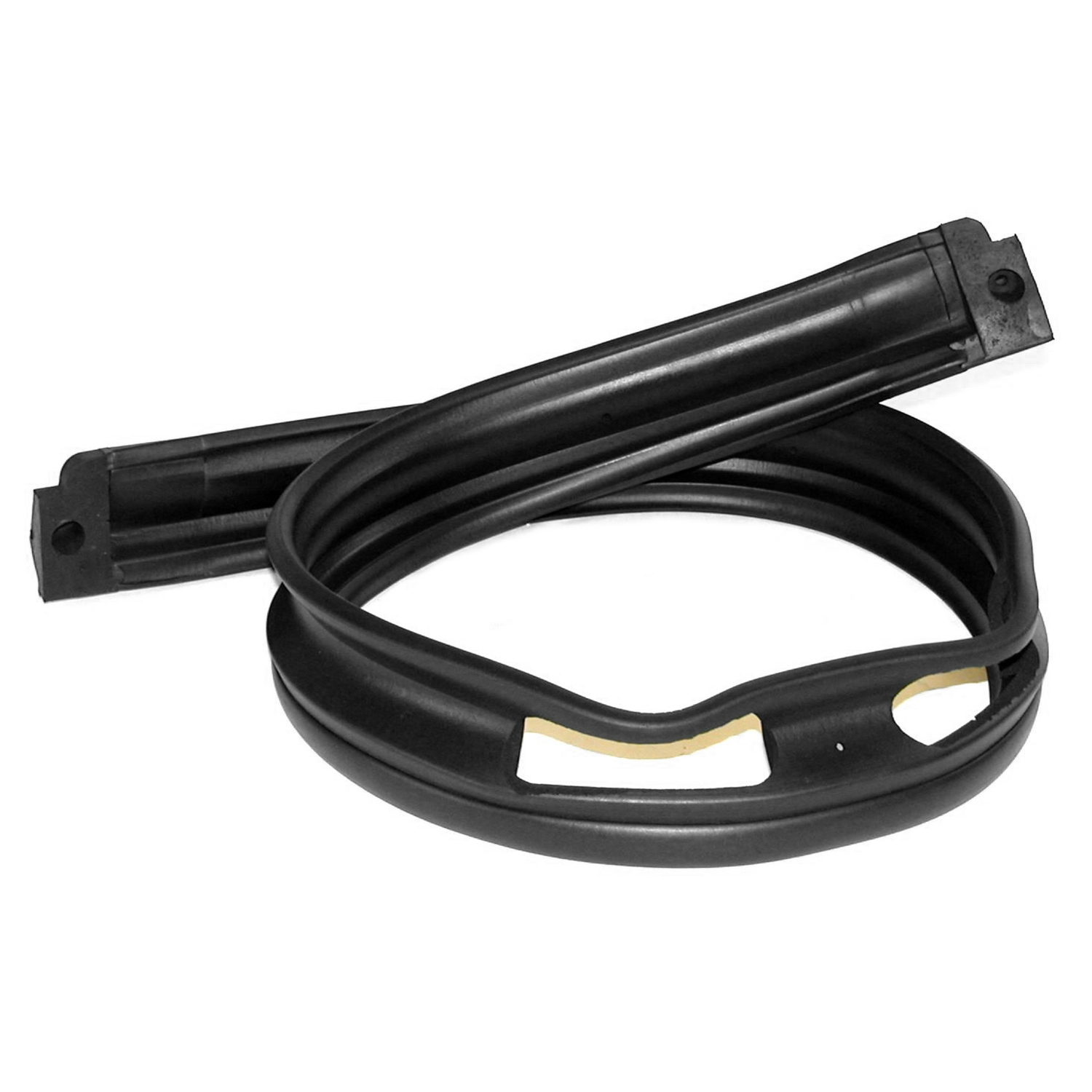 1980 Jeep CJ5 Cowl Seal, 76-86 Jeep CJ Series, With Metal Cab, Each-CS 97This weatherseal will produce a sleek, non-fade finish that adds value to your Jeep—while sealing and protecting particular sections of your vehicle from the outdoor elements. This product is made with high quality EPDM rubber for a great fit and long life.
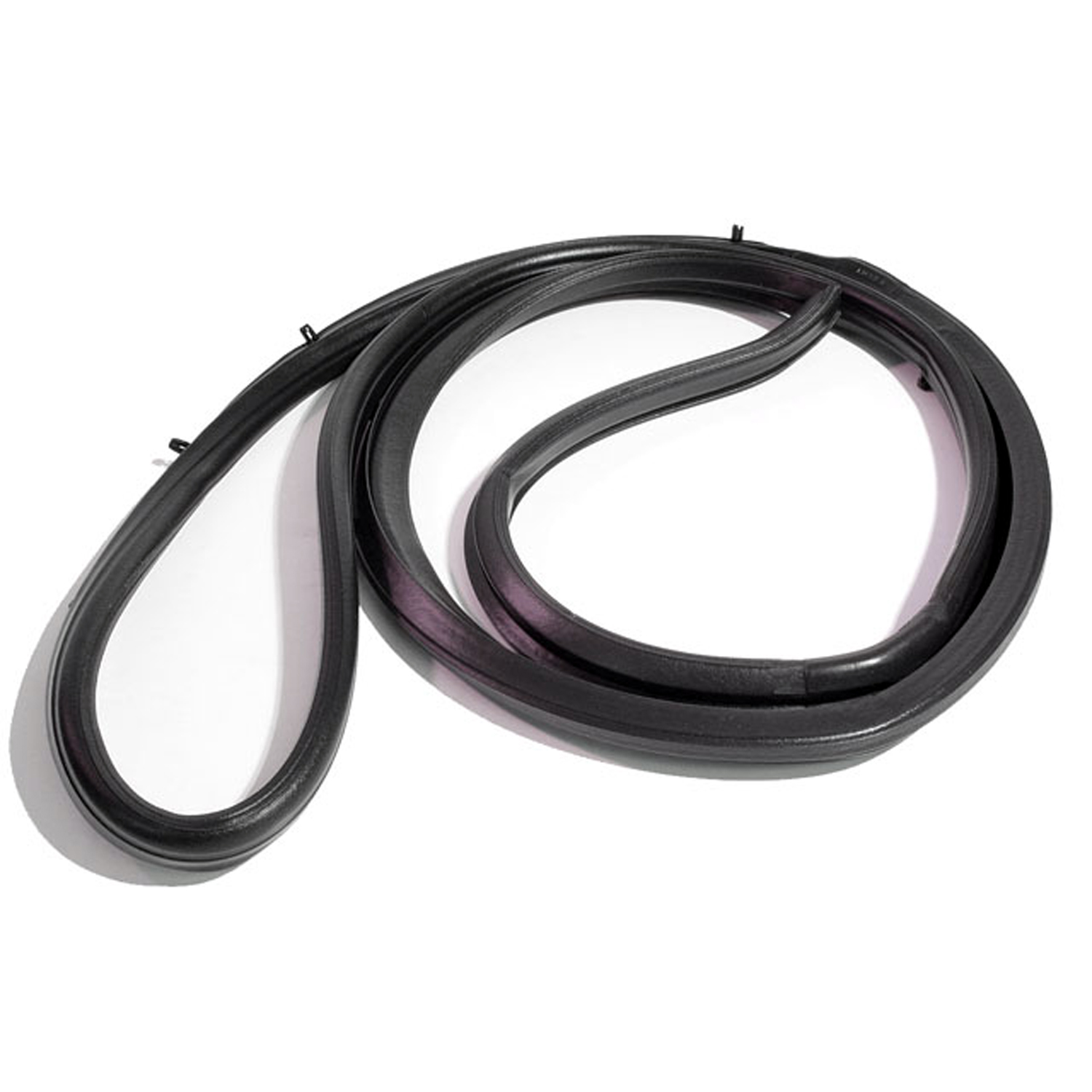 1980 Jeep CJ5 Molded Door Seal with Clips. Fits left (drivers) side only-LM 99-LMolded Door Seal with Clips. Fits left (drivers) side only. Each
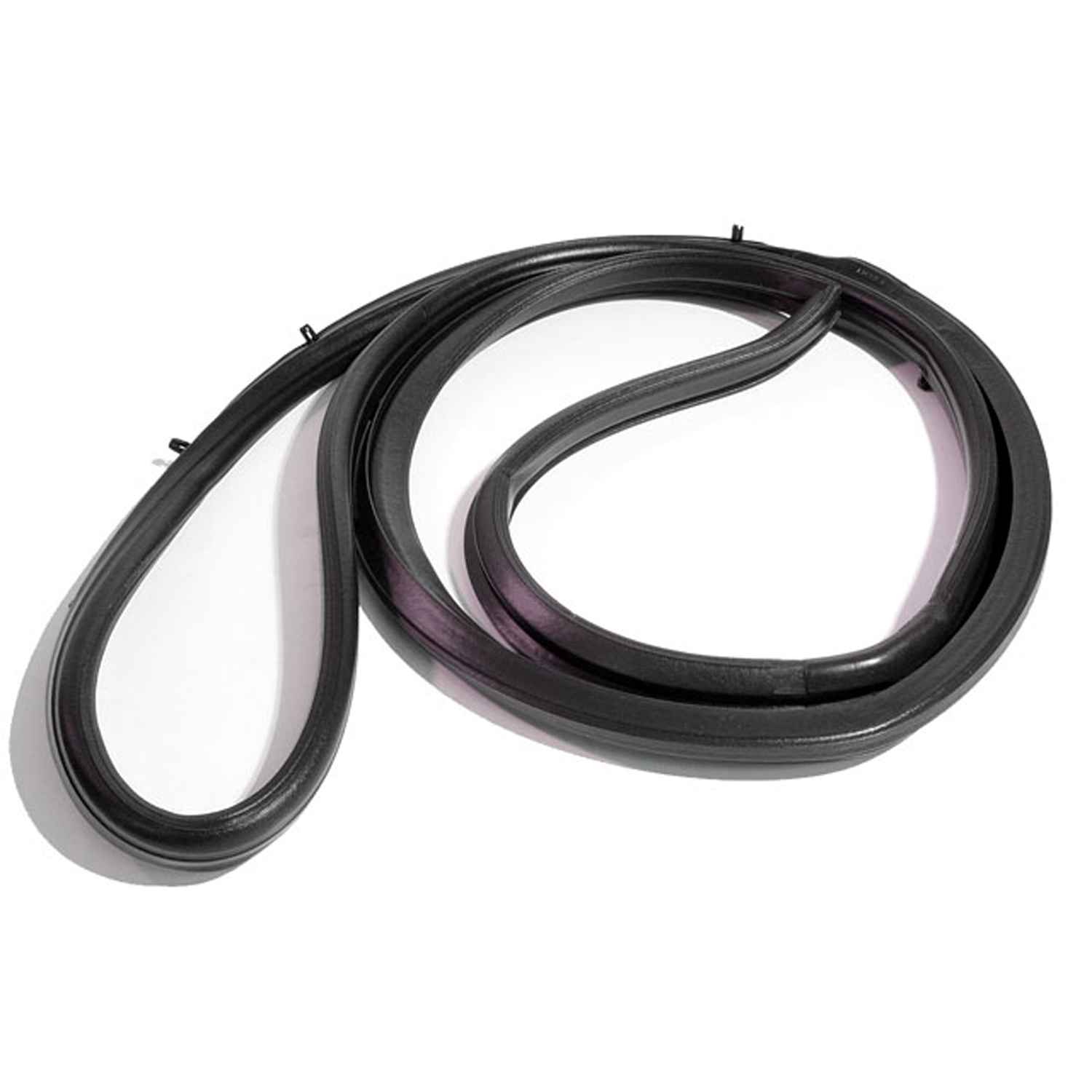 1980 Jeep CJ5 Molded Door Seal with Clips-LM 99-RMolded Door Seal with Clips. Fits right (passenger) side only. Each
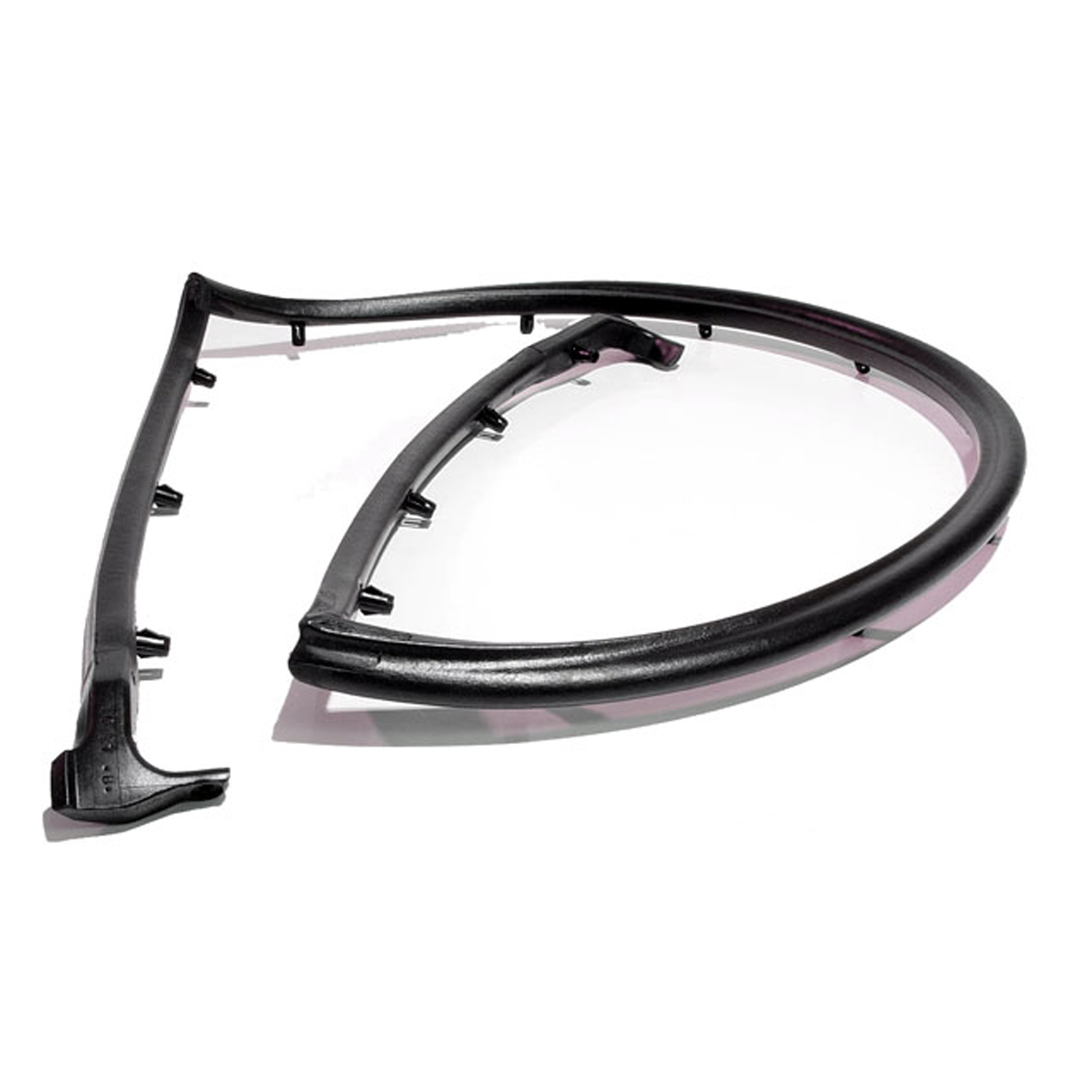 1980 Jeep CJ5 Lower Tailgate Seal. 66-5/8" long. Each-TG 97Lower Tailgate Seal. 66-5/8" long. Each
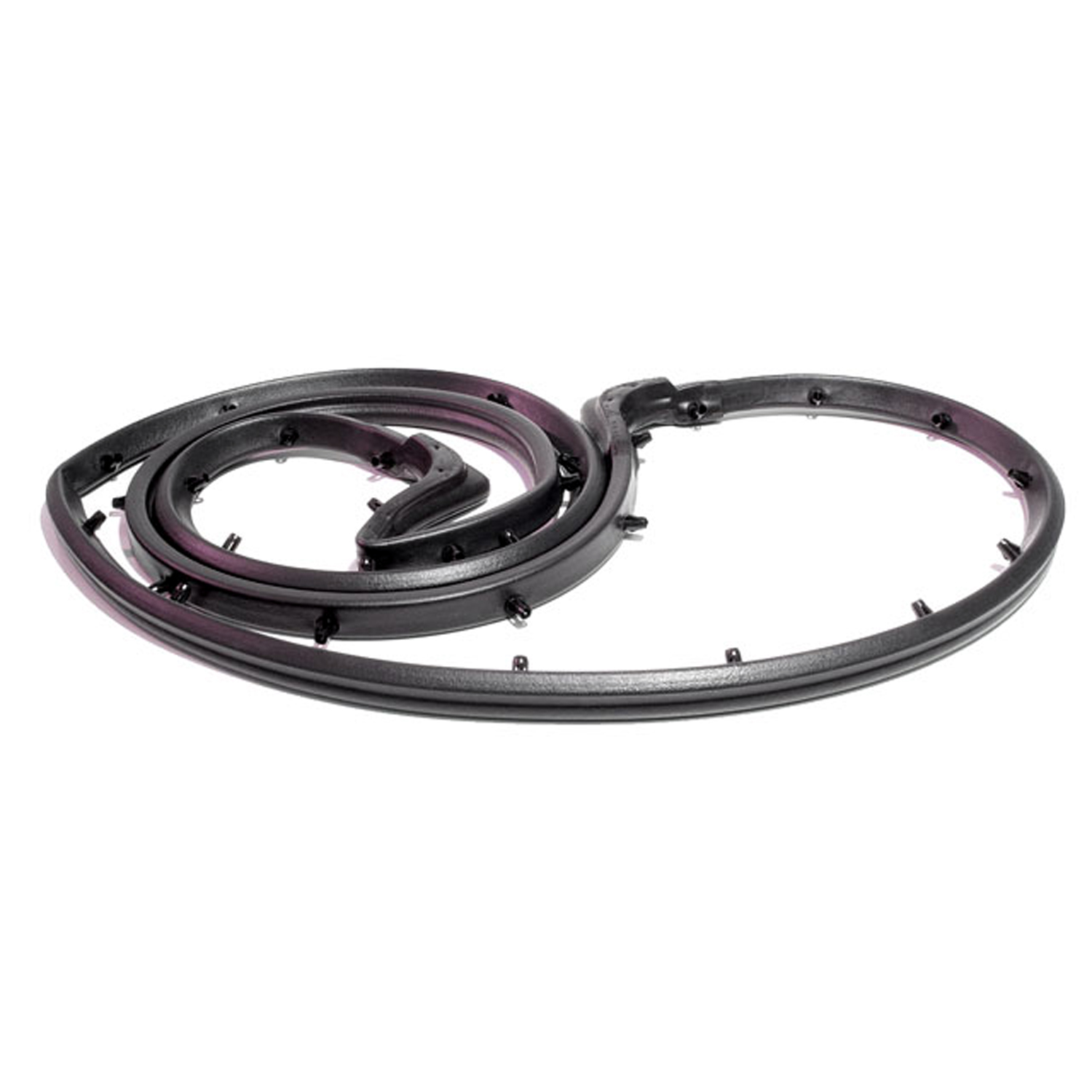 1980 Jeep CJ5 Upper Tailgate Seal, for Hardtop. 129-3/4" long. Each-TG 99Upper Tailgate Seal, for Hardtop. 129-3/4" long. Each
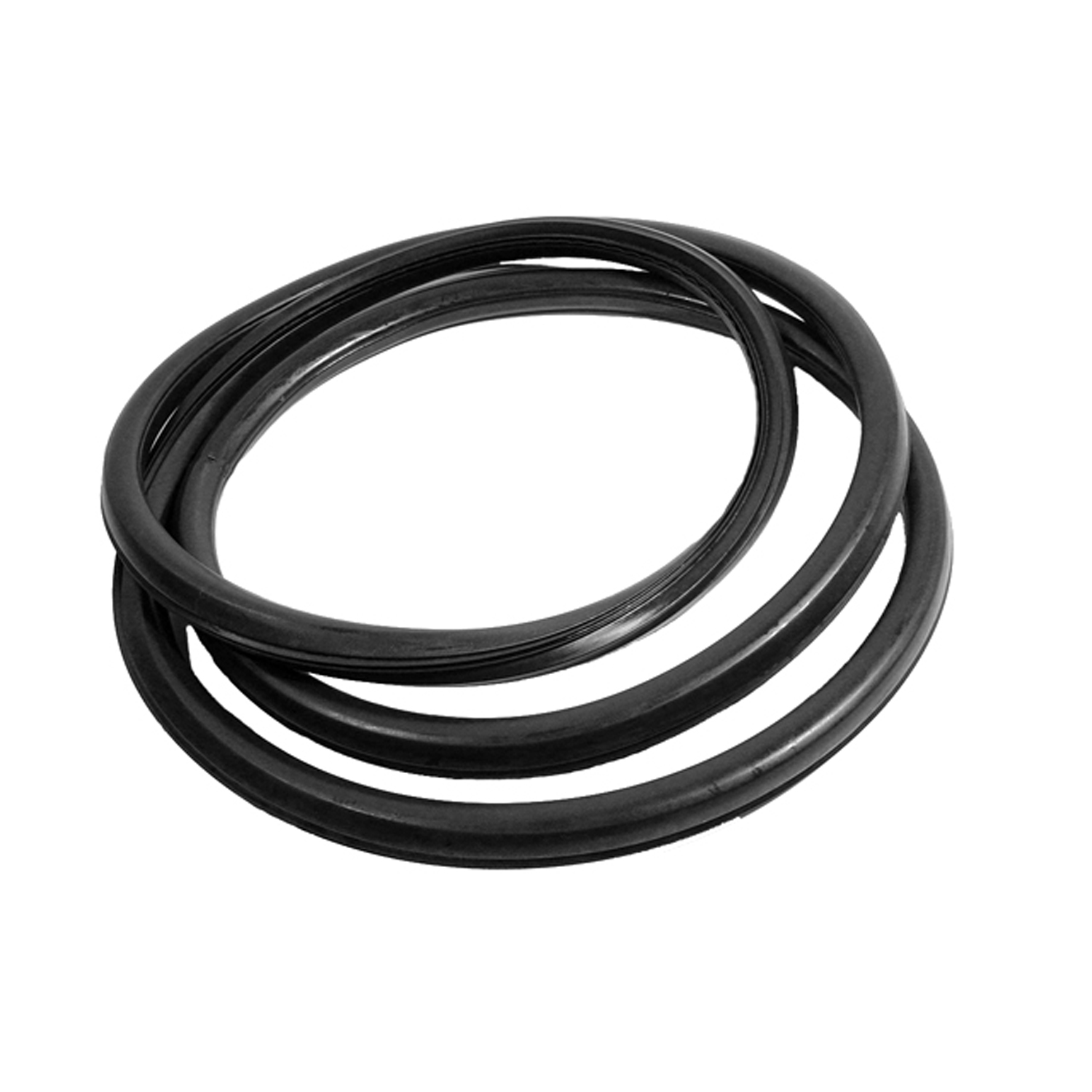 1980 Jeep CJ5 Vulcanized Windshield Seal. 129" Long. Each-VWS 1136Vulcanized Windshield Seal. 129" Long. Each
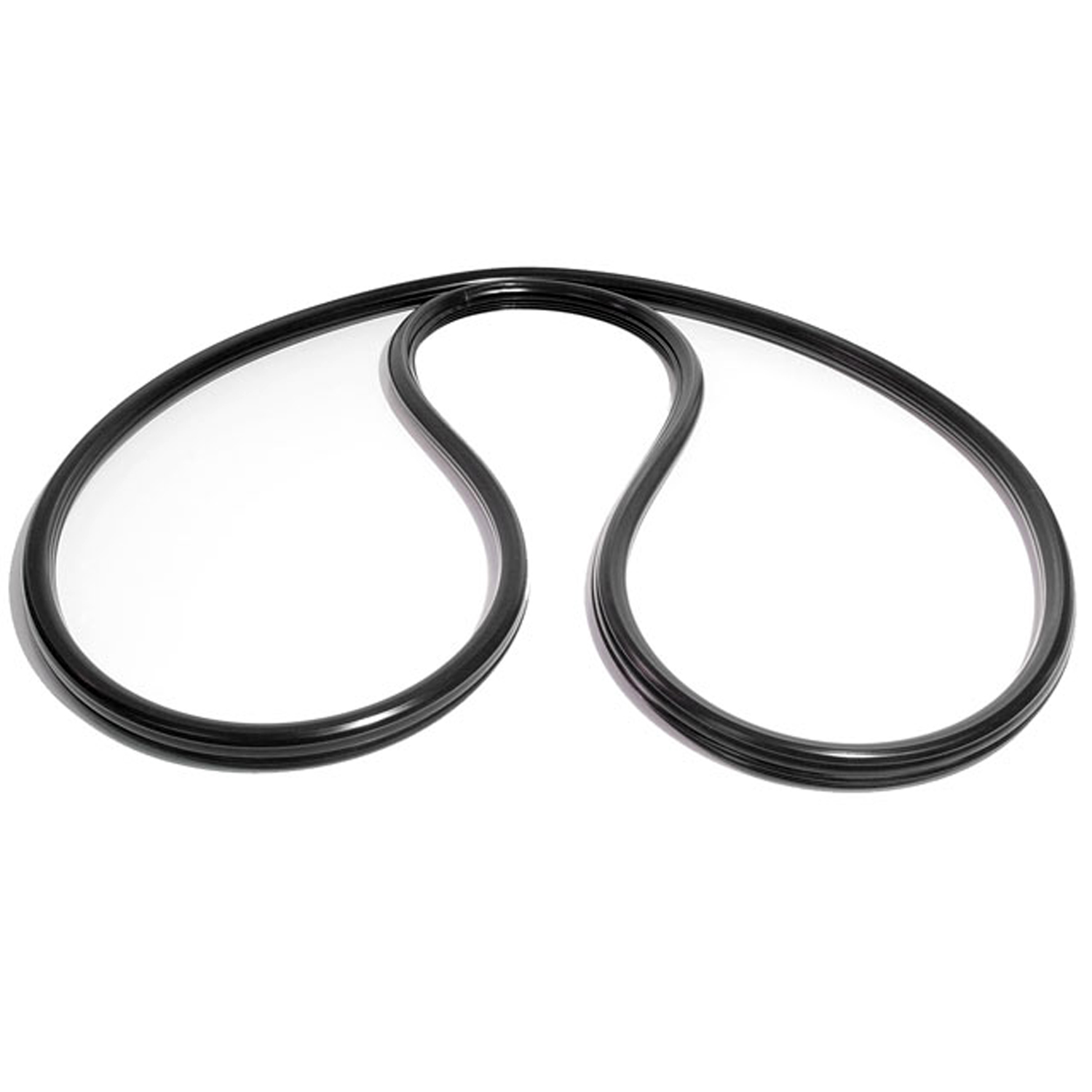 1980 Jeep CJ5 Windshield Glass Seal. Each-VWS 9600Windshield Glass Seal. Each
Why Choose Metro?
For over 100 years, Metro Moulded Parts has been the pinnacle of quality in classic car restoration parts. Our commitment to precision and authenticity in every component ensures a perfect fit and an OEM-level appearance.
- Expert Craftsmanship & Quality: Each part is a testament to our dedication to reliability and perfection, crafted from original designs and thoroughly tested.
- Advanced Technology: We use cutting-edge techniques to create flawless, long-lasting parts that surpass others in performance.
- SuperSoft Sponge – The Ultimate Door Seal: Not only are our door seals 30% softer than competitors', but they're also guaranteed to never leak. They effectively reduce wind and road noise, enhancing your classic car's comfort and driving experience.
- Proudly American: Our parts are a product of American craftsmanship, made in the USA with a spirit of excellence and heritage.
- Unrivaled Warranty: We back our products with a 30-year industry-leading warranty, a testament to our confidence in their quality.
Join us in preserving the legacy of classic cars with parts that are crafted for perfection, not just made.