

Image of 1980 Jeep Wagoneer, Note: These illustrations use artistic license and may differ from actual historical models.
Performance Metrics
Fundamental Metrics
Emotional Appeal
MMP Rating
| Engine Specifications | |
|---|---|
| Engine: | AMC 360 V8 |
| Displacement: | 5.9L |
| Horsepower: | 140-160 hp |
| Torque: | 280-320 lb-ft |
| Compression Ratio: | 8.25:1 |
| Ignition System: | Electronic Ignition |
| Cooling System: | Liquid-cooled |
| Performance Specifications | |
| 0-60 Time: | 15-17 seconds |
| 1/4 Mile Time: | 20 seconds |
| Top Speed: | 100 mph |
| Transmission and Drive | |
| Drive Type: | 4WD |
| Transmission Type: | 3-speed automatic |
| Fuel and Efficiency | |
| Fuel System Type: | Carburetor |
| MPG: | 10-12 mpg |
| Dimensions and Brakes | |
| Brakes: | Front disc, rear drum |
| Wheelbase: | 109 inches |
| Weight: | 4,500 lbs |
Note: Specifications for classic cars are given to the best of our ability, considering the limited and variant data available.
1980 Jeep Wagoneer: The Luxury 4x4 That Started It All
The 1980 Jeep Wagoneer could carry a family to dinner in woodgrain-trimmed comfort, then keep heading down the muddy road after the pavement ended. Built by American Motors Corporation (AMC), it was part of a remarkably long-running Jeep line that helped establish the luxury four-wheel-drive wagon years before “SUV” became a household term.
The Wagoneer debuted for 1963 under Willys-Overland, with design work by industrial designer Brooks Stevens. By 1980, ownership had passed through Kaiser Jeep to AMC, but the essential formula remained: a roomy, four-door body, genuine off-road hardware, and a more refined cabin than most 4x4s of its era. One of its most notable achievements was longevity. The basic SJ Wagoneer shape remained in production for decades, eventually carrying the Grand Wagoneer name into the early 1990s.
The 1980 model is a particularly appealing snapshot of that idea. It was neither a stripped-down farm truck nor a modern crossover. It was a substantial, body-on-frame American wagon with a real transfer case, a V8 option, and enough polished trim to feel at home in the suburbs.
Classic SJ Styling and Woodgrain Appeal
The Wagoneer’s styling is upright, square-shouldered, and immediately recognizable. A broad grille sits between simple rectangular headlamps, while a nearly vertical windshield and tall roof give the cabin a light, airy feel. The long hood and straight sides make the vehicle look sturdy rather than sleek, and its generous glass area helps distinguish it from the more enclosed trucks of the period.
Many upscale examples wore simulated woodgrain panels along the sides, a signature treatment that turned a practical 4x4 into something closer to a country estate wagon. The contrast between the faux wood, bright trim, and large windows is a big part of the Wagoneer’s enduring charm. It looks rugged, but never quite plain.
For 1980, the Wagoneer was offered as a four-door station wagon on the SJ platform. It was not a range of different body styles so much as a choice of trim and equipment. The Wagoneer Limited was the best-known luxury-oriented version, with upscale interior appointments and distinctive exterior trim. The closely related Cherokee used the same broad mechanical and platform family but had its own model identity and body configurations.
Paint choices varied by trim and order, with period colors generally spanning whites, reds, blues, greens, browns, and other earthy tones. Neutral colors paired especially well with the woodgrain and remain popular among collectors. Original paint codes and matching trim can add appeal, but a well-preserved, correctly finished Wagoneer matters more than any one color.
A Comfortable Cabin, Built for Real Use
Inside, the Wagoneer aimed higher than the typical utility 4x4. Depending on trim, buyers could find comfortable cloth or vinyl seating, upgraded upholstery, carpeting, woodgrain-style dash accents, and more decorative door trim. Limited models added a richer, more lounge-like feel. Materials were appropriate to a high-end American vehicle of 1980, though they should not be mistaken for the hand-finished surfaces of a modern luxury SUV.
The upright seating position, broad windows, and generous headroom make the cabin feel open. The rear bench and cargo area give the Wagoneer practical family-wagon usefulness, while the substantial dashboard and wide front seats suit long drives. In a well-kept example, the period details are part of the attraction: big switches, clear analog gauges, and sturdy controls designed to be used with winter gloves or dusty hands.
Technology was a mix of comfort and capability. Depending on equipment, buyers could order amenities such as air conditioning, power accessories, and cruise control. More important was the four-wheel-drive system. Wagoneers used robust part-time or full-time 4WD arrangements depending on configuration, including AMC’s Quadra-Trac system and Selec-Trac options. Quadra-Trac was notable because it allowed full-time four-wheel drive without requiring the driver to stop and lock front hubs. Exact equipment varied, so buyers of a specific truck should confirm its transfer case and original build details.
What Made the Wagoneer a Trailblazer
The Wagoneer’s significance lies in how it blended roles that were usually kept separate. Earlier 4x4s were often utilitarian, noisy, and uncompromising. The Wagoneer offered a more car-like driving position and family-friendly interior while retaining a traditional truck chassis and genuine off-road ability. That combination anticipated the premium SUV long before the category became fashionable.
It also helped make four-wheel drive feel like an all-weather convenience rather than equipment reserved for ranchers, military users, and serious trail drivers. A Wagoneer could be a school-run vehicle during the week and a backcountry companion on the weekend. Its long production life helped prove that buyers valued this combination of comfort and capability.
By 1980, the design was no longer cutting-edge in a styling sense. Its importance was that the concept had already worked. Later luxury SUVs would adopt the same broad recipe: upright proportions, a roomy cabin, high seating, premium trim, and four-wheel drive available for more than just extreme terrain.
AMC Power and Four-Wheel-Drive Hardware
Powertrain availability depended on configuration, but the 1980 Wagoneer could be equipped with AMC’s 258-cubic-inch (4.2-liter) inline-six or its 360-cubic-inch (5.9-liter) V8. The six-cylinder emphasized straightforward, lower-cost operation, while the V8 was the natural choice for buyers who wanted stronger passing power and better towing performance. Many well-equipped Wagoneers are found with the V8 and an automatic transmission.
Exact output figures vary by engine specification and source. As a broad guide, the V8 produced roughly 140 to 150 horsepower in period trim, with the inline-six offering less power but useful low-speed torque. A three-speed automatic was common. These are not modern figures, and the Wagoneer’s considerable weight means neither engine makes it feel quick by today’s standards.
Period performance estimates generally put V8 0-to-60 mph acceleration in the low-to-mid-teens, with the six-cylinder typically slower. Top speed is roughly in the 90-to-100 mph range, depending on engine, gearing, condition, and tires. Those figures are best treated as estimates rather than promises: a 46-year-old truck’s tune, transmission, and mechanical health make a major difference.
On the road, the Wagoneer feels substantial. The V8 has a deep, familiar American rumble, and the automatic transmission suits the truck’s relaxed character. Steering is slower and less precise than in a modern SUV, while the body-on-frame construction and relatively tall body bring noticeable lean in corners. It is happiest cruising at a sensible pace rather than darting through bends.
Over bumps and rough roads, the long-travel suspension and tall tires help the Wagoneer absorb uneven surfaces, though a worn example can feel loose, bouncy, or unsettled. On windy roads, expect to plan turns rather than attack them. In snow, gravel, or a muddy track, however, its four-wheel-drive hardware and low-speed torque can make it reassuringly capable. The experience is tactile and mechanical: you hear the engine, feel the size of the vehicle, and operate controls that have a direct, old-school character.
Living With a 1980 Wagoneer
A Wagoneer can serve as a classic daily driver, a weekend adventure vehicle, a showpiece, or a family heirloom. It is less suited to modern stop-and-go commuting if fuel economy, compact dimensions, and quick acceleration are priorities. Expect thirsty operation, especially with the V8. Real-world consumption varies widely, but single-digit to low-teens miles per gallon is a reasonable expectation for many trucks.
Mechanical repairs are often manageable for a competent home mechanic. AMC engines are conventional in layout, and many service tasks do not require specialized equipment. The main challenge is usually not the basic engine design but the condition of the individual vehicle and the time needed to track down correct parts. Electrical faults, aging carburetors, cooling-system wear, and tired transmissions are common areas to inspect.
Rust deserves special attention. Check the floorpans, rocker panels, wheel arches, door bottoms, frame, and the areas around the windshield and rear hatch. Also inspect the woodgrain trim, glass, interior pieces, and body-specific hardware. Mechanical components can often be repaired or replaced more readily than missing original trim, so a complete, relatively rust-free Wagoneer is usually the smarter starting point.
Wagoneer Facts and Familiar Criticisms
The Wagoneer was not known for setting speed records, and no major production-car speed or endurance record defines the 1980 model. Its achievement was more practical: the nameplate stayed relevant through changing owners and changing tastes, while the basic SJ formula endured. The 1980 truck also belongs to the period when the Wagoneer was already a recognized luxury 4x4, but before the Grand Wagoneer name became the best-known version of the line.
There is no single famous celebrity association that defines the 1980 model. Its cultural legacy is broader: Wagoneers became familiar symbols of affluent outdoor life, family travel, and American country-road motoring. They appeared in the real world as ski-area transports, rural family vehicles, and upscale alternatives to more utilitarian 4x4s.
Common criticisms are easy to understand. The Wagoneer is heavy, fuel-hungry, slow by modern standards, and less nimble than a car-based SUV. Its cabin can develop rattles with age, and the woodgrain treatment is vulnerable to fading or peeling. Yet those flaws are part of the bargain of owning an old truck with genuine character. Buyers tend to forgive the thirst and ponderous handling because the Wagoneer offers a distinctive mix of space, comfort, and trail-ready hardware.
Collector Values and Market Outlook
Values depend heavily on rust, originality, trim, drivetrain, and the quality of past repairs. As a broad current-market guide, a rough project or heavily worn example might sell for about $3,000 to $8,000. A usable driver with sound structure and working 4WD often falls around $10,000 to $20,000. A very clean, well-preserved or professionally restored example can bring roughly $25,000 to $45,000, with exceptional trucks sometimes exceeding that range.
Those figures are estimates, not a guaranteed appraisal. A well-documented, rust-free Limited with attractive original equipment may command a premium, while a truck with serious structural corrosion can be worth far less even if it runs. For a specific purchase, compare recent sales of similar condition and trim rather than relying on asking prices alone.
Exact 1980 production figures by trim are not consistently available in commonly cited public sources. A reasonable working estimate is roughly 10,000 to 20,000 Wagoneers for the model year, but that is a best guess, not a verified factory total. The model is uncommon enough to be interesting, yet not so rare that parts and examples are impossible to find. Condition and completeness matter more than low production numbers.
Interest in classic SUVs has strengthened the market for clean Wagoneers over the past decade, especially for well-preserved upscale versions. The broader trend has been appreciation for the best examples, while rough projects remain more sensitive to repair costs and buyer patience. The most collectible trucks are usually those with solid bodies, correct details, attractive trim, and a history that can be documented.
Why the 1980 Wagoneer Still Matters
The 1980 Jeep Wagoneer brought together two ideas that still define the SUV: everyday comfort and real four-wheel-drive capability. Its V8 option, spacious cabin, woodgrain styling, and rugged underpinnings made it more than a work truck, while its long-running design gave it a place in American automotive history.
It is not quick, frugal, or especially graceful on a tight road. It is something more memorable: a comfortable, characterful 4x4 that helped invent the luxury SUV long before the term became fashionable. Find a solid one, and the Wagoneer rewards you with a rare feeling of driving a vehicle that helped shape an entire category.
1980 Jeep Wagoneer Catalog of Parts
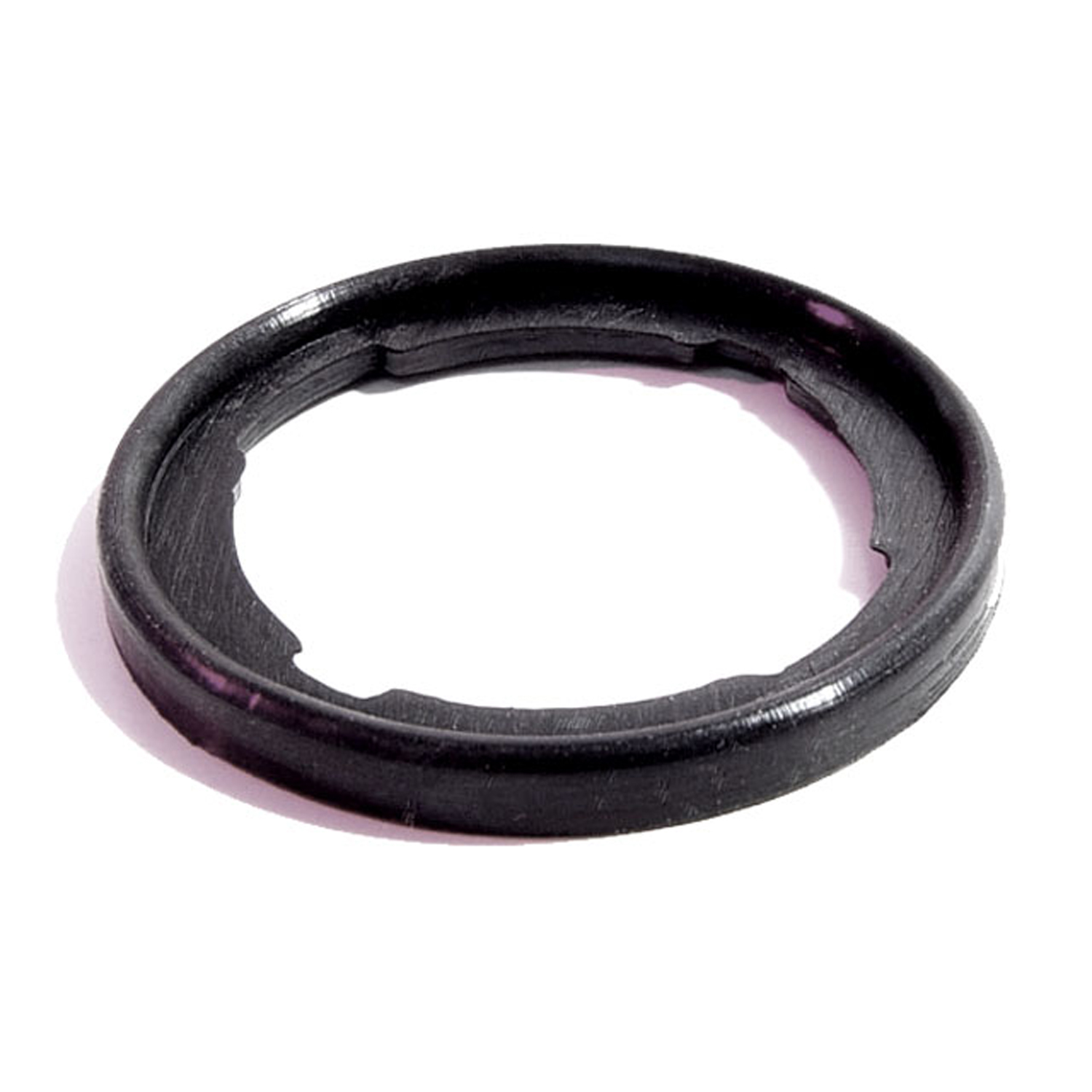 1980 Jeep Wagoneer Door Lock Gasket. Each-MP 1600Door Lock Gasket. Each
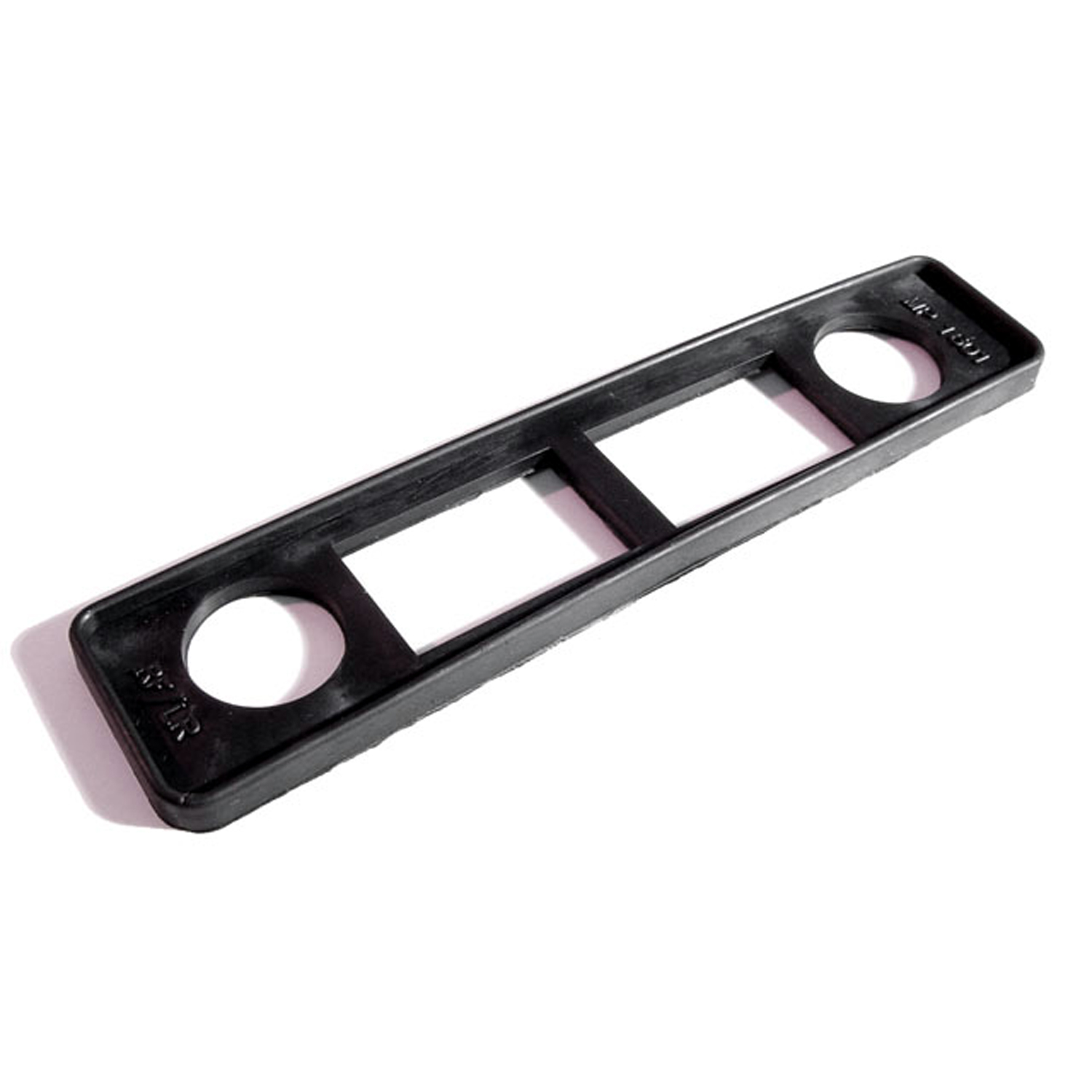 1980 Jeep Wagoneer Roof rack pad. Fits right front or left rear-MP 1601Roof rack pad. Fits right front or left rear. Replaces OEM# J5465665. Each.
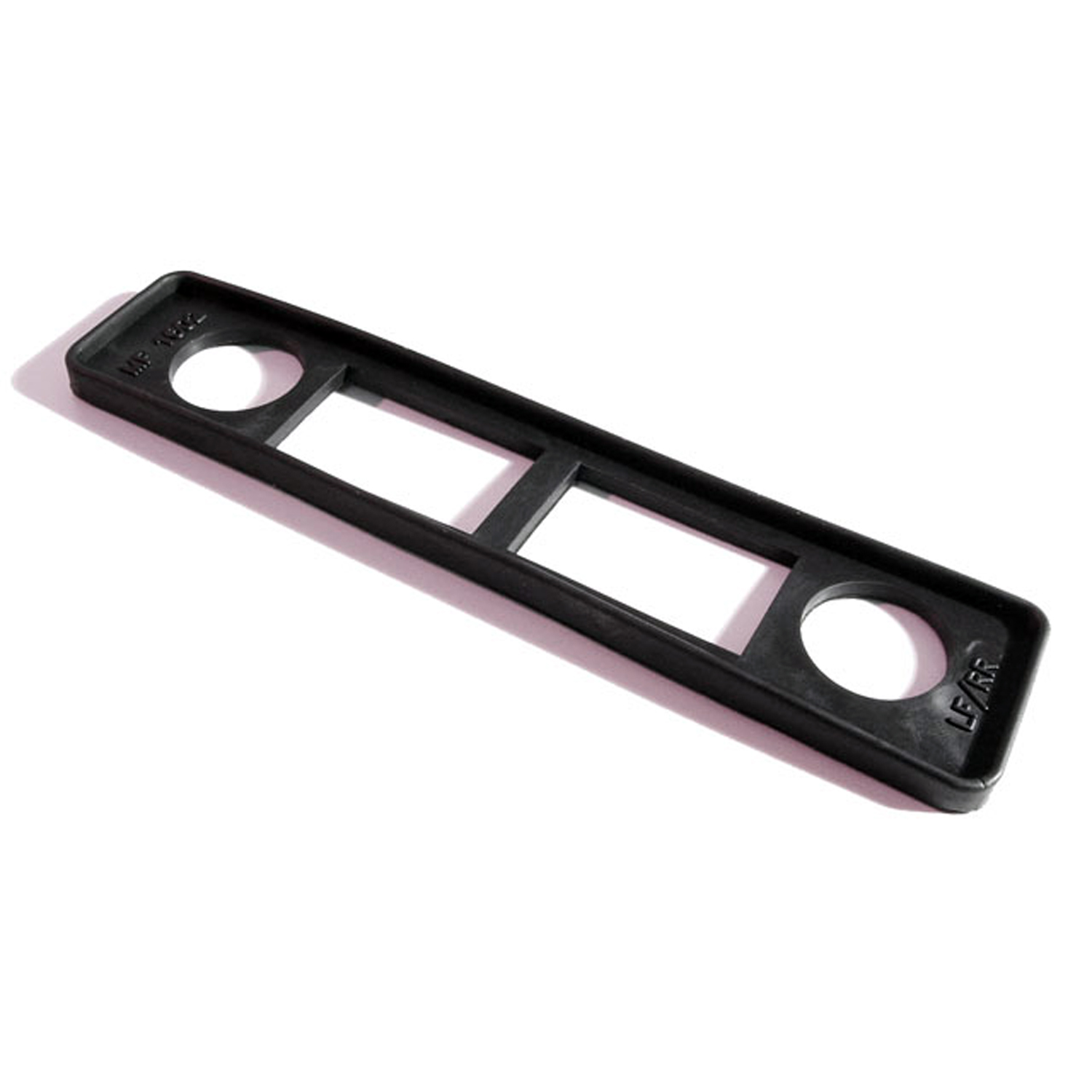 1980 Jeep Wagoneer Roof rack pad. Fits left front or right rear-MP 1602Roof rack pad. Fits left front or right rear. Replaces OEM# J5465666. Each.
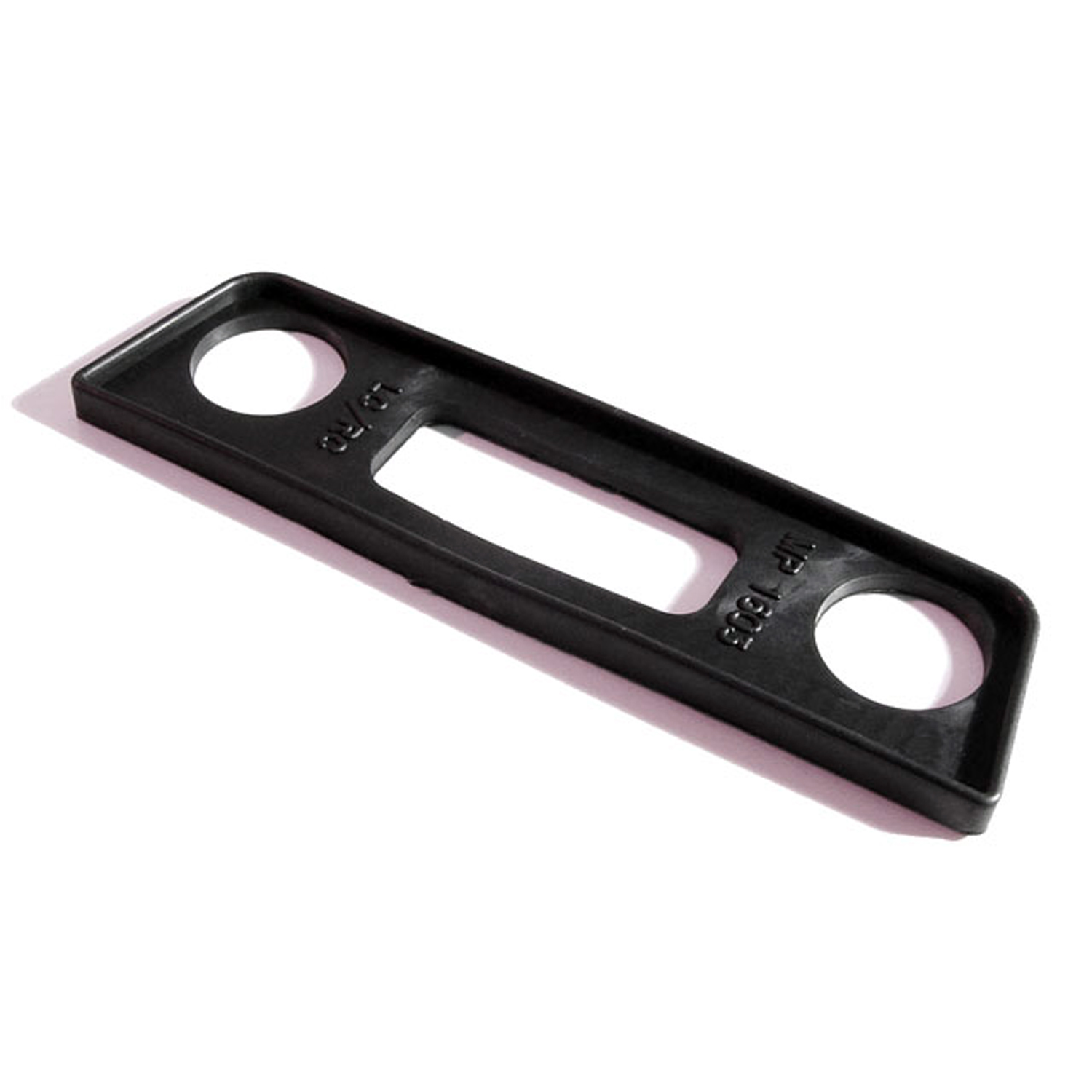 1980 Jeep Wagoneer Roof rack pad. Fits center standee. Replaces OEM# J5465676-MP 1603Roof rack pad. Fits center standee. Replaces OEM# J5465676. Each.
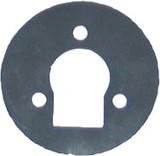 1980 Jeep Wagoneer Tailgate lock base gasket. Replaces OEM# J5465676. Each.-MP 1604Tailgate lock base gasket. Replaces OEM# J5465676. Each.
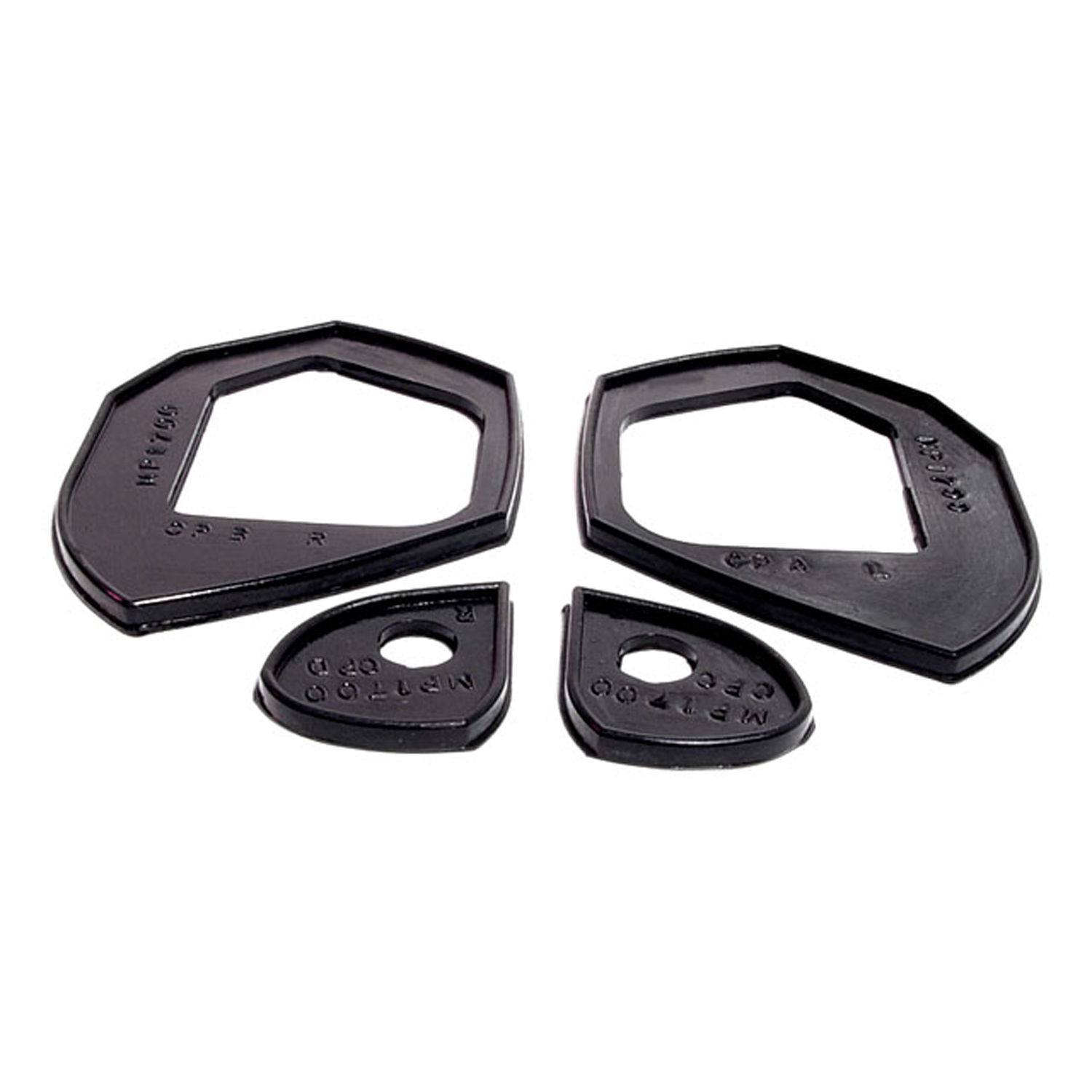 1980 Jeep Wagoneer Door handle mounting pads. 4-piece set. R&L.-MP 1700Door handle mounting pads. 4-piece set. R&L.
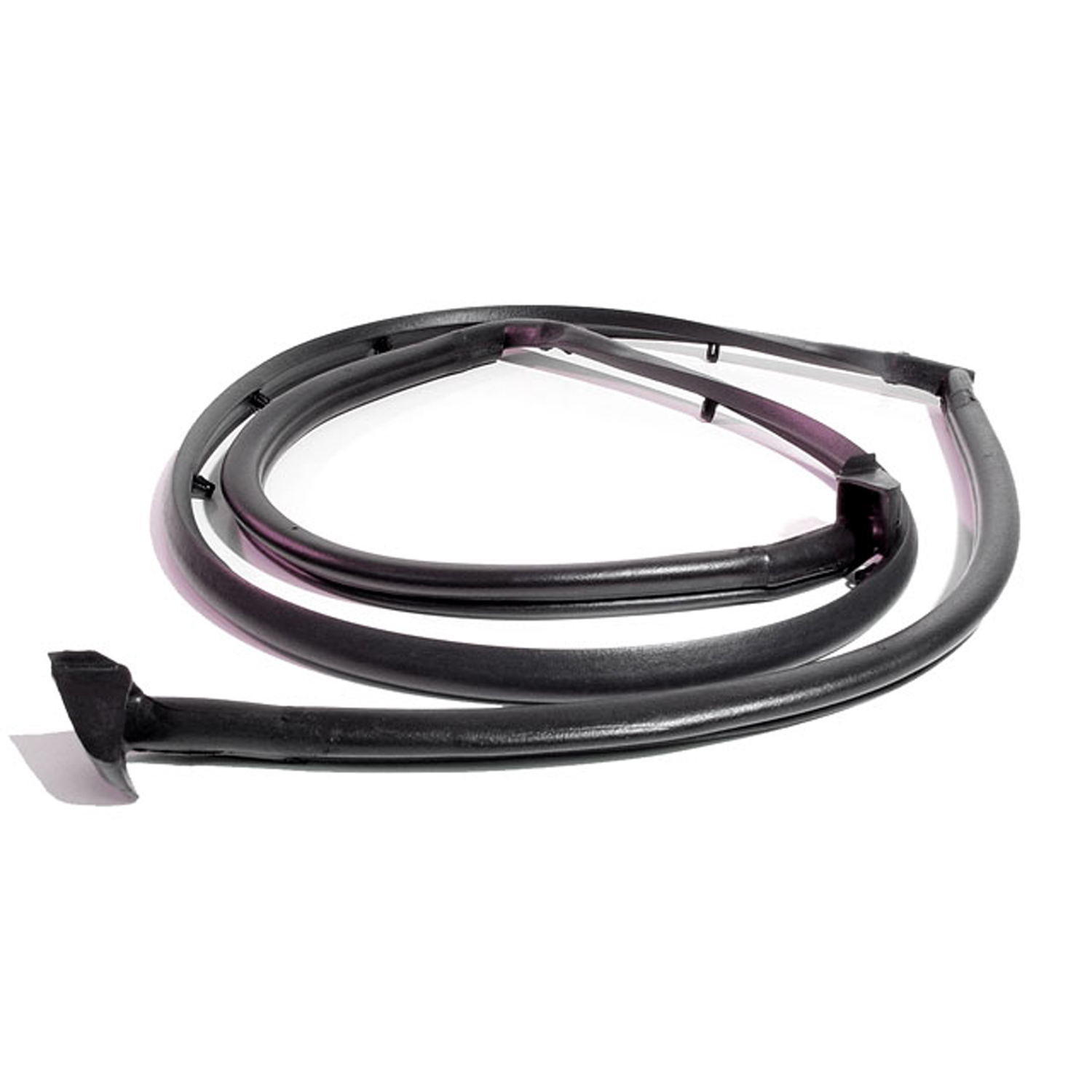 1980 Jeep Wagoneer Lower Tailgate Seal. Replaces OEM #J5451573. Each-TG 91Lower Tailgate Seal. Replaces OEM #J5451573. Each
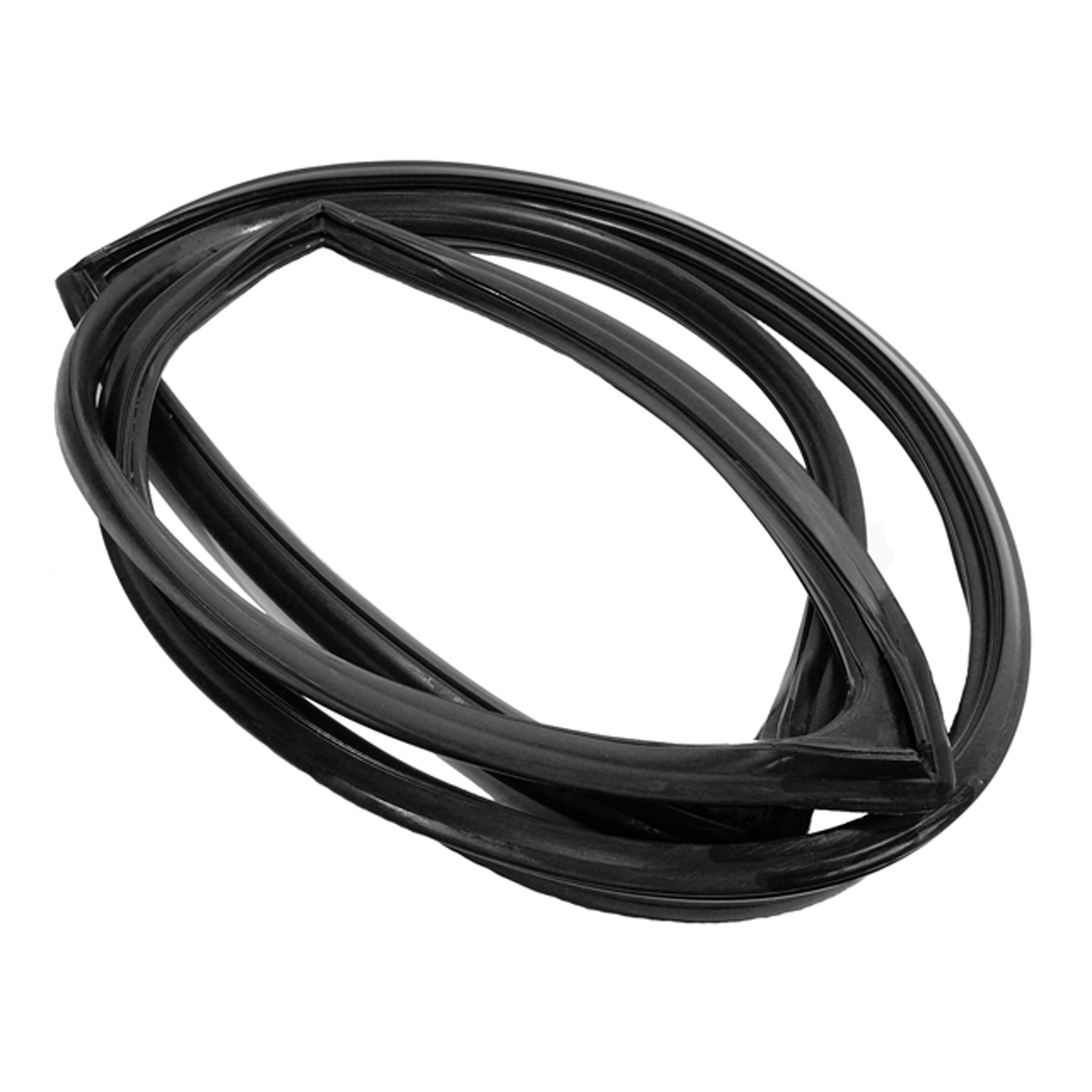 1980 Jeep Wagoneer Vulcanized Windshield Seal. 164-1/4" Long. Each-VWS 0643Vulcanized Windshield Seal. 164-1/4" Long. Each
Why Choose Metro?
For over 100 years, Metro Moulded Parts has been the pinnacle of quality in classic car restoration parts. Our commitment to precision and authenticity in every component ensures a perfect fit and an OEM-level appearance.
- Expert Craftsmanship & Quality: Each part is a testament to our dedication to reliability and perfection, crafted from original designs and thoroughly tested.
- Advanced Technology: We use cutting-edge techniques to create flawless, long-lasting parts that surpass others in performance.
- SuperSoft Sponge – The Ultimate Door Seal: Not only are our door seals 30% softer than competitors', but they're also guaranteed to never leak. They effectively reduce wind and road noise, enhancing your classic car's comfort and driving experience.
- Proudly American: Our parts are a product of American craftsmanship, made in the USA with a spirit of excellence and heritage.
- Unrivaled Warranty: We back our products with a 30-year industry-leading warranty, a testament to our confidence in their quality.
Join us in preserving the legacy of classic cars with parts that are crafted for perfection, not just made.