
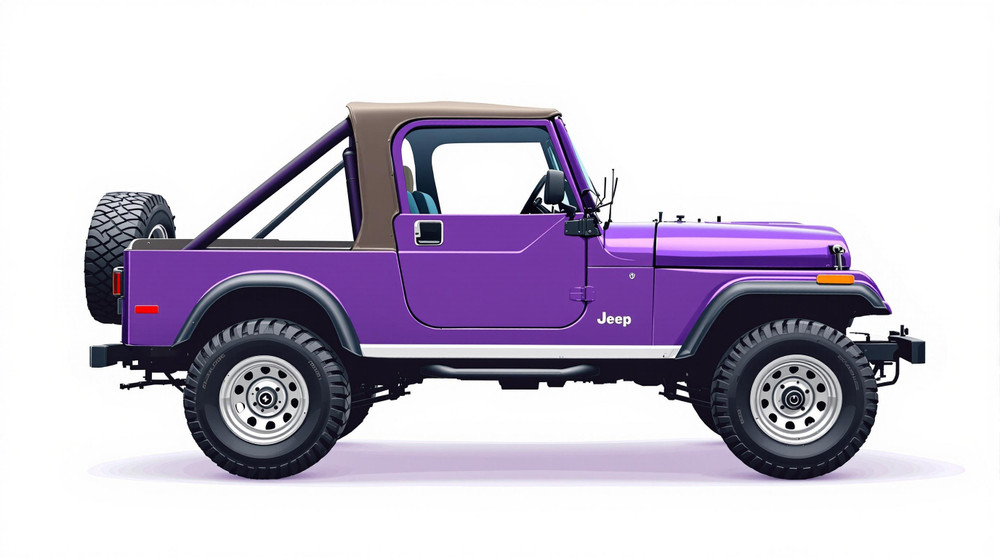
Image of 1981 Jeep Cj7, Note: These illustrations use artistic license and may differ from actual historical models.
Performance Metrics
Fundamental Metrics
Emotional Appeal
MMP Rating
| Engine Specifications | |
|---|---|
| Engine Options: | AMC 150 2.5L I4, AMC 258 4.2L I6, GM 151 2.5L I4 |
| Displacement Range: | 150-258 cubic inches |
| Horsepower Range: | 82-115 hp |
| Torque: | 125-210 lb-ft |
| Compression Ratio: | 8.2:1 - 9.2:1 |
| Ignition System: | Electronic |
| Cooling System: | Liquid-cooled |
| Performance Specifications | |
| 0-60 Time: | 15-20 seconds |
| 1/4 Mile Time: | 20-25 seconds |
| Top Speed: | 85 mph |
| Transmission and Drive | |
| Drive Type: | 4WD |
| Transmission Type: | 4-speed manual, 3-speed automatic |
| Fuel and Efficiency | |
| Fuel System Type: | Carburetor |
| MPG: | 15-20 mpg |
| Dimensions and Brakes | |
| Brakes: | Front disc, rear drum |
| Wheelbase: | 93.4 inches |
| Weight: | 2,500-3,000 lbs |
Note: Specifications for classic cars are given to the best of our ability, considering the limited and variant data available.
1981 Jeep CJ-7: A Classic Jeep with Trail-Bred Character
The 1981 Jeep CJ-7 makes a short stretch of road feel like the start of an adventure. With its upright seven-slot grille, removable doors and roof, and rugged four-wheel-drive hardware, it captures the open-air spirit that made the Jeep a favorite far beyond the trail.
Built by American Motors Corporation (AMC), the CJ-7 belonged to the civilian Jeep line that began after World War II. AMC had acquired Kaiser Jeep in 1970 and continued developing the familiar, compact 4x4 for a new generation of drivers. The CJ-7 arrived for 1976 with a longer wheelbase than the CJ-5, giving it more room in the cabin and space for features such as an automatic transmission and an optional full-time four-wheel-drive system.
By 1981, the CJ-7 was an established choice for drivers who wanted a vehicle that could commute during the week and head off-road on the weekend. It also sits near the end of the classic CJ era. Jeep introduced the Wrangler in 1987, making the CJ-7 one of the last direct expressions of the original open-body Jeep formula.
A notable CJ-7 innovation was its longer 93.5-inch wheelbase, compared with the CJ-5’s 83.5 inches. That extra length made the CJ-7 more accommodating and stable at speed without taking away the compact proportions that helped it navigate narrow trails.
Boxy Lines, Open-Air Design
The CJ-7’s styling is direct and purposeful. Its flat hood leads to a vertical grille with seven narrow slots, round headlights, and a simple upright windshield. Broad fender openings leave plenty of room for suspension travel and larger tires, while exposed door hinges and a low, squared-off body make the Jeep’s removable panels part of its visual identity.
The standard configuration was an open, two-door 4x4. Buyers could choose a folding soft top or a removable hardtop, along with detachable doors. The hardtop offered better shelter and security, while the soft top was lighter and easier to fold back for warm-weather driving. For many owners, the most iconic setup remains the open Jeep with the windshield upright, doors off, and soft top folded away.
Inside, the CJ-7 kept things practical. The cabin used durable vinyl upholstery, simple door trim, and a straightforward instrument panel designed to be wiped clean after a muddy outing. The materials were functional rather than luxurious, and exposed metal surfaces reinforced the vehicle’s utilitarian character. Front bucket seats were common, with a rear bench available for extra passengers.
Equipment varied by trim and options. The Laredo package added a more dressed-up look, with distinctive exterior trim and additional comfort touches. The Renegade package was another familiar CJ-7 appearance package, although availability and details varied by year. Period paint choices included bright colors as well as more subdued whites, blacks, blues, reds, and earth tones. Bold shades often suit the CJ-7’s cheerful, outdoors-ready personality, but original paint and factory color documentation matter more to collectors than any single “best” color.
Useful Technology for the Early 1980s
The 1981 CJ-7 was not packed with electronics, but it offered important mechanical choices. Depending on configuration, buyers could select a four-cylinder or six-cylinder engine, and some period specifications list a 304-cubic-inch V8 for the 1981 model year. Manual transmissions were available, while an automatic could be paired with certain powertrain combinations.
Four-wheel-drive hardware was central to the Jeep’s appeal. Many CJ-7s used a part-time system, which drivers selected for slippery or loose surfaces rather than dry pavement. The available Quadra-Trac system provided a full-time four-wheel-drive option on certain configurations. Equipment differed by engine and transmission, so a prospective buyer should check the vehicle’s factory build information and inspect the transfer case, axles, and transmission rather than relying on badges alone.
Why the CJ-7 Mattered
The CJ-7 helped broaden the idea of what a compact 4x4 could be. Earlier Jeeps were strongly associated with military utility and basic farm work. The longer, more comfortable CJ-7 retained serious trail capability while making room for a more usable cabin, additional options, and a less punishing driving experience than the shorter CJ-5.
It also helped establish the recreational 4x4 as a lifestyle vehicle. Owners could remove the top and doors, fit larger tires, add a winch, or keep the Jeep close to stock for weekend trail use. That mix of personalization and capability became a lasting part of the off-road market, and the CJ-7’s basic visual language carried forward into later Jeep models.
The CJ-7 was not the only capable 4x4 of its time, but its combination of compact size, removable body panels, solid axles, and aftermarket support gave it a distinct character. Modern SUVs may be quieter and safer on pavement, but few offer the same direct connection between driver, machine, and terrain.
Engine Performance and Road Manners
Engine choice makes a considerable difference in a 1981 CJ-7. The 2.5-liter four-cylinder is the most modest option, suited to relaxed driving and light trail work. The 4.2-liter inline-six is a popular all-around choice, offering useful low-speed torque for climbing and crawling. Where fitted, the 5.0-liter V8 delivers stronger acceleration and a more forceful exhaust note, though it is less common and can be thirstier.
Performance figures vary with engine, transmission, axle gearing, tires, vehicle condition, and altitude. As a broad real-world guide, a four-cylinder CJ-7 may take roughly 18 to 22 seconds to reach 60 mph, while a six-cylinder version is often in the 14-to-18-second range. A healthy V8 example can be quicker, at approximately 10 to 13 seconds. Top speed is generally in the neighborhood of 75 to 90 mph, but these estimates should not be treated as factory guarantees. A CJ-7 is happiest cruising well below its maximum speed.
On the road, the Jeep feels tall, narrow, and distinctly mechanical. Its solid axles and short wheelbase let it cross ruts and rocky tracks that would trouble many passenger cars, but those same traits make it more sensitive to bumps and road imperfections. On winding pavement, the steering is slower and less precise than a modern SUV’s, and body lean is part of the experience. Worn suspension, steering components, or oversized tires can make handling substantially worse.
The cabin is noisy by modern standards. Wind rushes around the windshield, the tires hum, and the engine’s sound comes through with little insulation. The 4.2-liter six has a relaxed, low-revving feel, while a V8-equipped Jeep brings a deeper rumble. Drivers sit upright with a clear view over the hood, and the manual controls make low-speed trail driving engaging. It feels less like being carried along by a vehicle and more like operating a piece of rugged equipment.
Living with a 1981 CJ-7
Owners use CJ-7s as weekend trail rigs, beach and campground vehicles, show cars, and occasional daily drivers. A well-sorted example can manage local errands and fair-weather commuting, but it is not an ideal choice for someone expecting modern levels of quiet, fuel economy, crash protection, or high-speed comfort.
Mechanical simplicity is one of the CJ-7’s strengths. Many routine jobs are accessible to a capable home mechanic, and replacement parts and specialist knowledge remain widely available. The engines are familiar designs, and the body-on-frame construction is straightforward to understand. Still, age matters: a vehicle that is easy to repair in principle can become expensive if it has accumulated decades of improvised wiring, poor-quality modifications, or neglected maintenance.
Rust deserves close attention. Check the frame, body mounts, floor pans, rocker areas, windshield frame, and the sections around the front and rear body panels. Inspect the steering and suspension for worn joints, leaks, and loose components. Four-wheel-drive operation should be tested carefully, and the transfer case, transmission, and axles should be checked for noise or fluid leaks. A thorough inspection is especially important because cosmetic restoration can hide structural problems.
Trivia, Reputation, and Common Complaints
The CJ-7’s enduring appeal comes partly from how easy it is to personalize. Period trim packages such as Laredo and Renegade gave buyers a more distinctive look, while decades of aftermarket parts have made it possible to build anything from a near-stock cruiser to a serious rock crawler. Originality, however, can be valuable to collectors, so keep any removed factory parts if you modify one.
There is no widely recognized speed or endurance record that defines the 1981 CJ-7. Its achievement is more cultural than competitive: it helped make recreational four-wheeling a mainstream hobby and remains a familiar sight at trail events, Jeep gatherings, and classic-car shows. Be careful with film and television claims, too. The famous Jeeps in the original Jurassic Park were later Wrangler models, not 1981 CJ-7s.
Common criticisms are well earned. The ride can be bouncy, fuel economy is modest, the cabin is exposed to weather, and handling requires more attention than in a modern vehicle. Older examples may also have vague steering or braking if their components are worn. These drawbacks are part of the bargain: the CJ-7 offers a hands-on, open-air experience rather than polished everyday refinement.
Collector Values and Market Outlook
Values depend heavily on condition, originality, engine, rust, and the quality of any restoration. As a broad 2026 U.S. market estimate, a project CJ-7 may sell for around $5,000 to $12,000. A usable driver in fair-to-good condition often falls in the $15,000 to $25,000 range. Clean, well-kept examples can reach approximately $25,000 to $40,000, while exceptional restorations or especially desirable, well-documented configurations may bring $40,000 to $55,000 or more.
These are guide ranges, not appraisals. A modified off-road build may be worth less to a collector seeking originality, even if its upgrades cost a great deal. Conversely, documented factory equipment, sound metalwork, correct trim, and a high-quality restoration can support a premium. V8 examples may attract added interest, but condition and provenance still matter most.
Exact 1981 CJ-7 production totals are not consistently reported across published summaries. A reasonable estimate is roughly 50,000 to 55,000 vehicles for the model year, making the CJ-7 uncommon today but not exceptionally rare. Availability is still fairly good compared with many classic 4x4s, though clean, unmodified examples are harder to find than project vehicles.
Over the past decade, interest in classic 4x4s has generally supported CJ-7 values, particularly for clean and original examples. Prices can fluctuate with the wider collector market, and rough or heavily modified Jeeps do not necessarily appreciate at the same pace as restored ones. The strongest long-term prospects tend to belong to vehicles with solid frames, honest documentation, and a careful balance of preservation and mechanical usability.
The Lasting Appeal of the CJ-7
The 1981 Jeep CJ-7 combines simple mechanicals, genuine off-road ability, removable bodywork, and a recognizable design that has hardly lost its charm. It asks more of its driver than a modern SUV, but rewards that effort with an unusually direct and engaging experience.
For collectors, it marks an important chapter in Jeep’s evolution. For drivers, it remains an invitation to leave the pavement behind. The CJ-7’s greatest feature is not a particular engine or trim package, but the feeling that the next turn might lead somewhere worth exploring.
1981 Jeep Cj7 Catalog of Parts
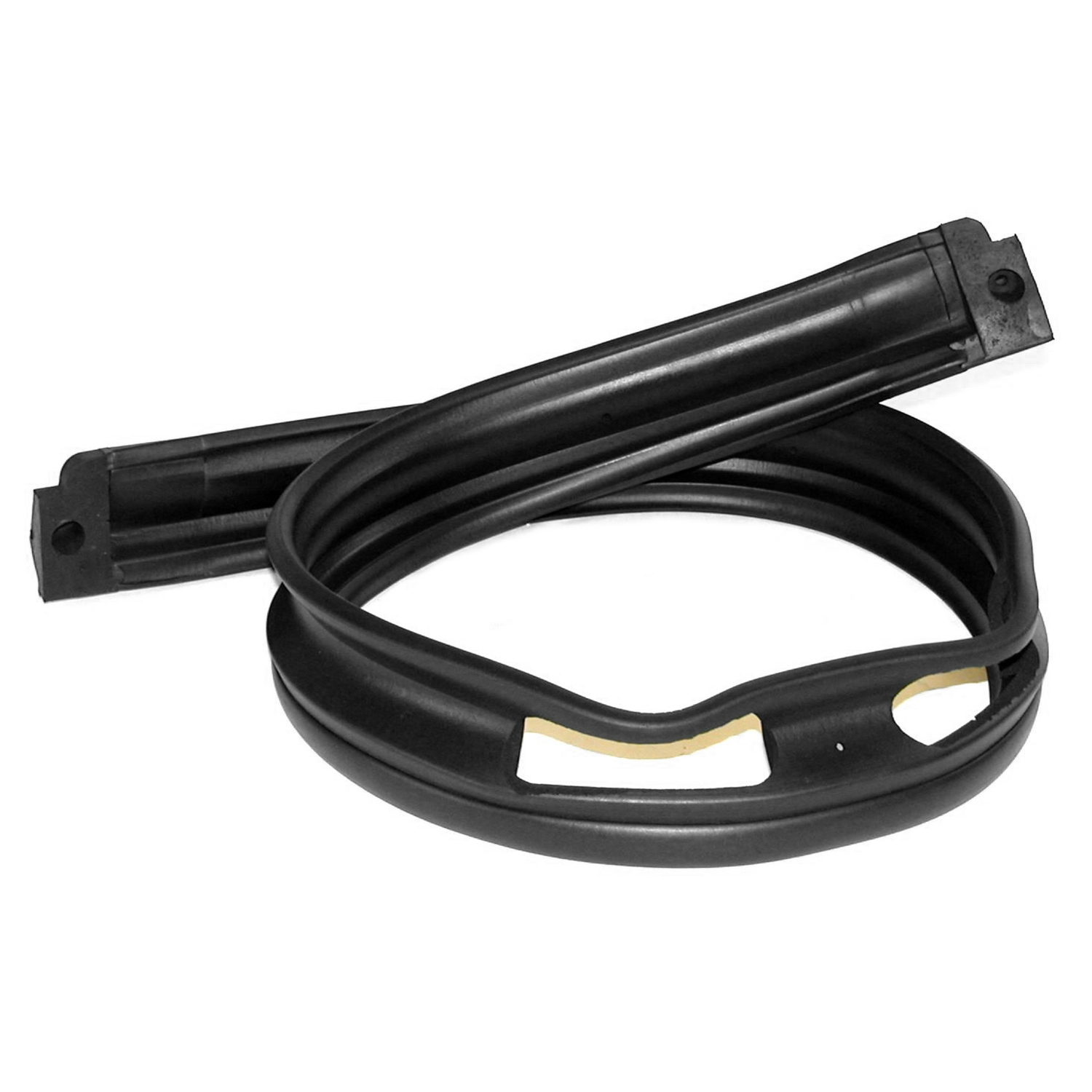 1981 Jeep CJ7 Cowl Seal, 76-86 Jeep CJ Series, With Metal Cab, Each-CS 97This weatherseal will produce a sleek, non-fade finish that adds value to your Jeep—while sealing and protecting particular sections of your vehicle from the outdoor elements. This product is made with high quality EPDM rubber for a great fit and long life.
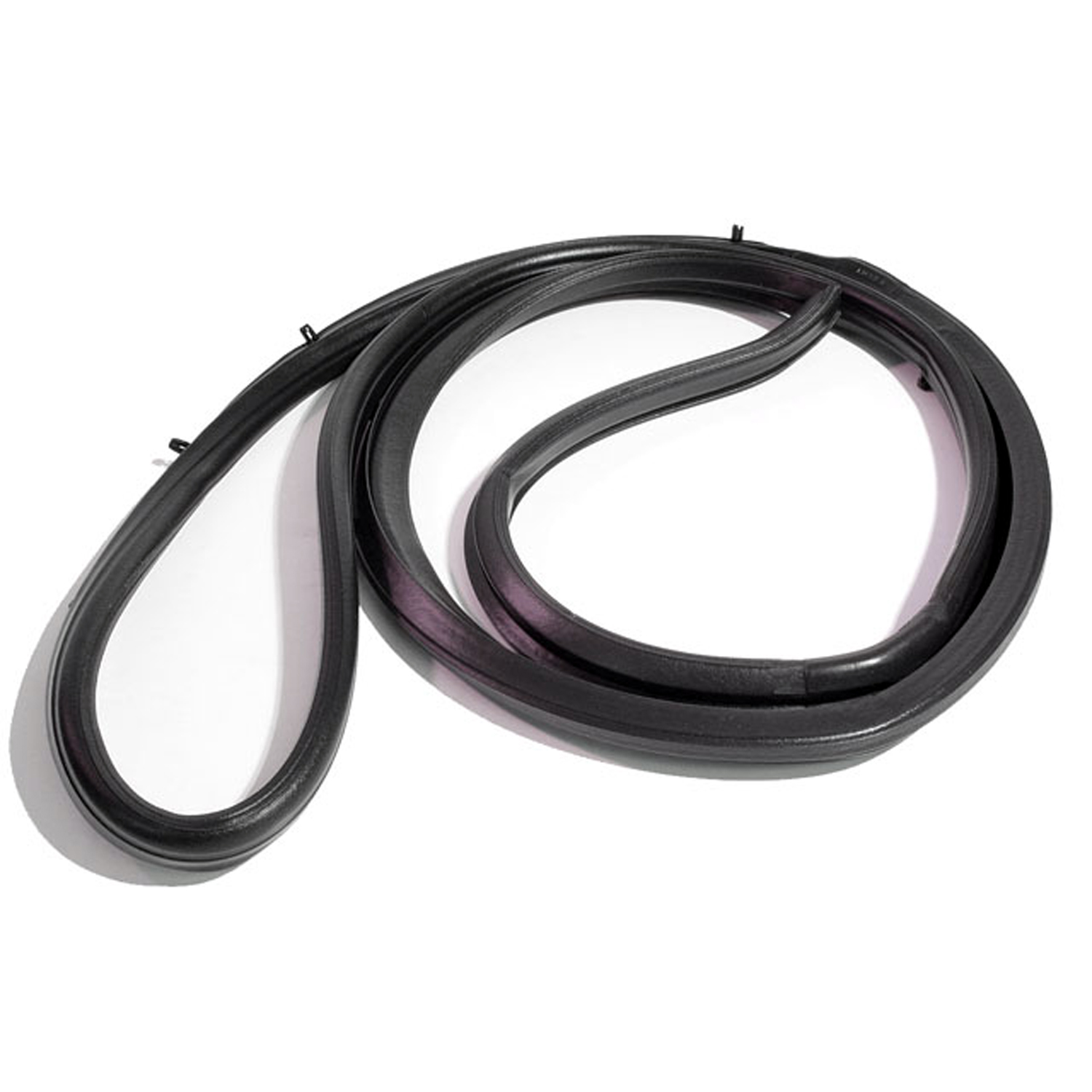 1981 Jeep CJ7 Molded Door Seal with Clips. Fits left (drivers) side only-LM 99-LMolded Door Seal with Clips. Fits left (drivers) side only. Each
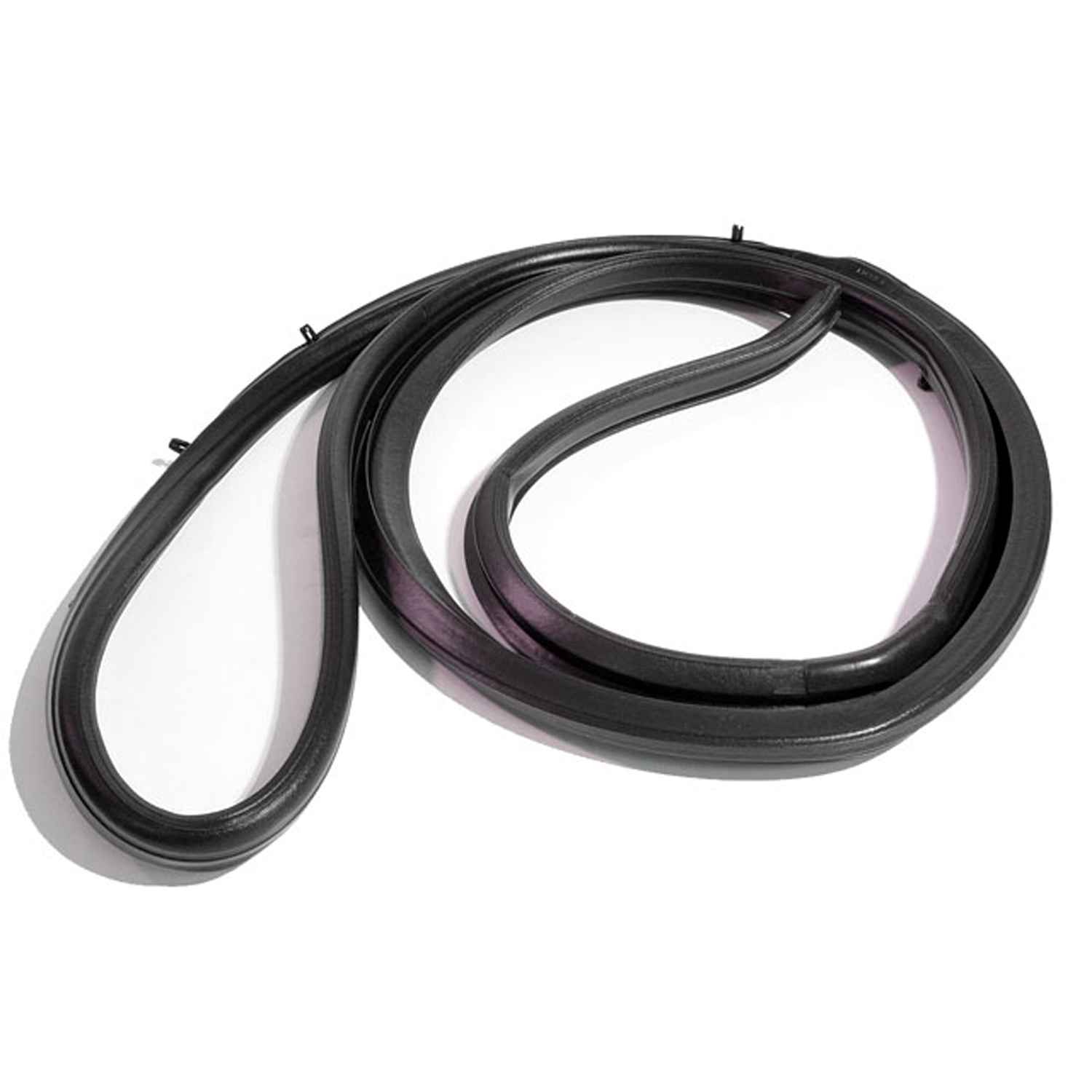 1981 Jeep CJ7 Molded Door Seal with Clips-LM 99-RMolded Door Seal with Clips. Fits right (passenger) side only. Each
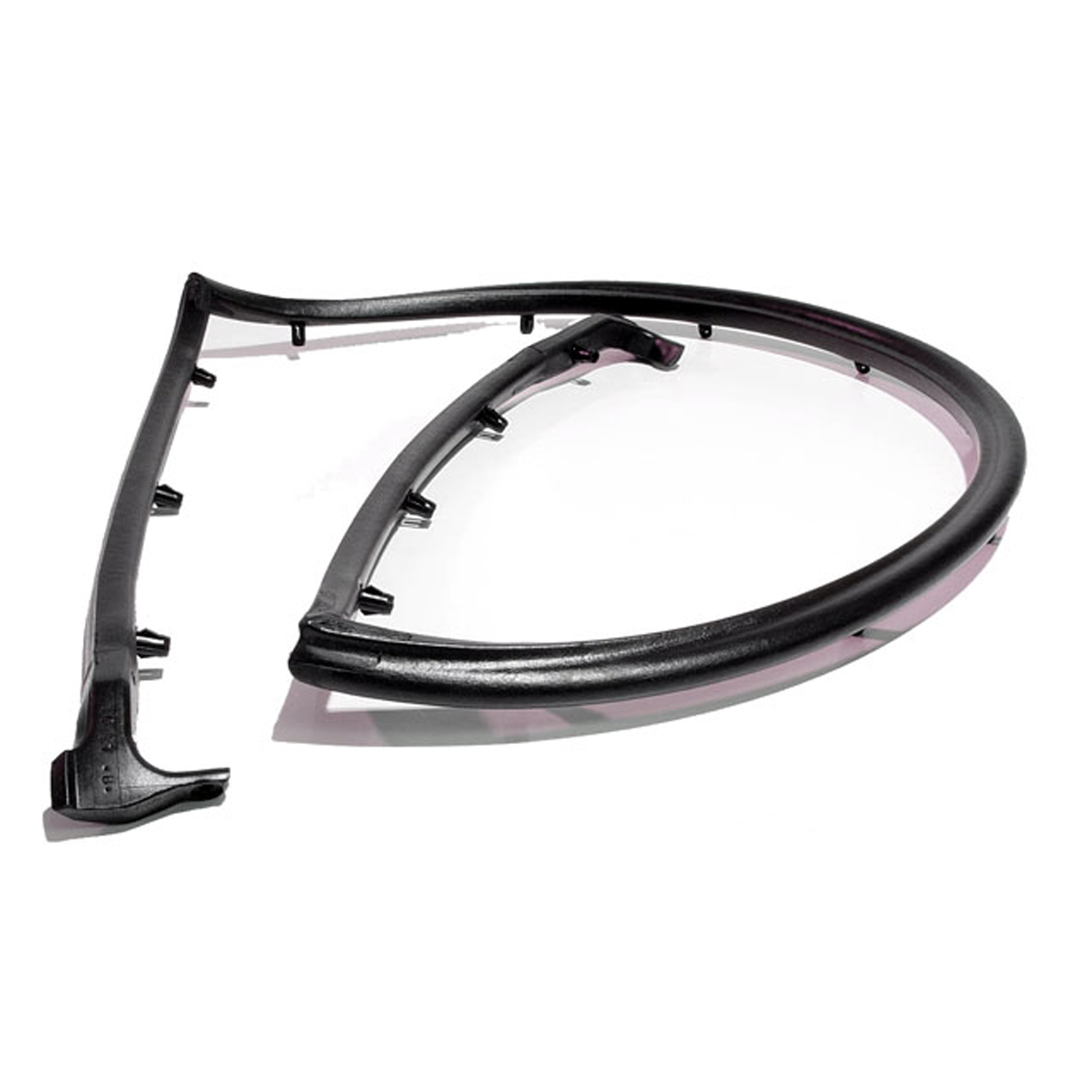 1981 Jeep CJ7 Lower Tailgate Seal. 66-5/8" long. Each-TG 97Lower Tailgate Seal. 66-5/8" long. Each
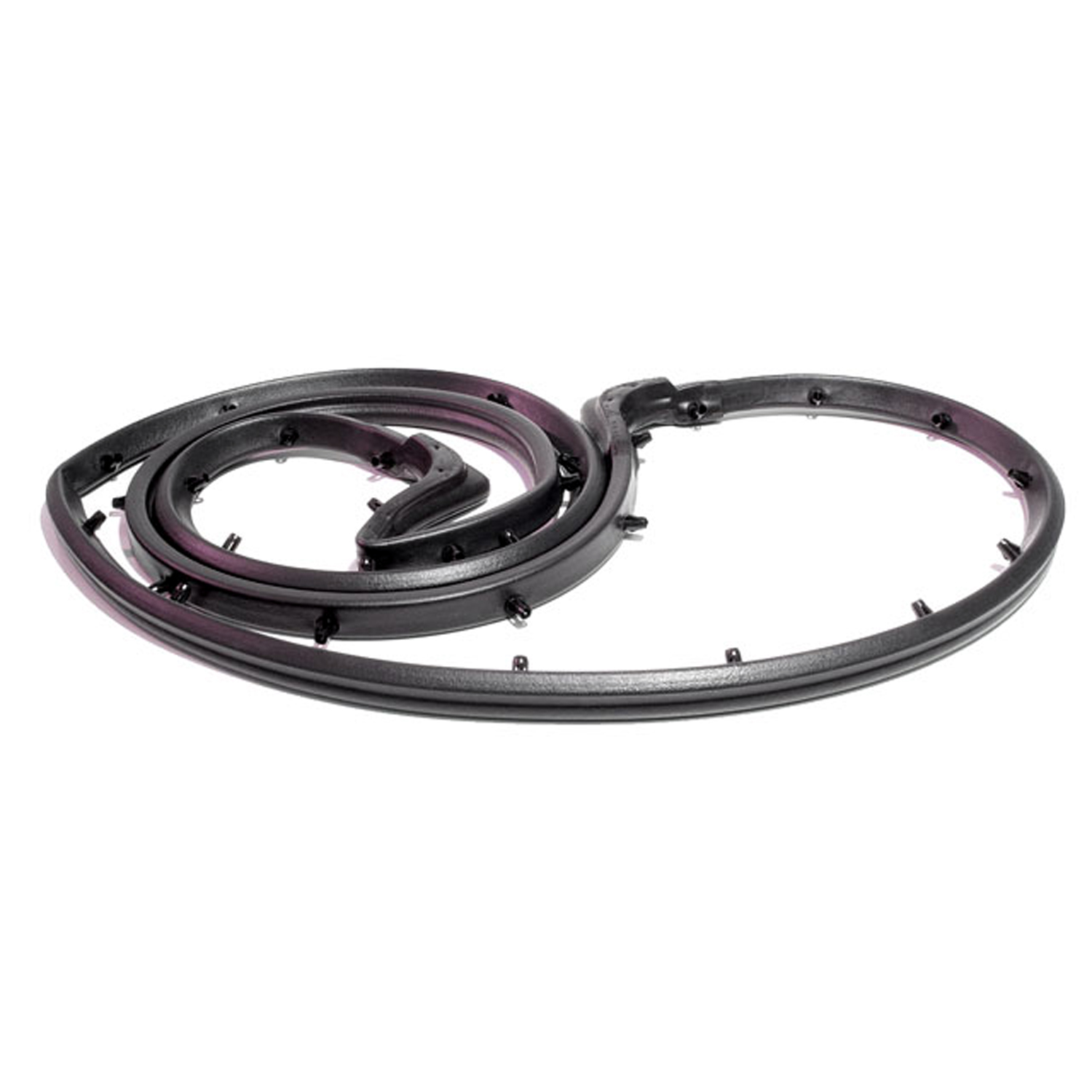 1981 Jeep CJ7 Upper Tailgate Seal, for Hardtop. 129-3/4" long. Each-TG 99Upper Tailgate Seal, for Hardtop. 129-3/4" long. Each
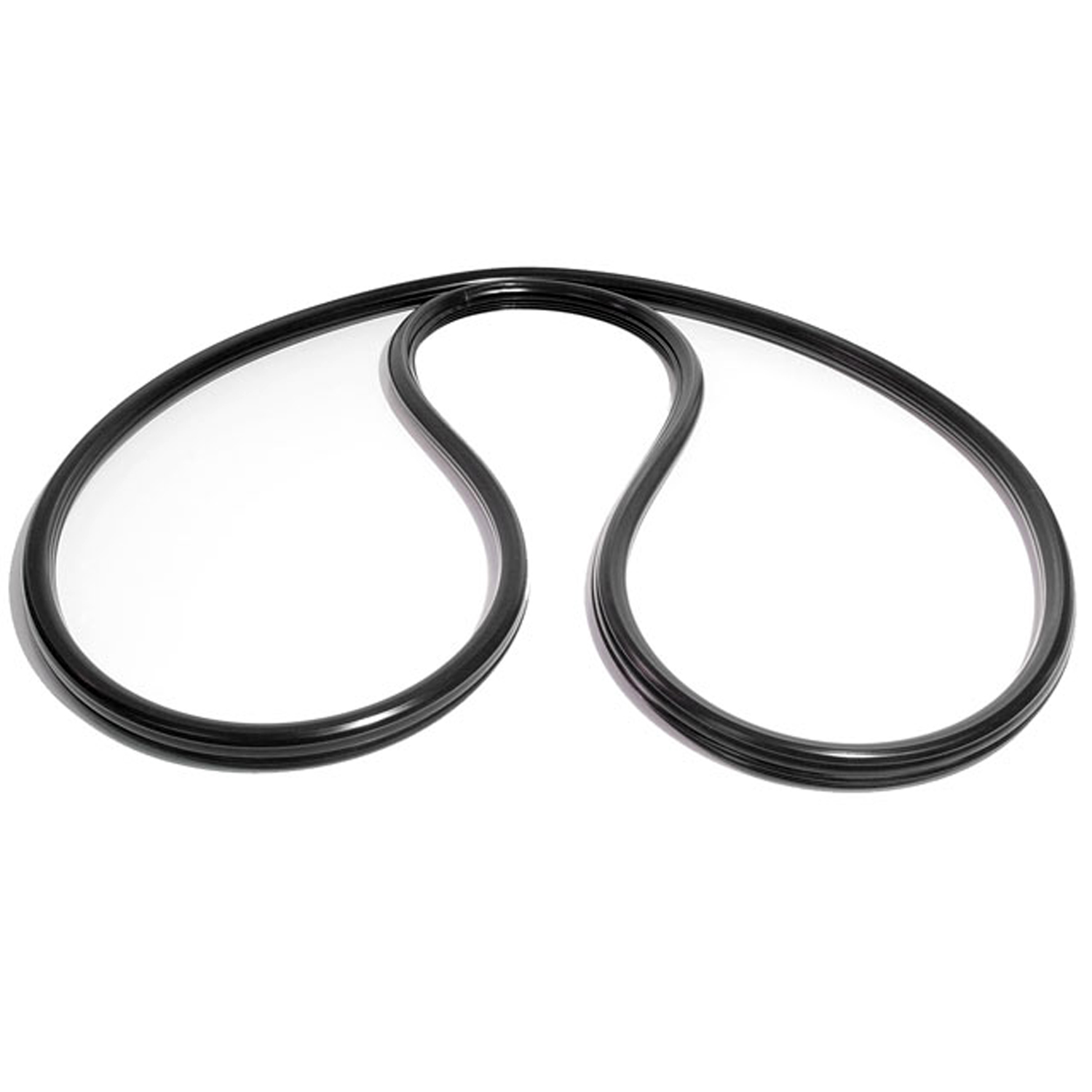 1981 Jeep CJ7 Windshield Glass Seal. Each-VWS 9600Windshield Glass Seal. Each
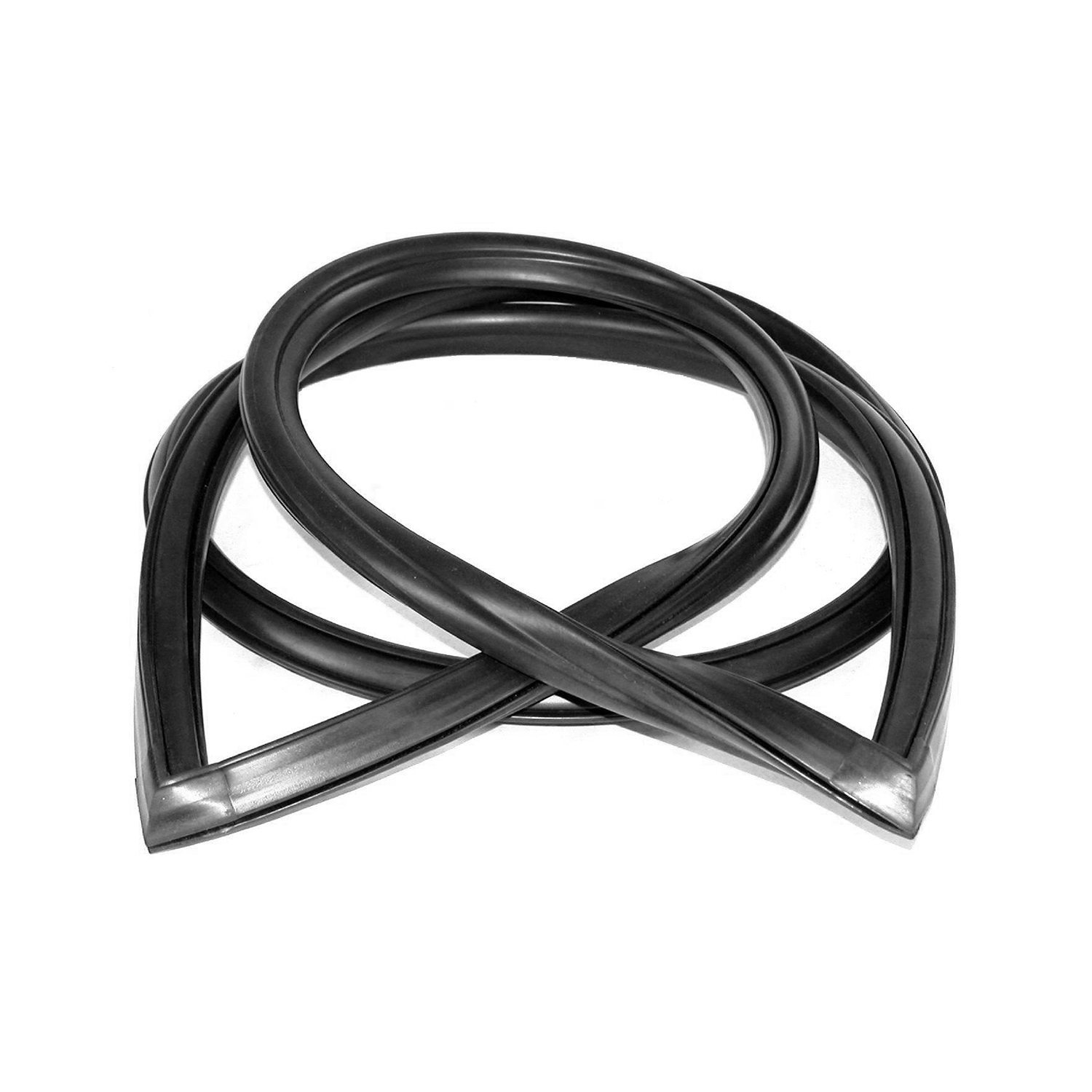 1981 Jeep CJ7 Liftgate window seal, '68-'86 Jeep CJ7-VWS 9608-RLiftgate window seal, '68-'86 Jeep CJ7, each. Replaces OEM part #'s J5454184 / 5758072
Why Choose Metro?
For over 100 years, Metro Moulded Parts has been the pinnacle of quality in classic car restoration parts. Our commitment to precision and authenticity in every component ensures a perfect fit and an OEM-level appearance.
- Expert Craftsmanship & Quality: Each part is a testament to our dedication to reliability and perfection, crafted from original designs and thoroughly tested.
- Advanced Technology: We use cutting-edge techniques to create flawless, long-lasting parts that surpass others in performance.
- SuperSoft Sponge – The Ultimate Door Seal: Not only are our door seals 30% softer than competitors', but they're also guaranteed to never leak. They effectively reduce wind and road noise, enhancing your classic car's comfort and driving experience.
- Proudly American: Our parts are a product of American craftsmanship, made in the USA with a spirit of excellence and heritage.
- Unrivaled Warranty: We back our products with a 30-year industry-leading warranty, a testament to our confidence in their quality.
Join us in preserving the legacy of classic cars with parts that are crafted for perfection, not just made.