

Image of 1982 Jeep Wagoneer, Note: These illustrations use artistic license and may differ from actual historical models.
Performance Metrics
Fundamental Metrics
Emotional Appeal
MMP Rating
| Engine Specifications | |
|---|---|
| Engine: | AMC 360 V8 |
| Displacement: | 5.9L |
| Horsepower: | 140-150 HP |
| Torque: | 280-300 lb-ft |
| Compression Ratio: | 8.25:1 |
| Ignition System: | Electronic Ignition |
| Cooling System: | Liquid-cooled |
| Performance Specifications | |
| 0-60 Time: | 15 seconds |
| 1/4 Mile Time: | 20 seconds |
| Top Speed: | 100 mph |
| Transmission and Drive | |
| Drive Type: | 4WD |
| Transmission Type: | 3-speed automatic |
| Fuel and Efficiency | |
| Fuel System Type: | Carburetor |
| MPG: | 10-12 mpg |
| Dimensions and Brakes | |
| Brakes: | Front disc, rear drum |
| Wheelbase: | 109 inches |
| Weight: | 4,500 lbs |
Note: Specifications for classic cars are given to the best of our ability, considering the limited and variant data available.
1982 Jeep Wagoneer: The Luxury 4x4 Before SUVs Took Over
Long before family SUVs filled suburban driveways, the 1982 Jeep Wagoneer was already combining four-wheel-drive ability with the comfort of a well-equipped station wagon. Built by American Motors Corporation (AMC) under its Jeep brand, this full-size 4x4 belonged to a vehicle line that had been shaping the idea of the modern SUV since 1963.
The Wagoneer’s roots reach back to Kaiser Jeep, which introduced the original model as a more civilized alternative to bare-bones utility vehicles. By 1982, AMC had refined the formula without losing the truck-based character: a substantial body-on-frame chassis, a roomy four-door cabin, and genuine off-road hardware. One notable milestone in the Wagoneer’s history came early. The original 1963 model was among the first four-wheel-drive vehicles offered with an automatic transmission, a feature that made 4x4 motoring easier for everyday drivers.
The 1982 model also arrived during an important transition. AMC was operating in partnership with Renault, while American buyers were beginning to embrace vehicles that could handle school runs and road trips as comfortably as rough tracks. The Wagoneer was already doing both.
Woodgrain, Chrome, and Cabin Comfort
The Wagoneer’s styling was upright and unmistakably practical, with a broad hood, tall greenhouse, squared-off body, and Jeep’s familiar seven-slot grille. Its rectangular headlamps and restrained brightwork gave it a distinctly early-1980s face. The long roof and large windows made the cabin feel open, while the rear cargo area offered the usefulness expected of a full-size wagon.
Higher-trim Wagoneers, especially the upscale Limited, are best known for their woodgrain exterior appliqué. Set against paint colors such as white, dark green, blue, brown, red, and metallic shades, the faux wood panels gave the Jeep a country-estate look that became one of its most recognizable signatures. Color availability varied by trim and production year, but earthy tones and woodgrain were particularly well suited to the Wagoneer’s character.
Inside, the Wagoneer aimed for comfort rather than bare-bones utility. Depending on trim and equipment, buyers could find patterned cloth or vinyl upholstery, carpeting, a padded dashboard, and woodgrain-style interior accents. Leather upholstery was associated with the more luxurious versions and was not fitted to every Wagoneer. Power windows and locks, air conditioning, cruise control, an AM/FM stereo, and other comfort features could be ordered or included on better-equipped models. These were meaningful conveniences in a full-size 4x4 at a time when many competitors still felt more like work trucks.
For 1982, the Wagoneer was principally a four-door station wagon. Buyers chose among equipment and trim levels rather than a broad range of body styles. The four-door layout became the classic configuration: it was easier for families to use, and it showed off the Wagoneer’s long, wood-trimmed profile to best effect.
Why the Wagoneer Mattered
The 1982 Wagoneer was part of a design idea that would become central to the SUV market: give buyers real four-wheel-drive capability, but make the vehicle pleasant enough to use every day. Its rivals included large domestic wagons and truck-based 4x4s, yet the Jeep occupied a distinctive middle ground. It could carry a family in comfort without pretending to be a car, and it could venture off pavement without requiring its occupants to tolerate a stripped-down interior.
That blend helped establish the Wagoneer as an early luxury SUV. Its influence is easy to see in later upscale 4x4s, which adopted the same mix of high seating, generous cargo space, all-weather traction, and passenger-car amenities. The Wagoneer’s long production life also speaks to the strength of the basic concept. Its familiar shape remained in service for decades, even as the market around it changed dramatically.
In 1984, Jeep renamed the upscale Wagoneer Limited the Grand Wagoneer. That distinction matters to collectors: a 1982 Wagoneer is a desirable member of the same family, but it predates the Grand Wagoneer name and its later, more famous collector following.
Engines, Road Manners, and 4x4 Capability
Engine availability depended on equipment and market. The 4.2-liter AMC inline-six was the economical choice, while a 5.9-liter AMC V8 offered stronger low-speed pulling power. Output figures varied with emissions equipment and measurement standards, but period figures are commonly cited at roughly 110 horsepower for the six and around 150 horsepower for the V8. Three-speed automatic transmissions were available, with manual-transmission availability depending on configuration.
Performance was workmanlike rather than quick. A V8-equipped Wagoneer typically needed roughly 12 to 15 seconds to reach 60 mph, while a six-cylinder example could take about 18 to 20 seconds. Top speed was generally in the neighborhood of 85 to 100 mph, depending on engine, gearing, condition, tires, and equipment. Those estimates are best understood as period-style ranges, not guarantees for an individual truck. The Wagoneer was built to tow, travel, and climb, not to win stoplight contests.
Four-wheel-drive systems and equipment differed by model and order. Jeep’s available systems included full-time and selectable 4x4 arrangements, giving owners options for changing weather and rougher terrain. The solid-axle, truck-based construction contributed to durability and off-road ability, though it also meant the Wagoneer did not ride or steer like a modern crossover.
On the road, the Jeep feels large and substantial. Its suspension can absorb broken pavement and gravel roads well, but bumps may produce more body movement than drivers accustomed to newer vehicles expect. On winding roads, the tall body leans and the steering feels slower and less precise than a passenger car’s. In return, the driver gets a commanding view and a confident, planted feel at sensible speeds.
The inline-six delivers a steady, familiar mechanical note, while the V8 adds a deeper rumble and more relaxed passing power. Both engines sound distinctly old-school, especially under load. The cabin is quiet by the standards of many vintage 4x4s, but wind, tire, and drivetrain noise remain part of the experience. Driving one is less about sharp inputs and more about smooth, deliberate progress.
Living With a 1982 Wagoneer
Today, owners use Wagoneers as weekend classics, vintage camping vehicles, show cars, and occasional daily drivers. A well-sorted example can handle regular road use, but fuel consumption is substantial compared with modern vehicles, especially with the V8. Its size also makes tight parking lots and narrow streets more challenging.
Mechanical repairs are generally approachable for a skilled home mechanic. AMC engines are well understood, and the Wagoneer’s truck-style construction gives experienced technicians room to work. Parts support remains available through specialty suppliers and the Jeep restoration community, although trim pieces, body panels, and certain model-specific components can take more effort to find.
Rust is the most important ownership concern. Inspect the frame, floorpans, rocker panels, wheel arches, tailgate, and areas around the windshield and roof carefully. Also check the 4x4 system, transmission, cooling system, electrical accessories, and evidence of previous repairs. A solid body and sound chassis are often more valuable than a fresh coat of paint or a long list of recently replaced bolt-on parts.
Wagoneer Trivia and Common Complaints
The Wagoneer helped introduce a more comfortable, automatic-transmission-equipped style of four-wheel driving, years before the SUV became a mainstream family vehicle. Its woodgrain trim, tall glass, and formal wagon shape later became visual shorthand for the classic American luxury 4x4.
There is no widely recognized 1982 Wagoneer production record for speed or endurance, and exact production totals are difficult to separate by year, trim, and equipment in public-facing sources. It was a regular production vehicle rather than a limited-run special edition. Celebrity ownership stories are often repeated around classic Wagoneers generally, but they should not be treated as proof of a special 1982 edition.
Common criticisms are straightforward: the Wagoneer is thirsty, its handling is dated, and age-related rust or electrical problems can turn an inexpensive purchase into a substantial project. Its size, modest acceleration, and vintage braking and steering feel also demand a little patience. Those drawbacks are part of the ownership equation, not surprises to discover after buying.
Collector Value and Market Outlook
Values depend heavily on rust, originality, trim, drivetrain, and the quality of any restoration. As a broad current-market estimate, a project or rough driver may sell for around $4,000 to $9,000. A usable, presentable example might bring approximately $10,000 to $20,000, while a very clean, well-maintained Wagoneer could reach $20,000 to $35,000. Exceptional restorations or unusually original, highly equipped examples may sell for more, particularly when they have excellent documentation and a solid, rust-free body.
These are working estimates rather than fixed prices. The 1982 Wagoneer generally sits below the best-known later Grand Wagoneers in collector demand, but clean examples are increasingly appreciated as early luxury SUVs. Values have strengthened for well-preserved vehicles, while rough projects remain sensitive to repair costs. As a production model rather than a numbered special edition, the 1982 Wagoneer is not exceptionally rare. A reasonable broad estimate is that production was in the thousands to tens of thousands, but a precise figure for this model year and trim is difficult to confirm. Condition and provenance matter more than a speculative production count.
A Classic That Helped Define the SUV
The 1982 Jeep Wagoneer brought together the qualities that would later make SUVs so popular: a commanding driving position, generous passenger and cargo space, four-wheel-drive capability, and a more comfortable cabin than a basic utility vehicle. Its AMC engines and truck-based handling belong to another era, but its purpose remains easy to understand.
For collectors, the appeal is not just the woodgrain or the Jeep badge. It is the chance to own a vehicle that helped make the comfortable, capable 4x4 a family favorite long before that idea became the norm.
1982 Jeep Wagoneer Catalog of Parts
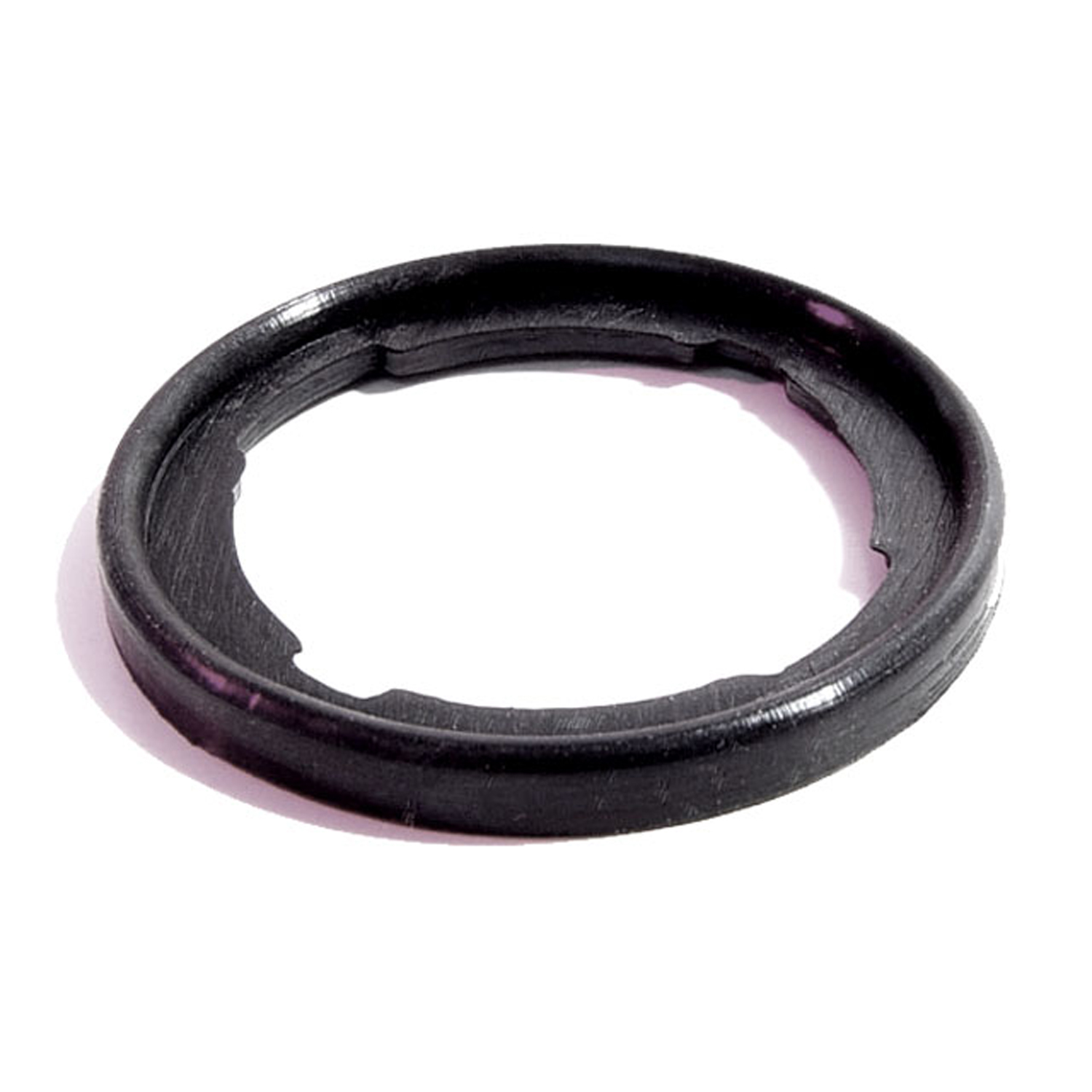 1982 Jeep Wagoneer Door Lock Gasket. Each-MP 1600Door Lock Gasket. Each
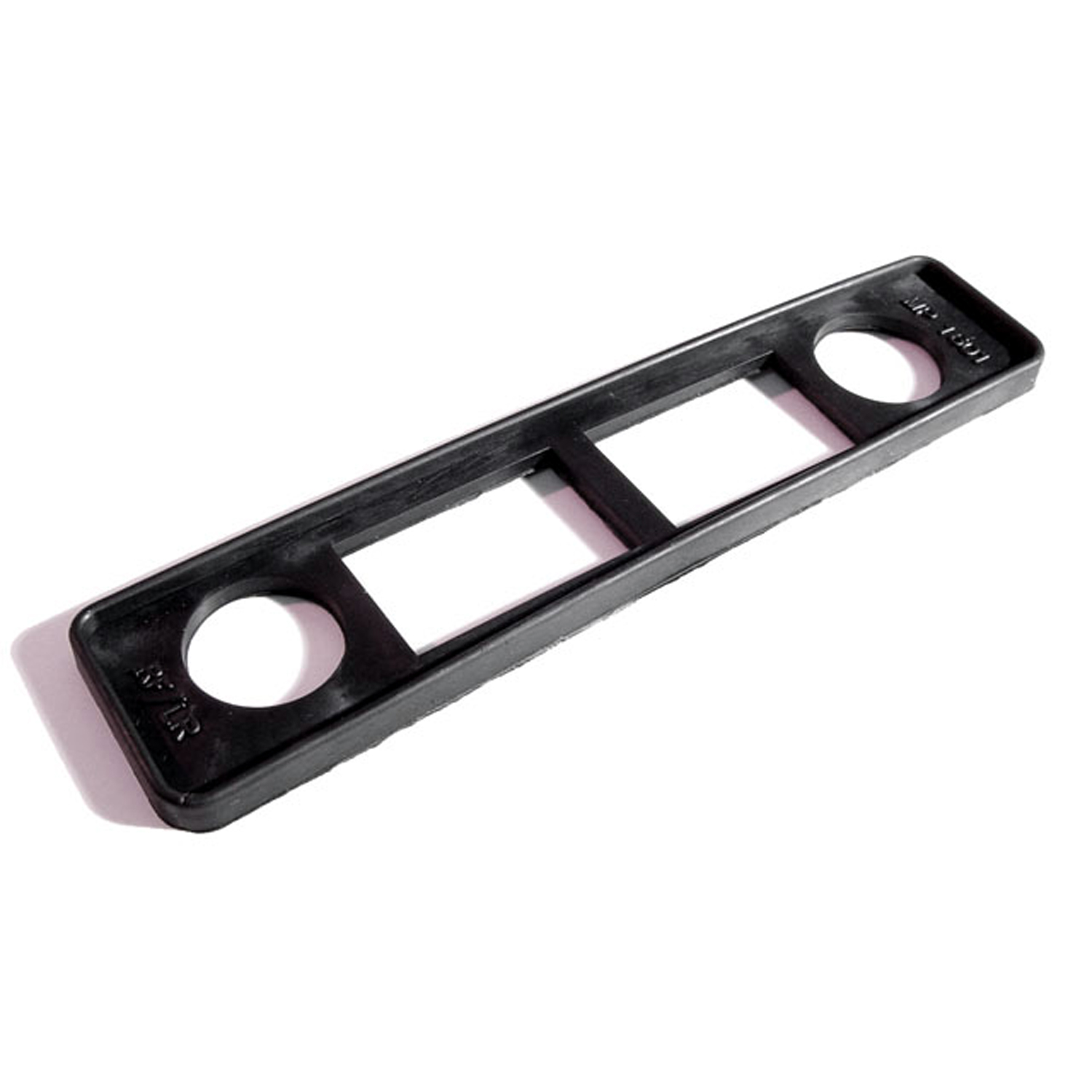 1982 Jeep Wagoneer Roof rack pad. Fits right front or left rear-MP 1601Roof rack pad. Fits right front or left rear. Replaces OEM# J5465665. Each.
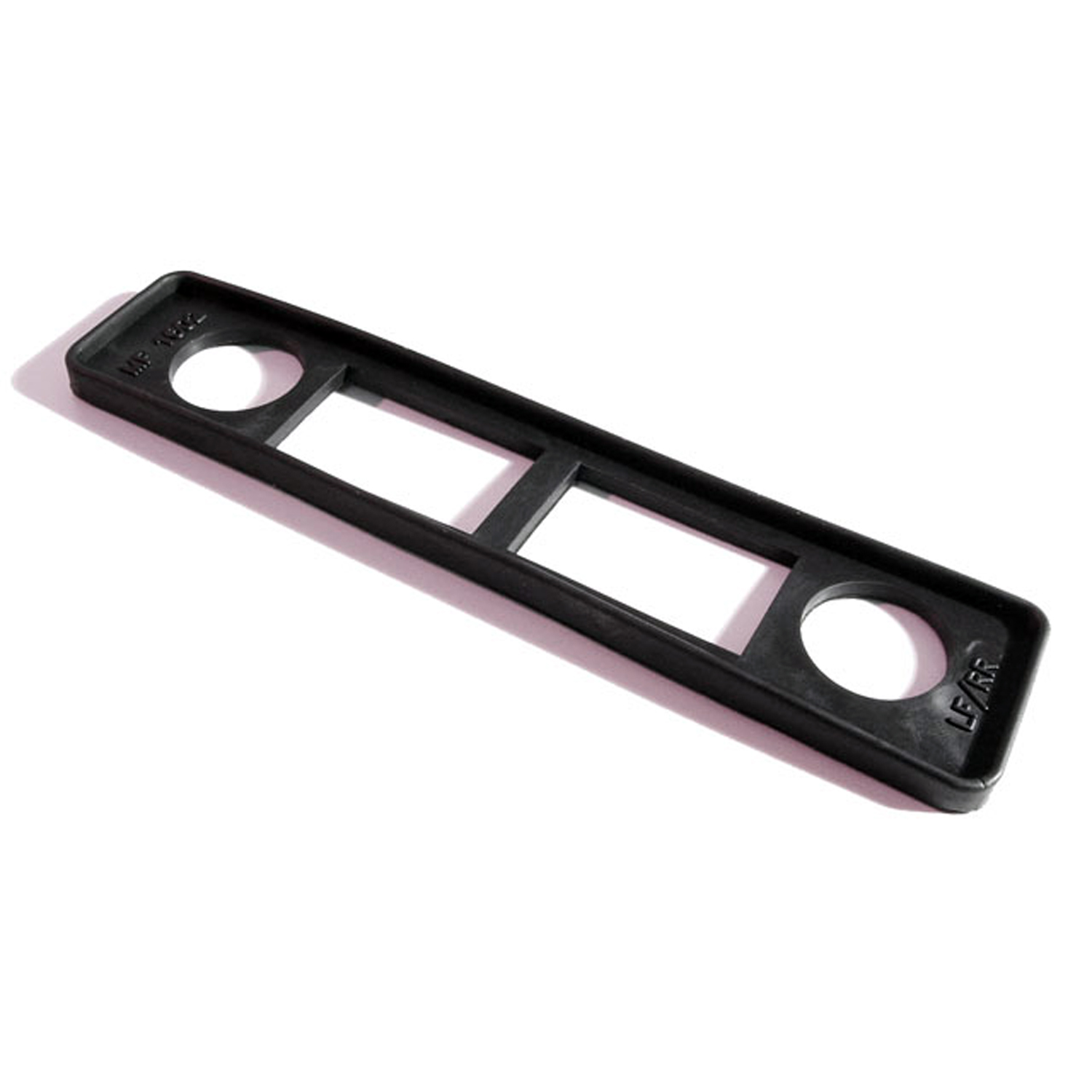 1982 Jeep Wagoneer Roof rack pad. Fits left front or right rear-MP 1602Roof rack pad. Fits left front or right rear. Replaces OEM# J5465666. Each.
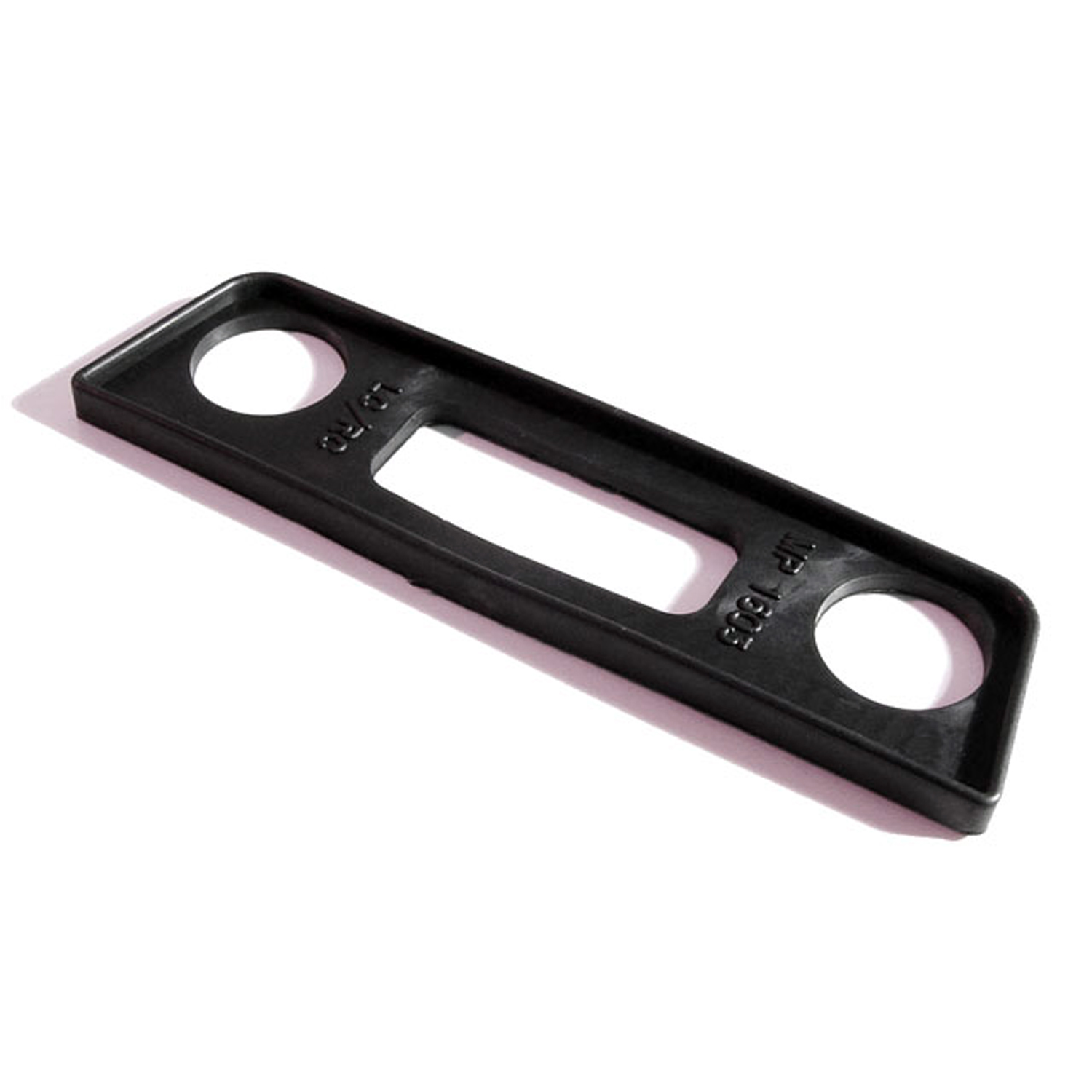 1982 Jeep Wagoneer Roof rack pad. Fits center standee. Replaces OEM# J5465676-MP 1603Roof rack pad. Fits center standee. Replaces OEM# J5465676. Each.
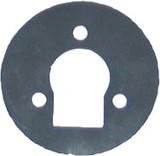 1982 Jeep Wagoneer Tailgate lock base gasket. Replaces OEM# J5465676. Each.-MP 1604Tailgate lock base gasket. Replaces OEM# J5465676. Each.
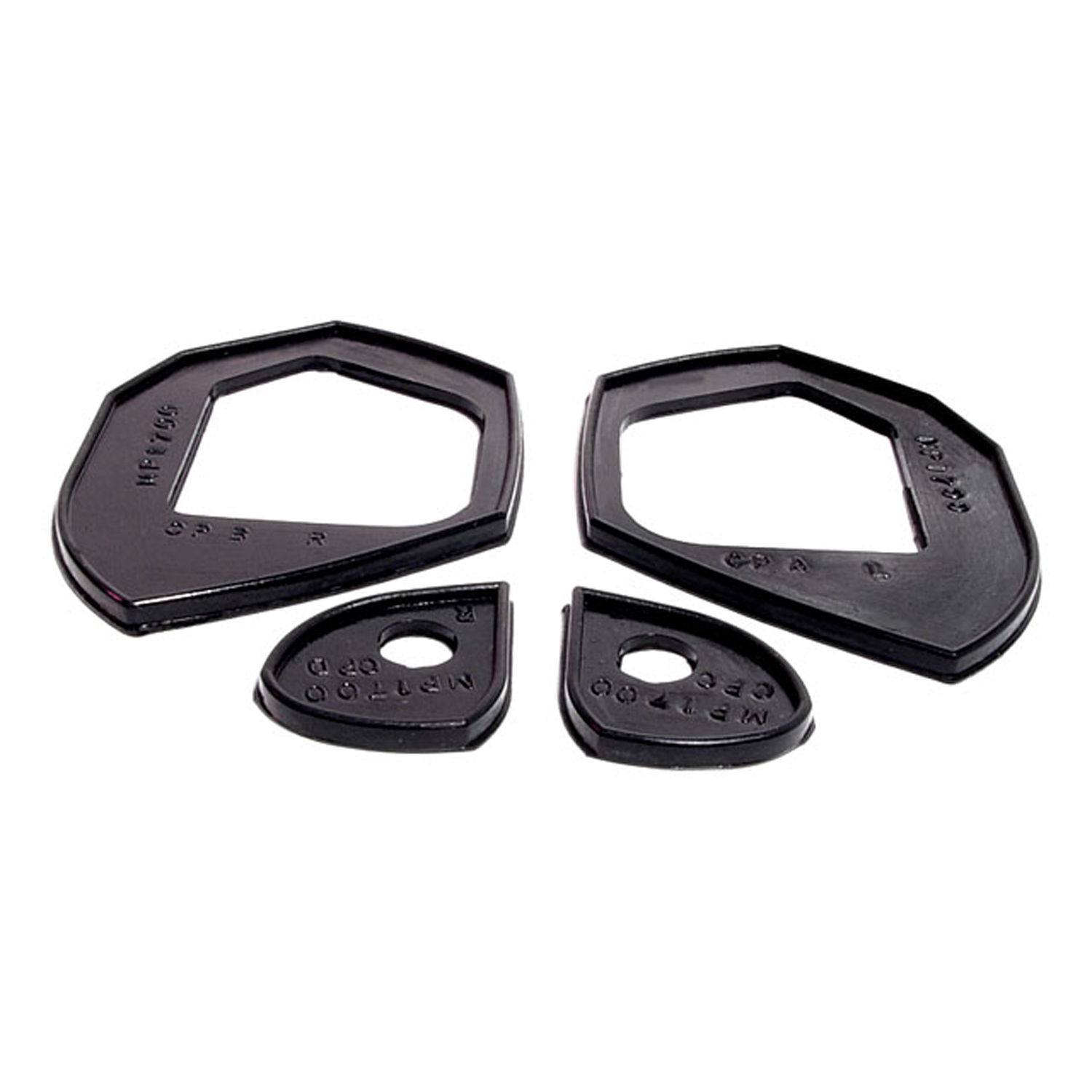 1982 Jeep Wagoneer Door handle mounting pads. 4-piece set. R&L.-MP 1700Door handle mounting pads. 4-piece set. R&L.
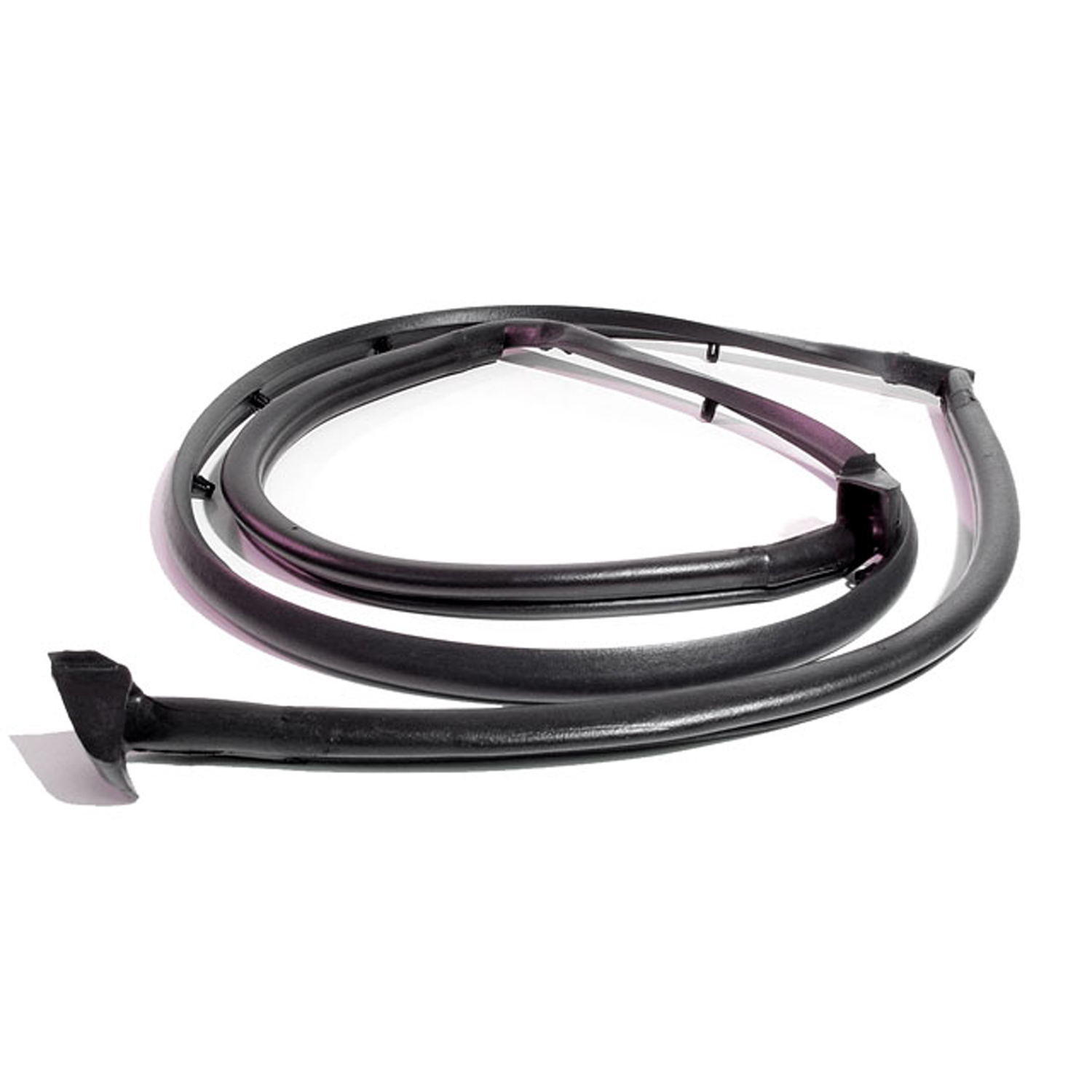 1982 Jeep Wagoneer Lower Tailgate Seal. Replaces OEM #J5451573. Each-TG 91Lower Tailgate Seal. Replaces OEM #J5451573. Each
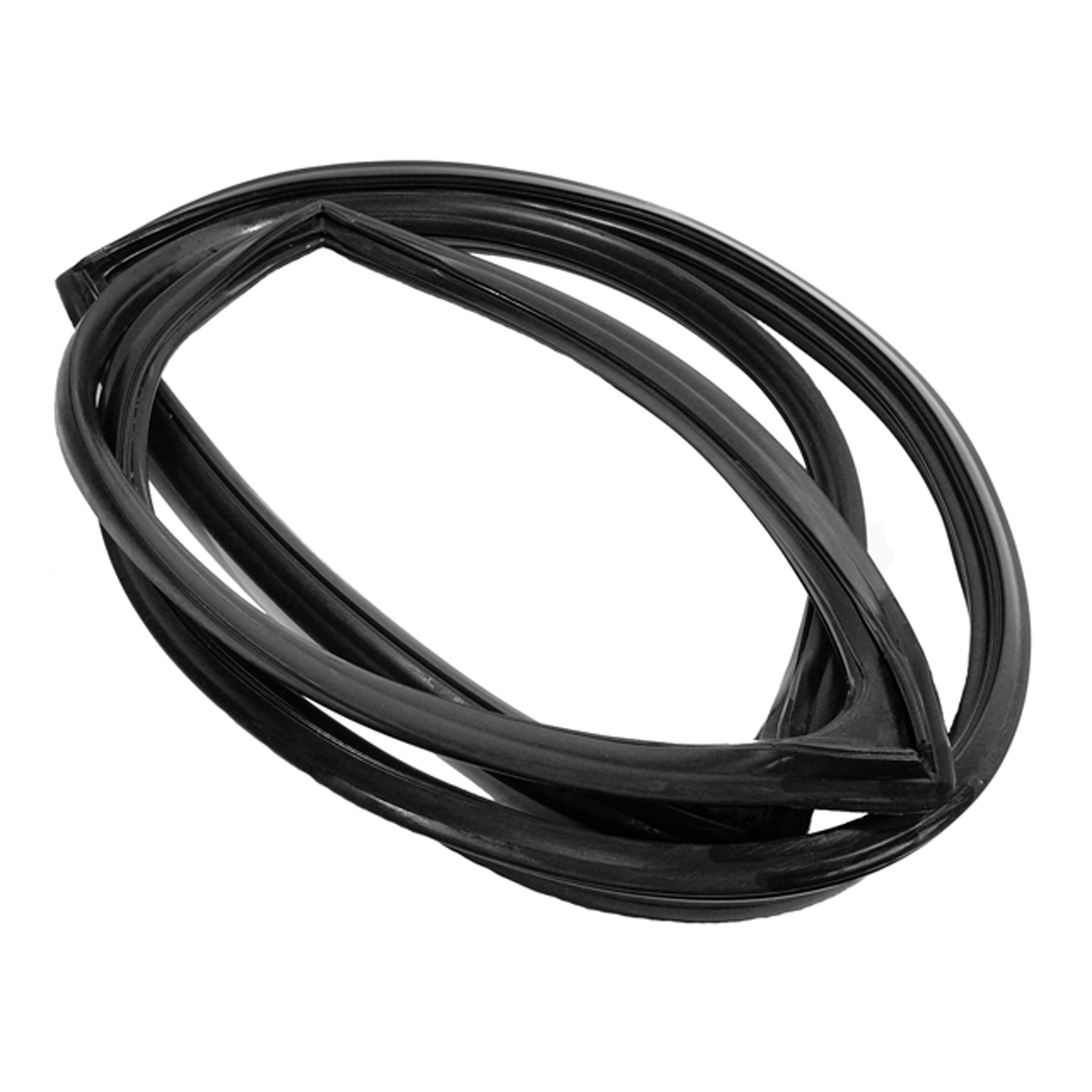 1982 Jeep Wagoneer Vulcanized Windshield Seal. 164-1/4" Long. Each-VWS 0643Vulcanized Windshield Seal. 164-1/4" Long. Each
Why Choose Metro?
For over 100 years, Metro Moulded Parts has been the pinnacle of quality in classic car restoration parts. Our commitment to precision and authenticity in every component ensures a perfect fit and an OEM-level appearance.
- Expert Craftsmanship & Quality: Each part is a testament to our dedication to reliability and perfection, crafted from original designs and thoroughly tested.
- Advanced Technology: We use cutting-edge techniques to create flawless, long-lasting parts that surpass others in performance.
- SuperSoft Sponge – The Ultimate Door Seal: Not only are our door seals 30% softer than competitors', but they're also guaranteed to never leak. They effectively reduce wind and road noise, enhancing your classic car's comfort and driving experience.
- Proudly American: Our parts are a product of American craftsmanship, made in the USA with a spirit of excellence and heritage.
- Unrivaled Warranty: We back our products with a 30-year industry-leading warranty, a testament to our confidence in their quality.
Join us in preserving the legacy of classic cars with parts that are crafted for perfection, not just made.