
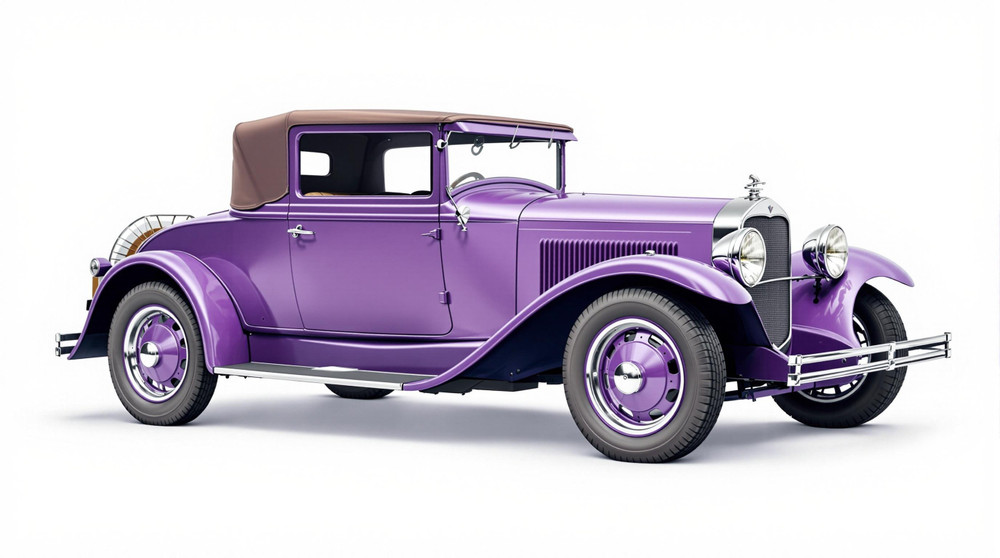
Image of 1927 Jordan Line Eight, Note: These illustrations use artistic license and may differ from actual historical models.
Performance Metrics
Fundamental Metrics
Emotional Appeal
MMP Rating
| Engine Specifications | |
|---|---|
| Engine Options: | Straight-8 |
| Displacement Range: | 3.2L |
| Horsepower Range: | Estimated 70-90 HP |
| Torque: | Not available |
| Compression Ratio: | Not available |
| Ignition System: | Distributor and coil |
| Cooling System: | Water-cooled |
| Performance Specifications | |
| 0-60 Time: | Not available |
| 1/4 Mile Time: | Not available |
| Top Speed: | 70-80 mph |
| Transmission and Drive | |
| Drive Type: | Rear-wheel drive |
| Transmission Type: | 3-speed manual |
| Fuel and Efficiency | |
| Fuel System Type: | Carburetor |
| MPG: | Not available |
| Dimensions and Brakes | |
| Brakes: | Mechanical drum brakes |
| Wheelbase: | 125 inches |
| Weight: | Estimated 3500 lbs |
Note: Specifications for classic cars are given to the best of our ability, considering the limited and variant data available.
1927 Jordan Line Eight: A Style-First American Classic
The 1927 Jordan Line Eight was built to make an entrance, not merely to get from one town to the next. With a smooth eight-cylinder engine, carefully tailored coachwork, and the confident flair that made Jordan famous, it represented a distinctive alternative to the more conservative luxury cars of its era.
The Jordan Motor Car Company was founded in Cleveland, Ohio, in 1916 by Edward S. “Ned” Jordan. Jordan had worked in the automobile industry before setting out on his own, and he understood that a car could be sold through personality as much as engineering. The company’s ads became celebrated for their bold language and memorable imagery. Its 1920 “Somewhere West of Laramie” campaign, for example, helped establish Jordan as one of the industry’s most creative advertisers.
By 1927, Jordan was offering cars with straight-eight power as manufacturers increasingly competed to make their higher-priced models quieter and smoother. The Line Eight gave Jordan buyers that modern appeal while keeping the brand’s emphasis on stylish, individual-looking automobiles. Exact specifications vary among surviving cars and published references, so details should be checked against the particular chassis and engine.
Long Lines and Tailored Coachwork
The Line Eight’s visual appeal came from proportion. Its long hood announced the engine beneath it, while a low, sweeping profile gave the car a more streamlined appearance than many boxier contemporaries. A bright radiator shell, prominent lamps, sweeping fenders, and carefully placed trim supplied the period’s expected luxury cues. The result was dressy without being anonymous: Jordan’s styling aimed to make the car recognizable in a crowded city street.
Interiors were designed for comfort and presentation. Depending on body style and equipment, buyers could expect generous upholstery, polished wood or metal trim, fitted carpeting, and a well-finished instrument panel. Materials and details varied, and modern restorations may not retain their original specifications. As with other premium cars of the period, the cabin’s quality depended partly on the chosen body and trim level.
Jordan offered a range of body styles across its model line, with availability changing by year and chassis. Closed sedans and coupes suited owners who wanted all-weather comfort, while open touring cars and roadsters put the car’s long profile on display. The most suitable “iconic” choice depends on the individual car: a sporting open body makes the strongest visual statement, while a sedan better illustrates how a Line Eight could serve as a refined touring automobile.
Factory color choices also depended on body and year. Period cars could be ordered in dark, formal shades as well as richer colors such as maroon, blue, or green, often with contrasting trim or body accents. Black was a familiar choice, but Jordan’s reputation for style made more expressive paint combinations especially fitting. Original paint records for a specific car are the best guide to its authentic colors.
Eight-Cylinder Refinement in 1927
The Line Eight’s defining technical feature was its straight-eight engine. Inline-eight engines were valued for their smooth power delivery: with more frequent power strokes than a six-cylinder, they could feel notably composed when properly tuned. The engine was paired with a conventional manual transmission, and the car used the sturdy chassis and mechanical controls typical of the period.
That did not make the Jordan a modern car in disguise. Braking, steering, suspension, and driver protection were all products of the 1920s. But the combination of eight-cylinder power and bespoke-looking bodywork placed the Line Eight in the increasingly competitive market for comfortable, prestigious American automobiles.
How the Jordan Line Eight Drove
Period performance figures are not consistently documented for every 1927 Line Eight configuration. Depending on engine specification, body weight, gearing, and condition, a healthy example might reach roughly 70 to 80 mph. A 0-to-60-mph time is best treated as an estimate rather than a factory promise; a heavy car of this era could take around 25 to 35 seconds, and some examples may be slower.
On the road, the straight eight should feel smooth and deliberate rather than urgent. Acceleration builds steadily, accompanied by a deep mechanical hum that becomes more pronounced under load. The high seating position, large steering wheel, manual controls, and unassisted brakes ask the driver to stay involved. On rough roads, the car’s substantial chassis and period suspension soften smaller bumps, but sharp potholes and washboard surfaces still make themselves known. On winding roads, its size and steering effort favor measured inputs over quick corrections.
Wind, road camber, tire condition, and brake adjustment matter more than they do in a contemporary car. A well-sorted Line Eight can be a rewarding tourer, but it requires anticipation and a lighter touch than a modern vehicle.
Living With a Jordan Today
A Line Eight is best suited to touring, club events, exhibitions, and occasional pleasure drives rather than everyday commuting. Its appeal lies in the experience: the sound of the engine, the view over the long hood, and the opportunity to travel at a pace that lets the landscape become part of the outing.
Maintenance is manageable for an experienced vintage-car owner, but parts and specialist knowledge can take effort to find. Routine work includes careful attention to ignition and fuel systems, lubrication, cooling, tires, and mechanical brakes. The basic systems are understandable to a capable mechanic, yet age, previous repairs, and non-original components can make any individual car a project. Before purchase, inspect the engine, frame, steering, brakes, and body structure, and confirm that key components can be serviced or sourced.
Jordan Facts, Rarities, and Caveats
Jordan’s best-known contribution may be its advertising as much as any single engineering feature. Ned Jordan’s campaigns treated the automobile as an object of aspiration and style, helping make the company’s name memorable even beside much larger manufacturers. The Line Eight belongs to that same story: it was a car intended to be noticed.
There is no widely cited, dependable production total for the 1927 Line Eight alone, and body styles may be counted differently in surviving records. A reasonable working estimate is that production ran into the low thousands across the model and its variants, but that should not be mistaken for an audited figure. Surviving examples are uncommon, and complete, correctly identified cars are harder to find than the broad estimate might suggest.
There is no famous speed or endurance record commonly associated specifically with the Line Eight. Nor is there a well-established celebrity ownership story that defines the model. Its stronger historical connection is to Jordan’s distinctive marketing and to the broader move toward smoother, more refined eight-cylinder cars. A common criticism is that Jordan’s fame for advertising can overshadow the cars themselves. In practical terms, today’s owners may also find limited parts availability and the effort required to keep a nearly century-old car roadworthy challenging.
Collector Value and Market Outlook
Values vary widely with body style, originality, restoration quality, provenance, and mechanical condition. As a broad current-market guide, a project or incomplete example might fall around $15,000 to $30,000, while a presentable driver could be roughly $30,000 to $60,000. A high-quality restoration or especially desirable open-bodied car may bring approximately $60,000 to $100,000 or more. These are estimates, not formal appraisals, and a rare body or exceptional history can move a sale outside those ranges.
The Line Eight is a niche collectible rather than a high-volume investment car. Its limited availability and distinctive styling support long-term interest, but prices depend heavily on the buyer’s appetite for prewar machinery and the condition of the specific vehicle. Well-restored examples may hold value better than poorly documented projects, while restoration costs can exceed the price difference between a project and a finished car. For most collectors, ownership is about preserving an unusual piece of American automotive design rather than chasing a guaranteed return.
Why the 1927 Line Eight Still Matters
The 1927 Jordan Line Eight combined straight-eight smoothness with expressive styling and a brand that understood the power of a memorable image. It was not the only refined American car of its time, but it offered a distinctive alternative to better-known names and reflected a moment when design, advertising, and engineering were all becoming part of the automobile’s appeal.
Today, a Line Eight rewards the owner who values character over convenience. Its long hood, measured pace, and unmistakable period presence make every drive feel like a small act of preservation. For a rare Jordan, that is more than transportation: it is a rolling reminder that a car could be built to turn heads before it ever turned a wheel.
1927 Jordan Line Eight Catalog of Parts
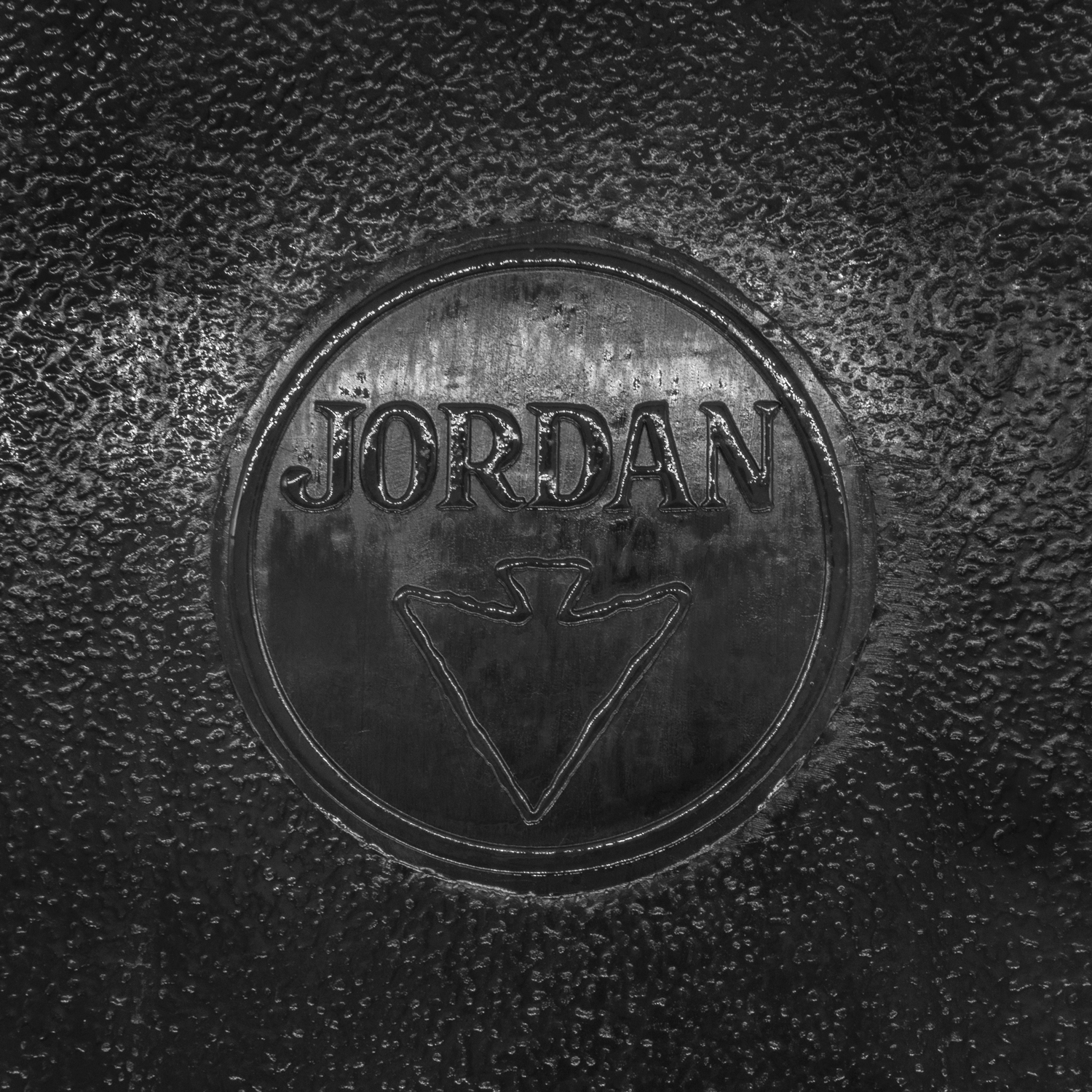 1927 Jordan Line Eight Accessory Floor Mat - 12"X17"-AC 50Accessory Floor Mat - made of high quality black rubber with molded original emblem. Also designed to be sewn into new carpets. 12"X17", Each
Why Choose Metro?
For over 100 years, Metro Moulded Parts has been the pinnacle of quality in classic car restoration parts. Our commitment to precision and authenticity in every component ensures a perfect fit and an OEM-level appearance.
- Expert Craftsmanship & Quality: Each part is a testament to our dedication to reliability and perfection, crafted from original designs and thoroughly tested.
- Advanced Technology: We use cutting-edge techniques to create flawless, long-lasting parts that surpass others in performance.
- SuperSoft Sponge – The Ultimate Door Seal: Not only are our door seals 30% softer than competitors', but they're also guaranteed to never leak. They effectively reduce wind and road noise, enhancing your classic car's comfort and driving experience.
- Proudly American: Our parts are a product of American craftsmanship, made in the USA with a spirit of excellence and heritage.
- Unrivaled Warranty: We back our products with a 30-year industry-leading warranty, a testament to our confidence in their quality.
Join us in preserving the legacy of classic cars with parts that are crafted for perfection, not just made.