

Image of 1947 Kaiser Custom, Note: These illustrations use artistic license and may differ from actual historical models.
Performance Metrics
Fundamental Metrics
Emotional Appeal
MMP Rating
| Engine Specifications | |
|---|---|
| Engine Options: | Inline 6 |
| Displacement Range: | 226 cu in (3.7 L) |
| Horsepower Range: | Estimated 100 hp |
| Torque: | 180 lb-ft |
| Compression Ratio: | Estimated 7.3:1 |
| Ignition System: | Distributor and coil |
| Cooling System: | Liquid-cooled |
| Performance Specifications | |
| 0-60 Time: | Information not available |
| 1/4 Mile Time: | Information not available |
| Top Speed: | 80 mph |
| Transmission and Drive | |
| Drive Type: | Rear-wheel drive |
| Transmission Type: | 3-speed manual |
| Fuel and Efficiency | |
| Fuel System Type: | Carburetor |
| MPG: | Information not available |
| Dimensions and Brakes | |
| Brakes: | Drum brakes |
| Wheelbase: | 123.5 in |
| Weight: | 3,200 lbs |
Note: Specifications for classic cars are given to the best of our ability, considering the limited and variant data available.
1947 Kaiser Custom: The Postwar Independent With Big Ideas
The 1947 Kaiser Custom arrived with a clear challenge to Detroit’s established order: a fresh American car from a company that had barely existed before World War II. Built by Kaiser-Frazer Corporation, the Custom was the more richly appointed version of the new Kaiser line, combining modern postwar styling with conventional, easy-to-understand mechanicals.
Kaiser-Frazer was founded by industrialist Henry J. Kaiser and automobile executive Joseph W. Frazer. Its cars were assembled at Willow Run in Michigan, the enormous former bomber plant where Ford had built B-24 aircraft during the war. The company’s first production cars reached buyers in 1946, making the 1947 Kaiser part of an unusually busy moment: Americans were returning to car shopping after years of wartime restrictions, and a small number of new manufacturers were trying to establish themselves alongside the Big Three.
One useful distinction for collectors: the 1947 Custom is not the later Kaiser-Frazer “Airflyte.” That more dramatically low-slung design arrived for 1949. The 1947 model is an earlier, more upright car, but it already represented a serious attempt by an independent automaker to offer modern styling, generous space, and upscale trim.
Custom Styling and Cabin Details
The Kaiser Custom has the substantial presence expected of a large postwar American sedan. Its long hood, broad front fenders, upright grille, and rounded body contours give it a smooth, carefully finished look rather than the sharply separated fenders and running boards of many prewar designs. Chrome brightwork frames the grille and windows, while full-length body lines help the car look lower and longer than its upright passenger compartment might suggest.
The Custom’s trim gave it a more dressed-up appearance than the entry-level Kaiser Special. Depending on body style and equipment, exterior details could include additional bright trim, upgraded wheel covers, and a wider choice of paint and upholstery combinations. Paint colors varied by production and market, but buyers could find period favorites such as dark blue, green, maroon, gray, black, and lighter neutral shades. Dark, rich colors suited the car’s formal lines, while lighter colors showed off its rounded bodywork.
Inside, the Kaiser Custom offered a broad front bench seat, a roomy cabin, and a straightforward dashboard arranged around the driver. Upholstery was generally cloth or a cloth-and-vinyl combination, with upgraded materials and trim compared with more basic models. The impression is more comfortable family sedan than sporting cockpit: a large steering wheel, clear instruments, generous seating, and plenty of room for passengers.
Depending on equipment, buyers could add conveniences such as a heater, radio, clock, and overdrive. These were desirable extras in an era when a car’s comfort equipment could vary considerably from one example to another. The Custom was not loaded with electronic technology, of course, but its practical layout and available amenities made it feel current to postwar buyers.
Kaiser offered its 1947 cars in several body configurations, including sedans and a convertible in the broader line. The four-door sedan was the most practical and familiar choice, and it is the body style most closely associated with the Custom today. Open models are more eye-catching and generally less common, but the sedan best captures the car’s original role as a comfortable, well-equipped family automobile.
Why the 1947 Kaiser Matters
The Kaiser Custom matters less as a single revolutionary engineering breakthrough than as evidence of how ambitious a new American carmaker could be immediately after the war. Kaiser-Frazer had to create a product, organize a dealer network, and compete for customers against companies with decades of experience. The Custom gave buyers another option in a market where the Big Three dominated showroom space and brand recognition.
Its design also reflects a transition in American car styling. The 1947 Kaiser looks more integrated and streamlined than many prewar cars, but it retains the upright proportions and separate visual elements familiar to buyers of the period. It is not the fully modern “envelope” shape that Kaiser would promote later, yet it helped establish the company’s reputation for taking design seriously.
What set the car apart was the combination of fresh styling, a spacious interior, and an independent identity. It was not a stripped-down novelty or a rebadged model from a larger manufacturer. It was a full-size American car backed by two high-profile founders and built on a scale that made Kaiser-Frazer one of the most notable postwar attempts to create a lasting new automaker.
Six-Cylinder Performance and Road Manners
Power came from a 226-cubic-inch (3.7-liter) Continental L-head inline-six, rated at about 100 horsepower. A three-speed manual transmission was standard, and overdrive was available on some cars. These figures gave the Kaiser respectable everyday performance for a large postwar sedan, but they did not make it a fast car by later standards.
Period performance figures vary with body style, condition, gearing, and test method. As a practical guide, a sound 1947 Kaiser Custom might reach roughly 85 to 90 mph and take around 20 to 24 seconds to accelerate from 0 to 60 mph. Those are estimates, not factory guarantees. The engine was tuned for steady road use and passenger comfort, not rapid acceleration or high-speed competition.
On a smooth highway, the Kaiser feels substantial and relaxed. The long wheelbase helps it glide over ordinary road imperfections, while its soft suspension favors comfort over crisp cornering. On a rough surface, the suspension can absorb bumps with the loose, buoyant motion typical of a large American car of the period. On winding roads, expect some body lean and slower steering response rather than sports-sedan precision. Crosswinds can also make a tall, broad-bodied car feel less settled than a modern vehicle.
Behind the wheel, the experience is hands-on. The driver works a large steering wheel, operates a conventional clutch and gearshift, and listens to the steady, low-frequency note of the flathead six. Acceleration builds gradually, and the engine is happiest when allowed to pull smoothly rather than being pushed hard. A well-maintained example should feel calm and comfortable at ordinary road speeds, though modern traffic can make its modest power and period brakes apparent.
Living With a 1947 Kaiser Custom
Today, the Kaiser Custom is best suited to weekend drives, local shows, historic tours, and collection use. Some owners keep their cars on the road regularly, but it is not an effortless modern daily driver. It lacks contemporary safety equipment, has slower acceleration and braking, and may need specialist attention for age-related systems such as the fuel delivery, electrical wiring, cooling system, and brakes.
The basic mechanical layout is relatively straightforward. The inline-six and manual transmission are familiar types of prewar and postwar American engineering, so an experienced mechanic can understand the fundamentals without specialized electronic diagnostic equipment. Routine work such as ignition service, carburetor adjustment, fluid changes, and brake maintenance is manageable for a capable owner with the right manuals and tools.
Parts availability is the bigger challenge. Common service items may be obtainable through classic-car suppliers or specialist networks, but model-specific trim, body panels, and interior pieces can take time to find. Before buying, inspect the frame and body for corrosion, check the cooling system and engine condition, and verify that the brakes operate properly. A complete car is often a better starting point than an inexpensive project missing rare trim or major components.
Rare Details, Trivia, and Common Criticisms
The 1947 Kaiser’s most intriguing connection is the place it was built. Willow Run had been designed for wartime aircraft production, and its conversion into a car plant makes the Kaiser-Frazer story a memorable example of American industry shifting from military production to consumer goods.
There is no widely recognized 1947 Kaiser Custom speed or endurance record, and the model did not establish a major racing reputation. Its significance is rooted in postwar manufacturing and independent-car history, not competition. Nor is there a single famous celebrity-owner story that defines the model. Its appeal today comes from its unusual maker, period styling, and relative rarity compared with mass-market Ford, Chevrolet, and Plymouth sedans.
Common criticisms are straightforward: the six-cylinder engine is not especially powerful for a full-size car, the driving experience is dated by modern standards, and finding correct restoration parts can be difficult. Some enthusiasts also prefer the more radical 1949 Kaiser styling. On the other hand, the 1947 Custom’s less familiar shape is exactly what makes it stand out at a show full of more common postwar cars.
Collector Value and Availability
Production totals are not always presented consistently by year, model, and body style, so a precise count for the 1947 Kaiser Custom is difficult to state confidently. A reasonable working estimate is around 70,000 Kaiser-branded cars for the 1947 model year, with the Custom representing one portion of that total. Surviving cars are far fewer, and well-restored convertibles or unusually complete examples are harder to encounter than sedans.
As a broad U.S. market estimate for 2026, a project or incomplete car might sell for roughly $3,000 to $8,000. A usable driver could fall around $8,000 to $18,000, while a clean, well-restored Custom may bring approximately $18,000 to $35,000. Exceptional, correctly restored examples, especially rare body styles, can exceed that range, while condition, provenance, and local demand have a major effect on the final price.
Values have tended to be more condition-sensitive than those of better-known postwar classics. The Kaiser’s limited mainstream recognition can keep prices below those of comparable, more famous American cars, but its unusual history gives it a dedicated audience. Over time, complete and well-preserved examples may benefit from growing interest in independent automakers. Buyers should still treat it as a distinctive enthusiast car, not assume it will appreciate like a blue-chip collectible.
A Distinctive Piece of Postwar America
The 1947 Kaiser Custom combines generous proportions, carefully considered styling, a comfortable cabin, and straightforward six-cylinder engineering. It was not the fastest car of its era, nor did it overturn the industry on its own. Its importance lies in what it represented: a bold, well-financed effort to challenge established automakers at a moment when American drivers were eager for something new.
For today’s collector, the Kaiser Custom offers a less predictable route into postwar motoring. It rewards owners who value history, originality, and conversation-starting design. In a lineup crowded with familiar names, this independent-built sedan remains a reminder that the American automotive story was once wide open.
1947 Kaiser Custom Catalog of Parts
 1947 Kaiser Custom Body Cushion Pad. Used between frame and body-BC 34Body Cushion Pad. Used between frame and body. Up to 22 used per car. 1-11/16" O.D., 9/16" I.D. Each
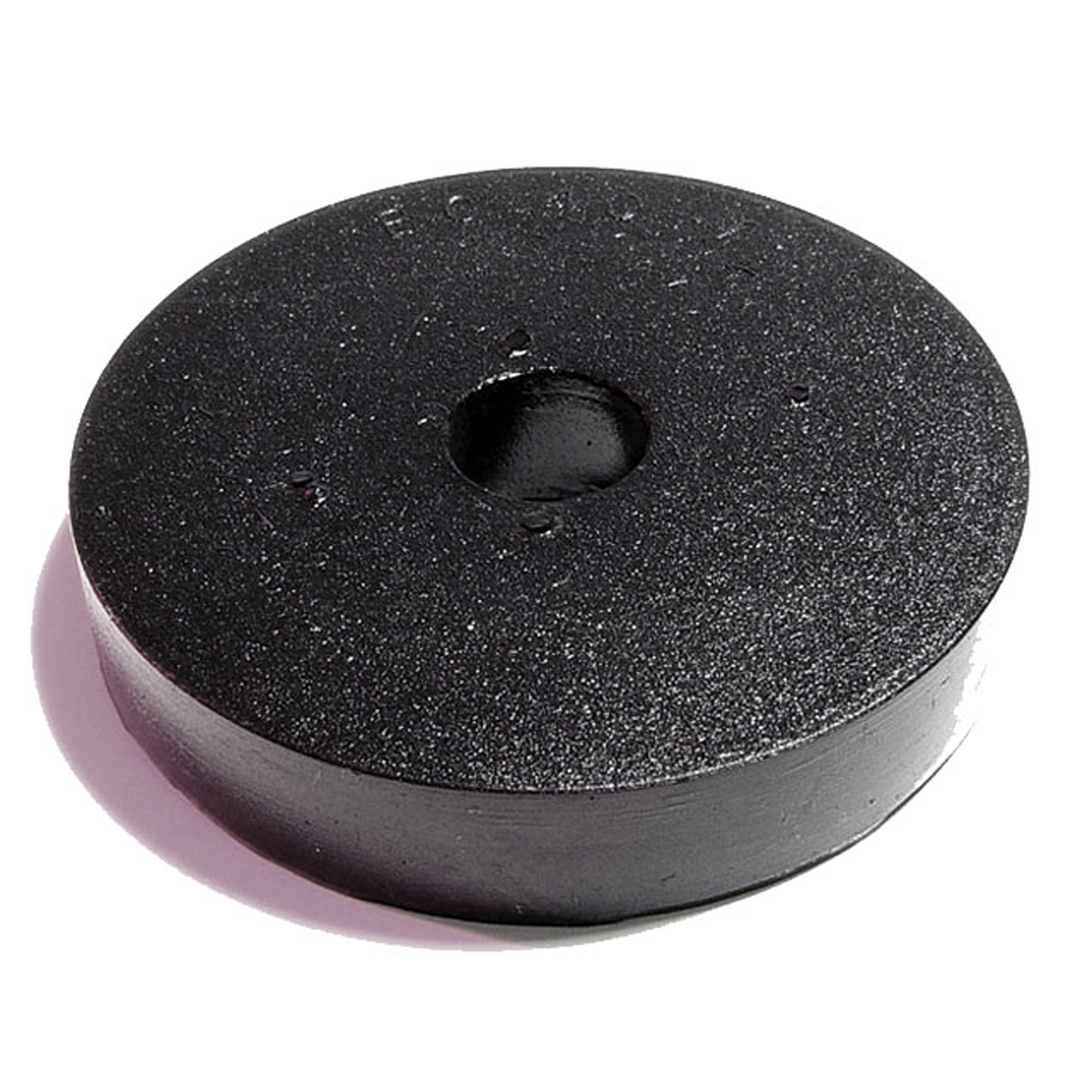 1947 Kaiser Custom Body Mount Cushion. 1-15/16" O.D., 3/8" I.D., 3/8" Thick-BC 40-ABody Mount Cushion. 1-15/16" O.D., 3/8" I.D., 3/8" Thick. Each
 1947 Kaiser Custom Shock Absorber Grommet. 1" bottom O.D-BN 11Shock Absorber Grommet. 1" bottom O.D., 3/4" high, with 5/8" I.D. Each
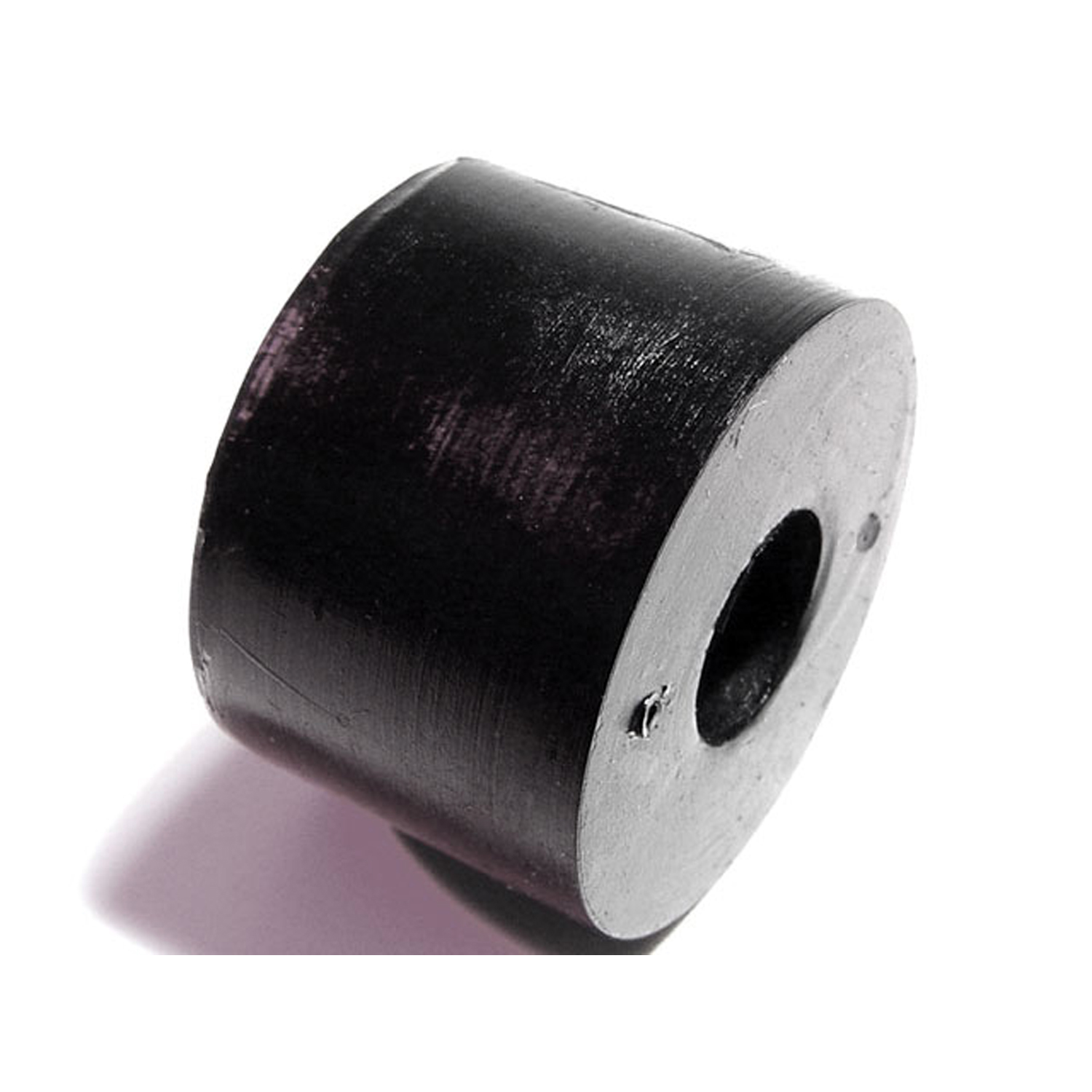 1947 Kaiser Custom Shock Absorber Grommet. 1" bottom O.D., 5/8" high-BN 13Shock Absorber Grommet. 1" bottom O.D., 5/8" high., with 3/8" I.D. Each
 1947 Kaiser Custom Driveshaft Carrier Support Grommet. 1-5/8" wide X 1/2" high-BN 31Driveshaft Carrier Support Grommet. 1-5/8" wide X 1/2" high. Each
 1947 Kaiser Custom Tail-light Pads. 13-1/8" long X 4-1/8" wide. Pair R&L-MP 801-ATail-light Pads. 13-1/8" long X 4-1/8" wide. Pair R&L
 1947 Kaiser Custom Trunk Emblem Pad. 13-3/16" long X 3-3/4" wide. Each-MP 801-BTrunk Emblem Pad. 13-3/16" long X 3-3/4" wide. Each
 1947 Kaiser Custom Trunk Handle Mounting Pad. 16-1/2" long X 2-3/8" wide-MP 801-FTrunk Handle Mounting Pad. 16-1/2" long X 2-3/8" wide. Each
 1947 Kaiser Custom Rubber Heel Mat. Meant to be sewn into carpeting. Black-RM 40Rubber Heel Mat. Meant to be sewn into carpeting. Black. 6-7/8" X 13-3/4". Each
 1947 Kaiser Custom Rubber Heel Mat. Meant to be sewn into carpeting. Gray-RM 40-BRubber Heel Mat. Meant to be sewn into carpeting. Gray. 6-7/8" X 13-3/4". Each
 1947 Kaiser Custom Rubber Heel Mat. Meant to be sewn into carpeting. Brown-RM 40-CRubber Heel Mat. Meant to be sewn into carpeting. Brown. 6-7/8" X 13-3/4". Each
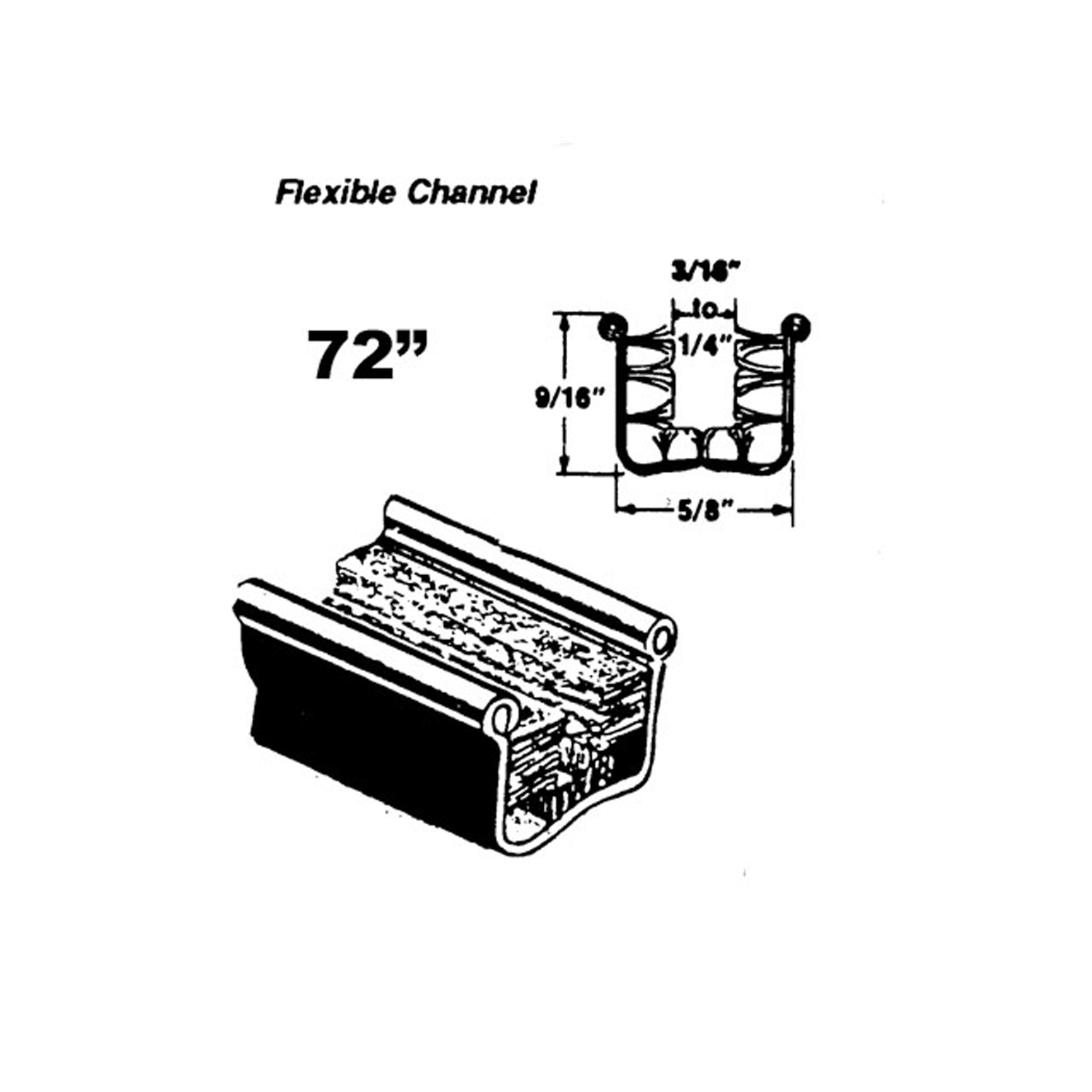 1947 Kaiser Custom Flexible glass-run channel-WC 11-72Flexible glass-run channel. Mohair lined, cloth covered with stainless steel bead. Used on side windows. 72 in. long. Each. NOTE: $20 special shipping charge applies for domestic orders. Call or email for overseas shipping costs. Part can be sectioned in two equal lengths to reduce overseas shipping costs.
Why Choose Metro?
For over 100 years, Metro Moulded Parts has been the pinnacle of quality in classic car restoration parts. Our commitment to precision and authenticity in every component ensures a perfect fit and an OEM-level appearance.
- Expert Craftsmanship & Quality: Each part is a testament to our dedication to reliability and perfection, crafted from original designs and thoroughly tested.
- Advanced Technology: We use cutting-edge techniques to create flawless, long-lasting parts that surpass others in performance.
- SuperSoft Sponge – The Ultimate Door Seal: Not only are our door seals 30% softer than competitors', but they're also guaranteed to never leak. They effectively reduce wind and road noise, enhancing your classic car's comfort and driving experience.
- Proudly American: Our parts are a product of American craftsmanship, made in the USA with a spirit of excellence and heritage.
- Unrivaled Warranty: We back our products with a 30-year industry-leading warranty, a testament to our confidence in their quality.
Join us in preserving the legacy of classic cars with parts that are crafted for perfection, not just made.