

Image of 1948 Kaiser Custom, Note: These illustrations use artistic license and may differ from actual historical models.
Performance Metrics
Fundamental Metrics
Emotional Appeal
MMP Rating
| Engine Specifications | |
|---|---|
| Engine Options: | Inline 6 |
| Displacement Range: | 226 cubic inches |
| Horsepower Range: | Estimated 100 hp |
| Torque: | 180 lb-ft |
| Compression Ratio: | Estimated 7.3:1 |
| Ignition System: | Distributor and coil |
| Cooling System: | Liquid-cooled |
| Performance Specifications | |
| 0-60 Time: | Information not available |
| 1/4 Mile Time: | Information not available |
| Top Speed: | 80 mph |
| Transmission and Drive | |
| Drive Type: | Rear-wheel drive |
| Transmission Type: | 3-speed manual |
| Fuel and Efficiency | |
| Fuel System Type: | Carburetor |
| MPG: | Information not available |
| Dimensions and Brakes | |
| Brakes: | Drum brakes |
| Wheelbase: | 123.5 inches |
| Weight: | Estimated 3,200 lbs |
Note: Specifications for classic cars are given to the best of our ability, considering the limited and variant data available.
1948 Kaiser Custom: A Fresh Face for Postwar America
The 1948 Kaiser Custom looked less like a carryover from the prewar era and more like a car from the future. Its low hood, smooth fenders and broad glass gave it a distinctly modern presence at a time when many American manufacturers were still refreshing older designs.
The Custom was built by Kaiser-Frazer, the independent automaker formed in 1945 by industrialist Henry J. Kaiser and veteran car executive Joseph W. Frazer. Production took place at Willow Run, Michigan, the huge former wartime aircraft plant. Kaiser-Frazer moved quickly into peacetime carmaking, and its early cars became known for their fresh styling and ambitious engineering.
The 1948 Kaiser Custom sat above the more plainly trimmed Kaiser Special. It was essentially a well-appointed four-door sedan, with extra brightwork and a more upscale cabin. A notable piece of its story is the setting in which it was built: Willow Run had produced B-24 bombers during the war, and now its vast factory was turning out cars for a growing civilian market.
Streamlined Styling and a More Refined Cabin
The Custom’s shape was its calling card. Its rounded, integrated fenders flowed into a smooth body instead of standing apart as separate forms. A long hood, gently sloping rear deck and clean flanks gave the sedan a low, almost aerodynamic profile. The wide windshield and generous side windows also made it look airy compared with many bulkier American cars of the period.
Inside, the Custom added a more polished atmosphere than the Special. Buyers could expect a broad front bench seat, a full-width dashboard, substantial door trim and upholstery chosen to give the cabin a comfortable, well-finished feel. Materials and patterns varied by production and trim, but the overall impression was practical rather than ostentatious. This was a family sedan with a touch of upscale presentation, not a hand-built luxury car.
Paint choices reflected late-1940s tastes. Kaiser offered period colors that included dark and medium shades such as blue, green, maroon, gray and black, with exact availability depending on the production run and factory paint chart. Two-tone finishes could add extra visual distinction, though solid colors were also a natural fit for the Custom’s uninterrupted bodywork. Today, the most eye-catching examples are often restored in deep blue, green or maroon.
The 1948 Custom is best understood as a four-door sedan. It should not be confused with the Kaiser Traveler and Vagabond, practical hatchback-style models introduced later. That distinction matters to collectors: the Custom’s appeal lies in its clean sedan profile and its place among Kaiser’s first generation of postwar cars.
Modern Thinking in a Conservative Market
Kaiser’s greatest statement was its styling. The company was small compared with Detroit’s Big Three, but its designers gave the car a cohesive, forward-looking shape rather than dressing a prewar body in new trim. The low beltline and generous window area helped create a lighter visual effect, while the smooth fenders and rounded contours made the car look distinctly postwar.
Underneath, the Custom used conventional, proven technology. That was a sensible choice for a new company that needed cars to be dependable and serviceable. Its six-cylinder engine, manual transmission and familiar suspension layout were not radical, but the complete package felt modern to buyers ready for a change from prewar designs. The Custom helped establish Kaiser as a serious independent manufacturer and showed that a newer company could compete on styling and comfort.
The car did not overturn the industry’s engineering playbook, and its influence was more visible in design than in mechanical innovation. Still, Kaiser’s willingness to take a fresh approach gave the brand a distinctive identity. The Custom remains a reminder that postwar automotive progress was not driven only by the largest manufacturers.
Flathead Six Performance and Road Manners
Power came from a 226-cubic-inch Continental inline-six with L-head, or flathead, construction. Output is commonly listed at about 100 horsepower, delivered through a three-speed manual transmission. Depending on equipment and condition, period road performance was modest by modern standards. A healthy car might reach roughly 85 to 90 mph, while 0-to-60 mph acceleration generally took around 18 to 22 seconds. Those figures are estimates, not factory guarantees, and individual cars can vary considerably.
The Kaiser’s job was comfortable transportation, not quick acceleration. The engine produces the steady, low-pitched sound typical of a flathead six, and the manual gearbox asks the driver to work deliberately through its ratios. On open roads, the Custom feels composed and relaxed at cruising speeds. Its soft suspension helps take the sharp edge off ordinary bumps, although a worn example may float, wander or feel unsettled until its springs, shocks, steering and bushings are brought back to spec.
On winding roads, the car’s size and period suspension are apparent. It rewards smooth inputs rather than hurried cornering, and its steering is less precise than that of a modern car. Crosswinds can also make a tall, broad-bodied sedan feel more affected than a contemporary vehicle. In return, the driver gets an unhurried experience: a wide bench seat, a view through generous glass and the gentle mechanical rhythm of a six-cylinder engine.
Living With a 1948 Kaiser Custom
Today, most Customs are best suited to weekend drives, historic events and shows. They can be used for occasional local trips if they are properly maintained, but their age, braking distances and lack of modern safety equipment make them less suitable for regular high-speed commuting. A well-preserved example is especially enjoyable on secondary roads, where its relaxed pace feels natural.
Routine work is familiar to anyone experienced with older American cars. The flathead six is mechanically straightforward, and many jobs can be handled by a capable home mechanic with standard tools and a factory manual. The main ownership challenge is not necessarily complexity, but finding correct Kaiser-specific trim, interior pieces, glass and some replacement parts. Mechanical components may have cross-application or reproduction options, but owners should check fitment carefully before ordering.
As with any postwar classic, inspect the body and structure before buying. Rust, old collision repairs, deteriorated wiring and neglected brakes can turn an affordable sedan into a long restoration. A car that runs well but needs cosmetic work may still be a rewarding project, provided its missing trim and interior parts are accounted for in the budget.
Willow Run, Rare Models and Other Kaiser Facts
The Kaiser Custom was part of a larger postwar effort to build an independent American car company from the ground up. Its factory, Willow Run, had been a center of wartime aircraft production. Converting that enormous industrial site to automobile manufacturing made the Kaiser-Frazer story an unusual bridge between wartime production and postwar consumer life.
The 1948 Custom was not a special high-performance edition, and it did not establish a major speed or endurance record. Its distinction is more subtle: it represents an early attempt to give buyers a genuinely new-looking American sedan after years of war-related production limits. Its styling also makes it easy to tell apart from many boxier prewar designs still familiar on the road.
One common criticism is that Kaiser’s bold appearance was not matched by equally advanced power or handling. The six-cylinder engine provided adequate everyday performance, but it could not make the large sedan feel brisk. Some enthusiasts also find that surviving cars are harder to restore than more common Chevrolet or Ford models because Kaiser-specific parts and specialist knowledge are less plentiful.
1948 Kaiser Custom Values and Rarity
Exact model-year production figures can be difficult to pin down, particularly when surviving records and model breakdowns are incomplete. A reasonable working estimate is roughly 25,000 to 35,000 Kaiser Customs built for 1948. That is a best estimate for the model, not a count of surviving cars. Today, the Custom is uncommon at local shows and appears far less frequently than mass-market Fords and Chevrolets from the same year.
Collector values depend heavily on condition, completeness, originality and the quality of any restoration. As a broad current-market estimate, a project or driver-quality car might sell for about $5,000 to $12,000. A solid, well-presented example could fall around $12,000 to $25,000, while an exceptional restoration or unusually original car may bring more. These are general guide ranges rather than a formal appraisal, and regional demand can make a significant difference.
The Custom is a niche collectible, so its value trend is generally steadier than spectacular. Exceptional restorations can attract committed Kaiser enthusiasts, but prices are not guaranteed to rise quickly. Condition and provenance usually matter more than simply waiting for the market to move. The best purchase is often the most complete, well-documented car a buyer can afford.
Why the Kaiser Custom Still Matters
The 1948 Kaiser Custom combined a distinctive postwar shape with comfortable, practical sedan engineering. Its smooth bodywork, bright trim and roomy cabin helped it stand apart, while its straightforward six-cylinder drivetrain made it approachable for the era. It was not the fastest or most technologically radical car on American roads, but it represented an independent automaker’s confident vision of what a modern family car could look like.
More than a stylish survivor, the Custom is a rolling piece of postwar history. Its story runs from the bomber factory at Willow Run to America’s new-car boom, and its clean lines still look unmistakably different today. That combination of design ambition and industrial history is what makes the 1948 Kaiser Custom worth remembering.
1948 Kaiser Custom Catalog of Parts
 1948 Kaiser Custom Body Cushion Pad. Used between frame and body-BC 34Body Cushion Pad. Used between frame and body. Up to 22 used per car. 1-11/16" O.D., 9/16" I.D. Each
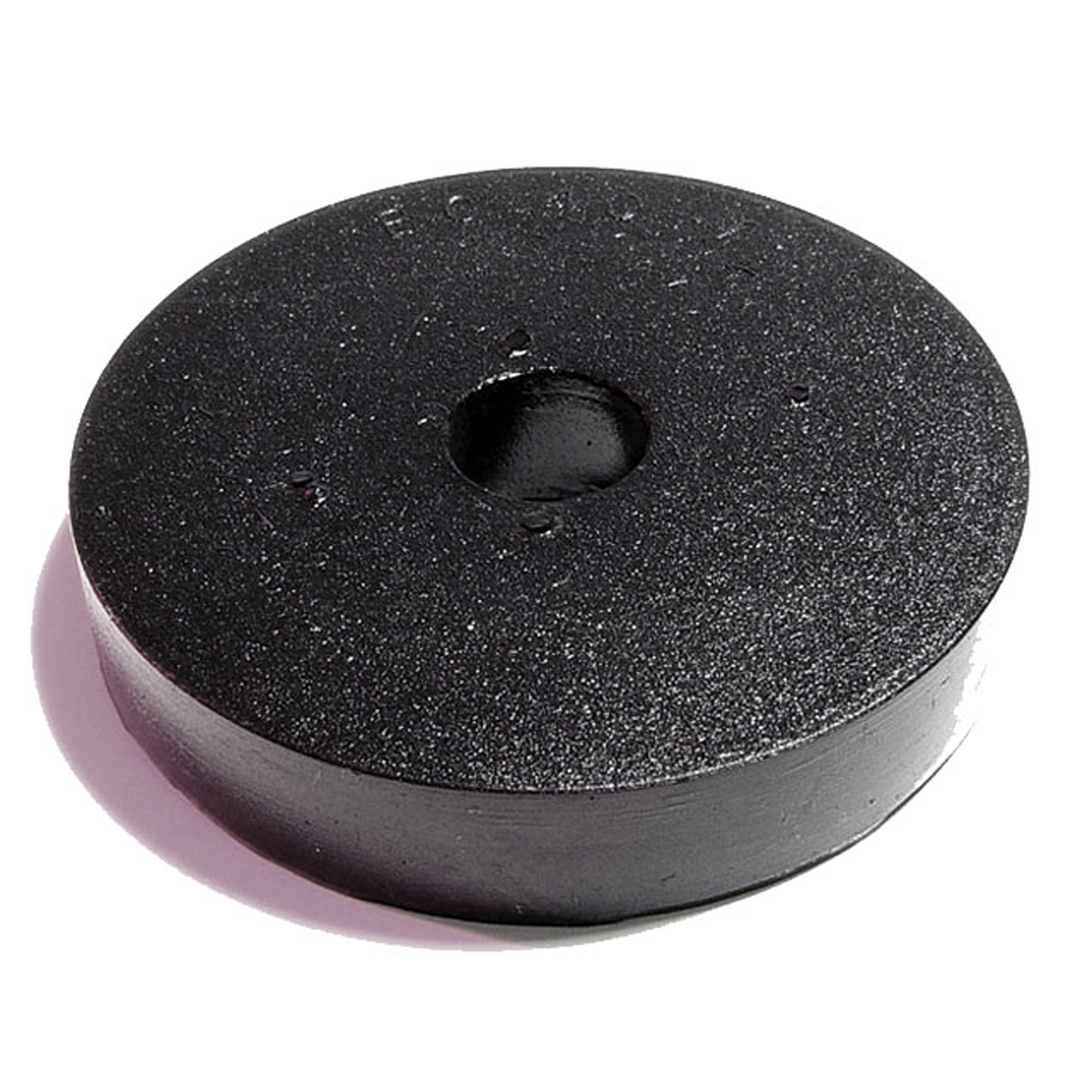 1948 Kaiser Custom Body Mount Cushion. 1-15/16" O.D., 3/8" I.D., 3/8" Thick-BC 40-ABody Mount Cushion. 1-15/16" O.D., 3/8" I.D., 3/8" Thick. Each
 1948 Kaiser Custom Shock Absorber Grommet. 1" bottom O.D-BN 11Shock Absorber Grommet. 1" bottom O.D., 3/4" high, with 5/8" I.D. Each
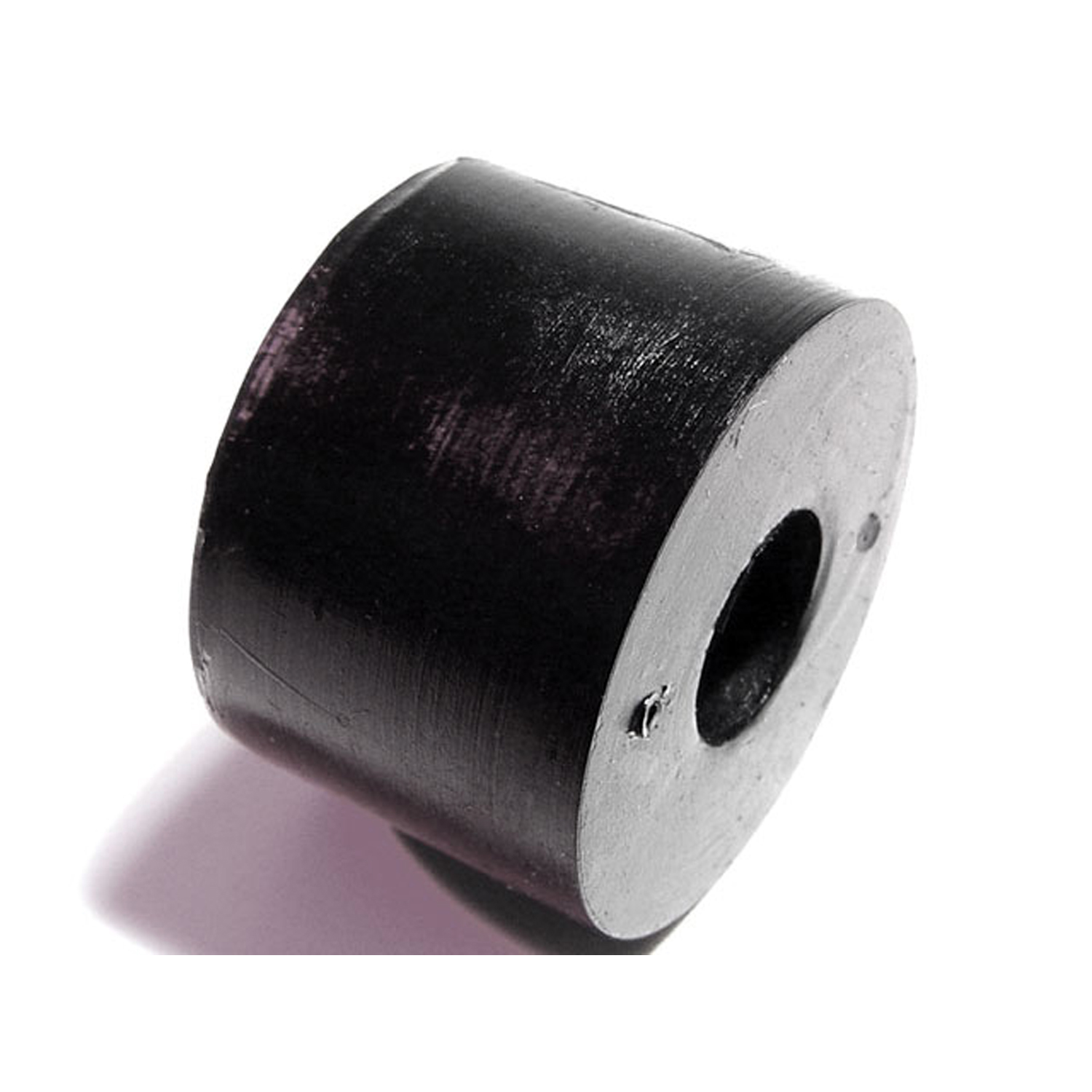 1948 Kaiser Custom Shock Absorber Grommet. 1" bottom O.D., 5/8" high-BN 13Shock Absorber Grommet. 1" bottom O.D., 5/8" high., with 3/8" I.D. Each
 1948 Kaiser Custom Driveshaft Carrier Support Grommet. 1-5/8" wide X 1/2" high-BN 31Driveshaft Carrier Support Grommet. 1-5/8" wide X 1/2" high. Each
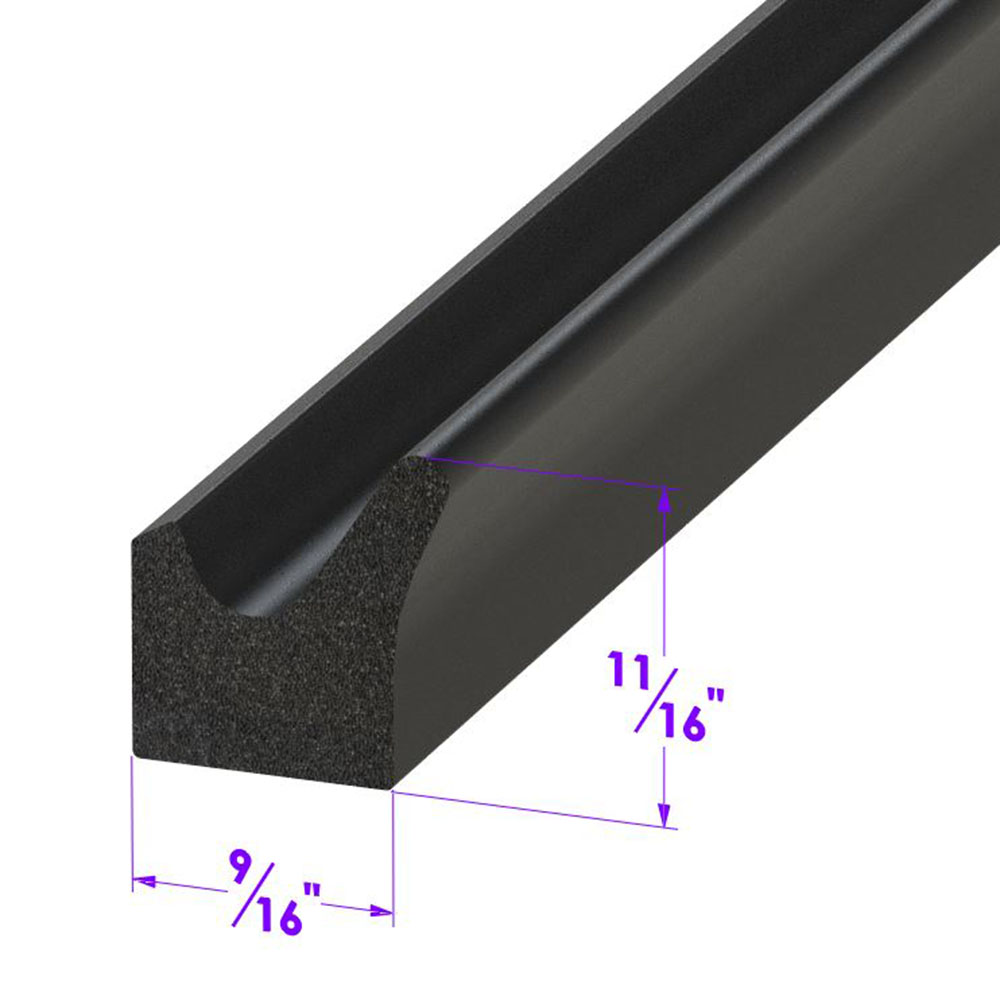 1948 Kaiser Custom Door side seal. Same as LP 40-A, but for a heavier seal-LP 40Door side seal. Same as LP 40-A, but for a heavier seal. Fits many domestic passenger cars and trucks. Used in Cobra kit cars as trunk weatherstrip. Per foot.
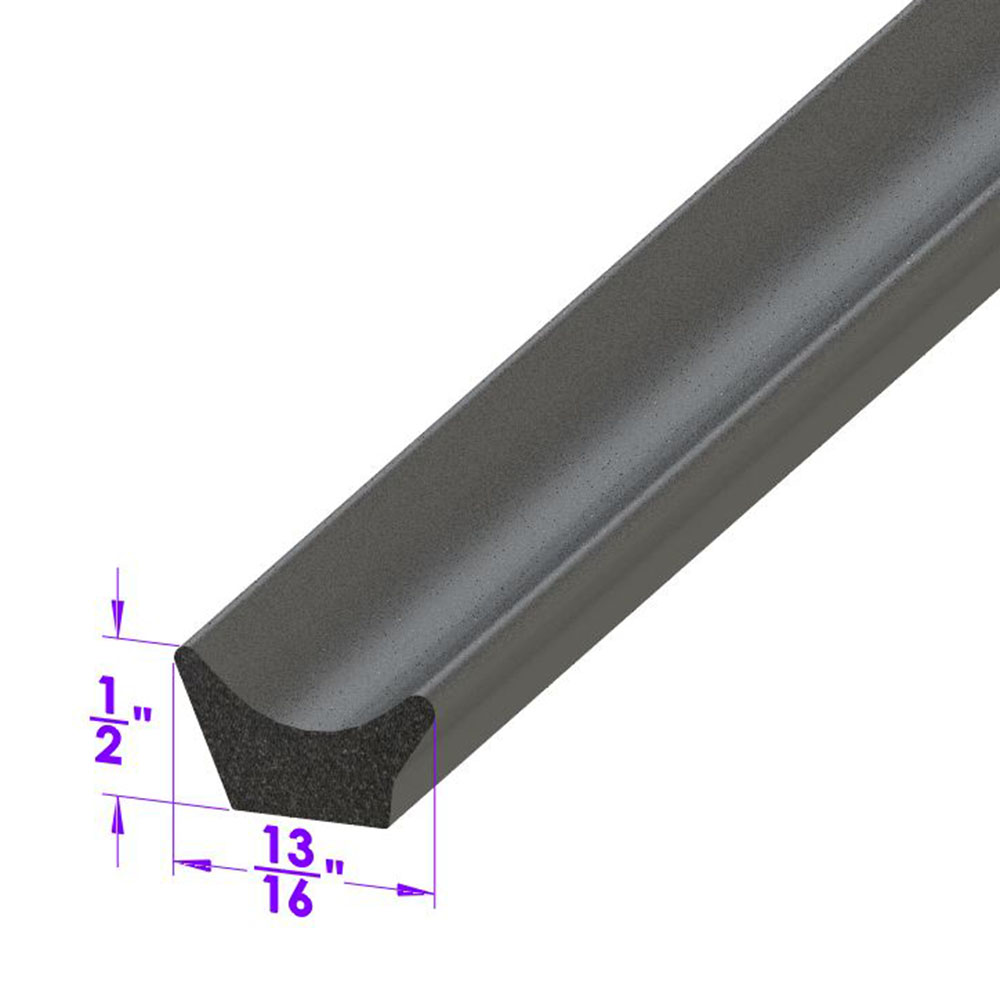 1948 Kaiser Custom Door side seal. Same as LP 40, but for a lighter seal-LP 40-ADoor side seal. Same as LP 40, but for a lighter seal. Fits many domestic passenger cars and trucks. Universal seal for street rods and customs. Used in Cobra kit cars as door weatherstrip. Per foot.
 1948 Kaiser Custom Tail-light Pads. 13-1/8" long X 4-1/8" wide. Pair R&L-MP 801-ATail-light Pads. 13-1/8" long X 4-1/8" wide. Pair R&L
 1948 Kaiser Custom Trunk Emblem Pad. 13-3/16" long X 3-3/4" wide. Each-MP 801-BTrunk Emblem Pad. 13-3/16" long X 3-3/4" wide. Each
 1948 Kaiser Custom Trunk Handle Mounting Pad. 16-1/2" long X 2-3/8" wide-MP 801-FTrunk Handle Mounting Pad. 16-1/2" long X 2-3/8" wide. Each
 1948 Kaiser Custom Rubber Heel Mat. Meant to be sewn into carpeting. Black-RM 40Rubber Heel Mat. Meant to be sewn into carpeting. Black. 6-7/8" X 13-3/4". Each
 1948 Kaiser Custom Rubber Heel Mat. Meant to be sewn into carpeting. Gray-RM 40-BRubber Heel Mat. Meant to be sewn into carpeting. Gray. 6-7/8" X 13-3/4". Each
 1948 Kaiser Custom Rubber Heel Mat. Meant to be sewn into carpeting. Brown-RM 40-CRubber Heel Mat. Meant to be sewn into carpeting. Brown. 6-7/8" X 13-3/4". Each
 1948 Kaiser Custom Flexible glass-run channel-WC 11-72Flexible glass-run channel. Mohair lined, cloth covered with stainless steel bead. Used on side windows. 72 in. long. Each. NOTE: $20 special shipping charge applies for domestic orders. Call or email for overseas shipping costs. Part can be sectioned in two equal lengths to reduce overseas shipping costs.
Why Choose Metro?
For over 100 years, Metro Moulded Parts has been the pinnacle of quality in classic car restoration parts. Our commitment to precision and authenticity in every component ensures a perfect fit and an OEM-level appearance.
- Expert Craftsmanship & Quality: Each part is a testament to our dedication to reliability and perfection, crafted from original designs and thoroughly tested.
- Advanced Technology: We use cutting-edge techniques to create flawless, long-lasting parts that surpass others in performance.
- SuperSoft Sponge – The Ultimate Door Seal: Not only are our door seals 30% softer than competitors', but they're also guaranteed to never leak. They effectively reduce wind and road noise, enhancing your classic car's comfort and driving experience.
- Proudly American: Our parts are a product of American craftsmanship, made in the USA with a spirit of excellence and heritage.
- Unrivaled Warranty: We back our products with a 30-year industry-leading warranty, a testament to our confidence in their quality.
Join us in preserving the legacy of classic cars with parts that are crafted for perfection, not just made.