

Image of 1949 Kaiser Virginian, Note: These illustrations use artistic license and may differ from actual historical models.
Performance Metrics
Fundamental Metrics
Emotional Appeal
MMP Rating
| Engine Specifications | |
|---|---|
| Engine: | Inline 6 |
| Displacement: | 226 cu in (3.7 L) |
| Horsepower: | 100 hp |
| Torque: | Estimated 180 lb-ft |
| Compression Ratio: | 7.3:1 |
| Ignition System: | Battery Ignition |
| Cooling System: | Liquid Cooled |
| Performance Specifications | |
| 0-60 Time: | Estimated 20 seconds |
| 1/4 Mile Time: | Not available |
| Top Speed: | 80 mph |
| Transmission and Drive | |
| Drive Type: | Rear Wheel Drive |
| Transmission Type: | 3-speed manual |
| Fuel and Efficiency | |
| Fuel System Type: | Carburetor |
| MPG: | Estimated 15-20 mpg |
| Dimensions and Brakes | |
| Brakes: | Drum Brakes |
| Wheelbase: | 123.5 inches |
| Weight: | 3,200 lbs |
Note: Specifications for classic cars are given to the best of our ability, considering the limited and variant data available.
1949 Kaiser Virginian: An Unusual Postwar American Classic
The 1949 Kaiser Virginian turned an ordinary family-car silhouette into something far more dramatic: a roomy four-door with the long, open-sided look of a convertible. Built by the young Kaiser-Frazer Corporation, it was an ambitious attempt to make a postwar American sedan feel modern, stylish, and a little adventurous.
Kaiser-Frazer was formed in 1945 by industrialist Henry J. Kaiser and automotive executive Joseph W. Frazer. Its first cars reached the market soon after World War II, when buyers were eager for new vehicles and established manufacturers were still returning to peacetime production. The Virginian arrived in this promising but fiercely competitive period. It is remembered today as a rare, early four-door hardtop-style Kaiser, and as one of the company’s boldest experiments in body design.
One detail makes the Virginian especially intriguing: it is frequently described as America’s first four-door hardtop. The label reflects its unusual open, pillarless appearance, though descriptions of the exact body construction vary. Either way, the concept anticipated the sleek four-door hardtops that would become popular later in the 1950s.
Distinctive Styling and Cabin Design
The Virginian had the smooth, low-slung proportions associated with Kaiser’s postwar cars. Its rounded front end, broad hood, flowing fenders, and clean body sides gave it a more streamlined look than many upright prewar designs. The wide grille and bright chrome trim added visual presence without making the car look as heavily ornamented as some competitors.
Its defining feature was the roof and window treatment. With the side glass lowered, the cabin had a notably open appearance for a four-door car. The roof was finished to evoke a convertible-style top, giving the Virginian a custom, upscale look. That design made it stand out in a parking lot, even when its mechanical specification was much closer to a conventional family sedan.
Inside, the Virginian offered generous passenger space and a broad bench-seat layout. Upholstery and trim varied by equipment and finish, with cloth and vinyl materials used to create a more polished cabin than a basic economy car. The dashboard was wide and relatively uncluttered, with clear instrumentation and controls arranged for straightforward use. Buyers could choose from factory paint and trim combinations, though precise combinations depended on the order and production run. The distinctive roof treatment and coordinated body colors were central to the model’s visual appeal.
Kaiser’s larger lineup included different sedan and utility-style body formats, but the Virginian’s four-door hardtop-style configuration was its signature. It was the version for buyers who wanted the practicality of four doors without the conventional sedan’s enclosed, upright look.
Why the Virginian Matters
The Virginian’s importance is less about huge sales or a revolutionary engine and more about its willingness to challenge the standard sedan formula. Kaiser-Frazer was a newcomer facing entrenched automakers, and a distinctive body style offered a way to attract attention. The Virginian brought a convertible-inspired look to a practical four-door, a combination that later became a major feature of American car design.
It is often cited as an early, and sometimes the first, American four-door hardtop. Because period terminology and body details can be described differently in surviving accounts, it is safest to call it one of the earliest American four-door hardtop-style cars. Its basic idea was clearly ahead of the widespread pillarless four-door models that appeared later in the decade.
The car also reflects Kaiser-Frazer’s broader postwar strategy: use fresh styling and clever packaging to distinguish a new brand. The company did not have the resources or production scale of the Big Three, but the Virginian shows that it was willing to take design risks rather than simply copy familiar prewar forms.
Engine, Speed, and Road Manners
Power came from Kaiser’s 226-cubic-inch L-head inline-six, a durable, long-stroke engine producing about 112 horsepower in typical 1949 specifications. It drove the rear wheels through a three-speed manual transmission, with overdrive available on some cars. The layout was conventional, but well suited to relaxed road use and straightforward servicing.
Period performance figures are not perfectly consistent, and results depend on condition, gearing, and test method. As a practical estimate, a Virginian could reach roughly 85 to 90 mph, while acceleration from 0 to 60 mph was likely in the neighborhood of 17 to 20 seconds. It was not built for drag racing. Its six-cylinder engine delivered steady, unhurried power, and the car was happiest cruising rather than sprinting.
On the road, the Virginian’s long wheelbase and sedan proportions helped it settle comfortably over ordinary pavement. Its suspension was designed for the softer ride Americans expected from a full-size car of the period, so it could absorb bumps without feeling sharp or brittle. On winding roads, the car’s size, soft suspension, and period tires called for a measured driving style. It was more boulevard cruiser than corner-carver.
Behind the wheel, the flathead six makes a subdued, mechanical hum, while the manual gearbox asks the driver to work deliberately. Steering and braking feel firmly vintage by modern standards, and the driver must leave more room for stopping than in a contemporary car. That is part of the experience: the Virginian rewards an attentive, unhurried drive rather than fast inputs.
Living With a Kaiser Virginian
Today, most Virginians are collector cars, display vehicles, or occasional tour cars rather than everyday transportation. Their comfortable cabins and steady cruising character make them suitable for vintage-car events and leisurely drives, provided the car is mechanically sound and its cooling, braking, and electrical systems have been properly maintained.
The basic six-cylinder engine is relatively simple by classic-car standards, and many routine jobs do not require specialized equipment. The greater challenge is finding model-specific trim, body pieces, and interior parts. Because the Virginian was produced in small numbers, owners may need patience, specialist suppliers, or a network of Kaiser enthusiasts when tracking down restoration components.
As with any postwar classic, inspect the body and underside carefully for rust, especially around floors, lower panels, and structural areas. Check the transmission, cooling system, wiring, and brakes, and confirm that any unusual hardtop-style body components are complete and correctly fitted. A running car with sound structure is usually a better starting point than an apparently attractive project with extensive corrosion or missing trim.
Rare Details and Common Criticisms
The Virginian’s rarity is its biggest conversation starter. It was a low-volume model, and commonly cited production estimates are around 1,000 cars, though exact totals can be difficult to confirm across model years and surviving records. Treat that figure as an informed estimate rather than a definitive factory count.
There is no widely recognized speed, endurance, or sales record associated with the Virginian. Its claim to fame is its unusual body concept, not competition success. Nor is there a well-documented celebrity ownership story that defines the model. Its historical interest comes from its place in Kaiser-Frazer’s short but imaginative run as an independent automaker.
Common criticisms are practical: the engine is modest for a full-size car, acceleration is leisurely, and replacement parts can be harder to find than parts for a Ford, Chevrolet, or Buick of the same era. Some buyers may also find its styling less familiar than the more heavily chromed designs that soon dominated American showrooms. For enthusiasts, however, those same differences are part of the appeal.
Collector Values and Availability
The Virginian is scarce on the market, and cars may go years between public listings. A rough, incomplete project might sell for approximately $5,000 to $12,000, depending on its condition and completeness. A usable driver or older restoration could fall around $15,000 to $30,000, while a highly original, exceptionally restored example may bring roughly $30,000 to $50,000 or more. These are broad estimates, not guaranteed asking or sale prices. Condition, provenance, restoration quality, and the availability of rare trim can make a substantial difference.
Values have generally benefited from the Virginian’s rarity and historical interest, but it remains a niche collectible. It is less widely recognized than a comparable Buick or Cadillac, which can limit the number of bidders. In the long term, an authentic, well-preserved example may attract stronger interest as collectors become more familiar with Kaiser-Frazer history. Buyers should focus on originality and condition rather than assuming rarity alone guarantees a high price.
A Kaiser That Dared to Look Different
The 1949 Kaiser Virginian paired sensible four-door practicality with a striking convertible-inspired profile. Its six-cylinder powertrain was conventional, but its styling pointed toward a future in which American buyers would embrace sleek, open-looking hardtops. Add its small production run and newcomer-maker origins, and the Virginian becomes more than an obscure old sedan: it is a reminder that even a brief-lived automaker could shape the conversation about what a family car might look like.
1949 Kaiser Virginian Catalog of Parts
 1949 Kaiser Virginian Body Cushion Pad. Used between frame and body-BC 34Body Cushion Pad. Used between frame and body. Up to 22 used per car. 1-11/16" O.D., 9/16" I.D. Each
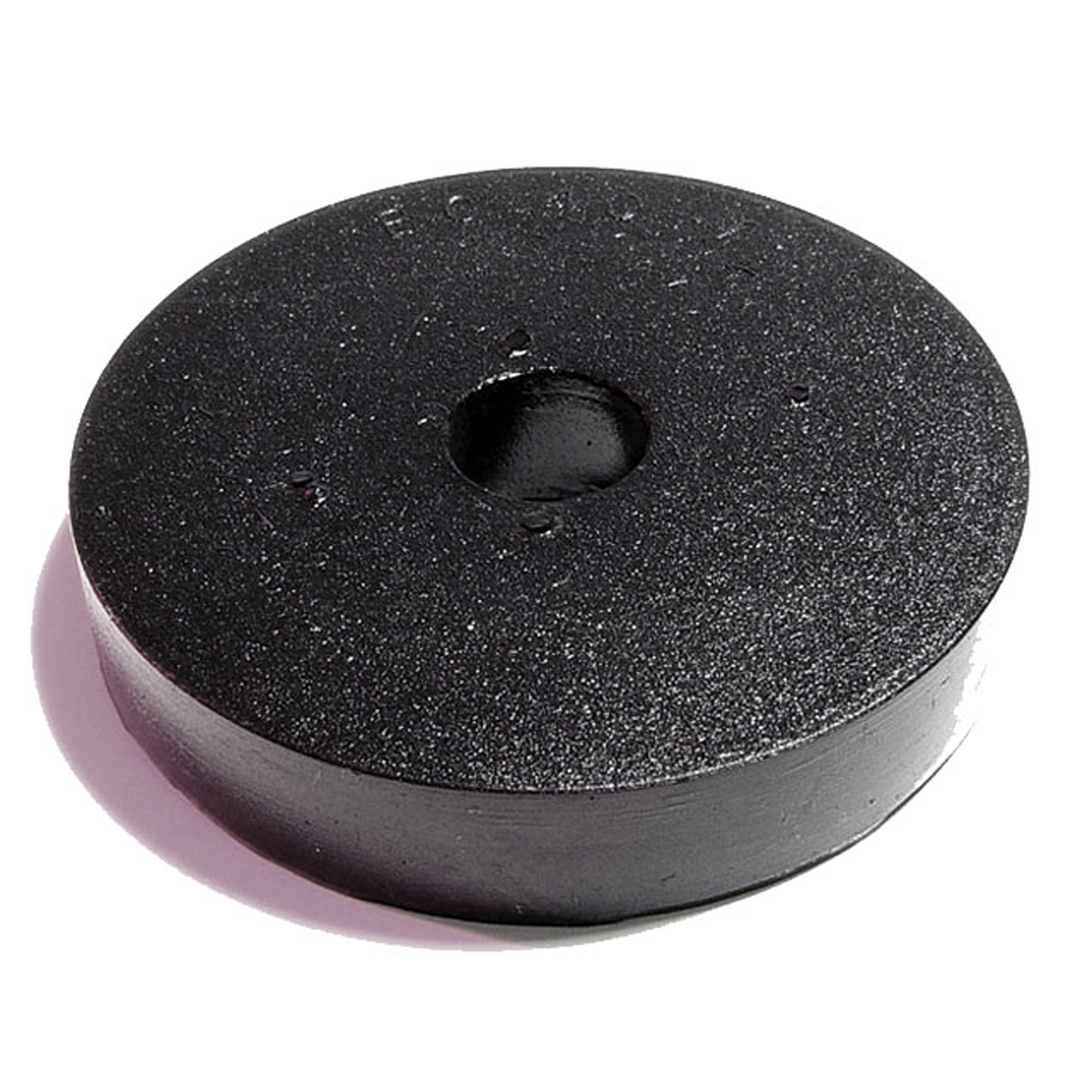 1949 Kaiser Virginian Body Mount Cushion. 1-15/16" O.D., 3/8" I.D., 3/8" Thick-BC 40-ABody Mount Cushion. 1-15/16" O.D., 3/8" I.D., 3/8" Thick. Each
 1949 Kaiser Virginian Shock Absorber Grommet. 1" bottom O.D-BN 11Shock Absorber Grommet. 1" bottom O.D., 3/4" high, with 5/8" I.D. Each
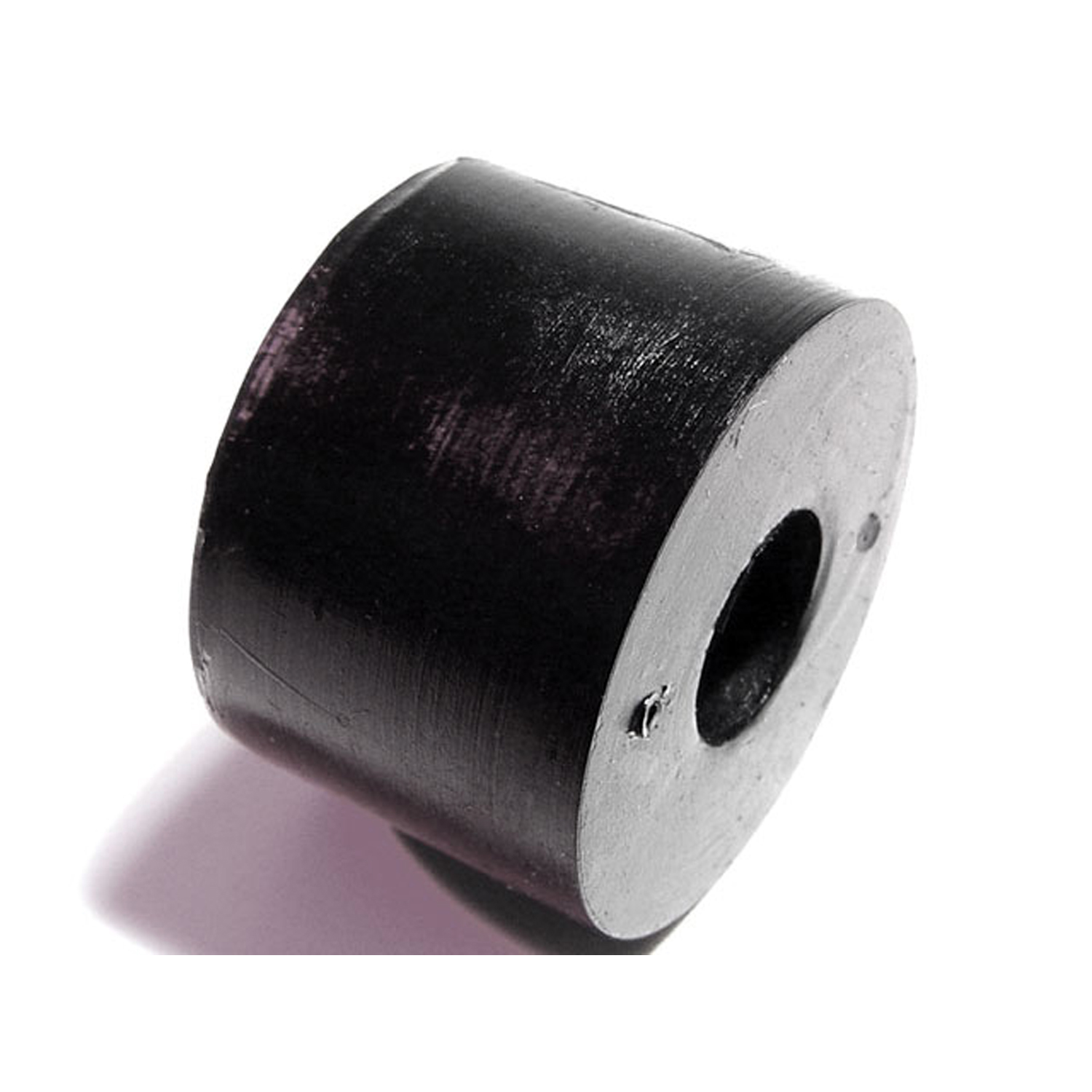 1949 Kaiser Virginian Shock Absorber Grommet. 1" bottom O.D., 5/8" high-BN 13Shock Absorber Grommet. 1" bottom O.D., 5/8" high., with 3/8" I.D. Each
 1949 Kaiser Virginian Driveshaft Carrier Support Grommet. 1-5/8" wide X 1/2" high-BN 31Driveshaft Carrier Support Grommet. 1-5/8" wide X 1/2" high. Each
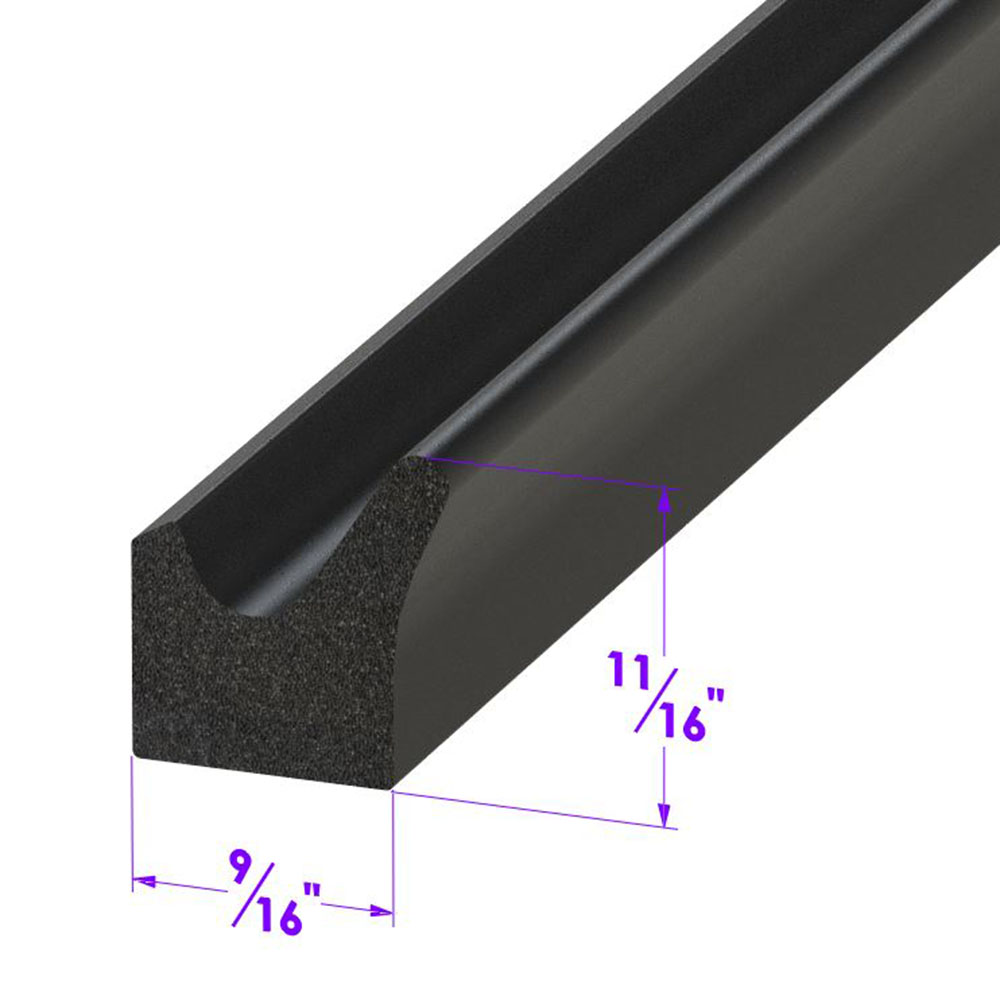 1949 Kaiser Virginian Door side seal. Same as LP 40-A, but for a heavier seal-LP 40Door side seal. Same as LP 40-A, but for a heavier seal. Fits many domestic passenger cars and trucks. Used in Cobra kit cars as trunk weatherstrip. Per foot.
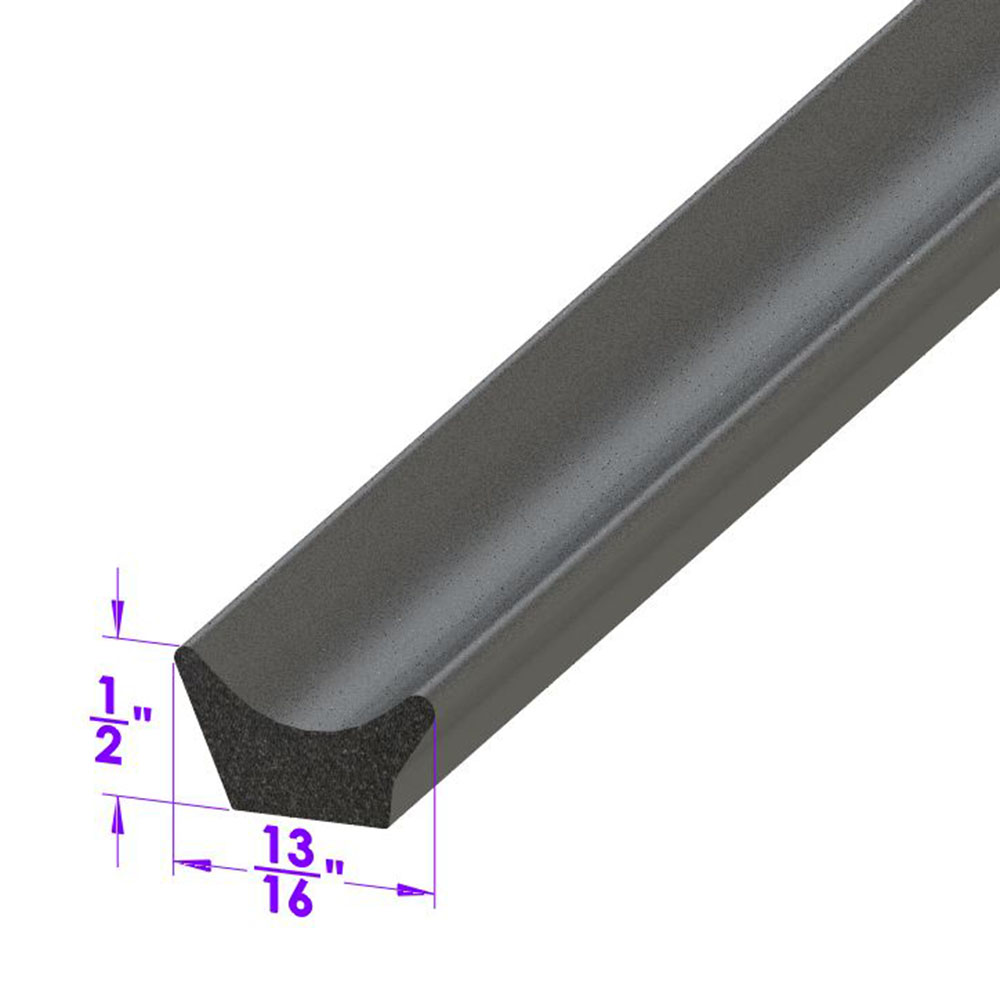 1949 Kaiser Virginian Door side seal. Same as LP 40, but for a lighter seal-LP 40-ADoor side seal. Same as LP 40, but for a lighter seal. Fits many domestic passenger cars and trucks. Universal seal for street rods and customs. Used in Cobra kit cars as door weatherstrip. Per foot.
 1949 Kaiser Virginian Tail-light Pads. 13-1/8" long X 4-1/8" wide. Pair R&L-MP 801-ATail-light Pads. 13-1/8" long X 4-1/8" wide. Pair R&L
 1949 Kaiser Virginian Trunk Emblem Pad. 13-3/16" long X 3-3/4" wide. Each-MP 801-BTrunk Emblem Pad. 13-3/16" long X 3-3/4" wide. Each
 1949 Kaiser Virginian Trunk Latch Pad. 16-3/4" X 4-3/8" wide. Each-MP 801-CTrunk Latch Pad. 16-3/4" X 4-3/8" wide. Each
 1949 Kaiser Virginian Tail-light Pads. 11-1/2" long X 4-5/8" wide. Pair R&L-MP 801-ETail-light Pads. 11-1/2" long X 4-5/8" wide. Pair R&L
 1949 Kaiser Virginian Trunk Handle Mounting Pad. 16-1/2" long X 2-3/8" wide-MP 801-FTrunk Handle Mounting Pad. 16-1/2" long X 2-3/8" wide. Each
 1949 Kaiser Virginian Rubber Heel Mat. Meant to be sewn into carpeting. Black-RM 40Rubber Heel Mat. Meant to be sewn into carpeting. Black. 6-7/8" X 13-3/4". Each
 1949 Kaiser Virginian Rubber Heel Mat. Meant to be sewn into carpeting. Gray-RM 40-BRubber Heel Mat. Meant to be sewn into carpeting. Gray. 6-7/8" X 13-3/4". Each
 1949 Kaiser Virginian Rubber Heel Mat. Meant to be sewn into carpeting. Brown-RM 40-CRubber Heel Mat. Meant to be sewn into carpeting. Brown. 6-7/8" X 13-3/4". Each
 1949 Kaiser Virginian Roof Rail Seals. 2-pieces 57-1/2" long, 2-pieces 21" long-RR 5500Roof Rail Seals. 2-pieces 57-1/2" long, 2-pieces 21" long. Set of four.
 1949 Kaiser Virginian Flexible glass-run channel-WC 11-72Flexible glass-run channel. Mohair lined, cloth covered with stainless steel bead. Used on side windows. 72 in. long. Each. NOTE: $20 special shipping charge applies for domestic orders. Call or email for overseas shipping costs. Part can be sectioned in two equal lengths to reduce overseas shipping costs.
Why Choose Metro?
For over 100 years, Metro Moulded Parts has been the pinnacle of quality in classic car restoration parts. Our commitment to precision and authenticity in every component ensures a perfect fit and an OEM-level appearance.
- Expert Craftsmanship & Quality: Each part is a testament to our dedication to reliability and perfection, crafted from original designs and thoroughly tested.
- Advanced Technology: We use cutting-edge techniques to create flawless, long-lasting parts that surpass others in performance.
- SuperSoft Sponge – The Ultimate Door Seal: Not only are our door seals 30% softer than competitors', but they're also guaranteed to never leak. They effectively reduce wind and road noise, enhancing your classic car's comfort and driving experience.
- Proudly American: Our parts are a product of American craftsmanship, made in the USA with a spirit of excellence and heritage.
- Unrivaled Warranty: We back our products with a 30-year industry-leading warranty, a testament to our confidence in their quality.
Join us in preserving the legacy of classic cars with parts that are crafted for perfection, not just made.