
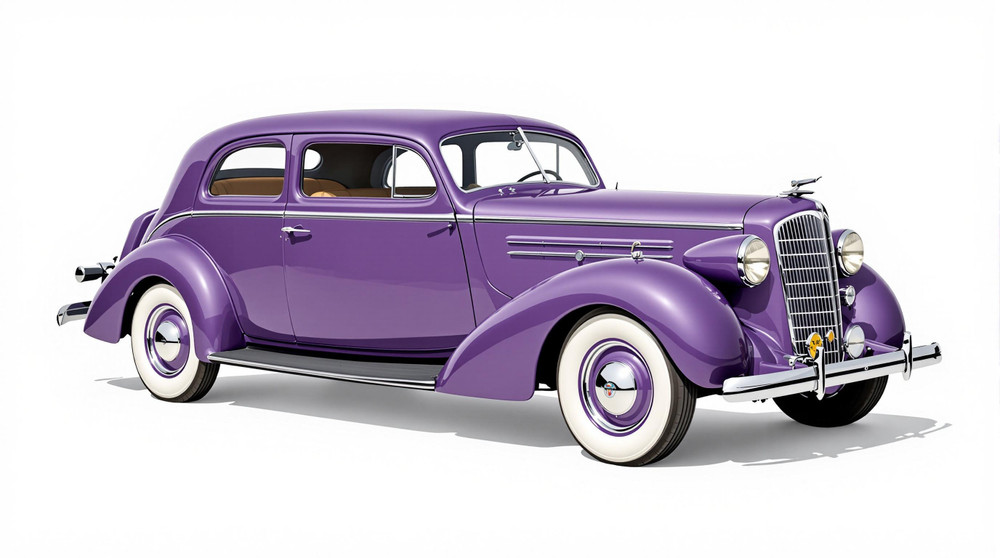
Image of 1935 Lasalle Series 50, Note: These illustrations use artistic license and may differ from actual historical models.
Performance Metrics
Fundamental Metrics
Emotional Appeal
MMP Rating
| Engine Specifications | |
|---|---|
| Engine: | Flathead V8 |
| Displacement: | 248 cubic inches |
| Horsepower: | Estimated 95-105 hp |
| Torque: | Information not available |
| Compression Ratio: | 6.25:1 |
| Ignition System: | Distributor and coil |
| Cooling System: | Water-cooled |
| Performance Specifications | |
| 0-60 Time: | Information not available |
| 1/4 Mile Time: | Information not available |
| Top Speed: | 85 mph |
| Transmission and Drive | |
| Drive Type: | Rear-wheel drive |
| Transmission Type: | 3-speed manual |
| Fuel and Efficiency | |
| Fuel System Type: | Carburetor |
| MPG: | Information not available |
| Dimensions and Brakes | |
| Brakes: | Drum brakes |
| Wheelbase: | 119 inches |
| Weight: | 3,600 lbs |
Note: Specifications for classic cars are given to the best of our ability, considering the limited and variant data available.
1935 LaSalle Series 50: Cadillac Style, Within Reach
The 1935 LaSalle Series 50 brought Cadillac design and V8 power to buyers who wanted luxury without paying full Cadillac prices. Built by Cadillac, a division of General Motors, the LaSalle paired a stylish, carefully finished body with a smooth eight-cylinder engine and a price positioned below Cadillac’s own models. It was not simply a less expensive Cadillac: LaSalle had its own identity, and its sleek 1935 styling showed how seriously GM took that distinction.
LaSalle had been created in 1927 to fill the gap between Buick and Cadillac. The name came from French explorer René-Robert Cavelier, Sieur de La Salle, while the car’s styling was shaped by GM design chief Harley Earl. One notable detail of the 1935 model is its place in the rapid evolution of American car design: it combined the separate fenders and running boards of the period with a more integrated, streamlined appearance that pointed toward the fully modern bodies to come.
Streamlined LaSalle Styling
The Series 50 had a long, low-looking hood, a prominent V-shaped grille, and gracefully curved front fenders that flowed back toward the body. Headlamps sat neatly on the fenders, while the running boards and sweeping fender lines gave the car a formal, unmistakably prewar profile. The result was less imposing than a large Cadillac but still unmistakably upscale. Bright metal trim added polish without overwhelming the design.
Inside, the LaSalle offered a spacious cabin with broad seating and a carefully finished dashboard. Materials varied by body style and trim level, but buyers could expect quality upholstery, polished metal details, and wood-grain finishes on the instrument panel. This was luxury in the 1930s sense: tactile materials, substantial switchgear, and a quiet, well-appointed interior rather than modern convenience features.
Color choices depended on the body and factory options. Period paint palettes included rich dark shades such as blues, greens, and maroons, along with black and lighter colors. Two-tone finishes were also available on some configurations. Dark, formal colors suited the car’s luxury image, while contrasting paint could make the fender lines and long hood stand out.
The Series 50 range included several Fisher-bodied configurations, such as coupes, sedans, and open models. Exact offerings and trim could vary, but the closed sedan was a practical and popular choice for buyers seeking a comfortable family car. Convertibles and other open body styles are especially eye-catching today, though they are generally harder to find and more expensive to restore.
Features and 1930s Technology
Power came from a 248-cubic-inch, L-head V8 producing about 95 horsepower. Its side-valve layout was conventional for the era, but the engine’s smooth delivery and quiet operation helped distinguish the LaSalle from many less expensive cars. A three-speed manual transmission sent power to the rear wheels, and synchromesh helped make gear changes more manageable than in cars with unsynchronized gearboxes.
Fisher Body construction gave the car a solid, enclosed feel, and the 1935 LaSalle benefited from the period’s move toward stronger all-steel body structures. It also had the basic equipment expected of a well-appointed car of its day, including a full instrument panel and mechanical controls that put the driver directly in charge. Do not expect modern conveniences such as power steering, automatic transmission, or contemporary safety systems. The Series 50’s appeal was its combination of refined engineering, attractive design, and traditional driving feel.
Why the Series 50 Mattered
LaSalle’s importance goes beyond its sales figures. From the beginning, the marque gave Cadillac a way to reach a broader market without diluting the prestige of the Cadillac name. It also offered Harley Earl and GM a prominent place to develop and showcase styling ideas. The 1935 Series 50 carried that role forward with a more streamlined look than earlier cars, while retaining the formal proportions expected of a luxury automobile.
Against contemporaries, the LaSalle stood out for its blend of Cadillac engineering and more attainable pricing. Buyers could get a V8, sophisticated styling, and a well-finished cabin without stepping up to a full-size Cadillac. The formula helped establish a market for near-luxury cars, a category that later automakers would revisit in many forms. LaSalle production ended in 1940, but its design-led approach helped shape GM’s thinking about how styling could distinguish cars that shared corporate engineering.
Road Manners and Performance
With roughly 95 horsepower, the 1935 Series 50 was designed for smooth travel rather than outright speed. Period performance figures are not always consistent, but a healthy, correctly tuned car is commonly estimated to reach about 80 to 85 mph. A 0-to-60-mph run would likely take around 20 seconds, depending on body style, mechanical condition, gearing, and load. Those figures are estimates, not guarantees for every surviving car.
On the road, the V8 delivers its power with a steady, subdued rumble. The clutch and three-speed gearbox require more deliberate input than a modern drivetrain, and the driver must plan gear changes rather than rely on effortless acceleration. At cruising speeds, the car feels composed and substantial. Its size and period suspension make it less nimble than a modern vehicle, and rough roads can produce noticeable body movement. On winding roads, smooth steering inputs and moderate speeds suit the LaSalle better than aggressive cornering.
The driving experience is as much about atmosphere as performance. The large steering wheel, upright seating position, visible hood, and mechanical controls place the driver in a very different relationship with the road. A well-maintained example can be a relaxed touring car, but it rewards a measured pace and attentive driving.
Living with a 1935 LaSalle
Today, most Series 50s are enjoyed as show cars, touring cars, or carefully preserved pieces of automotive history. They are not usually practical daily drivers. Their age, size, fuel use, and lack of modern safety equipment make them better suited to occasional outings and organized events.
Routine work on the V8 and basic mechanical systems is manageable for an experienced hobbyist with the right manuals, tools, and workspace. As with many prewar cars, however, diagnosis and adjustment can be unfamiliar to owners accustomed to modern vehicles. Parts availability is mixed: common mechanical items may be sourced through specialist suppliers or the vintage-car community, while body-specific trim, glass, upholstery details, and correct restoration pieces can be more difficult and costly to locate.
Reliability depends heavily on upkeep. A car that has been driven and serviced regularly is generally a better starting point than one that has sat for decades. Before purchase, check the engine’s condition, cooling system, transmission, brakes, electrical components, and body structure. Restoration costs can quickly exceed the price of a usable driver, especially if rare trim or extensive bodywork is needed.
LaSalle Facts and Myths
The LaSalle name was chosen to complement Cadillac’s French-inspired naming tradition, and Harley Earl’s involvement made the marque especially important to GM’s early design program. The 1935 Series 50 was part of a period when automakers were moving toward more streamlined bodies while still retaining the separate fenders and running boards that define the classic prewar look.
No widely recognized speed, endurance, or production record belongs specifically to the 1935 Series 50, and there is no single famous celebrity ownership story that defines the model. Its historical importance is quieter: it helped demonstrate that styling and prestige could be packaged below the price of a flagship luxury car. A common criticism is that LaSalle can be caught between categories today. It may not command the same name recognition as a contemporary Cadillac, yet it can still require the specialized care and restoration budget of a high-quality prewar automobile.
Collector Values and Availability
Approximately 8,600 1935 LaSalle Series 50 cars are commonly cited as having been produced. That figure refers to the model line overall, not to every individual body style, and production totals can vary slightly among reference sources. Many examples have disappeared, while the surviving cars vary widely in originality, condition, and completeness.
As a broad current-market estimate, a project or incomplete car might sell for roughly $10,000 to $20,000. A sound driver or presentable sedan may fall around $25,000 to $45,000, while a high-quality restoration can reach approximately $50,000 to $75,000 or more. Particularly desirable open cars, exceptional restorations, and rare or well-documented examples may exceed that range. These are general estimates; body style, provenance, originality, and the quality of the restoration make a substantial difference.
Values have generally been steady to selective rather than uniformly rising. The best cars remain attractive to collectors who appreciate prewar American design, but restoration costs and a narrower buyer pool can limit returns on ordinary examples. For many owners, the strongest value is the experience of preserving and driving a distinctive piece of GM history, rather than expecting every LaSalle to become an investment.
A Distinctive Prewar Classic
The 1935 LaSalle Series 50 combined a smooth V8, thoughtful Fisher bodywork, and Harley Earl’s increasingly streamlined design in a package priced below Cadillac. It was comfortable and refined for its time, yet still mechanically engaging by modern standards. More than eight decades later, its appeal lies in that balance: a handsome prewar car with genuine luxury credentials and a story tied to the evolution of American automotive design.
The Series 50 may not be the most famous name in the classic-car world, but it represents an important idea: a car can broaden access to luxury without giving up style or character. That is what makes the 1935 LaSalle worth remembering, and worth seeking out.
1935 Lasalle Series 50 Catalog of Parts
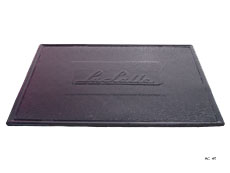 1935 LaSalle Series 50 Accessory Floor Mat - 12"X17"-AC 45Accessory Floor Mat - made of high quality black rubber with molded original emblem. Also designed to be sewn into new carpets. 12"X17", Each
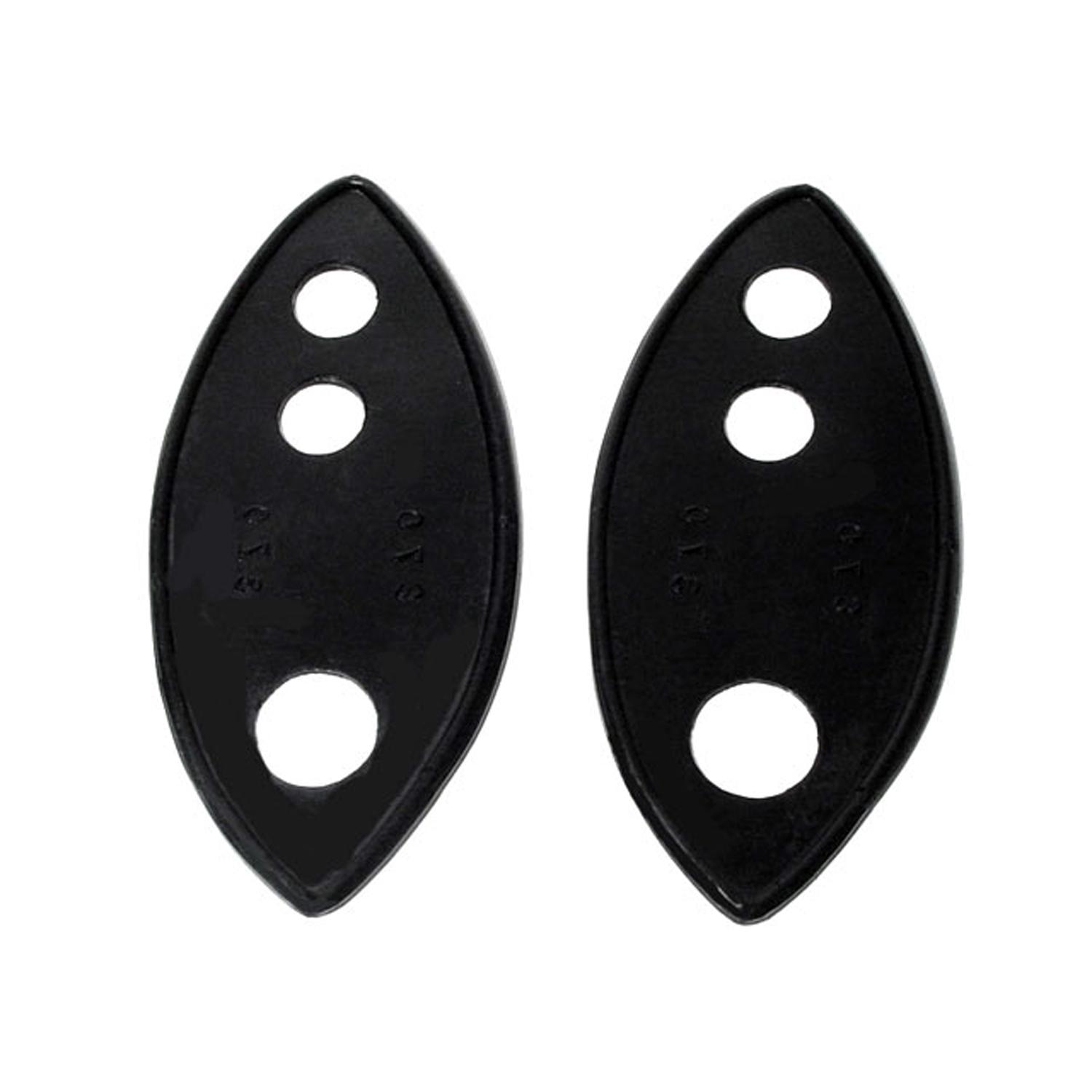 1935 LaSalle Series 50 Headlight Pads. 3-1/8" wide X 7" long. Pair-MP 370Headlight Pads. 3-1/8" wide X 7" long. Pair
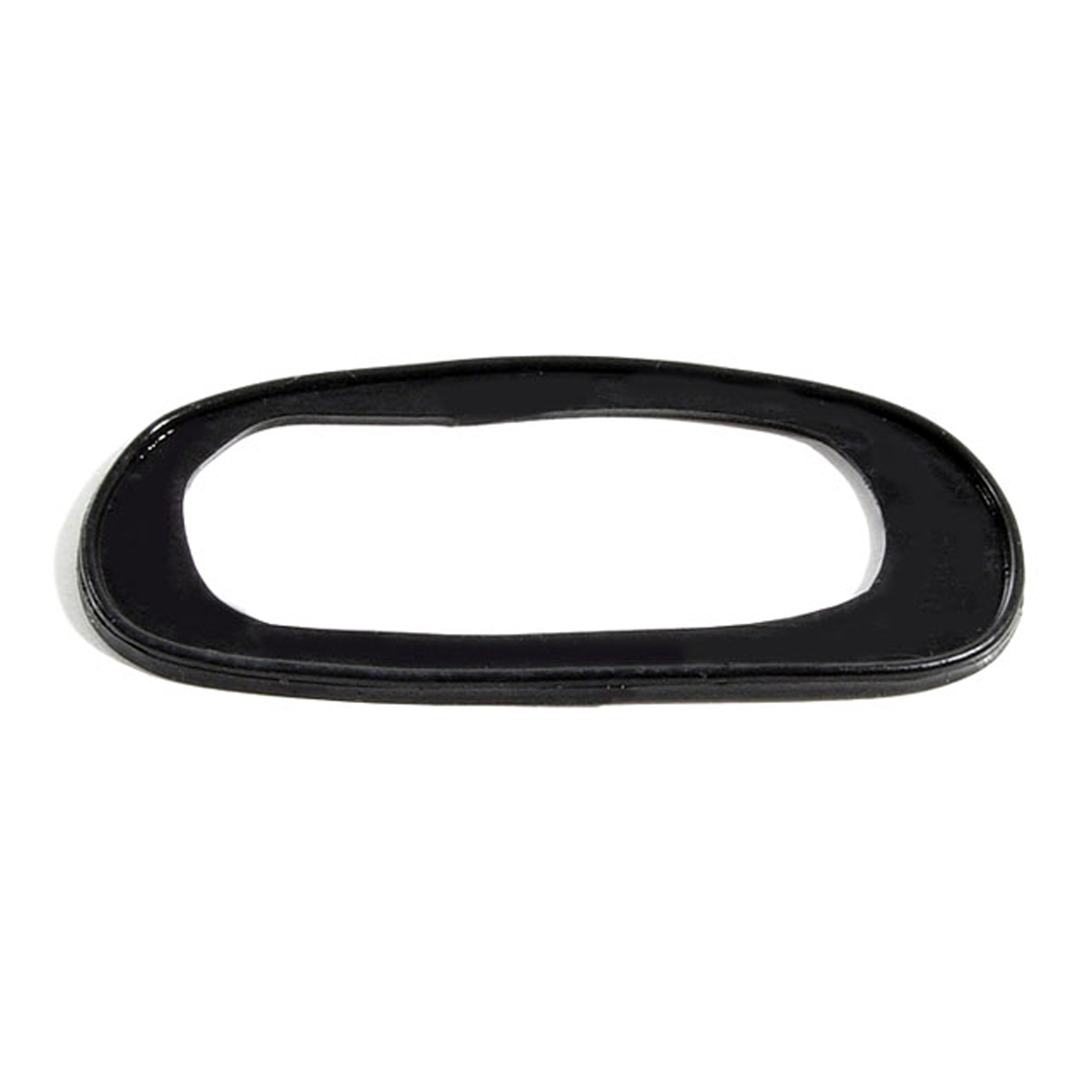 1935 LaSalle Series 50 Windshield Wiper Transmission Pad-MP 546-YWindshield Wiper Transmission Pad. 2-1/2" wide X 1-1/4" long. Each
 1935 LaSalle Series 50 Rear Leaf Spring Insulator. Fabric reinforced, tough rubber-RP 23-ZRear Leaf Spring Insulator. Fabric reinforced, tough rubber. For all 2" wide leaf springs. 2" wide X 5" long. Each
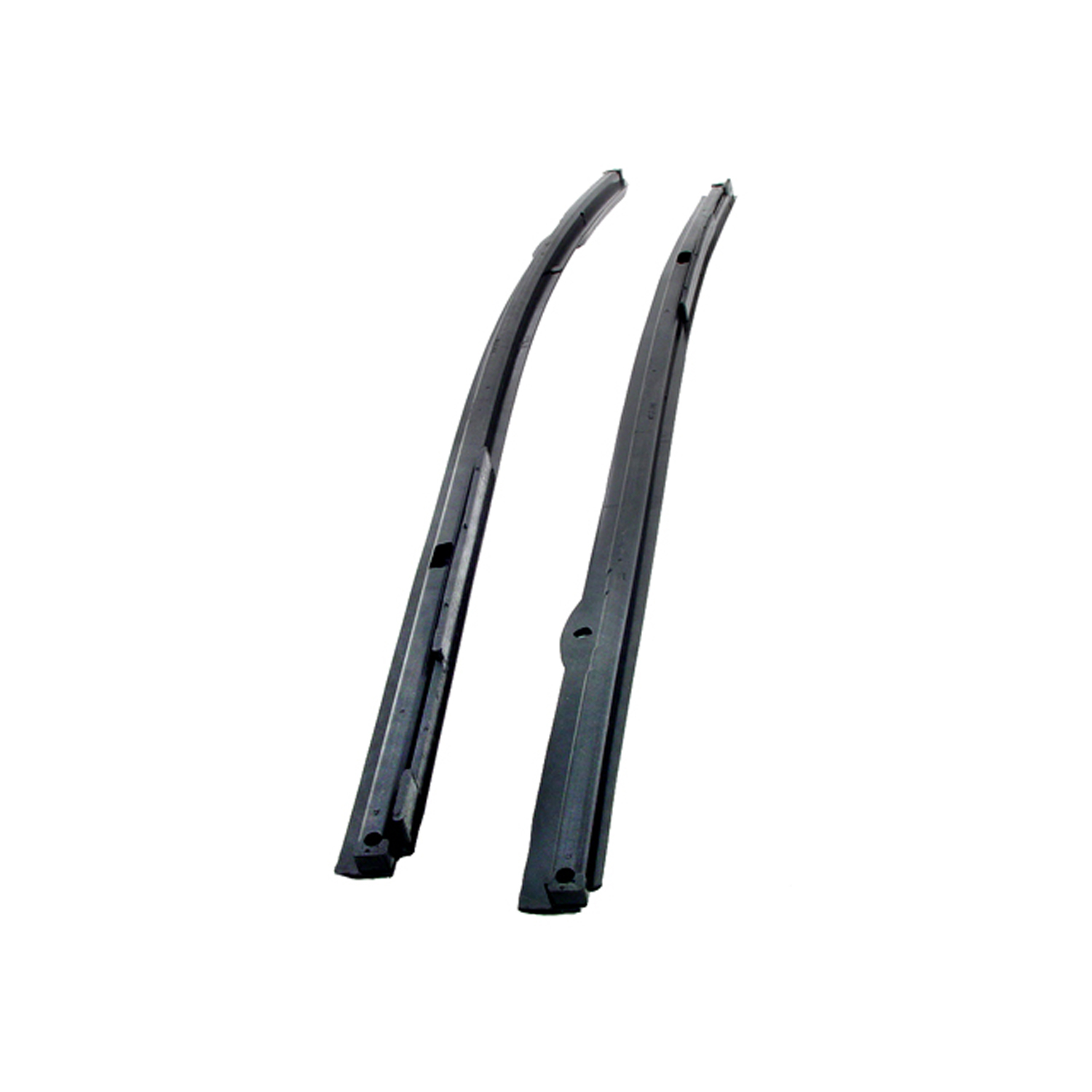 1935 LaSalle Series 50 Front Vent Window Seals, for 4-Doors. Pair R&L-WR 7304Front Vent Window Seals, for 4-Doors. Pair R&L
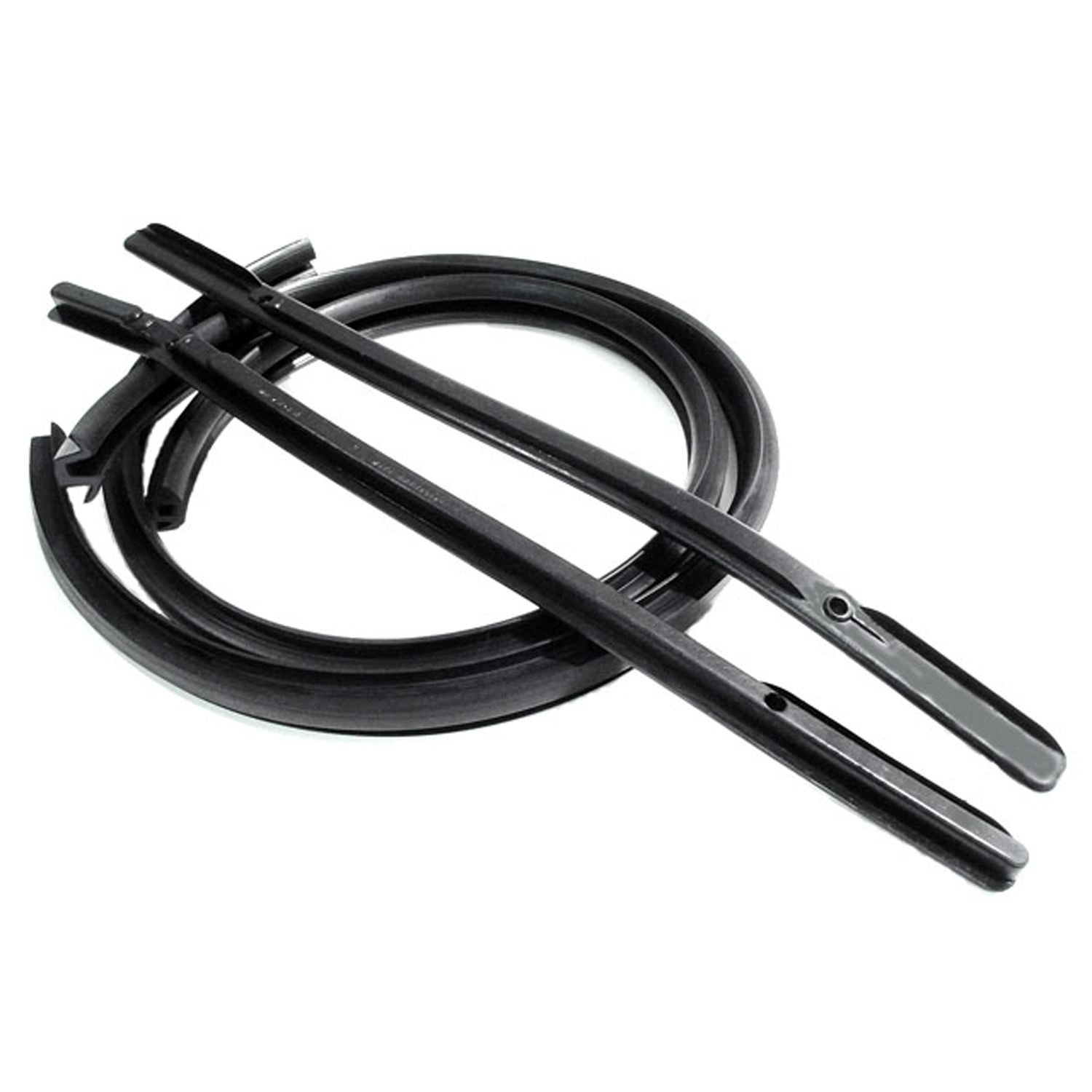 1935 LaSalle Series 50 Rear Vent Window Seals, for 4-Door Sedans-WR 7304-RRear Vent Window Seals, for 4-Door Sedans. Each side has piece 41" long and 21-1/4" long. 4-Piece Set.
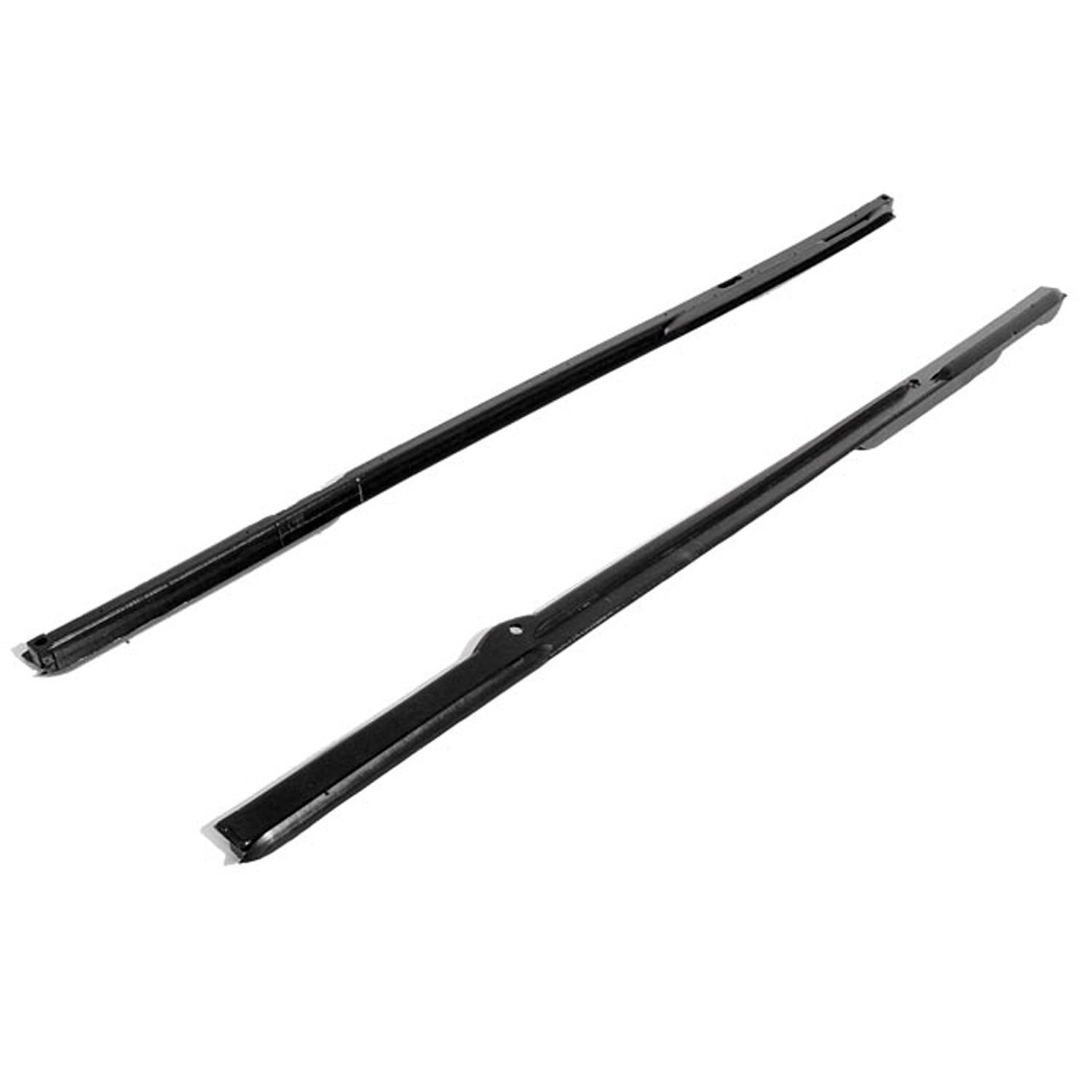 1935 LaSalle Series 50 Front Vent Window Seals. Does not fit Convertible-WR 7309Front Vent Window Seals. Does not fit Convertible. Pair R&L
Why Choose Metro?
For over 100 years, Metro Moulded Parts has been the pinnacle of quality in classic car restoration parts. Our commitment to precision and authenticity in every component ensures a perfect fit and an OEM-level appearance.
- Expert Craftsmanship & Quality: Each part is a testament to our dedication to reliability and perfection, crafted from original designs and thoroughly tested.
- Advanced Technology: We use cutting-edge techniques to create flawless, long-lasting parts that surpass others in performance.
- SuperSoft Sponge – The Ultimate Door Seal: Not only are our door seals 30% softer than competitors', but they're also guaranteed to never leak. They effectively reduce wind and road noise, enhancing your classic car's comfort and driving experience.
- Proudly American: Our parts are a product of American craftsmanship, made in the USA with a spirit of excellence and heritage.
- Unrivaled Warranty: We back our products with a 30-year industry-leading warranty, a testament to our confidence in their quality.
Join us in preserving the legacy of classic cars with parts that are crafted for perfection, not just made.