
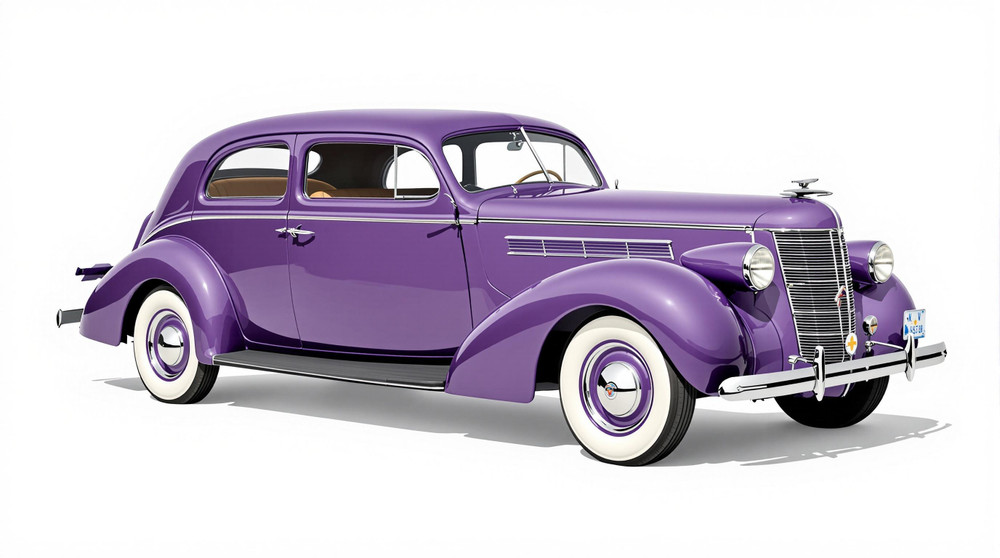
Image of 1936 Lasalle Series 50, Note: These illustrations use artistic license and may differ from actual historical models.
Performance Metrics
Fundamental Metrics
Emotional Appeal
MMP Rating
| Engine Specifications | |
|---|---|
| Engine: | Flathead V8 |
| Displacement: | 322 cu in (5.3 L) |
| Horsepower: | Estimated 125 hp |
| Torque: | Not available |
| Compression Ratio: | Not available |
| Ignition System: | Distributor and coil |
| Cooling System: | Water-cooled |
| Performance Specifications | |
| 0-60 Time: | Not available |
| 1/4 Mile Time: | Not available |
| Top Speed: | Estimated 85 mph |
| Transmission and Drive | |
| Drive Type: | Rear-wheel drive |
| Transmission Type: | 3-speed manual |
| Fuel and Efficiency | |
| Fuel System Type: | Carburetor |
| MPG: | Not available |
| Dimensions and Brakes | |
| Brakes: | Drum brakes |
| Wheelbase: | 119 inches |
| Weight: | Estimated 3,600 lbs |
Note: Specifications for classic cars are given to the best of our ability, considering the limited and variant data available.
1936 LaSalle Series 50: Cadillac Style, Within Reach
The 1936 LaSalle Series 50 brought Cadillac engineering and dramatic prewar styling to buyers who wanted luxury without paying full Cadillac prices. Built by Cadillac Motor Car Division of General Motors, it was a refined, V8-powered car with a distinctive personality of its own.
LaSalle began in 1927 as Cadillac’s companion marque, created to fill the gap between Cadillac and less expensive GM brands. Its name honored French explorer René-Robert Cavelier, Sieur de La Salle. By 1936, the marque had become an important part of Cadillac’s strategy: a stylish, relatively accessible luxury car that could appeal to a younger or more budget-conscious buyer.
The Series 50 was part of a strong year for LaSalle. Production is generally reported at about 13,000 cars, a notable showing during the Depression-era recovery. One intriguing detail is that the LaSalle was not merely a smaller, less powerful Cadillac. It had its own carefully developed styling, while drawing on Cadillac’s engineering and GM’s broad manufacturing resources.
Art Deco Lines and LaSalle Details
The 1936 Series 50 has the confident proportions of a classic American luxury car: a long hood, generous cabin, sweeping fenders, and a substantial rear body. Its upright grille and bright trim give the front end a formal look, while the flowing fender shapes and smooth body contours soften the car’s presence. The overall effect is elegant rather than extravagant, with enough chrome to catch the light without overwhelming the design.
Inside, the Series 50 was designed for comfortable, quiet travel. Depending on body style and trim, buyers could find well-finished cloth upholstery in closed cars and leather in open models. Broad seating, quality door trim, polished hardware, and a carefully arranged dashboard gave the cabin an upscale feel. The materials and finish were a clear step above ordinary transportation of the period, even if a Cadillac could offer more lavish appointments.
LaSalle’s technological appeal came from its combination of Cadillac-derived engineering and practical features. The Series 50 used a 322-cubic-inch side-valve V8, a three-speed manual transmission with synchromesh, and hydraulic brakes. Independent front suspension, often described by GM as Knee-Action, helped improve ride comfort and road holding compared with the solid-front-axle layouts still common on many cars.
Factory paint and trim combinations varied by body style and production details. Period buyers could choose from colors in the dark and muted shades popular for luxury cars, including options such as black, blue, maroon, gray, and tan. Exact availability depended on the specific car and its original order. Today, dark blue and maroon examples look especially at home on the Series 50, while black remains a timeless choice.
The range included closed and open body styles, with familiar choices such as a two-door coupe, a convertible coupe, and four-door sedans. The convertible coupe is among the most visually striking and sought-after versions today, thanks to its open-air character and sweeping body lines. For buyers who needed more weather protection and passenger room, the four-door sedan made a more practical touring car.
Why the 1936 Series 50 Matters
The Series 50 shows how GM used design and engineering to give a companion marque a distinct identity. LaSalle was not simply a badge placed on a lower-priced Cadillac. Under GM design chief Harley Earl’s influence, its styling helped carry Cadillac’s visual language into a more attainable class, while retaining a recognizable LaSalle look.
Its significance also lies in the way it brought modern features to a broader luxury-car audience. Hydraulic brakes, a synchromesh transmission, and independent front suspension made the Series 50 feel contemporary for its time. Together, these features helped set it apart from many large American cars that still relied on older braking and suspension arrangements.
LaSalle’s story ended after the 1940 model year. The marque had served its purpose as a bridge in GM’s lineup, but changing buyer expectations and a reshaped market eventually made a separate companion brand harder to justify. The 1936 Series 50 therefore represents LaSalle during an especially successful period, when it could stand confidently beside its Cadillac relatives without being mistaken for one.
V8 Performance and Road Manners
The 322-cubic-inch V8 produced about 125 horsepower. A three-speed manual gearbox sent power to the rear wheels. Period performance figures vary, and surviving cars differ greatly in condition, gearing, and restoration quality, but a sound Series 50 is generally estimated to reach roughly 80 to 90 mph. A 0-to-60-mph run would likely take around 20 seconds, give or take. Those figures describe a substantial luxury car, not a sports machine.
On the road, the engine’s character matters as much as its numbers. The V8 delivers a steady, low-pitched rumble and feels best when pulling smoothly through the gears. The synchromesh transmission makes shifting more manageable than it would be in an unsynchronized gearbox, though the driver still has to work a clutch and plan ahead. This is a car to drive with a measured hand, not to rush through traffic.
The independent front suspension helps the LaSalle absorb ordinary bumps and uneven pavement with a composed, substantial feel. Its long wheelbase and weight are reassuring on open roads, while the steering and body lean remind you that it is a prewar car on narrow tires. On winding roads, smooth inputs and sensible speeds are the keys to keeping it settled. In crosswinds, the broad body can be affected, as is typical of cars from the era.
From behind the wheel, the Series 50 feels formal but not intimidating. The view over the long hood, the soft engine note, and the easy pace create a relaxed touring experience. It rewards anticipation: brake early, choose gears thoughtfully, and let the suspension do its work.
Owning and Maintaining a LaSalle
Today, a 1936 Series 50 is best suited to weekend drives, vintage-car tours, local shows, and collection use. Some owners do take their cars on longer trips, but regular commuting is rarely the goal. Modern traffic, limited safety equipment, and the age of the mechanical components call for a cautious approach.
Routine service is familiar to a mechanic experienced with prewar American cars. The V8, manual transmission, drum brakes, and mechanical systems are understandable and repairable, but they are not maintenance-free. Owners should pay close attention to cooling, ignition, lubrication, brake hydraulics, and the condition of the fuel system. A recently restored car still needs regular inspection, and original or period-correct parts may take time to locate.
Parts availability is generally better for common service items than for trim-specific or body-specific pieces. The most challenging projects are often incomplete cars or examples with missing interior hardware, unique exterior trim, or damaged sheet metal. Before buying, check the engine and transmission carefully, inspect the frame and body for corrosion or poor repairs, and confirm that important LaSalle-specific parts are present.
LaSalle Trivia and Common Criticisms
The LaSalle name connects the car to Cadillac’s early effort to create a companion luxury marque, and the 1936 Series 50 shows how far that idea had developed. Its appeal today comes from the combination of Cadillac-associated engineering and a less familiar badge. That relative obscurity can make a LaSalle a distinctive alternative at a classic-car gathering, where Cadillacs are more likely to draw instant recognition.
There is no widely recognized 1936 Series 50 land-speed or endurance record that defines the model. Its achievement was more commercial and design-focused: LaSalle had a strong year, and the Series 50 offered advanced-for-its-class engineering in an attractive package. Celebrity ownership claims should be treated cautiously unless supported by documentation. A famous name in a sales description does not, by itself, establish a car’s provenance.
Common criticisms are practical ones. The car is large, its fuel economy is modest by modern standards, and its brakes and handling cannot match a contemporary vehicle. It also lacks modern safety equipment such as seat belts and crash protection designed to current standards. For enthusiasts, those limitations are part of the period experience, but they are important considerations for anyone planning to drive one regularly.
1936 LaSalle Values and Rarity
About 13,000 LaSalles are generally reported for the 1936 model year across the Series 50 body range. That makes the car uncommon today, especially in well-preserved condition, but it is not so rare that every example is a one-of-one curiosity. Availability changes with time, and the best cars tend to sell through specialist dealers, auctions, and marque networks rather than ordinary used-car listings.
As a broad U.S. market estimate, a project or rough driver might fall around $15,000 to $30,000. A sound, presentable sedan or coupe could be roughly $30,000 to $60,000, while a high-quality restoration may bring more. Desirable open cars, especially convertible coupes, can reach approximately $60,000 to $120,000 or higher depending on originality, restoration quality, provenance, and market conditions. These are guide ranges, not appraisals; condition and documentation can shift value substantially.
LaSalle values tend to be more approachable than comparable Cadillac prices, partly because the name has less broad recognition among collectors. Top-quality examples can attract strong interest, but the market is selective, and restoration costs may exceed the value of an average car. In nominal terms, fine examples have generally benefited from long-term classic-car interest, though prices can fluctuate and not every LaSalle appreciates at the same rate. Buyers should prioritize condition and completeness over the promise of future gains.
The Lasting Appeal of the Series 50
The 1936 LaSalle Series 50 combines a Cadillac-linked V8, period-advanced suspension and braking, and graceful prewar styling in a package with a character all its own. It is comfortable enough for touring, distinctive enough for a show field, and mechanically engaging enough to reward an involved owner.
More than eight decades later, the Series 50 remains a reminder that luxury is not only about a famous badge. It is also about thoughtful engineering, elegant proportions, and the pleasure of arriving in a car that tells a story before its engine even starts.
1936 Lasalle Series 50 Catalog of Parts
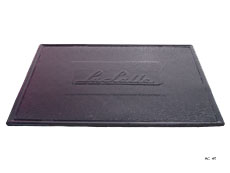 1936 LaSalle Series 50 Accessory Floor Mat - 12"X17"-AC 45Accessory Floor Mat - made of high quality black rubber with molded original emblem. Also designed to be sewn into new carpets. 12"X17", Each
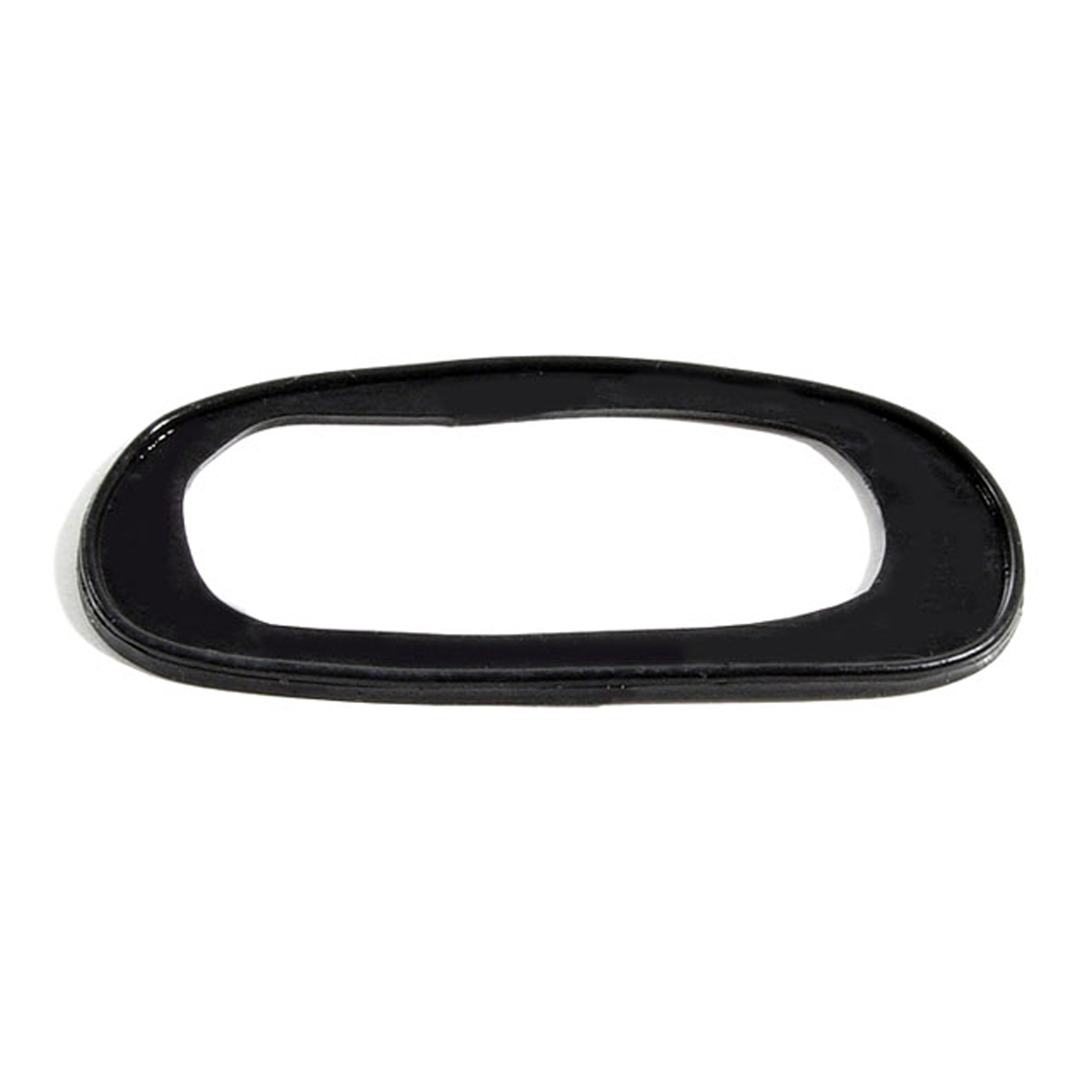 1936 LaSalle Series 50 Windshield Wiper Transmission Pad-MP 546-YWindshield Wiper Transmission Pad. 2-1/2" wide X 1-1/4" long. Each
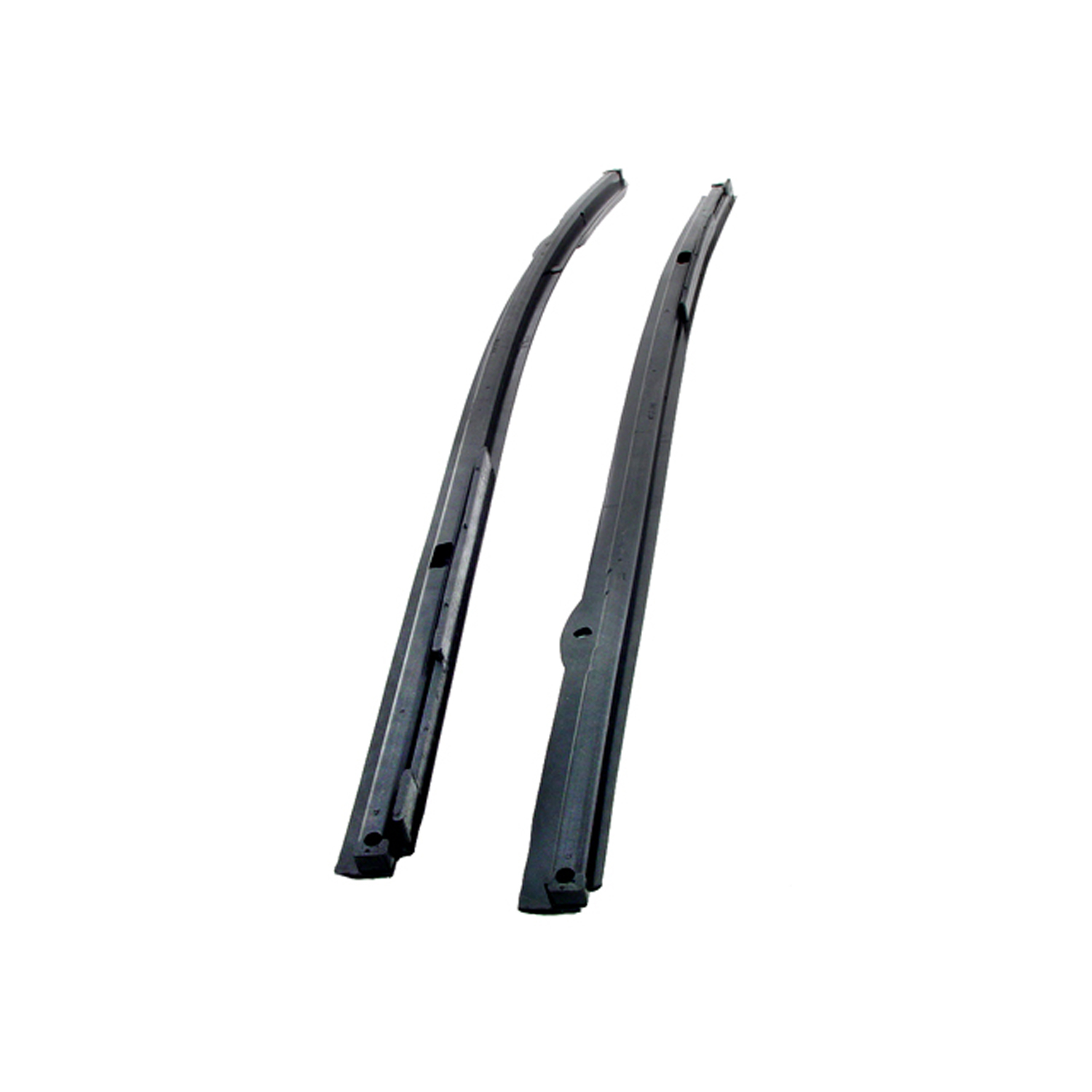 1936 LaSalle Series 50 Front Vent Window Seals, for 4-Doors. Pair R&L-WR 7304Front Vent Window Seals, for 4-Doors. Pair R&L
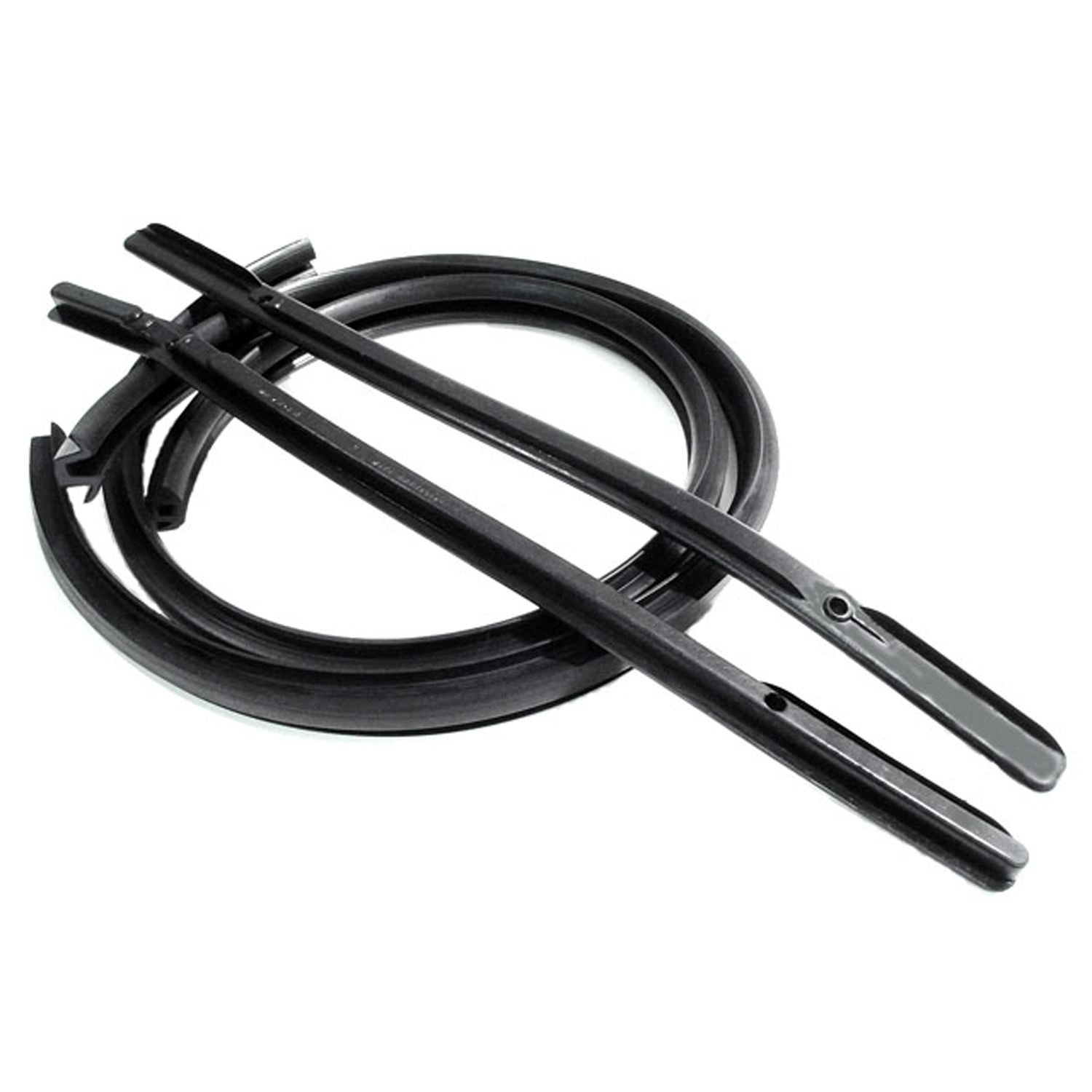 1936 LaSalle Series 50 Rear Vent Window Seals, for 4-Door Sedans-WR 7304-RRear Vent Window Seals, for 4-Door Sedans. Each side has piece 41" long and 21-1/4" long. 4-Piece Set.
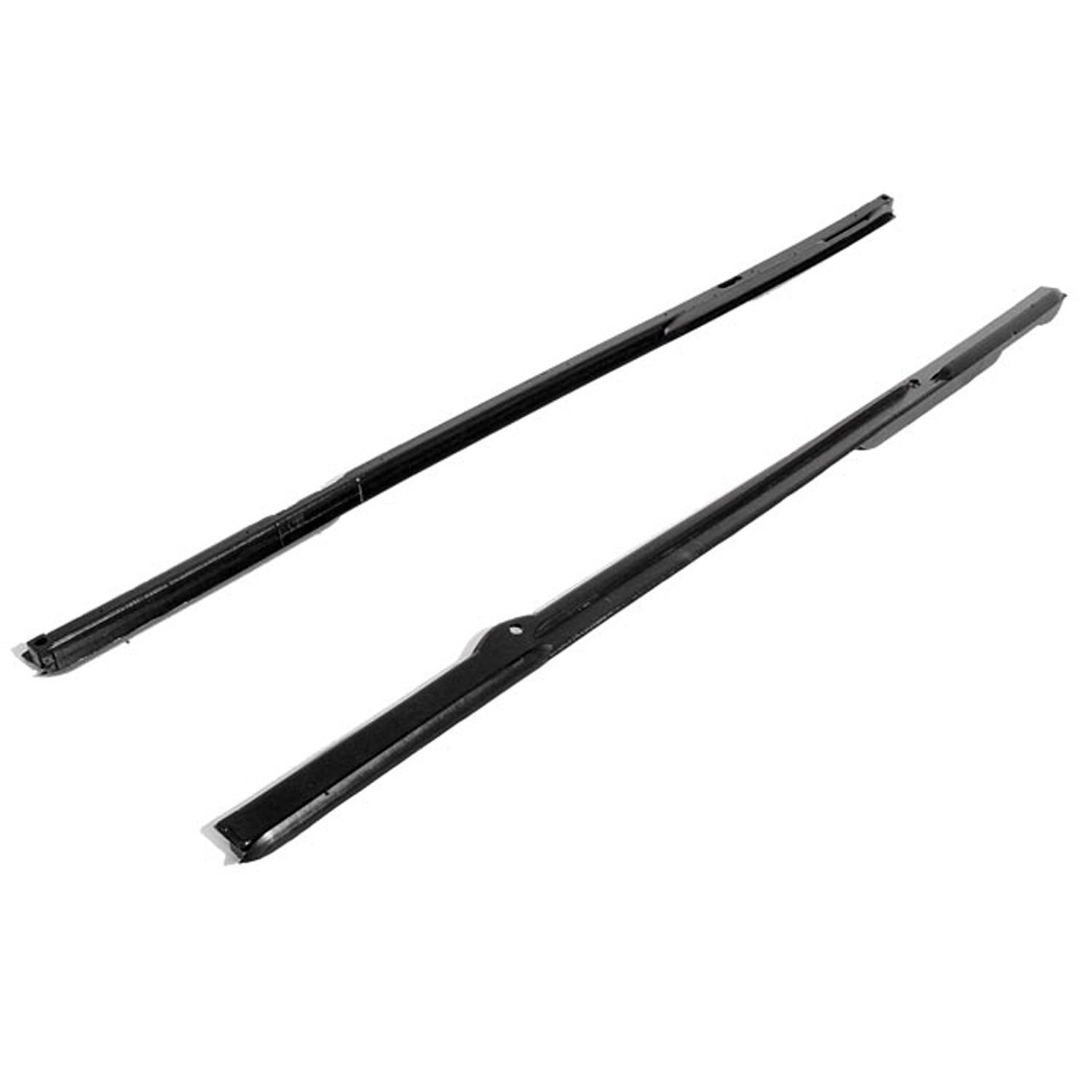 1936 LaSalle Series 50 Front Vent Window Seals. Does not fit Convertible-WR 7309Front Vent Window Seals. Does not fit Convertible. Pair R&L
Why Choose Metro?
For over 100 years, Metro Moulded Parts has been the pinnacle of quality in classic car restoration parts. Our commitment to precision and authenticity in every component ensures a perfect fit and an OEM-level appearance.
- Expert Craftsmanship & Quality: Each part is a testament to our dedication to reliability and perfection, crafted from original designs and thoroughly tested.
- Advanced Technology: We use cutting-edge techniques to create flawless, long-lasting parts that surpass others in performance.
- SuperSoft Sponge – The Ultimate Door Seal: Not only are our door seals 30% softer than competitors', but they're also guaranteed to never leak. They effectively reduce wind and road noise, enhancing your classic car's comfort and driving experience.
- Proudly American: Our parts are a product of American craftsmanship, made in the USA with a spirit of excellence and heritage.
- Unrivaled Warranty: We back our products with a 30-year industry-leading warranty, a testament to our confidence in their quality.
Join us in preserving the legacy of classic cars with parts that are crafted for perfection, not just made.