

Image of 1925 Lincoln Model L, Note: These illustrations use artistic license and may differ from actual historical models.
Performance Metrics
Fundamental Metrics
Emotional Appeal
MMP Rating
| Engine Specifications | |
|---|---|
| Engine Options: | L-head V8 |
| Displacement Range: | 358 cu in (5.9 L) |
| Horsepower Range: | Estimated 90 HP |
| Torque: | Not available |
| Compression Ratio: | Not available |
| Ignition System: | Battery and coil |
| Cooling System: | Water-cooled |
| Performance Specifications | |
| 0-60 Time: | Not available |
| 1/4 Mile Time: | Not available |
| Top Speed: | Estimated 70-80 mph |
| Transmission and Drive | |
| Drive Type: | Rear-wheel drive |
| Transmission Type: | 3-speed manual |
| Fuel and Efficiency | |
| Fuel System Type: | Carburetor |
| MPG: | Not available |
| Dimensions and Brakes | |
| Brakes: | Mechanical drum brakes |
| Wheelbase: | 136.5 in (3,470 mm) |
| Weight: | 4,500 lbs |
Note: Specifications for classic cars are given to the best of our ability, considering the limited and variant data available.
1925 Lincoln Model L: The American Luxury Car with a Handbuilt Soul
The 1925 Lincoln Model L was built for people who wanted more than transportation: it offered the authority of a big V8, the quiet dignity of custom coachwork, and the craftsmanship of a car assembled before luxury became a factory option package. It came from Lincoln Motor Company, founded in 1917 by engineer and automobile pioneer Henry Leland. After financial trouble, Lincoln was purchased by Ford Motor Company in 1922, where Henry Ford’s son, Edsel, took a leading role in reshaping the marque.
By 1925, the Model L had become Lincoln’s flagship, competing with prestigious American makes such as Cadillac and Packard. Its significance is especially striking because the company had been rescued from the brink of collapse just a few years earlier. Under Edsel Ford, Lincoln began turning its engineering reputation into a more polished luxury identity, pairing the Model L chassis with refined interiors and bodies from respected coachbuilders.
One intriguing detail: a Model L was not necessarily a single, standardized design. Buyers could choose from a range of factory and custom bodies, and some cars were finished by specialist coachbuilders. Two 1925 Model Ls could share the same mechanical foundation yet look remarkably different.
Long Lines, Fine Materials, and Tailored Bodies
The Model L had the imposing proportions expected of a top-tier car of the 1920s. Its tall radiator, long bonnet, upright windshield, sweeping fenders, and running boards gave it a formal, stately profile. Large headlamps stood proudly beside the radiator, while the substantial wheels and high ground clearance emphasized that this was a substantial machine, not a low-slung sporting car. Brass fittings and carefully finished trim could add further richness, depending on the body and specification.
Inside, the experience was designed around comfort and presentation. Upholstery might be leather or fine broadcloth, with carpeting, polished wood details, and carefully finished metal fittings completing the cabin. The exact materials and layout varied with the body style and coachbuilder. In an open touring car, passengers could enjoy fresh air and conversation; in a closed sedan or limousine, they were sheltered behind substantial doors and glass.
There was no single universal paint palette for every Model L. Buyers could choose from period-appropriate colors and combinations, while coachbuilders could tailor paint and trim to suit a customer’s taste. Dark blues, greens, maroons, and black were natural choices for formal bodies, while touring cars could make more of a statement with contrasting fenders or brighter finishes. Original paint records and surviving examples are the best guide to a particular car’s factory colors.
Body styles included touring cars, roadsters, sedans, limousines, coupes, and other closed or open designs, with additional custom variations available. Formal sedans and limousines are among the most recognizable today, while open touring bodies show off the Model L’s long, elegant proportions. The range reflected the era’s luxury-car culture: buyers selected not just a car, but the kind of presence they wanted it to have.
Engineering That Helped Define Lincoln
At the heart of the 1925 Model L was Lincoln’s 60-degree, side-valve V8, displacing approximately 357 cubic inches. Period specifications commonly put its output at about 90 horsepower, delivered through a three-speed manual gearbox. The engine’s smooth, flexible character suited a heavy luxury car, where effortless progress mattered more than sharp acceleration.
The Model L’s V8 was a major part of Lincoln’s identity. In an era when many luxury rivals relied on large six-cylinder engines, Lincoln’s V8 offered a distinctive blend of compact layout, smoothness, and power. The company’s engineering reputation also drew on Henry Leland’s tradition of precision manufacturing. Under Edsel Ford, that mechanical seriousness was increasingly matched by stronger attention to styling and coachwork.
The Model L did not single-handedly invent American luxury design, but it helped establish a pattern that would define Lincoln: substantial engineering beneath a dignified, carefully tailored body. Its lasting influence is also visible in the company’s relationship with custom design. Lincoln became known not only for its chassis and engines, but for the way its cars could be adapted into distinctive formal automobiles.
Road Manners of a 1920s V8
With roughly 90 horsepower moving a large, heavy car, the Model L was built for confident cruising rather than quick launches. Depending on bodywork, gearing, condition, and load, a sound example may reach roughly 70 to 80 mph. A period-verified 0-to-60-mph figure is difficult to establish, and modern comparisons are complicated by the car’s weight and the limits of its tires and brakes. As a broad estimate, acceleration to 60 mph could take around 25 to 30 seconds or longer. Treat that as an informed approximation, not a factory performance claim.
On a smooth road, the Model L’s long wheelbase and substantial chassis help it feel composed and unhurried. On rougher surfaces, its tall tires and period suspension absorb some road shock, but bumps still make themselves known. It is also a large car, so narrow roads and tight corners call for planning. A windy road is best taken at a measured pace: the steering is not as light or precise as a modern car’s, and the high, heavy body rewards smooth inputs.
From the driver’s seat, the experience is physical and mechanical. The V8 produces a measured, low-pitched rumble, while the manual gearbox and controls ask the driver to work deliberately. There is no modern power assistance, so steering and braking require more effort, especially at low speeds. The Model L feels less like a car to hurry and more like one to guide, allowing its engine and chassis to settle into a steady rhythm.
Living with a Model L
Today, most Model Ls are collector cars, museum pieces, or carefully maintained show and touring vehicles rather than everyday transportation. Some owners take them to vintage motoring events, where a well-sorted car can still cover meaningful distances. Regular use is possible, but it requires preparation, mechanical sympathy, and acceptance that the car operates by 1920s standards.
Maintenance is manageable for an experienced vintage-car owner, but the Model L is not necessarily easy for an average modern driver to service. Its mechanical systems are comparatively straightforward, and many repairs can be handled by a specialist familiar with early Lincoln V8s. However, parts availability, coachbuilt body details, and the condition of a particular car can make restoration expensive. Brakes, ignition, fuel delivery, cooling, tires, and lubrication all need close attention. Reliability depends heavily on correct restoration and ongoing care.
Before buying, inspect the engine and cooling system, transmission, brakes, chassis, and body structure. For a custom-bodied car, establish who built the body and whether its design and fittings are original. A complete, well-documented car is often a better prospect than a cheaper project with missing trim or uncertain mechanical history.
Model L Details Worth Knowing
The 1925 Model L’s appeal lies partly in its variety. Different body styles and coachbuilder commissions mean that unusual examples can surface with distinctive seating arrangements, window treatments, rooflines, or exterior trim. A rare body is not automatically more valuable, however. Its maker, originality, condition, provenance, and quality of restoration all matter.
Lincoln’s 1922 change of ownership is a notable chapter in the Model L story. Ford’s acquisition gave the struggling company new financial support, while Edsel Ford helped guide its design direction. That combination helped Lincoln move from a respected but troubled manufacturer toward the luxury marque it would become.
There is no widely recognized speed or endurance record that defines the 1925 Model L. Its reputation rests instead on its engineering, substantial presence, and role in Lincoln’s early development. A common criticism is that it can feel ponderous by modern standards: it is large, its controls demand effort, and its performance should not be confused with that of a modern car. Those traits are part of the period experience, but they can surprise newcomers expecting effortless driving.
Collector Values and Availability
Exact production totals for a single year can vary between historical references, particularly because body styles and coachbuilt commissions complicate the picture. A reasonable working estimate is that roughly 7,000 to 8,000 Model L chassis or cars were produced for 1925, though a buyer researching a specific body style should verify the figure with marque records. That does not mean thousands survive in usable condition. Original, complete examples are uncommon, and unusual coachbuilt versions are scarcer still.
As a broad current-market estimate, a 1925 Lincoln Model L in running but imperfect condition might fall around $50,000 to $100,000. A well-restored example with attractive bodywork and documentation could bring roughly $100,000 to $200,000. Exceptional coachbuilt cars, rare configurations, and outstanding restorations may exceed $200,000, sometimes by a substantial margin. These are general ranges rather than guaranteed sale prices; auction results can vary widely with provenance, condition, and buyer interest.
In nominal dollars, top-quality prewar luxury cars have generally benefited from long-term collector interest, but values do not rise evenly. Restoration costs can exceed the market value of an ordinary example, and large vintage cars have a narrower buyer pool than more familiar classics. The best-provenanced and most distinctive Model Ls are likely to hold the strongest appeal, while condition and originality remain decisive.
A Lincoln Built to Make an Entrance
The 1925 Lincoln Model L brought together a powerful V8, substantial road presence, and an unusually broad choice of bodies and finishes. It reflected Lincoln’s recovery under Ford ownership and helped shape the company’s identity as a maker of carefully engineered luxury cars. Its pace is deliberate, its controls are demanding, and its scale belongs to another motoring era.
For collectors, that is precisely the attraction. The Model L is not simply an old luxury car; it is a rolling expression of the moment when Lincoln began turning engineering prestige into lasting style.
1925 Lincoln Model L Catalog of Parts
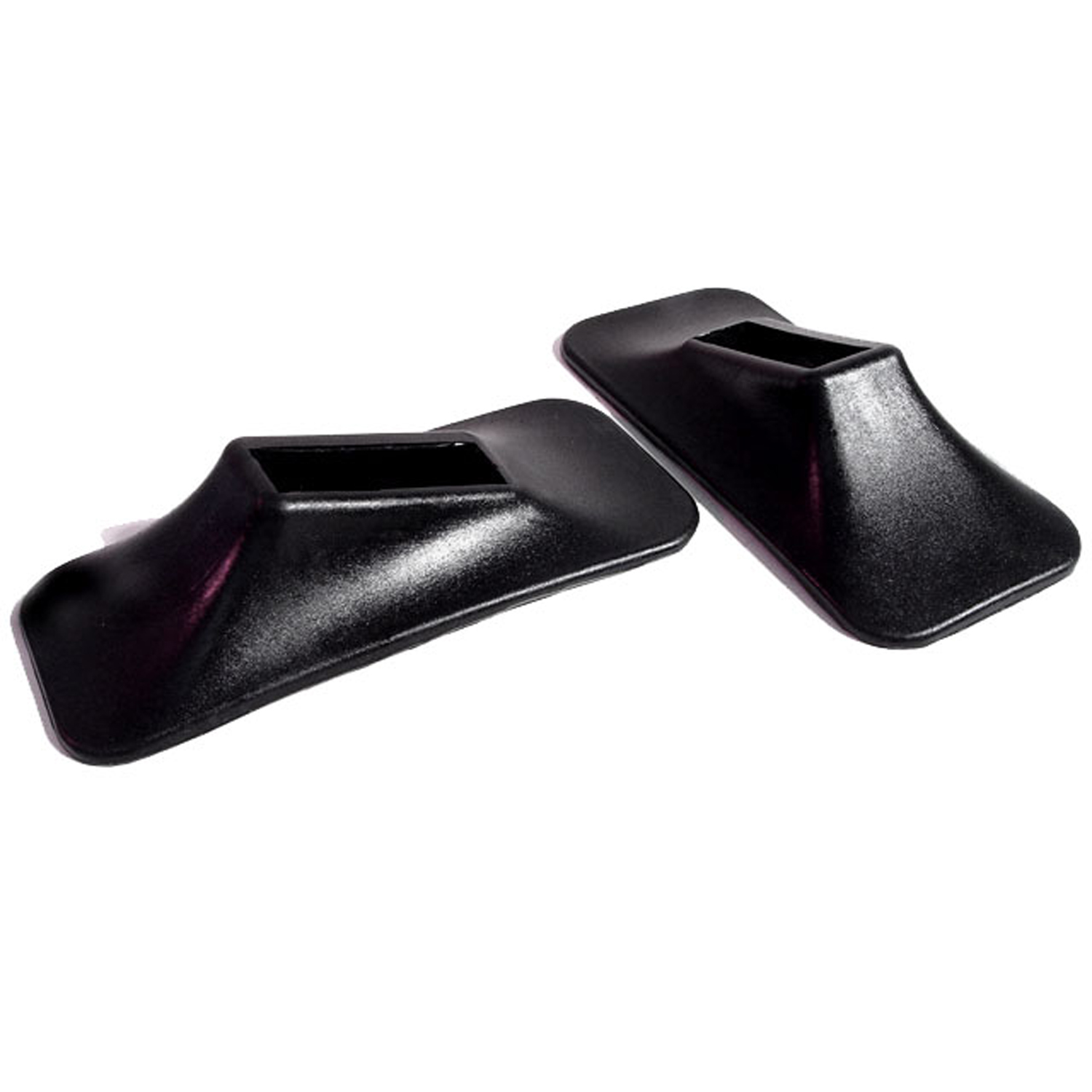 1925 Lincoln Model L Front Bumper Arm Grommets-BG 47Front Bumper Arm Grommets. 2" wide X 4-1/2" long, with 1-3/4" long inner slot. Pair
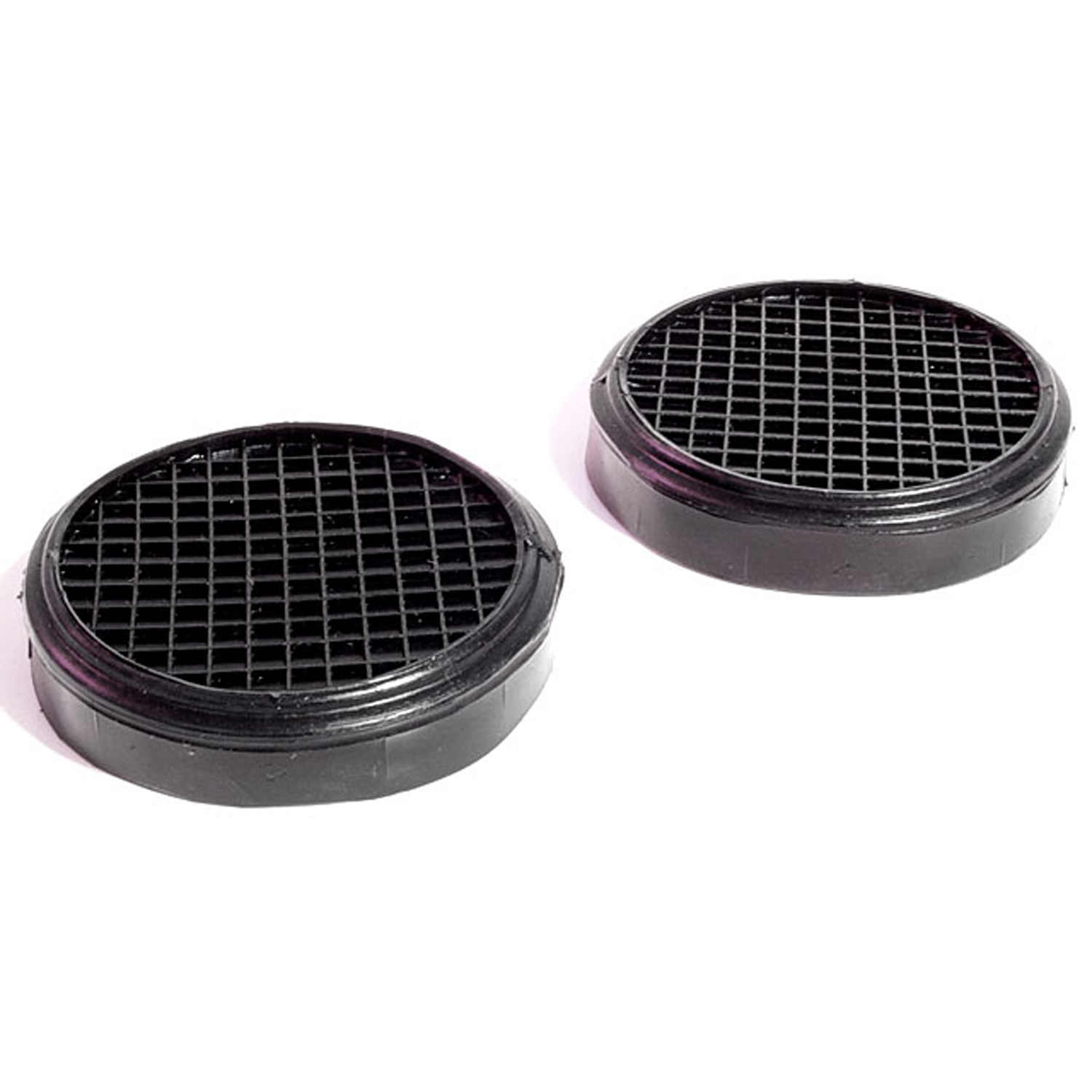 1925 Lincoln Model L Clutch and Brake Pedal Pads. 3-1/2" Diameter. Pair-CB 62Clutch and Brake Pedal Pads. 3-1/2" Diameter. Pair
Why Choose Metro?
For over 100 years, Metro Moulded Parts has been the pinnacle of quality in classic car restoration parts. Our commitment to precision and authenticity in every component ensures a perfect fit and an OEM-level appearance.
- Expert Craftsmanship & Quality: Each part is a testament to our dedication to reliability and perfection, crafted from original designs and thoroughly tested.
- Advanced Technology: We use cutting-edge techniques to create flawless, long-lasting parts that surpass others in performance.
- SuperSoft Sponge – The Ultimate Door Seal: Not only are our door seals 30% softer than competitors', but they're also guaranteed to never leak. They effectively reduce wind and road noise, enhancing your classic car's comfort and driving experience.
- Proudly American: Our parts are a product of American craftsmanship, made in the USA with a spirit of excellence and heritage.
- Unrivaled Warranty: We back our products with a 30-year industry-leading warranty, a testament to our confidence in their quality.
Join us in preserving the legacy of classic cars with parts that are crafted for perfection, not just made.