

Image of 1926 Lincoln Model L, Note: These illustrations use artistic license and may differ from actual historical models.
Performance Metrics
Fundamental Metrics
Emotional Appeal
MMP Rating
| Engine Specifications | |
|---|---|
| Engine: | L-head V8 |
| Displacement: | 358 cu in (5.9 L) |
| Horsepower: | Estimated 90 HP |
| Torque: | Not available |
| Compression Ratio: | Not available |
| Ignition System: | Battery and coil |
| Cooling System: | Water-cooled |
| Performance Specifications | |
| 0-60 Time: | Not available |
| 1/4 Mile Time: | Not available |
| Top Speed: | Estimated 70-80 mph |
| Transmission and Drive | |
| Drive Type: | Rear-wheel drive |
| Transmission Type: | 3-speed manual |
| Fuel and Efficiency | |
| Fuel System Type: | Carburetor |
| MPG: | Not available |
| Dimensions and Brakes | |
| Brakes: | Mechanical drum brakes |
| Wheelbase: | 136.5 in (3,470 mm) |
| Weight: | 4,500 lbs |
Note: Specifications for classic cars are given to the best of our ability, considering the limited and variant data available.
1926 Lincoln Model L: A Classic American Luxury Car
The 1926 Lincoln Model L brought quiet authority to the road: a long hood, upright radiator, substantial coachwork, and a smooth V8 made it a serious luxury automobile in an era when many cars were still basic transportation. Built by Lincoln Motor Company, then under Ford ownership, the Model L helped establish Lincoln as a maker of refined, high-quality cars rather than simply a new name in a crowded market.
Lincoln was founded in 1917 by engineer and industrialist Henry Leland, who had previously helped build Cadillac into a respected luxury marque. The company initially produced aircraft engines for the First World War, then turned to automobiles after the conflict. Financial trouble brought Lincoln close to collapse, and Ford Motor Company acquired it in 1922. Henry Ford’s son, Edsel Ford, took a particular interest in Lincoln and guided the brand toward more carefully styled, prestigious cars.
The Model L was Lincoln’s principal passenger car through the 1920s. A notable moment in the model’s wider history came in 1924, when President Calvin Coolidge received a Lincoln Model L limousine for official use. That was not a 1926 car, but it helped associate the Model L name with government, ceremony, and the highest level of American motoring.
Formal Styling and Coachbuilt Character
The 1926 Model L had the upright, unmistakably formal appearance expected of a luxury car of its time. A tall radiator shell sat between large, round headlamps, while the long hood and separate front fenders gave the car a poised, substantial stance. Running boards linked the fenders to the passenger compartment, and the body’s high beltline and near-vertical windshield emphasized its imposing profile.
Unlike a modern car built around one standardized body, the Model L could be ordered in a wide range of configurations. Lincoln offered factory bodies such as touring cars, roadsters, phaetons, coupes, sedans, limousines, and town cars. Customers seeking a more individual automobile could also turn to specialist coachbuilders. The formal limousine and town car were among the most memorable versions, while open touring and phaeton bodies showed off the car’s long proportions and were popular choices for fine-weather motoring.
Materials and finish depended on the body style and specification, but the cabin was designed to feel appropriately upscale. Owners could expect quality upholstery, polished wood trim on many enclosed bodies, substantial door panels, and carefully finished fittings. Leather was common in open cars and higher-grade interiors, while enclosed models could use a combination of leather, cloth, and wood. These were hand-finished luxury cars, not mass-market cabins dressed up with decorative trim.
Paint choices varied with body, year, and customer order. Dark, formal colors suited sedans and limousines, while touring cars could be specified in more contrasting combinations, sometimes with coordinated upholstery and trim. Because period records do not provide one simple, universal color list for every 1926 body, surviving cars and original build documentation are the best guides to a particular car’s factory finish.
V8 Power and Period Technology
Under the hood was Lincoln’s 60-degree L-head V8, displacing about 358 cubic inches, or 5.9 liters. Period specifications commonly rate the engine at approximately 90 horsepower. Its relatively large displacement and smooth eight-cylinder layout suited the Model L’s mission: delivering steady, quiet pulling power rather than sharp, high-revving performance.
Power passed through a three-speed manual transmission. Like most cars of the period, the gearbox was unsynchronized, so smooth shifting took practice and careful matching of engine speed. The car also used a conventional 6-volt electrical system and mechanical controls. Depending on specification, braking was handled by mechanical drum brakes, a system that demanded more driver effort and planning than modern hydraulic brakes.
By 1926, electric starting and lighting were established features in a car of this class, but the Model L still required more hands-on driving than a contemporary luxury car. There were no electronic aids, power steering, or modern safety systems. Its engineering reflected a transitional era: increasingly sophisticated engines and electrical equipment, paired with mechanical controls and chassis technology that required an attentive driver.
What the Model L Changed
The Model L mattered not because it introduced one revolutionary device, but because it gave Lincoln a durable identity as a premium American marque. Its blend of Leland engineering, substantial construction, V8 refinement, and coachbuilt variety helped distinguish it from less costly cars and from luxury rivals with different engineering traditions.
Edsel Ford’s influence also helped move Lincoln toward a more considered approach to appearance. The Model L retained the upright, formal style of its era, yet it provided a strong foundation for the more distinctive Lincoln design language that would develop later. Its influence is best understood as part of the company’s evolution: the Model L secured Lincoln’s place in the luxury market, creating room for later models to become design icons in their own right.
Compared with ordinary cars of the mid-1920s, the Lincoln was larger, more powerful, more carefully finished, and considerably more expensive. It was aimed at buyers who wanted a chauffeur-driven limousine or a personal touring car with genuine prestige. That combination of engineering substance and body-style choice set it apart from many contemporaries.
Road Manners and Performance
Exact performance figures vary with body style, gearing, vehicle condition, and the weight of the coachwork. A reasonable period-informed estimate for a sound 1926 Model L is a top speed in the neighborhood of 70 to 75 mph. A modern-style 0-to-60 mph figure was not typically recorded for cars of this era, but a heavy Model L would likely need roughly 25 to 35 seconds to reach 60 mph, if it could reach that speed under the conditions. Treat that as an estimate, not a factory claim.
On a smooth road, the V8’s appeal was its steady delivery. The engine produces a measured, low mechanical burble rather than the sharp note of a sporting car. The substantial chassis and long wheelbase help the car feel settled at a relaxed touring pace, although the ride and handling are nothing like those of a modern automobile. Large bumps can send motion through the body, and the tall profile, narrow tires, and relatively slow steering call for measured inputs on winding roads.
The driving experience is deliberate. The driver sits high, looks out over the long hood, and must plan gear changes, braking, and cornering well in advance. The Model L rewards a calm pace and smooth technique. On a winding road, its size and weight are always apparent; on an open highway, its V8 character and imposing presence make more sense.
Living with a 1926 Model L
Today, most Model Ls are collected, shown, toured in vintage-car events, or kept as occasional-use classics. They are not practical daily drivers by modern standards. Traffic speeds, limited braking performance, exposed mechanical systems, and the scarcity of suitable parts make regular commuting a demanding proposition.
Maintenance is manageable for an experienced vintage-car owner, but it is not simply a matter of fitting modern replacement parts. The engine, ignition, carburetion, cooling system, clutch, transmission, and mechanical brakes all need regular inspection and adjustment. Parts can be sourced through specialist suppliers, marque clubs, and vintage-car networks, though rare body components and correct coachwork fittings may require patience or custom fabrication.
Reliability depends heavily on restoration quality and ongoing care. A properly rebuilt Model L can tour reliably at appropriate speeds, but an old car that has sat unused may need extensive recommissioning before it is safe to drive. For an average owner without mechanical experience, a pre-purchase inspection by a Lincoln or prewar-car specialist is essential. The body, chassis, engine condition, brake operation, and completeness of the car can make an enormous difference to both cost and usability.
Facts, Myths, and Common Criticisms
The Model L is closely connected with the early history of presidential automobiles. The 1924 Coolidge limousine helped give the Lincoln name a public association with official transport, but it is important not to confuse that car with a 1926 example. The Model L’s significance comes from the broader role it played in establishing Lincoln’s prestige, rather than from a single famous record-setting run.
There is no widely recognized speed, sales, or endurance record that defines the 1926 Model L. Its appeal lies instead in its craftsmanship, V8 power, and the variety of bodies available. Production figures can differ among historical summaries, but a reasonable estimate for 1926 is roughly 5,000 to 7,000 Model L cars. That is an estimate for the model year, not a precise surviving-car count, and it includes cars with different body styles and specifications.
Common criticisms are familiar to anyone who drives a large prewar automobile: the Model L is heavy, its brakes require anticipation, the unsynchronized transmission takes practice, and its sheer size can make tight streets and parking difficult. Enclosed bodies can also be warm in summer, while open cars offer little protection from weather. For collectors, those compromises are part of the period experience, but they are worth understanding before buying.
Collector Values and Availability
Values vary widely because “1926 Lincoln Model L” can describe very different cars. A project or incomplete example might fall roughly in the $30,000 to $75,000 range, depending on completeness, condition, and documentation. A sound, usable car or well-restored example could bring approximately $100,000 to $250,000. Rare coachbuilt bodies, exceptional provenance, high-quality restorations, or particularly desirable configurations can exceed that range, sometimes substantially.
These are broad market estimates, not a guarantee of what any individual car will sell for. Auction results depend on body style, originality, restoration quality, mechanical condition, and how well the car is documented. A tired limousine with expensive bodywork ahead of it may be less appealing than a well-sorted touring car, even if the limousine was more costly when new.
Good examples are uncommon, and the best cars do not appear on the market every day. The Model L has generally benefited from the ongoing interest in important prewar American luxury cars, but values can be uneven. Exceptional, highly original, or coachbuilt cars are the most likely to command strong prices. Restoration costs, meanwhile, can rise quickly, so a buyer should assess the car’s condition rather than assume that a project will become a bargain after restoration.
Why the 1926 Lincoln Model L Still Matters
The 1926 Lincoln Model L combined a large, smooth V8 with imposing styling, carefully finished interiors, and a remarkable range of body choices. It helped Lincoln recover from financial trouble and become a lasting name in American luxury motoring. Its formal proportions, presidential associations, and coachbuilt individuality make it a distinctive survivor from a period when a car could be both transportation and a statement of status.
It is not a classic for drivers seeking modern speed or easy ownership. It is a car to appreciate at a measured pace, listening to the V8 and watching that long hood stretch ahead. More than a handsome antique, the Model L is a rolling chapter in Lincoln’s story and a reminder of when American luxury was built to be seen, heard, and remembered.
1926 Lincoln Model L Catalog of Parts
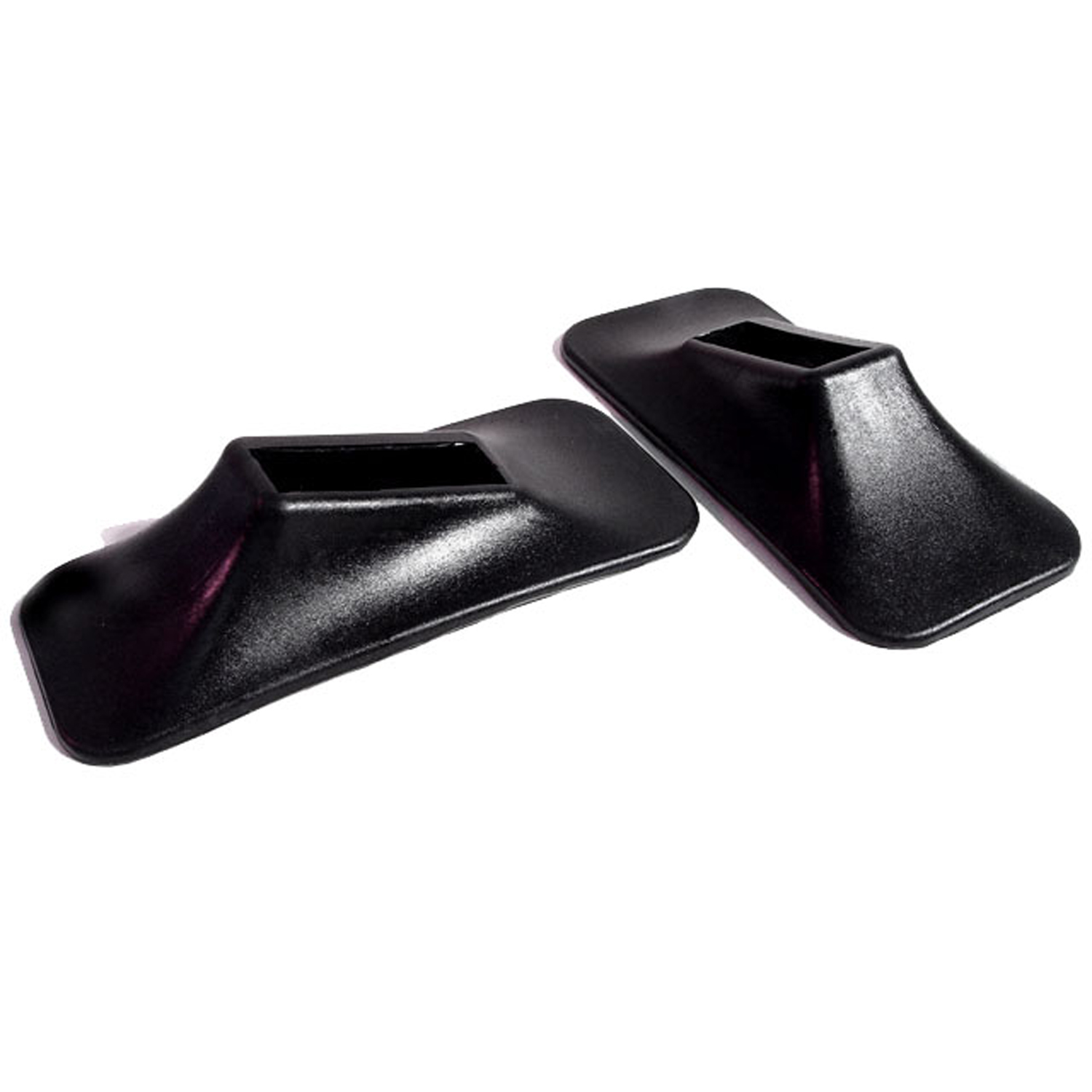 1926 Lincoln Model L Front Bumper Arm Grommets-BG 47Front Bumper Arm Grommets. 2" wide X 4-1/2" long, with 1-3/4" long inner slot. Pair
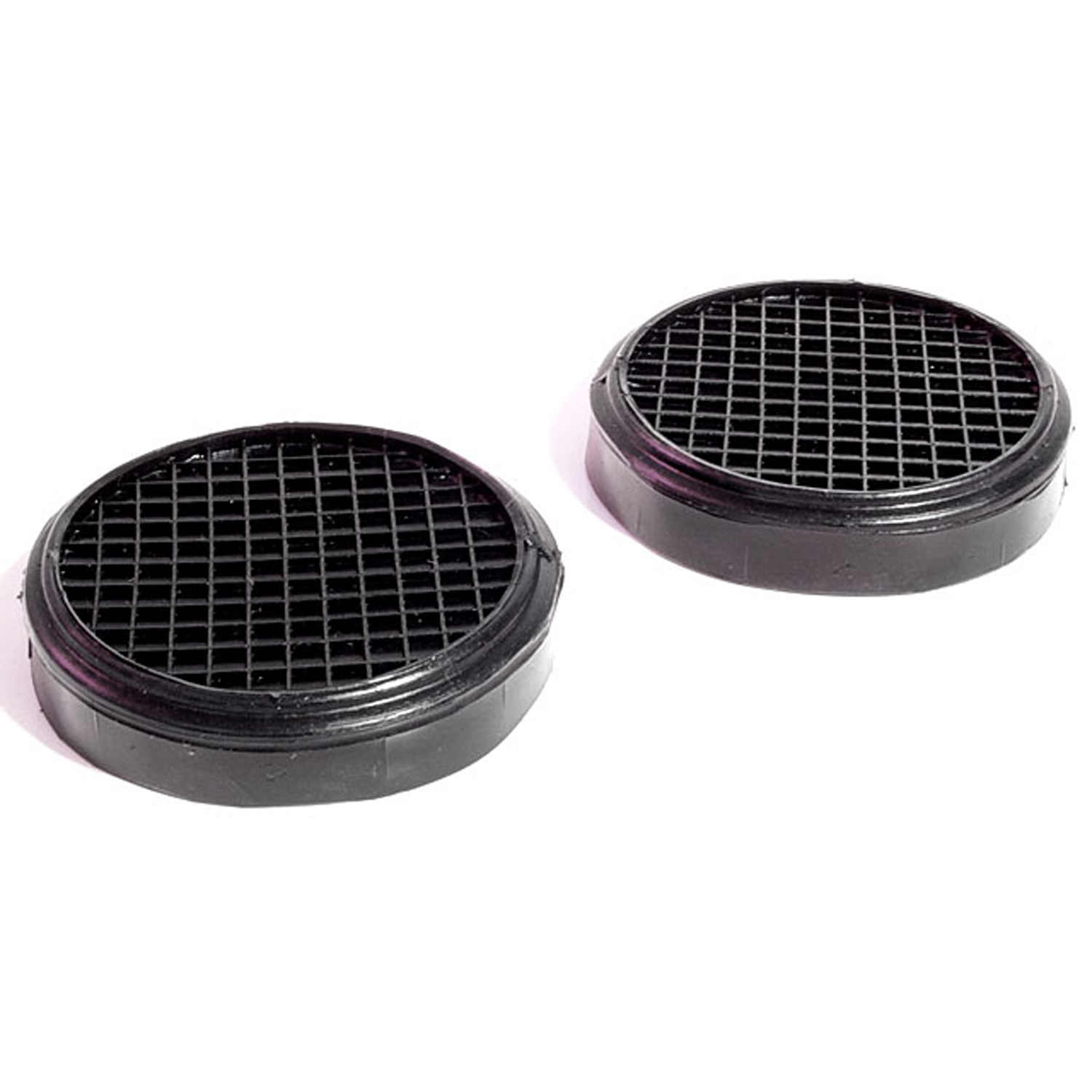 1926 Lincoln Model L Clutch and Brake Pedal Pads. 3-1/2" Diameter. Pair-CB 62Clutch and Brake Pedal Pads. 3-1/2" Diameter. Pair
Why Choose Metro?
For over 100 years, Metro Moulded Parts has been the pinnacle of quality in classic car restoration parts. Our commitment to precision and authenticity in every component ensures a perfect fit and an OEM-level appearance.
- Expert Craftsmanship & Quality: Each part is a testament to our dedication to reliability and perfection, crafted from original designs and thoroughly tested.
- Advanced Technology: We use cutting-edge techniques to create flawless, long-lasting parts that surpass others in performance.
- SuperSoft Sponge – The Ultimate Door Seal: Not only are our door seals 30% softer than competitors', but they're also guaranteed to never leak. They effectively reduce wind and road noise, enhancing your classic car's comfort and driving experience.
- Proudly American: Our parts are a product of American craftsmanship, made in the USA with a spirit of excellence and heritage.
- Unrivaled Warranty: We back our products with a 30-year industry-leading warranty, a testament to our confidence in their quality.
Join us in preserving the legacy of classic cars with parts that are crafted for perfection, not just made.