

Image of 1928 Lincoln Model L, Note: These illustrations use artistic license and may differ from actual historical models.
Performance Metrics
Fundamental Metrics
Emotional Appeal
MMP Rating
| Engine Specifications | |
|---|---|
| Engine: | L-head V8 |
| Displacement: | 385 cubic inches |
| Horsepower: | Estimated 90-100 hp |
| Torque: | Not available |
| Compression Ratio: | Not available |
| Ignition System: | Battery and coil |
| Cooling System: | Water-cooled |
| Performance Specifications | |
| 0-60 Time: | Not available |
| 1/4 Mile Time: | Not available |
| Top Speed: | 70-80 mph |
| Transmission and Drive | |
| Drive Type: | Rear-wheel drive |
| Transmission Type: | 3-speed manual |
| Fuel and Efficiency | |
| Fuel System Type: | Carburetor |
| MPG: | Not available |
| Dimensions and Brakes | |
| Brakes: | Mechanical drum brakes |
| Wheelbase: | 136 inches |
| Weight: | 4,900 lbs |
Note: Specifications for classic cars are given to the best of our ability, considering the limited and variant data available.
1928 Lincoln Model L: The American Luxury Car with a Coachbuilt Soul
The 1928 Lincoln Model L paired a hand-finished luxury-car character with the engineering discipline of a company that had learned precision manufacturing from the earliest days of the automobile. Built by the Lincoln Motor Company under Ford ownership, it was a substantial, costly car for buyers who wanted more than transportation: they wanted a refined V8, imposing presence, and a body that could reflect their personal taste.
Lincoln was founded by Henry Leland, a precision-machining pioneer who named the company after Abraham Lincoln. Ford acquired the struggling automaker in 1922, and Edsel Ford took a leading role in shaping its future. The Model L remained Lincoln’s principal offering through the 1920s, with the 1928 version representing a mature expression of the original design. One intriguing detail is that a Model L was not necessarily a single, fixed body style. Buyers could choose among factory offerings and custom coachwork, so two cars from the same model year might look strikingly different.
Long Hood, Fine Coachwork, and a Rich Cabin
The Model L announced its status with proportion rather than ornament alone. Its long hood led to a tall, upright radiator and a small, restrained Lincoln emblem. Separate fenders arched over narrow tires, while running boards linked the front and rear sections of the car. Depending on the body, one or two side-mounted spare wheels added to the purposeful, formal appearance. The overall effect was stately and substantial, but still unmistakably a car of the open-road era.
Inside, the experience depended on the body style and the buyer’s specification. Upholstery could include leather or high-quality cloth, complemented by polished wood trim, carefully finished metal fittings, and substantial carpeting. Closed sedans and limousines offered shelter and privacy, while chauffeur-oriented versions could include a division between the passenger compartment and driving position. Fit and finish were central to the Model L’s appeal, though materials and details varied among factory-built and custom bodies.
There was no single universal paint palette for every 1928 Model L. Colors depended on the body, order, and coachbuilder, with dark blues, greens, maroons, and black among the period-appropriate choices. Two-tone treatments were also possible. A buyer ordering a custom body could often specify a finish to suit personal taste, making paint and trim part of the car’s individual identity.
Body choices included open touring cars and phaetons, roadsters, coupes, sedans, limousines, and town cars. Custom coachbuilders could create more distinctive configurations on the Lincoln chassis. The formal sedan and limousine styles made especially strong statements of prestige, while open phaetons showed off the car’s long lines and were popular with owners who wanted a more sporting look. For many buyers, the appeal was precisely that the Model L could be tailored rather than chosen from a single mass-market template.
Lincoln’s Engineering in the 1920s
Power came from a 357.8-cubic-inch, or about 5.9-liter, L-head V8. Period specifications commonly list output at around 90 horsepower. The engine’s design and careful construction suited the car’s role as a quiet, powerful luxury machine rather than a high-revving sports car. A three-speed manual transmission sent power to the rear wheels, and four-wheel mechanical brakes provided stopping power.
The Model L’s significance lies partly in how it combined substantial V8 power with a broad range of formal and custom bodies. In an era when many luxury cars depended on large six-cylinder engines, Lincoln’s V8 gave the marque a distinctive engineering identity. Ford’s acquisition also gave Lincoln access to greater industrial resources, while Edsel Ford helped maintain its position as a premium American brand. The Model L did not invent custom coachbuilding, but it helped establish the kind of craftsmanship and individualized luxury that would remain central to Lincoln’s image.
Compared with a mass-produced family car, the Model L was expensive, specialized, and built in much smaller numbers. Its lasting influence is less about a single revolutionary feature than about the combination of V8 refinement, precision-built mechanical components, and a chassis that could support many interpretations of luxury. That formula helped Lincoln compete with established names such as Cadillac and Packard.
Performance and Road Manners
Exact performance figures vary with body weight, gearing, condition, and tire choice. A well-maintained Model L could reach roughly 70 to 75 mph, while a 0-to-60-mph run might take somewhere around 20 to 25 seconds. Those figures are best treated as period-car estimates, not modern standardized test results. The car’s strengths were steady power and comfortable long-distance cruising, not rapid acceleration.
On a smooth road, the V8’s low-revving character and the car’s considerable mass give it a measured, confident feel. The engine produces a deep, restrained mechanical note rather than a sharp sporting bark. The long chassis and period suspension take the edge off many road imperfections, but large bumps still make themselves known, and a heavy body can move noticeably over uneven surfaces.
On winding roads, the Model L demands anticipation. Its steering, brakes, and controls require more effort and planning than those of a modern car, and its size makes tight corners a deliberate exercise. The driver works a manual gearbox, monitors the road well ahead, and leaves generous room for stopping. Properly driven, it feels composed and dignified; hurried, it reminds you that 1920s luxury meant smooth progress, not sharp handling.
Living with a Model L Today
In its own time, a Model L could serve as personal transportation, a chauffeur-driven town car, or a touring car for longer journeys. Today, most examples are collector vehicles used for concours events, club tours, historic motoring gatherings, and occasional pleasure drives. Their size, age, and value make routine commuting an impractical choice for most owners.
Maintenance is manageable for a mechanically experienced owner, but this is not a car for casual, modern-style servicing. Parts availability, specialist knowledge, and the condition of the individual car all matter. The L-head V8 is mechanically understandable to a capable vintage-car mechanic, yet a poorly maintained engine, brake system, or electrical installation can require significant work. Before purchase, inspect the engine, cooling system, transmission, brakes, chassis, and body structure, and verify that replacement parts and knowledgeable support are available.
Reliability depends heavily on restoration quality and ongoing care. A well-sorted Model L can be a rewarding touring car, but age-related problems are part of ownership. Expect to maintain mechanical brakes, check fluids and fasteners regularly, and take time to warm up and operate the car correctly. A pre-purchase inspection by a mechanic familiar with early Lincoln V8s is money well spent.
Notable Details and Common Criticisms
The Model L’s story is closely tied to a major change in the American auto industry: Ford’s 1922 purchase of Lincoln. The acquisition rescued the company and placed it within one of the country’s largest manufacturing organizations. Edsel Ford’s influence helped Lincoln retain a distinct luxury identity rather than simply becoming a more expensive version of a Ford.
There is no widely recognized 1928 Model L speed or endurance record that defines the model. Its reputation rests instead on its craftsmanship, V8 power, and variety of bodies. Nor should every Model L be assumed to have been built for a celebrity or political figure. Some were ordered for prominent owners, but celebrity associations depend on the individual car’s documented history.
Common criticisms are practical ones: the Model L is large, heavy, thirsty by modern standards, and slow to accelerate compared with later cars. Its mechanical brakes and period handling require attention, and custom bodywork can make restoration expensive. Those drawbacks are part of the experience, but they also explain why the car feels so different from a modern luxury vehicle.
Collector Value and Availability
There is no dependable public census of surviving 1928 Model Ls, and production totals can vary depending on whether sources count chassis, completed cars, or model-year deliveries. A reasonable estimate is roughly 5,000 to 7,000 Model L cars or chassis for 1928, with surviving examples much less common. Buyers may encounter them through specialist dealers, auctions, marque clubs, or private sales, but the market is far thinner than for more widely produced classics.
As a broad current-market estimate, a project or car needing substantial work might sell for about $20,000 to $45,000. A sound, usable example could fall around $45,000 to $100,000, while a high-quality restoration or especially desirable body style may reach roughly $100,000 to $200,000 or more. Exceptional coachbuilt cars with strong provenance can exceed that range. These are general estimates, not appraisals: originality, restoration quality, body style, documented history, and condition can shift the value substantially.
Values for significant prewar cars tend to reward originality and excellent craftsmanship, but the market is selective. A well-documented, beautifully restored example may appreciate over time, while a costly restoration does not guarantee a matching sale price. Buyers should compare recent sales of similar body styles and focus on the car’s condition and provenance rather than relying on a single headline valuation.
Why the 1928 Lincoln Model L Still Matters
The 1928 Lincoln Model L brought together a substantial V8, carefully finished construction, and the freedom to choose a body suited to its owner. It was not a sports car, and it was never meant to be an everyday bargain. Its achievement was to make American luxury feel individual, mechanically serious, and unmistakably imposing.
Nearly a century later, a Model L still makes its point before the engine is even started. The long hood, upright radiator, coachbuilt body, and measured V8 rumble tell the story of an era when luxury was crafted to be seen, heard, and experienced one deliberate mile at a time.
1928 Lincoln Model L Catalog of Parts
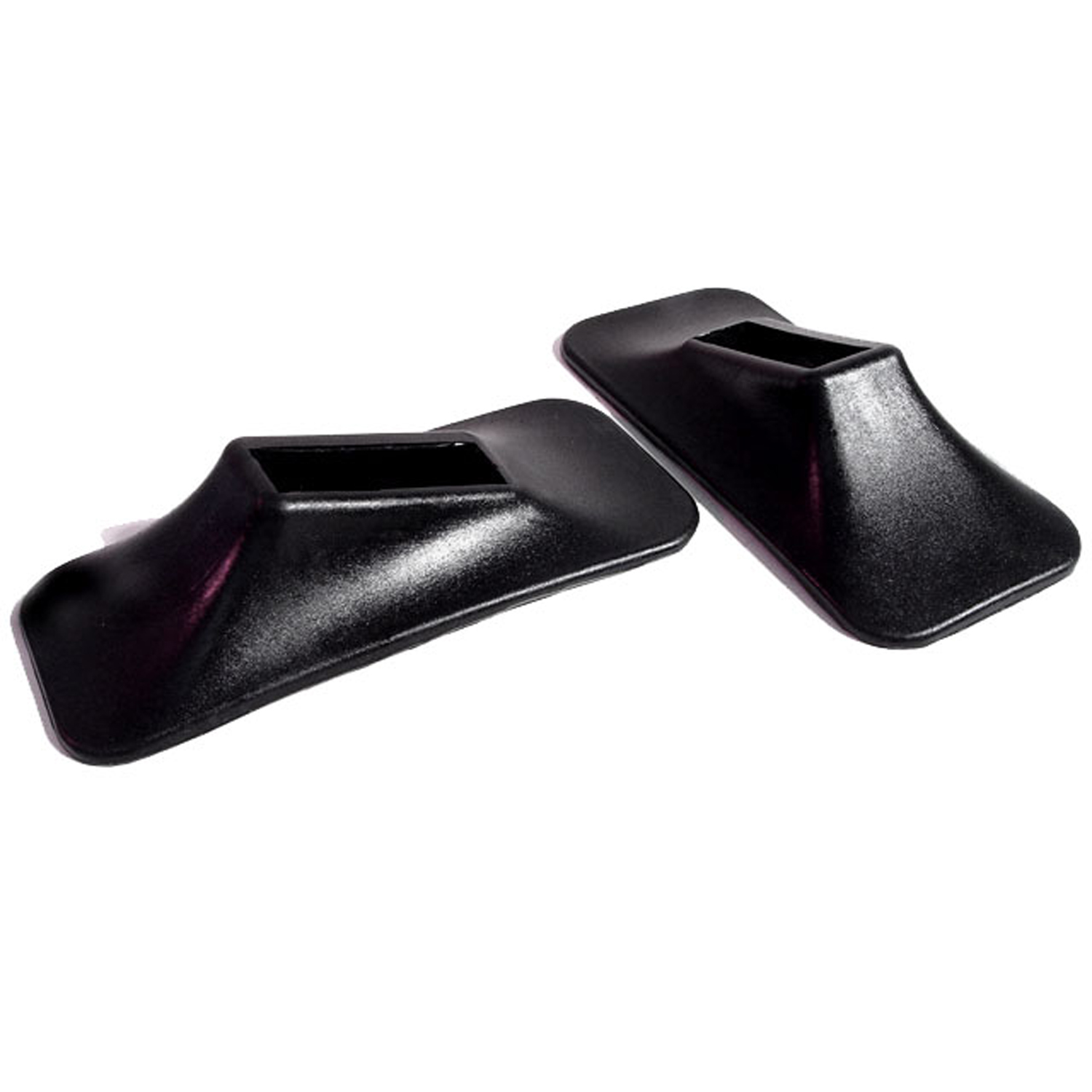 1928 Lincoln Model L Front Bumper Arm Grommets-BG 47Front Bumper Arm Grommets. 2" wide X 4-1/2" long, with 1-3/4" long inner slot. Pair
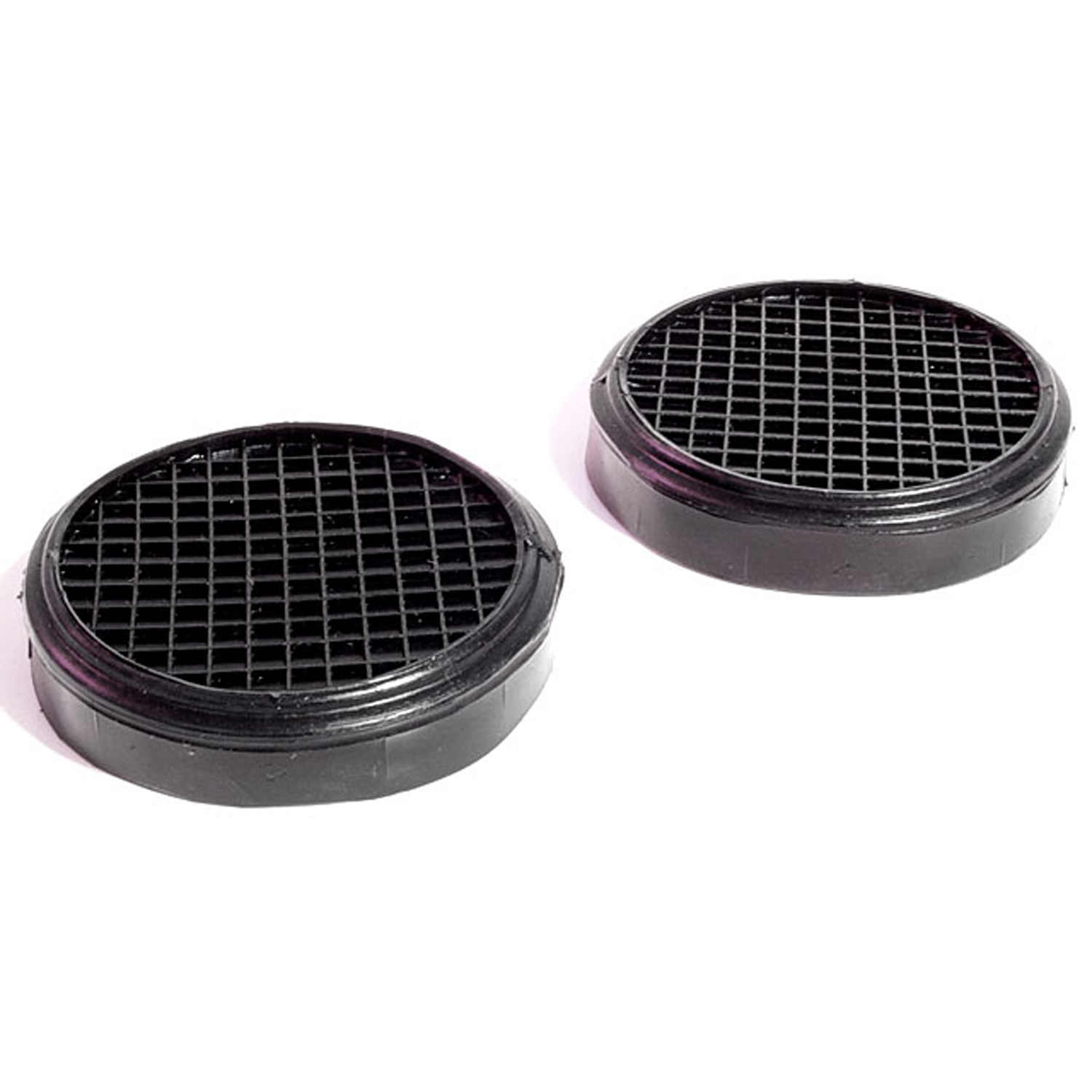 1928 Lincoln Model L Clutch and Brake Pedal Pads. 3-1/2" Diameter. Pair-CB 62Clutch and Brake Pedal Pads. 3-1/2" Diameter. Pair
 1928 Lincoln Model L Swing-Out Windshield Seal-LP 97-CSwing-Out Windshield Seal. For both one- and two-piece windshields. Sold by the foot
Why Choose Metro?
For over 100 years, Metro Moulded Parts has been the pinnacle of quality in classic car restoration parts. Our commitment to precision and authenticity in every component ensures a perfect fit and an OEM-level appearance.
- Expert Craftsmanship & Quality: Each part is a testament to our dedication to reliability and perfection, crafted from original designs and thoroughly tested.
- Advanced Technology: We use cutting-edge techniques to create flawless, long-lasting parts that surpass others in performance.
- SuperSoft Sponge – The Ultimate Door Seal: Not only are our door seals 30% softer than competitors', but they're also guaranteed to never leak. They effectively reduce wind and road noise, enhancing your classic car's comfort and driving experience.
- Proudly American: Our parts are a product of American craftsmanship, made in the USA with a spirit of excellence and heritage.
- Unrivaled Warranty: We back our products with a 30-year industry-leading warranty, a testament to our confidence in their quality.
Join us in preserving the legacy of classic cars with parts that are crafted for perfection, not just made.