

Image of 1933 Lincoln Model Ka, Note: These illustrations use artistic license and may differ from actual historical models.
Performance Metrics
Fundamental Metrics
Emotional Appeal
MMP Rating
| Engine Specifications | |
|---|---|
| Engine: | V12 |
| Displacement: | 448 cu in (7.3 L) |
| Horsepower: | Estimated 150 HP |
| Torque: | Not available |
| Compression Ratio: | Not available |
| Ignition System: | Battery and coil |
| Cooling System: | Water-cooled |
| Performance Specifications | |
| 0-60 Time: | Not available |
| 1/4 Mile Time: | Not available |
| Top Speed: | Estimated 100 mph |
| Transmission and Drive | |
| Drive Type: | Rear-wheel drive |
| Transmission Type: | 3-speed manual |
| Fuel and Efficiency | |
| Fuel System Type: | Carburetor |
| MPG: | Not available |
| Dimensions and Brakes | |
| Brakes: | Mechanical drum brakes |
| Wheelbase: | 136 in (3454 mm) / 145 in (3683 mm) |
| Weight: | 5,300 lbs |
Note: Specifications for classic cars are given to the best of our ability, considering the limited and variant data available.
1933 Lincoln Model KA: The V8 Lincoln with a Custom-Built Soul
The 1933 Lincoln Model KA combined a hand-finished luxury-car presence with a powerful V8, giving buyers a more accessible route into the prestigious Lincoln K-series. Built by the Lincoln Motor Company, then a division of Ford Motor Company, the KA arrived during the Great Depression, when even wealthy customers were thinking carefully about the cost of a new automobile. Its answer was not to abandon the grandeur of the flagship Lincoln, but to offer a slightly more compact alternative to the V12-powered Model KB.
The KA’s importance is easy to miss if it is treated as simply a “smaller K.” It was a substantial, formal luxury car with a long hood, individually tailored bodywork and the kind of craftsmanship associated with coachbuilt automobiles. A notable detail is that its V8 was no ordinary small-car engine: at approximately 414 cubic inches, it was a large, low-revving powerplant designed to move a heavy luxury car with quiet authority.
Lincoln Design in the Depression Era
The Model KA wore the formal proportions that defined early-1930s luxury. Its long hood flowed into a tall, upright radiator, while sweeping front fenders framed large headlamps and a prominent bumper. A split windshield, generous running boards and a rear-mounted spare wheel reinforced its substantial, carefully composed appearance. Depending on the body, the roofline could be close-coupled and elegant or stretch into a chauffeur-friendly limousine profile.
Lincoln’s styling direction was associated with Edsel Ford and designer Eugene T. Gregorie, whose work helped move the company toward cleaner, more integrated forms. The KA was still unmistakably a car of its time, with separate fenders and upright proportions, but its surfaces and details were more coordinated than those of many earlier luxury cars. The result was imposing without looking clumsy.
Inside, the KA offered the materials expected of a high-end automobile: leather upholstery in many open or sporting bodies, broadcloth in some enclosed cars, polished wood trim and carefully finished metal fittings. The cabin was spacious, and its generous seating suited long-distance travel. Depending on the body and specification, buyers could choose a more intimate private-car interior or a roomier arrangement intended for passengers and a chauffeur.
Technology was focused on smoothness, control and comfort rather than novelty. The KA used a large L-head V8, a three-speed manual transmission and four-wheel hydraulic brakes. The brake system was a significant practical feature on a car of this size, although its operation and stopping distances should not be compared with modern power-assisted brakes. The KA was a traditional luxury automobile, but one engineered to deliver its performance with less effort than the immense cars of the previous decade.
Body Styles, Paint and Personalization
The Model KA was available in a range of closed and open configurations. Depending on the catalog year and body supplier, choices included sedans, limousines, coupes, convertible coupes and touring or phaeton-style bodies. Lincoln-built bodies sat alongside work from specialist coachbuilders, whose commissions could give a KA a distinctive roofline, seating layout or trim treatment.
The formal sedan is among the most recognizable versions today, while open phaetons and convertible coupes have particular appeal to collectors who want to experience the car in the open air. Limousines emphasized rear-seat comfort and chauffeur use. As was common in the luxury market, exact body availability could vary, and a car’s coachbuilder and original specification are important parts of its identity.
Paint and trim were similarly personal. Dark blue, maroon, green, black and gray tones suited the KA’s formal character, and two-tone combinations could accent the fenders or body lines. Upholstery, woodwork and exterior colors depended on the body style and order. For that reason, it is more accurate to think of the KA as a car with a broad palette of period choices than as a model with one universally standard color scheme.
Why the Model KA Mattered
In 1933, the American luxury-car business was under severe pressure. The Depression had sharply reduced demand for expensive automobiles, and manufacturers had to make their products more compelling without giving up the prestige that justified their prices. Lincoln’s two-model K-series strategy addressed that challenge: the KA offered a large V8, while the more expensive KB used a V12.
The KA did not introduce a revolutionary new layout or a mass-market manufacturing breakthrough. Its significance was in how Lincoln balanced scale, performance and exclusivity. It retained the K-series’ substantial chassis and custom-body character while giving buyers an alternative to the V12. That approach helped preserve Lincoln’s reputation as a maker of formal, individually specified automobiles during a difficult period for the luxury market.
Its lasting influence is also visible in the relationship between factory design and coachbuilding. Lincoln gave customers a coherent mechanical foundation, while body styles and finishes allowed the finished car to feel personal. That blend of manufacturer engineering and bespoke presentation remains central to the appeal of prewar luxury cars.
V8 Performance and Road Manners
The KA’s approximately 414-cubic-inch side-valve V8 produced around 150 horsepower, according to commonly cited specifications. Exact figures can vary by source and specification. That output, combined with the car’s considerable weight, made the KA a strong highway cruiser for its era rather than a sports car. A well-sorted example is generally estimated to reach roughly 85 to 90 mph, with a 0-to-60-mph time in the neighborhood of 20 to 25 seconds. Those are period-style performance estimates, not modern instrumented test results.
On the road, the engine’s character matters as much as its numbers. The V8 is built for torque and a steady, unhurried delivery. It produces a deep mechanical note that becomes more pronounced under load, but the aim is not a high-revving roar. With the three-speed manual transmission, the driver works through deliberate gear changes and learns to let the engine pull rather than rush it.
The KA’s long wheelbase and substantial mass help it settle over broad, uneven roads. It can feel composed over gentle undulations, but sharp bumps are still transmitted through its period suspension, and modern potholes demand care. On winding roads, the car rewards smooth steering and measured inputs. Its size, weight and comparatively narrow tires mean it is not suited to quick direction changes or hard cornering. The driving experience is best described as commanding and stately, with the driver actively managing the car rather than relying on modern conveniences.
Living with a Model KA
Today, most Model KAs are collector cars, show cars or carefully maintained touring vehicles rather than daily transportation. Their comfortable cabins and steady highway manners make them appealing for club events and vintage-car tours, but their age, size and limited parts availability make routine modern commuting impractical.
Maintenance is manageable for an experienced vintage-car owner, but the KA is not an ideal first restoration project unless the buyer has access to specialist help. Engine work, brake maintenance, electrical troubleshooting and body repairs require knowledge of prewar systems. The mechanical layout is comparatively straightforward, but parts are not always available off the shelf, and coachbuilt body components can be difficult or expensive to reproduce.
Condition and completeness matter enormously. A car with a sound engine, functioning hydraulic brakes, a correctly fitted body and a documented restoration is generally a better prospect than a superficially shiny example with hidden mechanical or structural problems. Before purchase, a specialist inspection should include the frame, body mounts, engine, transmission, brake hydraulics, cooling system and any evidence of poorly executed restoration work.
Details Collectors Love
The KA’s biggest trivia point is its place within the K-series: it paired a large V8 with the scale and formality of a senior luxury car, while the KB stood above it with a V12. That distinction gives the KA a different personality, not merely a lower position on a price list. It offers much of the visual grandeur of the K-series with a less complex engine configuration than the twelve-cylinder model.
There is no single verified celebrity story or famous speed record that defines the 1933 KA. Its appeal is more closely tied to its coachwork, period craftsmanship and rarity. It also belongs to a moment when custom-bodied luxury cars were still a visible part of the American market, even as the Depression was rapidly shrinking that world.
Common criticisms are practical rather than mysterious: the car is heavy, fuel consumption is high by modern standards, braking and steering require more effort than in a contemporary vehicle, and specialized repairs can be costly. Its performance figures can also seem modest until they are understood in the context of a roughly five-thousand-pound luxury automobile built more than 90 years ago.
1933 Lincoln Model KA Values and Rarity
Exact production totals for individual body styles can be difficult to establish because of the range of bodies and coachbuilders. A reasonable working estimate is that roughly 1,000 to 1,500 Model KA chassis were produced for 1933, with the number of surviving cars substantially lower. The KA is uncommon on the market, and especially desirable body styles or well-documented coachbuilt examples may take years to find.
As a broad U.S. market estimate, a usable driver-quality sedan might fall around $40,000 to $100,000. A high-quality restoration, an unusual open body or a particularly desirable coachbuilt example could reach approximately $100,000 to $250,000 or more. Exceptional cars can exceed those ranges, while projects needing extensive mechanical or body work may sell for considerably less. These are general estimates, not appraisals, and actual results depend on condition, provenance, originality and body style.
Values have been selective rather than uniformly rising. Fine, rare and correctly restored cars remain attractive to established collectors, but the market for prewar automobiles is narrower than the market for many postwar classics. The best examples tend to hold interest, while cars with incomplete histories or costly restoration needs can be difficult to sell. For a KA, quality and documentation are often more important than a simple claim of rarity.
A Lasting Lincoln Statement
The 1933 Lincoln Model KA brought together a large V8, substantial road manners and the individual character of early-1930s luxury coachwork. It was created at a time when the market for expensive cars was contracting, yet Lincoln continued to build automobiles with presence, craftsmanship and a clear sense of occasion.
More than a handsome survivor from the Depression era, the KA is a reminder of when a luxury car could be both a carefully engineered machine and a personal commission. Its long hood, quiet strength and bespoke spirit still make it unmistakably Lincoln.
1933 Lincoln Model Ka Catalog of Parts
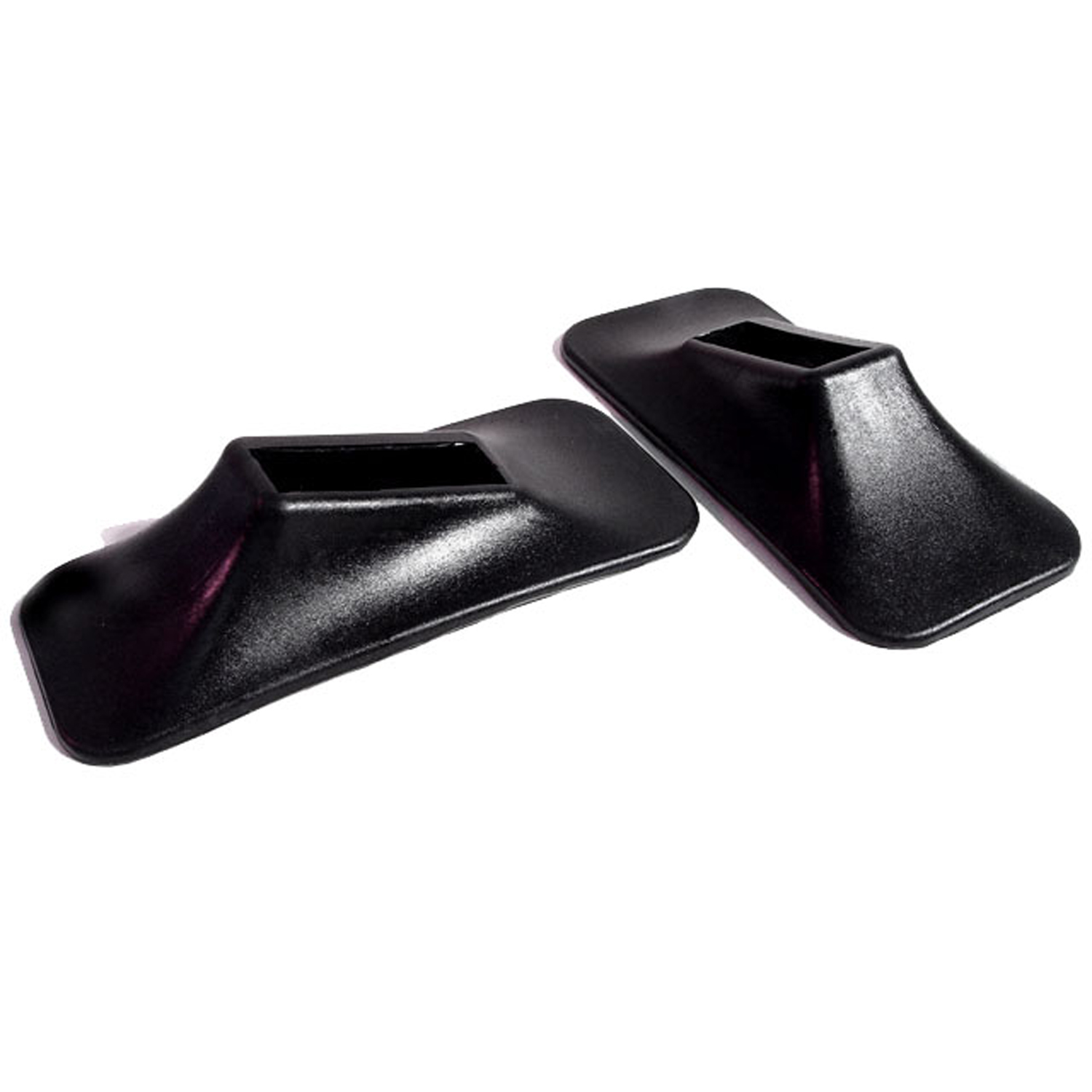 1933 Lincoln Model KA Front Bumper Arm Grommets-BG 47Front Bumper Arm Grommets. 2" wide X 4-1/2" long, with 1-3/4" long inner slot. Pair
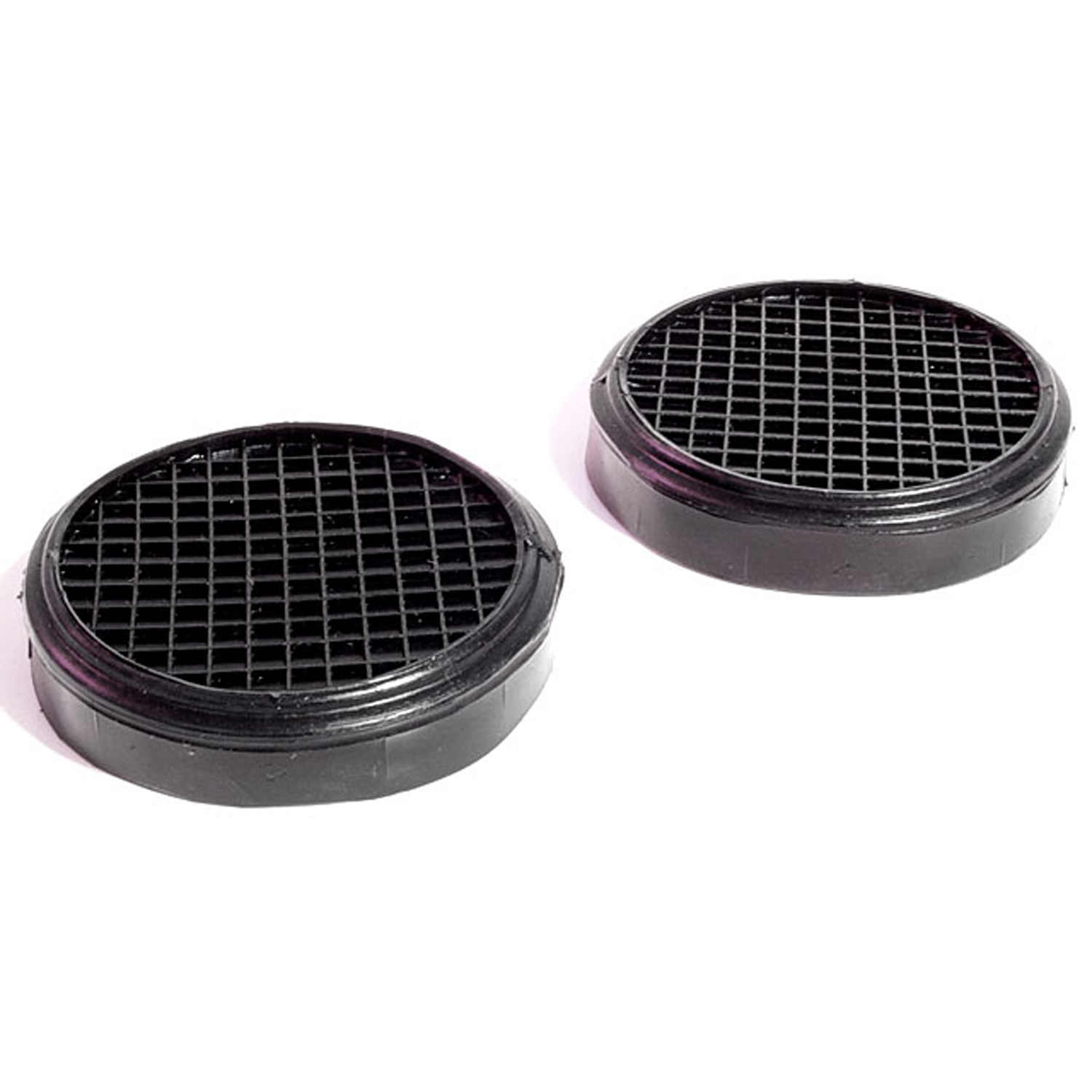 1933 Lincoln Model KA Clutch and Brake Pedal Pads. 3-1/2" Diameter. Pair-CB 62Clutch and Brake Pedal Pads. 3-1/2" Diameter. Pair
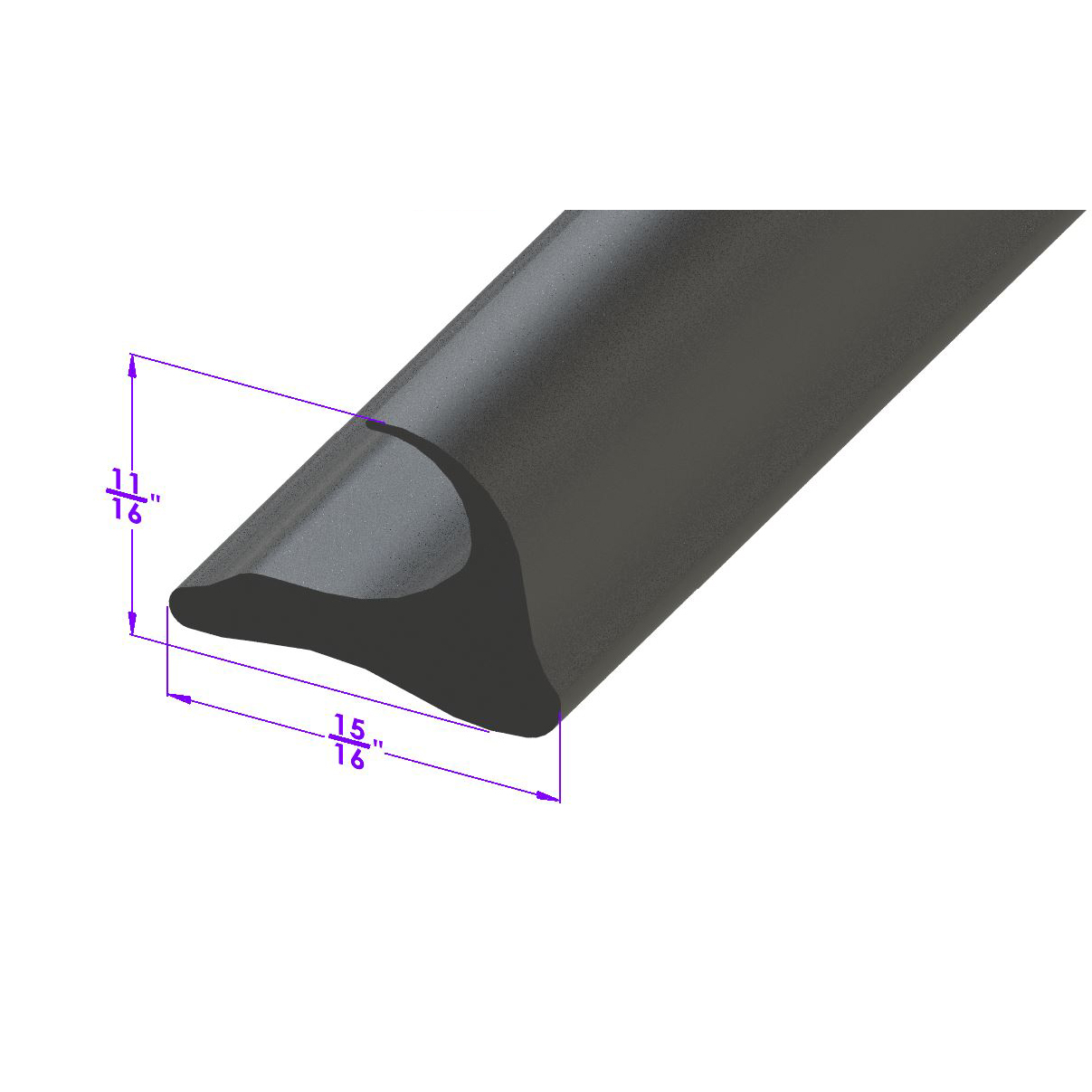 1933 Lincoln Model KA Side Roof Rail Seal. Fits in metal retainer-LP 12-ASide Roof Rail Seal. Fits in metal retainer. Sold by the foot
 1933 Lincoln Model KA Door Handle Pads. 1-1/2" wide X 2-1/4" long-MP 556Door Handle Pads. 1-1/2" wide X 2-1/4" long. Pair (Buick: no locking type)
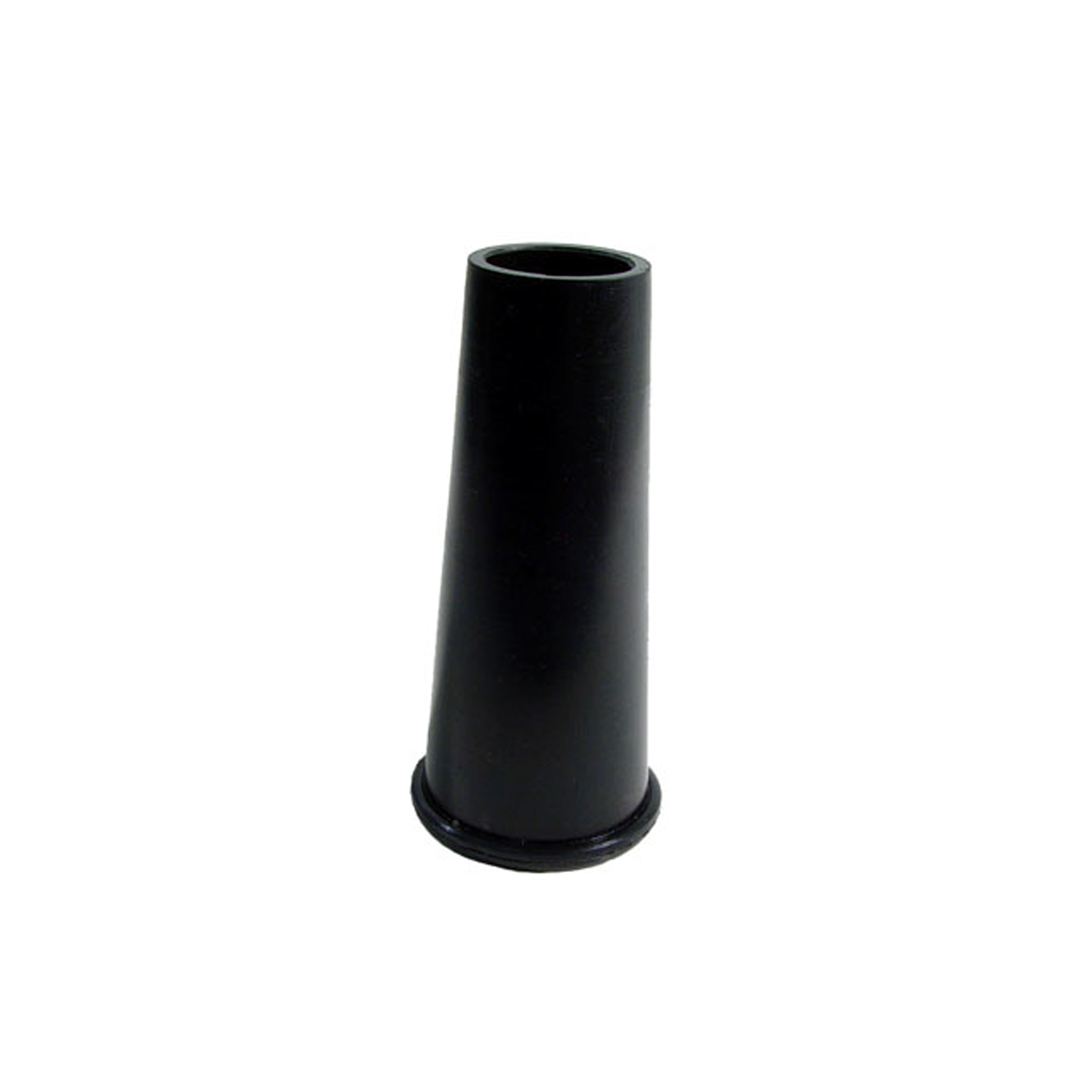 1933 Lincoln Model KA Distributor Ignition Boot. 3-1/8", 1-1/4" O.D., 3/4" I.D-SM 65-DDistributor Ignition Boot. 3-1/8", 1-1/4" O.D., 3/4" I.D. Each
Why Choose Metro?
For over 100 years, Metro Moulded Parts has been the pinnacle of quality in classic car restoration parts. Our commitment to precision and authenticity in every component ensures a perfect fit and an OEM-level appearance.
- Expert Craftsmanship & Quality: Each part is a testament to our dedication to reliability and perfection, crafted from original designs and thoroughly tested.
- Advanced Technology: We use cutting-edge techniques to create flawless, long-lasting parts that surpass others in performance.
- SuperSoft Sponge – The Ultimate Door Seal: Not only are our door seals 30% softer than competitors', but they're also guaranteed to never leak. They effectively reduce wind and road noise, enhancing your classic car's comfort and driving experience.
- Proudly American: Our parts are a product of American craftsmanship, made in the USA with a spirit of excellence and heritage.
- Unrivaled Warranty: We back our products with a 30-year industry-leading warranty, a testament to our confidence in their quality.
Join us in preserving the legacy of classic cars with parts that are crafted for perfection, not just made.