

Image of 1933 Lincoln Model Kb, Note: These illustrations use artistic license and may differ from actual historical models.
Performance Metrics
Fundamental Metrics
Emotional Appeal
MMP Rating
| Engine Specifications | |
|---|---|
| Engine: | V12 |
| Displacement: | 448 cu in (7.3 L) |
| Horsepower: | 150 HP |
| Torque: | Not available |
| Compression Ratio: | Not available |
| Ignition System: | Battery and coil |
| Cooling System: | Liquid-cooled |
| Performance Specifications | |
| 0-60 Time: | Not available |
| 1/4 Mile Time: | Not available |
| Top Speed: | 100 mph |
| Transmission and Drive | |
| Drive Type: | Rear-wheel drive |
| Transmission Type: | 3-speed manual |
| Fuel and Efficiency | |
| Fuel System Type: | Carburetor |
| MPG: | Not available |
| Dimensions and Brakes | |
| Brakes: | Mechanical drum brakes |
| Wheelbase: | 145 in (3,683 mm) |
| Weight: | 5,300 lbs |
Note: Specifications for classic cars are given to the best of our ability, considering the limited and variant data available.
1933 Lincoln Model KB: A V12 Built for the Grand Tour
The 1933 Lincoln Model KB made luxury feel effortless: beneath its long hood sat a 448-cubic-inch V12, while its sweeping bodywork could be tailored to look like anything from a sporting roadster to a chauffeured limousine. Built by the Lincoln Motor Company, then part of Ford Motor Company, the KB represented the top tier of American motoring during the Great Depression, when few buyers could afford a car of such scale and craftsmanship.
Lincoln had introduced its K-series in 1931 as a flagship line for customers who expected exceptional power, refinement, and custom coachwork. For 1933, the range included the KB, with its V12, and the less powerful KA, which used a V8. One striking detail: the KB’s engine displaced nearly 7.4 liters, yet its purpose was not to chase racing glory. It was designed to move a very substantial luxury automobile with quiet, composed authority.
Long Hood, Custom Coachwork
The Model KB’s proportions announced its status before the engine was even started. A long hood, upright radiator, prominent headlamps, sweeping fenders, and running boards gave the car a formal, confident stance. Depending on the body, the rear could be sharply tailored or flow into a rounded tail. Large wheels and generous side panels emphasized the car’s length, while chrome details added polish without disguising its imposing scale.
Lincoln supplied chassis that could be fitted with factory bodies or coachwork from specialist builders. Available styles included sedans, coupes, convertibles, roadsters, phaetons, town cars, and limousines. Coachbuilders such as LeBaron, Dietrich, Brunn, Judkins, and Willoughby gave buyers a remarkable degree of choice. Open Dietrich-bodied roadsters and phaetons are among the most visually memorable, while formal town cars and limousines best expressed the KB’s chauffeur-driven side.
Inside, the specification depended on the body and customer. Owners could expect carefully finished leather or wool broadcloth upholstery, quality carpeting, polished wood trim, and substantial metal fittings. Limousines and other chauffeur-oriented bodies might include a glass division between passenger and driver, rear-compartment appointments, and controls arranged for the person at the wheel. These were hand-finished luxury cars, not mass-produced cabins with a single fixed trim package.
Paint choices also varied with the order. Deep, conservative colors such as black, dark blue, burgundy, and green suited the KB’s formal character, while two-tone schemes could emphasize the separation between body and fenders. Coachbuilt examples might have distinctive custom finishes. There was no single “correct” color for every KB, which is part of the appeal when comparing surviving cars.
Technology Behind the V12
The KB’s headline feature was its 448.2-cubic-inch L-head V12, rated at approximately 150 horsepower. It used a three-speed manual transmission and was engineered to deliver smooth, flexible power rather than a sharp, high-revving response. In an era when many luxury rivals relied on large straight-eight engines, Lincoln’s twelve-cylinder layout gave the KB a distinctive blend of power and refinement.
Its equipment was sophisticated for its time, but the experience remained hands-on by modern standards. The driver operated a conventional gear lever and had to account for the car’s size, weight, and mechanical character. Four-wheel brakes and suspension designed for comfort helped make the KB manageable, but it was still a substantial prewar automobile, not a modern car with power steering, anti-lock brakes, or electronic driver aids.
A Depression-Era Flagship
The Model KB arrived in a difficult market. The Depression had sharply reduced demand for costly automobiles, yet Lincoln continued to build a car aimed at buyers for whom exclusivity and custom design mattered. The KB competed in a rarefied class that included Cadillac’s V12 and V16 models and Packard’s senior cars. What set it apart was the combination of a powerful V12, Lincoln’s restrained engineering approach, and the freedom to specify highly individual coachwork.
Its importance is not that it reinvented the automobile in one stroke. Rather, the KB stands as a high point of the American custom-carriage tradition, when a luxury chassis could become a personal commission. It also helped establish the V12 as a defining Lincoln feature. The marque continued using V12 power in later decades, including in the Lincoln-Zephyr and postwar Lincoln models.
That bespoke approach has left a lasting mark on how collectors think about luxury cars. A Model KB is not simply identified by its mechanical specification; the coachbuilder, body style, proportions, and surviving details all shape its character and value. Two KBs can share an engine and chassis family yet look strikingly different.
Performance and Road Manners
Exact performance depended on body style, gearing, condition, and load. A sound KB could reach roughly 90 to 100 mph, with lighter or more streamlined examples having the advantage. A reasonable period-car estimate for 0 to 60 mph is around 20 to 25 seconds. These figures are approximate, not a guarantee for every surviving car, and they should be understood in the context of a heavy luxury automobile built more than 90 years ago.
The V12’s main impression is its steady, cultivated delivery. Rather than urging the driver to rev it hard, the engine supplies a broad reserve of torque that suits relaxed cruising. From the cabin, the sound is typically a deep mechanical murmur, accompanied by the subdued noises of a large prewar drivetrain. A well-maintained example should feel powerful and composed, not frantic.
On a smooth road, the KB’s long wheelbase and substantial mass help it settle into a stately pace. Over rough surfaces, the suspension takes the edge off bumps, though modern drivers may notice body movement and a less controlled feel than in a contemporary car. On winding roads, its size and weight call for patience. Steering and braking require more effort and anticipation than most drivers are accustomed to, and a narrow road can make the car feel every bit as large as it looks.
Living With a Model KB
Today, the KB is most often used for concours events, carefully planned tours, private collections, and special occasions. It is rarely a sensible daily driver. Its scale, age, fuel consumption, and need for specialist maintenance make regular commuting impractical, while its historical and financial value encourage owners to use it thoughtfully.
Maintenance is a commitment. The V12 has more components than a typical straight-eight, and correct parts can be difficult to find. Cooling-system condition, ignition setup, lubrication, brakes, and the fuel system all deserve close attention. The coachwork and interior also require preservation skills that may not be available at an ordinary repair shop. Routine work is approachable for an experienced enthusiast, but major engine or restoration tasks usually call for a mechanic familiar with prewar Lincolns.
Reliability is closely tied to upkeep. A properly restored and regularly serviced KB can tour reliably, but a neglected example may need extensive work before it is safe to drive. Buyers should prioritize a thorough inspection, documentation, and evidence of recent mechanical service over a shiny paint job alone. Originality matters, but so do sound brakes, stable cooling, and a healthy engine.
Rare Facts and Common Misconceptions
The KB’s V12 was not a one-year curiosity. Lincoln continued its twelve-cylinder tradition after the K-series, making the 1933 car part of a broader chapter in the company’s history. Another useful distinction for buyers is that “Model K” can refer to the overall family, while “KB” identifies the V12-equipped version. The KA was a separate, V8-powered model.
There is no single famous 1933 KB that defines the model in popular memory in the way later presidential Lincolns do. The well-known “Sunshine Special,” for example, was a 1939 Lincoln, not a 1933 Model KB. The KB’s significance is better understood through its engineering and coachbuilt variety than through one celebrity association or record-setting event.
Common criticisms are practical ones: the car is large, thirsty, demanding to maneuver, and expensive to maintain. Its brakes and steering feel old-fashioned beside modern machinery, and the V12’s complexity can make restoration costly. Those drawbacks are part of the ownership calculation, not hidden flaws in what the KB set out to be: a refined, custom-built luxury car for its era.
Collector Values and Rarity
Production figures are not always presented consistently by body style and model, so any total should be treated as an estimate. A commonly cited figure for all 1933 Lincoln K-series cars is around 1,100. The KB was only a portion of that total, likely numbering in the several hundreds. Individual coachbuilt body styles can be far scarcer than the overall model figure suggests, and a documented example with unusual coachwork may be exceptionally difficult to replace.
As a broad 2026 market guide, a project or incomplete car might fall around $75,000 to $150,000, while a sound driver-quality example could bring roughly $150,000 to $300,000. High-quality restorations and especially desirable coachbuilt cars may range from $300,000 to $700,000 or more. Exceptional, rare-bodied examples can exceed that range, while condition, provenance, originality, and restoration quality can move prices substantially in either direction. These are estimates, not appraisals.
The market for prewar luxury cars has become increasingly selective. The best documented and most distinctive KBs remain desirable, but a costly restoration does not automatically translate into an equal increase in resale value. In nominal dollars, standout examples have generally held interest and can appreciate, while ordinary or compromised cars may trade more slowly. For a prospective owner, buying the right car is usually more important than trying to time the market.
Why the 1933 Lincoln KB Still Matters
The 1933 Lincoln Model KB combines a smooth 448-cubic-inch V12, imposing prewar proportions, and a level of body-style choice that made each car feel personal. It was built for a small audience during an economic crisis, yet it captures the confidence and craftsmanship of American flagship motoring at its most ambitious.
More than a surviving luxury car, the KB is a reminder of a time when the chassis, engine, and coachbuilder could come together as a single custom commission. Its scale may belong to another era, but its presence remains unmistakable whenever that twelve-cylinder Lincoln rolls into view.
1933 Lincoln Model Kb Catalog of Parts
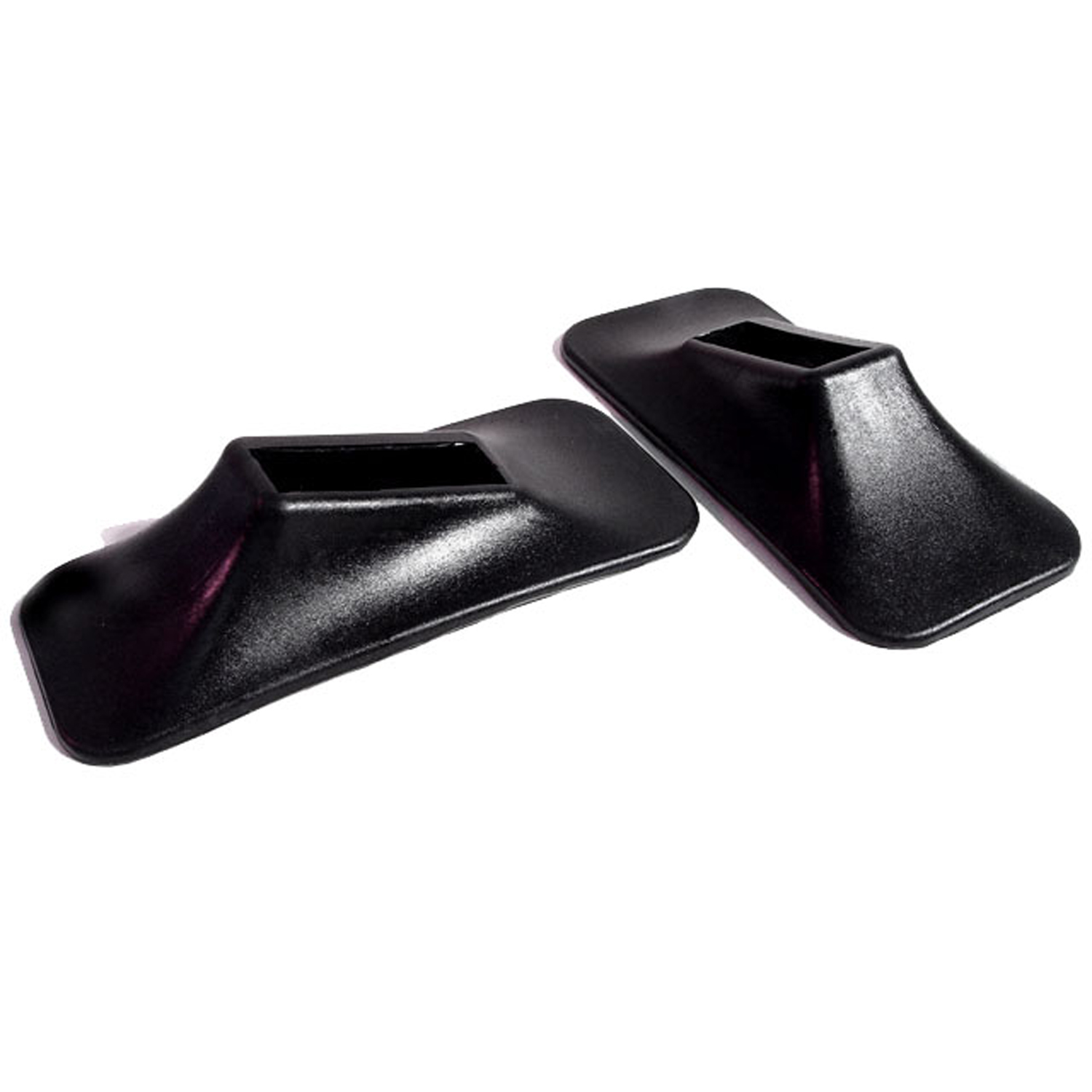 1933 Lincoln Model KB Front Bumper Arm Grommets-BG 47Front Bumper Arm Grommets. 2" wide X 4-1/2" long, with 1-3/4" long inner slot. Pair
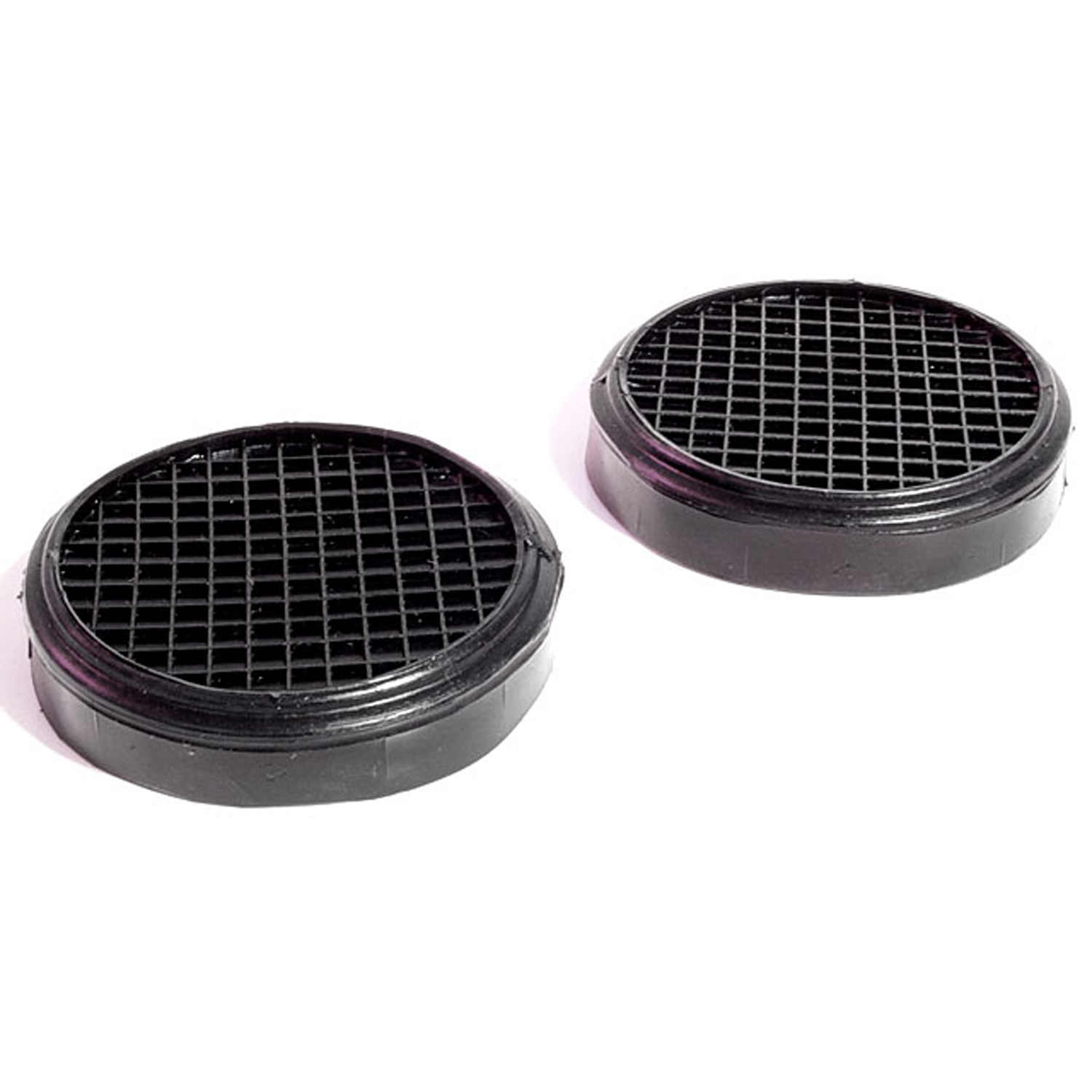 1933 Lincoln Model KB Clutch and Brake Pedal Pads. 3-1/2" Diameter. Pair-CB 62Clutch and Brake Pedal Pads. 3-1/2" Diameter. Pair
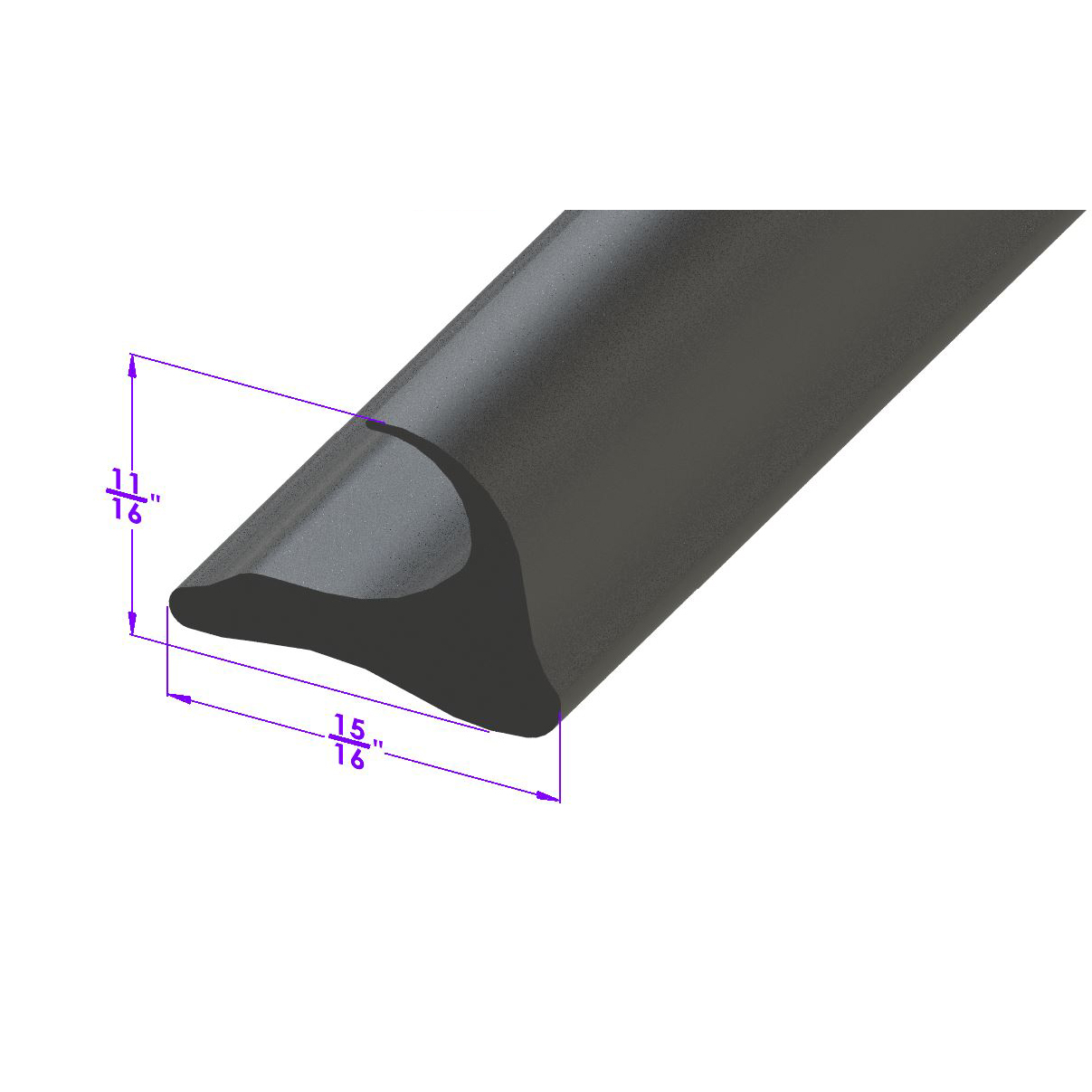 1933 Lincoln Model KB Side Roof Rail Seal. Fits in metal retainer-LP 12-ASide Roof Rail Seal. Fits in metal retainer. Sold by the foot
 1933 Lincoln Model KB Door Handle Pads. 1-1/2" wide X 2-1/4" long-MP 556Door Handle Pads. 1-1/2" wide X 2-1/4" long. Pair (Buick: no locking type)
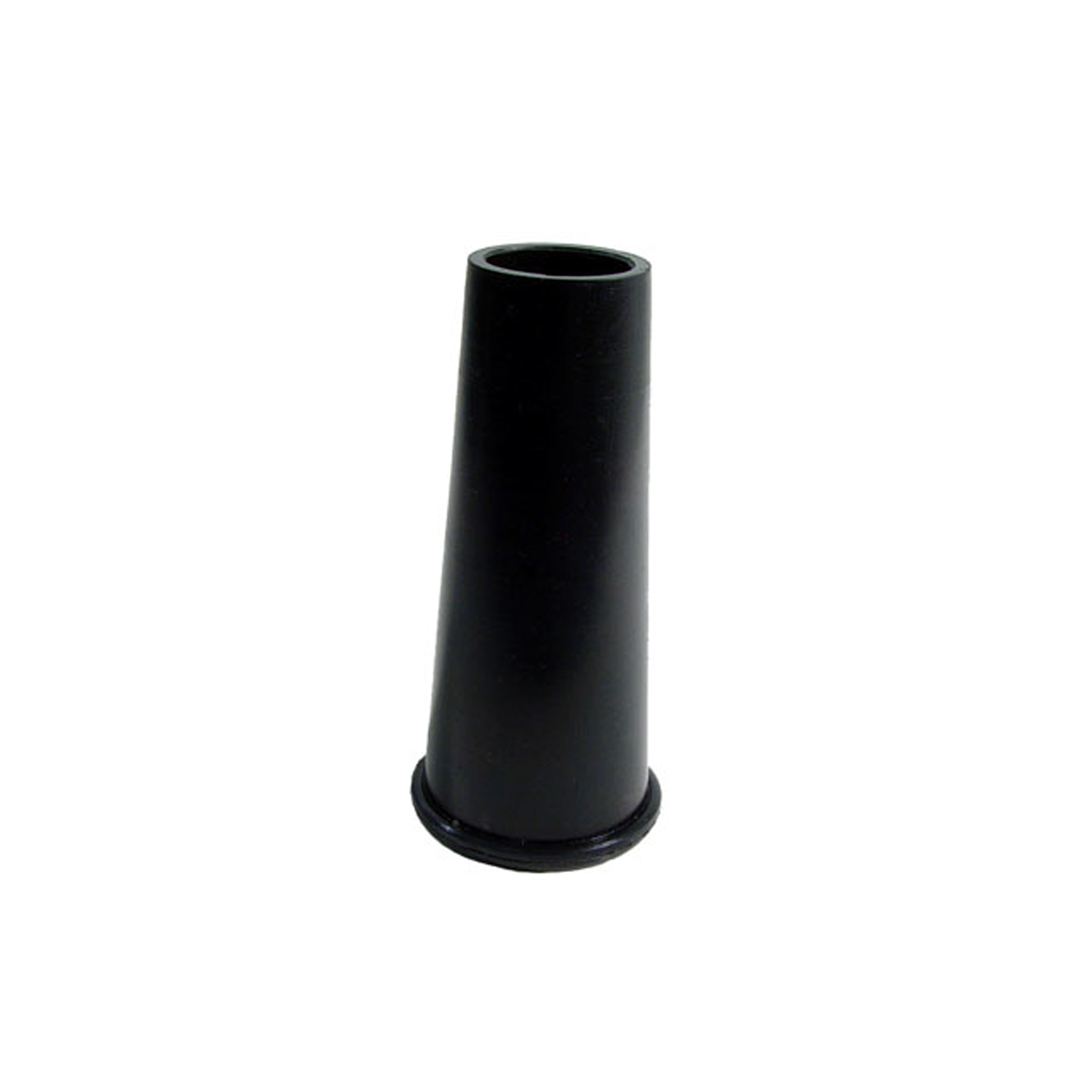 1933 Lincoln Model KB Distributor Ignition Boot. 3-1/8", 1-1/4" O.D., 3/4" I.D-SM 65-DDistributor Ignition Boot. 3-1/8", 1-1/4" O.D., 3/4" I.D. Each
Why Choose Metro?
For over 100 years, Metro Moulded Parts has been the pinnacle of quality in classic car restoration parts. Our commitment to precision and authenticity in every component ensures a perfect fit and an OEM-level appearance.
- Expert Craftsmanship & Quality: Each part is a testament to our dedication to reliability and perfection, crafted from original designs and thoroughly tested.
- Advanced Technology: We use cutting-edge techniques to create flawless, long-lasting parts that surpass others in performance.
- SuperSoft Sponge – The Ultimate Door Seal: Not only are our door seals 30% softer than competitors', but they're also guaranteed to never leak. They effectively reduce wind and road noise, enhancing your classic car's comfort and driving experience.
- Proudly American: Our parts are a product of American craftsmanship, made in the USA with a spirit of excellence and heritage.
- Unrivaled Warranty: We back our products with a 30-year industry-leading warranty, a testament to our confidence in their quality.
Join us in preserving the legacy of classic cars with parts that are crafted for perfection, not just made.