

Image of 1937 Lincoln Model K, Note: These illustrations use artistic license and may differ from actual historical models.
Performance Metrics
Fundamental Metrics
Emotional Appeal
MMP Rating
| Engine Specifications | |
|---|---|
| Engine: | V12 |
| Displacement: | 414 cubic inches |
| Horsepower: | Estimated 150 HP |
| Torque: | Not available |
| Compression Ratio: | Not available |
| Ignition System: | Distributor and coil |
| Cooling System: | Liquid-cooled |
| Performance Specifications | |
| 0-60 Time: | Not available |
| 1/4 Mile Time: | Not available |
| Top Speed: | Estimated 100 mph |
| Transmission and Drive | |
| Drive Type: | Rear-wheel drive |
| Transmission Type: | 3-speed manual |
| Fuel and Efficiency | |
| Fuel System Type: | Carburetor |
| MPG: | Not available |
| Dimensions and Brakes | |
| Brakes: | Mechanical drum brakes |
| Wheelbase: | 136 inches |
| Weight: | Estimated 5,300 lbs |
Note: Specifications for classic cars are given to the best of our ability, considering the limited and variant data available.
1937 Lincoln Model K: America’s Hand-Built Luxury Flagship
The 1937 Lincoln Model K was built for buyers who wanted more than transportation: it was a rolling statement of wealth, taste, and engineering ambition. Produced by the Lincoln Motor Company, then a Ford Motor Company division, the K sat at the top of Lincoln’s range as a prestigious, low-volume alternative to the finest luxury cars from Cadillac, Packard, and Europe.
Lincoln’s roots went back to 1917, when engineer Henry Leland founded the company to build aircraft engines during World War I. Ford acquired Lincoln in 1922, and Henry Ford’s son, Edsel, helped shape its identity as a maker of refined automobiles. By 1937, the Model K represented Lincoln’s grandest prewar tradition: powerful V12 engineering paired with bodies that could be ordered in a range of formal and custom styles.
One detail that helps put the K’s place in history in perspective is that the Model K name covered a decade of changing cars, not just one design. The 1937 version was part of the series’ later development, while a subsequent Model K became famous as the basis for President Franklin D. Roosevelt’s 1939 “Sunshine Special.” That later presidential car was not a 1937 model, but it underlines the prestige attached to the K name.
Formal Styling and Coachbuilt Craft
The 1937 Model K had the unmistakable proportions of a classic luxury automobile: a long hood, upright radiator grille, sweeping fenders, separate headlamps, running boards, and a passenger cabin set well behind the engine. Its formal silhouette looked imposing without relying on flashy decoration. The front end and tall grille gave the car a dignified presence, while details such as bright trim, wheel covers, and hood ornaments varied with the body and specification.
Inside, the Model K aimed for comfort and craftsmanship rather than sporty minimalism. Depending on the body, buyers could find fine leather or broadcloth upholstery, polished wood trim, deep carpeting, and carefully finished metal fittings. Limousine and town-car versions could include a glass partition between the driver and rear passengers, along with amenities intended to make the back seat a private, comfortable place to travel. Exact materials and equipment varied because many cars were supplied with specialized coachwork.
The Model K was offered in a variety of body styles, including sedans, limousines, coupes, and open touring or convertible forms. Some were factory-associated designs, while others reflected the work of coachbuilders and custom body makers. The formal limousine is among the most iconic configurations, thanks to its long, stately profile and chauffeur-driven character. Buyers could also specify different interior layouts and equipment, so two Model Ks might look quite different despite sharing the same mechanical foundation.
Paint choices depended on the car’s order and bodywork. Period luxury buyers often favored deep, conservative colors such as black, dark blue, maroon, and green, sometimes combined with contrasting trim or a two-tone finish. There was no single color that defines every 1937 Model K. Original paint records and surviving examples are the best guides to a particular car’s factory specification.
V12 Engineering in the Prewar Era
At the heart of the 1937 Model K was a 414-cubic-inch, or roughly 6.8-liter, L-head V12. Period specifications commonly list output at about 150 horsepower. The engine’s appeal was not simply its power. A twelve-cylinder layout could deliver unusually smooth, quiet operation, an important quality in a car designed for long-distance comfort and prestige.
Power went through a three-speed manual transmission. The Model K also had the substantial chassis, suspension, and braking hardware expected of a large luxury car of its era. Its technology was not about compact packaging or low weight. Instead, Lincoln concentrated on refinement, smooth power delivery, and the ability to carry passengers in a large, well-appointed body.
The Model K did not introduce a single revolutionary feature that transformed the industry. Its significance came from combining a V12 powerplant, extensive body-style choice, and high-grade finish in a relatively exclusive American car. At a time when the Great Depression had sharply reduced demand for expensive automobiles, continuing to build such a flagship was itself a statement of Lincoln’s ambitions.
Road Manners: Smooth, Strong, and Substantial
With roughly 150 horsepower moving a heavy car, the 1937 Model K was designed for effortless progress rather than quick acceleration. Period performance figures are not consistent across body styles, and the weight of a limousine differed considerably from that of a lighter coupe. A reasonable modern estimate for a typical example is a top speed in the neighborhood of 90 to 100 mph, with a 0-to-60-mph time of roughly 18 to 22 seconds. These are estimates, not guaranteed figures for every car.
On a smooth open road, the V12’s character is the main event. It is generally described as a subdued, even exhaust note rather than the sharp bark of a performance engine. The long wheelbase and heavy body help the car settle into a steady cruise, while its size and period suspension make it feel very different from a modern luxury sedan. Over broken pavement, the ride can be comfortable, but worn springs, shocks, tires, or bushings can quickly make an old chassis feel loose or unsettled.
On winding roads, the Model K asks for calm, deliberate driving. Its dimensions, weight, and relatively slow steering response reward a smooth hand rather than rapid inputs. The driver operates a clutch and manual gearshift, and the car’s braking and steering feel reflect the technology of the 1930s. A properly maintained example can be enjoyable on scenic tours, but it is not a modern car with antique styling.
Living With a Lincoln K
Today, a 1937 Model K is most often used for concours events, historic-car tours, special occasions, and private collections. Its size and rarity make it a poor choice for everyday commuting. A limousine can be especially appealing for formal events, while a coupe or open-bodied example may suit an owner who wants a more personal touring car.
Maintenance calls for patience, specialist knowledge, and access to suitable parts. The V12 is a complex, large-displacement engine, and a neglected example can require substantial work to make it dependable. Routine service is manageable for an experienced owner, but major repairs are not generally a casual weekend project for someone accustomed only to modern cars. Cooling, fuel delivery, ignition, brakes, and chassis condition all deserve careful inspection before regular use.
Reliability depends heavily on preservation and restoration quality. A well-sorted Model K can tour reliably at appropriate speeds, but age, limited parts availability, and the cost of specialized repairs make preventive maintenance essential. Prospective buyers should look for documentation, a thorough mechanical inspection, and evidence that the car has been driven and serviced rather than merely polished for display.
Notable Facts and Common Misconceptions
The Model K was a chauffeur-friendly luxury car, but it was not limited to limousines. Its range of body styles allowed Lincoln to serve both formal institutional buyers and private owners seeking a more personal automobile. The later 1939 Model K’s connection to Roosevelt’s Sunshine Special is often mentioned in discussions of the series, though it should not be mistaken for a 1937 car.
The 1937 Model K is not chiefly remembered for a speed record or a racing career. Its achievement was different: it kept the American V12 luxury-car tradition alive during a difficult economic period. A common criticism today is that the car is large, mechanically demanding, and less nimble than later postwar vehicles. Those traits are real, but they are also part of its character. The K was built to travel with presence and composure, not to dart through traffic.
Collector Values and Rarity
Production figures for individual Model K years can vary between references, but a commonly cited estimate for 1937 is around 977 cars. That makes the model rare by ordinary standards, though surviving numbers are lower still and depend on body style, condition, and provenance. Limousines and unusual coachbuilt versions may be harder to find than more conventional enclosed bodies.
Values vary widely. As a broad current-market estimate, a project or incomplete car might fall around $40,000 to $100,000, while a sound driver-quality example could bring roughly $100,000 to $200,000. A high-quality restoration may reach $250,000 to $500,000 or more, with exceptionally rare bodies, outstanding provenance, or concours-level presentation potentially exceeding that range. These are general estimates, not appraisals; restoration history, originality, and body style can shift a car’s value substantially.
Over the long term, the Model K has remained a respected collectible, but its market is specialized. The best examples tend to attract interest from serious prewar-car collectors, while lesser cars can be expensive to restore relative to their eventual sale price. Values are influenced by the broader classic-car market and by the availability of wealthy buyers for large prewar American cars. Condition and documentation matter more than a simple year-and-model label.
A Lasting Lincoln Statement
The 1937 Lincoln Model K brought together a smooth V12, formal styling, rich materials, and a choice of bodies suited to both private owners and chauffeur-driven passengers. It was not a mass-market car or a record-breaking sports machine. Its importance lies in its ambition: Lincoln continued to build a sophisticated American flagship even when the market for such cars was small.
More than a beautifully proportioned prewar automobile, the Model K is a reminder of an era when a luxury car could be tailored to its owner and its purpose. See one glide past today, and its long hood, quiet V12, and unmistakable presence make the point better than any brochure could.
1937 Lincoln Model K Catalog of Parts
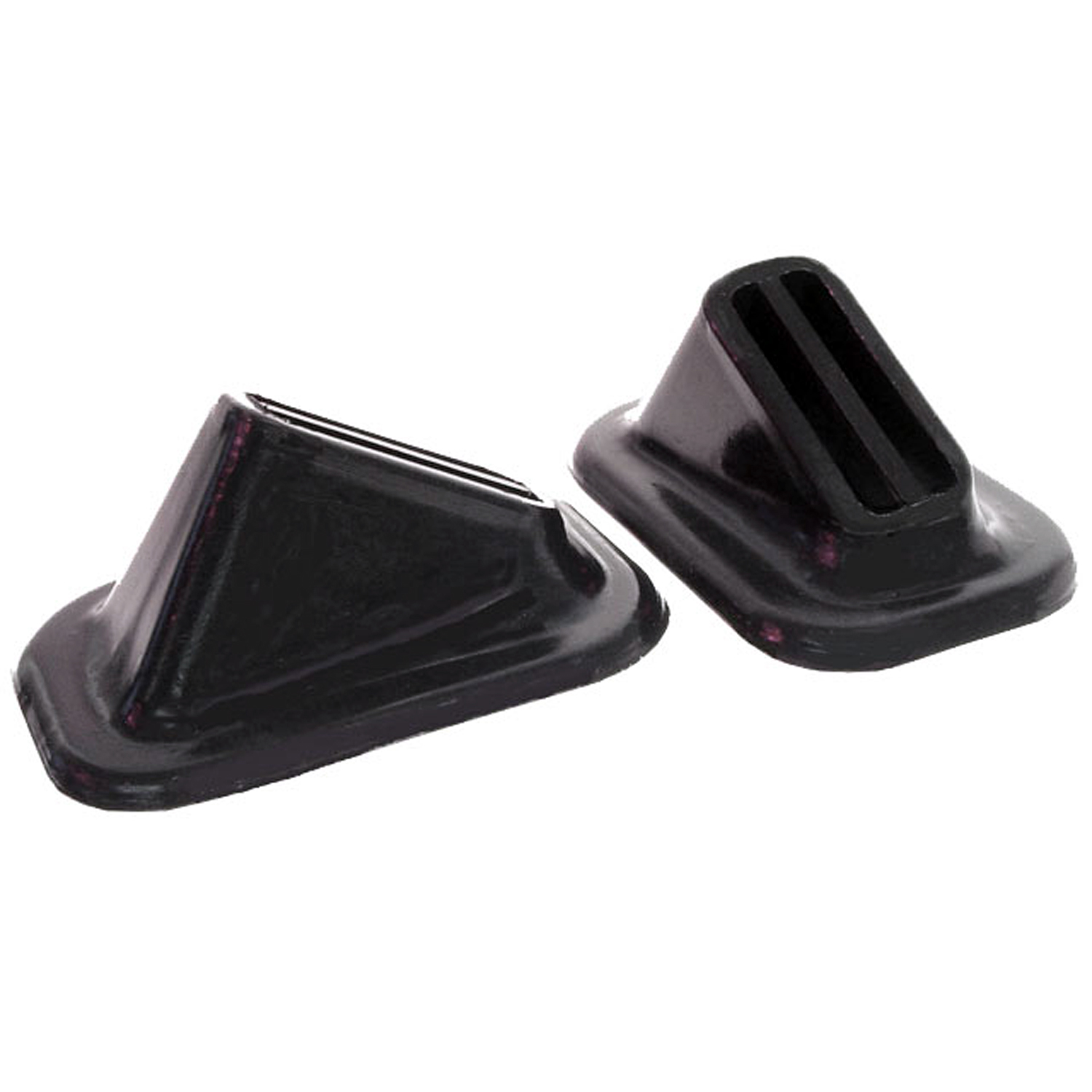 1937 Lincoln Model K Rear Bumper Arm Grommets-BG 112-ARear Bumper Arm Grommets. 3" wide X 4-1/2" long, with 2-1/2" long inner slot. Pair R&L
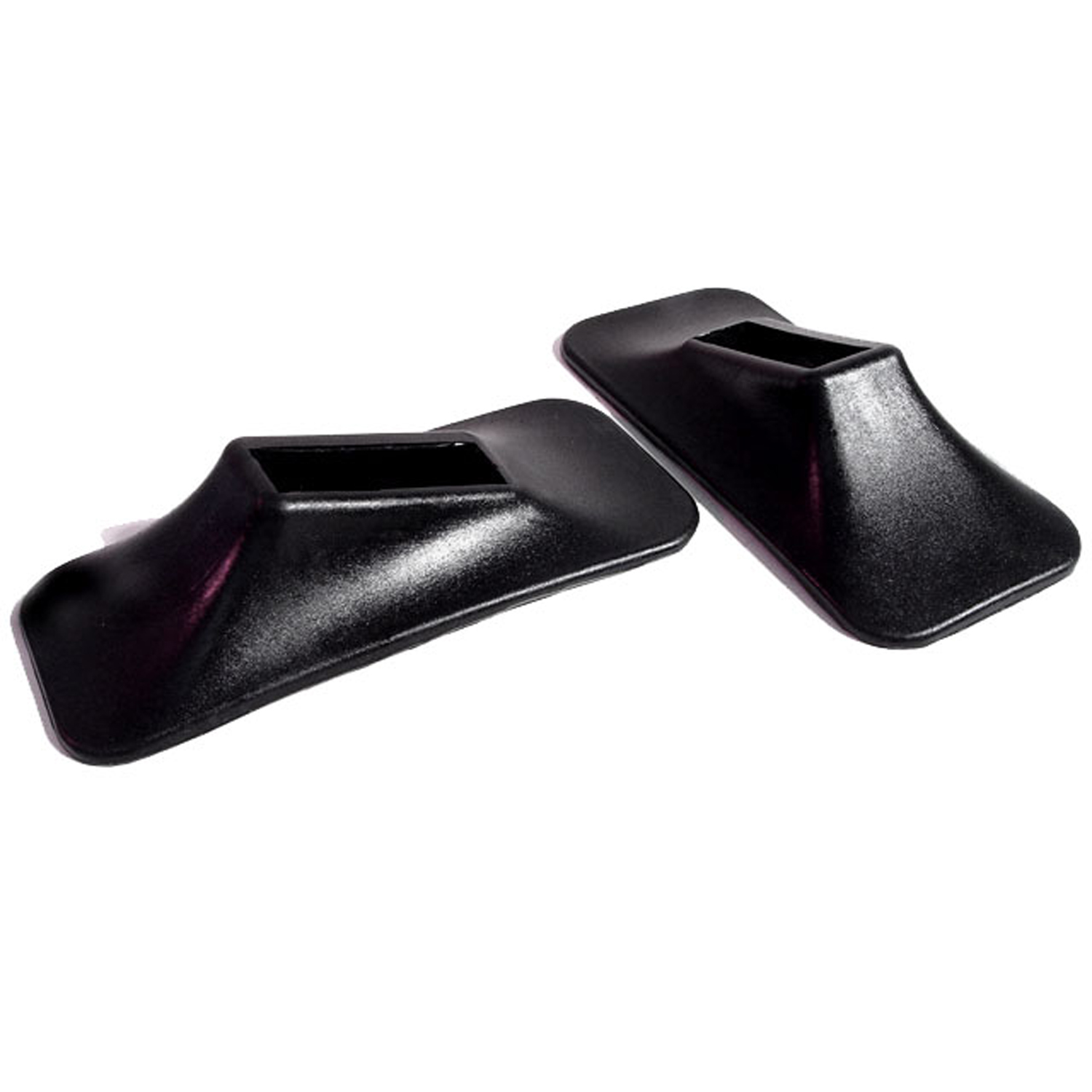 1937 Lincoln Model K Front Bumper Arm Grommets-BG 47Front Bumper Arm Grommets. 2" wide X 4-1/2" long, with 1-3/4" long inner slot. Pair
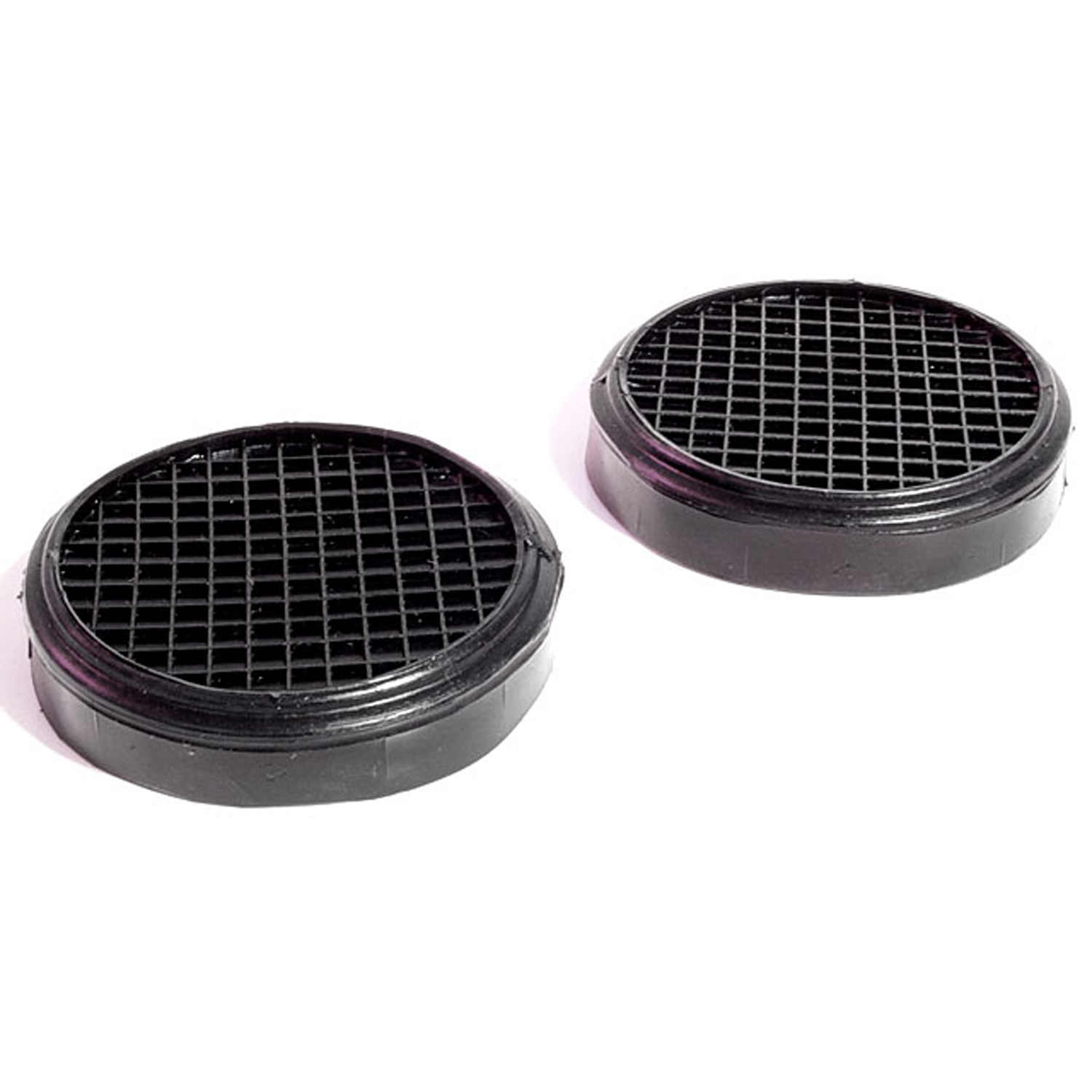 1937 Lincoln Model K Clutch and Brake Pedal Pads. 3-1/2" Diameter. Pair-CB 62Clutch and Brake Pedal Pads. 3-1/2" Diameter. Pair
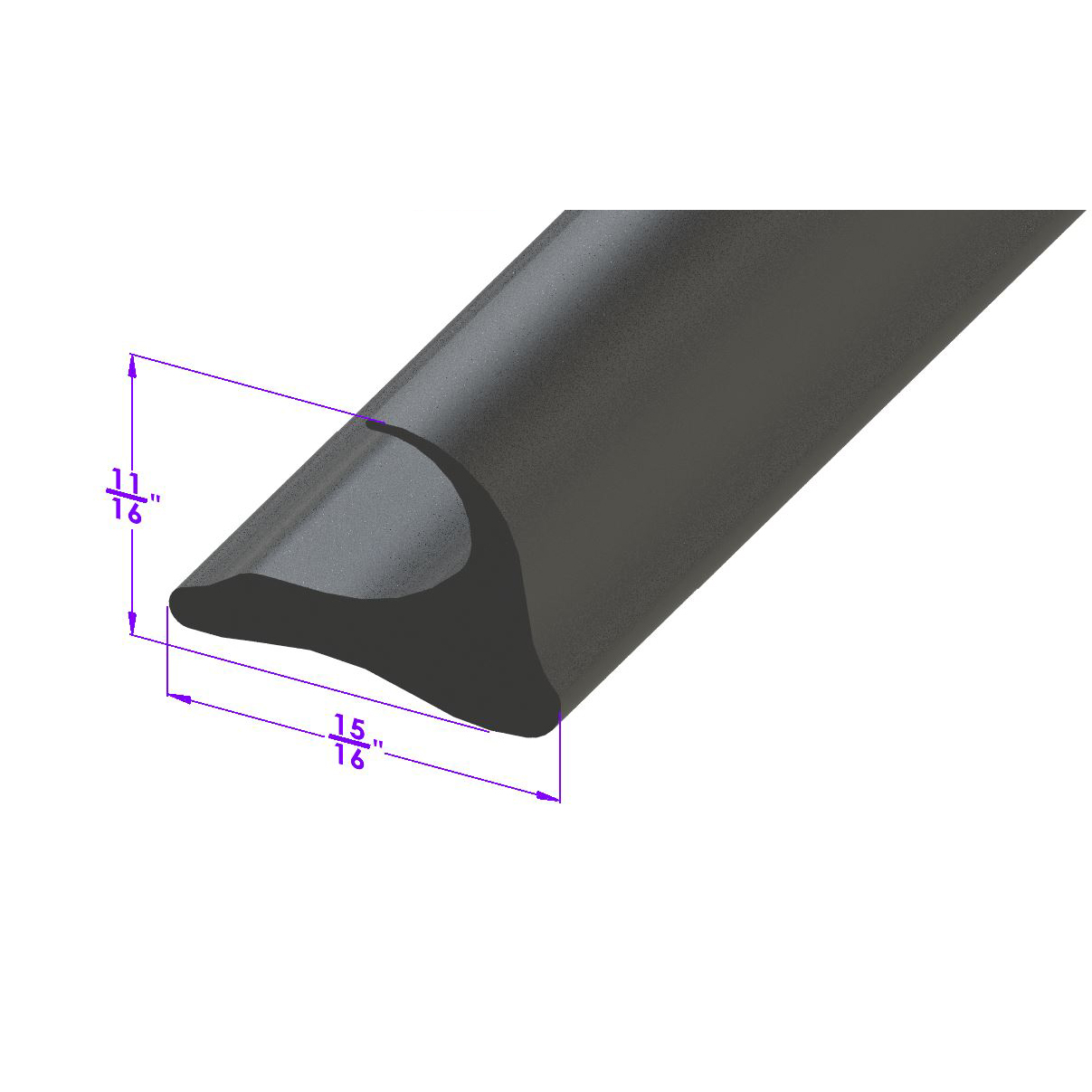 1937 Lincoln Model K Side Roof Rail Seal. Fits in metal retainer-LP 12-ASide Roof Rail Seal. Fits in metal retainer. Sold by the foot
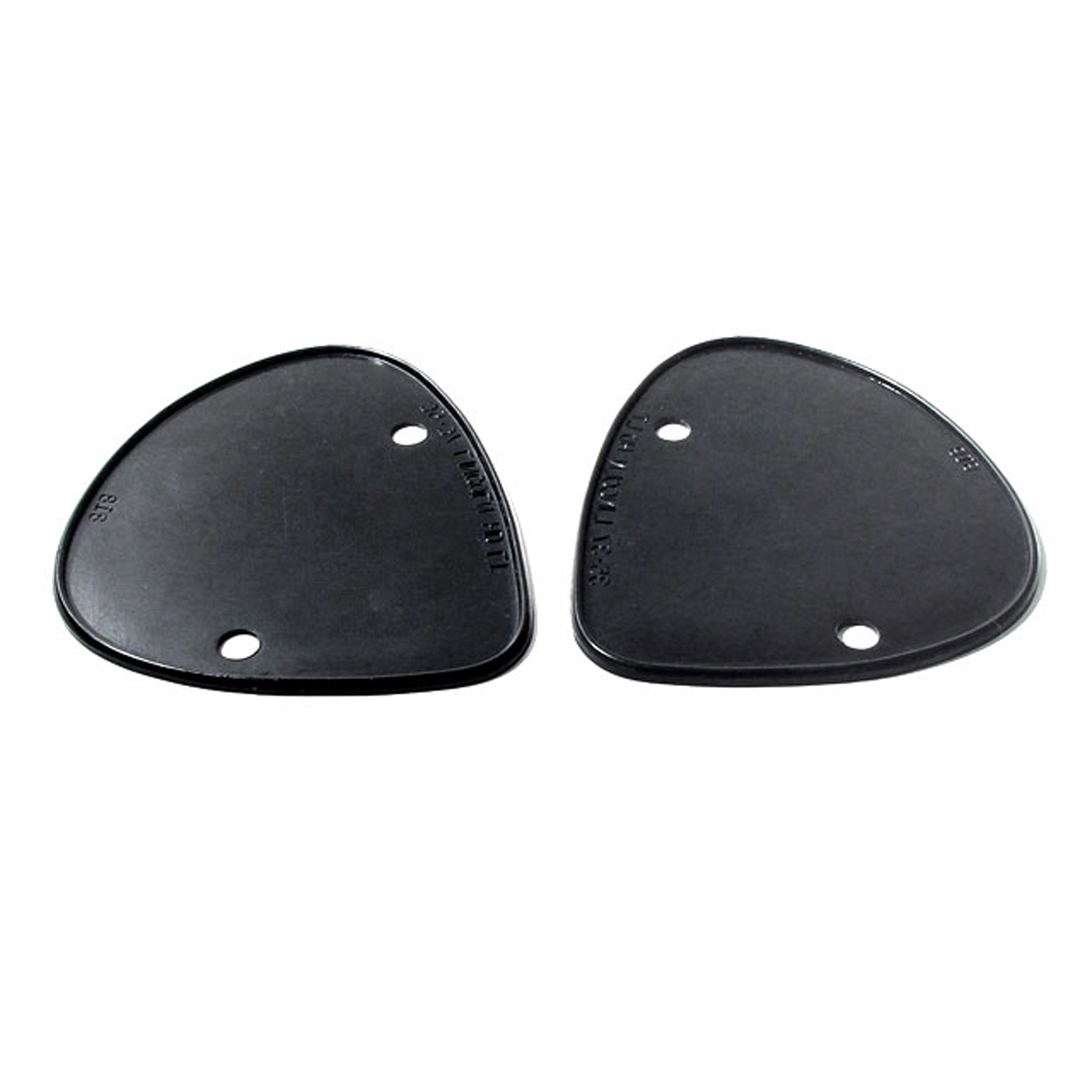 1937 Lincoln Model K Headlight Pads. 5-1/8" wide X 6-1/8" long. Pair-MP 818Headlight Pads. 5-1/8" wide X 6-1/8" long. Pair
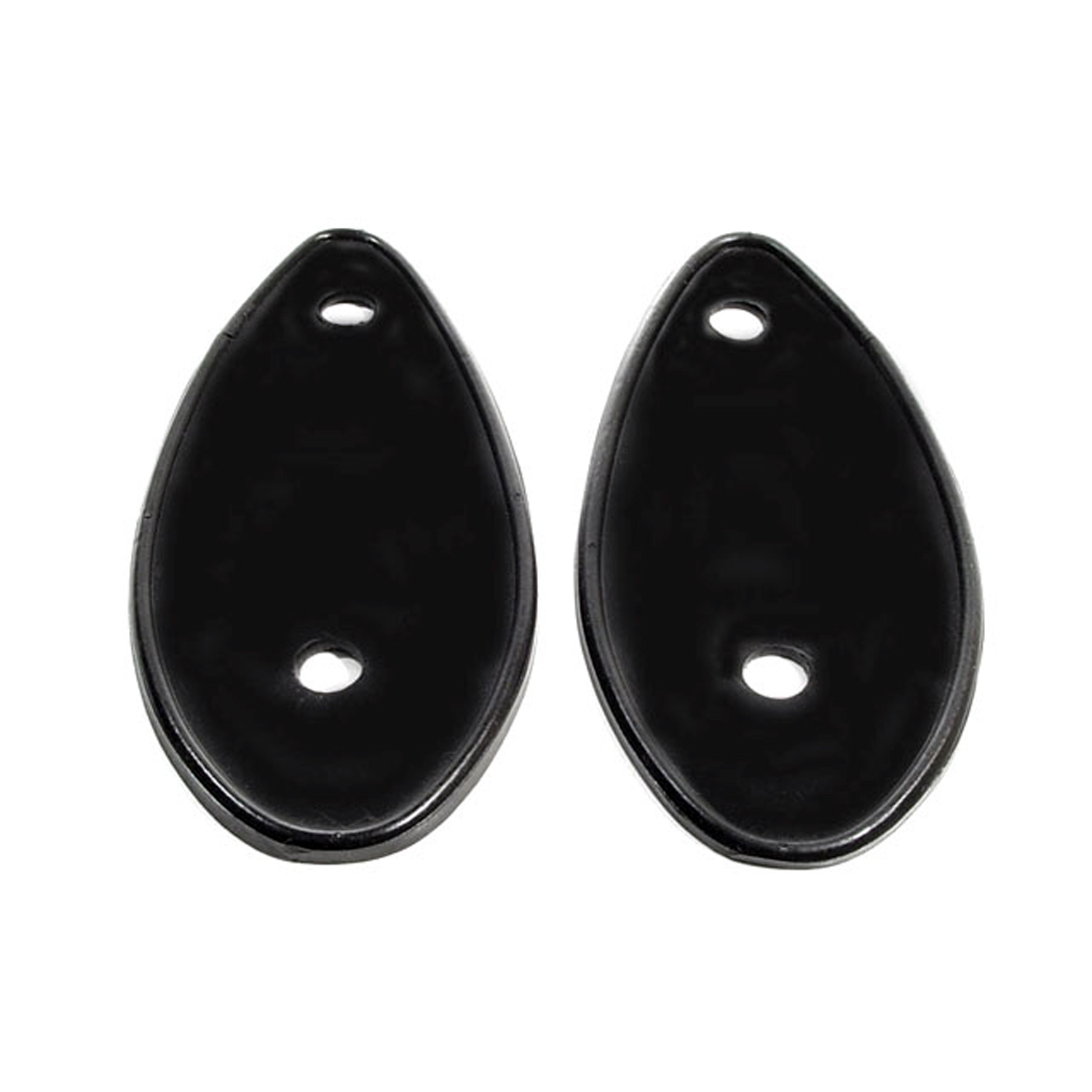 1937 Lincoln Model K Tail-light Pads. 2-3/4" wide X 5-3/4" long. Pair-MP 819Tail-light Pads. 2-3/4" wide X 5-3/4" long. Pair
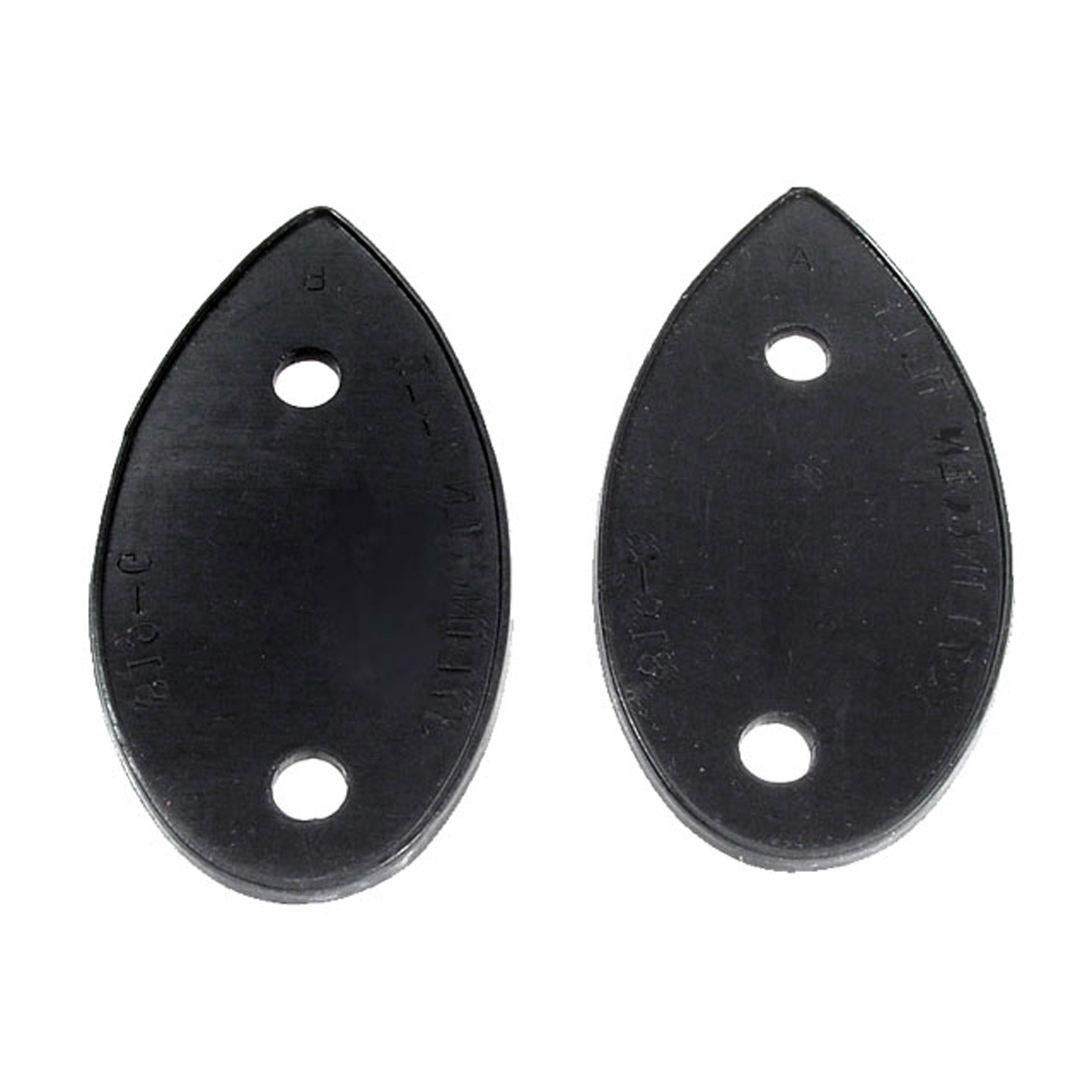 1937 Lincoln Model K Tail-light Pads. 2-1/2" wide X 4-3/4" long. Pair-MP 819-GTail-light Pads. 2-1/2" wide X 4-3/4" long. Pair
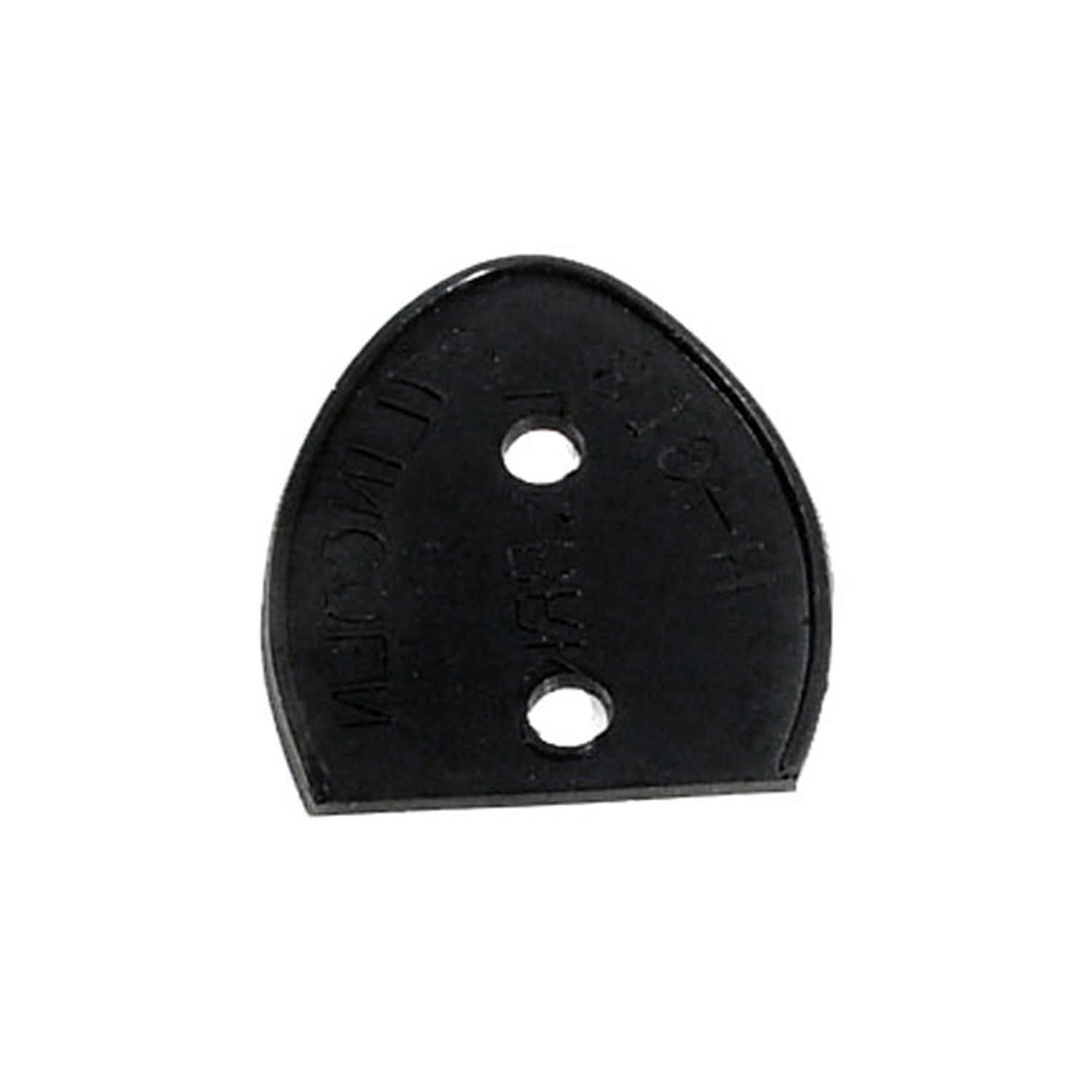 1937 Lincoln Model K License Light Pad. 1-3/4" wide X 2" long. Each-MP 819-HLicense Light Pad. 1-3/4" wide X 2" long. Each
 1937 Lincoln Model K Tail-light Pads. 3" wide X 5-1/8" long. Pair-MP 821-ETail-light Pads. 3" wide X 5-1/8" long. Pair
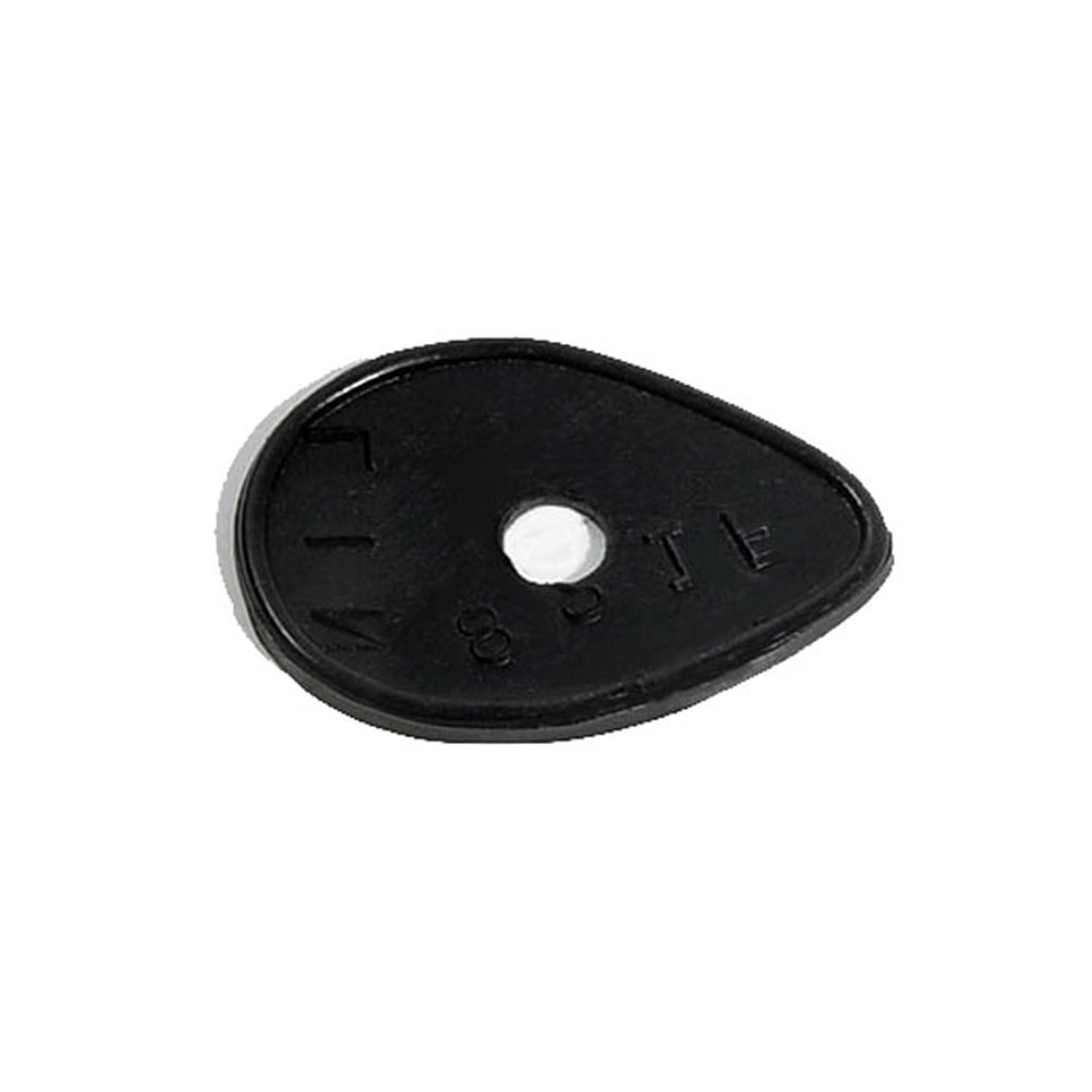 1937 Lincoln Model K Rear View Mirror Pad. 1-1/2" wide X 2" long. Each-MP 821-FRear View Mirror Pad. 1-1/2" wide X 2" long. Each
 1937 Lincoln Model K Gas Filler Pad. 4" O.D. Each-MP 821-GGas Filler Pad. 4" O.D. Each
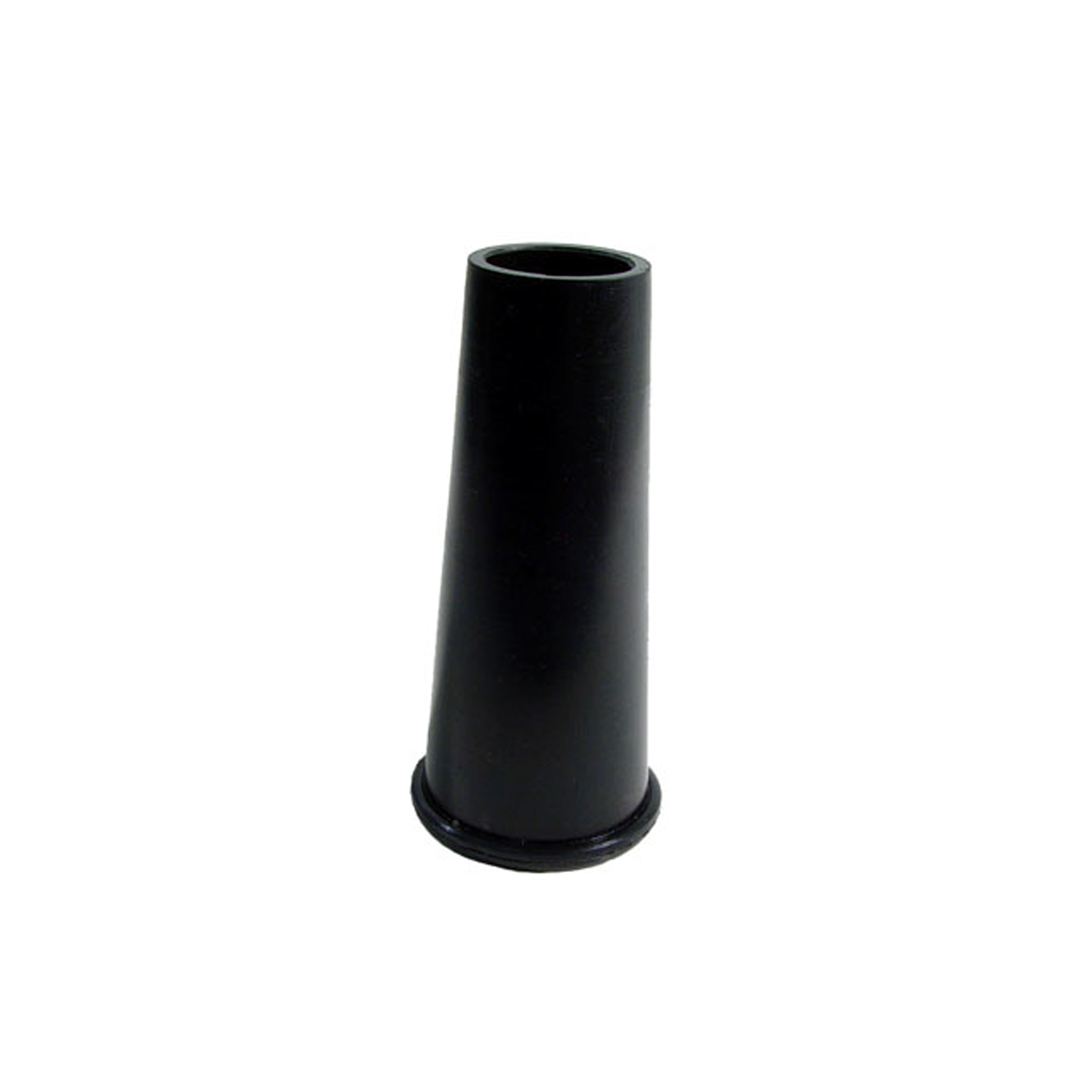 1937 Lincoln Model K Distributor Ignition Boot. 3-1/8", 1-1/4" O.D., 3/4" I.D-SM 65-DDistributor Ignition Boot. 3-1/8", 1-1/4" O.D., 3/4" I.D. Each
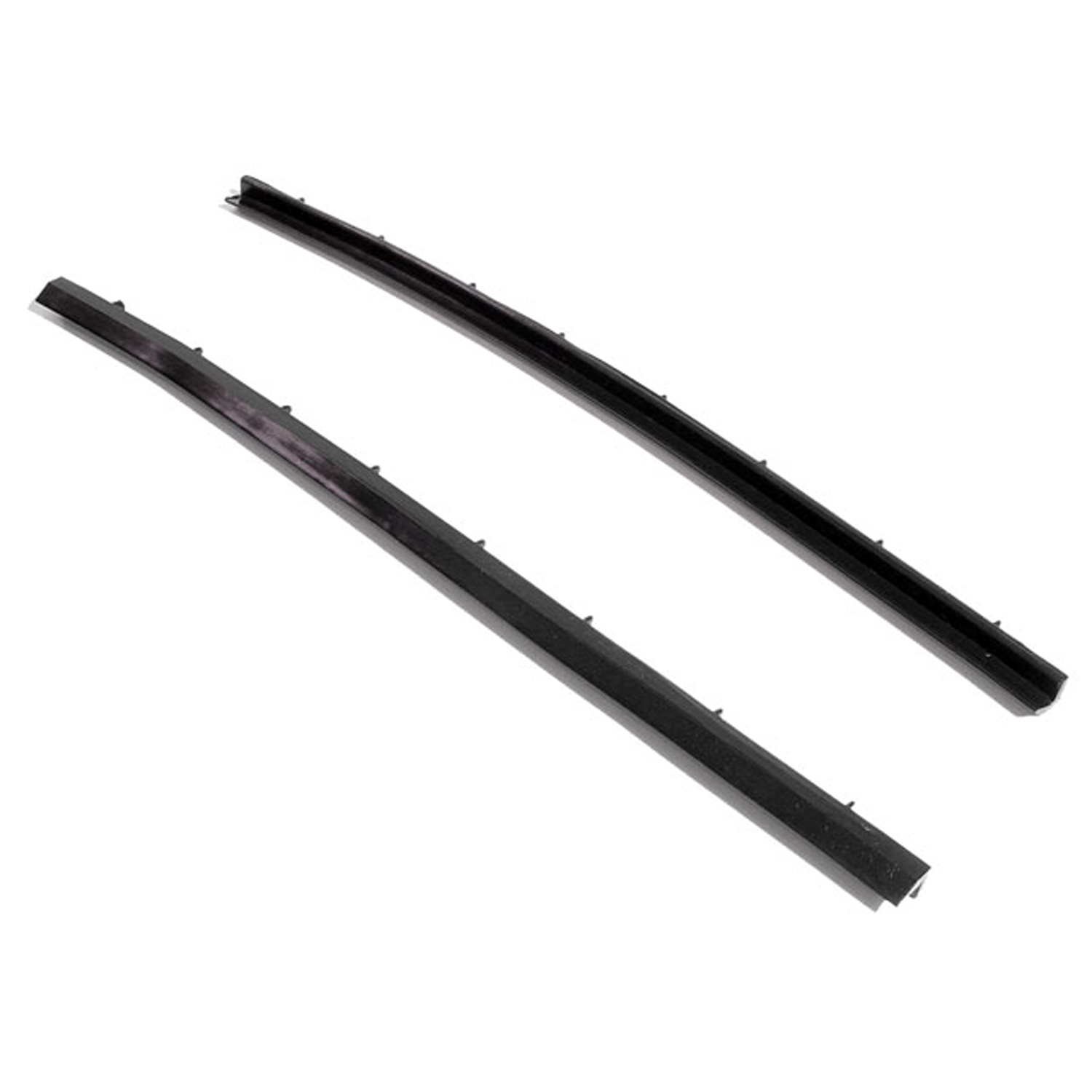 1937 Lincoln Model K Vertical Seals for Front Vent Window-VS 6-CVertical Seals for Front Vent Window. Made with steel core and bend-over tab. Pair
Why Choose Metro?
For over 100 years, Metro Moulded Parts has been the pinnacle of quality in classic car restoration parts. Our commitment to precision and authenticity in every component ensures a perfect fit and an OEM-level appearance.
- Expert Craftsmanship & Quality: Each part is a testament to our dedication to reliability and perfection, crafted from original designs and thoroughly tested.
- Advanced Technology: We use cutting-edge techniques to create flawless, long-lasting parts that surpass others in performance.
- SuperSoft Sponge – The Ultimate Door Seal: Not only are our door seals 30% softer than competitors', but they're also guaranteed to never leak. They effectively reduce wind and road noise, enhancing your classic car's comfort and driving experience.
- Proudly American: Our parts are a product of American craftsmanship, made in the USA with a spirit of excellence and heritage.
- Unrivaled Warranty: We back our products with a 30-year industry-leading warranty, a testament to our confidence in their quality.
Join us in preserving the legacy of classic cars with parts that are crafted for perfection, not just made.