

Image of 1938 Lincoln Model K, Note: These illustrations use artistic license and may differ from actual historical models.
Performance Metrics
Fundamental Metrics
Emotional Appeal
MMP Rating
| Engine Specifications | |
|---|---|
| Engine: | V12 |
| Displacement: | 414 cubic inches |
| Horsepower: | Estimated 150 HP |
| Torque: | Not available |
| Compression Ratio: | Not available |
| Ignition System: | Distributor and coil |
| Cooling System: | Liquid-cooled |
| Performance Specifications | |
| 0-60 Time: | Not available |
| 1/4 Mile Time: | Not available |
| Top Speed: | Estimated 100 mph |
| Transmission and Drive | |
| Drive Type: | Rear-wheel drive |
| Transmission Type: | 3-speed manual |
| Fuel and Efficiency | |
| Fuel System Type: | Carburetor |
| MPG: | Not available |
| Dimensions and Brakes | |
| Brakes: | Mechanical drum brakes |
| Wheelbase: | 136 inches |
| Weight: | Estimated 5,700 lbs |
Note: Specifications for classic cars are given to the best of our ability, considering the limited and variant data available.
1938 Lincoln Model K: The Last Great Lincoln Flagship
The 1938 Lincoln Model K was built for a world in which the finest cars were measured not just by speed, but by stature, craftsmanship, and the ability to make an entrance. It was Lincoln’s most prestigious offering, a hand-finished American luxury car with a powerful V12 and coachbuilt bodywork. Its 1938 model year also came near the end of the Model K’s run, making the car a representative of an increasingly rare kind of automobile: the full-size, custom-bodied flagship.
Lincoln was founded by Henry Leland in 1917 and acquired by Ford Motor Company in 1922. By the time the Model K arrived in 1931, Lincoln had become Ford’s answer to high-end marques such as Cadillac and Packard. The K series evolved through the decade, combining Lincoln engineering with bodies from established coachbuilders. A notable detail of the 1938 car is that it belongs to the final chapter of the Model K story. The series ended in 1940, as Lincoln’s smaller, more modern Zephyr and Continental models pointed toward a different future for the marque.
Formal Styling and Coachbuilt Craft
The Model K carried itself with the long, upright dignity expected of a prewar luxury car. Its extended hood, tall grille, sweeping front fenders, and carefully shaped rear body gave it an imposing profile without relying on excessive ornament. Chrome detailing and bright trim highlighted the car’s proportions, while its large wheels and generous running boards reinforced its formal, chauffeur-ready character.
Bodywork varied, and that is part of the Model K’s appeal. Buyers could choose among factory catalogued styles and bodies supplied by specialist coachbuilders. Depending on the individual car, configurations included sedans, limousines, convertible sedans, and other open or enclosed touring styles. Brunn, a respected coachbuilder associated with formal Lincoln bodies, was among the names connected with the marque. Exact offerings and availability depended on the model year and order. The formal sedan and limousine styles best captured the Model K’s role as a prestige automobile, while open-bodied versions tend to attract special attention from collectors.
Inside, the emphasis was on comfort and finish rather than novelty. Upholstery could be ordered in fine leather or cloth, with carpeting, wood trim, and carefully finished metal fittings contributing to a rich cabin. Rear-seat passengers in limousine-style bodies enjoyed especially generous space. Many cars were individually specified, so details can differ from one surviving example to another. Original paint and trim choices also varied; buyers could select from period colors and custom combinations, but there was no single universally preferred shade. Dark formal colors suit the car’s traditional character, while lighter or two-tone finishes can make its sweeping bodywork stand out.
V12 Power and Period Engineering
Under the long hood was Lincoln’s 414-cubic-inch V12, rated at approximately 150 horsepower in this period. It sent power through a three-speed manual transmission. The engine’s twelve cylinders were a major part of the Model K’s appeal: rather than a sharp, high-revving performance character, the V12 delivered the smooth, steady power expected in a luxury car of the era.
For its time, the Model K combined substantial engine capacity with features aimed at making a large car more manageable and comfortable. Its engineering included a conventional, serviceable mechanical layout and four-wheel hydraulic brakes, a meaningful convenience compared with older braking systems. Equipment and specifications could vary by body and order, so surviving cars should be checked individually rather than assumed to match a single standard configuration.
Why the Model K Mattered
The Model K’s significance lies in how it brought together large-scale automobile engineering and traditional coachbuilding. Lincoln supplied the chassis and mechanical foundation; body specialists and customer orders helped give individual cars their distinctive character. That approach made the Model K feel more personal than a mass-produced luxury sedan and allowed owners to choose a car suited to formal transport, touring, or chauffeur-driven use.
By the late 1930s, however, the market was changing. Buyers increasingly wanted modern styling, more accessible pricing, and cars that were easier to use every day. Lincoln’s Zephyr answered that shift with streamlined design and a lower price point. The Model K remained a commanding flagship, but it also represented a tradition that was becoming less practical and more exclusive. Its influence is visible in the enduring appeal of coachbuilt luxury cars, where design, craftsmanship, and provenance matter as much as mechanical specifications.
Road Manners and Performance
Published performance figures for surviving Model Ks are not consistent, and results depend on body style, mechanical condition, gearing, and test method. As a broad period-car estimate, a healthy 1938 Model K could reach roughly 85 to 95 mph. Acceleration from 0 to 60 mph was likely in the neighborhood of 20 to 25 seconds. Those figures are estimates, not guaranteed specifications for every car, and they are best understood in the context of a heavy luxury automobile built before modern performance testing became standardized.
On the road, the Model K’s strengths were its smooth V12 delivery and relaxed touring character. The engine’s sound is generally described as a subdued, even mechanical murmur rather than a dramatic roar. Its long wheelbase helps it settle over broad, gentle road undulations, but the car’s size and age mean that sharp bumps can still be felt through the chassis. On winding roads, it rewards measured steering inputs and a steady pace. It is not a modern sports sedan: its bulk, period suspension, and manual controls call for planning and patience, especially in tight turns or heavy traffic.
Driving one is an involving experience. The driver sits behind a large steering wheel, operates a manual gearbox, and manages a substantial vehicle with far less assistance than a contemporary car provides. In return, the Model K offers a sense of occasion that is difficult to reproduce: the view over the long hood, the unhurried pulse of the V12, and the smooth progress of a formal American touring car.
Ownership, Maintenance, and Use
Today, a 1938 Model K is most often a collector car, show car, or occasional touring vehicle rather than a daily driver. Its size, fuel consumption, age, and specialized parts make routine modern commuting impractical. Well-maintained examples can take part in classic-car tours and concours events, but owners generally plan their use around careful preparation and suitable routes.
Maintenance is manageable for a specialist familiar with prewar Lincolns, but it is not an easy project for the average owner without mechanical experience. The basic mechanical layout is less electronically complicated than a modern car, yet age brings its own challenges: worn components, old wiring, deteriorated rubber, and the need to source or reproduce hard-to-find parts. Coachwork and interior restoration can be especially costly because each body style may require specialist knowledge. Before buying, inspect the V12, transmission, brakes, frame, body structure, and evidence of previous restoration. A car with documented work and a reliable parts or service history is worth a premium.
Rare Details and Common Misconceptions
The Model K’s best-known distinction is its place among Lincoln’s final large, traditional flagships. A frequently mentioned car from the same lineage is the 1939 Lincoln Model K-based “Sunshine Special,” the presidential automobile built for Franklin D. Roosevelt. It should not be confused with a 1938 Model K, but it illustrates the prestige and public role associated with Lincoln’s top-of-the-line cars at the time.
Production figures for individual Model K years can vary among references, but the 1938 run is generally reported to have been very small, often estimated at around 25 cars. Treat that number as an approximation rather than a definitive count, particularly because body styles, coachbuilder records, and surviving-car registries may use different methods. There is no widely recognized speed or endurance record associated specifically with the 1938 Model K.
Common criticisms are practical rather than surprising: the car is enormous, thirsty by modern standards, slow to maneuver in confined spaces, and expensive to restore properly. Its formal styling and prewar driving controls will not suit everyone. For collectors who value craftsmanship, period character, and rarity, those traits are often part of the attraction.
Collector Values and Availability
As a best-effort guide to the current collector market, a 1938 Model K might range from roughly $100,000 to $200,000 for a car needing significant work or with less desirable specifications. A sound, well-presented example could fall around $200,000 to $400,000, while exceptional restorations, rare body styles, strong provenance, or outstanding originality may bring $400,000 to $600,000 or more. These are broad estimates, not a guaranteed appraisal. Condition, coachbuilder, originality, documentation, and auction timing can move the price substantially.
Availability is limited. With annual production believed to have been only around two dozen cars, examples do not appear on the market regularly, and not every surviving car is offered for sale at any given time. Values for significant prewar luxury cars can be uneven: top-quality, well-documented cars tend to retain the strongest interest, while cars needing extensive restoration may face a narrower buyer pool. Over the long term, the Model K’s scarcity and historical importance support collector demand, but restoration costs and changing tastes can make price growth inconsistent.
A Lincoln from the End of an Era
The 1938 Lincoln Model K combined a smooth V12, imposing proportions, carefully finished interiors, and coachbuilt variety in a package designed for the highest end of the American market. Its performance was about effortless progress rather than quick acceleration, and its ownership demands are considerable by modern standards. Yet its rarity and craftsmanship make it far more than an old luxury car.
As one of the final expressions of Lincoln’s traditional flagship formula, the Model K preserves a distinctive moment in automotive history, when a great car could still be shaped around the owner and built to make every arrival memorable.
1938 Lincoln Model K Catalog of Parts
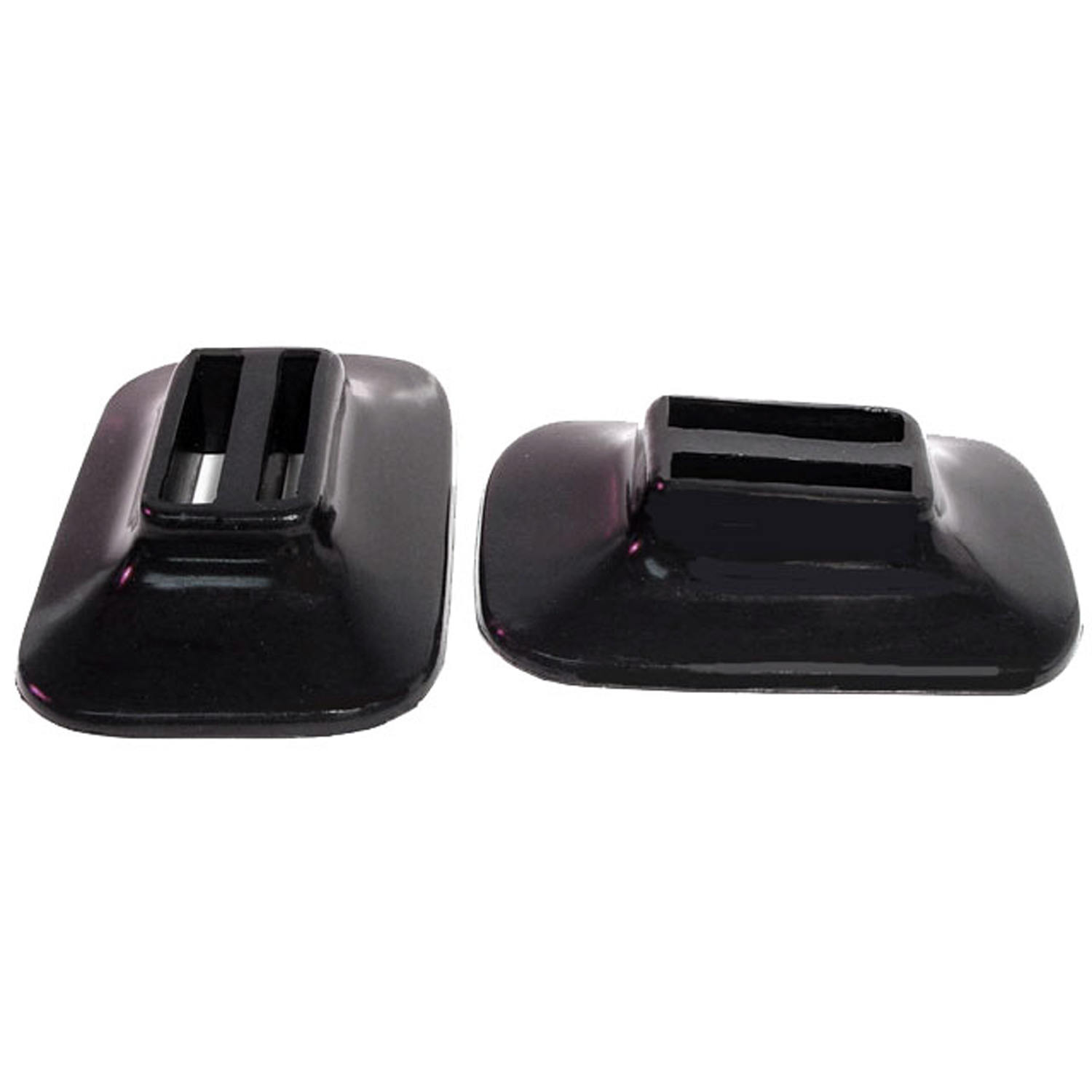 1938 Lincoln Model K Rear Bumper Arm Grommets-BG 102Rear Bumper Arm Grommets. 4-1/4" long X 2-7/8" wide, with 1-3/4" long inner slot. Pair
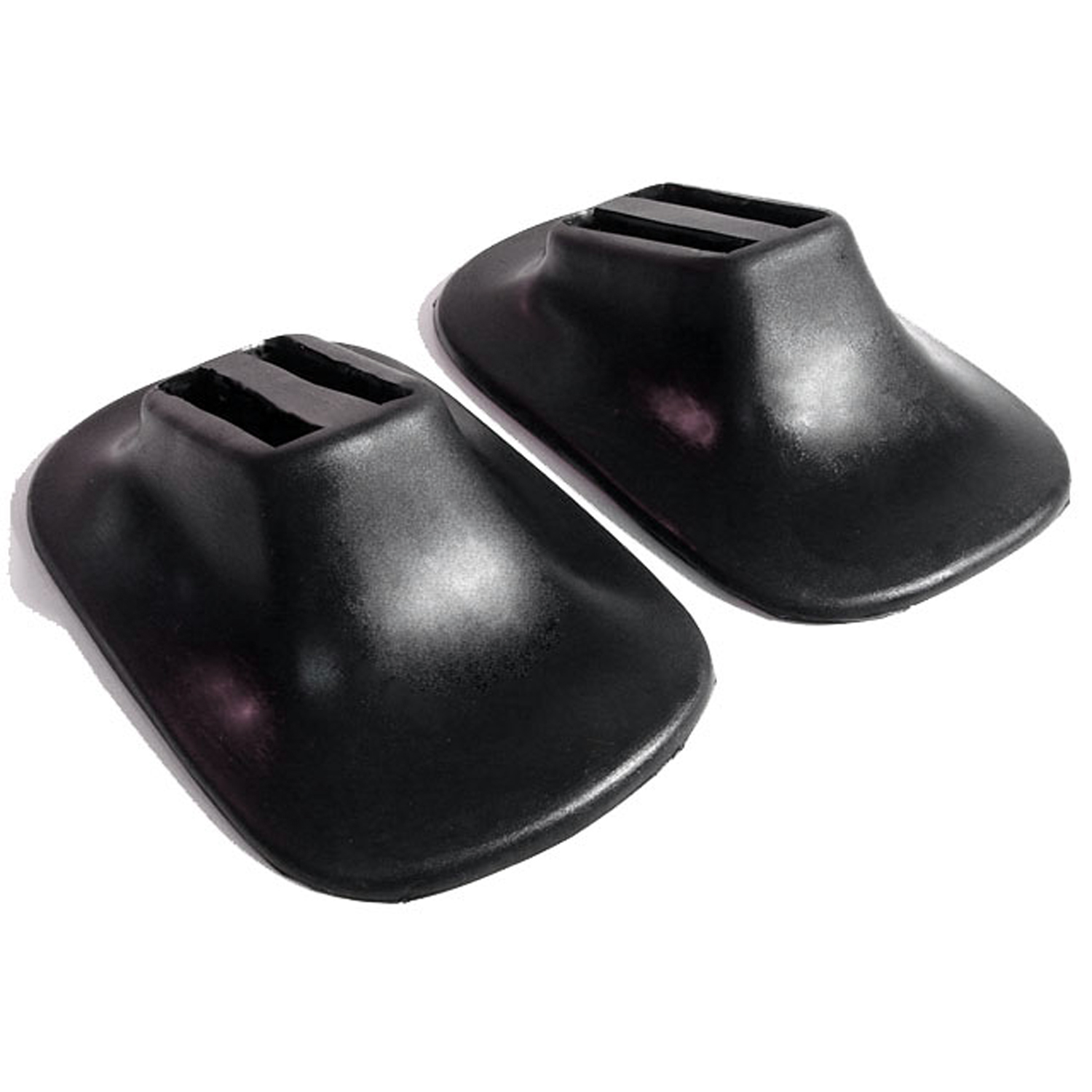 1938 Lincoln Model K Front Bumper Arm Grommets-BG 103Front Bumper Arm Grommets. 4-1/4" long X 3" wide, with 1-1/2" long inner slot. Pair
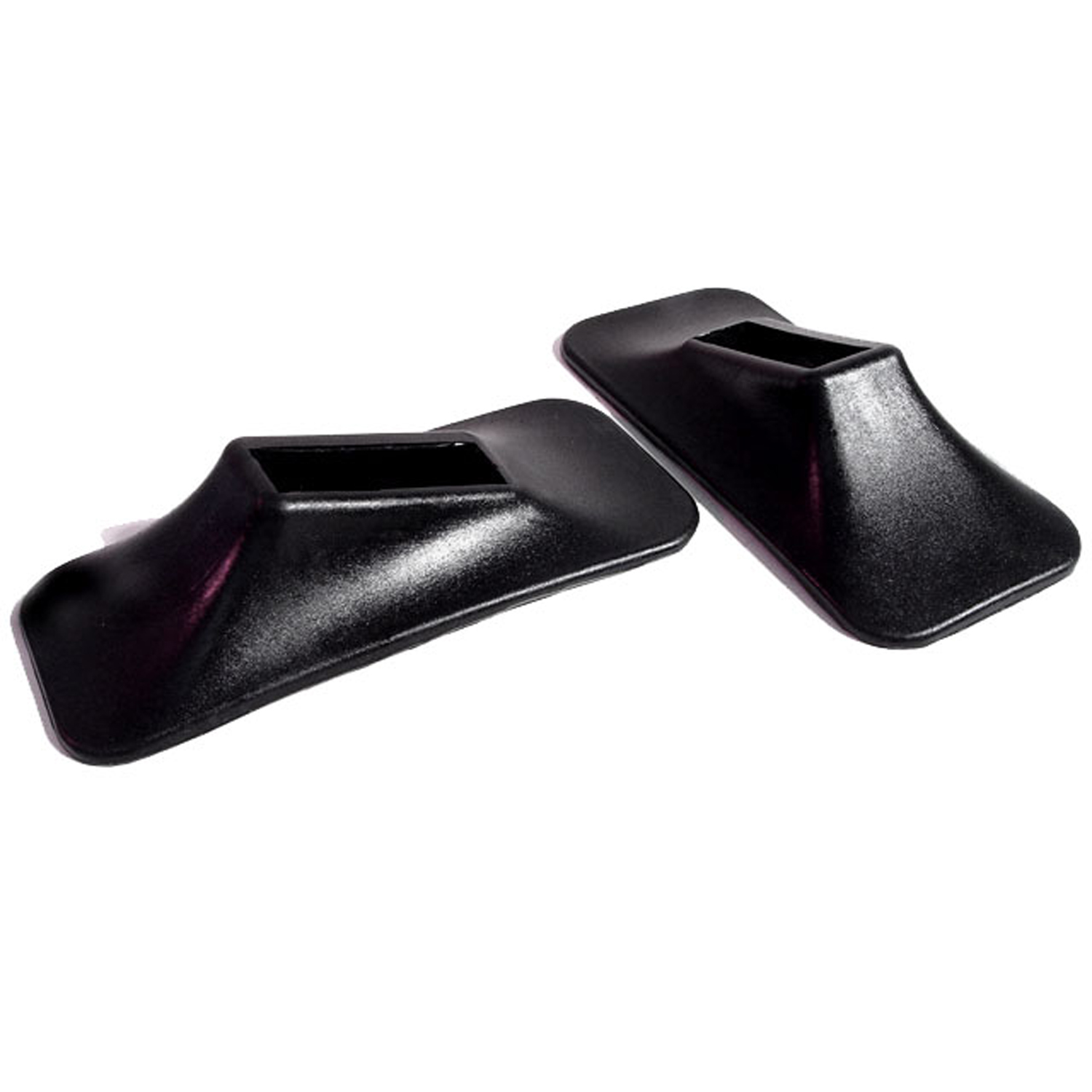 1938 Lincoln Model K Front Bumper Arm Grommets-BG 47Front Bumper Arm Grommets. 2" wide X 4-1/2" long, with 1-3/4" long inner slot. Pair
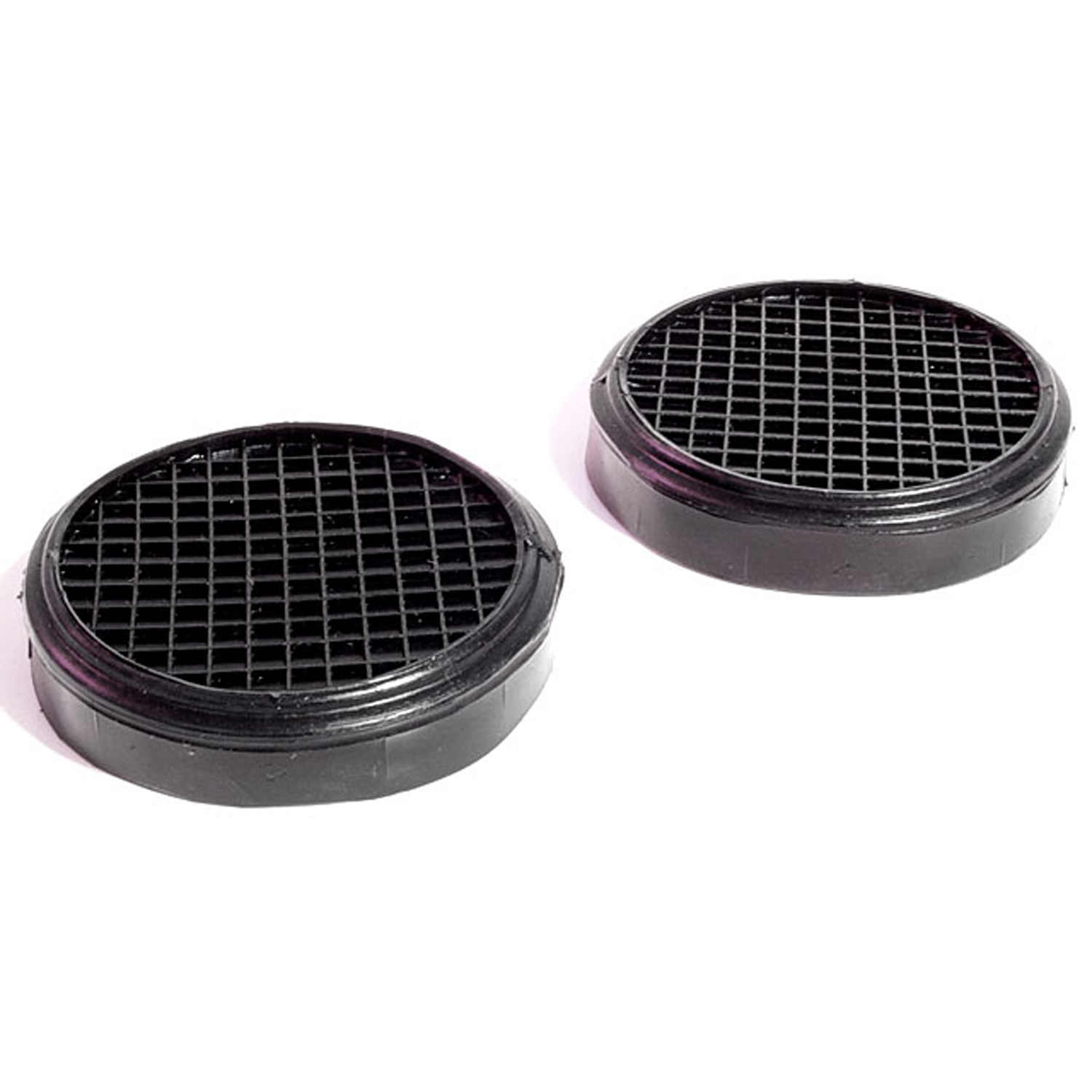 1938 Lincoln Model K Clutch and Brake Pedal Pads. 3-1/2" Diameter. Pair-CB 62Clutch and Brake Pedal Pads. 3-1/2" Diameter. Pair
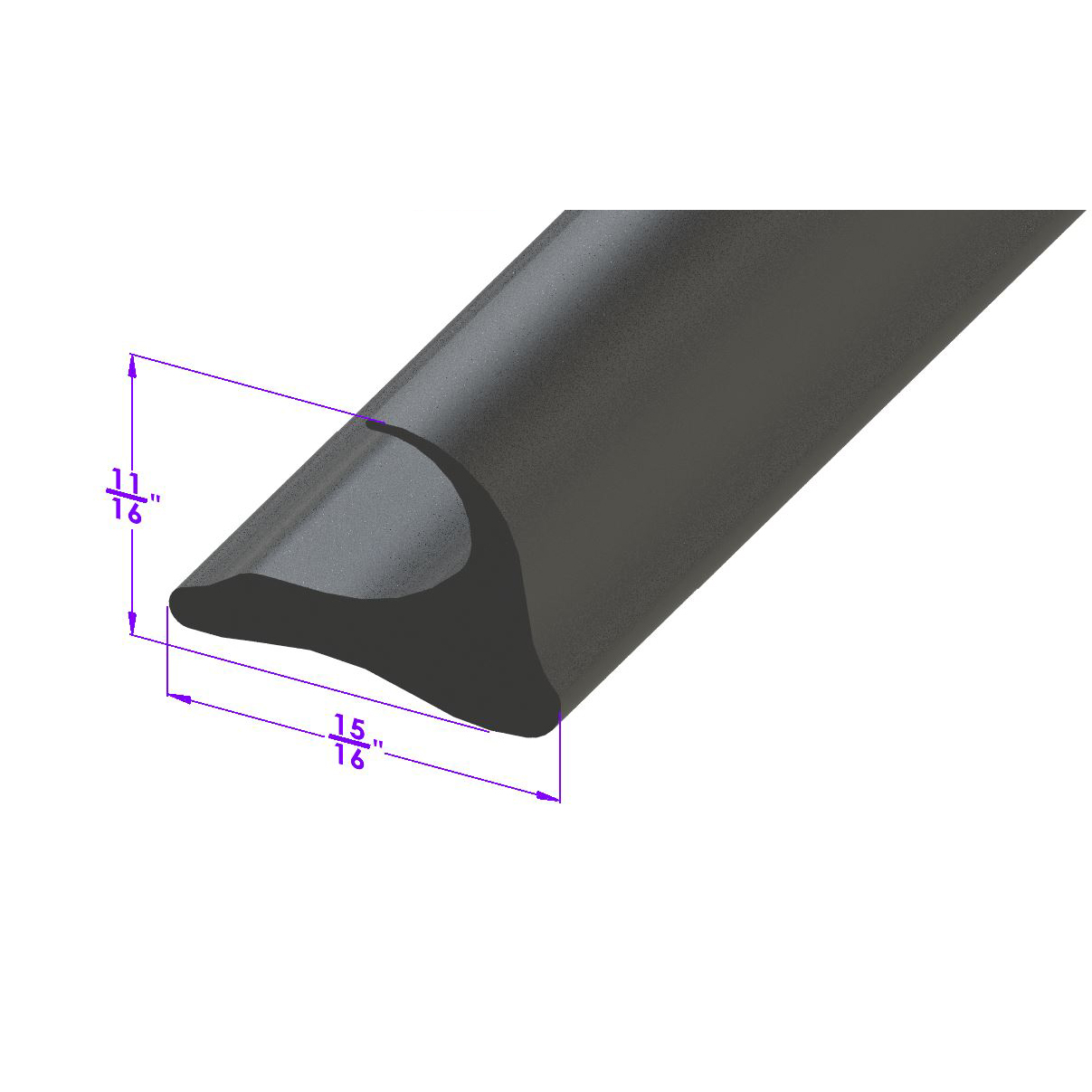 1938 Lincoln Model K Side Roof Rail Seal. Fits in metal retainer-LP 12-ASide Roof Rail Seal. Fits in metal retainer. Sold by the foot
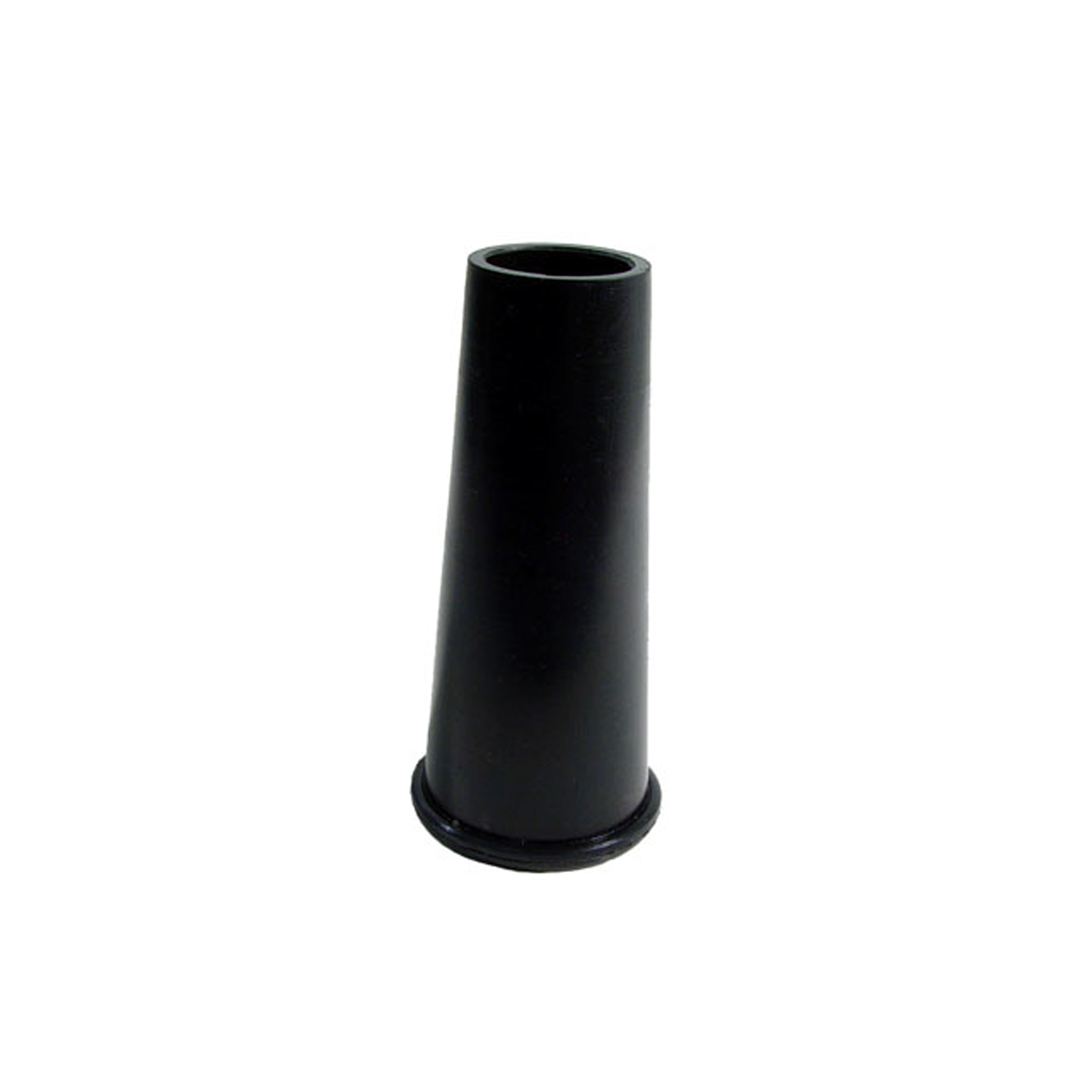 1938 Lincoln Model K Distributor Ignition Boot. 3-1/8", 1-1/4" O.D., 3/4" I.D-SM 65-DDistributor Ignition Boot. 3-1/8", 1-1/4" O.D., 3/4" I.D. Each
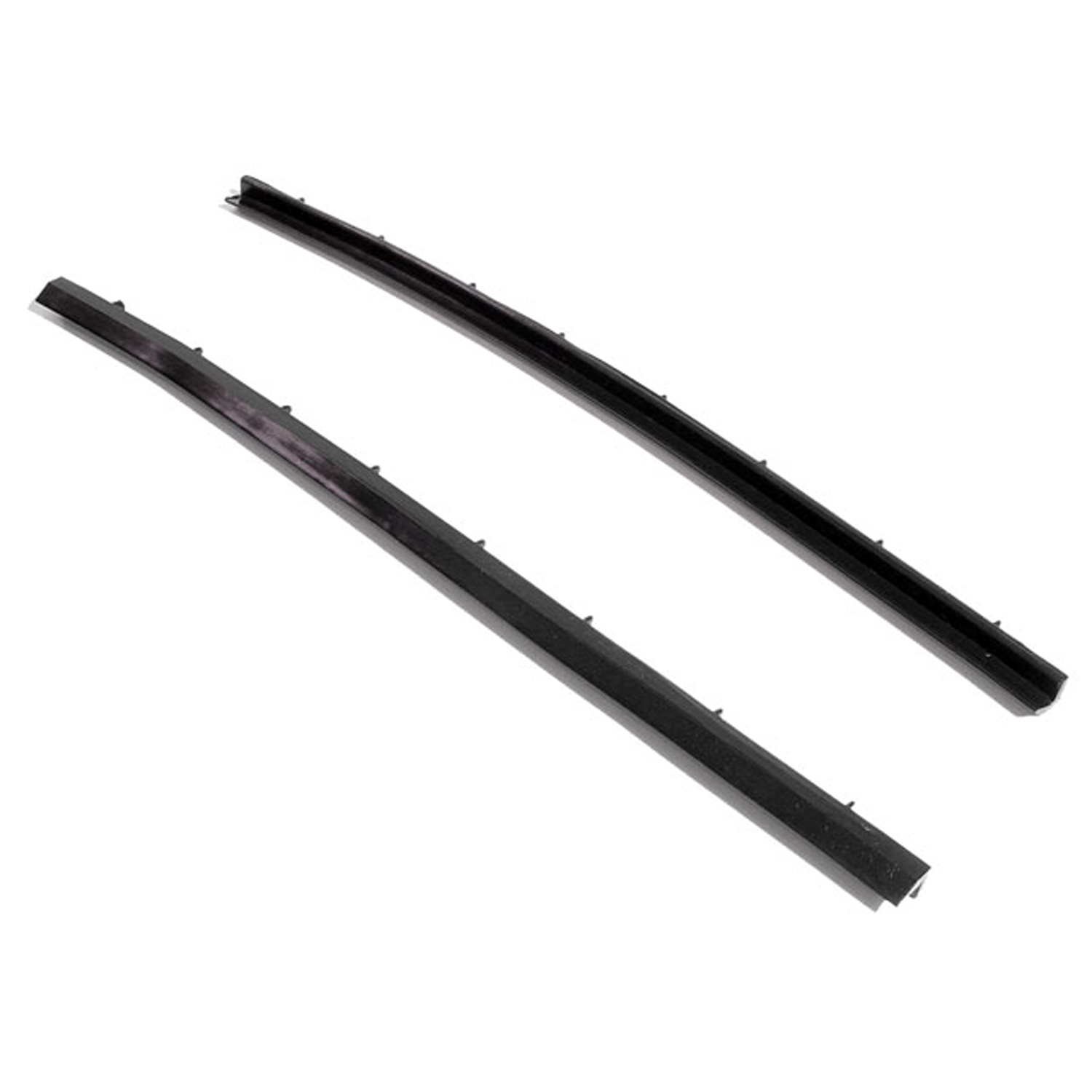 1938 Lincoln Model K Vertical Seals for Front Vent Window-VS 6-CVertical Seals for Front Vent Window. Made with steel core and bend-over tab. Pair
Why Choose Metro?
For over 100 years, Metro Moulded Parts has been the pinnacle of quality in classic car restoration parts. Our commitment to precision and authenticity in every component ensures a perfect fit and an OEM-level appearance.
- Expert Craftsmanship & Quality: Each part is a testament to our dedication to reliability and perfection, crafted from original designs and thoroughly tested.
- Advanced Technology: We use cutting-edge techniques to create flawless, long-lasting parts that surpass others in performance.
- SuperSoft Sponge – The Ultimate Door Seal: Not only are our door seals 30% softer than competitors', but they're also guaranteed to never leak. They effectively reduce wind and road noise, enhancing your classic car's comfort and driving experience.
- Proudly American: Our parts are a product of American craftsmanship, made in the USA with a spirit of excellence and heritage.
- Unrivaled Warranty: We back our products with a 30-year industry-leading warranty, a testament to our confidence in their quality.
Join us in preserving the legacy of classic cars with parts that are crafted for perfection, not just made.