
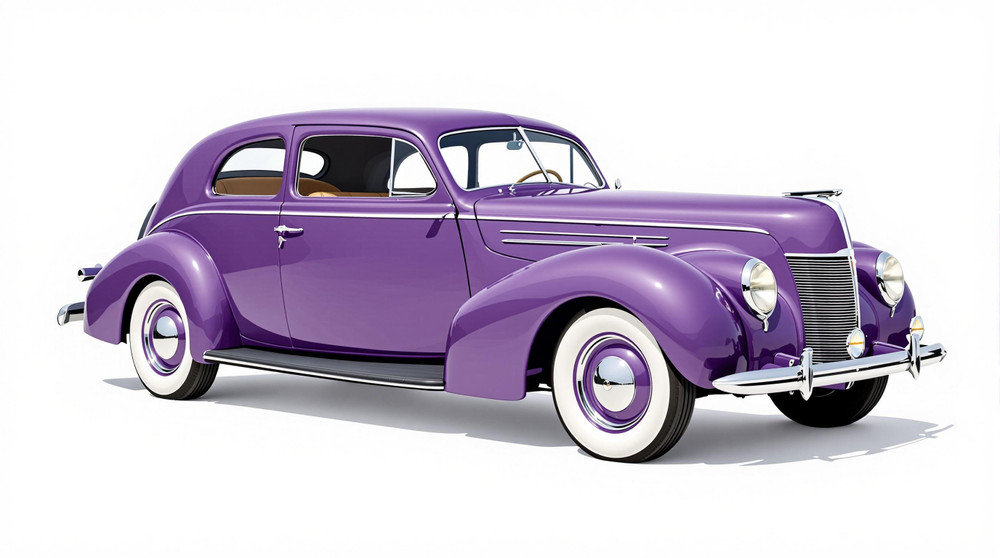
Image of 1938 Lincoln Zephyr, Note: These illustrations use artistic license and may differ from actual historical models.
Performance Metrics
Fundamental Metrics
Emotional Appeal
MMP Rating
| Engine Specifications | |
|---|---|
| Engine: | V12 |
| Displacement: | 267 cubic inches |
| Horsepower: | Estimated 110-120 HP |
| Torque: | 200 lb-ft |
| Compression Ratio: | Estimated 7.2:1 |
| Ignition System: | Coil and distributor |
| Cooling System: | Liquid-cooled |
| Performance Specifications | |
| 0-60 Time: | Estimated 15 seconds |
| 1/4 Mile Time: | Not available |
| Top Speed: | 90 mph |
| Transmission and Drive | |
| Drive Type: | Rear-wheel drive |
| Transmission Type: | 3-speed manual |
| Fuel and Efficiency | |
| Fuel System Type: | Carburetor |
| MPG: | Estimated 15-18 mpg |
| Dimensions and Brakes | |
| Brakes: | Drum brakes |
| Wheelbase: | 125 inches |
| Weight: | Estimated 3,600 lbs |
Note: Specifications for classic cars are given to the best of our ability, considering the limited and variant data available.
1938 Lincoln Zephyr: A Streamlined American Original
The 1938 Lincoln Zephyr looked less like a conventional luxury car and more like a machine shaped to slip through the wind. Built by the Lincoln division of Ford Motor Company, it brought dramatic streamlined styling, a V12 engine, and relatively attainable luxury to American roads during the difficult years of the Great Depression.
The Zephyr debuted in 1936 under the influence of Ford president Edsel Ford and designer Eugene T. “Bob” Gregorie. Its name nodded to the streamlined Burlington Zephyr train, a celebrated symbol of modern transportation. By 1938, the model had become an established part of Lincoln’s lineup, offering much of the marque’s prestige in a smaller, less expensive package than the flagship Lincoln K-series.
One of the Zephyr’s most important contributions was its construction. Rather than relying on the separate, heavy frame common to many cars of the era, it used a body and structural framework designed to work together. That helped make the car lighter and more aerodynamic than many traditional luxury automobiles. Its influence reached well beyond its own model years: the Zephyr platform helped provide the basis for the first Lincoln Continental, introduced in 1940.
Streamlined Styling and Cabin Craft
The 1938 Zephyr’s long hood, low roofline, and rounded rear gave it a distinctly streamlined profile. Its fenders flowed into the body rather than standing apart as separate forms, while the headlamps sat neatly within the front fenders. At the nose, a revised grille and restrained brightwork gave the car a formal face without sacrificing its sense of motion. From the side, the sloping roof and tapered tail made even the four-door sedan look unusually sleek for its time.
Inside, the Zephyr balanced modern styling with the craftsmanship expected of a Lincoln. Depending on body style and specification, owners could find quality cloth or broadcloth upholstery, carefully finished trim, and a broad dashboard with clear, period-appropriate instruments. Leather and other upholstery details varied by model and order. The cabin was spacious by the standards of a streamlined car, with a comfortable front bench and room for passengers in the rear of sedan models.
Factory paint choices varied, but the period palette included conservative dark and medium shades as well as richer colors. Black, gray, maroon, blue, and green are among the hues associated with Zephyrs of the era. Dark colors suited the car’s formal Lincoln character, while brighter or more unusual shades emphasized its modern shape. Today, original paint codes and documented colors matter to restorers and collectors.
The 1938 range included two-door and four-door sedan forms, along with coupe and convertible-coupe offerings. The four-door sedan is the most familiar sight, while the convertible coupe is among the most eye-catching and desirable versions. Exact availability and naming can vary across catalogs and surviving records, so collectors should verify a car’s body style and authenticity by its serial number and documentation.
Why the Zephyr Mattered
The Zephyr helped make streamlined design feel practical rather than experimental. The Chrysler Airflow had already introduced radical aerodynamic thinking to American buyers, but its unconventional appearance limited its commercial success. Lincoln’s approach was more restrained: the Zephyr looked fresh and futuristic while remaining recognizable as a luxury car.
Its integrated structure, smooth body contours, and carefully packaged V12 powertrain set it apart from many contemporary cars built around a tall, separate chassis. The result was a distinctive combination of modern appearance and traditional comfort. The Zephyr also gave Lincoln a broader customer base by offering a less costly alternative to its large, expensive K-series cars.
Its lasting influence is especially clear in the Lincoln Continental. Edsel Ford wanted a personal car with a European-inspired profile, and Gregorie developed the idea using the Zephyr as a starting point. The Continental became one of Lincoln’s most enduring nameplates, making the Zephyr an important part of the story behind a much better-known classic.
V12 Performance and Road Manners
Power came from a 267-cubic-inch, 75-degree L-head V12. Period specifications commonly list output at about 110 horsepower, delivered through a three-speed manual transmission. The engine’s compact layout helped the Zephyr achieve its low hood line, while hydraulic brakes and independent front suspension were among the features that gave it a modern mechanical character for its day.
Performance figures depend on vehicle condition, gearing, tires, and test method. A healthy, properly tuned example is often estimated to reach roughly 85 to 90 mph at the top end, with a 0-to-60-mph time in the neighborhood of 16 to 20 seconds. Those figures are respectable context for a late-1930s luxury car, but the Zephyr was built for smooth, confident touring rather than quick acceleration by modern standards.
On a well-maintained road, the Zephyr feels composed and substantial. Its suspension takes the edge off ordinary bumps, though worn springs, bushings, or shocks can make an old car wander or bounce. On winding roads, the long wheelbase and period steering reward a measured pace. It is not a sports car, and quick direction changes require planning, but a sound example can be an enjoyable highway and touring machine.
The V12 is a defining part of the experience. Instead of the sharp bark of a small high-revving engine, it produces a deep, smooth mechanical note. The driver sits behind a wide steering wheel, works a manual gear lever, and operates controls that feel distinctly prewar. The Zephyr’s appeal lies as much in that calm, deliberate rhythm as in its styling.
Owning and Maintaining a Zephyr
Today, most 1938 Zephyrs are collector cars, show vehicles, or participants in club tours and vintage events rather than everyday transportation. A well-sorted car can handle local drives and longer trips, but owners should account for its age, modest braking performance, and the availability of suitable replacement parts before planning regular use.
Routine service is familiar to experienced vintage-car mechanics: ignition, carburetion, cooling, lubrication, brakes, and suspension all need careful attention. The V12 is not necessarily difficult to understand, but it has more cylinders and components than a typical flathead Ford V8. Parts availability is generally better through marque specialists and enthusiast networks than at an ordinary parts counter. Body, trim, and interior pieces can be harder to source, especially for rare versions.
Reliability depends heavily on restoration quality. Cooling-system condition is crucial, as are correct ignition settings and a sound fuel system. A neglected car may need extensive work before it is dependable. For most owners, a specialist inspection and a clear maintenance history are more valuable than a fresh coat of paint.
Zephyr Facts and Common Criticisms
The Zephyr name was inspired by the Burlington Zephyr streamliner, linking the Lincoln to the era’s fascination with speed and modern transportation. The car is also noteworthy for its V12 engine in a market where straight-eight and V8 designs were more familiar. Rather than setting a famous speed or endurance record, the Zephyr made its mark by bringing streamlined styling and V12 prestige to a broader group of buyers.
Its most important historical connection is the 1940 Lincoln Continental. The Continental’s celebrated shape grew from Edsel Ford and Bob Gregorie’s work with the Zephyr platform, giving the 1938 model a direct place in the development of one of America’s most admired luxury cars.
Common criticisms are rooted in age and design compromises. The V12 can be more demanding to service than simpler engines, and original parts may require patience to find. Braking, steering, and acceleration also feel slow by modern standards. In addition, the streamlined body can make some restoration work more complex than on a boxier car. None of these points erase the Zephyr’s appeal, but they are important considerations for prospective owners.
1938 Lincoln Zephyr Values and Rarity
Approximately 19,000 1938 Lincoln Zephyrs are commonly cited as having been produced across the range. That is a useful estimate rather than a guarantee for any individual body style, and surviving examples are considerably fewer. Sedans appear more regularly than convertible coupes, which are scarce and typically command a premium.
Collector values vary widely with body style, originality, restoration quality, and provenance. As a broad 2026 U.S. market estimate, a project or incomplete car might fall around $15,000 to $30,000. A usable, presentable sedan or coupe could bring roughly $30,000 to $65,000, while a high-quality restored example may reach $70,000 to $120,000 or more. A rare, excellent convertible coupe can exceed $125,000, with exceptional examples potentially selling for substantially more. These are general ranges, not appraisals, and auction results can differ sharply.
Values have tended to be selective rather than uniformly explosive. Strong restorations and rare body styles remain the most attractive to buyers, while cars needing major mechanical or structural work are limited by restoration costs. Originality, correct details, and documented history can make a meaningful difference. For a purchase, a specialist inspection is essential, particularly when evaluating the V12, body structure, and any claimed rare configuration.
A Classic That Made the Future Look Possible
The 1938 Lincoln Zephyr combined a V12 engine, distinctive aerodynamic styling, and thoughtfully integrated construction in a car that was more accessible than Lincoln’s flagship models. It helped redefine what an American luxury car could look like and laid groundwork for the landmark Lincoln Continental.
More than a handsome prewar automobile, the Zephyr is a turning point on wheels: a reminder that bold design can become enduring when it is matched with genuine engineering purpose.
1938 Lincoln Zephyr Catalog of Parts
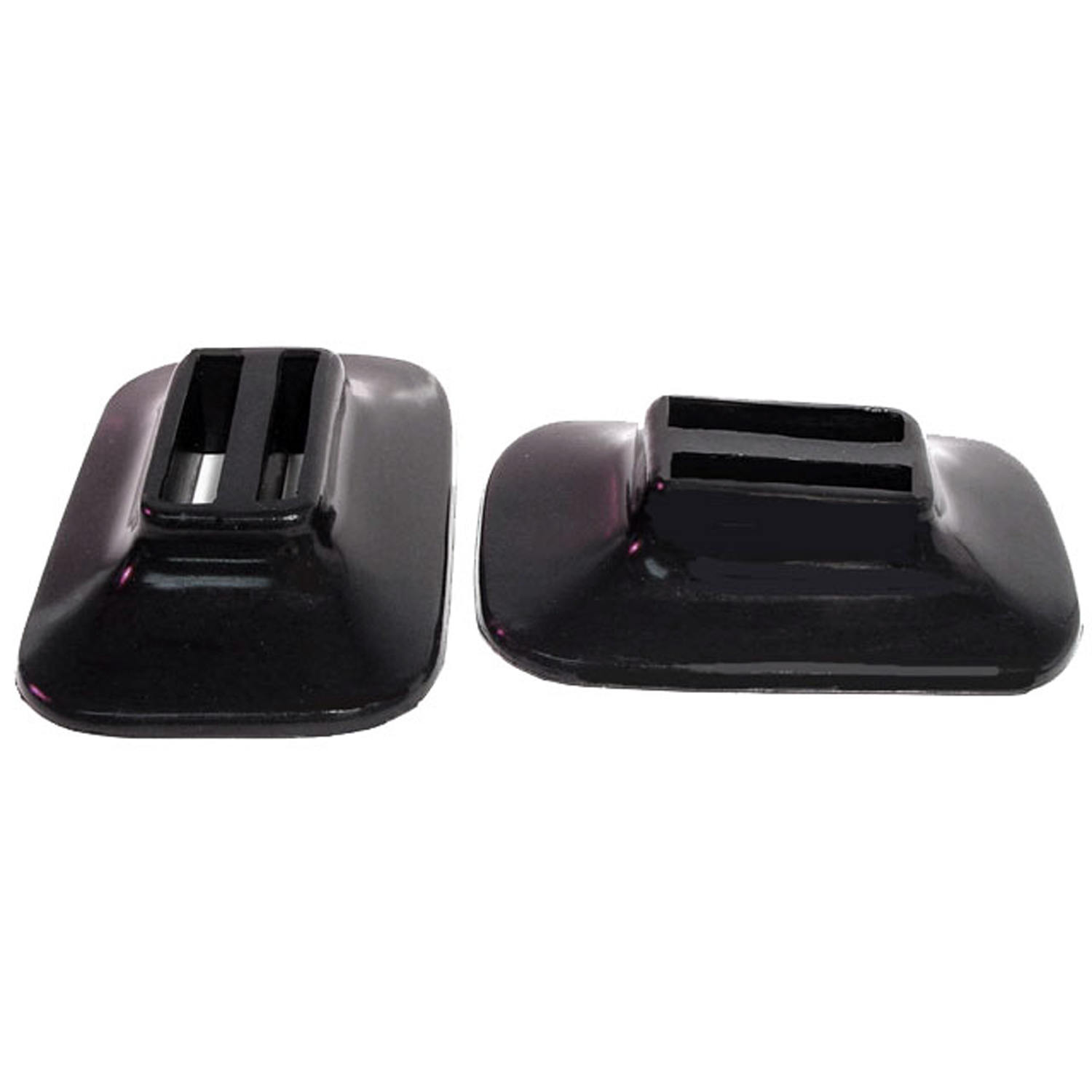 1938 Lincoln Zephyr Rear Bumper Arm Grommets-BG 102Rear Bumper Arm Grommets. 4-1/4" long X 2-7/8" wide, with 1-3/4" long inner slot. Pair
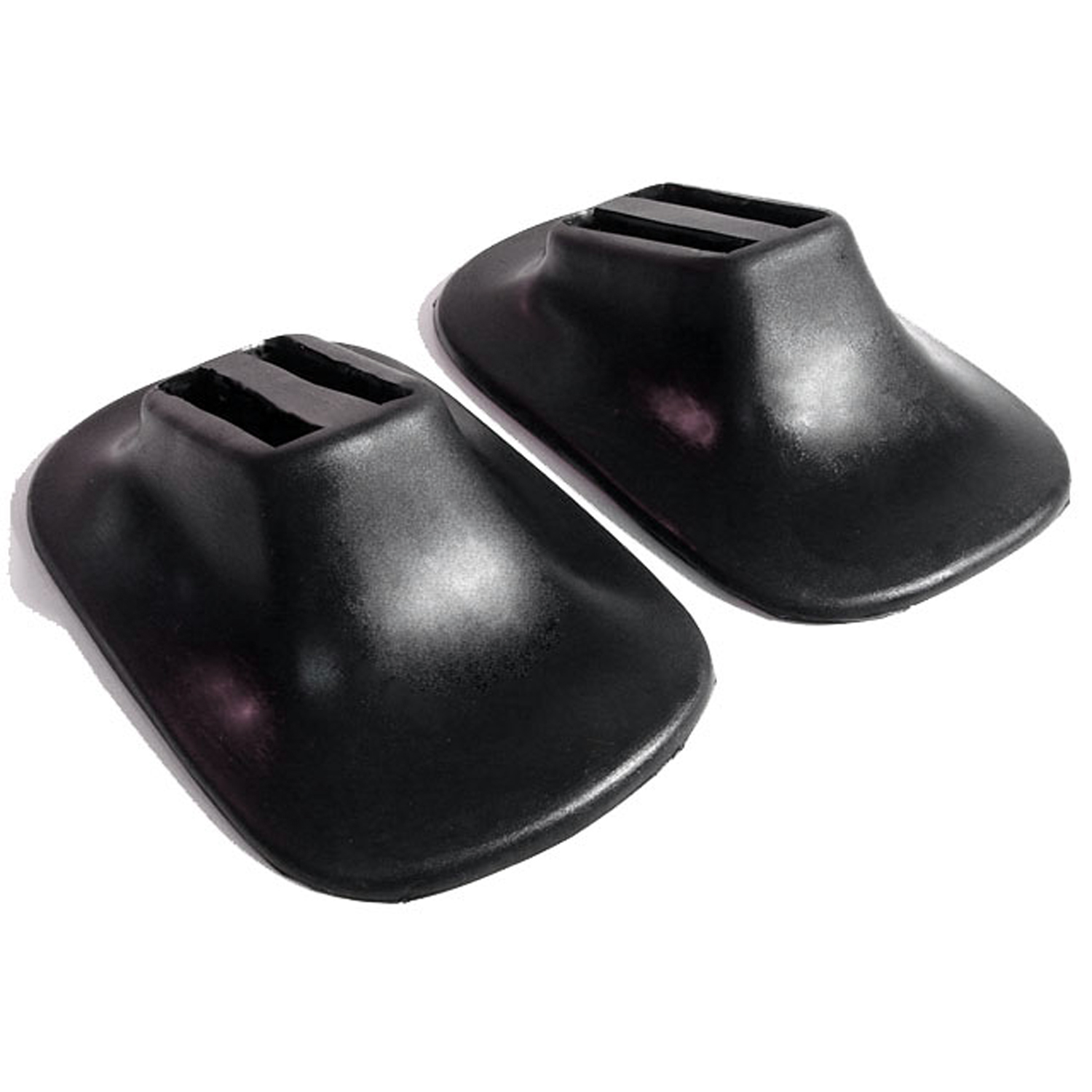 1938 Lincoln Zephyr Front Bumper Arm Grommets-BG 103Front Bumper Arm Grommets. 4-1/4" long X 3" wide, with 1-1/2" long inner slot. Pair
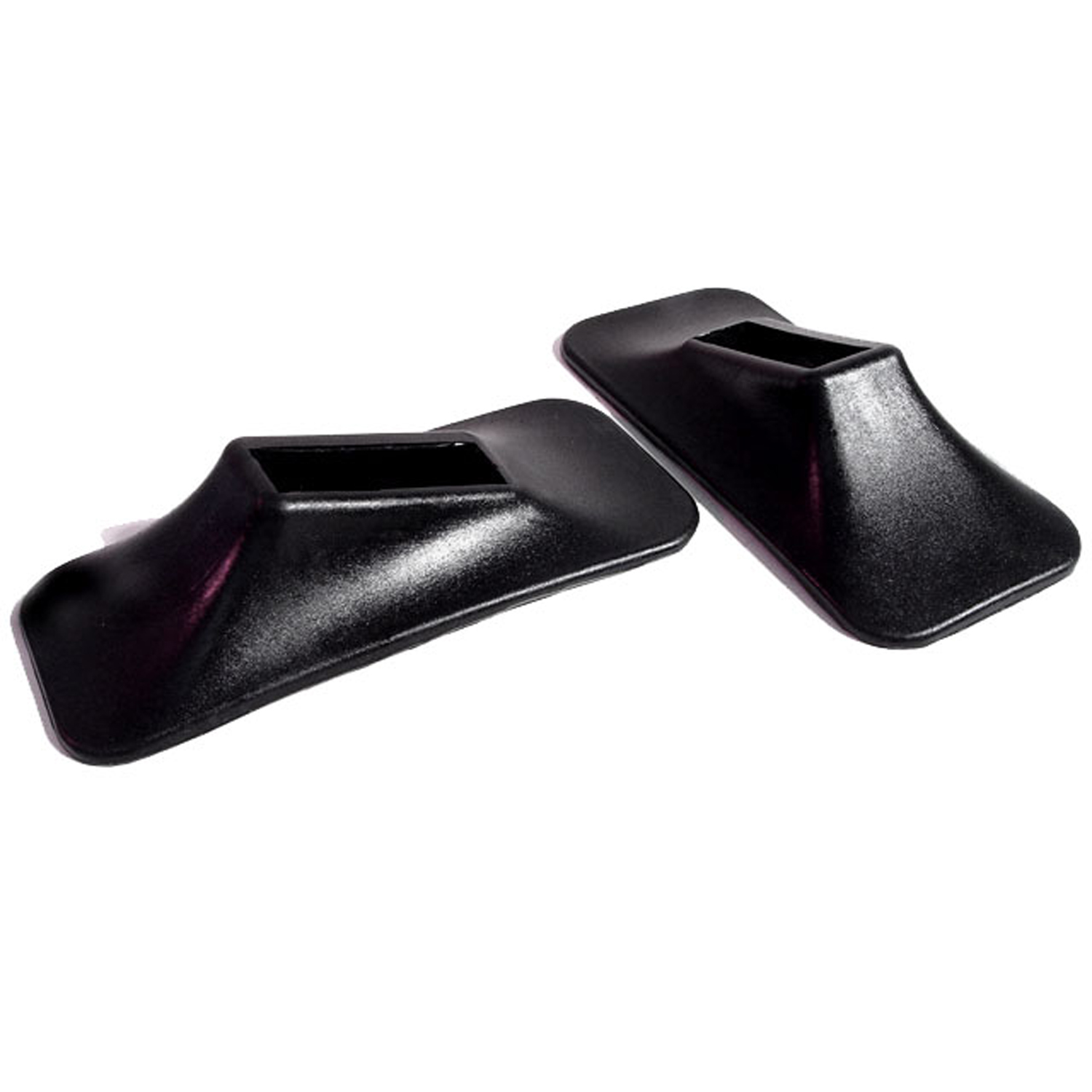 1938 Lincoln Zephyr Front Bumper Arm Grommets-BG 47Front Bumper Arm Grommets. 2" wide X 4-1/2" long, with 1-3/4" long inner slot. Pair
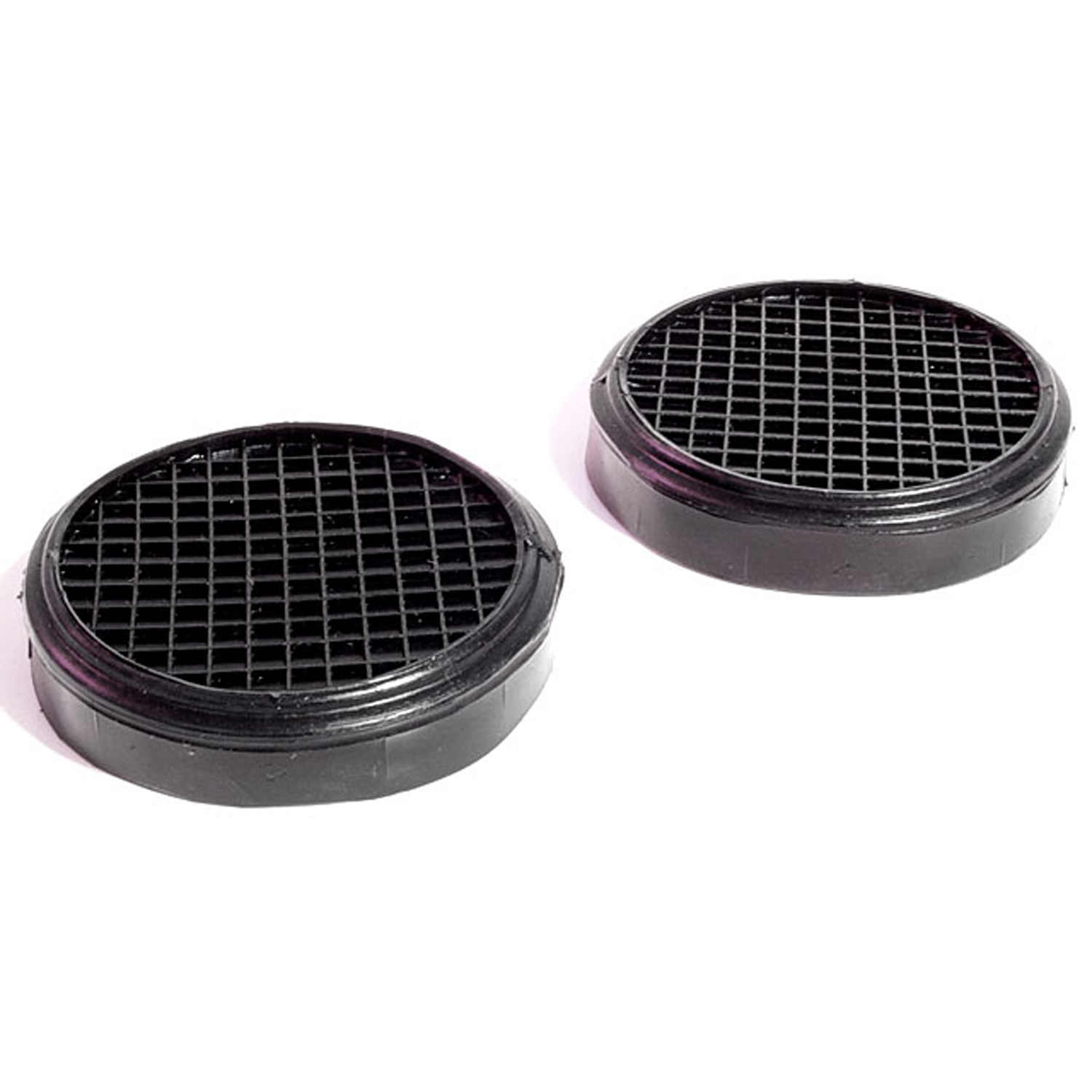 1938 Lincoln Zephyr Clutch and Brake Pedal Pads. 3-1/2" Diameter. Pair-CB 62Clutch and Brake Pedal Pads. 3-1/2" Diameter. Pair
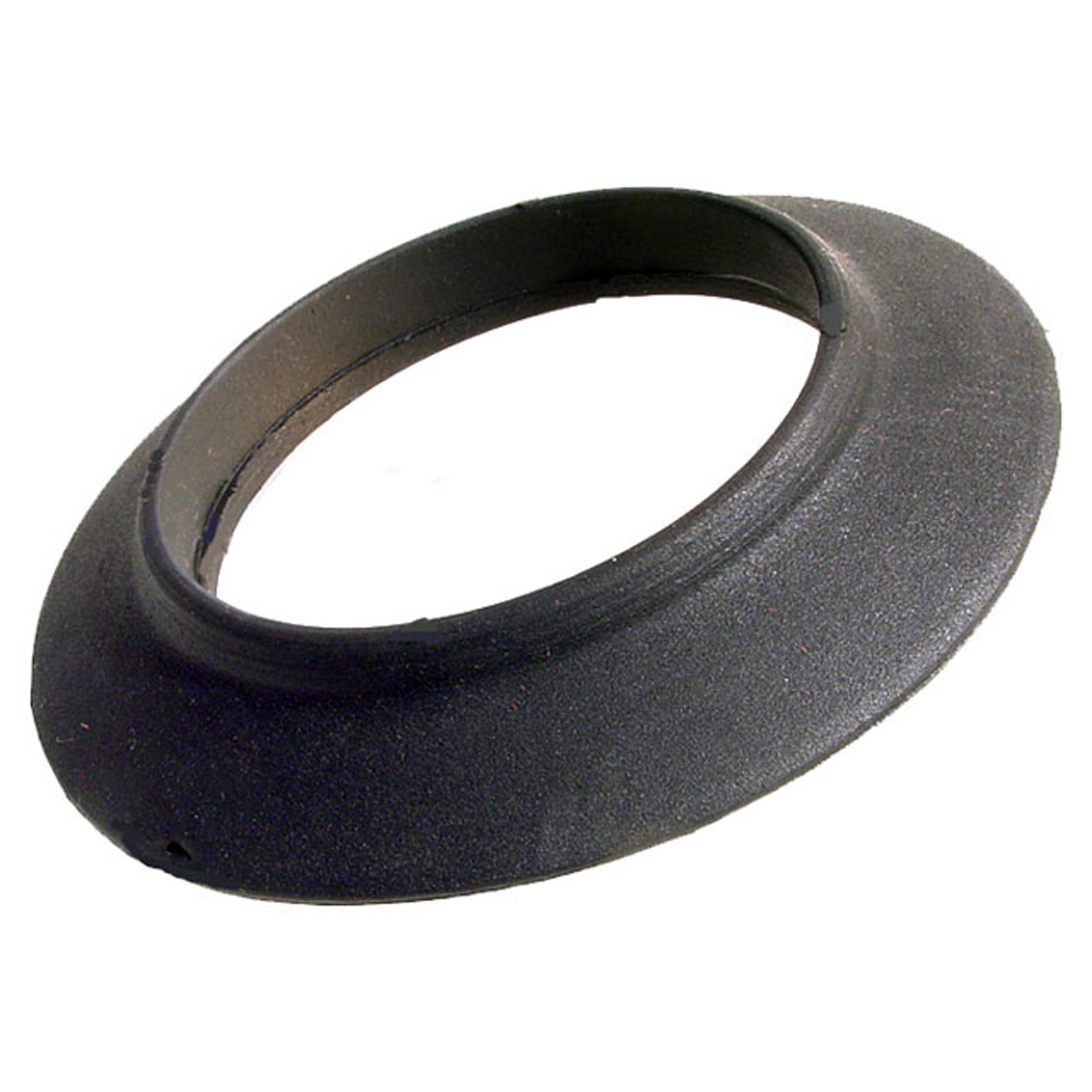 1938 Lincoln Zephyr Gas Filler Grommet. 2-1/2" I.D., 4-1/8" O.D. Each-GF 24Gas Filler Grommet. 2-1/2" I.D., 4-1/8" O.D. Each
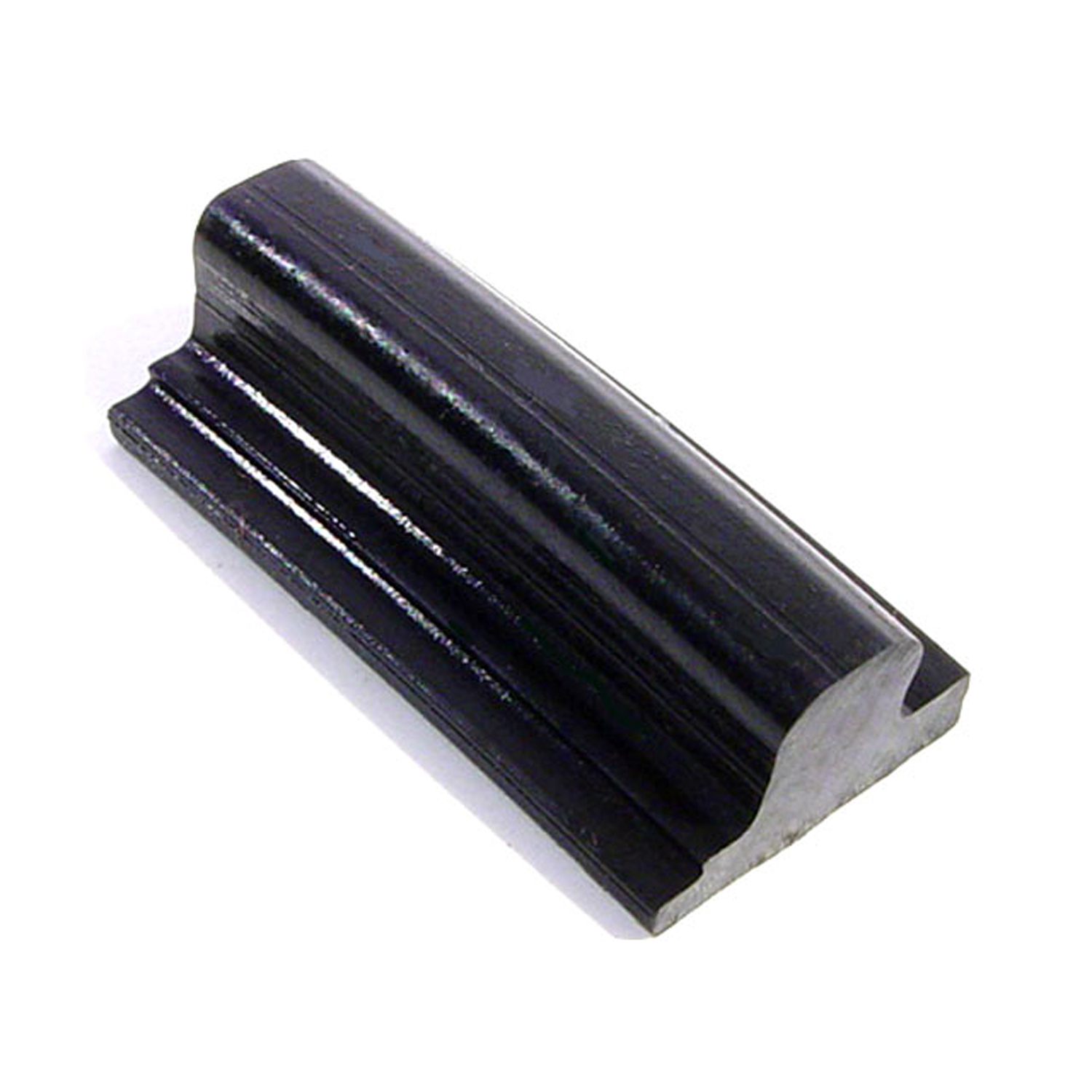 1938 Lincoln Zephyr Hood Bumper. 1-9/16" long X 3/4" wide X 1/2" high-HF 44-BHood Bumper. 1-9/16" long X 3/4" wide X 1/2" high. Nice reproduction of a previously unavailable part. Each
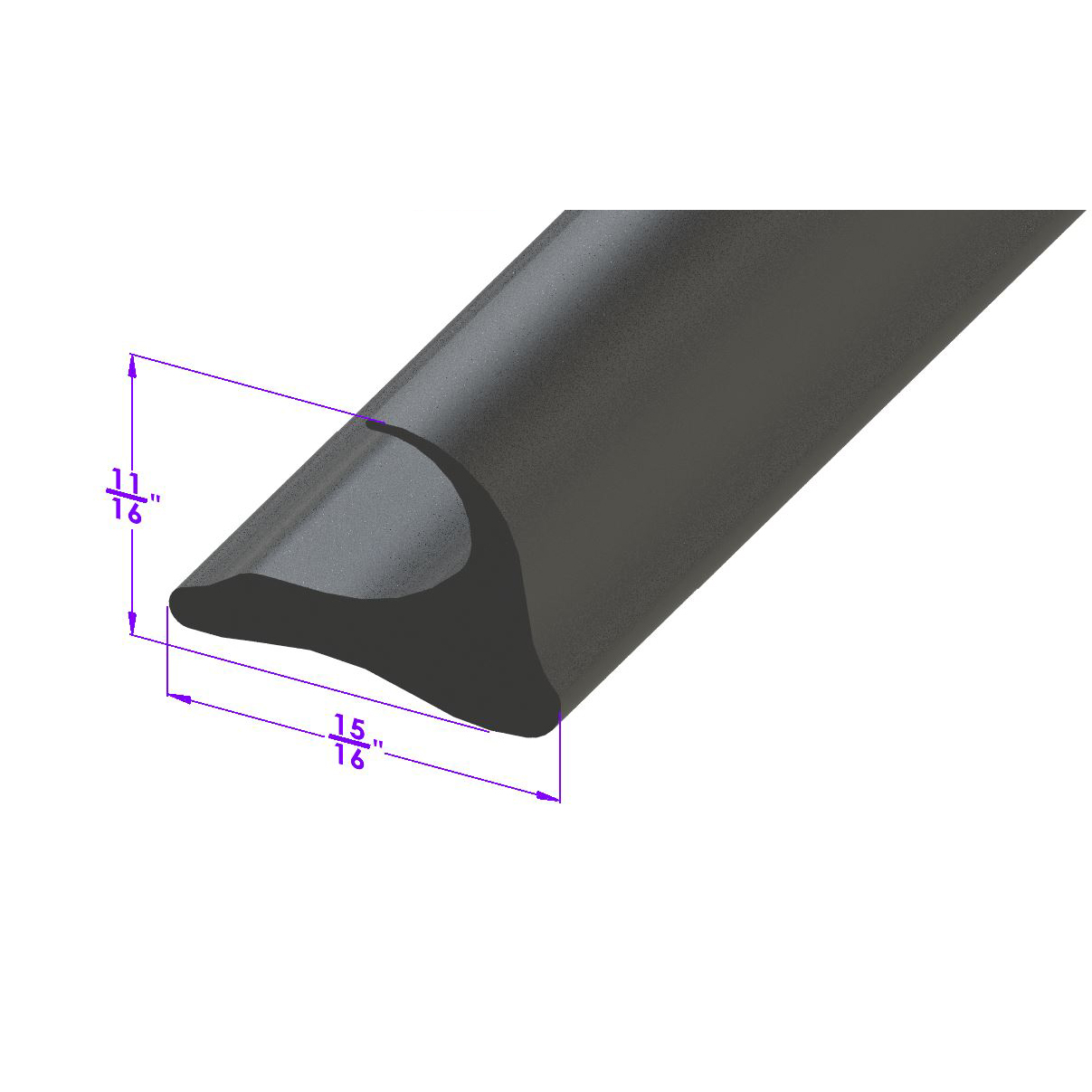 1938 Lincoln Zephyr Side Roof Rail Seal. Fits in metal retainer-LP 12-ASide Roof Rail Seal. Fits in metal retainer. Sold by the foot
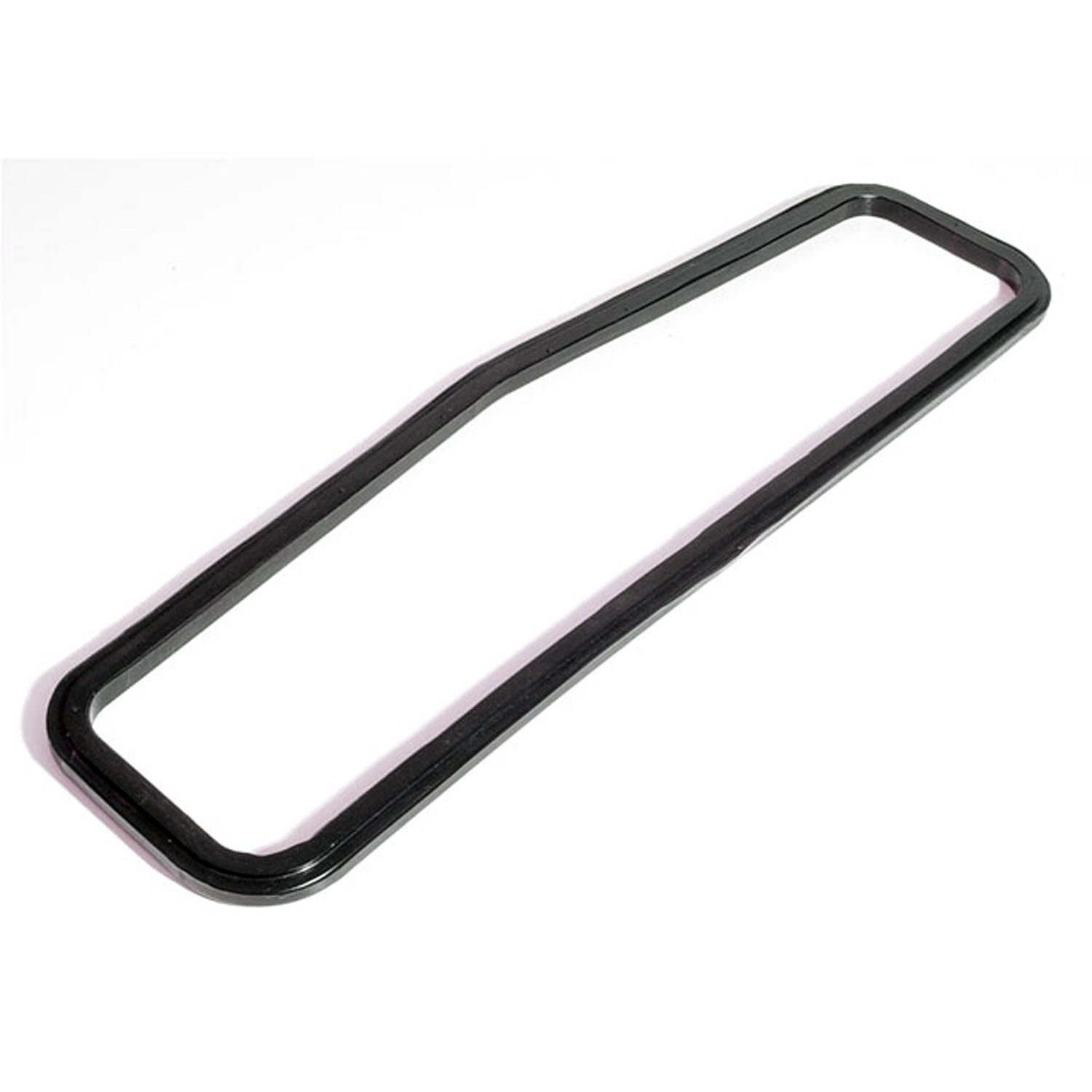 1938 Lincoln Zephyr Cowl Vent Seal. Made of soft rubber. All original details-RP 100-RCowl Vent Seal. Made of soft rubber. All original details. 4-3/8" wide at side X 17-5/8" long. Each
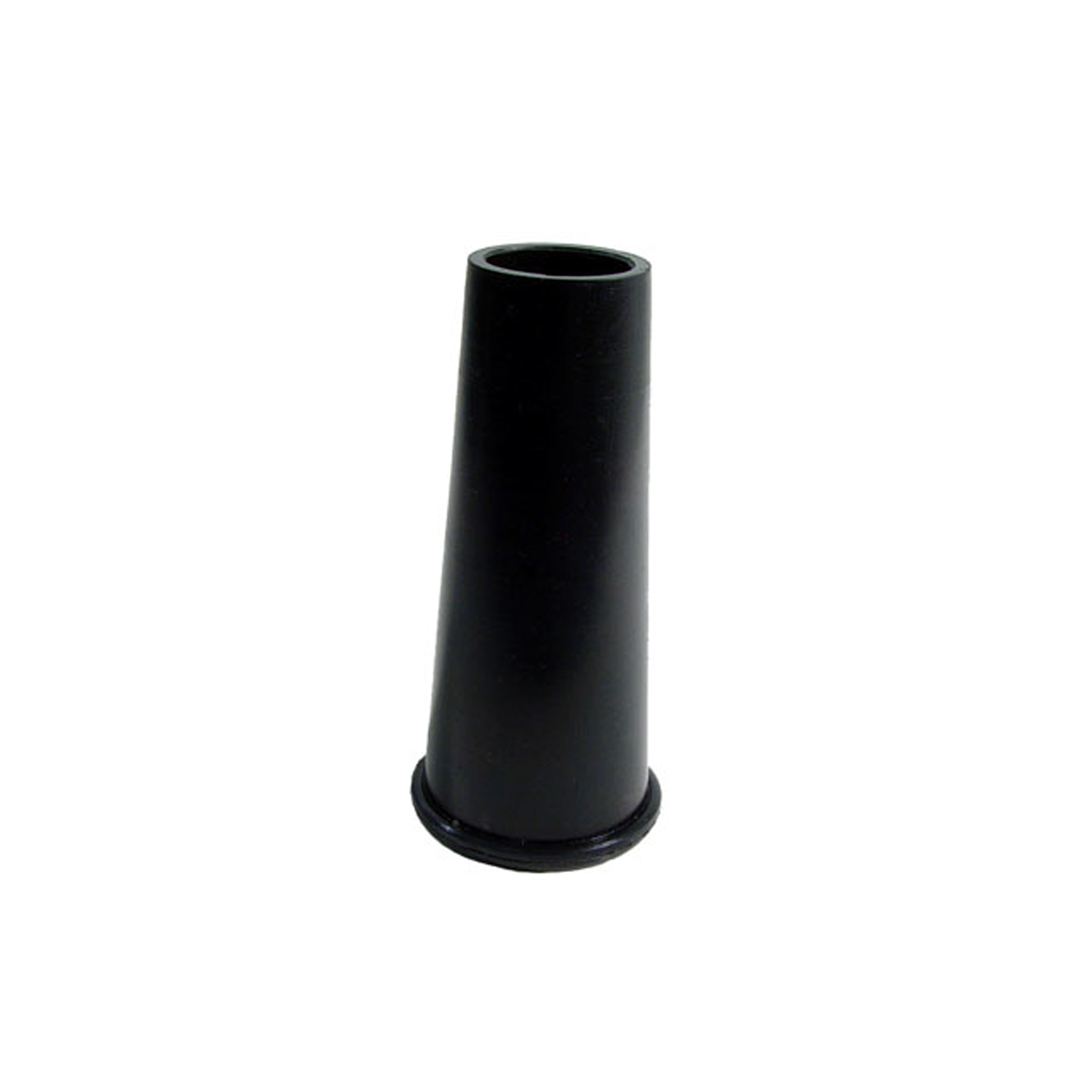 1938 Lincoln Zephyr Distributor Ignition Boot. 3-1/8", 1-1/4" O.D., 3/4" I.D-SM 65-DDistributor Ignition Boot. 3-1/8", 1-1/4" O.D., 3/4" I.D. Each
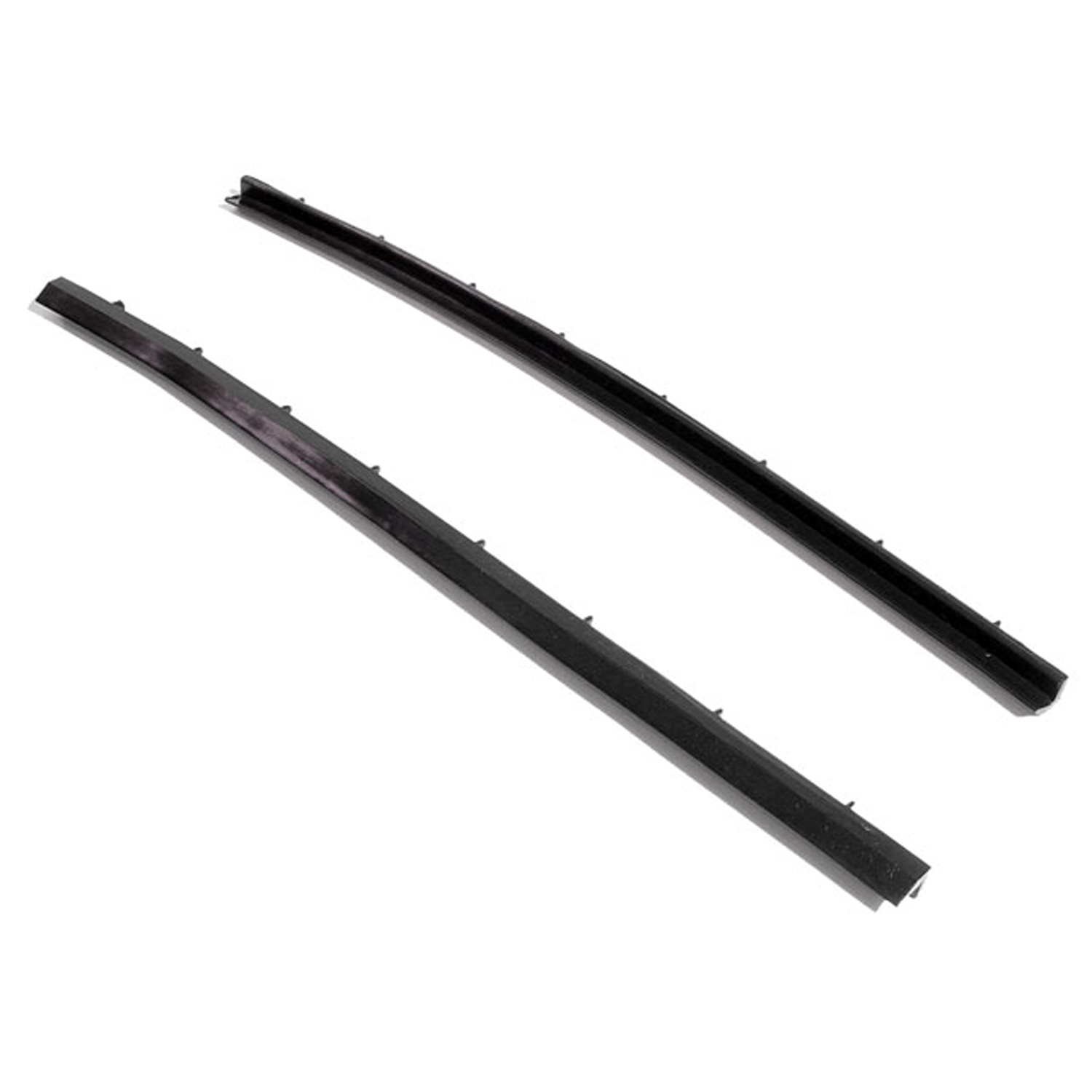 1938 Lincoln Zephyr Vertical Seals for Front Vent Window-VS 6-CVertical Seals for Front Vent Window. Made with steel core and bend-over tab. Pair
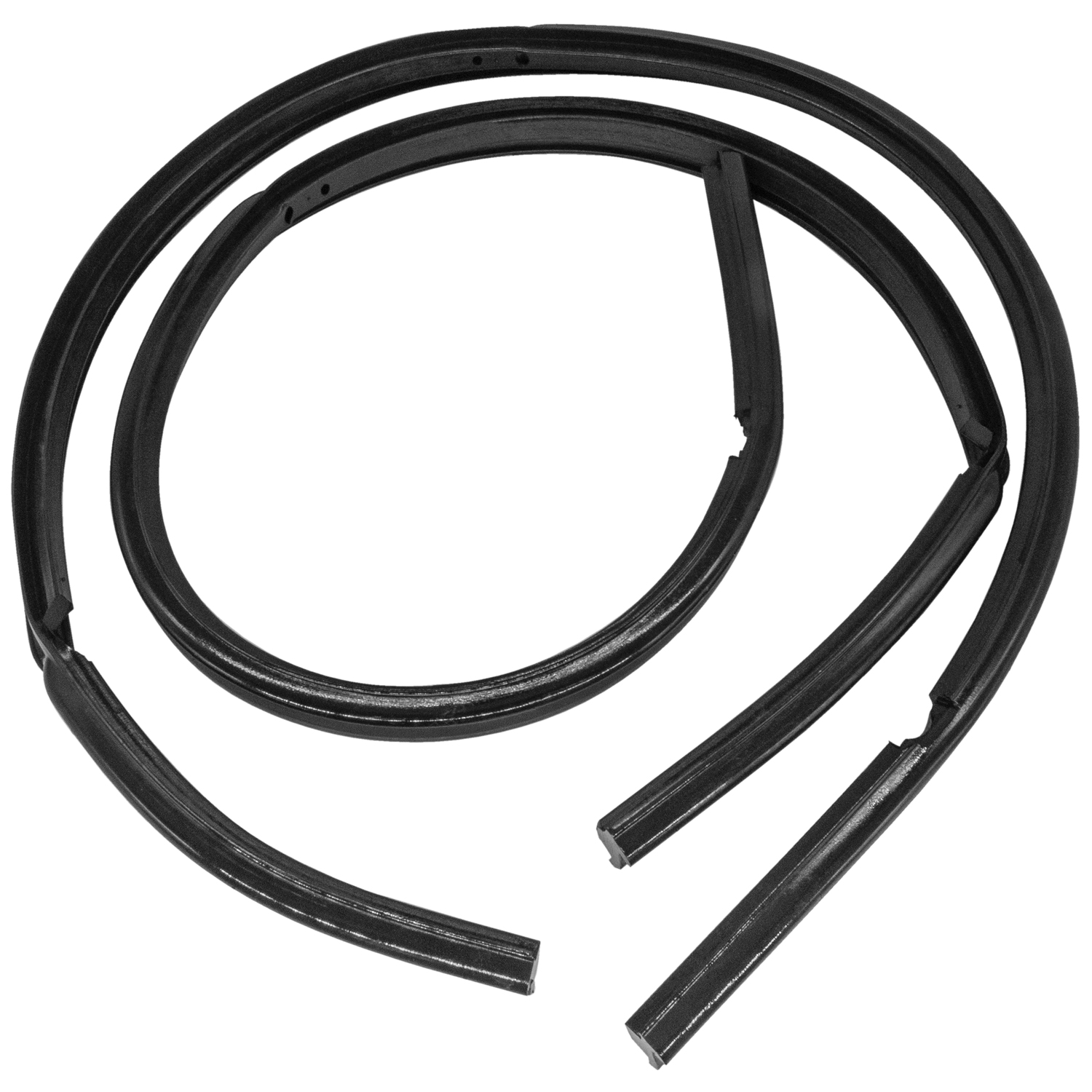 1938 Lincoln Zephyr Rear Vent Window Seals, for 4-Door Sedans. Pair R&L-WR 5909-RRear Vent Window Seals, for 4-Door Sedans. Pair R&L
Why Choose Metro?
For over 100 years, Metro Moulded Parts has been the pinnacle of quality in classic car restoration parts. Our commitment to precision and authenticity in every component ensures a perfect fit and an OEM-level appearance.
- Expert Craftsmanship & Quality: Each part is a testament to our dedication to reliability and perfection, crafted from original designs and thoroughly tested.
- Advanced Technology: We use cutting-edge techniques to create flawless, long-lasting parts that surpass others in performance.
- SuperSoft Sponge – The Ultimate Door Seal: Not only are our door seals 30% softer than competitors', but they're also guaranteed to never leak. They effectively reduce wind and road noise, enhancing your classic car's comfort and driving experience.
- Proudly American: Our parts are a product of American craftsmanship, made in the USA with a spirit of excellence and heritage.
- Unrivaled Warranty: We back our products with a 30-year industry-leading warranty, a testament to our confidence in their quality.
Join us in preserving the legacy of classic cars with parts that are crafted for perfection, not just made.