

Image of 1956 Lincoln Capri, Note: These illustrations use artistic license and may differ from actual historical models.
Performance Metrics
Fundamental Metrics
Emotional Appeal
MMP Rating
| Engine Specifications | |
|---|---|
| Engine Options: | Lincoln Y-block V8 |
| Displacement Range: | 368 cu in (6.0 L) |
| Horsepower Range: | 285 hp |
| Torque: | 402 lb-ft |
| Compression Ratio: | 9.0:1 |
| Ignition System: | Distributor ignition system |
| Cooling System: | Liquid-cooled |
| Performance Specifications | |
| 0-60 Time: | 10 seconds |
| 1/4 Mile Time: | 17 seconds |
| Top Speed: | 120 mph |
| Transmission and Drive | |
| Drive Type: | Rear-wheel drive |
| Transmission Type: | 3-speed Turbo-Drive automatic |
| Fuel and Efficiency | |
| Fuel System Type: | Carburetor |
| MPG: | 10-12 mpg |
| Dimensions and Brakes | |
| Brakes: | Drum brakes |
| Wheelbase: | 126 in |
| Weight: | 4,315 lbs |
Note: Specifications for classic cars are given to the best of our ability, considering the limited and variant data available.
1956 Lincoln Capri: Big-Block Luxury Before the Jet Age
The 1956 Lincoln Capri brought American luxury into sharp focus: a long, low body, a powerful V8 and an interior built for quiet, comfortable miles. Made by Ford Motor Company’s Lincoln division, the Capri sat in Lincoln’s model range below the more lavish Premiere, but it was still a substantial, well-equipped car. Its blend of dramatic styling and effortless road manners makes it a particularly appealing snapshot of mid-1950s American motoring.
The Capri name had been part of Lincoln’s lineup since 1952. For 1956, the car received updated styling and a potent 368-cubic-inch V8 rated at 285 horsepower. It arrived during a period when American manufacturers were competing through horsepower, comfort and visual presence. One memorable detail of the year was Ford’s promotion of new safety ideas under the “Lifeguard” banner, reflecting a growing awareness that automotive design should protect occupants as well as impress them.
Long, Low and unmistakably Lincoln
The Capri’s exterior was all about scale and sweep. Its long hood, broad body sides and low roofline gave it a confident, almost yacht-like profile. Chrome trim traced the body, while the grille and sculpted front fenders gave the nose a wide, substantial appearance. At the rear, the decklid’s Continental spare-tire styling created the impression of an externally mounted spare without giving up the convenience of a conventional trunk.
Buyers could choose among a two-door hardtop, four-door sedan and convertible. The hardtop offered the clean, pillarless look that was especially fashionable in the 1950s, while the convertible made the Capri’s long proportions even more dramatic with its top lowered. The hardtop is often the most instantly recognizable version, though the convertible is typically the most coveted today.
Lincoln offered the Capri in a range of solid and two-tone paint combinations. Period palettes included subdued whites and pastels as well as richer blues, greens and darker hues. Two-tone finishes were popular because they emphasized the car’s long body and highlighted its chrome and sculpted side trim. Exact colors and combinations varied with production and trim, so original paint records are useful when authenticity matters to a buyer.
A Quiet Cabin with Period Luxury
Inside, the Capri paired a broad bench-seat layout with an elaborate dashboard and polished trim. Upholstery materials and patterns depended on the body style and equipment, but the overall effect was upscale and carefully finished. The cabin was designed for comfort rather than sportiness, with generous room for passengers and a wide view over the long hood.
Available conveniences included power steering, power brakes, power windows, a power-adjustable seat and air conditioning. Equipment could vary by car, so a modern buyer should check the individual vehicle rather than assume every Capri came fully optioned. For 1956, safety was also part of the conversation: Lincoln advertised features associated with Ford’s Lifeguard safety effort, including a deep-dish steering wheel and padded interior components. Seat belts were available, though they were far from universal on cars of the era.
368 V8 Power and Smooth Road Manners
Under the hood sat Lincoln’s 368-cubic-inch V8, a large-displacement engine producing a factory-rated 285 horsepower in 1956. It was paired with Lincoln’s Turbo-Drive automatic transmission in many cars, delivering the smooth, relaxed shifts expected in a luxury model. The Capri’s strong low- and mid-range power suited its weight and size: it could gather speed without needing to be driven hard.
Period performance figures vary with body style, equipment, gearing and the condition of the car. As a practical estimate, a healthy Capri may reach 60 mph in roughly 9.5 to 11 seconds, with a top speed in the neighborhood of 110 to 115 mph. Those numbers are impressive for a large luxury car of the period, but the Capri is best enjoyed for its effortless cruising rather than modern-style acceleration.
On the road, the Capri feels substantial. Its suspension is tuned to absorb broad pavement imperfections, and the long wheelbase helps it settle into a steady highway rhythm. It can feel less nimble on tight, winding roads, where its size and weight demand early, deliberate steering inputs. Drum brakes and period tires also call for more planning than a modern driver may expect, especially in traffic or on long descents.
The V8 provides a deep, measured rumble rather than a high-revving performance-car soundtrack. From behind the wheel, the experience is defined by the broad bench seat, large steering wheel and the sense that the car prefers smooth inputs. A well-maintained example glides over ordinary road imperfections, though worn suspension parts, loose steering components or tired shocks can quickly turn that calm ride into a floaty one.
Why the 1956 Capri Mattered
The Capri was part of Lincoln’s effort to combine luxury with the increasingly powerful, expressive styling of the 1950s. Its wide body, prominent chrome, V8 performance and comfort-focused equipment represented a distinctly American idea of prestige. Compared with smaller or more restrained contemporaries, the Lincoln made its presence known through size and visual drama.
Its lasting importance lies less in a single technical breakthrough than in the way it brought together several defining trends: bigger engines, automatic transmissions, power accessories and bold styling. The Capri also reflects the era’s gradual shift toward safety-conscious features, even as the industry’s attention remained heavily focused on speed and appearance. It is a useful reminder that mid-century luxury was about the entire driving experience, not just a badge or engine specification.
Living with a Classic Lincoln
Today, most Capris are used as show cars, weekend cruisers or participants in classic-car tours. They can be driven regularly, but their size, fuel consumption and age make them less practical as everyday transportation. A carefully sorted car is generally more enjoyable than a freshly polished one with neglected mechanical systems.
The 368 V8 is a conventional engine by classic-car standards, and many routine jobs are manageable for an experienced home mechanic. The larger challenge is often finding correct trim, interior parts and body components, particularly for a car that needs restoration. Before buying, inspect the frame and body for corrosion, check the automatic transmission’s operation, and look closely at the cooling system, electrical equipment, brakes and suspension. Power accessories add convenience but can also mean more diagnosis and repair work.
Fuel economy is not a strong point. These are heavy cars with large V8 engines, and consumption varies substantially with condition and driving style. A Capri that runs hot, shifts poorly or wanders on the road may need more than a simple tune-up, so a pre-purchase inspection by a mechanic familiar with American classics is money well spent.
Capri Facts and Common Criticisms
The Capri was not the same car as the Continental Mark II, Lincoln’s separate, exceptionally expensive personal-luxury model introduced for 1956. The two shared a year and a marque, but the Mark II was a distinct vehicle with a very different price and production story. The Capri, by contrast, was part of Lincoln’s regular production lineup.
There is no widely recognized speed or endurance record associated with the 1956 Capri. Its appeal is rooted in comfort, power and presence rather than competition history. A common criticism is that the car’s bulk and period suspension make it feel less precise than a modern vehicle, while its fuel use can be demanding. Drum-brake fade and the age-related reliability of electrical and power-operated equipment are other points owners should take seriously.
1956 Lincoln Capri Values and Rarity
Production figures can differ among reference sources and by the way body styles are grouped. A reasonable broad estimate is that Lincoln built around 50,000 cars for the 1956 model year, with roughly 30,000 of them belonging to the Capri series. That makes the Capri uncommon today, but not impossibly rare. Convertibles and well-preserved, correctly equipped examples are harder to find than ordinary sedans or hardtops.
As a general U.S. market guide, a project car may sell for roughly $10,000 to $20,000, while a usable driver often falls around $25,000 to $45,000. Clean, high-quality examples can reach approximately $50,000 to $85,000, and an exceptional restored convertible may exceed that range. Actual prices depend heavily on originality, rust, restoration quality, body style and documentation. These are broad estimates, not a formal appraisal.
Values have tended to reward condition and rarity more than simple age. A well-restored convertible can attract strong interest, while a rough sedan may remain difficult to sell even if its asking price seems modest. The market for 1950s American classics can rise and soften with collector tastes, so buyers should prioritize the quality of the car over predictions of short-term appreciation.
A Lasting Piece of Lincoln’s 1950s
The 1956 Lincoln Capri combined a 285-horsepower V8, generous comfort and unmistakable mid-century styling in a car built to make long-distance travel feel special. It was not a sports sedan or a technical record-setter. Its strengths were presence, smooth power and the confident, unhurried character of a full-size Lincoln.
For collectors, the Capri is a tangible piece of an era when luxury meant a broad highway, a quiet cabin and a V8 under a long hood. Find a sound example, keep its systems in good order and the 1956 Lincoln Capri remains more than a showpiece: it is a grand American cruiser with plenty of character left in its chrome.
1956 Lincoln Capri Catalog of Parts
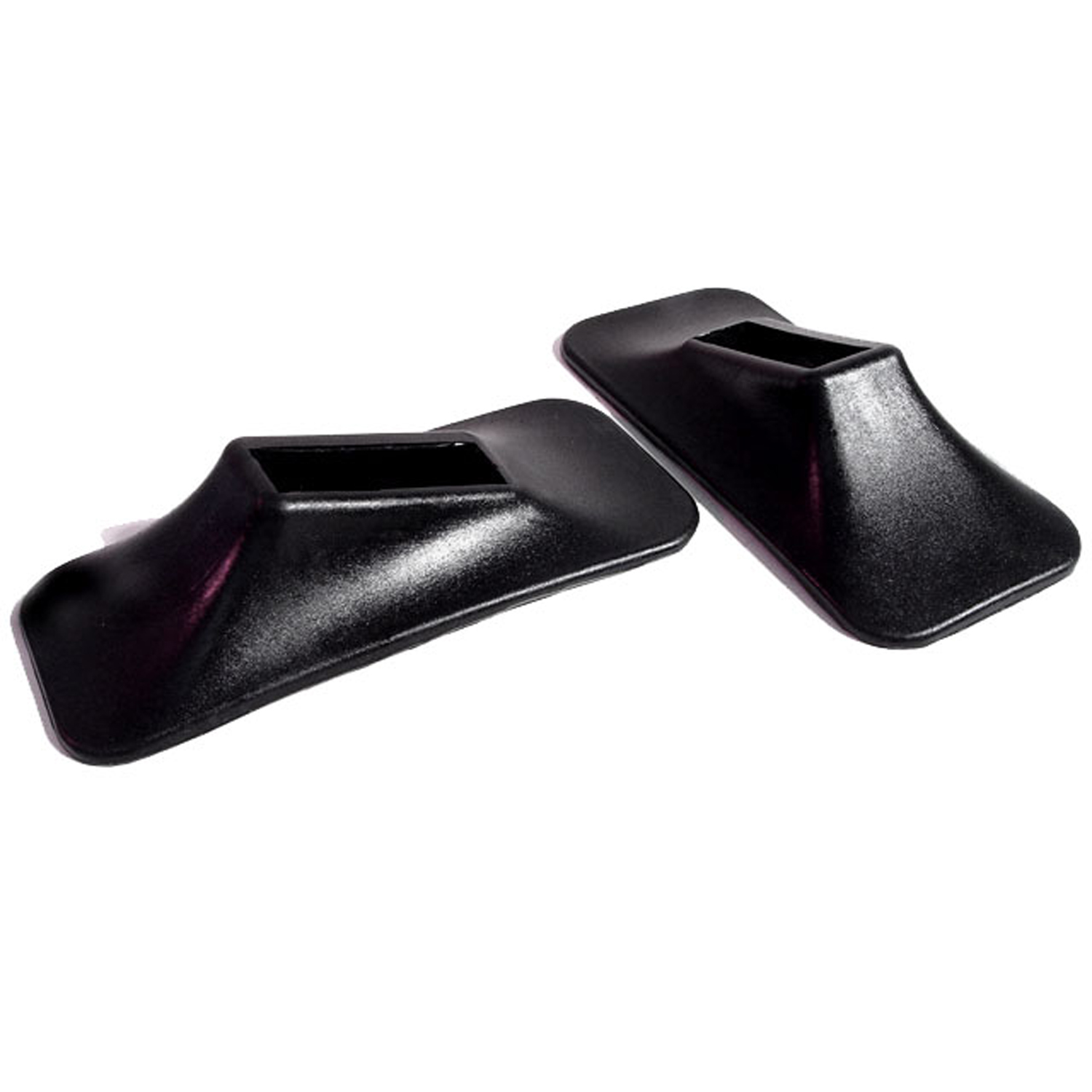 1956 Lincoln Capri Front Bumper Arm Grommets-BG 47Front Bumper Arm Grommets. 2" wide X 4-1/2" long, with 1-3/4" long inner slot. Pair
 1956 Lincoln Capri Shock Absorber Grommet. 1" bottom O.D-BN 11Shock Absorber Grommet. 1" bottom O.D., 3/4" high, with 5/8" I.D. Each
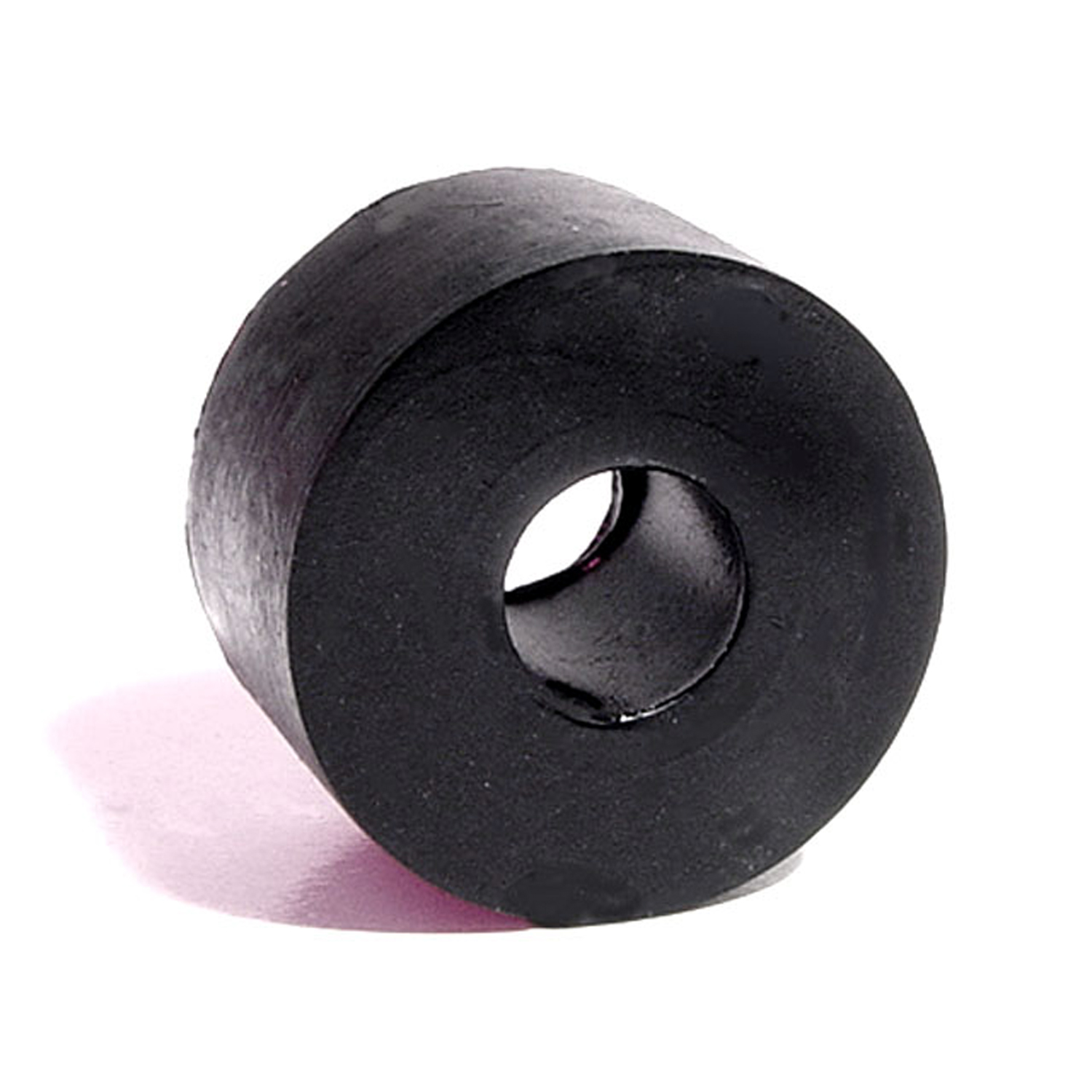 1956 Lincoln Capri Shock Absorber Grommet. 1" bottom O.D-BN 6Shock Absorber Grommet. 1" bottom O.D. X 1/2" high, with 3/8" I.D. Each
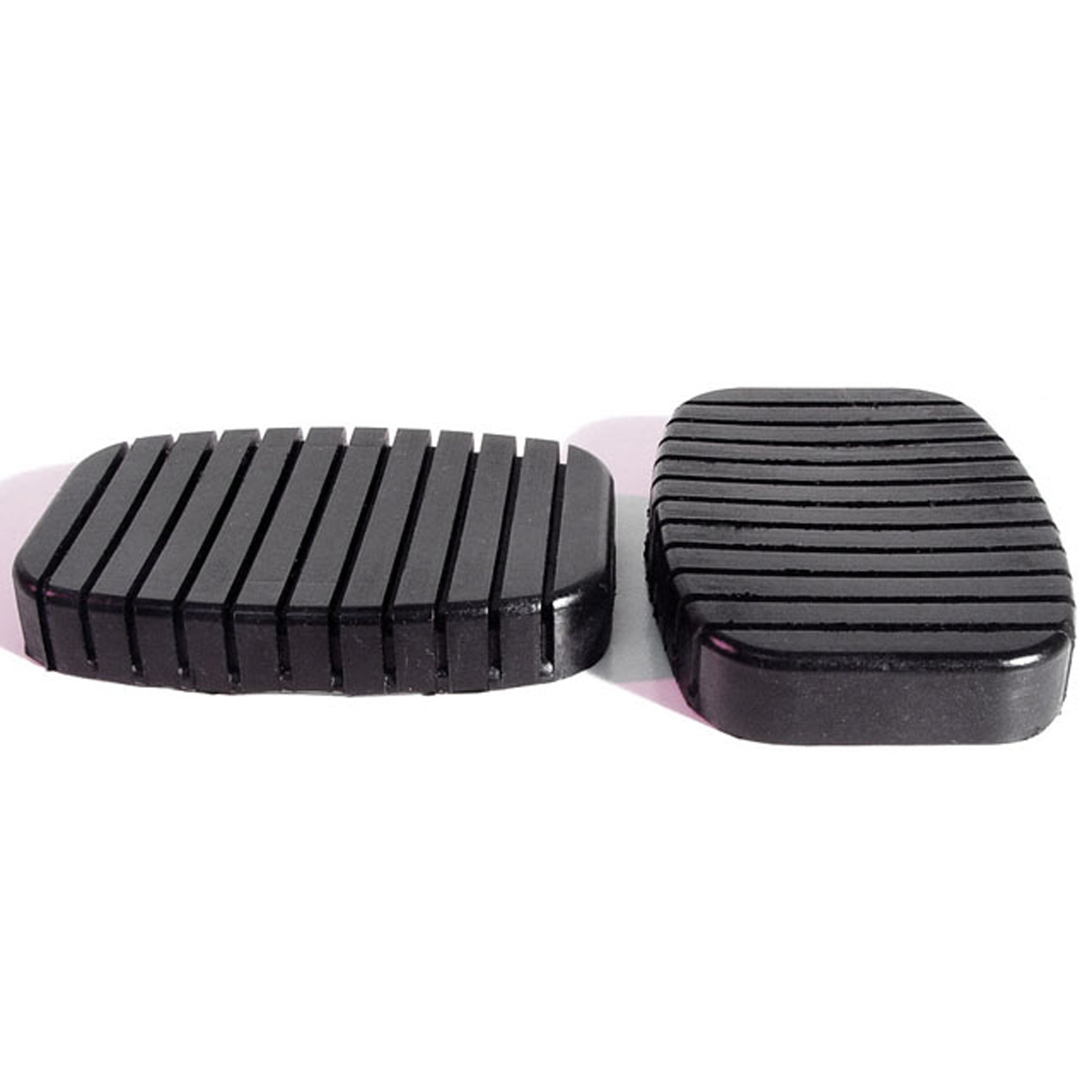 1956 Lincoln Capri Clutch and Brake Pedal Pads-CB 90-BClutch and Brake Pedal Pads. For models with standard transmission. 2-1/4" wide X 3-1/4" long. Pair
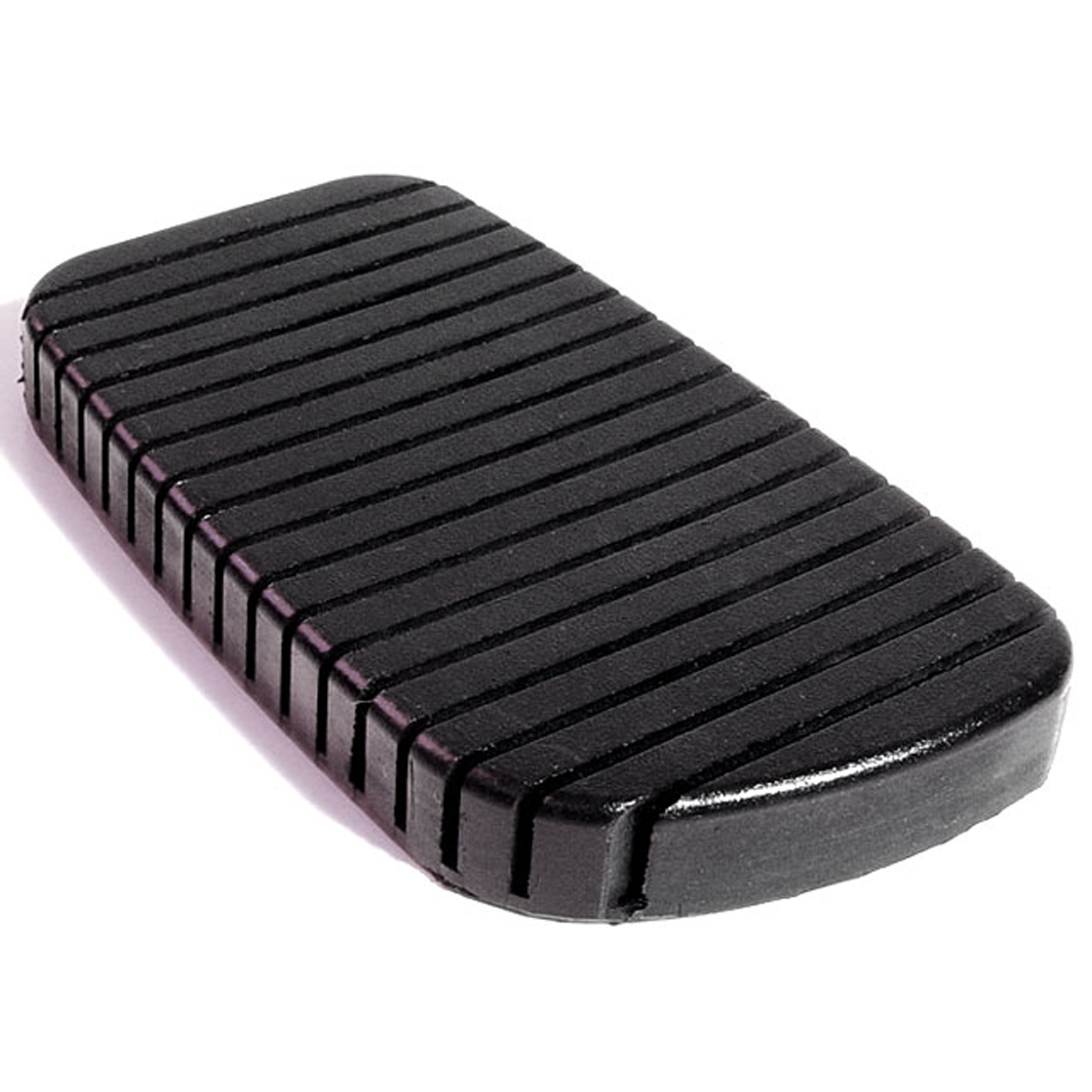 1956 Lincoln Capri Brake Pedal Pad. Correct reproduction of a difficult part-CB 90-CBrake Pedal Pad. Correct reproduction of a difficult part. 2-1/2" wide X 4-1/2" long. Each
 1956 Lincoln Capri Molded Door Seals. For 2-Door. Pair R&L-LM 33-CMolded Door Seals. For 2-Door. Pair R&L
 1956 Lincoln Capri Spot Light Pad. Please specify right or left-MP 819-LSpot Light Pad. Please specify right or left. 4-3/4" long X 2-1/4" wide. Each
 1956 Lincoln Capri Trunk Latch Pad. 21-1/4" X 4-7/8" wide. Each-MP 819-MTrunk Latch Pad. 21-1/4" X 4-7/8" wide. Each
 1956 Lincoln Capri Tail-light Pads. 7-3/4" long X 13-7/8" wide. Pair-MP 819-NTail-light Pads. 7-3/4" long X 13-7/8" wide. Pair
 1956 Lincoln Capri Door Handle Pads. 3-1/8" long & 2-1/2" long-MP 820-BDoor Handle Pads. 3-1/8" long & 2-1/2" long. 4-Piece Set R&L
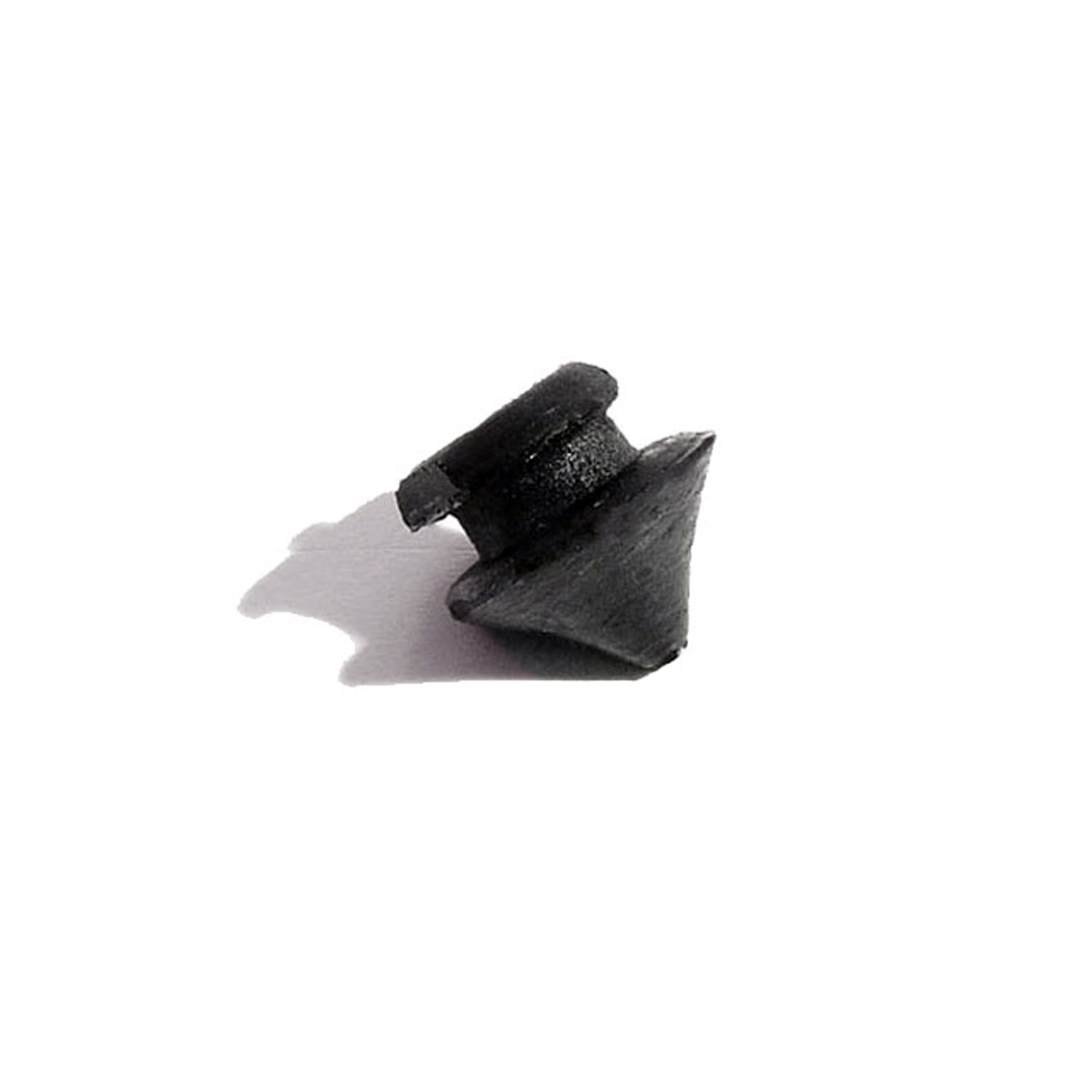 1956 Lincoln Capri Glove Box Bumper. Two used per truck. Each-SB 100Glove Box Bumper. Two used per truck. Each
 1956 Lincoln Capri Trunk Drain Grommets. Set of four-SMK 64-ITrunk Drain Grommets. Set of four
 1956 Lincoln Capri Trunk Seal. Each-TK 42-18Trunk Seal. Each
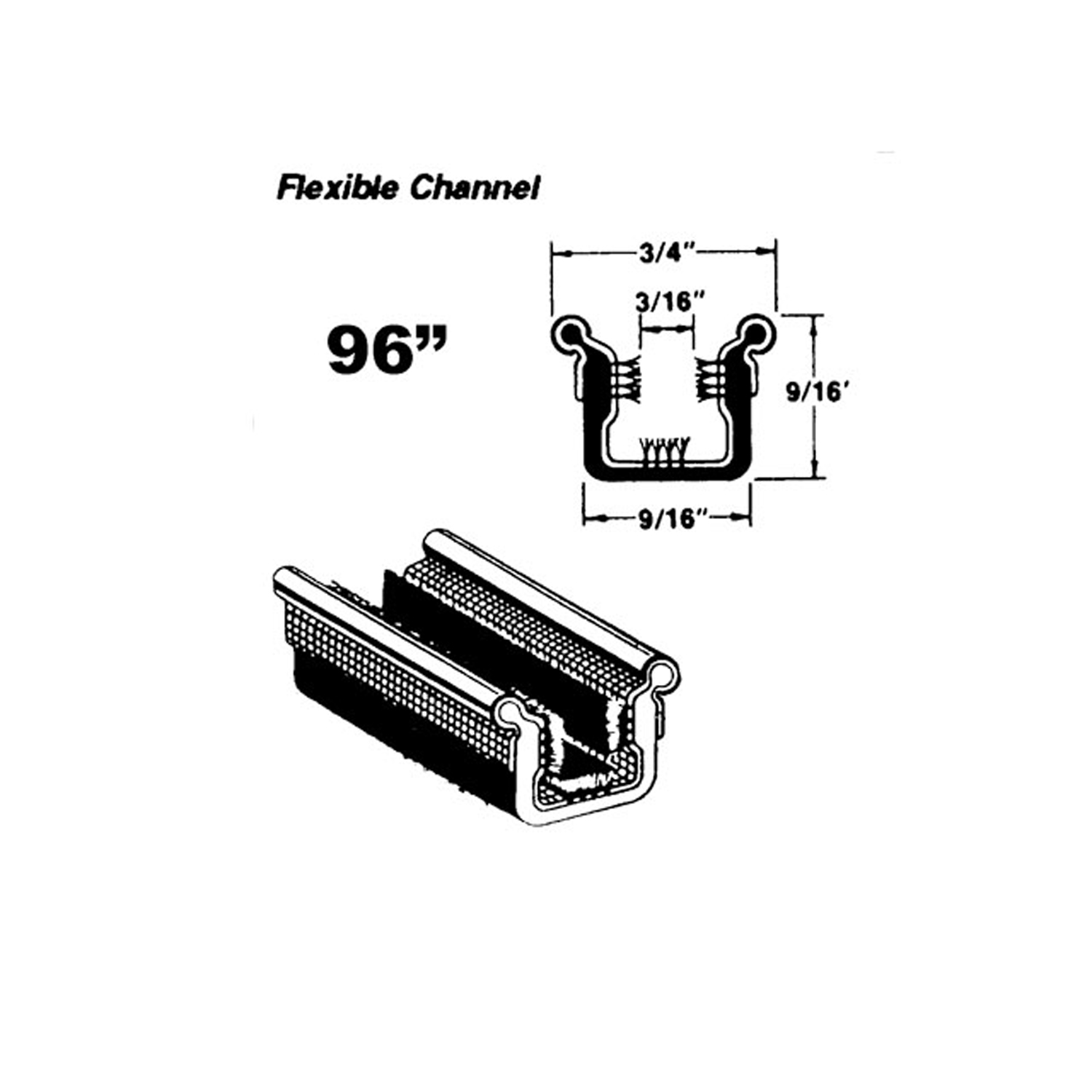 1956 Lincoln Capri Flexible window channel-WC 10-96Flexible window channel. Rubber covered with mohair lining and stainless steel bead. 96 in. long. Each. NOTE: $20 special shipping charge applies for domestic orders. Call or email for overseas shipping costs. Part can be sectioned in two or three equal lengths to reduce overseas shipping costs.
Why Choose Metro?
For over 100 years, Metro Moulded Parts has been the pinnacle of quality in classic car restoration parts. Our commitment to precision and authenticity in every component ensures a perfect fit and an OEM-level appearance.
- Expert Craftsmanship & Quality: Each part is a testament to our dedication to reliability and perfection, crafted from original designs and thoroughly tested.
- Advanced Technology: We use cutting-edge techniques to create flawless, long-lasting parts that surpass others in performance.
- SuperSoft Sponge – The Ultimate Door Seal: Not only are our door seals 30% softer than competitors', but they're also guaranteed to never leak. They effectively reduce wind and road noise, enhancing your classic car's comfort and driving experience.
- Proudly American: Our parts are a product of American craftsmanship, made in the USA with a spirit of excellence and heritage.
- Unrivaled Warranty: We back our products with a 30-year industry-leading warranty, a testament to our confidence in their quality.
Join us in preserving the legacy of classic cars with parts that are crafted for perfection, not just made.