

Image of 1970 Lincoln Continental, Note: These illustrations use artistic license and may differ from actual historical models.
Performance Metrics
Fundamental Metrics
Emotional Appeal
MMP Rating
| Engine Specifications | |
|---|---|
| Engine: | 460 CID V8 |
| Displacement: | 460 cubic inches (7.5 liters) |
| Horsepower: | 365 HP |
| Torque: | 500 lb-ft |
| Compression Ratio: | 10.5:1 |
| Ignition System: | Electronic |
| Cooling System: | Liquid-cooled |
| Performance Specifications | |
| 0-60 Time: | 8.5 seconds |
| 1/4 Mile Time: | 16 seconds |
| Top Speed: | 125 mph |
| Transmission and Drive | |
| Drive Type: | Rear-wheel drive |
| Transmission Type: | 3-speed automatic |
| Fuel and Efficiency | |
| Fuel System Type: | Carburetor |
| MPG: | 10-12 mpg |
| Dimensions and Brakes | |
| Brakes: | Power-assisted disc brakes |
| Wheelbase: | 127.2 inches |
| Weight: | 5,000 lbs |
Note: Specifications for classic cars are given to the best of our ability, considering the limited and variant data available.
1970 Lincoln Continental: The American Luxury Flagship
The 1970 Lincoln Continental made a statement before its big V8 had even turned over. Long, low, and nearly six feet wide, it was a full-size luxury car built to make distance feel effortless. Ford Motor Company’s Lincoln division positioned the Continental above ordinary family cars, combining formal styling, a richly equipped cabin, and substantial road presence in one of the era’s most recognizable American packages.
The 1970 model belonged to the Continental tradition reshaped by designer Elwood Engel for 1961. That landmark design brought clean, restrained lines and the now-famous rear-hinged back doors to a car that had previously been known for extravagant proportions. By 1970, Lincoln had sharpened the look with more squared-off styling and hidden headlamps, while keeping the quiet, imposing character that made the nameplate special.
One memorable detail was the Continental’s center-opening four-door layout. The rear doors hinged at the back, giving passengers an unusually broad, graceful entry. The arrangement became one of the car’s most recognizable features and a lasting symbol of mid-century American luxury.
Continental Styling and Interior
The 1970 Continental wore long, straight body sides, a broad grille, a long hood, and a formal roofline. Its concealed headlamps kept the front end clean when they were switched off, while the upright grille and restrained ornamentation gave the car a dignified rather than flashy appearance. At the rear, the trunk’s sculpted shape suggested the Continental’s traditional external spare-tire cover, even though the spare was carried inside.
Inside, Lincoln emphasized comfort and quiet. Buyers could find plush upholstery, wide bench seating, generous legroom, wood-tone trim, and thick carpeting. Depending on body style and equipment, upholstery choices included cloth, vinyl, and leather. Power accessories were part of the luxury experience, with features such as power steering, power brakes, power windows, and power-adjustable seating available. Air conditioning and upgraded audio equipment were popular options.
Paint choices ranged from restrained black, white, and dark blue to greens, burgundies, golds, and other period shades. Exact names varied by factory paint chart and trim combination. Dark, formal colors suited the car’s stately image, while metallic gold and lighter colors showed off its long bodywork particularly well.
Continental buyers could choose among two-door and four-door hardtop styles, as well as a four-door sedan. The four-door sedan, with its rear-hinged back doors, is the most iconic expression of the model. Lincoln also offered the Town Car as a luxury-focused package for the four-door sedan, adding an especially formal interior treatment. The Continental Mark III was a separate model, not simply another Continental body style.
Engineering and Historical Importance
The 1970 Continental was not designed to be a lightweight sports sedan. Its mission was to deliver relaxed, near-silent travel with the reassuring heft expected of a top-level American car. It used body-on-frame construction, rear-wheel drive, and a substantial suspension suited to carrying a full cabin over long distances. The result was a vehicle that felt distinctly different from smaller European luxury cars and sportier domestic models.
Its greatest design influence came from the 1961 Continental’s clean styling and rear-hinged doors, both of which remained central to the model’s identity. The 1970 car carried that legacy into a new decade, when American luxury cars still favored size, comfort, and powerful engines. Its hidden headlamps and crisp, formal shape also reflected a broader period trend toward concealed lighting and more architectural body designs.
The Continental’s place in history is also tied to the changing years around it. It represented the grand, V8-powered American luxury car just before fuel prices, emissions rules, and changing consumer tastes began to reshape the market. It was not a technological revolution, but it was a confident statement of what a flagship car could be in 1970.
460 V8 Performance and Ride
Most 1970 Continentals were powered by Ford’s 460-cubic-inch V8, paired with a three-speed automatic transmission. Period ratings commonly list the engine at about 365 horsepower and 500 lb-ft of torque. Those figures were measured using the gross-rating system of the time, so they should not be compared directly with modern net-horsepower ratings. The engine’s real calling card was its abundant low-speed torque, which moved the heavy Lincoln away from a stop without needing to be revved hard.
Expect a 0-to-60-mph time in roughly the 10-to-12-second range, depending on condition, gearing, and test method. A healthy example could reach approximately 115 to 120 mph, though this is an estimate rather than a meaningful measure of the car’s intended purpose. The Continental was built for smooth highway progress, not repeated high-speed runs.
On the road, the Lincoln feels substantial and relaxed. Its long wheelbase helps it glide over expansion joints and broken pavement, while the soft suspension favors comfort over sharp cornering. On a winding road, its size and body roll are obvious, and the steering feels less immediate than that of a modern car. Strong crosswinds and tight parking spaces also remind the driver that this is a very large machine.
The V8 produces a deep, muted burble, and the automatic transmission shifts with an unhurried character when properly adjusted. Behind the wheel, the experience is less about sporty feedback and more about commanding space, settling into a wide seat, and letting the engine’s torque do the work. A well-maintained Continental should feel composed and quiet, not loose or harsh.
Living With a 1970 Lincoln
Today, most 1970 Continentals serve as weekend cruisers, show cars, or special-event vehicles. Some owners use them for regular local driving, but their size, fuel consumption, and age make them less convenient as everyday transportation. They are especially at home on open roads, where their long-distance comfort has room to shine.
Maintenance is manageable for an owner familiar with older American cars, and the mechanical layout is generally less complicated than that of many modern vehicles. The 460 V8 and automatic transmission were used across a broad range of Ford products, which helps with general mechanical knowledge and some replacement parts. However, model-specific trim, body panels, interior pieces, and certain electrical or vacuum-operated components can be harder to source.
Before buying, inspect the body and frame carefully for rust, particularly around the floor pans, lower body panels, trunk, and structural areas. Check that the hidden headlamps operate properly, the power accessories work, and the transmission shifts smoothly. Worn suspension components, leaking seals, neglected cooling systems, and brittle wiring can turn an inexpensive car into a costly project. Fuel economy is also a reality of ownership: the big V8 can use fuel quickly, especially in city traffic.
Rare Details and Common Criticisms
The rear-hinged doors are the Continental’s most famous talking point. They make access easier and create a distinctive opening when both doors are swung wide, but they also require careful adjustment and sound latches to operate safely. The concealed headlamps are another signature feature, adding a touch of sophistication while introducing vacuum-related parts that may need attention on an older example.
There is no widely recognized 1970 Continental production record for speed, endurance, or sales. The model is better remembered for its design and comfort than for competition achievements. Nor should it be confused with the specially modified 1961 Lincoln used as President John F. Kennedy’s limousine. That vehicle was a 1961 Continental, not a 1970 model.
Common criticisms are straightforward: the car is thirsty, difficult to maneuver in tight spaces, and not especially nimble on curving roads. Its size can also make body and trim repairs challenging. Those drawbacks are part of the same character that gives the Continental its appealing roominess and imposing presence.
Collector Values and Availability
A reasonable estimate is that roughly 48,000 1970 Lincoln Continentals were produced, although figures can differ by source and by how body styles are counted. That makes the car uncommon today, but not so rare that buyers never see one for sale. Finding a complete, rust-free example is usually more important than finding an especially low production number.
As a broad current-market guide, a project car may sell for around $5,000 to $12,000. A usable driver in sound condition can fall in the $15,000 to $30,000 range, while a very good, well-presented car may bring about $30,000 to $50,000. Exceptional restorations or unusually original examples can exceed that range, though asking prices and final sale prices are not always the same. Condition, documentation, body style, originality, and the quality of restoration all matter.
Values have generally been steadier than those of high-profile muscle cars. Interest in large 1960s and 1970s luxury cars has grown among collectors, but demand remains specialized. The best cars have room to appreciate, while rough examples can be expensive to restore relative to their resale value. Buyers should prioritize sound structure and complete trim over ambitious project-car bargains.
Why the 1970 Continental Still Matters
The 1970 Lincoln Continental combined a powerful 460 V8, a quiet and spacious cabin, formal styling, and the unmistakable rear-hinged doors that defined its heritage. It was not built to corner like a sports car or sip fuel like a compact. It was built to make a long journey feel calm and dignified.
More than half a century later, the Continental remains a rolling snapshot of American luxury at full scale. For collectors seeking comfort, presence, and a distinctive piece of Lincoln history, the 1970 model delivers a character that no modern sedan can quite reproduce.
1970 Lincoln Continental Catalog of Parts
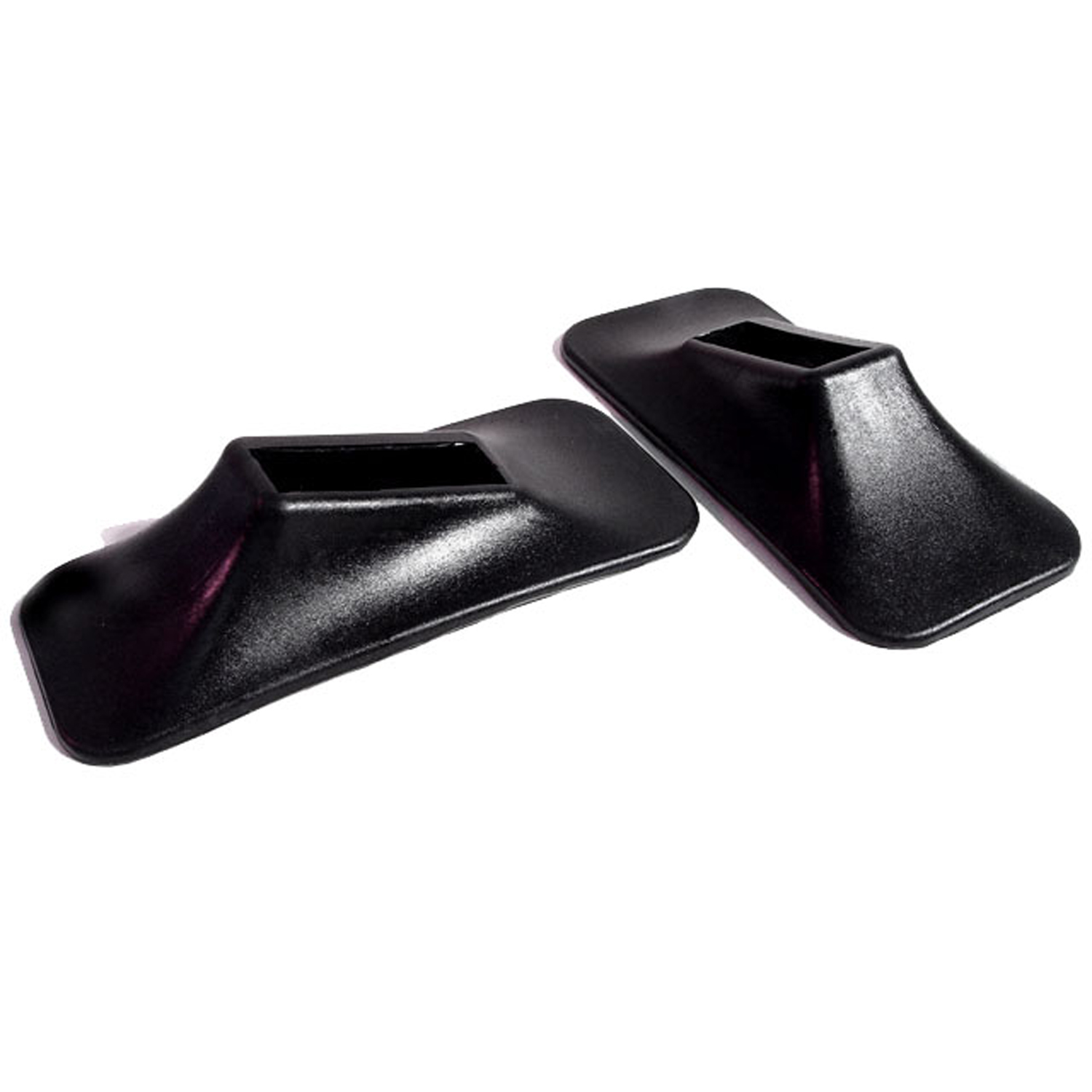 1970 Lincoln Continental Front Bumper Arm Grommets-BG 47Front Bumper Arm Grommets. 2" wide X 4-1/2" long, with 1-3/4" long inner slot. Pair
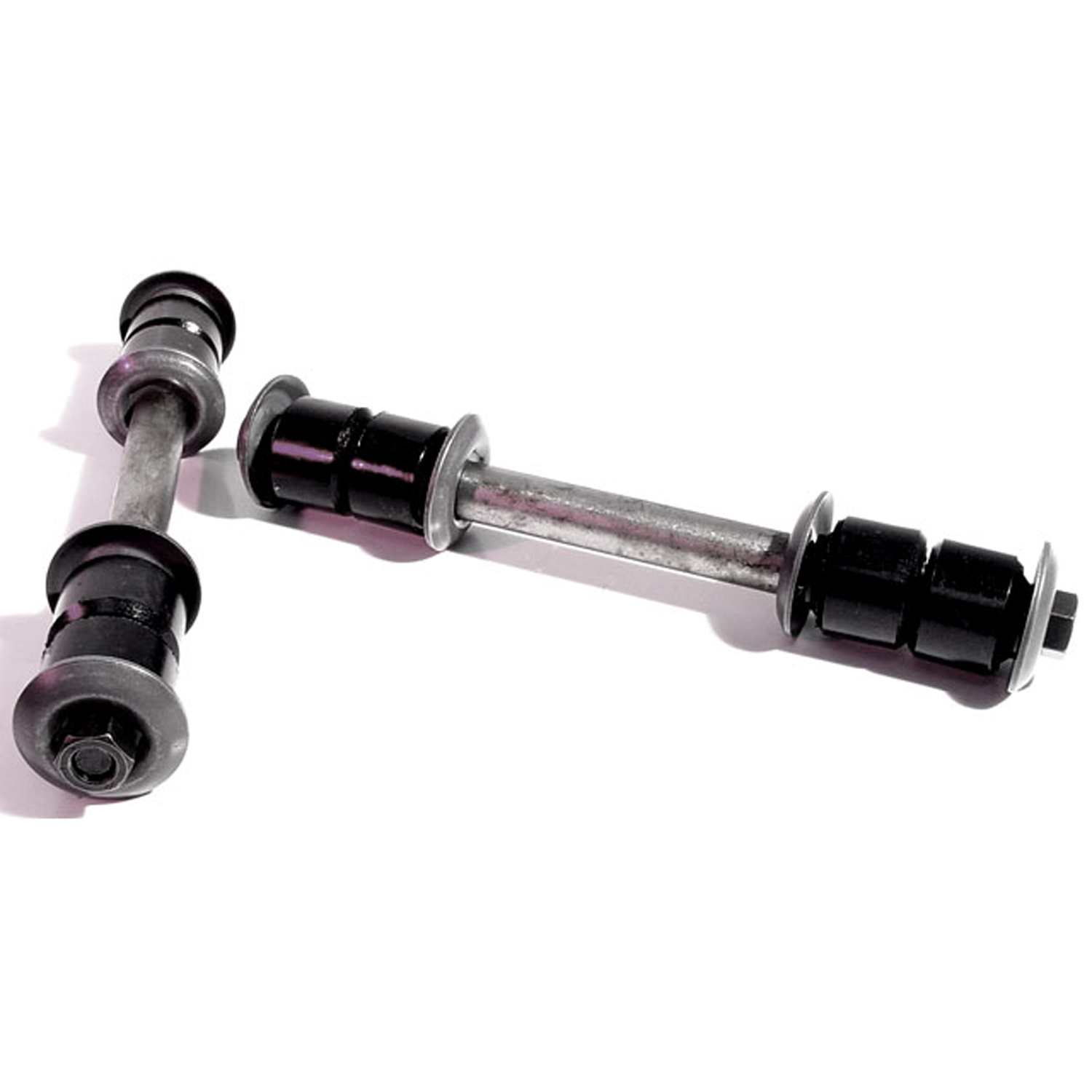 1970 Lincoln Continental Front Stabilizer End Repair Kit-BNK 21Front Stabilizer End Repair Kit. 22-piece set for two stabilizer bars. Contains all rubber bushings, washers, bolts and nuts, enough for one front end. Set
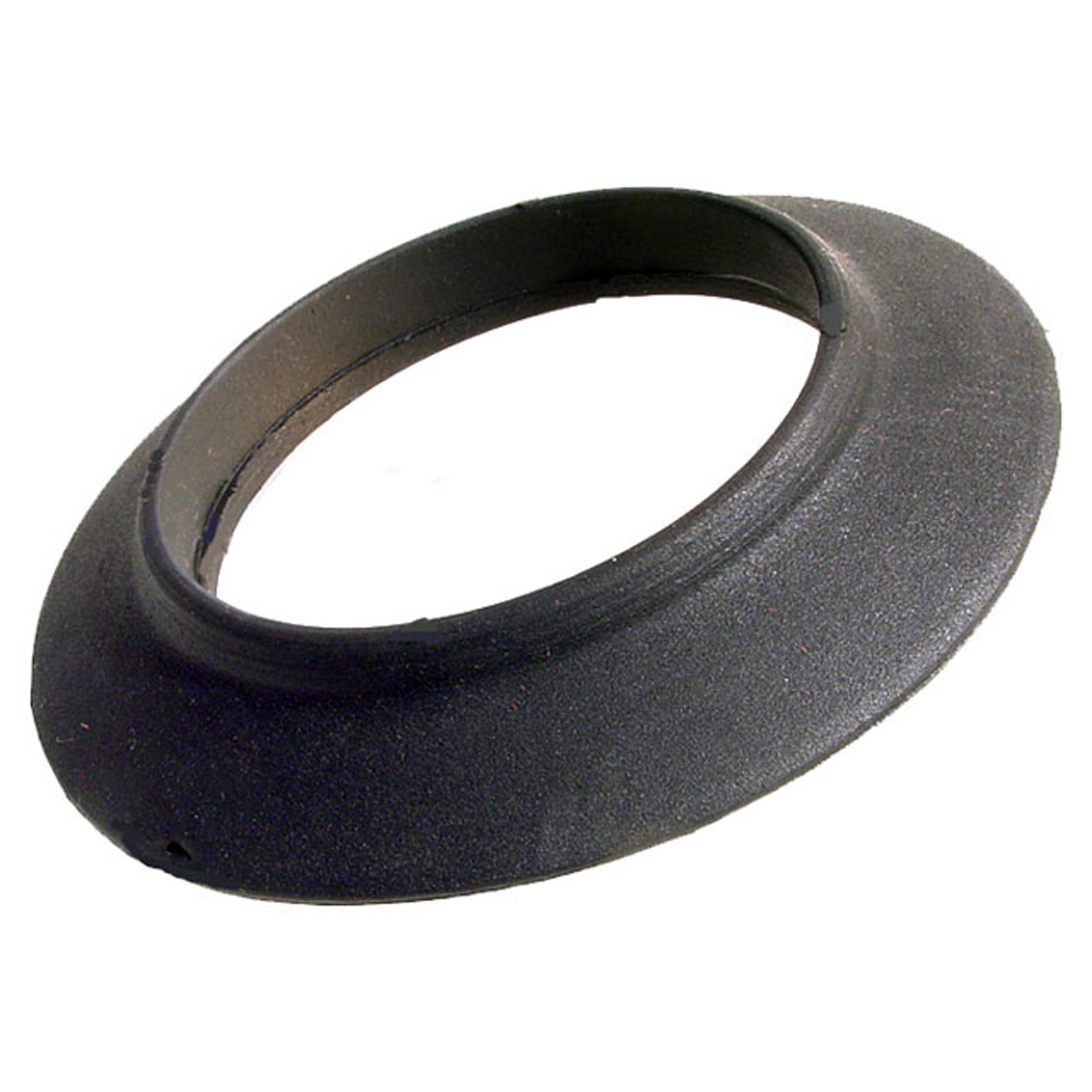 1970 Lincoln Continental Gas Filler Grommet. 2-1/2" I.D., 4-1/8" O.D. Each-GF 24Gas Filler Grommet. 2-1/2" I.D., 4-1/8" O.D. Each
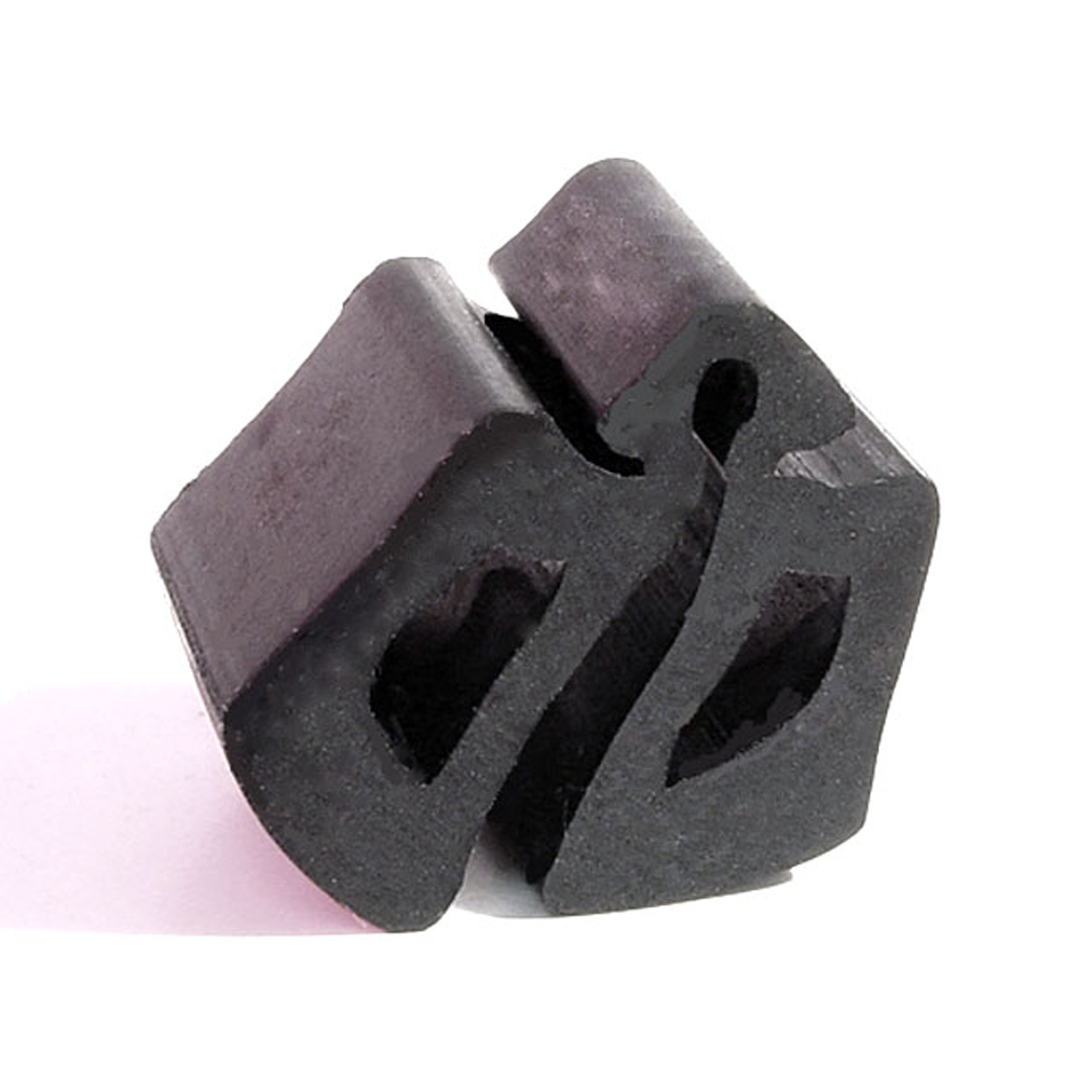 1970 Lincoln Continental Hood Bumper. Each-HF 2Hood Bumper. Each
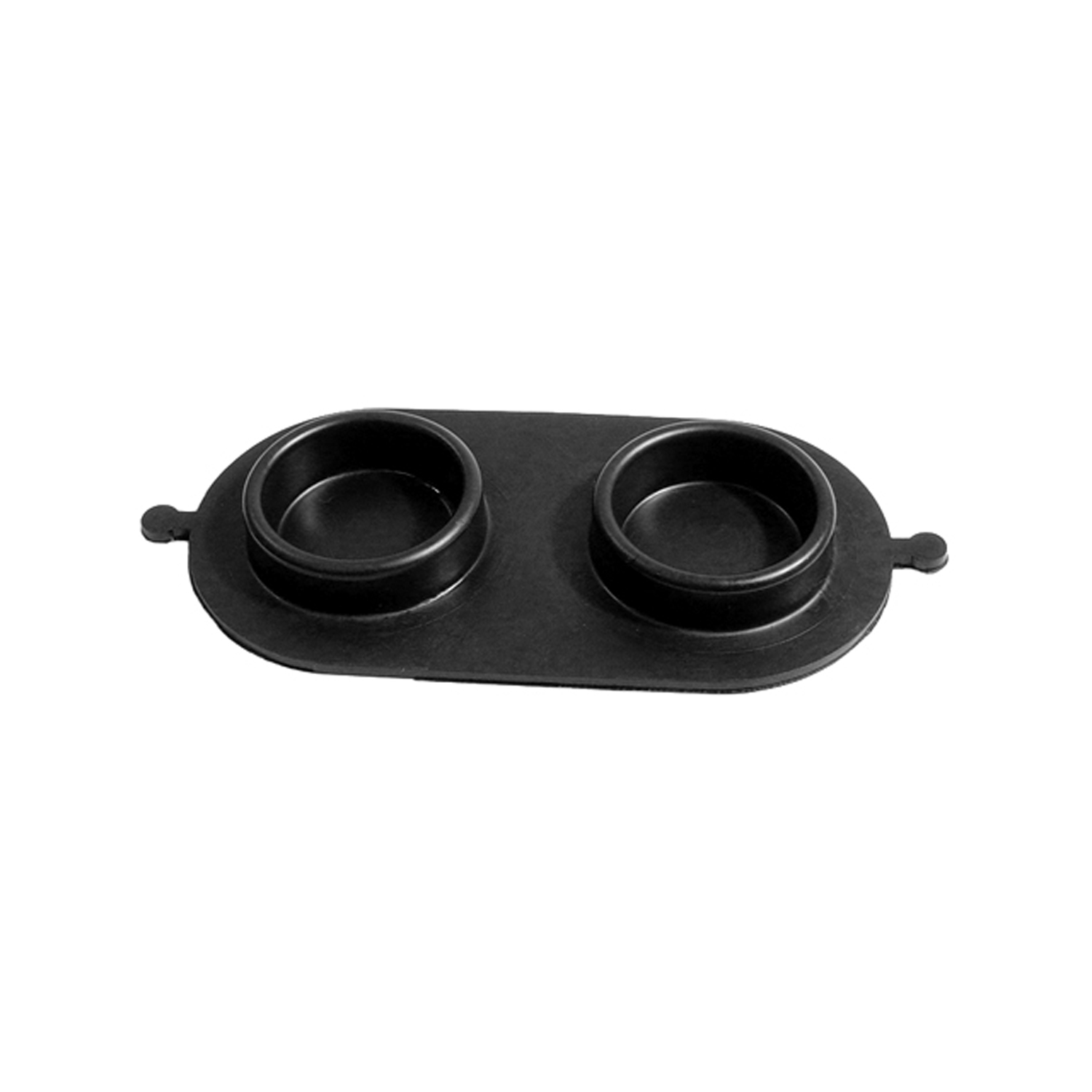 1970 Lincoln Continental Brake Master Cylinder Cover Seal. Replaces OEM #C7AZ2167-A-RP 2-BBrake Master Cylinder Cover Seal. Replaces OEM #C7AZ2167-A. Each
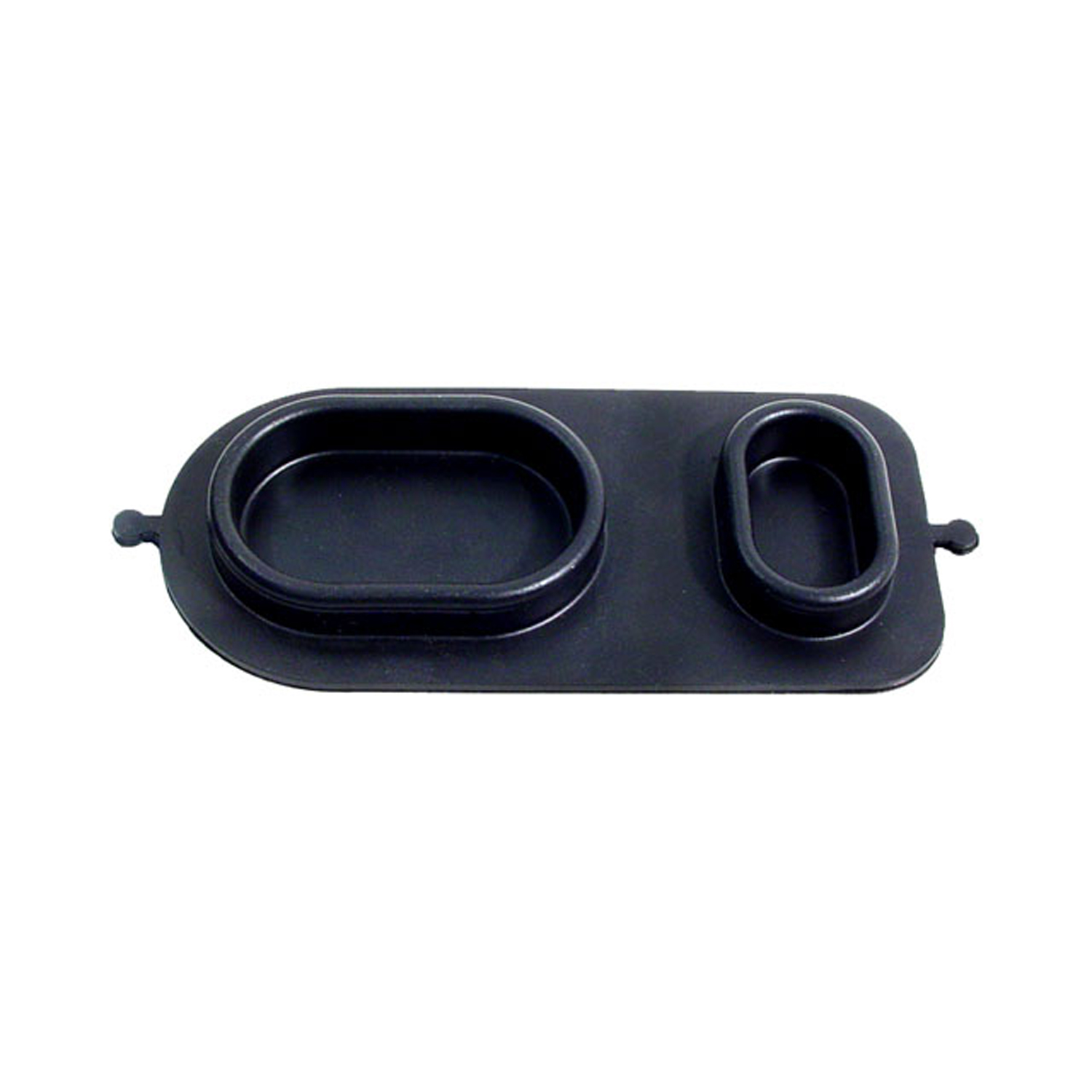 1970 Lincoln Continental Brake Master Cylinder Cover Seal. Replaces OEM #5470861-RP 2-CBrake Master Cylinder Cover Seal. Replaces OEM #5470861. 5-9/16" long, 2-5/8" wide. Each
 1970 Lincoln Continental Trunk Seal. 18 feet long. Each-TK 51-18Trunk Seal. 18 feet long. Each
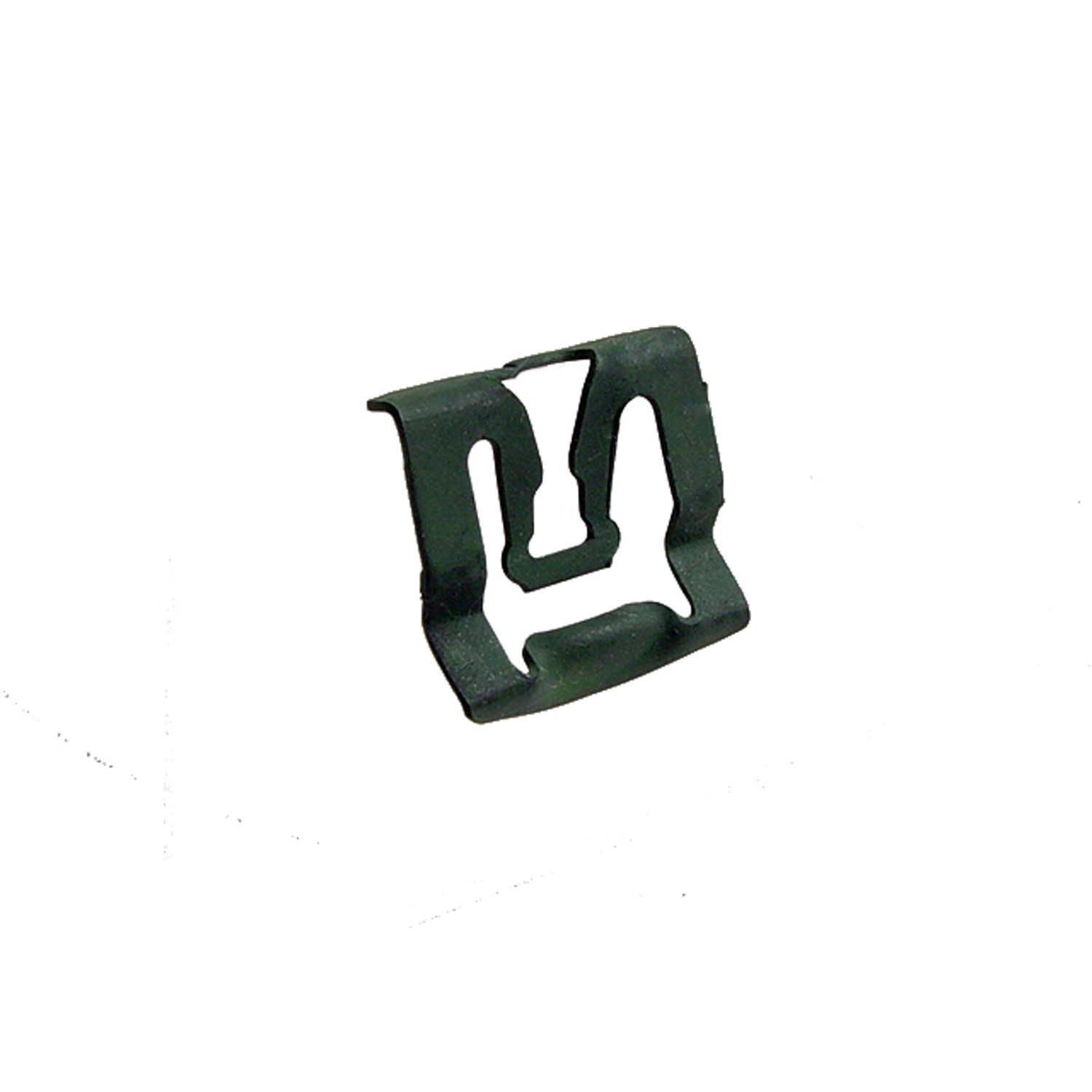 1970 Lincoln Continental Windshield Reveal Molding Clip. Made of steel. Each-WF 228-AWindshield Reveal Molding Clip. Made of steel. Each
Why Choose Metro?
For over 100 years, Metro Moulded Parts has been the pinnacle of quality in classic car restoration parts. Our commitment to precision and authenticity in every component ensures a perfect fit and an OEM-level appearance.
- Expert Craftsmanship & Quality: Each part is a testament to our dedication to reliability and perfection, crafted from original designs and thoroughly tested.
- Advanced Technology: We use cutting-edge techniques to create flawless, long-lasting parts that surpass others in performance.
- SuperSoft Sponge – The Ultimate Door Seal: Not only are our door seals 30% softer than competitors', but they're also guaranteed to never leak. They effectively reduce wind and road noise, enhancing your classic car's comfort and driving experience.
- Proudly American: Our parts are a product of American craftsmanship, made in the USA with a spirit of excellence and heritage.
- Unrivaled Warranty: We back our products with a 30-year industry-leading warranty, a testament to our confidence in their quality.
Join us in preserving the legacy of classic cars with parts that are crafted for perfection, not just made.