

Image of 1970 Lincoln Mark Iii, Note: These illustrations use artistic license and may differ from actual historical models.
Performance Metrics
Fundamental Metrics
Emotional Appeal
MMP Rating
| Engine Specifications | |
|---|---|
| Engine: | 460 CID V8 |
| Displacement: | 460 cubic inches (7.5 liters) |
| Horsepower: | 365 HP |
| Torque: | 500 lb-ft |
| Compression Ratio: | 10.5:1 |
| Ignition System: | Electronic ignition system |
| Cooling System: | Liquid-cooled |
| Performance Specifications | |
| 0-60 Time: | 8.5 seconds |
| 1/4 Mile Time: | 16 seconds |
| Top Speed: | 125 mph |
| Transmission and Drive | |
| Drive Type: | Rear-wheel drive |
| Transmission Type: | 3-speed automatic |
| Fuel and Efficiency | |
| Fuel System Type: | Carburetor |
| MPG: | 10-12 mpg |
| Dimensions and Brakes | |
| Brakes: | Power-assisted disc brakes |
| Wheelbase: | 117.2 inches |
| Weight: | 4,763 lbs |
Note: Specifications for classic cars are given to the best of our ability, considering the limited and variant data available.
1970 Lincoln Continental Mark III: The Personal-Luxury Coupé That Took on Cadillac
The 1970 Lincoln Continental Mark III made its statement before the engine even started: a long, sculpted hood, a bold upright grille, concealed headlamps, and a distinctive trunk lid with a raised “spare tire” profile. Built by Ford’s Lincoln-Mercury Division, this grand American coupé was designed to give Cadillac’s front-wheel-drive Eldorado a serious rival, with Lincoln styling, a powerful V8, and a richly appointed cabin.
The Mark III arrived for the 1969 model year after Ford executives, including Lee Iacocca, pushed for a new flagship personal-luxury car. Its name deliberately recalled the exclusive Continental Mark II of the 1950s, but the new car was more attainable and produced in much greater numbers. A notable twist: despite its Continental image, the Mark III was based on the rear-wheel-drive Ford Thunderbird’s underpinnings, adapted for Lincoln-level size and comfort.
Mark III Styling: A Long Hood and a Signature Rear
The 1970 Mark III looked formal, imposing, and unmistakably American. Its squared-off front end centered on a tall, finely detailed grille, flanked by hidden headlamps that sat behind doors in the front fenders. When switched on, the lamps emerged with a theatrical flourish. A long hood and restrained body sides gave the car a sleek, uninterrupted profile, while the vinyl roof and frameless side glass added to its formal-coupé character.
At the rear, the raised contour in the trunk lid echoed the external spare-tire cover of earlier Continental models. It was a styling signature, not a spare wheel mounted on the outside of the car. The effect gave the Mark III a recognizable finish from behind and helped distinguish it from the more restrained shapes of many rivals.
There was just one body style: a two-door hardtop coupé. That focused range suited the Mark III’s role as a personal-luxury car, intended for buyers who wanted a private, comfortable grand tourer rather than a family sedan or convertible.
A Plush Cabin with Period Luxury
Inside, the Mark III paired a broad, carefully arranged dashboard with generous seating and the sort of soft-touch trim expected of a premium American car. Leather seating surfaces were available, alongside plush upholstery choices, padded trim, carpeting, and woodtone accents. Power-adjustable front seats, power windows, and power door locks were among the conveniences buyers could specify, while climate-control and audio equipment added to the car’s long-distance comfort.
Options and equipment could vary by car, so it is worth checking the original order documents or a factory data record when evaluating a specific example. Period features could include automatic temperature control, cruise control, and upgraded AM/FM stereo systems. By modern standards, the controls are straightforward and the cabin is spacious, though the large steering wheel and long dashboard make it clear that this is a car from an earlier era of driving ergonomics.
Lincoln offered the Mark III in a range of period-appropriate exterior colors, from formal blacks and dark greens to metallic blues, golds, and lighter neutrals. The vinyl roof was a common visual choice, often coordinated with the paint and interior. Dark, elegant colors suit the car’s imposing design especially well, while brighter metallic finishes emphasize its long, sculpted bodywork.
Why the 1970 Mark III Mattered
The Mark III helped establish the modern American personal-luxury coupé as a major market category. It combined the presence of a flagship Lincoln with the more intimate layout of a two-door grand tourer. Its closest rival was the Cadillac Eldorado, which used front-wheel drive. Lincoln took a different path: the Mark III retained rear-wheel drive and a conventional V8-powered layout, giving it a familiar feel to buyers moving up from other large American cars.
That formula proved influential. The Mark III’s success helped sustain the Continental Mark series through multiple generations and encouraged other manufacturers to pursue large, well-equipped coupés with distinctive brand-specific styling. Its concealed headlamps, formal roofline, and simulated spare-tire motif became defining details of the Mark identity.
460 V8 Performance and the Ride
Power came from Ford’s 460-cubic-inch V8, paired with a three-speed automatic transmission and rear-wheel drive. The engine was rated at approximately 365 horsepower under the gross rating system used at the time, with torque commonly listed around 500 lb-ft. Those period horsepower figures are not directly comparable with modern net ratings, but the big-block’s abundant low-speed torque is the more revealing part of the story.
Period performance figures vary with test conditions, vehicle condition, and equipment. A healthy Mark III can generally reach 60 mph in roughly nine seconds, with a top speed in the neighborhood of 120 mph. Its intended mission was not hard-edged sports-car performance. The 460 delivered easy, confident acceleration, especially when merging or passing, while the automatic transmission favored smooth shifts over aggressive response.
On the road, the Mark III feels substantial. Its long wheelbase and soft suspension help it glide over broken pavement and highway expansion joints, although large bumps can produce the body motion typical of a heavy luxury car from this period. It is comfortable on open roads but less at home on tight, winding routes, where its size and weight are always apparent. Crosswinds and narrow parking spaces also demand more attention than they would in a modern car.
The driving experience is a blend of quiet cruising and unmistakable V8 character. The engine produces a deep, relaxed rumble rather than a sharp performance-car bark, and the steering is light at low speeds but not especially quick. Behind the wheel, the driver sits in a broad, comfortable cabin with a commanding view over the long hood. The Mark III rewards a calm driving style and a steady pace.
Living with a 1970 Mark III
Today, most Mark IIIs are used as weekend cruisers, show cars, or occasional-use classics. They can cover highway miles comfortably, but their size, fuel consumption, and age make them a challenging choice for routine commuting. Owners should expect fuel economy commonly in the single digits to low teens, depending on tune, traffic, and driving style.
Mechanical service is generally approachable for an experienced home mechanic. The 460 is a well-known Ford big-block, and many routine service parts remain available through classic-car suppliers. The car’s age and luxury equipment are the bigger variables. Power accessories, climate-control components, and the vacuum-operated hidden-headlamp doors may need careful diagnosis. Rust inspection is essential, particularly around the floors, lower body, trunk, and vinyl-roof areas. A pre-purchase inspection by a shop familiar with older American cars can save considerable expense.
Mark III Facts, Production, and Common Criticisms
Lincoln produced approximately 21,432 Mark IIIs for the 1970 model year. It was one model year in a short first-generation run, with the Mark III sold from 1969 through 1971. The car was assembled at Ford’s Wixom plant in Michigan, where other premium Ford products were also built.
The “Continental” name and the trunk’s spare-tire-style hump were visual links to earlier Lincoln Continentals, but the 1970 Mark III did not carry a spare tire externally. The hidden headlights are another memorable feature: they gave the front end a clean appearance when closed, though their mechanisms can become a maintenance item on surviving cars.
The main criticisms are familiar ones for a big luxury coupé of its time: high fuel use, substantial dimensions, limited rear visibility, and a soft ride that can feel floaty by modern standards. The car is also not a sports coupé in disguise. Its strengths are comfort, torque, presence, and traditional luxury rather than sharp handling or low running costs.
Collector Values and Market Outlook
The 1970 Mark III is uncommon compared with mass-market cars of the era, but it is not exceptionally rare. With roughly 21,432 built for the model year, buyers can still find examples, though condition and originality vary widely. Cars needing significant bodywork or mechanical attention may sell for around $5,000 to $10,000. Presentable drivers often fall in the $10,000 to $18,000 range, while well-restored or especially clean examples can bring approximately $20,000 to $35,000 or more. Exceptional cars with strong documentation may exceed that range, but actual prices depend heavily on location, condition, and buyer interest.
Values have generally been more accessible than those of highly sought-after muscle cars and certain European classics. Clean, original Mark IIIs have gained appreciation among collectors who value 1960s and 1970s American luxury, but the market remains condition-sensitive. A sound, well-maintained car is usually a safer buy than a superficially shiny project, particularly because restoration of trim, interior details, and luxury systems can become costly.
The Lasting Appeal of the 1970 Lincoln Mark III
The 1970 Lincoln Continental Mark III brought together a massive 460 V8, a comfortable and well-equipped cabin, and styling that was unmistakable from every angle. It helped define Lincoln’s personal-luxury identity and offered a distinct alternative to Cadillac’s Eldorado. Its appetite for fuel and its considerable size are part of the ownership bargain, but so are the smooth ride, effortless torque, and sense of occasion.
For collectors, the Mark III is a reminder that American luxury once meant making a grand entrance and taking the long way home. Few cars of its era wore that mission quite so confidently.
1970 Lincoln Mark Iii Catalog of Parts
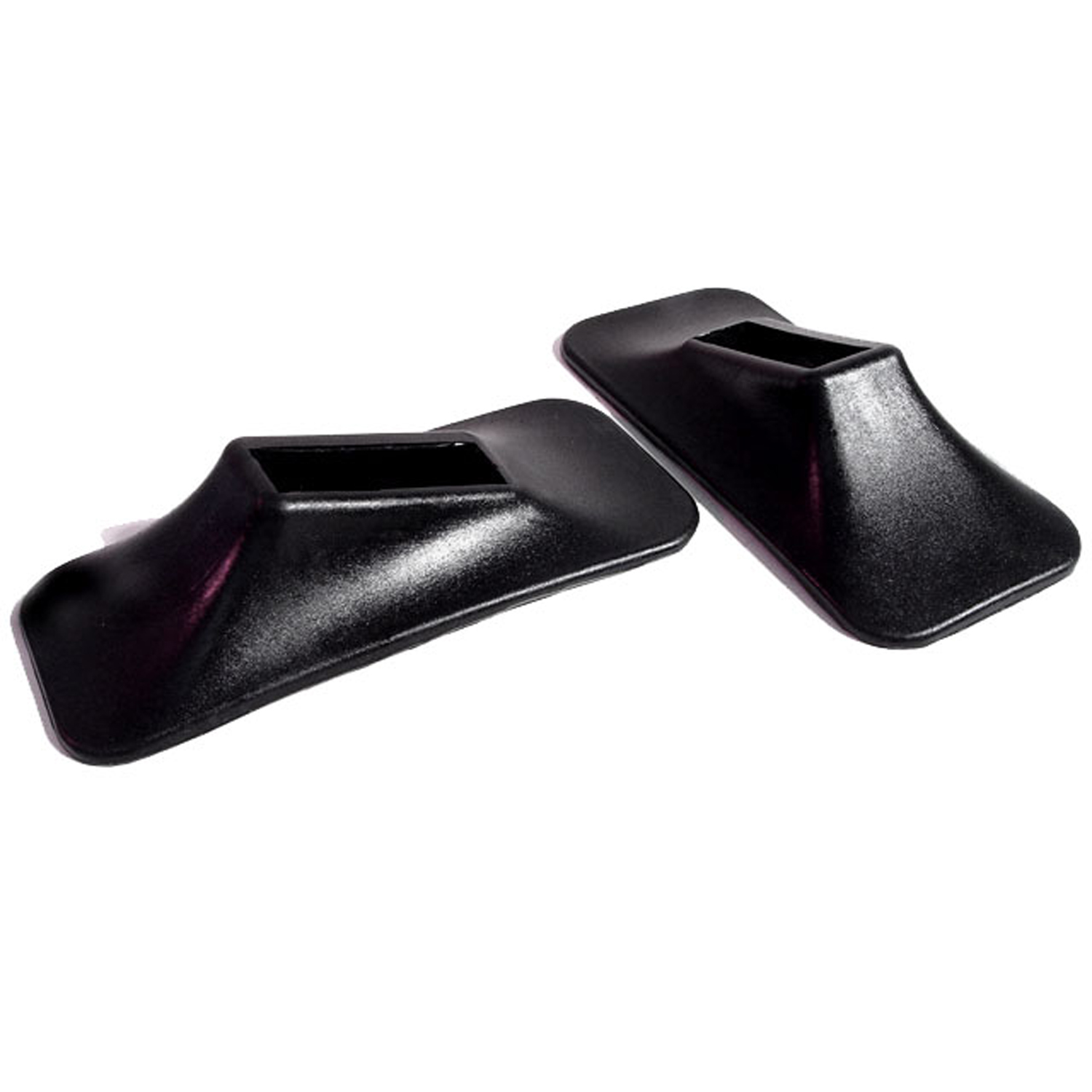 1970 Lincoln Mark III Front Bumper Arm Grommets-BG 47Front Bumper Arm Grommets. 2" wide X 4-1/2" long, with 1-3/4" long inner slot. Pair
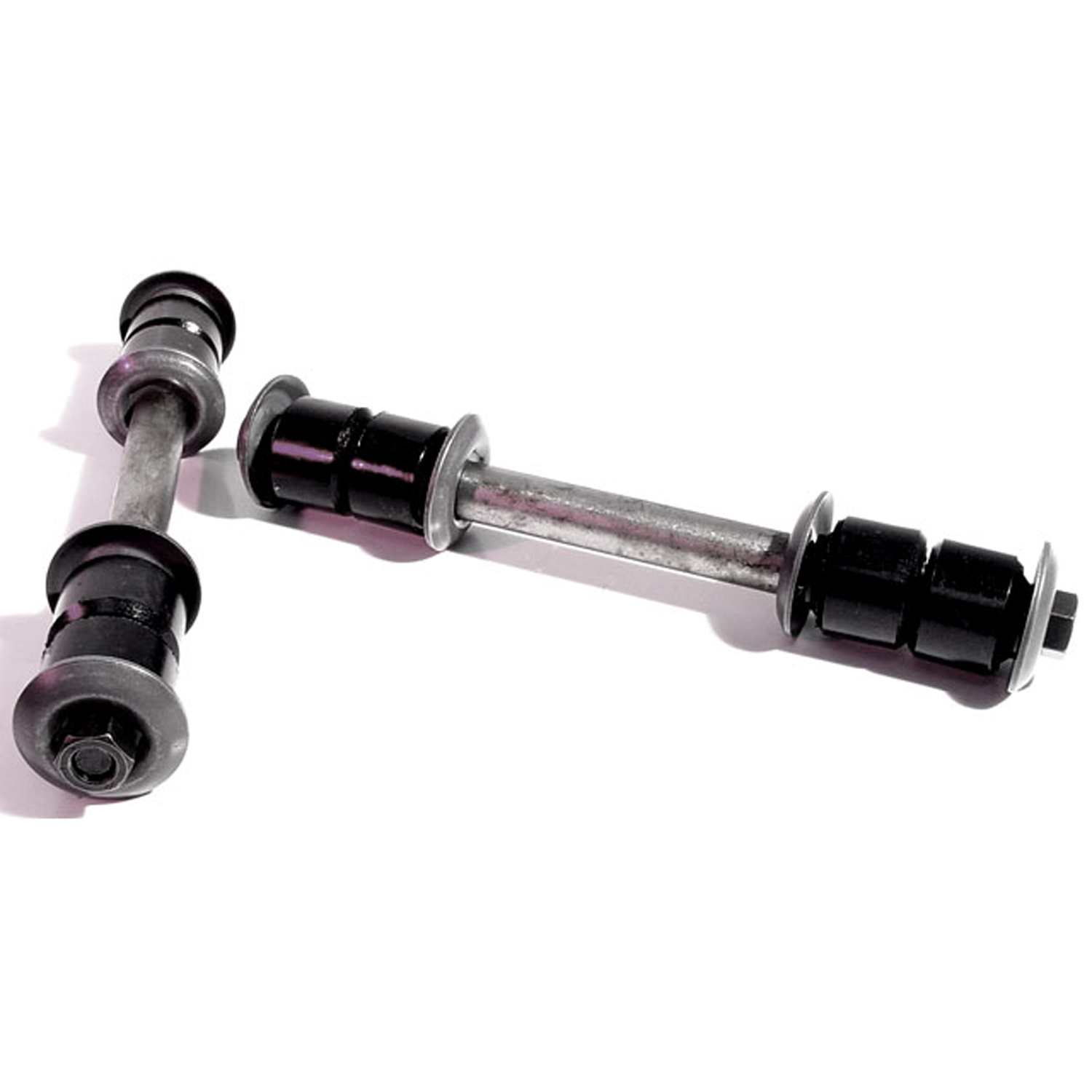 1970 Lincoln Mark III Front Stabilizer End Repair Kit-BNK 21Front Stabilizer End Repair Kit. 22-piece set for two stabilizer bars. Contains all rubber bushings, washers, bolts and nuts, enough for one front end. Set
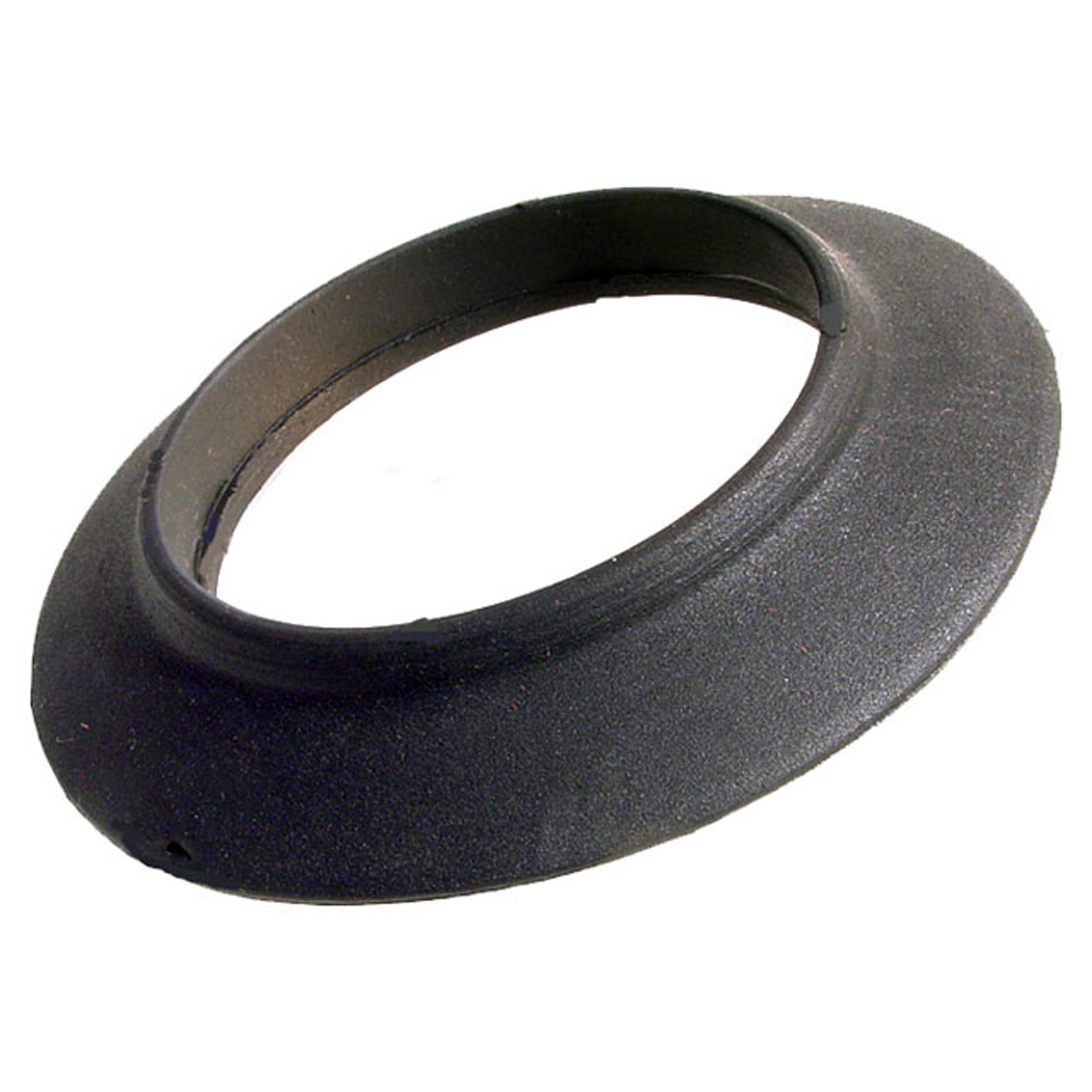 1970 Lincoln Mark III Gas Filler Grommet. 2-1/2" I.D., 4-1/8" O.D. Each-GF 24Gas Filler Grommet. 2-1/2" I.D., 4-1/8" O.D. Each
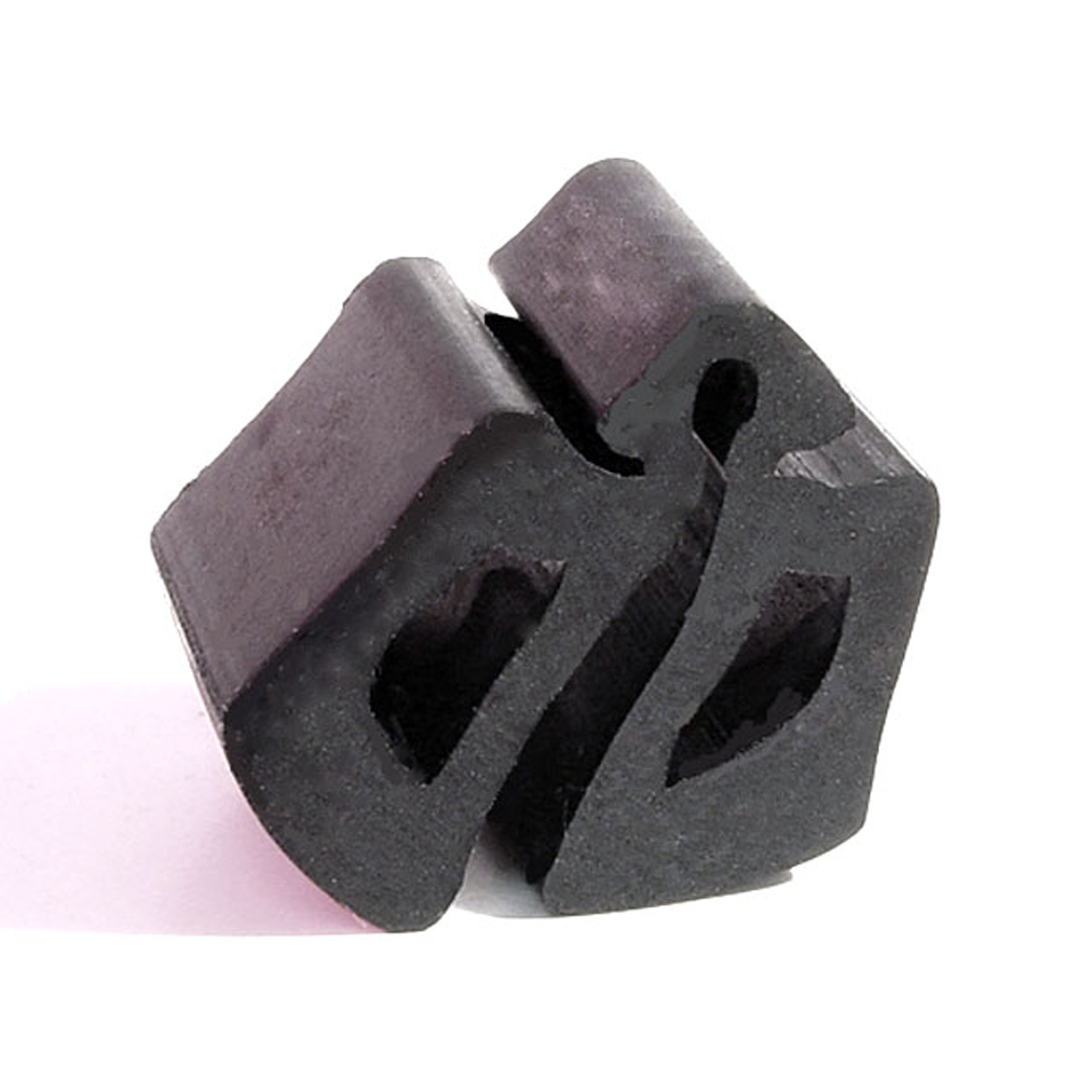 1970 Lincoln Mark III Hood Bumper. Each-HF 2Hood Bumper. Each
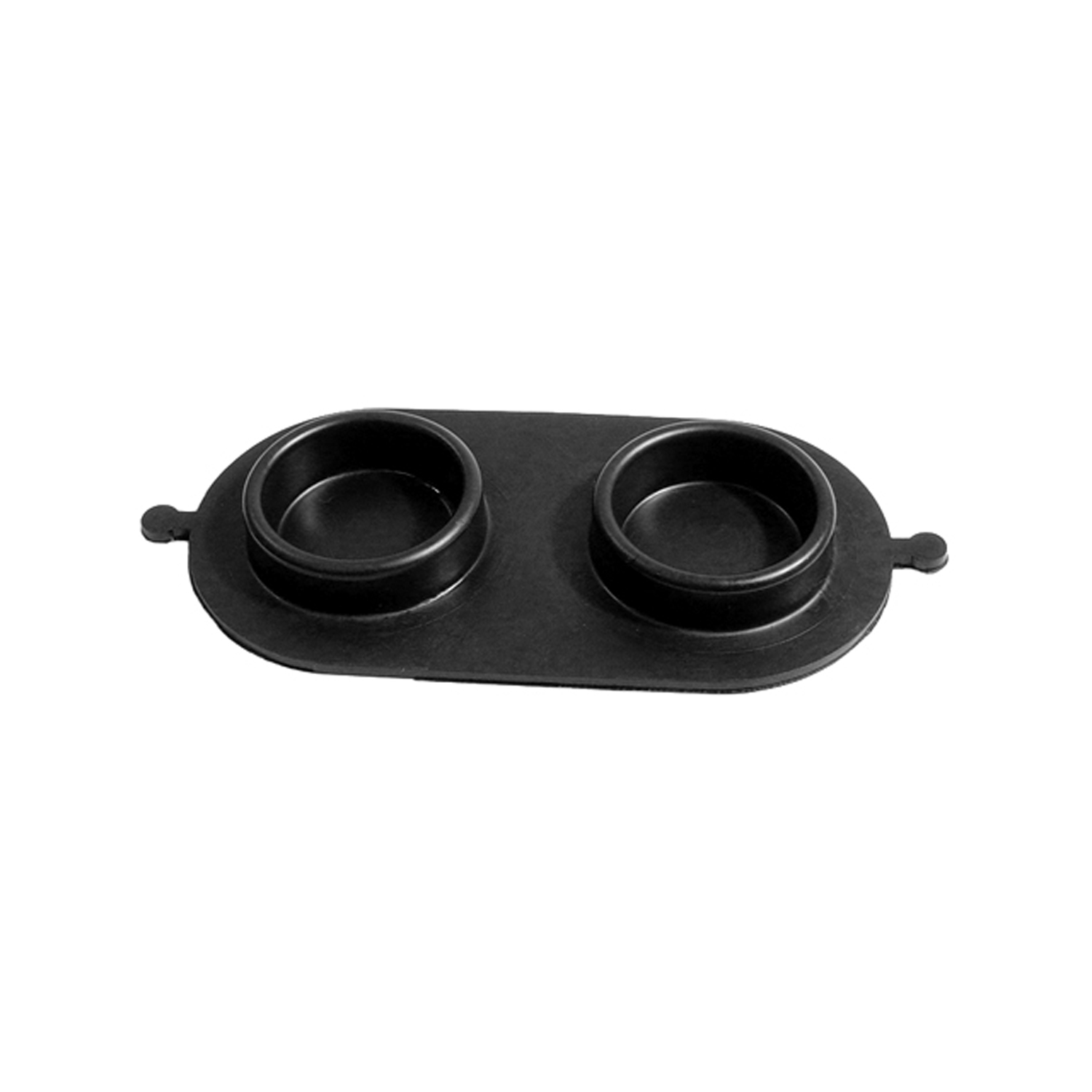 1970 Lincoln Mark III Brake Master Cylinder Cover Seal. Replaces OEM #C7AZ2167-A-RP 2-BBrake Master Cylinder Cover Seal. Replaces OEM #C7AZ2167-A. Each
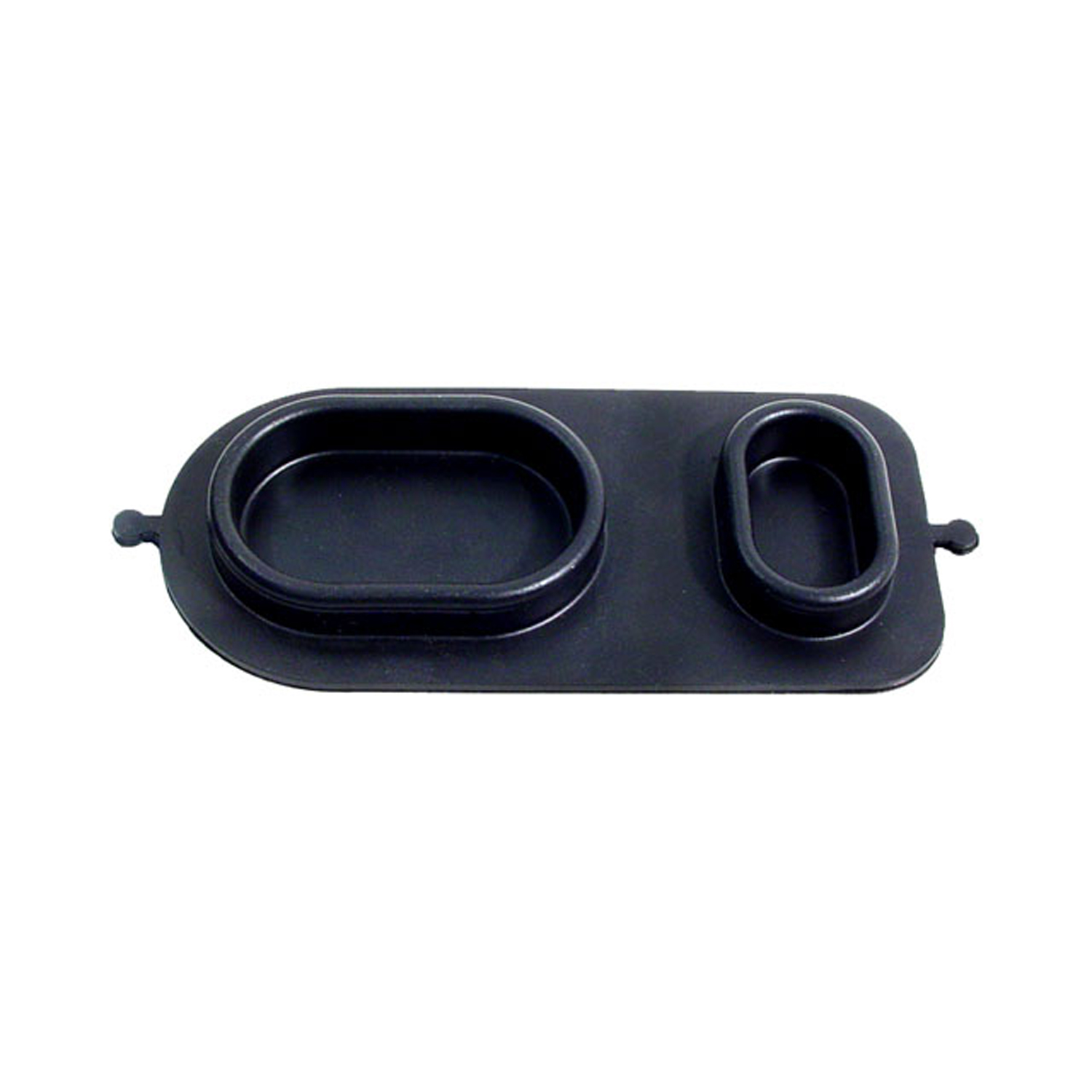 1970 Lincoln Mark III Brake Master Cylinder Cover Seal. Replaces OEM #5470861-RP 2-CBrake Master Cylinder Cover Seal. Replaces OEM #5470861. 5-9/16" long, 2-5/8" wide. Each
 1970 Lincoln Mark III Trunk Seal. 18 feet long. Each-TK 51-18Trunk Seal. 18 feet long. Each
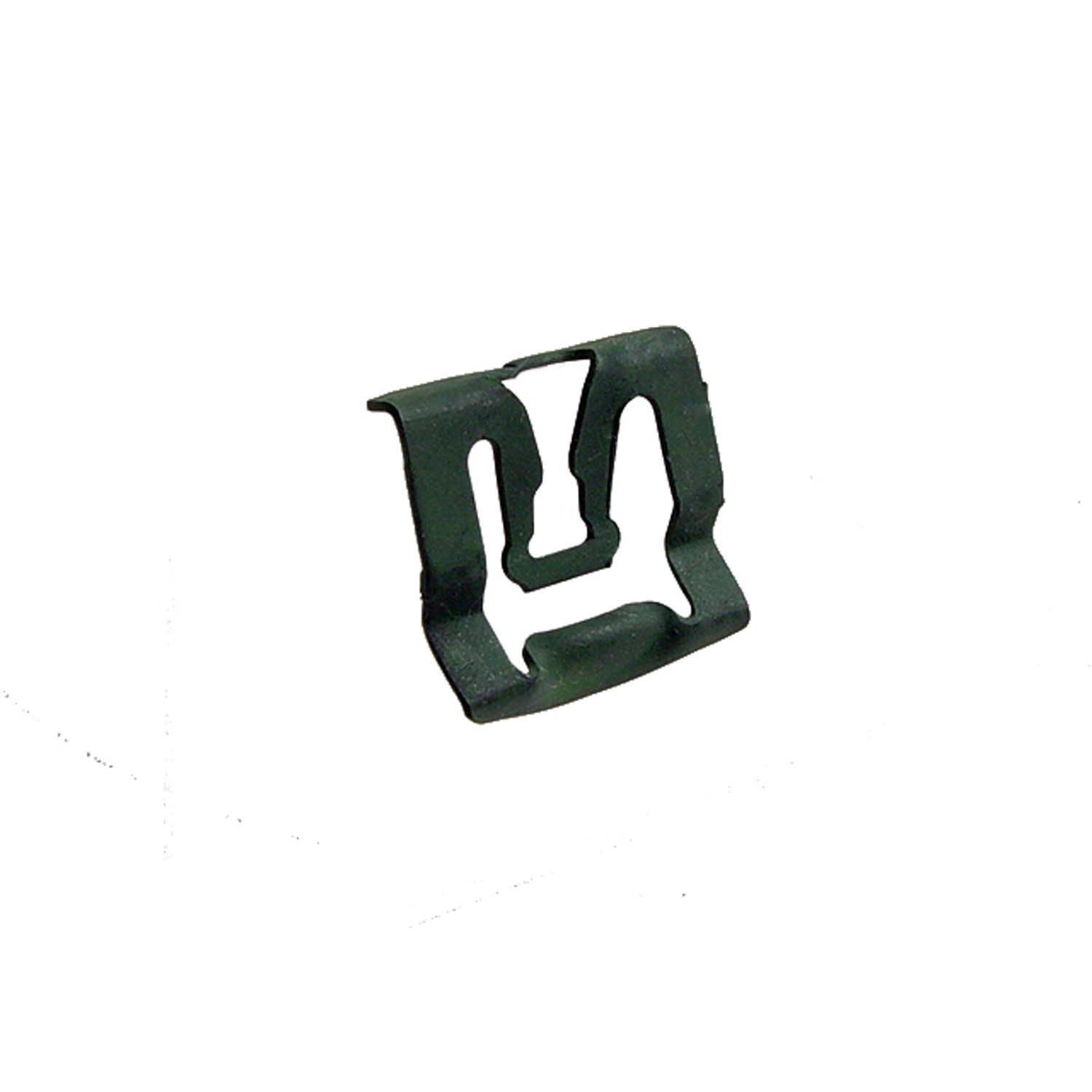 1970 Lincoln Mark III Windshield Reveal Molding Clip. Made of steel. Each-WF 228-AWindshield Reveal Molding Clip. Made of steel. Each
Why Choose Metro?
For over 100 years, Metro Moulded Parts has been the pinnacle of quality in classic car restoration parts. Our commitment to precision and authenticity in every component ensures a perfect fit and an OEM-level appearance.
- Expert Craftsmanship & Quality: Each part is a testament to our dedication to reliability and perfection, crafted from original designs and thoroughly tested.
- Advanced Technology: We use cutting-edge techniques to create flawless, long-lasting parts that surpass others in performance.
- SuperSoft Sponge – The Ultimate Door Seal: Not only are our door seals 30% softer than competitors', but they're also guaranteed to never leak. They effectively reduce wind and road noise, enhancing your classic car's comfort and driving experience.
- Proudly American: Our parts are a product of American craftsmanship, made in the USA with a spirit of excellence and heritage.
- Unrivaled Warranty: We back our products with a 30-year industry-leading warranty, a testament to our confidence in their quality.
Join us in preserving the legacy of classic cars with parts that are crafted for perfection, not just made.