

Image of 1971 Lincoln Continental, Note: These illustrations use artistic license and may differ from actual historical models.
Performance Metrics
Fundamental Metrics
Emotional Appeal
MMP Rating
| Engine Specifications | |
|---|---|
| Engine: | 460 CID 4V V-8 |
| Displacement: | 460 cubic inches (7.5 liters) |
| Horsepower: | 365 HP |
| Torque: | 500 lb-ft |
| Compression Ratio: | 10.5:1 |
| Ignition System: | Electronic |
| Cooling System: | Liquid-cooled |
| Performance Specifications | |
| 0-60 Time: | 8.5 seconds |
| 1/4 Mile Time: | 16 seconds |
| Top Speed: | 125 mph |
| Transmission and Drive | |
| Drive Type: | Rear-wheel drive |
| Transmission Type: | 3-speed automatic |
| Fuel and Efficiency | |
| Fuel System Type: | Carburetor |
| MPG: | 10-12 mpg |
| Dimensions and Brakes | |
| Brakes: | Power-assisted disc brakes |
| Wheelbase: | 127.2 inches |
| Weight: | 5,000 lbs |
Note: Specifications for classic cars are given to the best of our ability, considering the limited and variant data available.
1971 Lincoln Continental: A Full-Size American Luxury Icon
The 1971 Lincoln Continental made an entrance without needing to hurry: long, broad, and dressed in the formal elegance that defined American luxury at the start of the 1970s. Built by Ford Motor Company’s Lincoln division, it combined a powerful 460-cubic-inch V8 with an imposing body, plush cabin, and the unmistakable rear-hinged doors of its four-door sedan.
The Continental name had a long history by 1971, but this car belonged to a distinct era. Its large, “fuselage” style body reflected the period’s taste for substantial, smooth-sided automobiles, while its quiet ride and extensive power equipment positioned it near the top of the domestic luxury market. One detail that still catches people by surprise: the sedan’s rear doors opened from the back edge, making entry to the rear seat feel more like stepping into a private lounge than climbing into an ordinary family car.
Fuselage Styling and a Formal Cabin
From the outside, the 1971 Continental is all presence. Its long hood leads into a broad, upright grille, while concealed headlamps keep the front end visually tidy when the lights are off. The sides are clean and substantial, with sculpted contours that soften the car’s considerable length. Rear fender skirts, a formal roofline, and a restrained use of bright trim complete a look that is elegant rather than flashy.
The cabin continues that sense of occasion. Buyers could choose upholstery in cloth or leather, with thick carpeting, generous seat cushioning, and a wide dashboard designed around the driver. Power accessories were a major part of the Continental experience, and equipment such as power seats, power windows, power steering, and power brakes helped make the big car easier to use. Air conditioning and other comfort features were available, depending on the car’s original specification.
Lincoln offered a range of exterior colors, including classic dark blues, greens, and browns, along with black, white, and lighter metallic shades. The most enduringly popular choices tend to be the traditional luxury colors: black, deep navy, and muted metallics. A well-preserved car in one of these shades looks especially at home with its brightwork and formal roof treatment.
The 1971 Continental was available as a two-door hardtop, a four-door hardtop, and a four-door sedan. The sedan is the most instantly recognizable, thanks to its rear-hinged back doors. The Town Car was also offered as a luxury trim package for the four-door sedan. It was not yet a separate model line; Lincoln would make the Town Car a standalone model for 1981. The Continental Mark III, meanwhile, was a related but separate personal-luxury coupe, not simply another Continental body style.
Why the 1971 Continental Matters
The 1971 Continental arrived during a transition in American car design. Buyers still expected full-size luxury cars to be roomy, powerful, and comfortable, but fuel economy and emissions were becoming increasingly important concerns. Lincoln answered with an unapologetically large car that prioritized space, smoothness, and a quiet ride.
Its greatest distinction was not a single new gadget, but the way it brought traditional luxury cues together. The concealed headlamps, carefully finished interior, long proportions, and distinctive sedan doors made the Continental easy to identify without relying on exaggerated styling. It represented the peak of the classic American luxury formula just before changing regulations and rising fuel prices pushed manufacturers toward smaller, more efficient cars.
The car also carries forward a distinctive Lincoln tradition. Rear-hinged doors had been a signature of the Continental sedan since the early 1960s, and they remained a memorable feature of the 1971 model. They are useful for passenger access, but they also give the car a character that few contemporary luxury sedans could match.
460 V8 Power and Road Manners
Every 1971 Continental was powered by a 460-cubic-inch V8 paired with a three-speed automatic transmission and rear-wheel drive. Period horsepower figures were commonly advertised using the older SAE gross standard, which was measured differently from the net ratings used later. The important point from behind the wheel is that the engine delivered abundant low-speed torque, the quality that mattered most in a car weighing well over two tons.
Performance figures vary with condition, equipment, and testing method, but a healthy example is generally estimated to reach 60 mph in roughly 10 to 12 seconds. Top speed is often put in the neighborhood of 115 to 120 mph, though this is a large luxury car, not a machine designed for sustained high-speed runs. Its real strength is effortless cruising: the V8 moves the Continental forward with a deep, relaxed surge rather than a frantic burst of acceleration.
The Continental’s ride is soft and composed on ordinary roads. It absorbs broken pavement and highway expansion joints with the easygoing feel expected of a full-size luxury car of the period. On a winding road, its size and soft suspension are more obvious. There is body lean, and the car responds best to smooth, deliberate steering rather than quick changes of direction. Power steering makes low-speed maneuvering manageable, but parking still calls for attention because of the car’s length.
Behind the wheel, the experience is defined by scale and calm. The V8 produces a subdued, low-pitched rumble, the automatic shifts without demanding much from the driver, and the broad seat and long wheelbase encourage an unhurried pace. It feels most at home on an open highway, where its weight becomes an asset and the cabin settles into a quiet, stately rhythm.
Living With a 1971 Lincoln
Today, most 1971 Continentals are used as weekend cruisers, show cars, or occasional drivers rather than daily transportation. They attract owners who enjoy the ceremony of a classic full-size car and have room to store and maintain one. The sedan is especially popular with people who appreciate its unusual rear doors and generous passenger space.
Routine mechanical work is approachable for an experienced home mechanic. The 460 V8 and C6 automatic transmission are familiar Ford components, and many service procedures are straightforward by classic-car standards. However, the car’s age and size bring practical challenges. Fuel consumption is high, replacement body and trim pieces can be harder to find than common mechanical parts, and power accessories, air conditioning, and concealed-headlamp mechanisms may need careful troubleshooting.
Reliability depends more on maintenance and condition than on the model name. Before buying, inspect the frame and body for corrosion, check the transmission and cooling system, and test every electrical accessory. Confirm that the headlamp doors operate properly and look closely for worn suspension components, leaking seals, and aged fuel-system parts. A well-maintained car can be a satisfying cruiser, but deferred repairs on a complicated luxury car can add up quickly.
Memorable Details and Common Complaints
The rear-hinged doors are the 1971 Continental’s most talked-about feature, but they are only one part of its appeal. The Town Car name, now familiar as a separate Lincoln model, was being used as a luxury trim designation on the Continental in 1971. That makes this model an interesting chapter in the nameplate’s history.
Production is generally estimated at about 57,000 1971 Continentals across the available body styles, though totals can vary by source and by how versions are grouped. That is enough to make the car findable, but surviving examples vary widely in condition. There is no widely recognized speed or endurance record associated with the model; its achievement was delivering big-car comfort and presence at a time when those qualities were central to Lincoln’s identity.
Common criticisms are easy to understand. The Continental is thirsty, takes up a great deal of road and garage space, and does not feel nimble on tight roads. Its soft suspension and substantial weight also make it less engaging for drivers who want sharp handling. For enthusiasts seeking a relaxed, distinctive cruiser, however, those traits are part of the car’s character rather than a deal-breaker.
Collector Values and Availability
As a broad 2026 U.S. market estimate, a project-quality 1971 Continental may sell for around $3,000 to $8,000. A usable driver in decent condition often falls in the $8,000 to $18,000 range, while a clean, well-kept example can reach roughly $20,000 to $35,000. A top-quality restoration or unusually original car may ask more, sometimes exceeding $40,000, but exceptional prices depend on provenance, specification, and the quality of the work.
These are guide ranges, not fixed values. Rust, interior condition, mechanical health, and originality have a major effect on price. Four-door luxury cars generally do not command the same premiums as rare sports cars, so buyers can sometimes find a good Continental for less than its size and craftsmanship might suggest. The car is not especially rare in the broad sense, but finding one that is complete, rust-free, and properly maintained can take patience.
Values have tended to be steady to gradually improving for well-preserved examples, while ordinary cars remain sensitive to condition and local demand. The Continental’s substantial fuel use and storage needs limit its audience, but its classic styling, distinctive doors, and strong period character give it lasting appeal. A quality example is more likely to reward careful ownership than to serve as a quick-flip investment.
The Continental’s Lasting Appeal
The 1971 Lincoln Continental brings together a landmark American V8, a richly appointed cabin, unmistakable fuselage styling, and one of the most distinctive door designs in the luxury-car world. It is large, thirsty, and happiest when driven at an unhurried pace, but it also offers a kind of smooth, formal comfort that modern cars rarely try to replicate.
For collectors and classic-car fans, the 1971 Continental is more than a handsome old sedan. It is a rolling expression of American luxury at full scale, built just before the automotive world began to change around it.
1971 Lincoln Continental Catalog of Parts
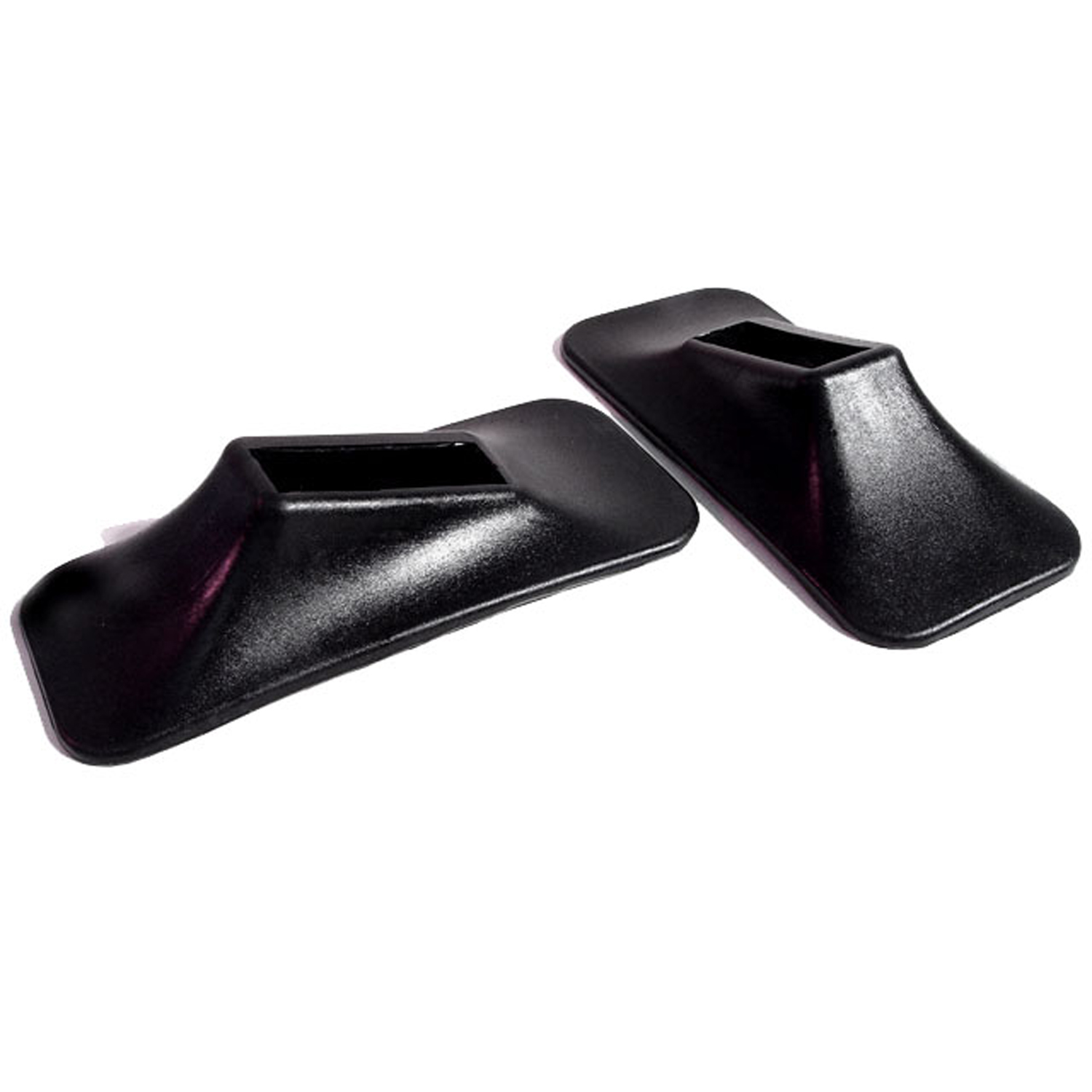 1971 Lincoln Continental Front Bumper Arm Grommets-BG 47Front Bumper Arm Grommets. 2" wide X 4-1/2" long, with 1-3/4" long inner slot. Pair
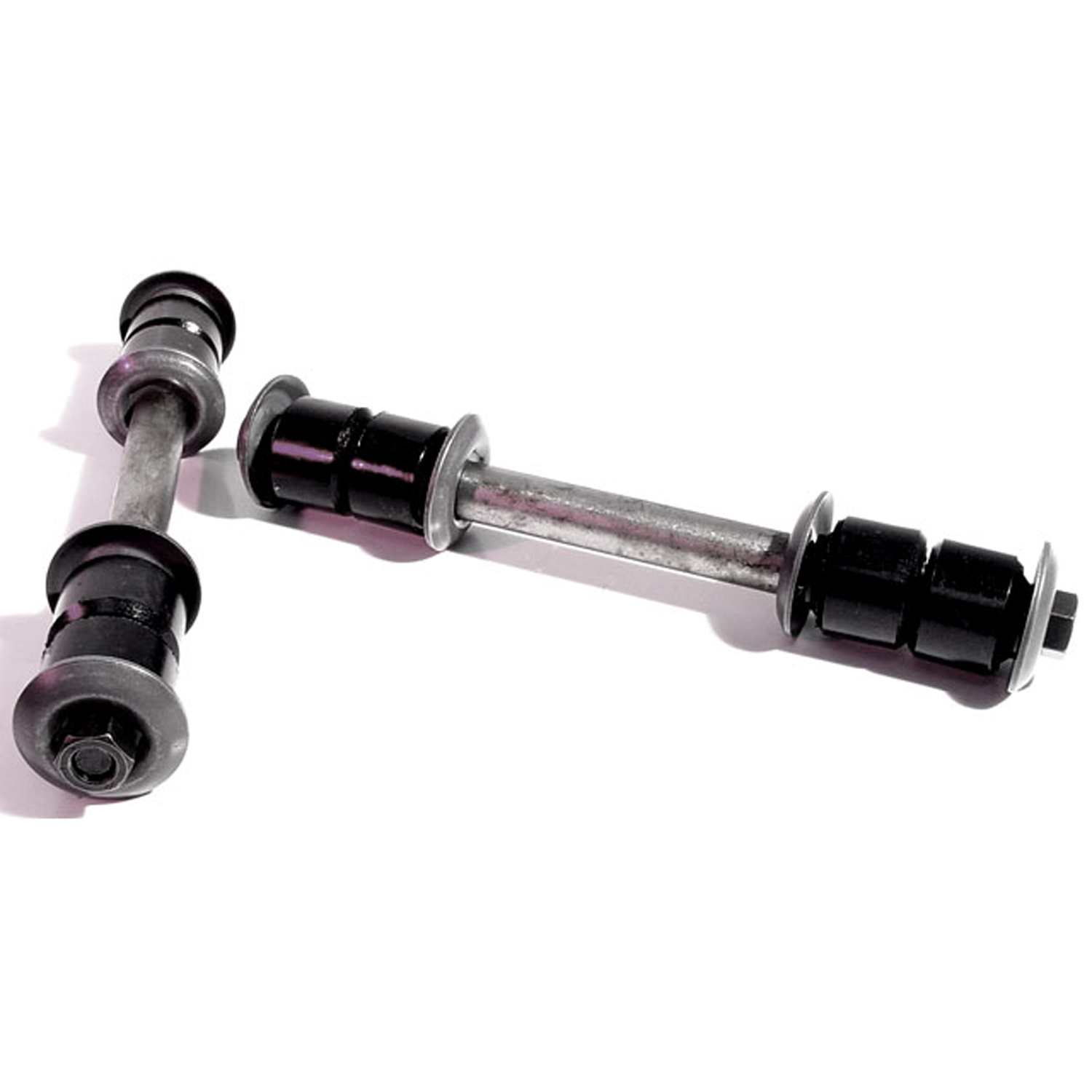 1971 Lincoln Continental Front Stabilizer End Repair Kit-BNK 21Front Stabilizer End Repair Kit. 22-piece set for two stabilizer bars. Contains all rubber bushings, washers, bolts and nuts, enough for one front end. Set
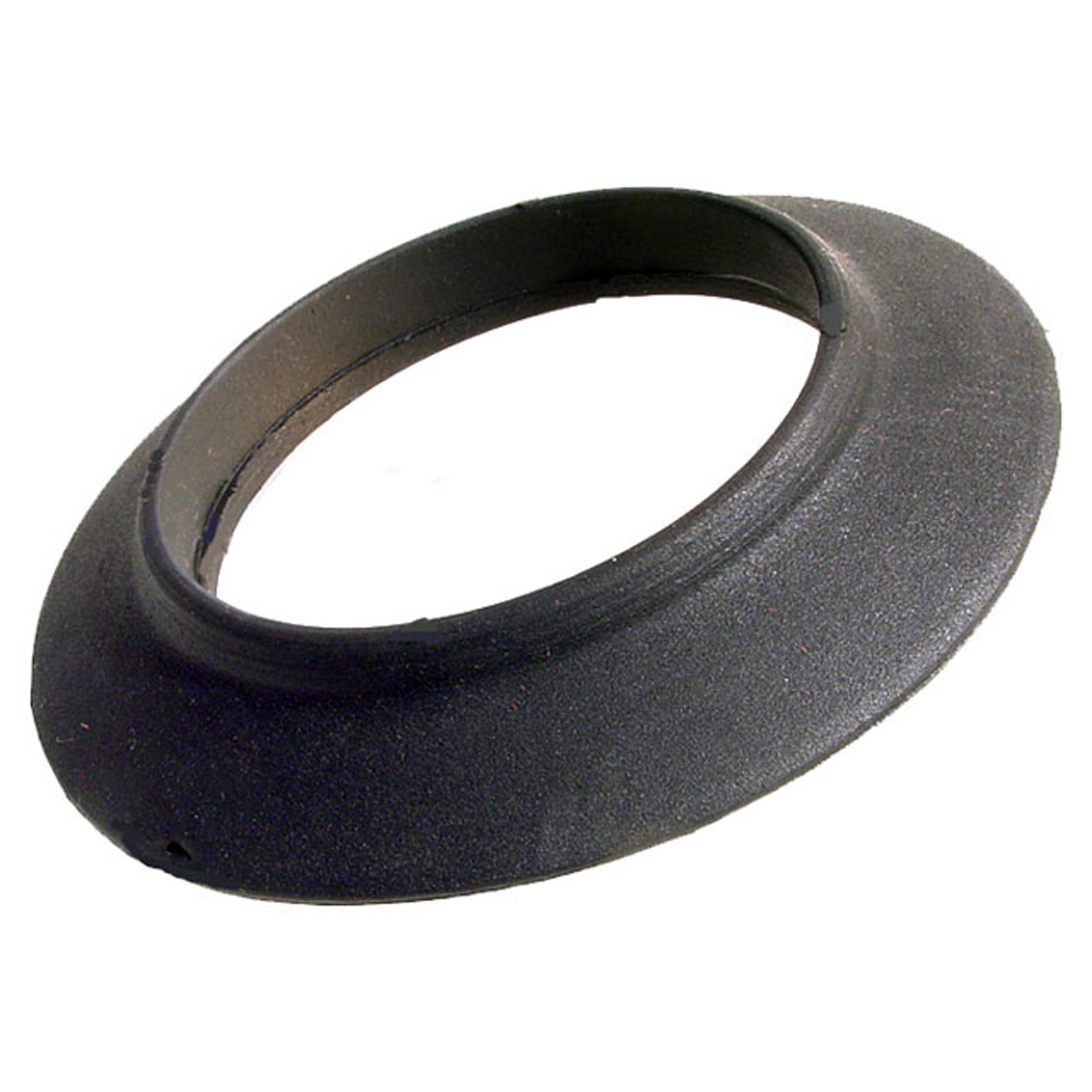 1971 Lincoln Continental Gas Filler Grommet. 2-1/2" I.D., 4-1/8" O.D. Each-GF 24Gas Filler Grommet. 2-1/2" I.D., 4-1/8" O.D. Each
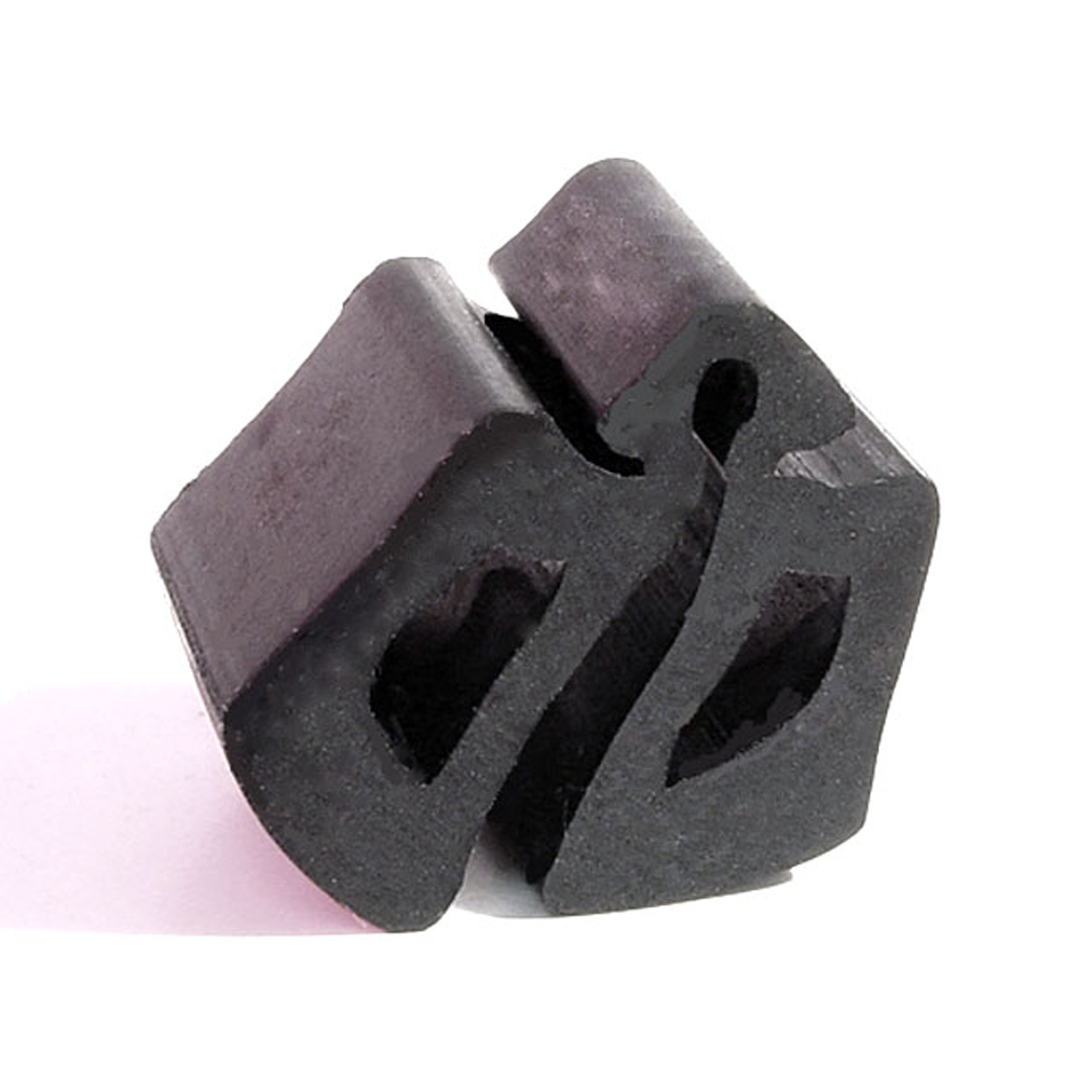 1971 Lincoln Continental Hood Bumper. Each-HF 2Hood Bumper. Each
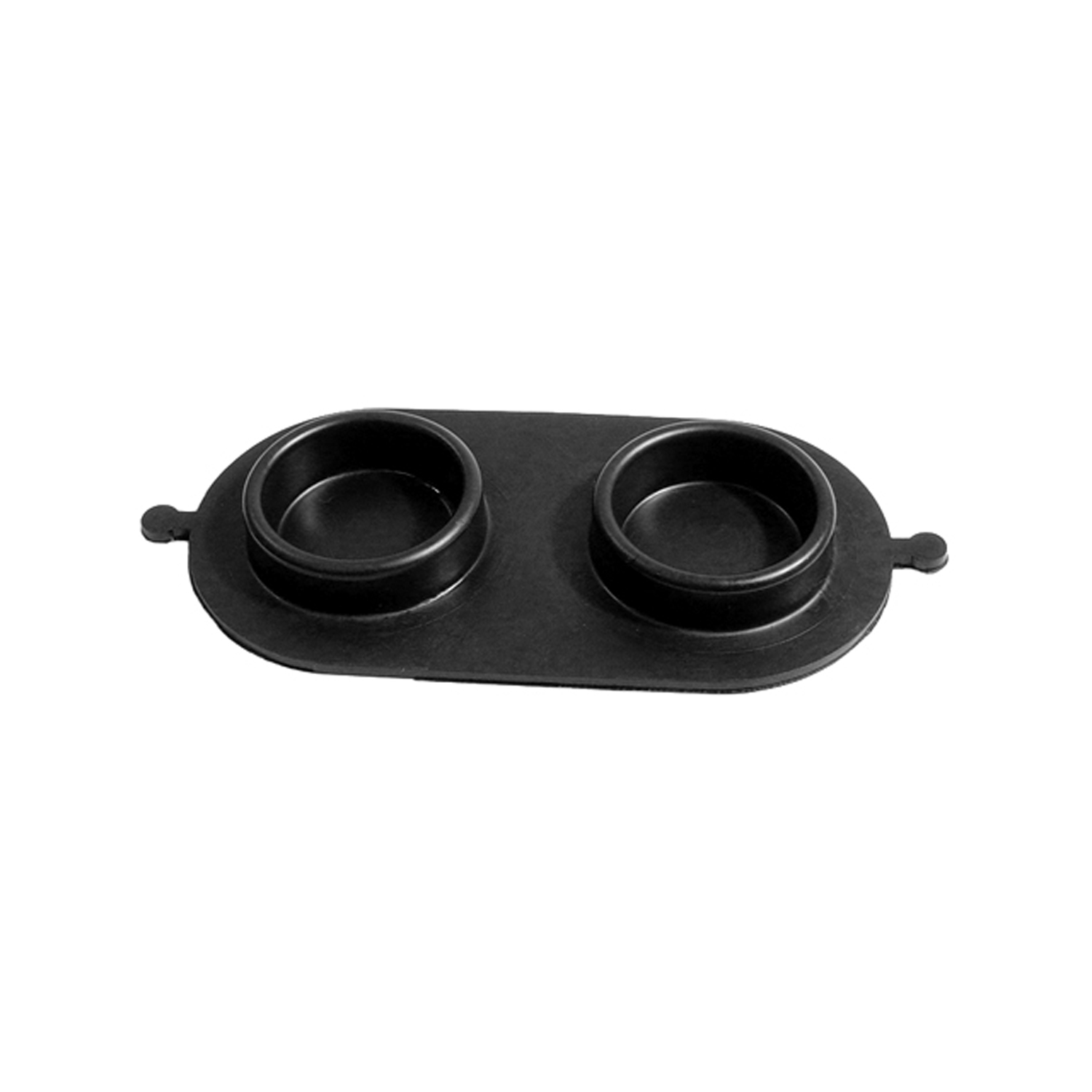 1971 Lincoln Continental Brake Master Cylinder Cover Seal. Replaces OEM #C7AZ2167-A-RP 2-BBrake Master Cylinder Cover Seal. Replaces OEM #C7AZ2167-A. Each
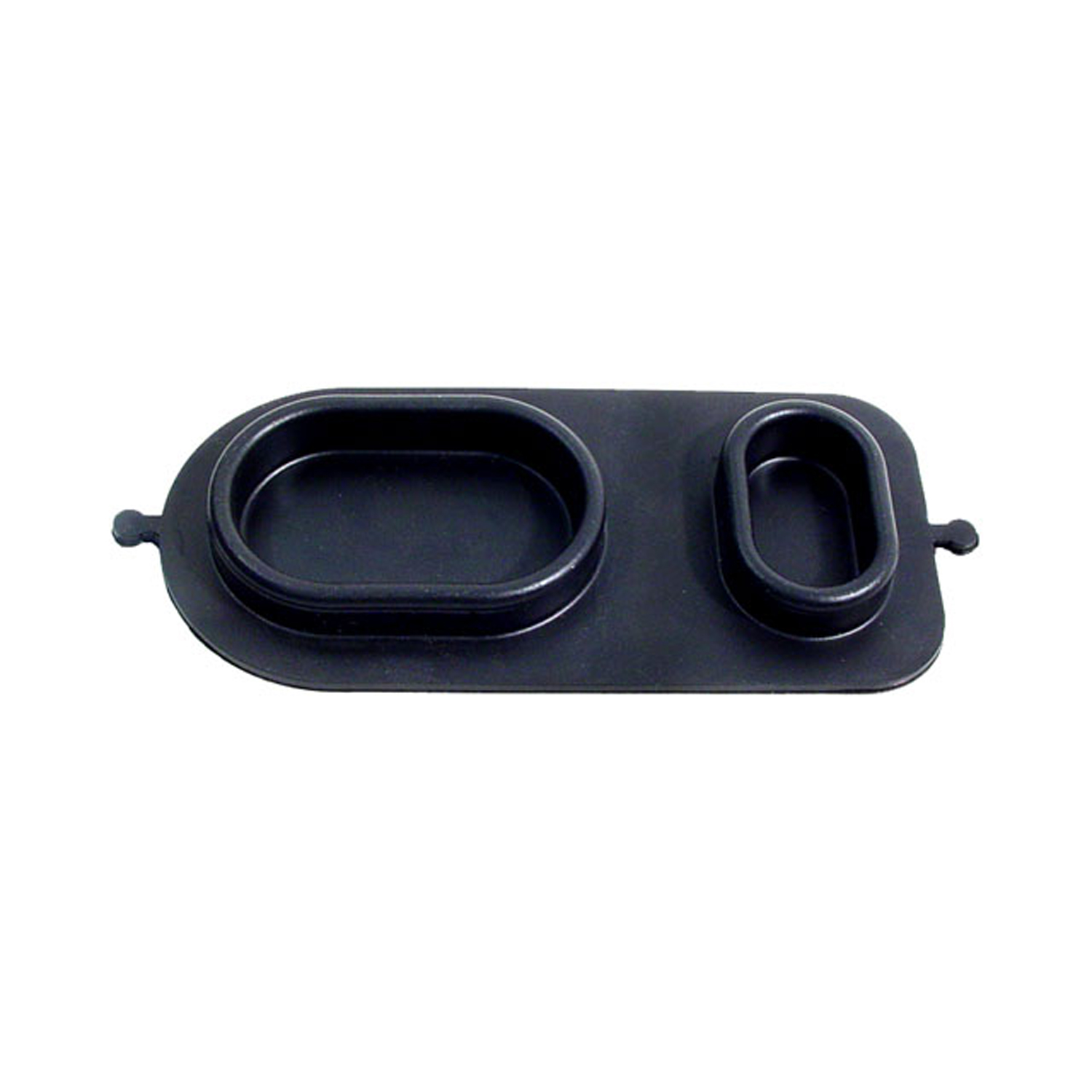 1971 Lincoln Continental Brake Master Cylinder Cover Seal. Replaces OEM #5470861-RP 2-CBrake Master Cylinder Cover Seal. Replaces OEM #5470861. 5-9/16" long, 2-5/8" wide. Each
 1971 Lincoln Continental Trunk Seal. 18 feet long. Each-TK 51-18Trunk Seal. 18 feet long. Each
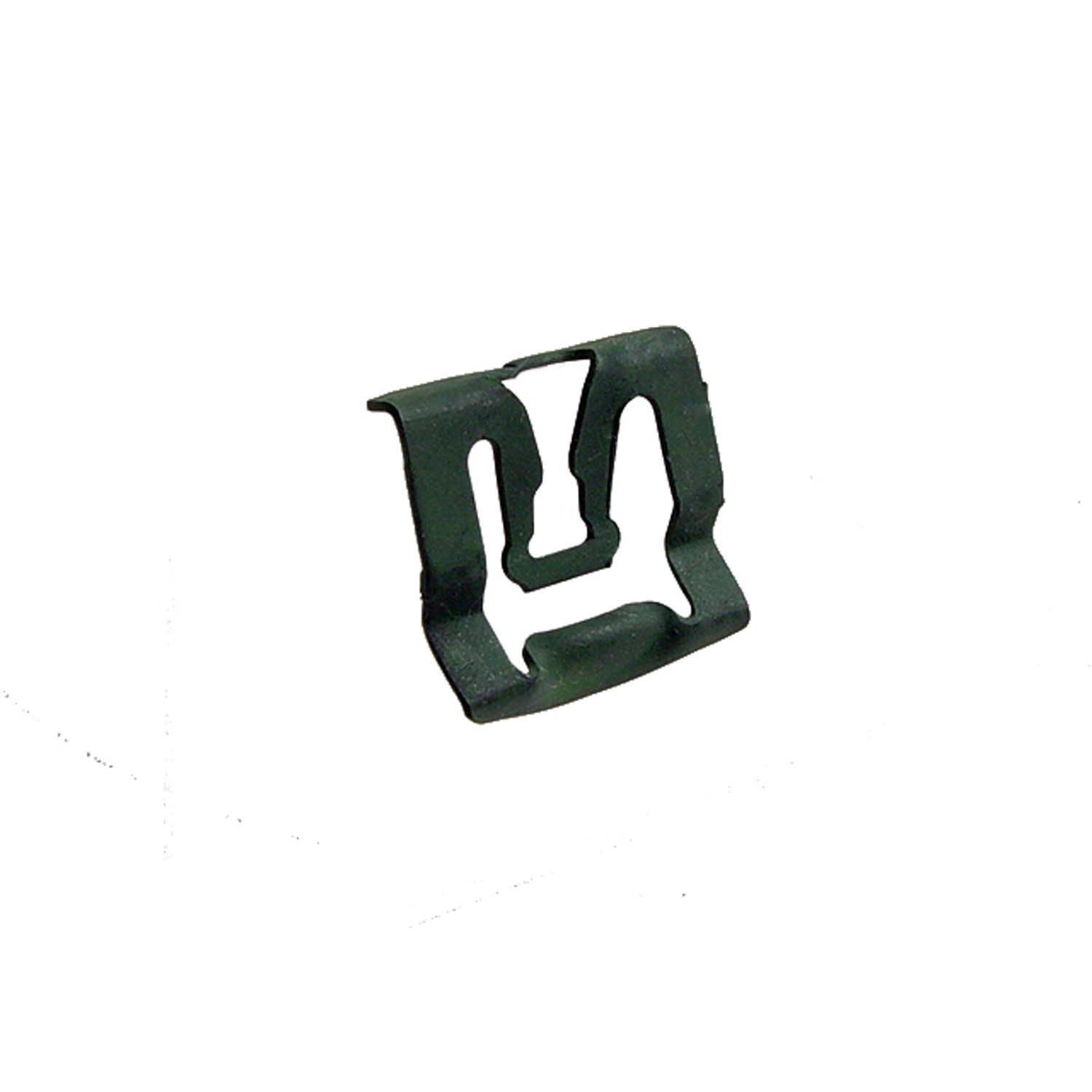 1971 Lincoln Continental Windshield Reveal Molding Clip. Made of steel. Each-WF 228-AWindshield Reveal Molding Clip. Made of steel. Each
Why Choose Metro?
For over 100 years, Metro Moulded Parts has been the pinnacle of quality in classic car restoration parts. Our commitment to precision and authenticity in every component ensures a perfect fit and an OEM-level appearance.
- Expert Craftsmanship & Quality: Each part is a testament to our dedication to reliability and perfection, crafted from original designs and thoroughly tested.
- Advanced Technology: We use cutting-edge techniques to create flawless, long-lasting parts that surpass others in performance.
- SuperSoft Sponge – The Ultimate Door Seal: Not only are our door seals 30% softer than competitors', but they're also guaranteed to never leak. They effectively reduce wind and road noise, enhancing your classic car's comfort and driving experience.
- Proudly American: Our parts are a product of American craftsmanship, made in the USA with a spirit of excellence and heritage.
- Unrivaled Warranty: We back our products with a 30-year industry-leading warranty, a testament to our confidence in their quality.
Join us in preserving the legacy of classic cars with parts that are crafted for perfection, not just made.