
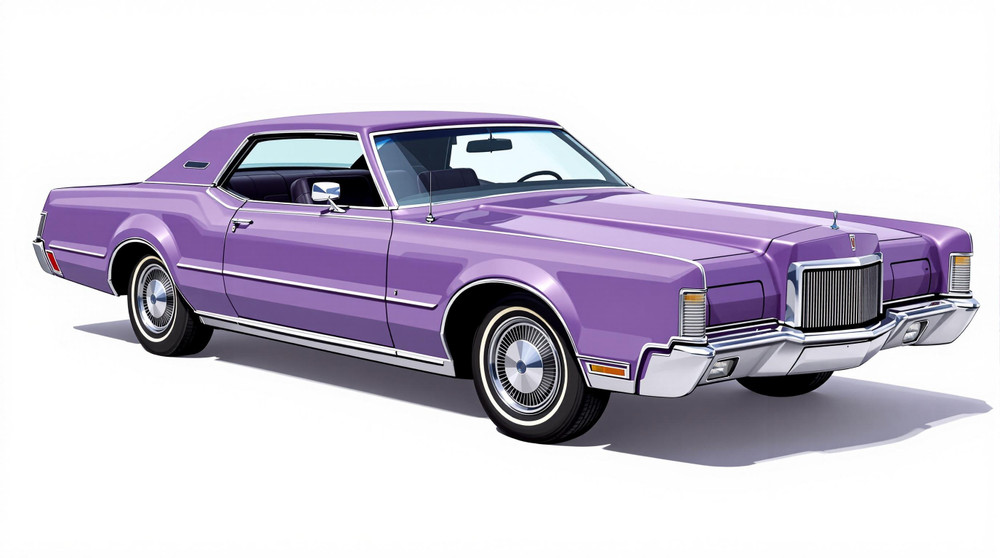
Image of 1971 Lincoln Mark Iii, Note: These illustrations use artistic license and may differ from actual historical models.
Performance Metrics
Fundamental Metrics
Emotional Appeal
MMP Rating
| Engine Specifications | |
|---|---|
| Engine: | 460 CID V8 |
| Displacement: | 460 cubic inches (7.5 liters) |
| Horsepower: | 365 HP |
| Torque: | 500 lb-ft |
| Compression Ratio: | 10.5:1 |
| Ignition System: | Electronic Ignition |
| Cooling System: | Liquid-cooled |
| Performance Specifications | |
| 0-60 Time: | 8.5 seconds |
| 1/4 Mile Time: | 16 seconds |
| Top Speed: | 125 mph |
| Transmission and Drive | |
| Drive Type: | Rear-wheel drive |
| Transmission Type: | 3-speed automatic |
| Fuel and Efficiency | |
| Fuel System Type: | Carburetor |
| MPG: | 10-12 mpg |
| Dimensions and Brakes | |
| Brakes: | Power-assisted disc brakes |
| Wheelbase: | 117.2 inches |
| Weight: | 4,763 lbs |
Note: Specifications for classic cars are given to the best of our ability, considering the limited and variant data available.
1971 Lincoln Continental Mark III: A Personal-Luxury Statement
With its long hood, hidden headlights, and unmistakable spare-tire-shaped trunk lid, the 1971 Lincoln Continental Mark III looked less like ordinary Detroit transportation and more like a private suite on wheels. It was built for buyers who wanted the presence of a full-size luxury car with the style and intimacy of a personal coupe.
Lincoln, Ford Motor Company’s luxury division, introduced the Mark III for the 1969 model year. Its creation is closely associated with Ford executive Lee Iacocca, who wanted a bold competitor to the Cadillac Eldorado. The Mark III shared its basic underpinnings with the Ford Thunderbird, but Lincoln gave it distinctive sheet metal, a more formal roofline, and a far more imposing personality.
The 1971 model arrived during a changing period for American luxury cars. Emissions rules were tightening, safety standards were expanding, and buyers were beginning to feel the effects of higher fuel prices. Yet the Mark III still delivered the classic American formula: a large V8, generous dimensions, plush appointments, and effortless highway travel. One intriguing detail is that its Continental-style trunk bulge was a styling illusion. The actual spare tire was carried inside the trunk, not mounted on the rear deck.
Mark III Styling and Interior
The Mark III’s shape is formal and deliberately dramatic. A long, flat hood leads to a prominent upright grille, while concealed headlights keep the front end clean when they are switched off. At the rear, the raised circular contour in the deck lid recalls the external spare tires of earlier Continental models. It gives the car an instantly recognizable profile, even from a distance.
At roughly 216 inches long, the Mark III had the road presence expected of a premium American coupe. Its roofline was crisp and upright rather than fastback-sleek, and its broad side panels emphasized length and substance. Many examples wore a vinyl roof, which reinforced the formal appearance and helped distinguish the car from its Thunderbird relative.
Inside, the Mark III emphasized comfort and craftsmanship over sportiness. Buyers could choose rich leather upholstery or more economical vinyl trim, with soft carpeting, wood-look accents, and a wide instrument panel. Power windows, power-adjustable seats, air conditioning, cruise control, and an AM/FM radio or stereo were among the available conveniences, depending on the car’s equipment. A Cartier-branded clock added a touch of jewelry-like luxury to the dashboard.
Exterior colors varied by year and trim, with classic luxury shades such as white, black, silver, gold, blue, green, and burgundy among the kinds of colors buyers could find. Deep, restrained colors and light metallic finishes suit the Mark III particularly well, though individual paint availability depended on the specific order and production period. The defining body style was simple: the 1971 Mark III was a two-door hardtop coupe. Lincoln did not offer it as a convertible or four-door sedan.
Why the 1971 Mark III Matters
The Mark III helped establish the modern American personal-luxury coupe as a high-status, high-comfort alternative to both a conventional sedan and a European grand tourer. It was not intended to be a sports car. Instead, its message was that a driver could have a powerful engine, impressive styling, and a quiet, well-appointed cabin in one large two-door package.
Its success also showed how effectively a manufacturer could turn shared mechanical foundations into a distinct luxury product. The Mark III borrowed its basic platform from the Thunderbird, but its unique body and carefully cultivated Lincoln identity made it feel like a separate class of car. Its influence can be seen in the long run of personal-luxury coupes that followed, including later Mark-series Lincolns and competing models from Cadillac and Chrysler.
For 1971, the Mark III retained the formula that made the series successful while representing one of the final years of the original generation. The next-generation Mark IV arrived for 1972 with fresh styling and updated packaging. That gives the 1971 car a useful place in the story: it is a mature version of the first-generation design, still unmistakably tied to the late-1960s luxury boom.
460 V8 Performance and Road Manners
Every 1971 Mark III was powered by Ford’s 460-cubic-inch V8, paired with a three-speed automatic transmission and rear-wheel drive. Period specifications commonly list the engine at about 365 gross horsepower and roughly 500 lb-ft of torque. Those figures were measured using the older gross-rating standard, so they should not be compared directly with modern net-horsepower ratings.
Contemporary performance estimates put the Mark III’s 0-to-60 mph time in the neighborhood of nine to ten seconds, with a top speed around 120 mph under suitable conditions. Actual results vary with vehicle condition, tune, gearing, tires, and test method. The car’s real talent was not stoplight acceleration. It was the relaxed surge of a large-displacement V8 moving a heavy luxury coupe without needing to work hard.
On the road, the Mark III feels substantial and composed. Its long wheelbase helps it glide over highway joints and ordinary pavement imperfections, while its soft suspension favors comfort over sharp cornering. On a winding road, the car’s size and weight are obvious. It leans more than a modern performance coupe, and its steering is better suited to smooth, deliberate inputs than quick changes of direction.
The engine’s low, steady rumble is part of the appeal. Under gentle throttle, the cabin feels hushed and the transmission shifts unobtrusively. Press the accelerator and the 460 answers with a deep V8 note and a broad wave of torque. The driving experience is less about attacking corners and more about settling into a quiet, confident cruise.
Living With a 1971 Mark III
Today, a Mark III is most at home as a weekend cruiser, show car, or occasional-use classic. It can be driven regularly, but its size, fuel consumption, and age make it a less practical daily choice than a modern car. Parking and tight urban streets can be a challenge, and the big V8 is not known for thrift.
Routine mechanical work is generally approachable for an owner familiar with older American cars. The 460 V8 and C6 automatic transmission are well-known Ford components, and many service parts remain available through classic-car suppliers. The larger challenge is often finding correct cosmetic parts, such as exterior trim, interior pieces, grille details, and specific upholstery materials.
Before buying, inspect the body carefully for rust, especially around the lower quarters, floors, trunk, and vinyl-roof edges. Check that the concealed headlight doors operate properly, as their vacuum-operated mechanism can develop leaks or linkage problems. Also examine the cooling system, carburetor, transmission behavior, electrical accessories, brakes, and suspension. A car that has been stored for years may need extensive recommissioning even if it looks presentable.
Mark III Trivia and Common Criticisms
The 1971 Mark III was part of the first Mark III generation, which ran from 1969 through 1971. The Mark III name had older roots in Lincoln’s Continental lineage, but this model was a new interpretation of the personal-luxury coupe for the late 1960s. Its faux spare-tire styling became one of its most recognizable features and was echoed in later Lincoln Mark models.
There was only one body style, but buyers could personalize their cars with different paint, roof, upholstery, and comfort options. The most memorable examples are often the ones whose color combinations and original equipment remain intact. Later Lincoln Designer Series editions, such as the Cartier and Givenchy models, are sometimes associated with the Mark III name, but those special editions came after the 1971 model year.
The Mark III did not set a major speed or endurance record, and it was not built as a competition car. Its achievement was commercial and stylistic: it helped Lincoln compete effectively in a segment where image mattered as much as engineering. Its main criticisms are familiar ones for large American luxury cars of the period: high fuel use, substantial size, soft cornering behavior, and complicated aging accessories. Collectors also need to remember that a shiny exterior can hide expensive rust or worn mechanical systems.
1971 Mark III Collector Values
A reasonable production estimate for the 1971 model is about 27,000 cars. That makes it uncommon today, but not exceptionally rare by the standards of limited-production classics. Survivors appear on the market periodically, though cars with original trim, sound bodywork, documented history, and working accessories are much harder to find than project vehicles.
As a broad current-market guide, a running driver-quality example may sell for roughly $8,000 to $18,000. A clean, well-maintained car can bring around $20,000 to $35,000, while exceptional, highly original, or professionally restored examples may reach $40,000 or more. These are estimates, not fixed price guarantees. Rust, originality, mechanical condition, location, and the quality of a restoration can move the value substantially.
Mark III values have generally been steadier than those of the most fashionable muscle cars. The model has a loyal following, but it is a specialized classic, and condition matters more than simply having a big V8 or a dramatic shape. Good examples may appreciate gradually as well-preserved cars become harder to locate, while neglected cars can remain costly projects. Buyers should budget for upkeep rather than assume that a low purchase price means inexpensive ownership.
A Lasting Lincoln Classic
The 1971 Lincoln Continental Mark III brought together a powerful 460 V8, an unmistakable formal design, and the kind of quiet comfort that defined American luxury at the time. It stood apart from ordinary coupes through its concealed headlights, Continental-inspired trunk styling, and imposing presence, while its shared mechanical roots kept it grounded in familiar Ford engineering.
More than five decades later, the Mark III remains a memorable expression of the personal-luxury era. It is not subtle, economical, or especially nimble, and that is precisely the point: this Lincoln was built to make every arrival feel like an occasion.
1971 Lincoln Mark Iii Catalog of Parts
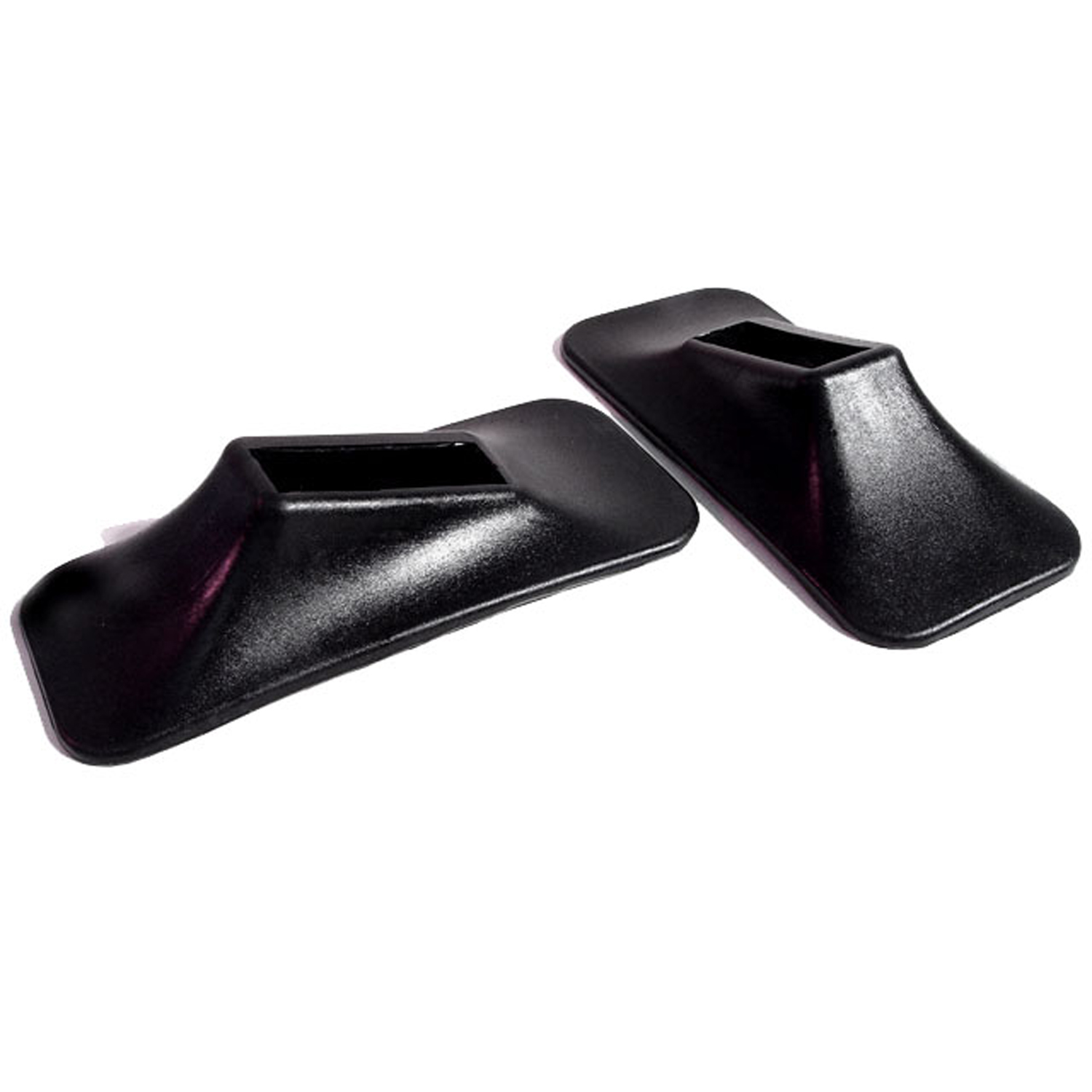 1971 Lincoln Mark III Front Bumper Arm Grommets-BG 47Front Bumper Arm Grommets. 2" wide X 4-1/2" long, with 1-3/4" long inner slot. Pair
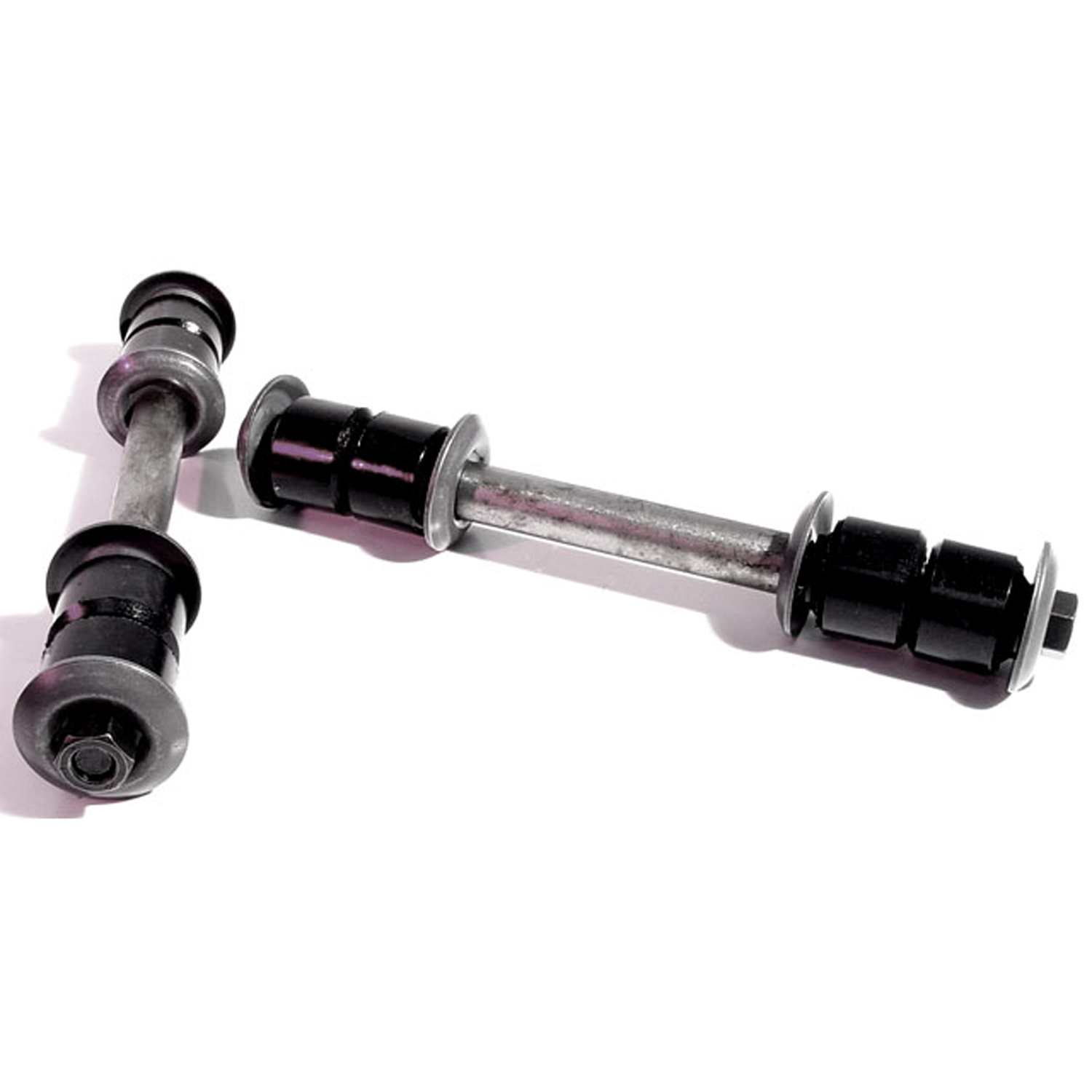 1971 Lincoln Mark III Front Stabilizer End Repair Kit-BNK 21Front Stabilizer End Repair Kit. 22-piece set for two stabilizer bars. Contains all rubber bushings, washers, bolts and nuts, enough for one front end. Set
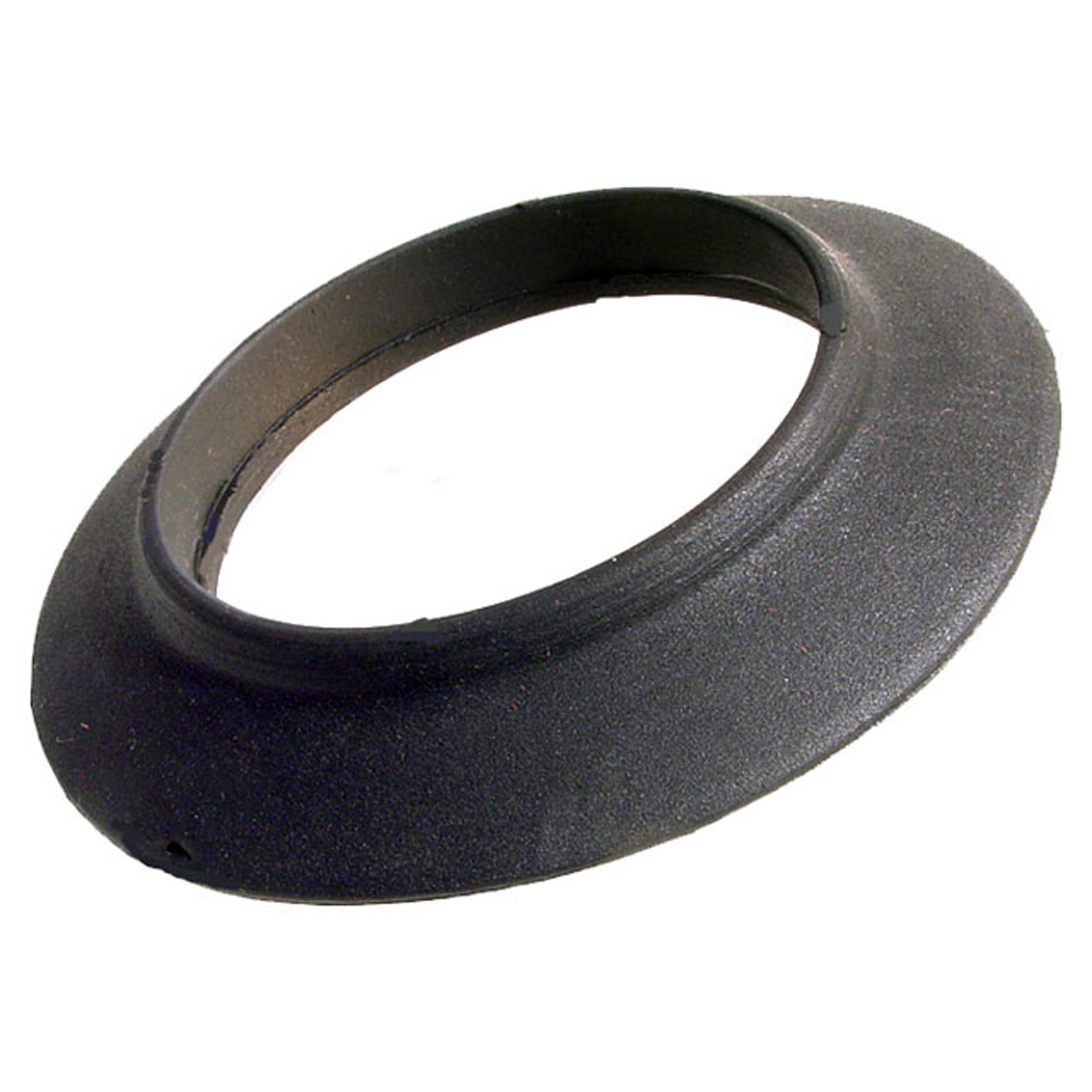 1971 Lincoln Mark III Gas Filler Grommet. 2-1/2" I.D., 4-1/8" O.D. Each-GF 24Gas Filler Grommet. 2-1/2" I.D., 4-1/8" O.D. Each
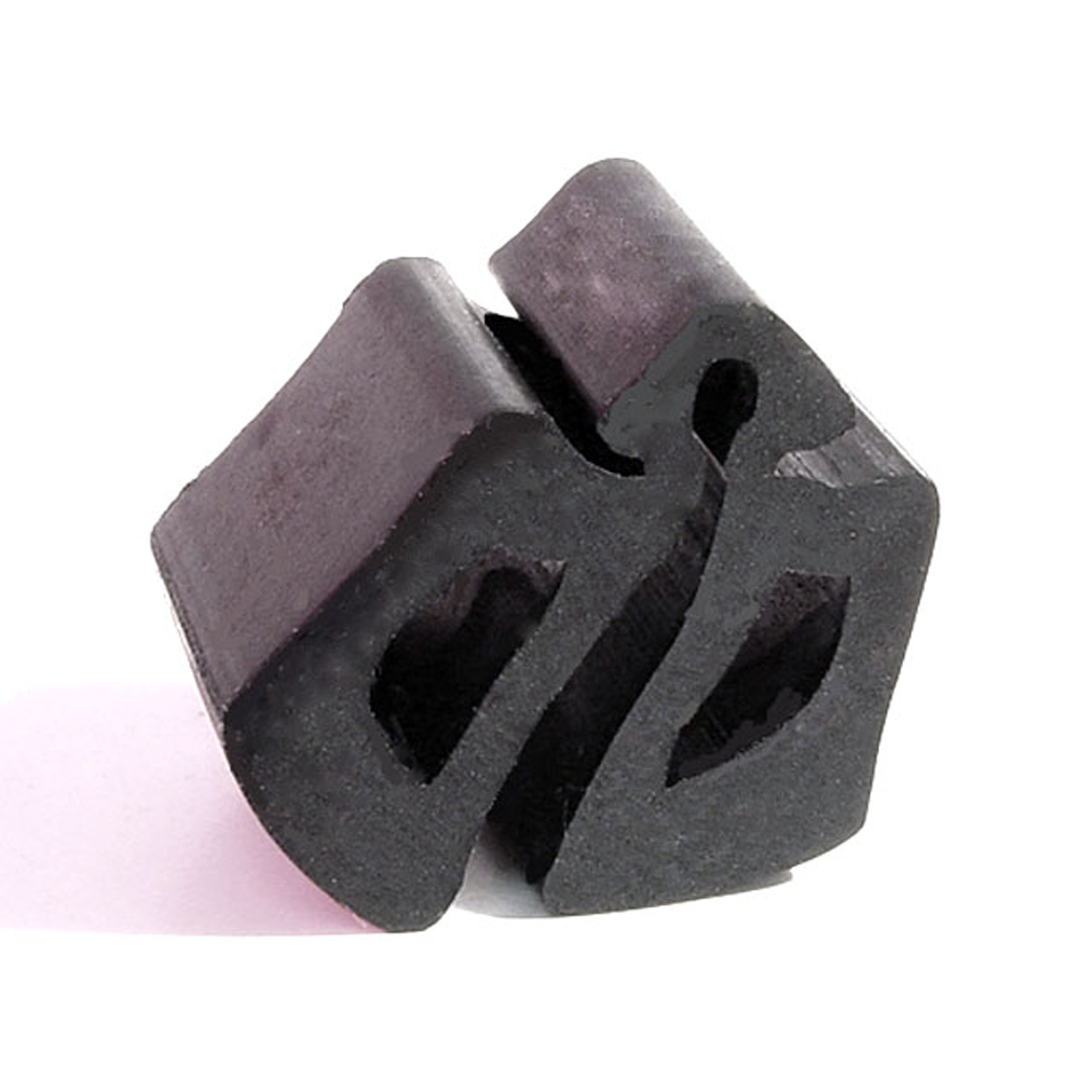 1971 Lincoln Mark III Hood Bumper. Each-HF 2Hood Bumper. Each
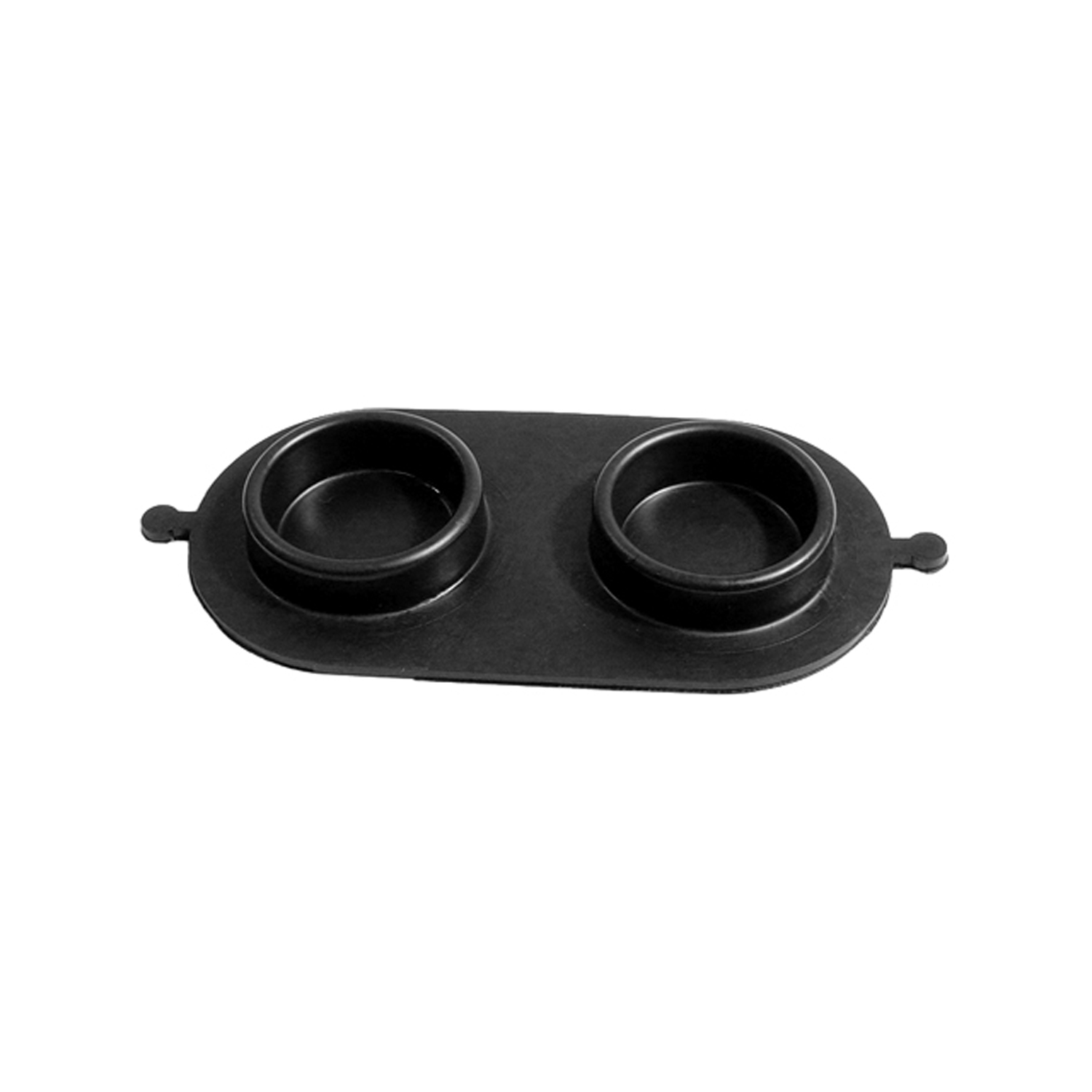 1971 Lincoln Mark III Brake Master Cylinder Cover Seal. Replaces OEM #C7AZ2167-A-RP 2-BBrake Master Cylinder Cover Seal. Replaces OEM #C7AZ2167-A. Each
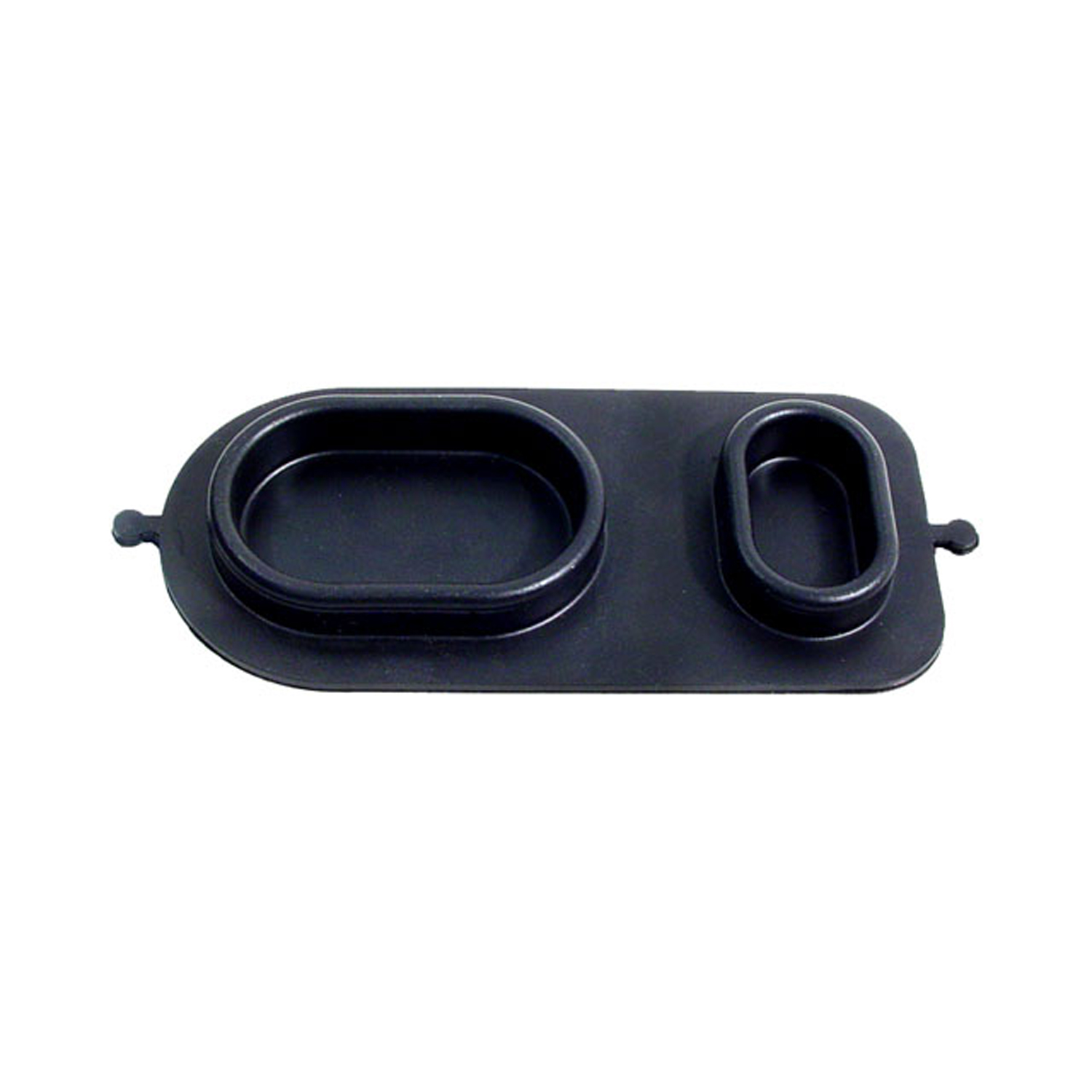 1971 Lincoln Mark III Brake Master Cylinder Cover Seal. Replaces OEM #5470861-RP 2-CBrake Master Cylinder Cover Seal. Replaces OEM #5470861. 5-9/16" long, 2-5/8" wide. Each
 1971 Lincoln Mark III Trunk Seal. 18 feet long. Each-TK 51-18Trunk Seal. 18 feet long. Each
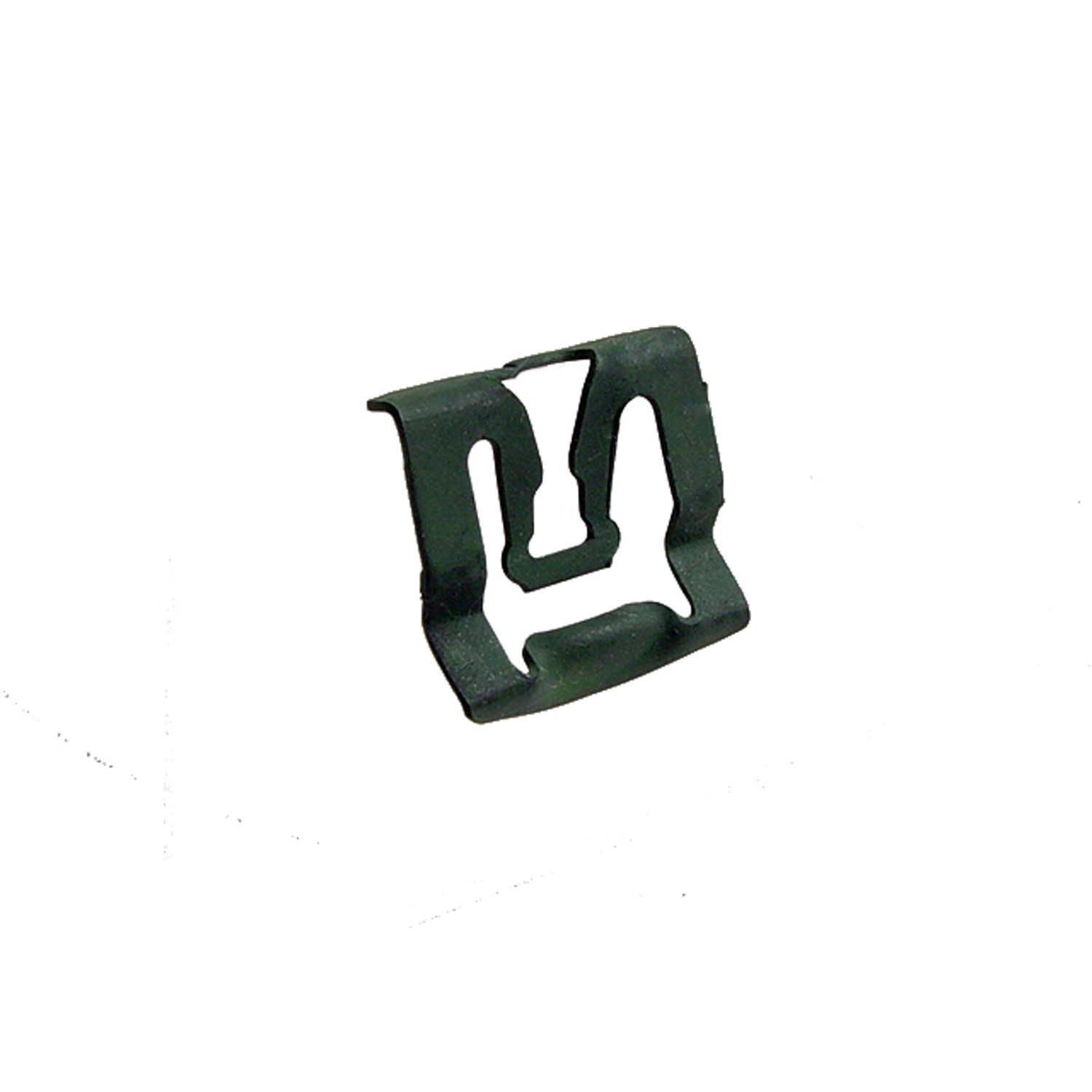 1971 Lincoln Mark III Windshield Reveal Molding Clip. Made of steel. Each-WF 228-AWindshield Reveal Molding Clip. Made of steel. Each
Why Choose Metro?
For over 100 years, Metro Moulded Parts has been the pinnacle of quality in classic car restoration parts. Our commitment to precision and authenticity in every component ensures a perfect fit and an OEM-level appearance.
- Expert Craftsmanship & Quality: Each part is a testament to our dedication to reliability and perfection, crafted from original designs and thoroughly tested.
- Advanced Technology: We use cutting-edge techniques to create flawless, long-lasting parts that surpass others in performance.
- SuperSoft Sponge – The Ultimate Door Seal: Not only are our door seals 30% softer than competitors', but they're also guaranteed to never leak. They effectively reduce wind and road noise, enhancing your classic car's comfort and driving experience.
- Proudly American: Our parts are a product of American craftsmanship, made in the USA with a spirit of excellence and heritage.
- Unrivaled Warranty: We back our products with a 30-year industry-leading warranty, a testament to our confidence in their quality.
Join us in preserving the legacy of classic cars with parts that are crafted for perfection, not just made.