
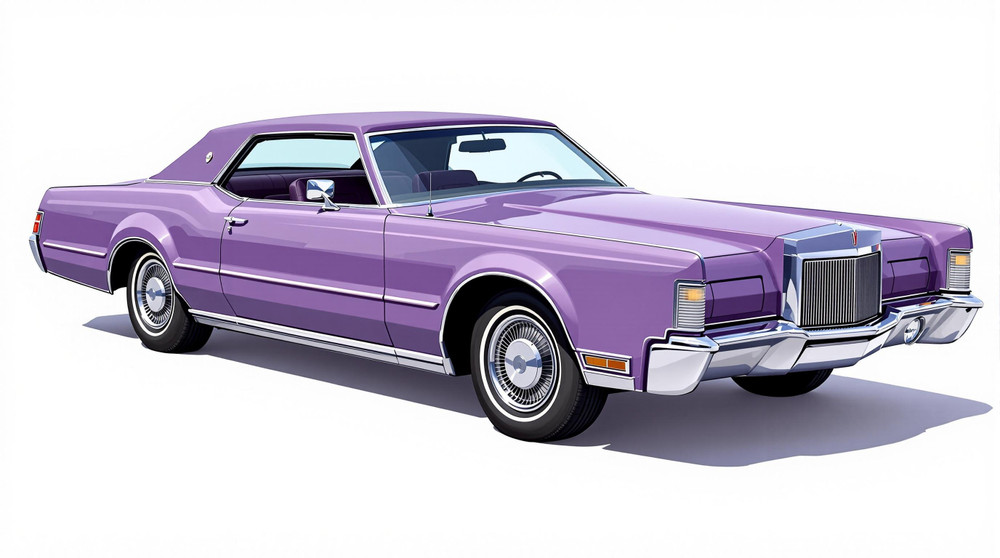
Image of 1972 Lincoln Continental, Note: These illustrations use artistic license and may differ from actual historical models.
Performance Metrics
Fundamental Metrics
Emotional Appeal
MMP Rating
| Engine Specifications | |
|---|---|
| Engine: | 460 CID V8 |
| Displacement: | 460 cubic inches (7.5 liters) |
| Horsepower: | 212 horsepower |
| Torque: | 342 lb-ft |
| Compression Ratio: | 10.5:1 |
| Ignition System: | Electronic ignition system |
| Cooling System: | Liquid-cooled |
| Performance Specifications | |
| 0-60 Time: | 10 seconds |
| 1/4 Mile Time: | 17.5 seconds |
| Top Speed: | 120 mph |
| Transmission and Drive | |
| Drive Type: | Rear-wheel drive |
| Transmission Type: | 3-speed automatic |
| Fuel and Efficiency | |
| Fuel System Type: | Carburetor |
| MPG: | 10-12 mpg |
| Dimensions and Brakes | |
| Brakes: | Power-assisted disc brakes |
| Wheelbase: | 127 inches |
| Weight: | 5,000 lbs |
Note: Specifications for classic cars are given to the best of our ability, considering the limited and variant data available.
1972 Lincoln Continental: The Last Word in Full-Size American Luxury
The 1972 Lincoln Continental did not need a dramatic gesture to command attention: its long hood, formal roofline, and broad, quiet presence did the talking. Built by the Lincoln division of Ford Motor Company, it was a traditional American luxury car from the era when comfort meant generous space, a smooth V8, and a ride that could make a rough road feel far away.
The Continental name had a long history by 1972, but this model belonged to the fifth generation, introduced for 1970. It arrived just before the 1973 oil crisis changed what many buyers expected from a car. In that context, the ’72 Continental stands as a confident expression of pre-crisis American motoring: big, well equipped, and designed to travel in comfort rather than chase economy or lap times.
One memorable detail was its concealed headlamps. When switched off, the lamps disappeared behind front-end covers, keeping the grille and nose visually tidy. It was a small flourish, but a fitting one for a car that treated even its lighting as part of the design.
Continental Styling and Cabin Comfort
The 1972 Continental was unmistakably large, measuring about 225 inches from bumper to bumper, depending on body style. Its long, flat hood led to a broad grille and a carefully squared front end. Crisp body sides, restrained brightwork, and a formal roofline gave it an imposing look without relying on excessive ornament. At the rear, distinctive vertical taillights and the Continental’s familiar spare-tire-inspired deck treatment gave the car a recognizable finish.
Inside, the emphasis was on space and ease. The cabin could be trimmed in cloth, vinyl, or leather, depending on the model and options. Broad, padded seats, thick carpeting, and wood-tone or woodgrain-style accents created a lounge-like atmosphere. The dashboard was wide and straightforward, with large instruments and controls placed for easy reach. Buyers could add power windows, power door locks, power seats, cruise control, air conditioning, and upgraded audio equipment. Equipment varied by trim and order sheet, so a specific car’s factory options are best confirmed through its build records or original documentation.
Factory paint choices covered the period’s expected range, including whites, blacks, blues, greens, golds, and reds, with availability and official color names varying by production date and trim. Neutral shades such as white, silver or gray, and darker blues and greens suited the Continental’s formal character and remain popular with collectors. A well-preserved original color is often more appealing than a recent repaint, especially when the interior and vinyl roof still coordinate.
Lincoln offered the Continental as a two-door hardtop, a four-door hardtop, and a four-door sedan. The four-door models were the natural choice for families and chauffeured use, while the two-door hardtop had a more personal-luxury look. The four-door sedan is often the most familiar version today, but the hardtops have their own appeal thanks to their cleaner, pillarless side profile. The Town Car name was also associated with high-end Continental equipment and trim during this period; it was a luxury designation, not a separate Continental generation.
What Made the 1972 Continental Significant
The 1972 Continental was not a technological revolution, and that was part of its point. It refined an established luxury-car formula rather than trying to reinvent it. At a time when many manufacturers were still competing through size, power, and traditional comfort, Lincoln offered a composed, formal alternative to sportier personal-luxury coupes and the increasingly elaborate designs of some rivals.
Its influence is best understood as a statement of American luxury before downsizing became unavoidable. The car’s long proportions, upright presence, padded interior, and emphasis on isolation from the road helped define what many buyers expected from a full-size flagship. Later Continentals would become smaller and more fuel-conscious, but the 1972 model preserves the generous scale and easygoing character of the earlier era.
The car also belongs to a broader Continental legacy that included presidential vehicles and prominent public appearances. Those famous limousines were specially built or modified, however, and should not be confused with an ordinary production 1972 Continental. The connection is in the name and the marque’s reputation, not in every standard showroom car being a presidential limousine.
460 V8 Performance and Road Manners
Power came from Lincoln’s 460-cubic-inch V8, paired with a three-speed automatic transmission and rear-wheel drive. In 1972, the engine was rated at roughly 212 horsepower using the newer net-rating system, with torque commonly listed around 342 lb-ft. Those figures may look modest beside the engine’s displacement, but the V8’s real strength was its low-speed pulling power. It moved the heavy Continental with a relaxed, unhurried feel rather than a need to rev hard.
Performance figures vary with vehicle condition, equipment, and testing method. A sound example generally takes around 10 to 11 seconds to reach 60 mph, while a top speed in the neighborhood of 110 to 115 mph is a reasonable period-style estimate. The Continental was not built for repeated full-throttle runs. Its three-speed automatic, substantial weight, and comfort-oriented setup made smooth cruising its natural role.
On ordinary roads, the ride is soft and settled. The suspension absorbs patched pavement and broad bumps with the kind of cushioned motion that made big American sedans appealing. The trade-off is noticeable body lean in tight corners and a sensation of considerable mass when changing direction. On a winding road, a driver benefits from planning ahead and using smooth inputs rather than trying to hustle the car like a sports coupe.
At highway speed, the 460’s deep, muted rumble blends into a relaxed background note, and the car feels most at home holding a steady pace. Power steering makes parking easier than the car’s dimensions suggest, though narrow garages and tight urban streets still demand attention. Braking is power-assisted, with front discs and rear drums, but a heavy classic sedan needs more stopping distance than a modern car. Good tires and a properly maintained brake system are essential.
Living With a 1972 Lincoln
Today, the Continental is best suited to weekend cruising, local shows, touring, and occasional special-event use. Some owners do use them regularly, but fuel consumption, parking dimensions, and the availability of certain trim pieces can make daily driving less convenient. The big V8 is thirsty by modern standards, and buyers should budget accordingly.
Many routine mechanical jobs are approachable for an owner with basic tools and experience. The engine and automatic transmission belong to a familiar Ford family, and service information and general mechanical parts are easier to find than some model-specific interior or body pieces. Repairs to the concealed headlamp mechanism, power accessories, climate-control system, and aging electrical connections may take more diagnosis. Vacuum-operated components and old wiring deserve particular inspection before purchase.
As with any half-century-old luxury car, condition matters more than the badge. Check for rust in the floors, lower bodywork, trunk, and around the vinyl roof. Inspect the transmission for smooth shifts, the engine for smoke or overheating, and the suspension and steering for looseness. A car with working accessories and a well-documented service history is usually a better buy than a cheaper example with a long list of deferred repairs.
1972 Continental Facts and Common Criticisms
The Continental’s most obvious “feature” today is its sheer size. It is a conversation starter at a cars-and-coffee event, but it can be a challenge in cramped parking lots. Its concealed headlamps are another talking point, though their doors and operating mechanism can become unreliable with age. The plush ride also draws mixed reactions: fans love the float and isolation, while drivers who prefer firm suspension may find it soft and less precise.
There is no widely recognized production speed or endurance record attached to the 1972 Continental. Its distinction is more cultural than competitive: it represents the large, V8-powered American luxury sedan just before economic and regulatory pressures pushed the industry toward smaller cars. Production estimates vary across sources and body-style breakdowns, but a reasonable best estimate is roughly 90,000 to 100,000 Continentals across the 1972 lineup.
That production volume means the car is not exceptionally rare in the way a limited-run performance model might be. However, clean, original examples are much less common than the total production figure suggests. Cars with their original trim, intact accessories, and strong documentation are the ones most likely to attract serious collector interest.
Collector Values and Market Outlook
As a broad 2026 guide, a project-grade 1972 Continental may sell for roughly $2,500 to $5,000. A usable driver in presentable condition often falls around $6,000 to $12,000, while a well-maintained, very clean example may bring about $13,000 to $22,000. Exceptional, highly original cars or especially desirable configurations can exceed that range, but condition, documentation, and local demand have a major effect on the final price.
Values have generally been steady rather than explosive. The best cars may be appreciating gradually as interest grows in full-size classics, while average examples remain affordable compared with many muscle cars and prestige coupes. Restoration costs can easily exceed the value of an ordinary car, so buying the most complete, rust-free example you can find is usually the sensible approach.
Why the 1972 Lincoln Continental Still Matters
The 1972 Lincoln Continental brings together a smooth 460 V8, a spacious and richly appointed cabin, distinctive concealed headlamps, and the effortless road presence of a classic full-size American luxury car. It is not a sports car, a fuel-saver, or a technological showpiece. Its appeal lies in how confidently it delivers comfort and character.
For collectors and enthusiasts, the Continental is a rolling reminder of an era when luxury meant traveling in quiet, generous space. Find a solid one, keep its systems working, and it remains a memorable way to experience the grand American road car.
1972 Lincoln Continental Catalog of Parts
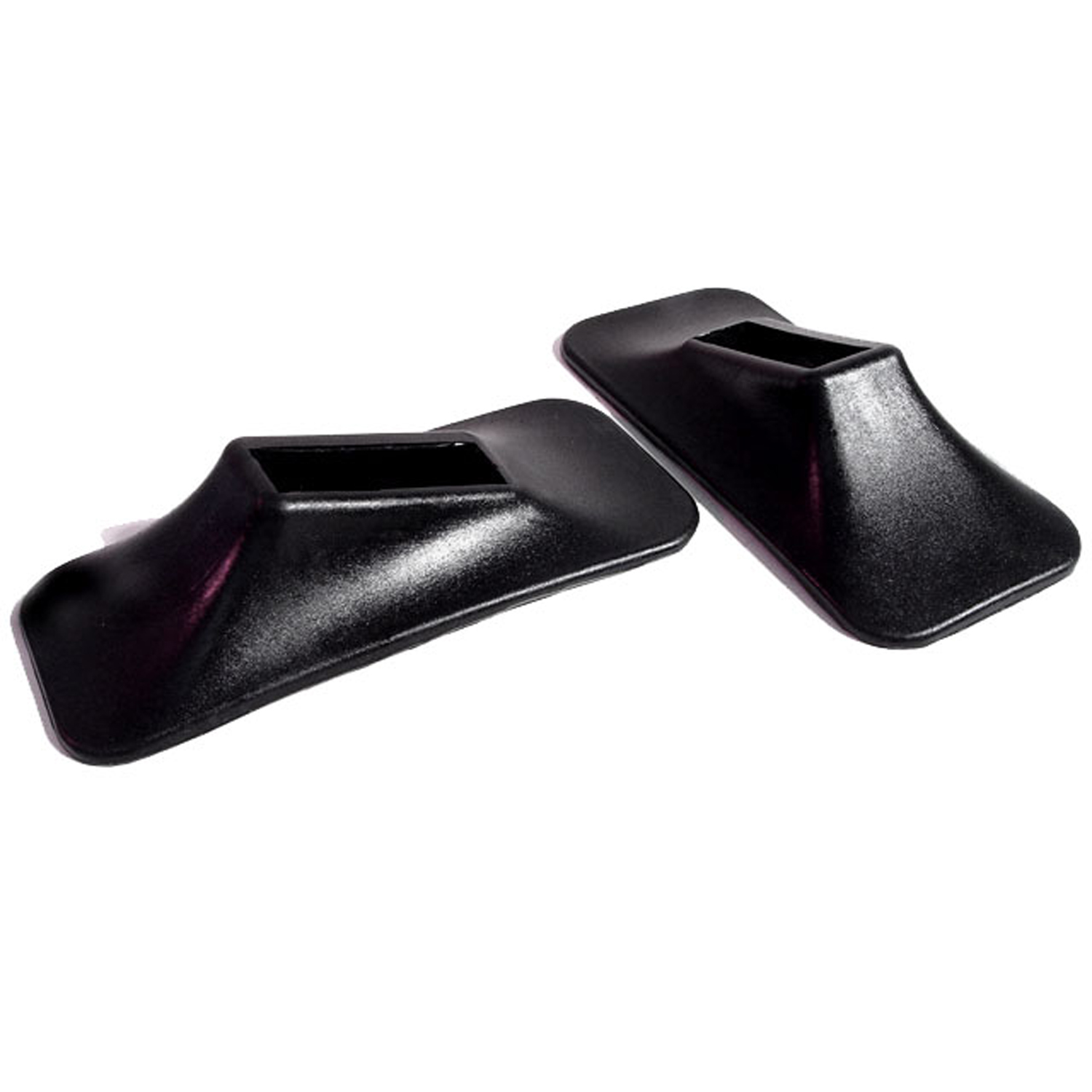 1972 Lincoln Continental Front Bumper Arm Grommets-BG 47Front Bumper Arm Grommets. 2" wide X 4-1/2" long, with 1-3/4" long inner slot. Pair
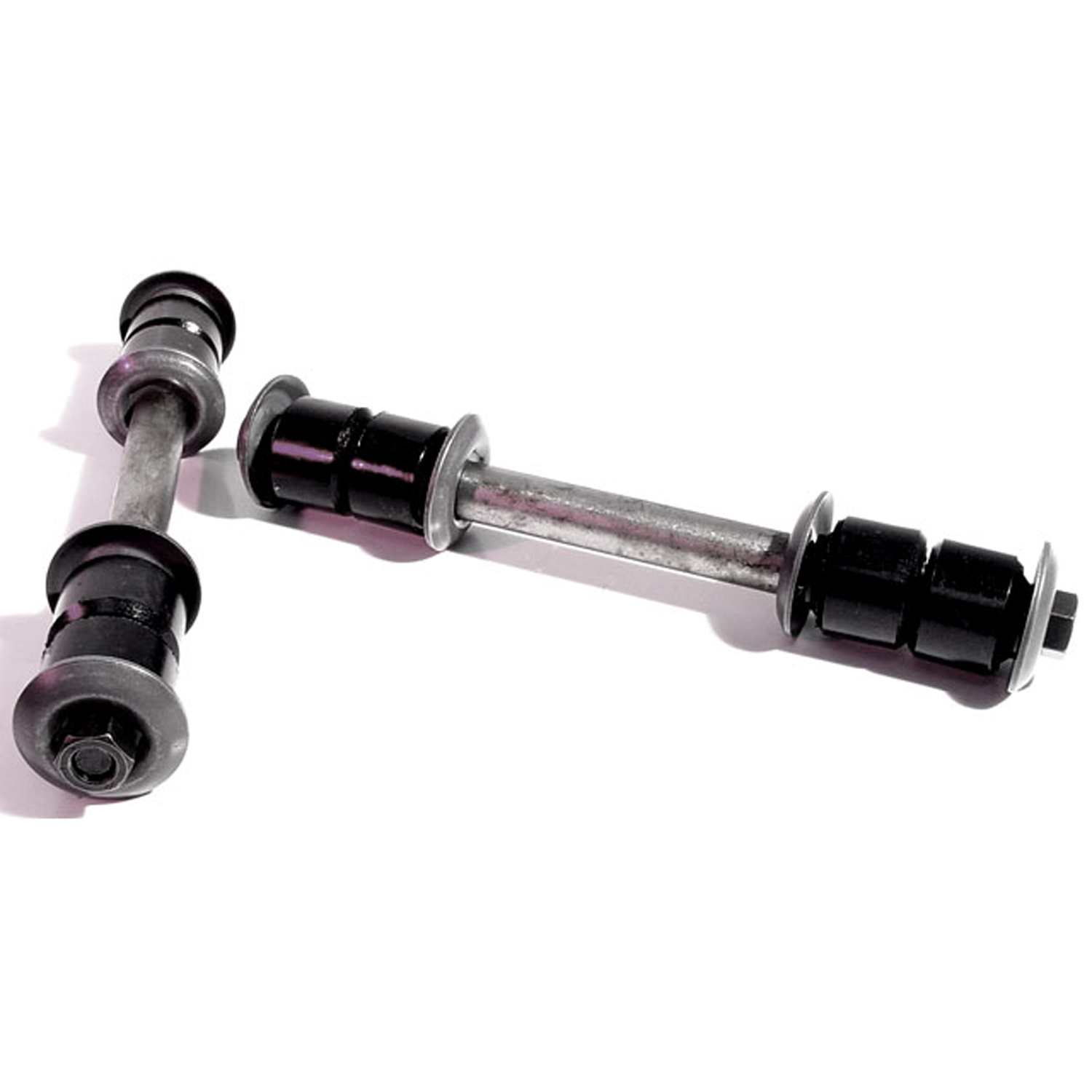 1972 Lincoln Continental Front Stabilizer End Repair Kit-BNK 21Front Stabilizer End Repair Kit. 22-piece set for two stabilizer bars. Contains all rubber bushings, washers, bolts and nuts, enough for one front end. Set
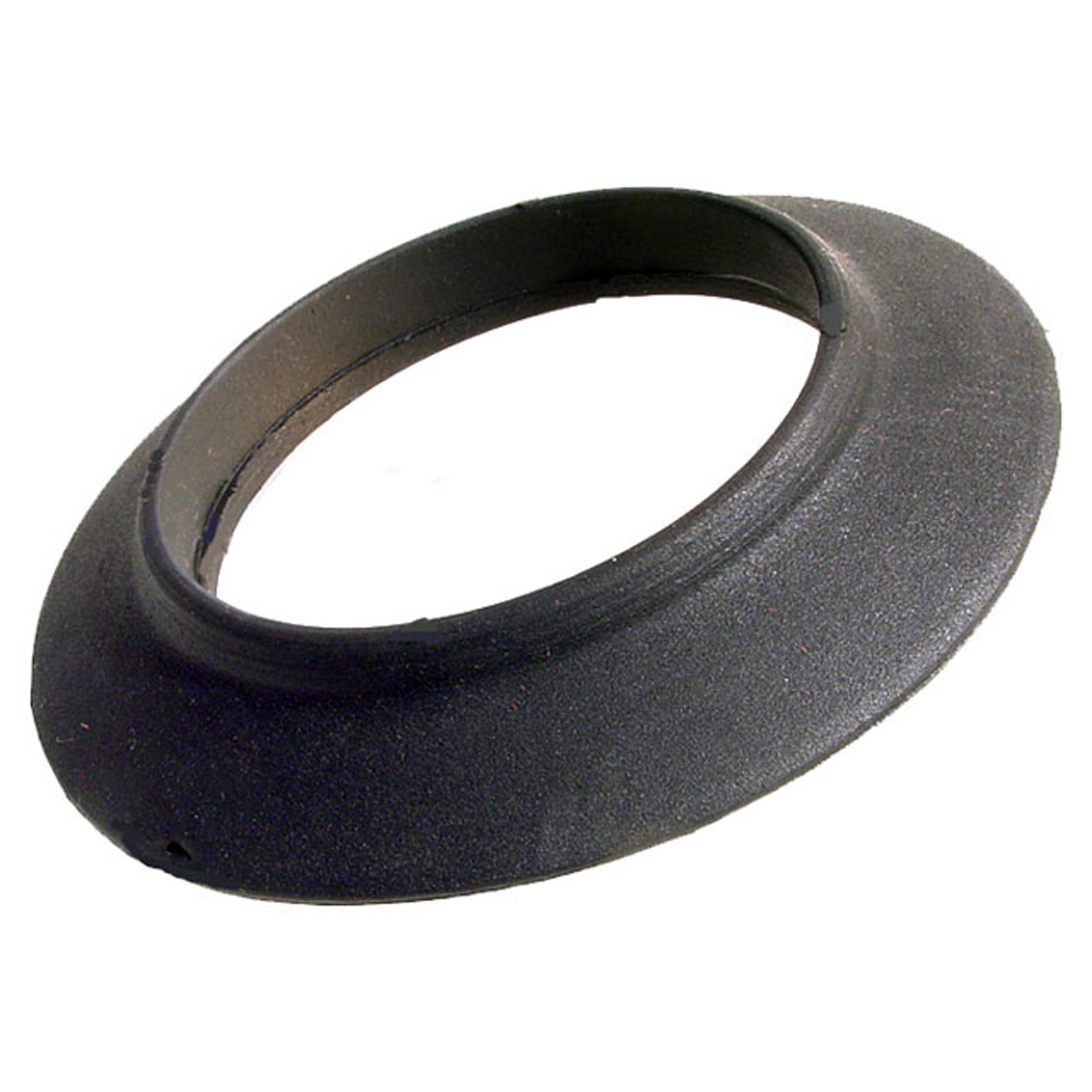 1972 Lincoln Continental Gas Filler Grommet. 2-1/2" I.D., 4-1/8" O.D. Each-GF 24Gas Filler Grommet. 2-1/2" I.D., 4-1/8" O.D. Each
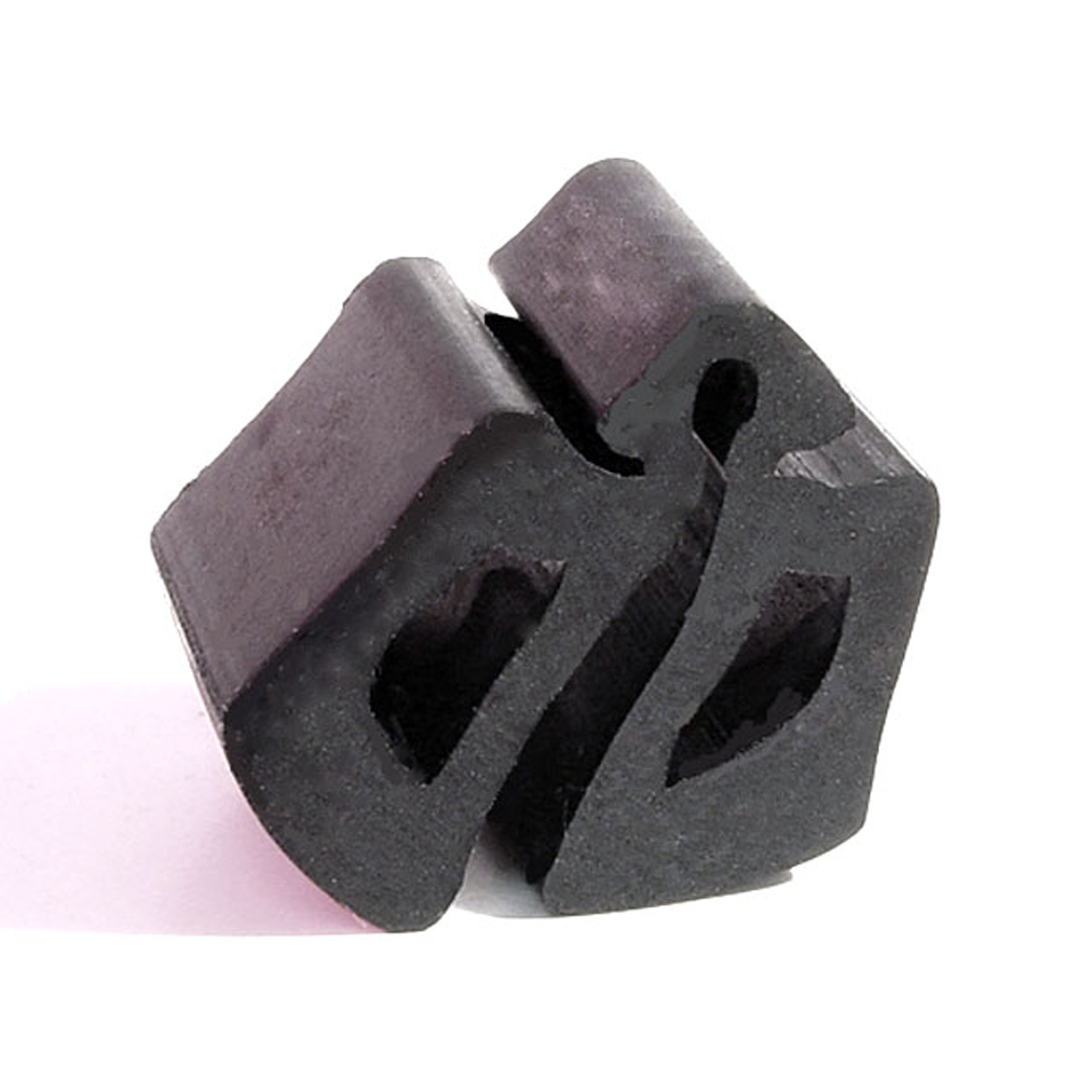 1972 Lincoln Continental Hood Bumper. Each-HF 2Hood Bumper. Each
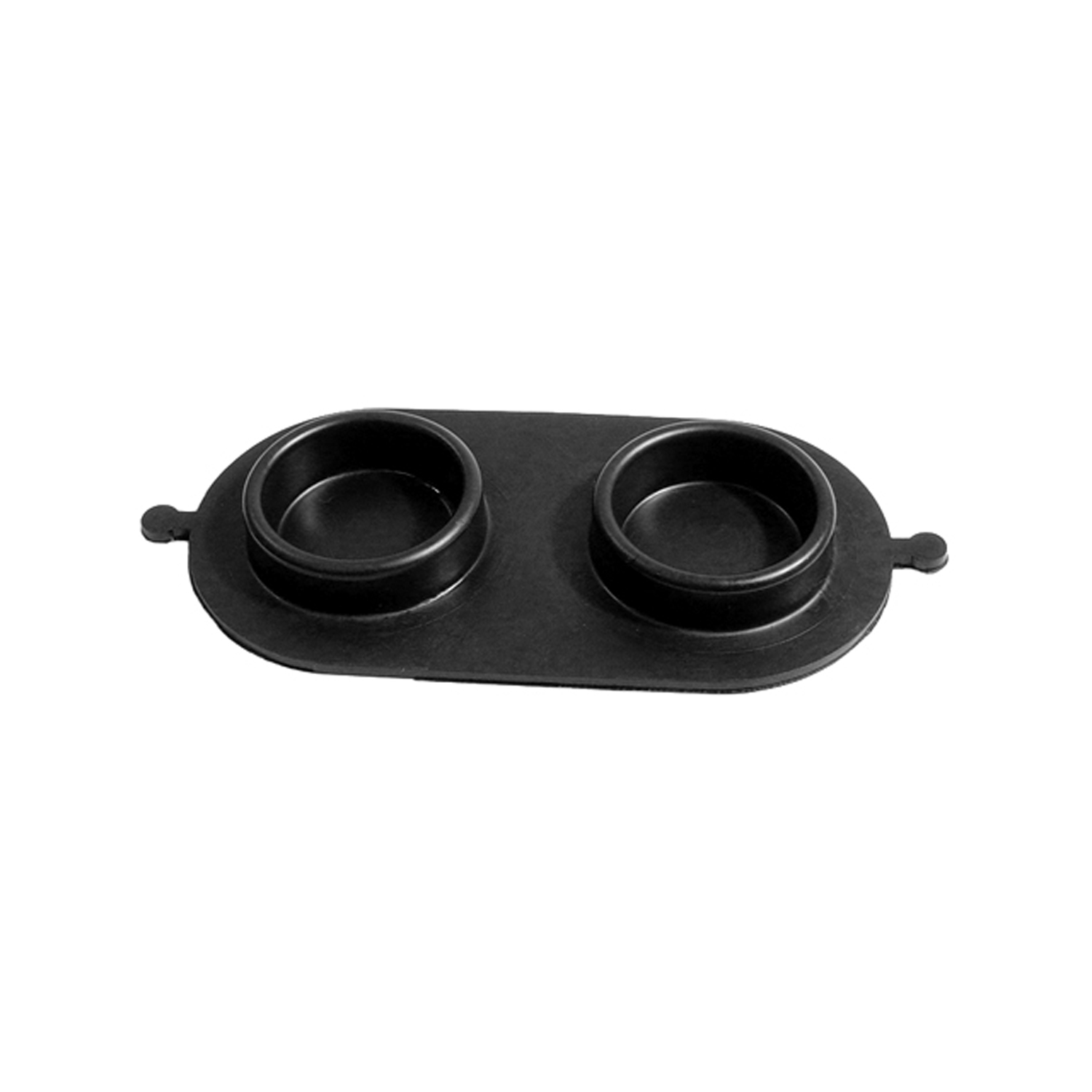 1972 Lincoln Continental Brake Master Cylinder Cover Seal. Replaces OEM #C7AZ2167-A-RP 2-BBrake Master Cylinder Cover Seal. Replaces OEM #C7AZ2167-A. Each
 1972 Lincoln Continental Trunk Seal. 18 feet long. Each-TK 51-18Trunk Seal. 18 feet long. Each
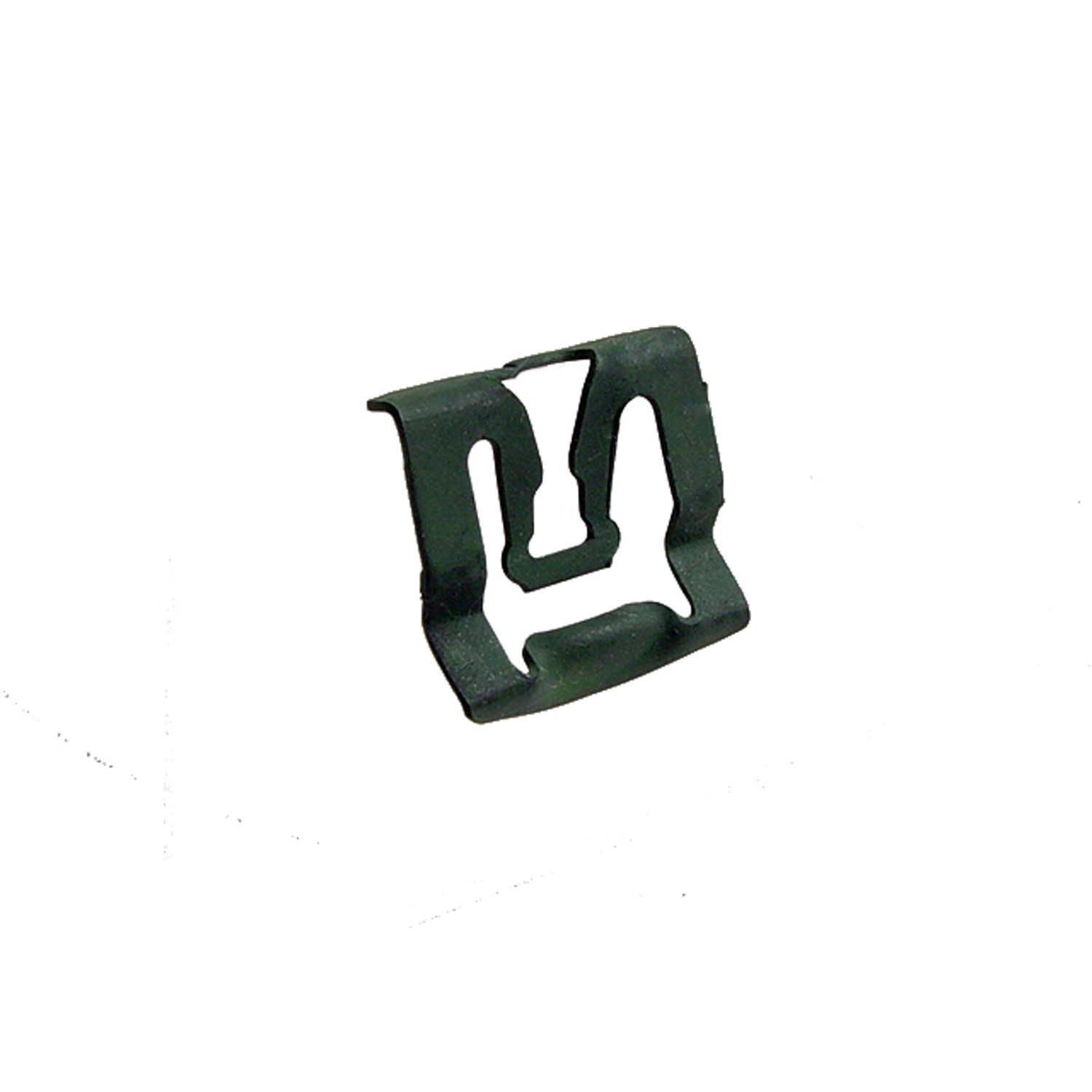 1972 Lincoln Continental Windshield Reveal Molding Clip. Made of steel. Each-WF 228-AWindshield Reveal Molding Clip. Made of steel. Each
Why Choose Metro?
For over 100 years, Metro Moulded Parts has been the pinnacle of quality in classic car restoration parts. Our commitment to precision and authenticity in every component ensures a perfect fit and an OEM-level appearance.
- Expert Craftsmanship & Quality: Each part is a testament to our dedication to reliability and perfection, crafted from original designs and thoroughly tested.
- Advanced Technology: We use cutting-edge techniques to create flawless, long-lasting parts that surpass others in performance.
- SuperSoft Sponge – The Ultimate Door Seal: Not only are our door seals 30% softer than competitors', but they're also guaranteed to never leak. They effectively reduce wind and road noise, enhancing your classic car's comfort and driving experience.
- Proudly American: Our parts are a product of American craftsmanship, made in the USA with a spirit of excellence and heritage.
- Unrivaled Warranty: We back our products with a 30-year industry-leading warranty, a testament to our confidence in their quality.
Join us in preserving the legacy of classic cars with parts that are crafted for perfection, not just made.