

Image of 1972 Lincoln Mark Iv, Note: These illustrations use artistic license and may differ from actual historical models.
Performance Metrics
Fundamental Metrics
Emotional Appeal
MMP Rating
| Engine Specifications | |
|---|---|
| Engine: | 460 CID 4V V-8 |
| Displacement: | 460 cubic inches (7.5 liters) |
| Horsepower: | 212 horsepower |
| Torque: | 342 lb-ft |
| Compression Ratio: | 10.5:1 |
| Ignition System: | Electronic ignition system |
| Cooling System: | Liquid-cooled |
| Performance Specifications | |
| 0-60 Time: | 10.5 seconds |
| 1/4 Mile Time: | 17.5 seconds |
| Top Speed: | 120 mph |
| Transmission and Drive | |
| Drive Type: | Rear-wheel drive |
| Transmission Type: | 3-speed automatic |
| Fuel and Efficiency | |
| Fuel System Type: | Carburetor |
| MPG: | 10-12 mpg |
| Dimensions and Brakes | |
| Brakes: | Power-assisted front disc and rear drum brakes |
| Wheelbase: | 120.4 inches |
| Weight: | 5,264 lbs |
Note: Specifications for classic cars are given to the best of our ability, considering the limited and variant data available.
1972 Lincoln Continental Mark IV: The Arrival of a Personal-Luxury Icon
The 1972 Lincoln Continental Mark IV made a grand entrance with a miles-long hood, hidden headlights, and the kind of formal presence that turned a simple drive into an occasion. Built by Ford Motor Company’s Lincoln division, it was the first model year of a new Mark series flagship, created for buyers who wanted the comfort of a full-size American luxury car in a distinctly personal, two-door package.
The Mark IV followed the successful Continental Mark III and arrived during the heyday of the American personal-luxury coupe. It competed for attention with cars such as the Cadillac Eldorado, while offering its own blend of conservative elegance, plush appointments, and imposing scale. One intriguing detail: although the Mark IV later became famous for designer editions such as Cartier and Bill Blass, those special editions did not arrive until later in the model’s run. The 1972 car is the original, pre-designer-series Mark IV.
Formal Styling and First-Class Comfort
From the front, the Mark IV is all long hood and upright confidence. A tall, narrow grille gives the nose a formal look, while concealed headlamps keep the front end clean when they are switched off. The car’s sharply defined fenders, long flanks, and short rear deck create the classic proportions of a personal-luxury coupe. At the back, the raised spare-tire-style contour on the trunk recalls the signature Continental spare-tire treatment, even though the spare itself is carried elsewhere.
The 1972 Mark IV was offered as a two-door coupe, not as a sedan or convertible. Its roofline, frameless door glass, and small opera windows gave it an elegant, almost club-like profile. A vinyl roof was a popular choice, emphasizing the formal roofline and adding contrast to the body color. The single coupe body style became the Mark IV’s defining silhouette.
Inside, the car was designed for relaxed, quiet travel rather than a sporty driving position. Buyers could choose richly trimmed interiors, including available leather upholstery, plush carpeting, and wood-tone accents. Wide seats, generous legroom, and a broad dashboard made the cabin feel more like a private lounge than a conventional car interior. Power accessories were part of the luxury experience, with features such as power windows and power-adjustable seating available, alongside conveniences like cruise control and automatic climate control, depending on equipment.
Lincoln offered the Mark IV in a range of period colors, from restrained whites, silvers, and darker metallic shades to richer reds, blues, greens, and gold tones. Exact paint and trim combinations varied, but subdued exterior colors paired with a contrasting vinyl roof were especially in keeping with the car’s formal character. A well-preserved example in a strong original color combination can be particularly appealing to collectors today.
Luxury Technology for the Early 1970s
The Mark IV was not a technology showcase in the modern sense, but it brought together the convenience features expected in a high-end American car. Depending on the car’s options, equipment could include power locks, power seats, automatic temperature control, cruise control, an AM/FM radio, and an 8-track player. These features helped make long-distance travel easy and reinforced the Mark IV’s role as a comfortable grand tourer.
Its concealed headlamps were a visual highlight and a practical design feature. Vacuum-operated mechanisms moved the headlamp doors, giving the car a smooth, uninterrupted front end when the lights were off. That system looks wonderfully theatrical today, though it is also one more component that may need attention on an older car.
Why the Mark IV Mattered
The Mark IV helped define what an American luxury coupe could be in the 1970s: large, powerful, exceptionally comfortable, and unmistakably formal. Rather than chasing European sports-car agility, Lincoln emphasized quietness, smoothness, and road presence. The result was a car that felt imposing without being overtly flashy, and personal without sacrificing full-size comfort.
Its significance also lies in what followed. The 1972 design established the visual and marketing direction for the Mark IV’s later years, including the designer editions that turned fashion labels into automotive trim packages. The Mark IV helped make that kind of luxury-car collaboration familiar, while its long-hood, formal-roof proportions influenced the look of later American personal coupes.
Against rivals, the Lincoln’s appeal rested on its blend of comfort and restraint. It had the scale and prestige of a flagship, but its two-door body and carefully tailored cabin gave it a more individual character than a conventional luxury sedan. The formula was distinctly American and became a defining part of Lincoln’s identity through the decade.
460 V8 Power and a Cushioned Ride
Power came from Ford’s 460-cubic-inch V8, a 7.5-liter engine paired with a three-speed automatic transmission and rear-wheel drive. Period horsepower figures can be confusing because manufacturers were shifting from gross to net measurement. The engine was often advertised at about 365 horsepower under the older gross-rating method, while net figures were substantially lower. Either way, its real strength was abundant low-speed torque, delivered in a smooth, unhurried manner.
Performance figures vary by source and test conditions, but a 0-to-60 mph time in roughly the 9-to-11-second range is a reasonable estimate for a healthy example. Top speed is generally estimated at around 115 to 120 mph, although the Mark IV was built for effortless highway cruising, not repeated high-speed runs. Its substantial weight and luxury gearing favored smooth acceleration over sharp response.
On the road, the Mark IV feels big, quiet, and composed. Its soft suspension takes the sting out of broken pavement and expansion joints, while the long wheelbase helps it settle down on the highway. On a winding road, however, its size and cushioned suspension become more apparent. There is body lean, and the steering is better suited to relaxed progress than quick direction changes. Crosswinds and narrow roads call for a measured hand at the wheel.
The engine’s sound is a muted V8 burble rather than a performance-car bark. Acceleration arrives with a smooth swell of power, and the cabin insulates occupants from much of the mechanical noise. The overall experience is less about feeling every detail of the road and more about gliding over it in comfort. Fuel economy is a predictable downside: a large 460-powered luxury coupe is thirsty by modern standards, and single-digit or low-teens mileage can be part of ownership depending on condition and driving style.
Living with a 1972 Mark IV
Today, the Mark IV is most often used as a weekend cruiser, a show car, or a special-occasion classic. Its size, fuel consumption, and aging comfort systems make it less practical as a daily driver for many owners, though a well-maintained car can still handle regular use. It is at its best on open roads, where the V8 and soft ride suit the car’s original mission.
The 460 V8 and C6 automatic transmission are familiar Ford components, and many basic mechanical repairs are within reach of an experienced home mechanic. Parts for common service items are generally easier to find than trim-specific pieces. The more challenging jobs often involve the car’s vacuum-operated headlamp doors, power accessories, climate-control system, aging wiring, and interior or exterior trim. Rust, particularly in structural areas and around floors or body seams, deserves careful inspection before purchase.
As with many large American classics, condition matters more than the badge alone. A car with sound bodywork, functioning accessories, and a well-documented maintenance history is usually a better buy than a cheaper project with incomplete trim and a long list of electrical faults.
Mark IV Facts Worth Knowing
The Mark IV’s designer editions are often associated with the model, but they came later. The 1972 car is from the first model year and predates the special Cartier, Bill Blass, Givenchy, and Pucci versions. That distinction can help buyers identify what is original and avoid confusing later editions with the launch-year model.
Lincoln built approximately 48,591 Mark IVs for 1972, making it a successful first-year car rather than a rare production oddity. It is far less common to find one today in excellent, largely original condition, especially with complete trim and working luxury equipment. The Mark IV is not remembered for a major racing record or a headline-grabbing speed achievement. Its claim to fame is its role in shaping the American luxury coupe and launching a long-lived Mark series design.
Common criticisms are easy to understand: the car is very large, uses plenty of fuel, and does not handle like a modern sports coupe. Some owners also find that the vacuum and electrical systems require patient troubleshooting. Those drawbacks are part of the same bargain that delivers its spacious cabin, cushioned ride, and unmistakable presence.
Collector Values and Market Outlook
As a broad 2026 estimate, a 1972 Mark IV in fair running condition may sell for roughly $5,000 to $10,000. A clean, roadworthy example with attractive presentation often falls around $10,000 to $20,000, while an excellent, well-preserved or professionally restored car could bring approximately $20,000 to $35,000 or more. These are general ranges rather than guaranteed sale prices. Location, originality, rust, mechanical condition, documentation, and the quality of any restoration can change the value substantially.
With nearly 50,000 built in 1972, the model is not exceptionally rare by production count. Availability is reasonable, but finding a genuinely clean car can take time. Values have generally remained accessible compared with many better-known muscle cars and high-end European classics. The strongest examples may appreciate gradually as interest in 1970s American luxury cars grows, but ordinary cars are more likely to remain condition-sensitive than to deliver dramatic investment returns.
For buyers, the best strategy is to prioritize a solid body, complete equipment, and a credible history. A neglected Mark IV can consume its apparent bargain price in restoration work, while a well-kept example offers a lot of classic-car presence for the money.
The 1972 Lincoln Mark IV’s Lasting Appeal
The 1972 Lincoln Continental Mark IV brought together a powerful 460 V8, a sumptuous cabin, formal styling, and a remarkably smooth highway ride. As the first year of the Mark IV, it introduced the shape and character that would define the model through the rest of the decade, before later designer editions added a fashion-world twist.
It is not a car for squeezing into tight parking spaces or chasing lap times. It is a car for easing onto the highway, settling into a broad seat, and enjoying the feeling that the road has slowed down. More than five decades later, the Mark IV remains a rolling statement of American luxury at full scale.
1972 Lincoln Mark Iv Catalog of Parts
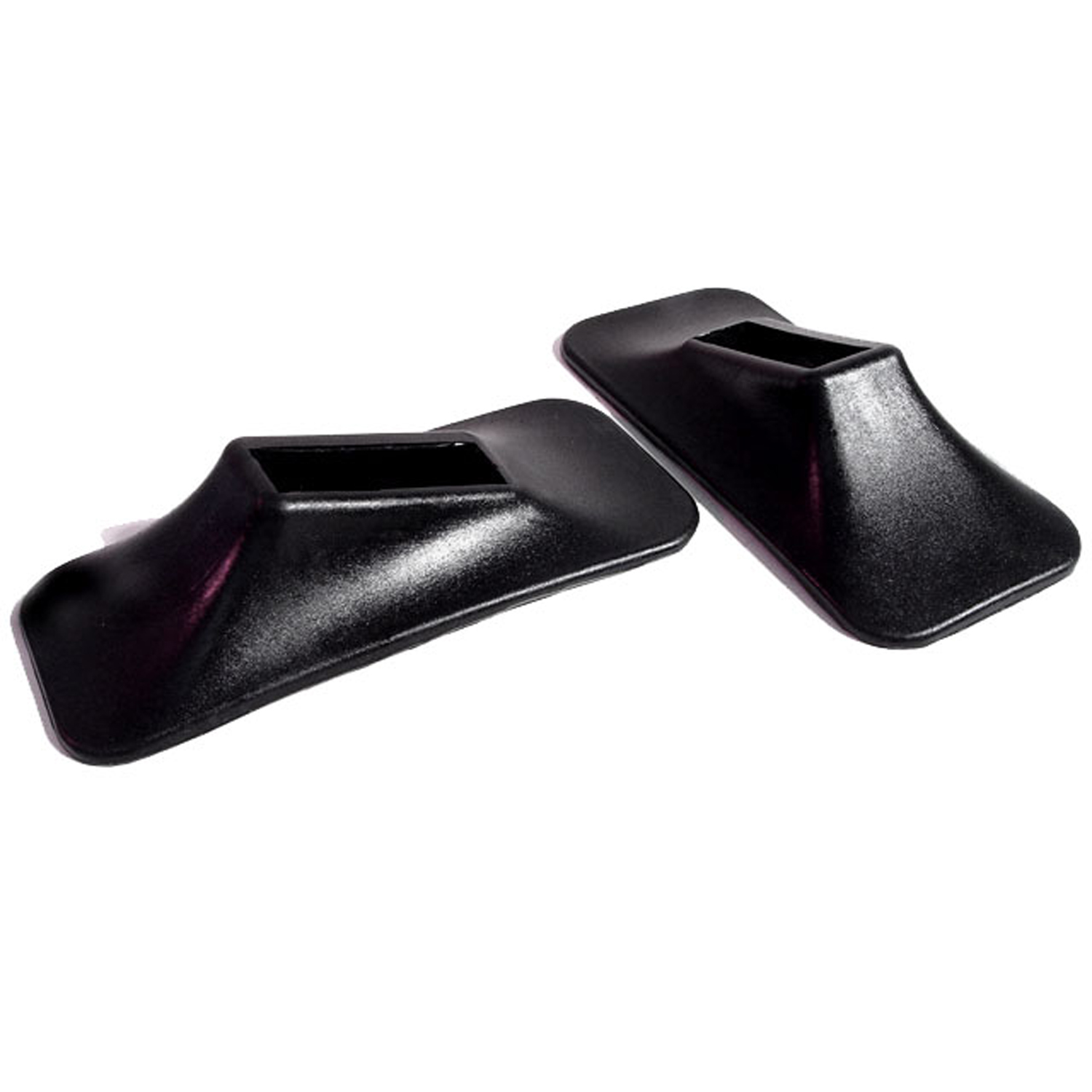 1972 Lincoln Mark IV Front Bumper Arm Grommets-BG 47Front Bumper Arm Grommets. 2" wide X 4-1/2" long, with 1-3/4" long inner slot. Pair
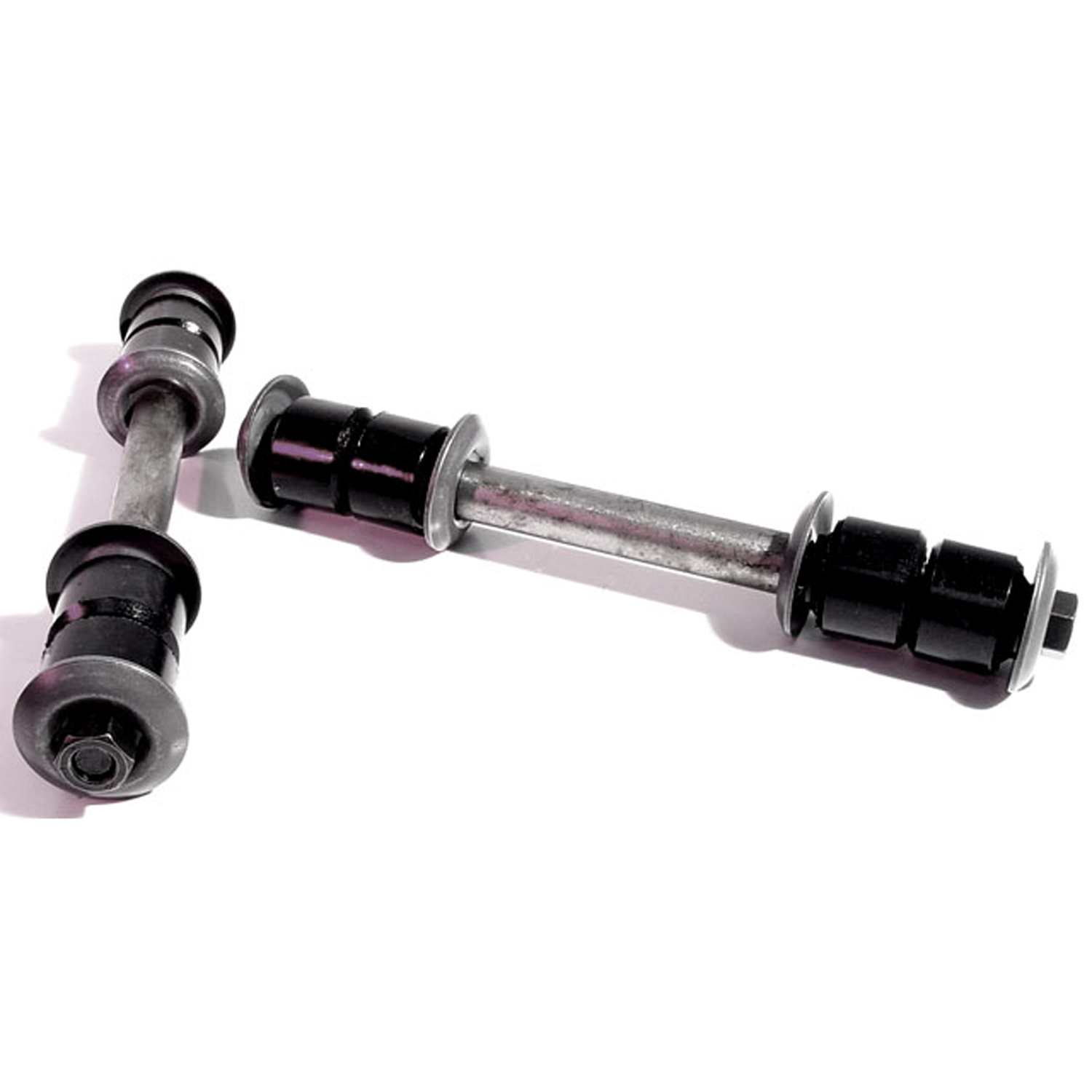 1972 Lincoln Mark IV Front Stabilizer End Repair Kit-BNK 21Front Stabilizer End Repair Kit. 22-piece set for two stabilizer bars. Contains all rubber bushings, washers, bolts and nuts, enough for one front end. Set
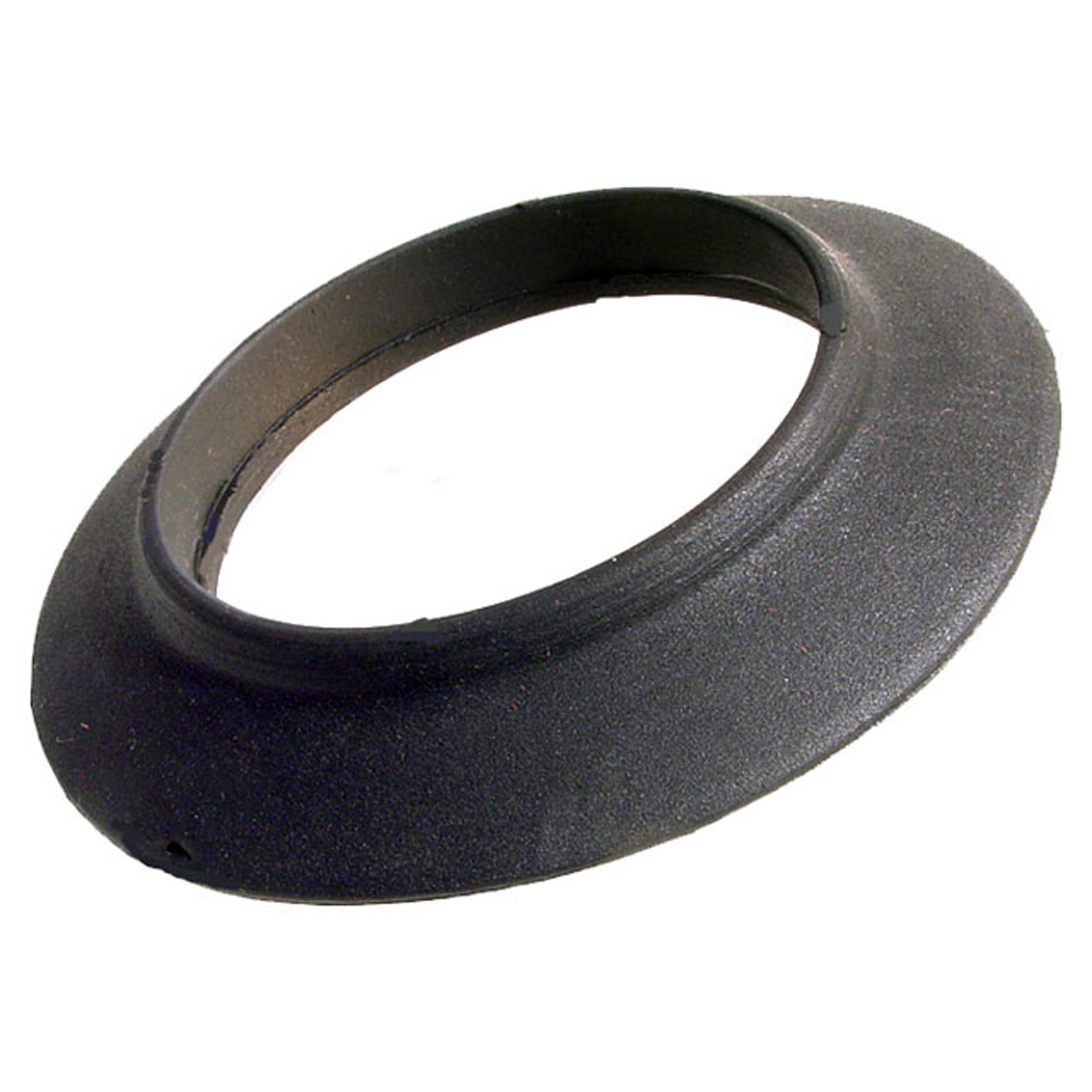 1972 Lincoln Mark IV Gas Filler Grommet. 2-1/2" I.D., 4-1/8" O.D. Each-GF 24Gas Filler Grommet. 2-1/2" I.D., 4-1/8" O.D. Each
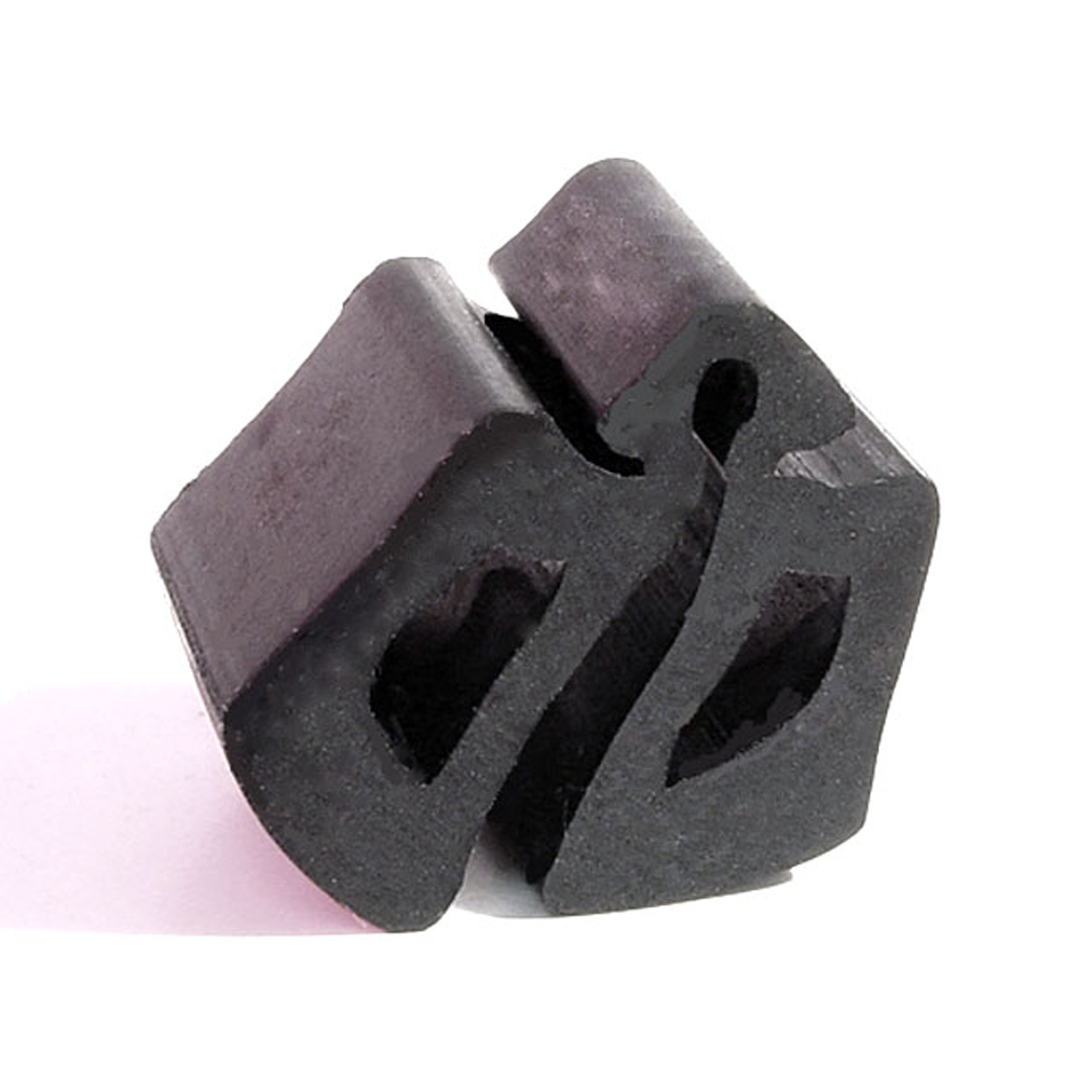 1972 Lincoln Mark IV Hood Bumper. Each-HF 2Hood Bumper. Each
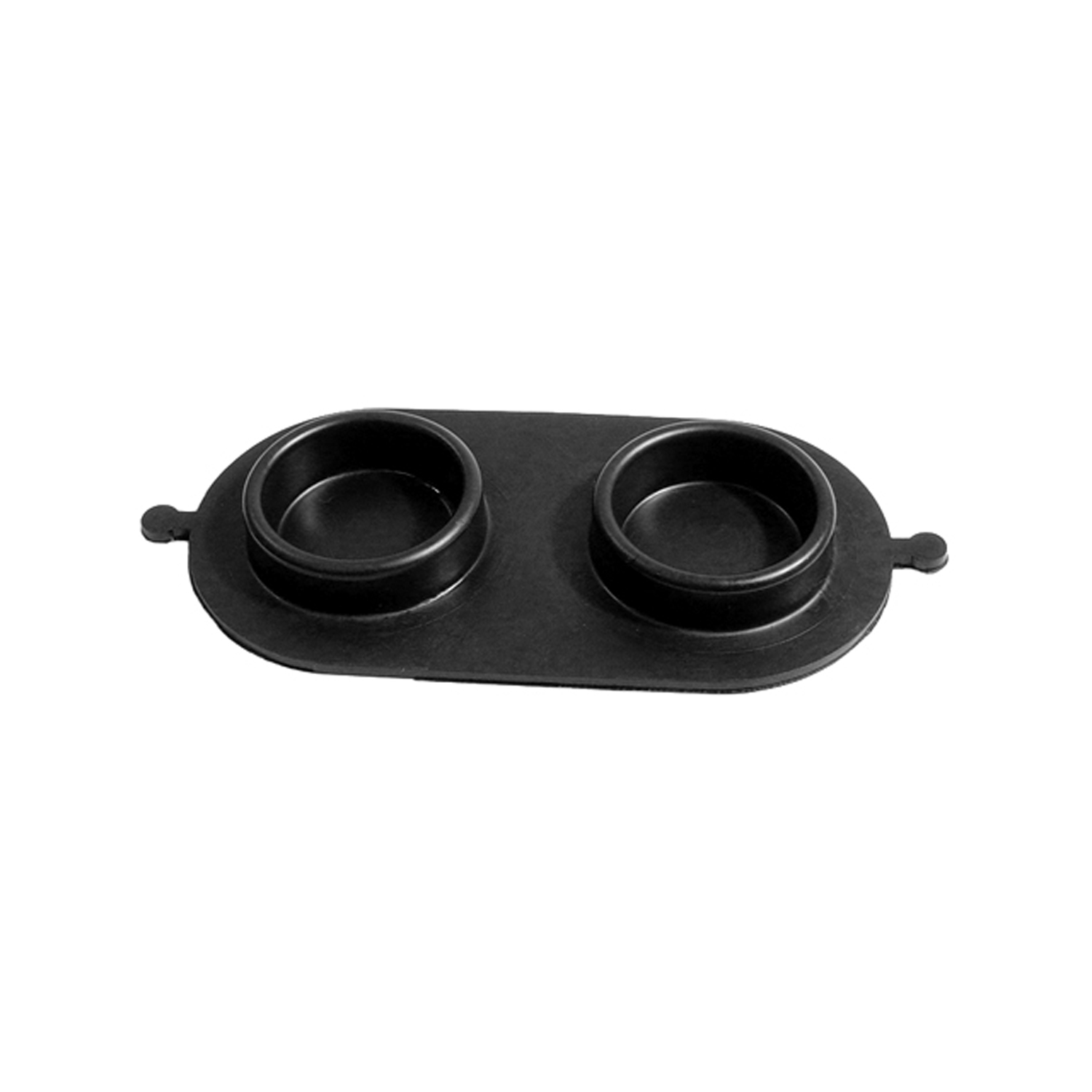 1972 Lincoln Mark IV Brake Master Cylinder Cover Seal. Replaces OEM #C7AZ2167-A-RP 2-BBrake Master Cylinder Cover Seal. Replaces OEM #C7AZ2167-A. Each
 1972 Lincoln Mark IV Trunk Seal. 18 feet long. Each-TK 51-18Trunk Seal. 18 feet long. Each
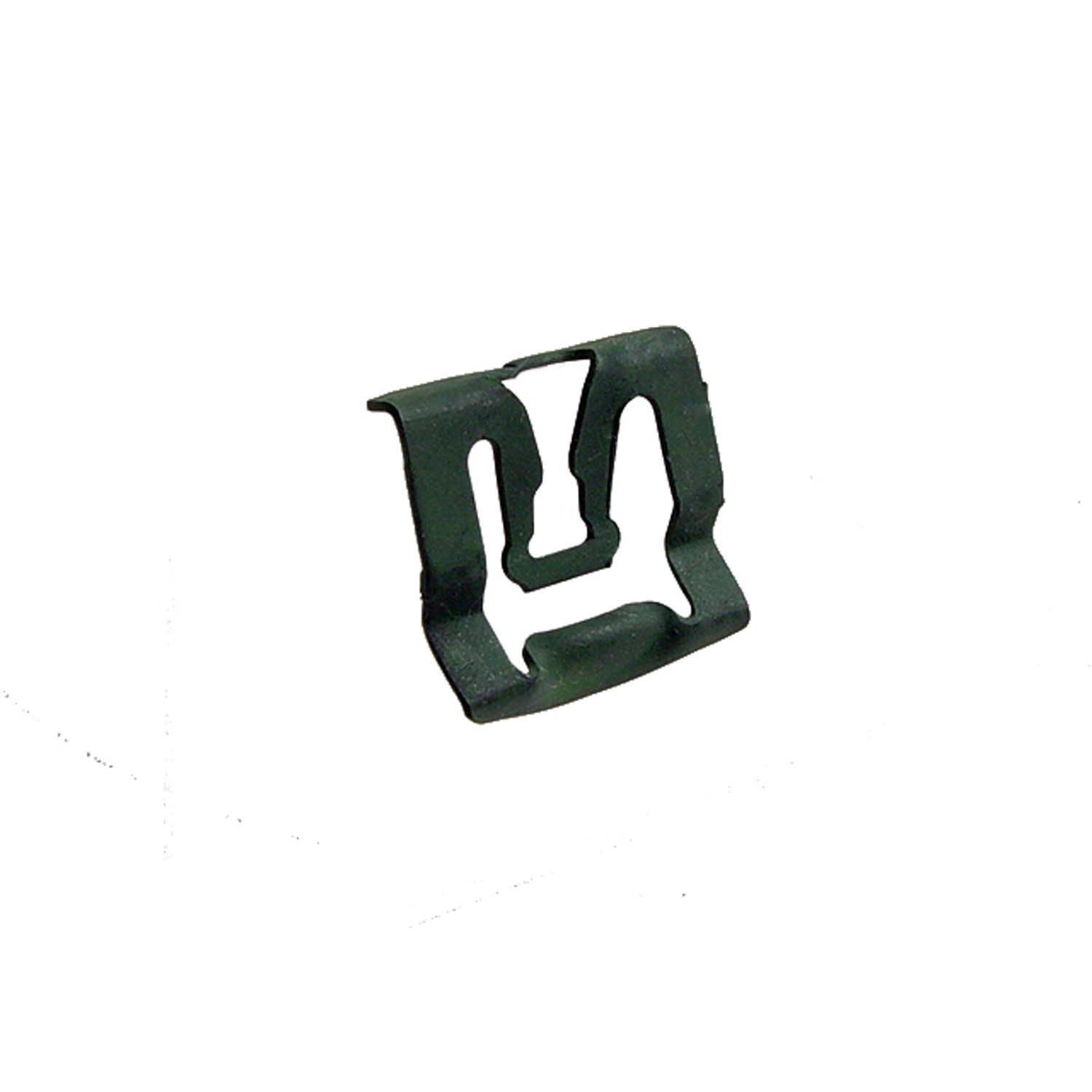 1972 Lincoln Mark IV Windshield Reveal Molding Clip. Made of steel. Each-WF 228-AWindshield Reveal Molding Clip. Made of steel. Each
Why Choose Metro?
For over 100 years, Metro Moulded Parts has been the pinnacle of quality in classic car restoration parts. Our commitment to precision and authenticity in every component ensures a perfect fit and an OEM-level appearance.
- Expert Craftsmanship & Quality: Each part is a testament to our dedication to reliability and perfection, crafted from original designs and thoroughly tested.
- Advanced Technology: We use cutting-edge techniques to create flawless, long-lasting parts that surpass others in performance.
- SuperSoft Sponge – The Ultimate Door Seal: Not only are our door seals 30% softer than competitors', but they're also guaranteed to never leak. They effectively reduce wind and road noise, enhancing your classic car's comfort and driving experience.
- Proudly American: Our parts are a product of American craftsmanship, made in the USA with a spirit of excellence and heritage.
- Unrivaled Warranty: We back our products with a 30-year industry-leading warranty, a testament to our confidence in their quality.
Join us in preserving the legacy of classic cars with parts that are crafted for perfection, not just made.