

Image of 1973 Lincoln Continental, Note: These illustrations use artistic license and may differ from actual historical models.
Performance Metrics
Fundamental Metrics
Emotional Appeal
MMP Rating
| Engine Specifications | |
|---|---|
| Engine: | 460 CID 4V V-8 |
| Displacement: | 460 cubic inches (7.5 liters) |
| Horsepower: | 220 HP |
| Torque: | 365 lb-ft |
| Compression Ratio: | 8.5:1 |
| Ignition System: | Electronic Ignition |
| Cooling System: | Liquid-cooled |
| Performance Specifications | |
| 0-60 Time: | 10 seconds |
| 1/4 Mile Time: | 17.5 seconds |
| Top Speed: | 120 mph |
| Transmission and Drive | |
| Drive Type: | Rear-wheel drive |
| Transmission Type: | 3-speed automatic |
| Fuel and Efficiency | |
| Fuel System Type: | Carburetor |
| MPG: | 10-12 mpg |
| Dimensions and Brakes | |
| Brakes: | Power-assisted disc brakes |
| Wheelbase: | 127.2 inches |
| Weight: | 5,000 lbs |
Note: Specifications for classic cars are given to the best of our ability, considering the limited and variant data available.
1973 Lincoln Continental: The Last Word in American Luxury
The 1973 Lincoln Continental did not whisper its arrival. It announced itself with a broad chrome grille, a long, formal profile, and enough V8 beneath the hood to move more than two tons of Detroit luxury with calm authority. Built by Ford’s Lincoln division, the Continental was a flagship for buyers who wanted comfort, presence, and traditional American scale rather than a sporty or economical car.
By 1973, the Continental had a long history behind it. Lincoln first used the name in 1939, and the model became one of the company’s defining luxury cars. The 1973 version belonged to the fifth-generation Continental introduced for 1970, a large rear-wheel-drive line that carried Lincoln through the final years of the classic full-size era. One detail that makes the 1973 model especially recognizable is its federally influenced front bumper: new safety requirements called for protection in a low-speed impact, adding substantial bulk to an already imposing nose.
Formal Styling and Town Car Comfort
The Continental’s styling favored dignity over speed. Its long hood, upright grille, squared-off body sides, and broad rear deck created a stately, almost architectural shape. The rear deck’s raised “spare-tire” contour echoed an earlier Lincoln design signature. It was a styling treatment, not an exposed spare tire, and it gave the car a distinctive finish that is often the first feature people notice in profile.
The 1973 model’s front end was particularly assertive. A large vertical grille sat between concealed headlamps, while the new, heavier front bumper made the car look even more substantial. At the rear, wide taillamps and a broad bumper completed the formal look. The Continental was not subtle, but that was part of its appeal: it looked like a luxury car from across a parking lot.
Inside, Lincoln emphasized quiet comfort and generous space. Depending on trim and options, buyers could find plush cloth or leather upholstery, thick carpeting, wood-tone accents, and deeply cushioned seats. Power equipment was common, including power windows, power door locks, and a power-adjustable front seat. Air conditioning, cruise control, and upgraded radio or stereo systems were among the features buyers could specify. Some equipment varied by body style and option package, so a surviving car’s original build sheet is useful when checking its equipment.
The 1973 Continental came as a two-door coupe or a four-door sedan. The Town Car was a luxury-trim package for the sedan, while the Town Coupe brought a similar upscale treatment to the two-door. The Town Car name would later become its own celebrated Lincoln model line, but in 1973 it was still closely tied to the Continental. Buyers could choose from a wide factory color palette that included traditional whites, blacks, metallics, blues, greens, reds, and earth tones. Deep, formal shades suited the car particularly well, while white and cream examples remain popular with collectors for their classic period look.
Big-Car Engineering in a Changing Era
The Continental’s technology was aimed at making a large car easier and more comfortable to use, not at chasing innovation for its own sake. Power steering helped take the effort out of maneuvering, power-assisted brakes made it easier to bring the heavy car to a stop, and available automatic climate control and cruise control helped make long trips less tiring. The concealed headlamps also gave the front end a cleaner appearance when they were closed, though their operating hardware can require attention on cars that have spent decades in storage.
Safety and emissions rules were beginning to reshape American cars. The 1973 Continental received the prominent front bumper associated with new low-speed impact standards. The federal bumper requirements were phased in, with the rear-impact standard following for the 1974 model year. Meanwhile, tightening emissions rules were beginning to reduce engine output across the industry. The result was a car that retained the scale and comfort of the traditional luxury era while adapting to a new regulatory landscape.
That balance gives the 1973 Continental historical interest. It represents the confident, full-size American luxury car just as the oil crisis, rising fuel costs, and changing regulations were challenging that formula. Lincoln would continue building large Continentals for several more years, but the model belongs to the final generation before the company’s major late-1970s downsizing.
460 V8 Performance and Road Manners
Power came from a 460-cubic-inch V8 paired with a three-speed automatic transmission and rear-wheel drive. In 1973 emissions-era tune, the engine was rated at roughly 212 horsepower using the period’s net-rating method, with strong low-speed torque. That torque mattered more than a high-revving personality: the 460 was built to move the Continental smoothly away from a stop and settle into a relaxed highway pace.
Period performance figures vary with equipment, tune, and test conditions. A reasonable estimate for 0-to-60 mph is around 10 to 12 seconds, with top speed generally in the neighborhood of 110 to 120 mph. Neither figure tells the full story. This was not a sports sedan, and its broad proportions, soft suspension, and substantial weight made quick direction changes a chore. Its job was to cover distance comfortably.
On a rough road, the Continental’s long wheelbase and compliant suspension helped it glide over many bumps, though worn shocks, tired springs, and old tires can turn that smooth ride into excessive float. On a winding road, the car feels large and deliberate. The steering is light, and body lean is part of the experience, so drivers need to plan ahead rather than dart through corners.
From behind the wheel, the 460 delivers a deep, unhurried V8 rumble. The automatic shifts are designed for smoothness, and the car feels most at home cruising steadily with plenty of room around it. The driver sits in a broad, comfortable cabin, with a long hood stretching ahead and the Continental’s size always present in parking lots and narrow streets. Fuel economy is the obvious trade-off: owners should expect single-digit or low-teens miles per gallon depending on condition, tune, traffic, and driving style.
Living with a 1973 Continental
Today, most 1973 Continentals are used as weekend cruisers, show cars, or occasional drivers rather than everyday commuters. A well-maintained example can still make a comfortable highway car, but its size and fuel consumption are best suited to relaxed outings. It is also a natural fit for period-themed events and classic-car displays, where its formal styling stands apart from smaller, more modern classics.
The 460 V8 has a reputation as a durable, straightforward engine when it receives regular oil changes and proper cooling-system care. Many mechanical jobs are familiar to shops experienced with older Ford products, and routine work does not require exotic tools. The car’s age and equipment are the bigger challenges. Vacuum-operated systems, power accessories, air conditioning, electrical connections, and concealed-headlamp mechanisms can all need repair. Body and trim parts may take more searching than common service items, so a complete car is usually a better starting point than a cheap project missing brightwork or interior pieces.
Before buying, inspect the body for rust, especially around the lower panels, floors, trunk, and areas where water may have collected. Check that the transmission shifts properly, the engine stays cool, and the brakes feel firm. Test every power feature, and look for signs of amateur electrical or vacuum-system repairs. A thorough inspection can reveal whether a car is a dependable cruiser or a long list of deferred maintenance.
Continental Trivia and Common Criticisms
The 1973 Continental’s most memorable styling trick is its faux spare-tire shape at the rear, a nod to Lincoln design heritage that became one of the model’s visual signatures. Another useful point of distinction is the name itself: the Continental was Lincoln’s full-size flagship, while the Continental Mark IV was a separate personal-luxury coupe with its own styling and model identity. The two are often confused because they shared the Continental name and showroom space.
There is no single, widely recognized record or celebrity story that defines the 1973 model. Its significance is more about what it represents: the full-size American luxury car at a turning point in automotive history. Production estimates place 1973 Continental output at roughly 79,000 cars, though totals can vary depending on which body styles and trim packages a source includes. The Town Car and Town Coupe versions are especially appealing to buyers who want the period’s most formal presentation.
Owners and critics tend to agree on the same drawbacks: the car is thirsty, wide, and heavy, and its soft suspension is not designed for sporty handling. Parking can be demanding, and aging electrical or vacuum-operated features may need attention. For the right owner, though, those compromises are part of the character rather than a surprise.
1973 Lincoln Continental Values and Availability
As a broad U.S. market estimate for 2026, a running but worn 1973 Continental may sell for about $5,000 to $10,000. A clean, usable driver is more likely to fall around $10,000 to $18,000, while an excellent, well-presented example can bring roughly $18,000 to $30,000 or more. Exceptional originality, documented history, desirable Town Car or Town Coupe trim, and professional restoration can push a car above those ranges. Rust, incomplete trim, and nonworking luxury equipment can pull the price down quickly.
These cars are not exceptionally rare in the sense that they were built in tiny numbers, but good examples are far less common than production totals suggest. Many have been scrapped, neglected, or modified, and the best survivors tend to be carefully maintained or restored. Values have generally risen as interest in 1970s American cars has grown, but the market remains condition-sensitive. The Continental is more likely to reward patient buyers and enthusiasts than to deliver rapid, guaranteed appreciation.
Why the 1973 Continental Still Matters
The 1973 Lincoln Continental combined a 460 V8, a spacious and well-appointed cabin, formal styling, and the easygoing road manners expected of a flagship luxury car. It also arrived at a pivotal moment, when new safety standards, emissions controls, and rising fuel costs were beginning to change what American buyers expected from a full-size automobile.
It is not a car for squeezing into tight spaces or chasing corners. It is a car for taking the long way home, listening to the V8 settle into a steady rhythm, and enjoying a piece of American automotive history that makes no apologies for its size. Few cars capture the final years of the classic Lincoln land yacht quite like the 1973 Continental.
1973 Lincoln Continental Catalog of Parts
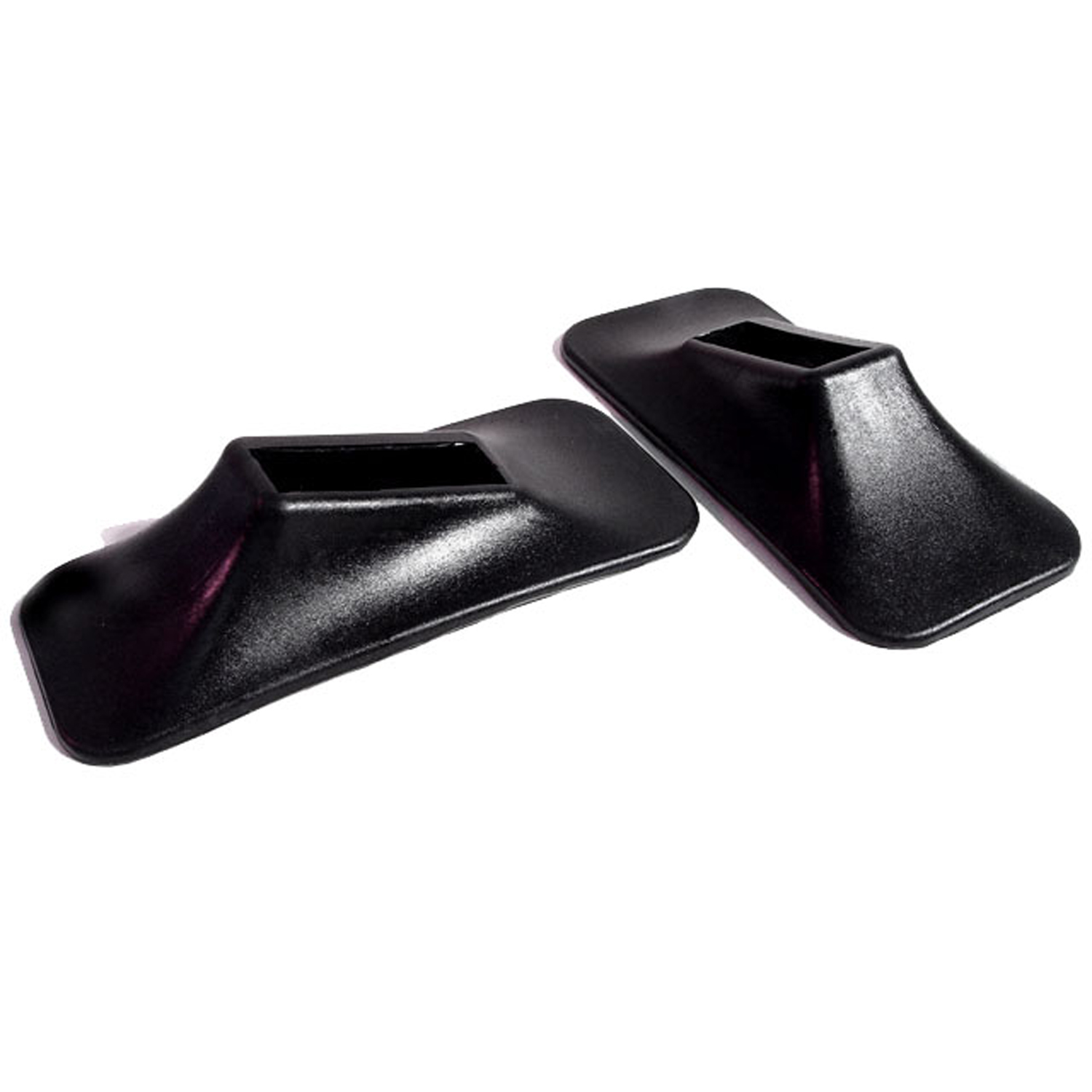 1973 Lincoln Continental Front Bumper Arm Grommets-BG 47Front Bumper Arm Grommets. 2" wide X 4-1/2" long, with 1-3/4" long inner slot. Pair
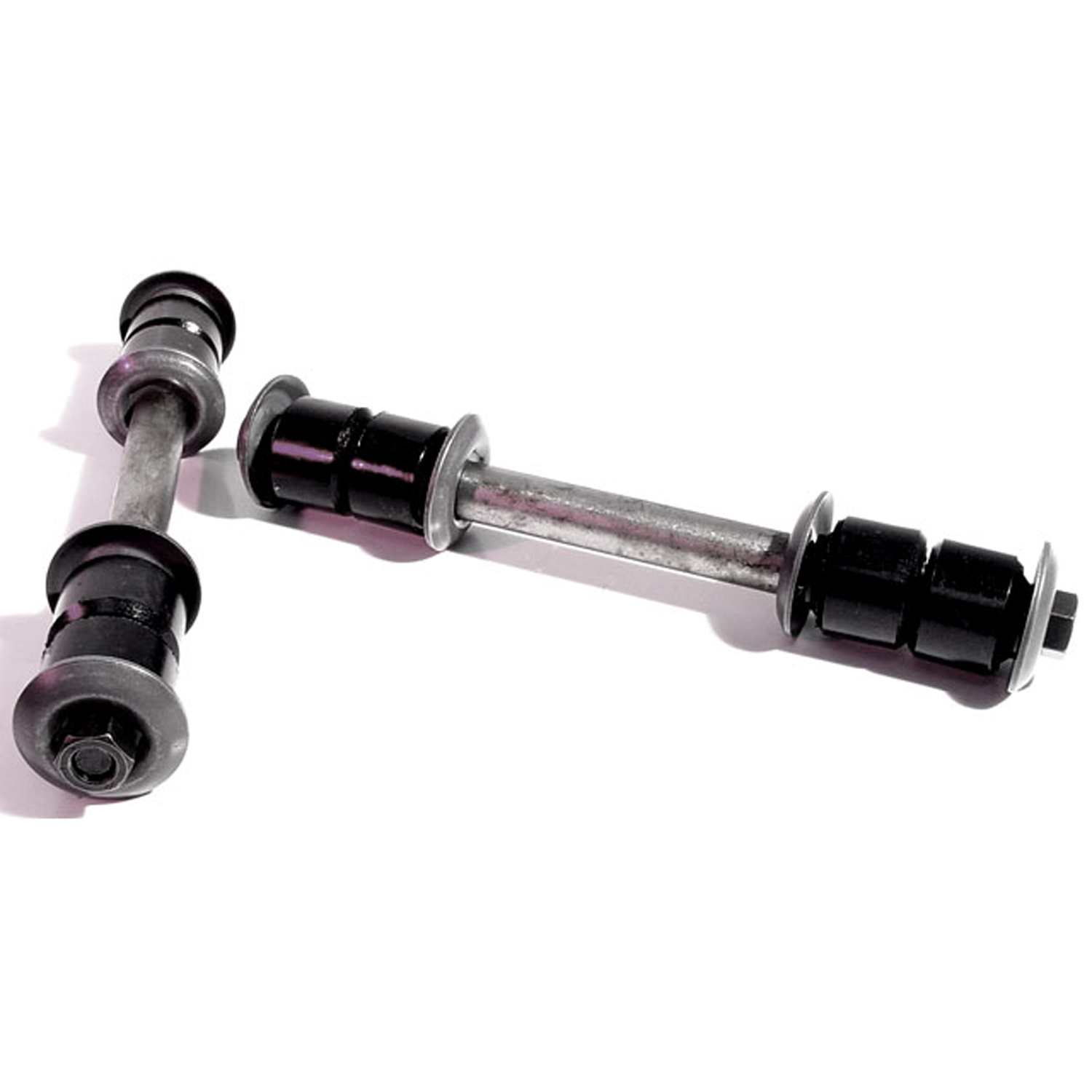 1973 Lincoln Continental Front Stabilizer End Repair Kit-BNK 21Front Stabilizer End Repair Kit. 22-piece set for two stabilizer bars. Contains all rubber bushings, washers, bolts and nuts, enough for one front end. Set
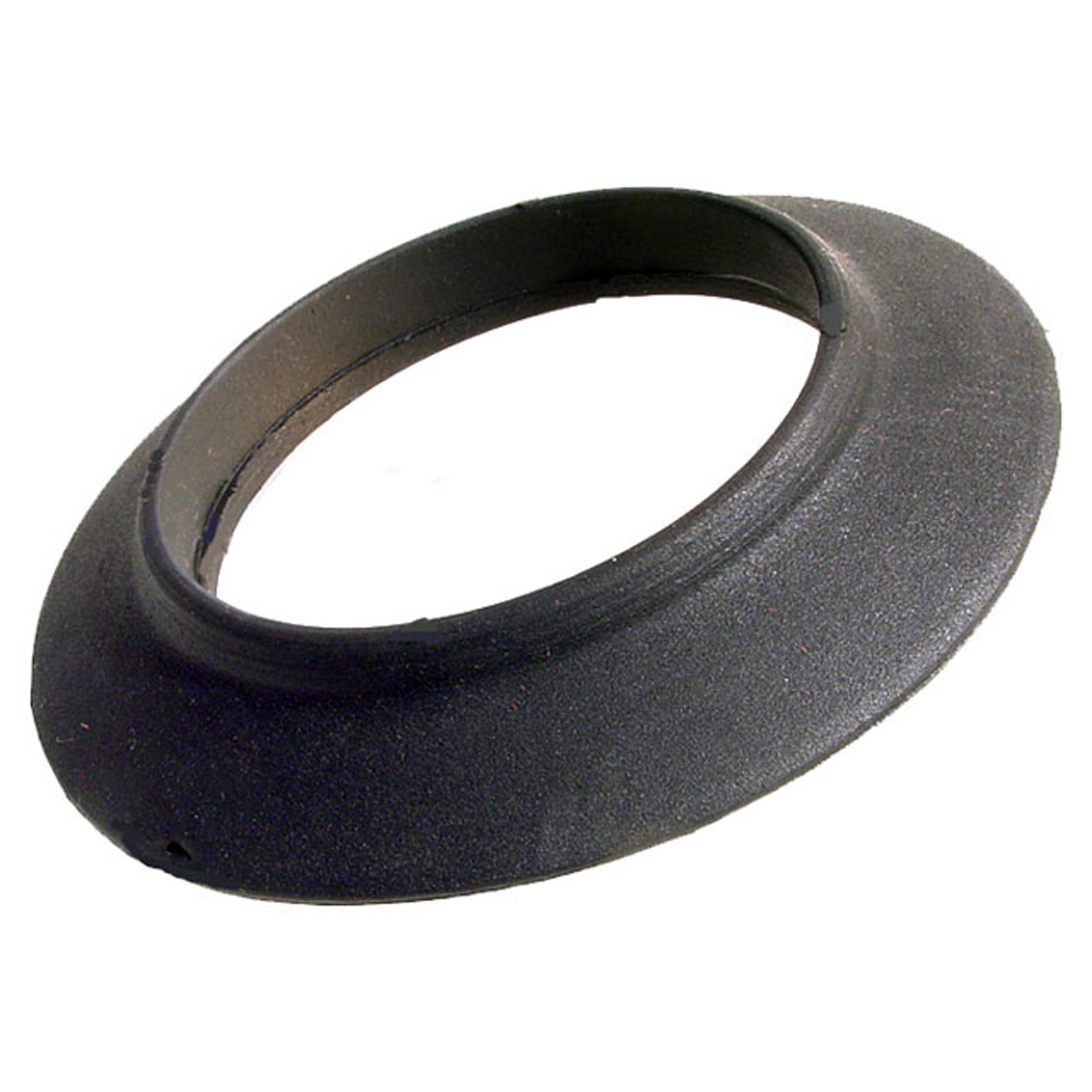 1973 Lincoln Continental Gas Filler Grommet. 2-1/2" I.D., 4-1/8" O.D. Each-GF 24Gas Filler Grommet. 2-1/2" I.D., 4-1/8" O.D. Each
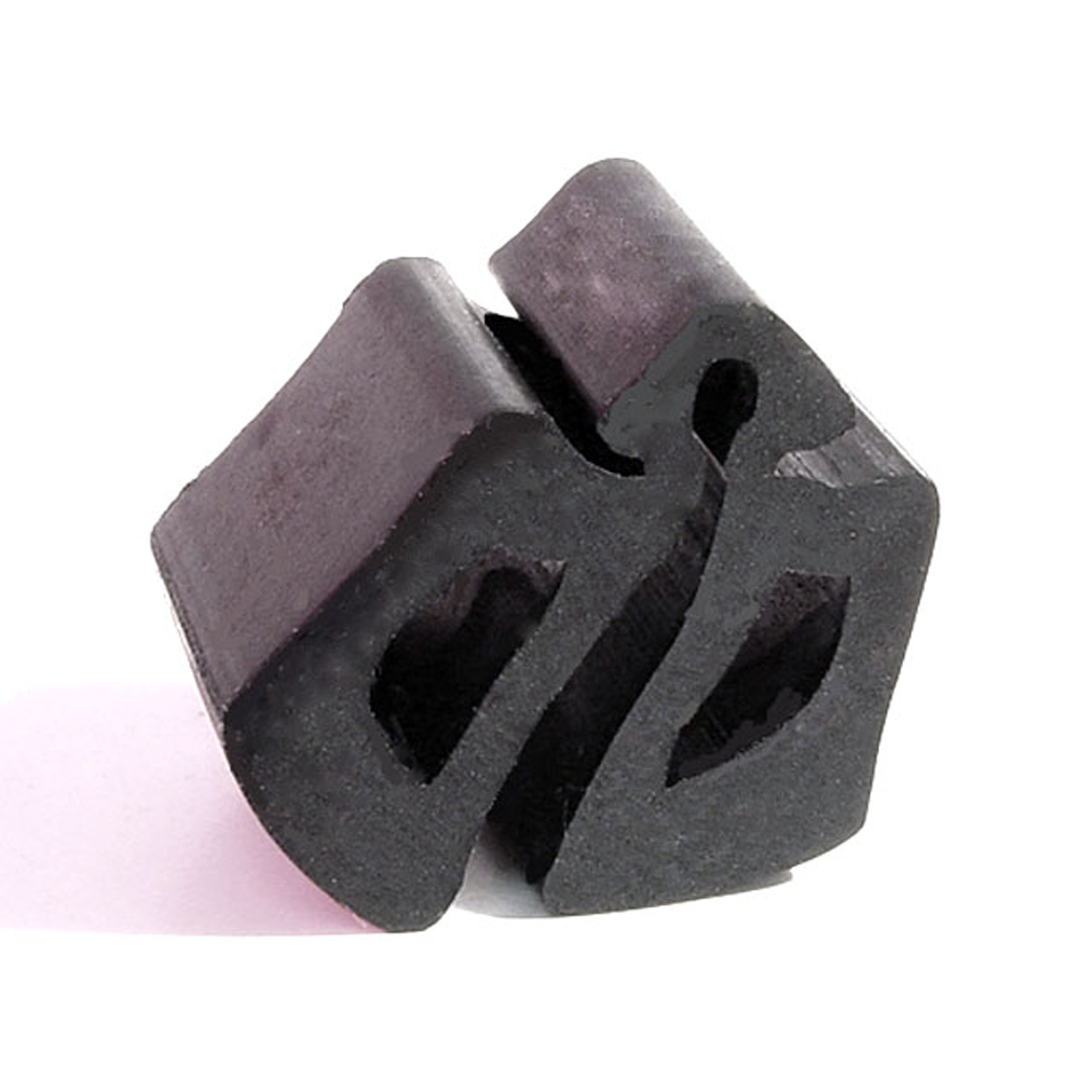 1973 Lincoln Continental Hood Bumper. Each-HF 2Hood Bumper. Each
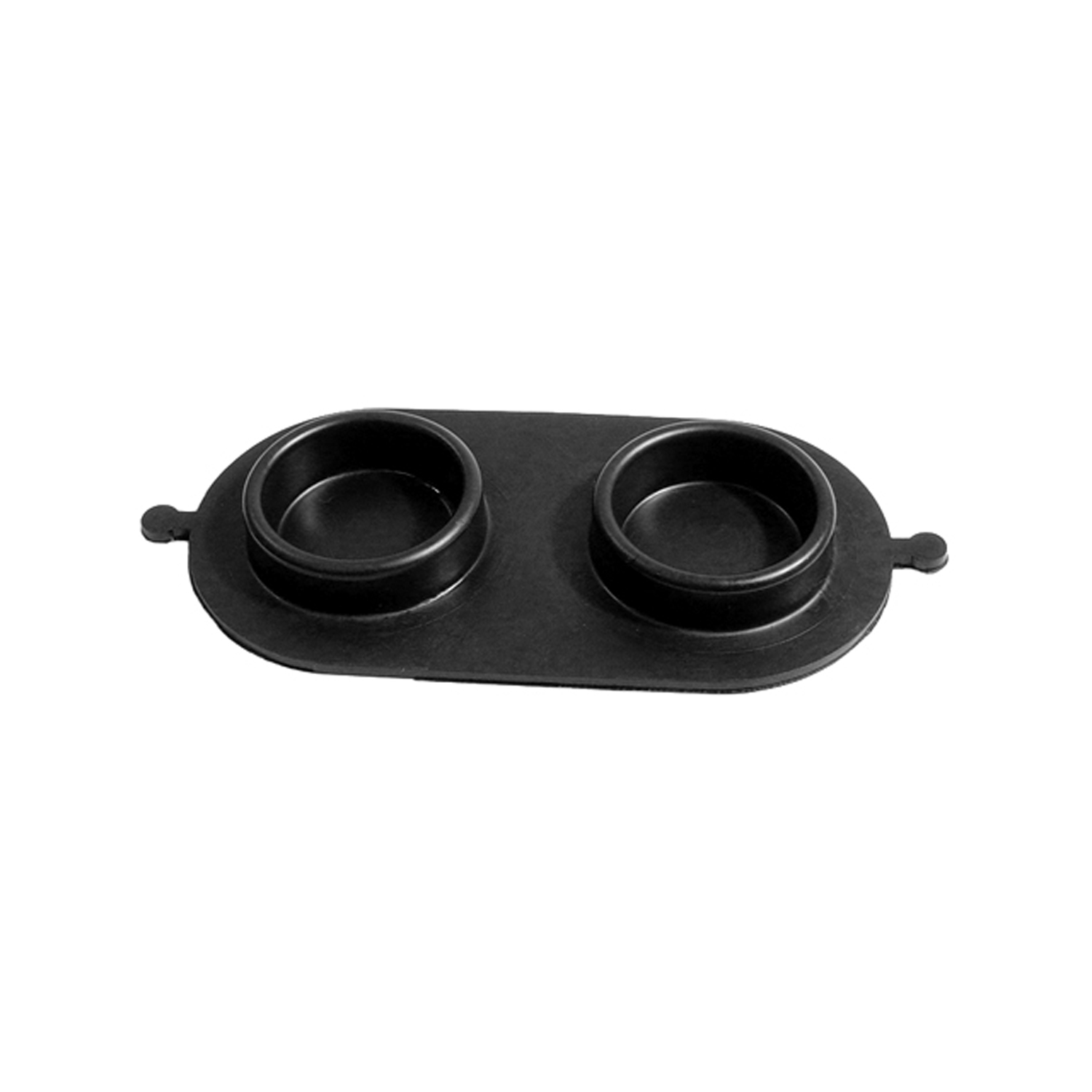 1973 Lincoln Continental Brake Master Cylinder Cover Seal. Replaces OEM #C7AZ2167-A-RP 2-BBrake Master Cylinder Cover Seal. Replaces OEM #C7AZ2167-A. Each
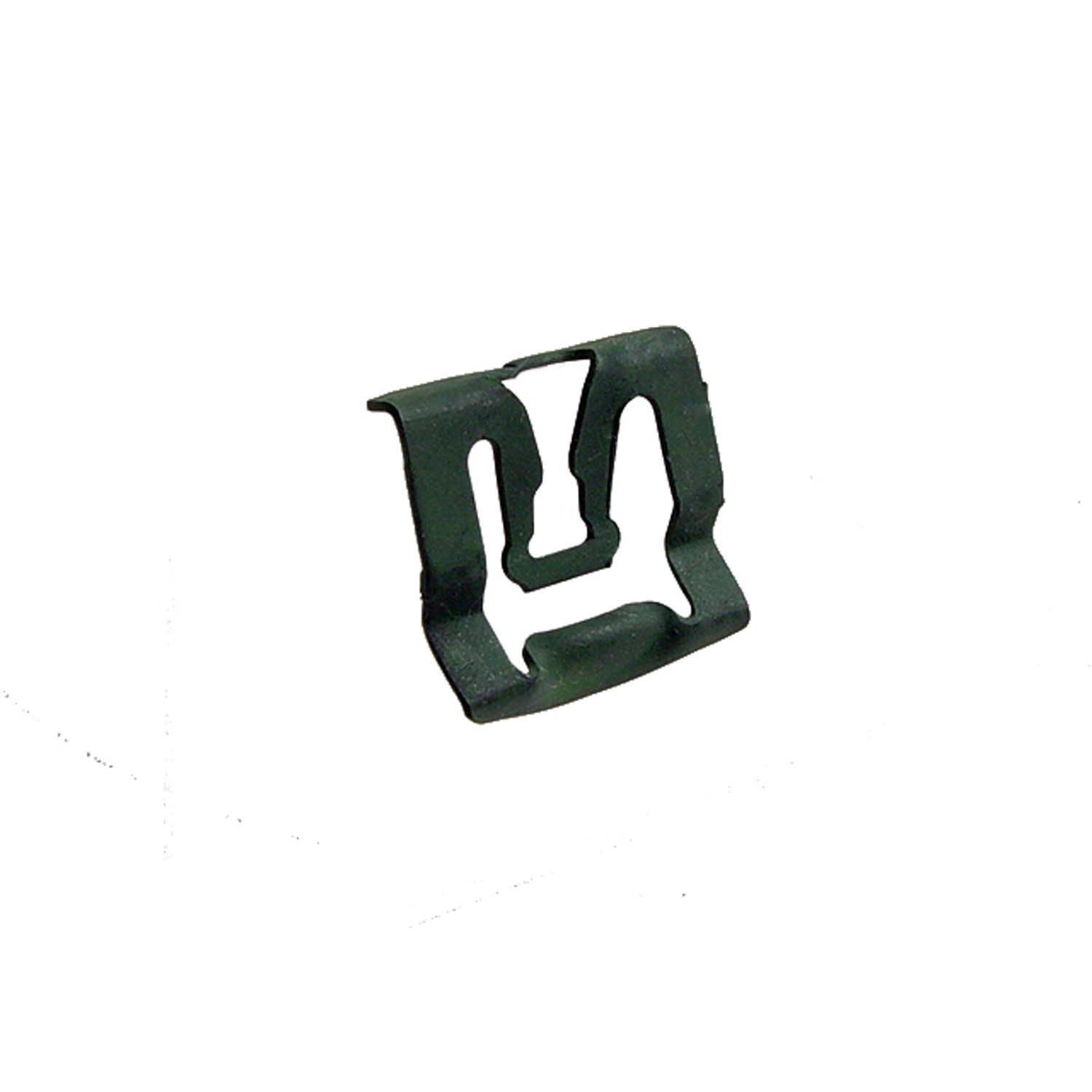 1973 Lincoln Continental Windshield Reveal Molding Clip. Made of steel. Each-WF 228-AWindshield Reveal Molding Clip. Made of steel. Each
Why Choose Metro?
For over 100 years, Metro Moulded Parts has been the pinnacle of quality in classic car restoration parts. Our commitment to precision and authenticity in every component ensures a perfect fit and an OEM-level appearance.
- Expert Craftsmanship & Quality: Each part is a testament to our dedication to reliability and perfection, crafted from original designs and thoroughly tested.
- Advanced Technology: We use cutting-edge techniques to create flawless, long-lasting parts that surpass others in performance.
- SuperSoft Sponge – The Ultimate Door Seal: Not only are our door seals 30% softer than competitors', but they're also guaranteed to never leak. They effectively reduce wind and road noise, enhancing your classic car's comfort and driving experience.
- Proudly American: Our parts are a product of American craftsmanship, made in the USA with a spirit of excellence and heritage.
- Unrivaled Warranty: We back our products with a 30-year industry-leading warranty, a testament to our confidence in their quality.
Join us in preserving the legacy of classic cars with parts that are crafted for perfection, not just made.