

Image of 1973 Lincoln Mark Iv, Note: These illustrations use artistic license and may differ from actual historical models.
Performance Metrics
Fundamental Metrics
Emotional Appeal
MMP Rating
| Engine Specifications | |
|---|---|
| Engine: | 460 CID 4V V-8 |
| Displacement: | 460 cubic inches (7.5 liters) |
| Horsepower: | 212-224 hp |
| Torque: | 342-356 lb-ft |
| Compression Ratio: | 8.5:1 |
| Ignition System: | Electronic Ignition System |
| Cooling System: | Liquid-cooled |
| Performance Specifications | |
| 0-60 Time: | 10.8 seconds |
| 1/4 Mile Time: | 17.6 seconds |
| Top Speed: | 122 mph |
| Transmission and Drive | |
| Drive Type: | Rear-wheel drive |
| Transmission Type: | 3-speed automatic |
| Fuel and Efficiency | |
| Fuel System Type: | Carburetor |
| MPG: | 10-12 mpg |
| Dimensions and Brakes | |
| Brakes: | Power-assisted front disc and rear drum brakes |
| Wheelbase: | 120.4 inches |
| Weight: | 5,264 lbs |
Note: Specifications for classic cars are given to the best of our ability, considering the limited and variant data available.
1973 Lincoln Continental Mark IV: A Guide to Ford’s Personal Luxury Coupe
The 1973 Lincoln Continental Mark IV made a grand entrance with hidden headlights, a long sculpted hood, and a trunk shaped to echo the spare tire of an earlier Continental. Built by Ford’s Lincoln division, it was a premium personal-luxury coupe for buyers who wanted American V8 power wrapped in a more dramatic package than an ordinary full-size sedan.
The Mark IV arrived for 1972 as the successor to the Mark III, and the 1973 model carried the series into a turbulent moment for the car industry. The oil crisis, rising insurance costs, emissions rules, and new safety requirements were beginning to challenge big, powerful American cars. Yet the Mark IV remained unmistakably generous in size, equipment, and presence. In fact, 1973 was its strongest production year, with approximately 69,437 examples built.
One detail that captures the Mark IV’s blend of extravagance and restraint is its Cartier-branded clock. It was a small, elegant touch in a cabin designed around comfort, while the car’s concealed headlamps and distinctive rear deck made sure its personality was anything but subtle.
Mark IV Styling: Hidden Headlamps and a Continental Rear
The Mark IV was offered as a two-door hardtop coupe, with no sedan or convertible version. Its proportions did much of the talking: a long hood, formal upright grille, low roofline, and short, squared-off rear. The front end was especially recognizable. When the lights were off, the headlamps disappeared behind body-colored doors, leaving a clean, wide fascia dominated by the grille and Lincoln emblem.
At the back, the trunk lid rose into a subtle bulge commonly called the “Continental spare tire hump.” It was a styling cue rather than an actual externally mounted spare, linking the Mark IV to earlier Continental models. Opera windows, a vinyl-covered roof, and restrained brightwork completed its formal, almost coachbuilt look. The Mark IV was not a sports coupe trying to look light on its feet. It was a personal-luxury car meant to look substantial and expensive.
Lincoln offered the car in a broad selection of period paint colors, including whites, blues, greens, reds, browns, metallic shades, and darker formal tones. Vinyl roof coverings could complement or contrast with the body color. White and cream cars, dark blue examples, and rich burgundy or metallic finishes are especially easy to picture in period luxury-car style, though the best color is often the one that suits the individual car and its original trim.
A Plush Cabin with Period Technology
Inside, the Mark IV favored soft surfaces, generous space, and a quiet, protected feel over a sporty cockpit. Depending on its equipment and trim, the cabin could include leather or high-quality vinyl upholstery, deep carpeting, padded door panels, wood-tone accents, and broad, comfortable seats. The overall effect was less like a driver-focused grand tourer and more like a private lounge with a steering wheel.
Convenience equipment could include power windows, power seat adjustment, power steering, power-assisted brakes, cruise control, and automatic climate control. Equipment varied by car, so buyers should check the individual vehicle rather than assume every feature was standard. The Cartier clock added a touch of jewelry-like detail to the dashboard, while the hidden headlamp system gave the front end a clean appearance when parked.
By modern standards, the technology is straightforward, but it was part of a significant shift in what buyers expected from a luxury car. Comfort features that once belonged to the top end of the market were becoming central to the premium-car experience. The Mark IV delivered them with the scale and styling of an era when a luxury coupe could be as much about social presence as transportation.
Why the 1973 Mark IV Mattered
The Mark IV stood out among its contemporaries by combining formal styling with a strong sense of brand identity. It competed in the growing personal-luxury segment alongside cars such as the Cadillac Eldorado, Buick Riviera, and Pontiac Grand Prix. Each had its own interpretation of the upscale coupe, but the Lincoln’s hidden headlights, opera-window roofline, and Continental-inspired rear gave it a particularly recognizable profile.
Its importance was not that it introduced a groundbreaking engine or transformed automotive engineering. Rather, the Mark IV helped define the American personal-luxury coupe: a large two-door with a powerful V8, extensive comfort equipment, and styling that made it immediately identifiable. Its design cues also continued the Continental Mark tradition of treating the car as a distinct luxury statement rather than simply a two-door version of a sedan.
The timing makes the 1973 model especially interesting. It represents the high point of Mark IV production just as the industry was heading into the fuel shortages and regulatory changes that would reshape the cars of the following years. The model looks back to the confident, big-car luxury of the late 1960s and early 1970s, even as the conditions that supported that formula were changing.
460 V8 Performance and Road Manners
Power came from Ford’s 460-cubic-inch V8, paired with a three-speed automatic transmission and rear-wheel drive. The engine was tuned for smooth, effortless torque rather than high-revving performance. Published figures for the 1973 engine are commonly given at about 212 net horsepower and roughly 365 lb-ft of torque, though exact specifications can vary with how period ratings and individual vehicles are described.
With a curb weight around the five-thousand-pound mark, the Mark IV was never a lightweight. Period performance estimates generally put 0-to-60 mph acceleration in the neighborhood of 9 to 11 seconds, depending on vehicle condition, equipment, and test method. Top speed is often estimated at roughly 115 to 120 mph, but it was not designed to be driven like a modern high-speed grand tourer. Its mission was relaxed, quiet progress.
On a smooth road, the Lincoln feels substantial and composed. The suspension favors comfort, absorbing ordinary bumps and pavement seams with the soft, cushioned character many buyers expected from a luxury car. On a winding road, the same setup brings noticeable body lean and a less eager response than a smaller coupe. Crosswinds and uneven pavement can remind the driver that this is a large, heavy car, not a nimble sports machine.
Behind the wheel, the 460 delivers a low, muted V8 rumble and easy low-speed pull. The automatic transmission shifts without asking for much attention, while power steering makes parking and slow-speed maneuvering manageable. Expect a wide view of the hood, a generous turning footprint, and a ride that rewards smooth inputs. Fuel consumption is a significant part of the experience: a big carbureted V8 and heavy body make the Mark IV a thirsty classic by modern standards.
Living with a 1973 Lincoln Mark IV
Today, most Mark IVs are used as weekend cruisers, show cars, or occasional-use classics. They can cover ordinary roads comfortably, but their size, fuel use, and age-related maintenance needs make them less practical as everyday transportation for many owners. The car is at its best on relaxed drives where the goal is comfort and character rather than quick cornering or low running costs.
The 460 V8 is a familiar Ford big-block design, and many routine mechanical jobs are manageable for an experienced home mechanic with suitable tools and workspace. Parts for common service items are generally easier to locate than model-specific trim. Carburetor tuning, ignition work, cooling-system maintenance, and automatic-transmission service are typical areas to keep in good order.
Electrical accessories and vacuum-operated systems deserve careful inspection. The hidden headlamps, power equipment, climate controls, and other comfort features can require troubleshooting as they age. Rust is another concern, particularly around the lower body, wheel openings, floorpans, trunk, and areas beneath the vinyl roof. Interior trim, body panels, and some model-specific brightwork can be more difficult to find than mechanical parts, so a complete, well-preserved car is often a better starting point than a cheap project.
Trivia, Reputation, and Common Criticisms
The 1973 Mark IV’s approximate production total of 69,437 made it the best-selling model year of the Mark IV’s run. That is a notable achievement for a large, expensive luxury coupe, and it helps explain why the model is not exceptionally rare today. Individual cars with unusual factory equipment, excellent original interiors, documented history, or especially attractive colors can still stand apart from ordinary examples.
The Mark IV’s defining visual trick was its concealed headlamps. When switched off, the doors blended into the front end; when activated, they opened to reveal the lamps. It is an instantly recognizable feature, but a malfunctioning mechanism can become an ownership headache. The Cartier clock is another memorable cabin detail, reflecting the period’s taste for luxury cues that went beyond basic transportation.
Common criticisms are easy to understand: the car is heavy, thirsty, and cumbersome compared with smaller vehicles. Its soft suspension can feel floaty, and today’s owners may find that some comfort and electrical features need patient repair. Those traits are not surprises so much as reminders of the Mark IV’s priorities. It was built to deliver presence and comfort, not efficiency or sharp handling.
Collector Values and Availability
As a broad U.S. market estimate for 2026, a 1973 Mark IV needing substantial work may sell for roughly $2,000 to $6,000. A usable driver in fair to good condition commonly falls around $7,000 to $15,000, while a clean, well-maintained example may bring approximately $15,000 to $25,000. Excellent, highly original, or professionally restored cars can reach roughly $25,000 to $40,000 or more, especially when their condition, documentation, and equipment are compelling.
These ranges are estimates, not guarantees. Rust, nonworking accessories, interior condition, originality, and the quality of prior repairs can shift a car’s value substantially. Auction results and local demand also vary, and a glossy repaint cannot always make up for structural corrosion or missing trim.
The model is uncommon enough to feel special at a local show, but it is not scarce in the strict collector-car sense. With approximately 69,437 built for 1973, buyers can still find examples on the market, although the best cars are naturally less common. Overall, values have tended to be condition-sensitive rather than driven by a steep, across-the-board rise. Well-kept examples have the strongest prospects, while rough cars can remain inexpensive because restoration costs quickly exceed their market value.
The 1973 Mark IV’s Lasting Appeal
The 1973 Lincoln Continental Mark IV brought together a massive 460 V8, a quiet and richly equipped cabin, and styling that could be recognized from across a parking lot. Its peak production year places it at the center of the Mark IV story, just before fuel and regulatory pressures began to change the American luxury car.
It is not the right classic for someone seeking low fuel bills or sports-car handling. For a driver who wants a distinctive period coupe with a relaxed ride, unmistakable presence, and a strong connection to American luxury-car culture, the 1973 Mark IV still delivers. Its message is simple: arrive comfortably, arrive in style, and make sure nobody mistakes your Lincoln for anything else.
1973 Lincoln Mark Iv Catalog of Parts
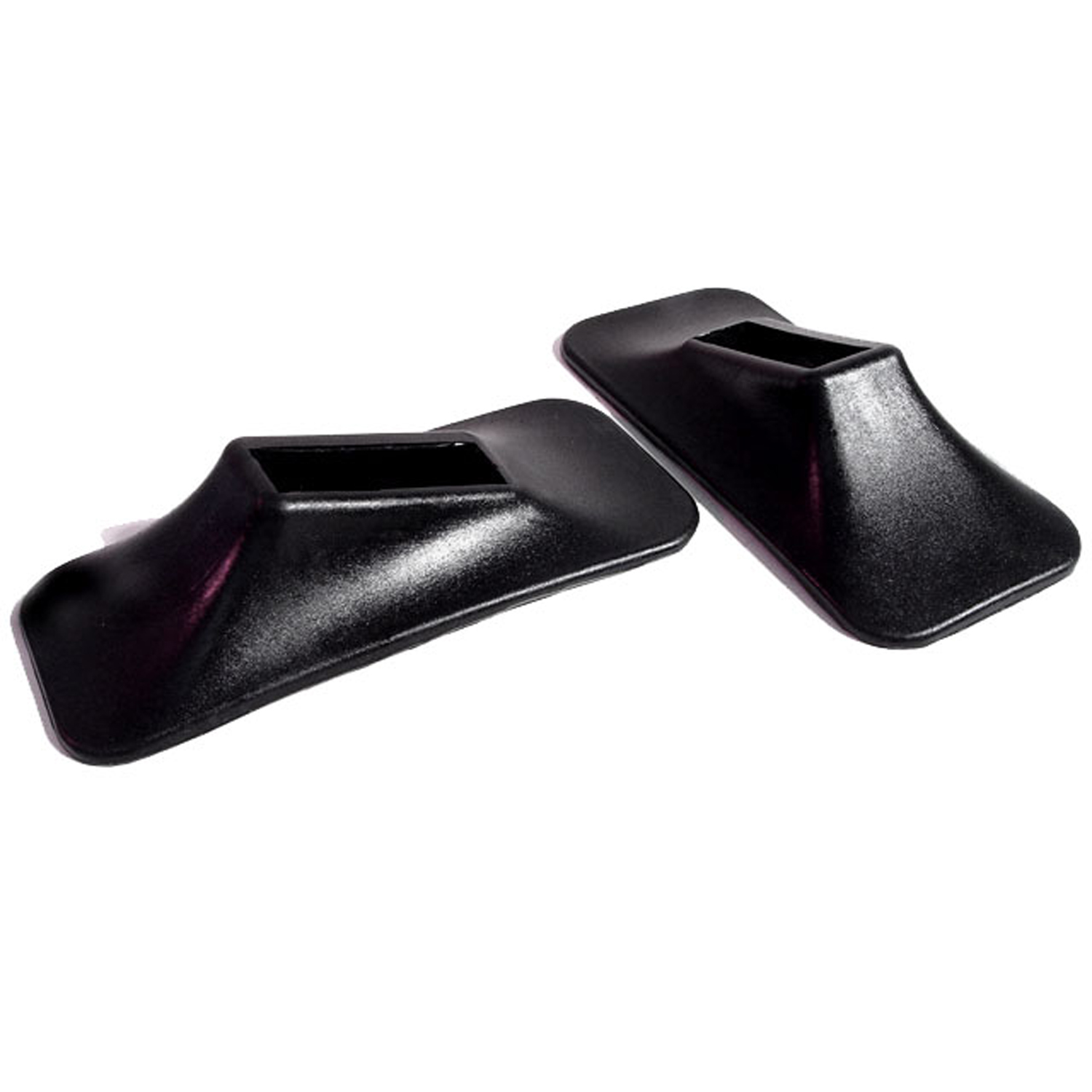 1973 Lincoln Mark IV Front Bumper Arm Grommets-BG 47Front Bumper Arm Grommets. 2" wide X 4-1/2" long, with 1-3/4" long inner slot. Pair
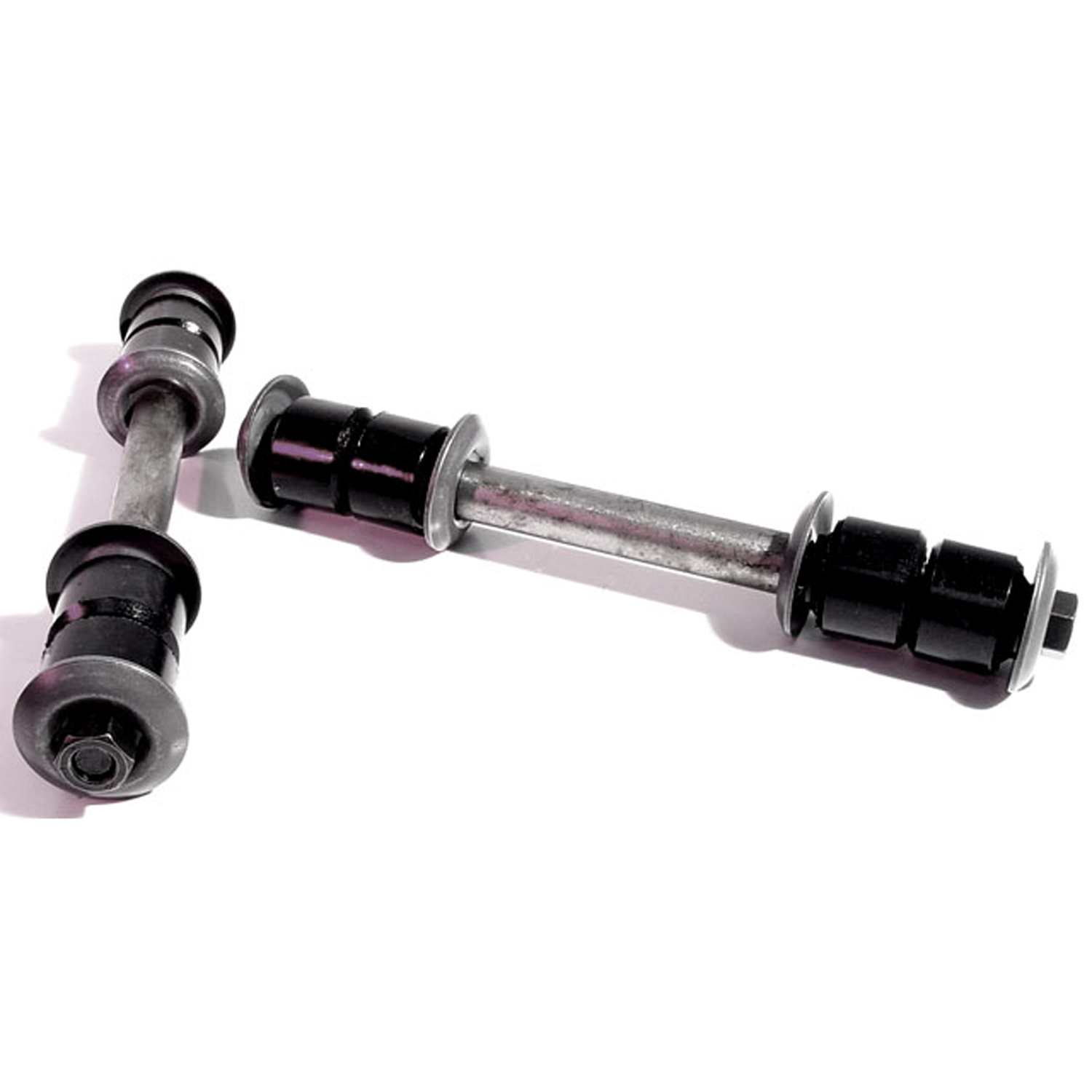 1973 Lincoln Mark IV Front Stabilizer End Repair Kit-BNK 21Front Stabilizer End Repair Kit. 22-piece set for two stabilizer bars. Contains all rubber bushings, washers, bolts and nuts, enough for one front end. Set
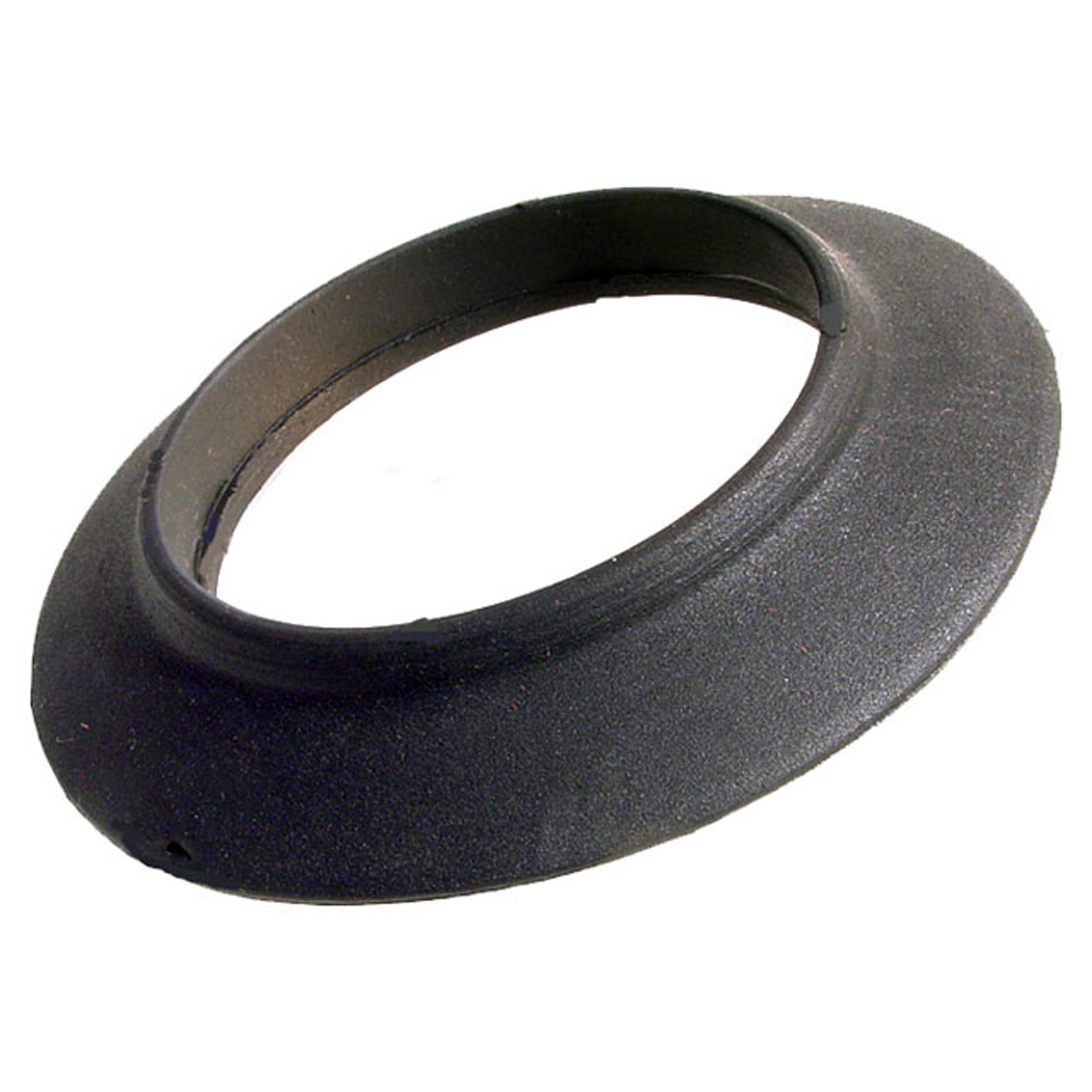 1973 Lincoln Mark IV Gas Filler Grommet. 2-1/2" I.D., 4-1/8" O.D. Each-GF 24Gas Filler Grommet. 2-1/2" I.D., 4-1/8" O.D. Each
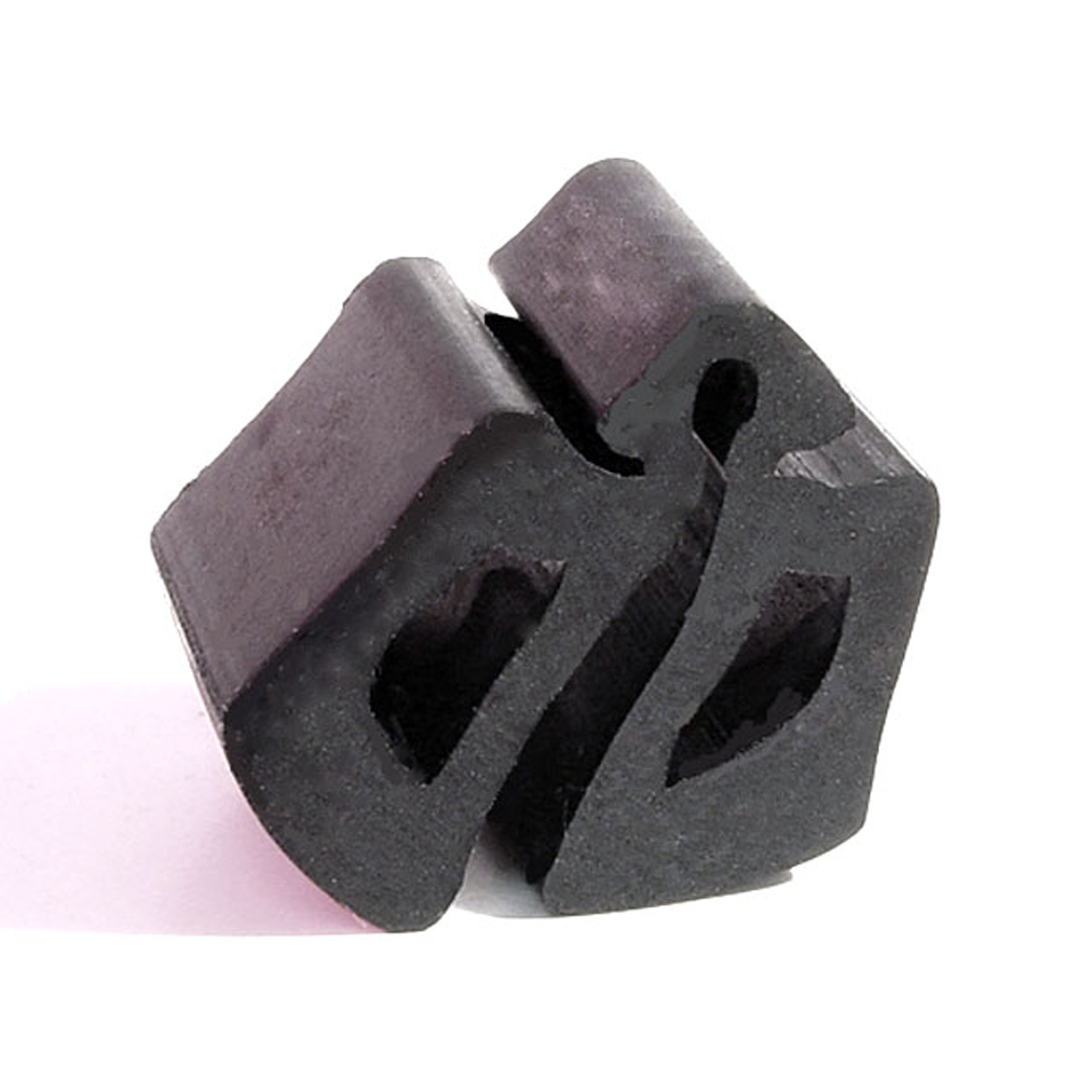 1973 Lincoln Mark IV Hood Bumper. Each-HF 2Hood Bumper. Each
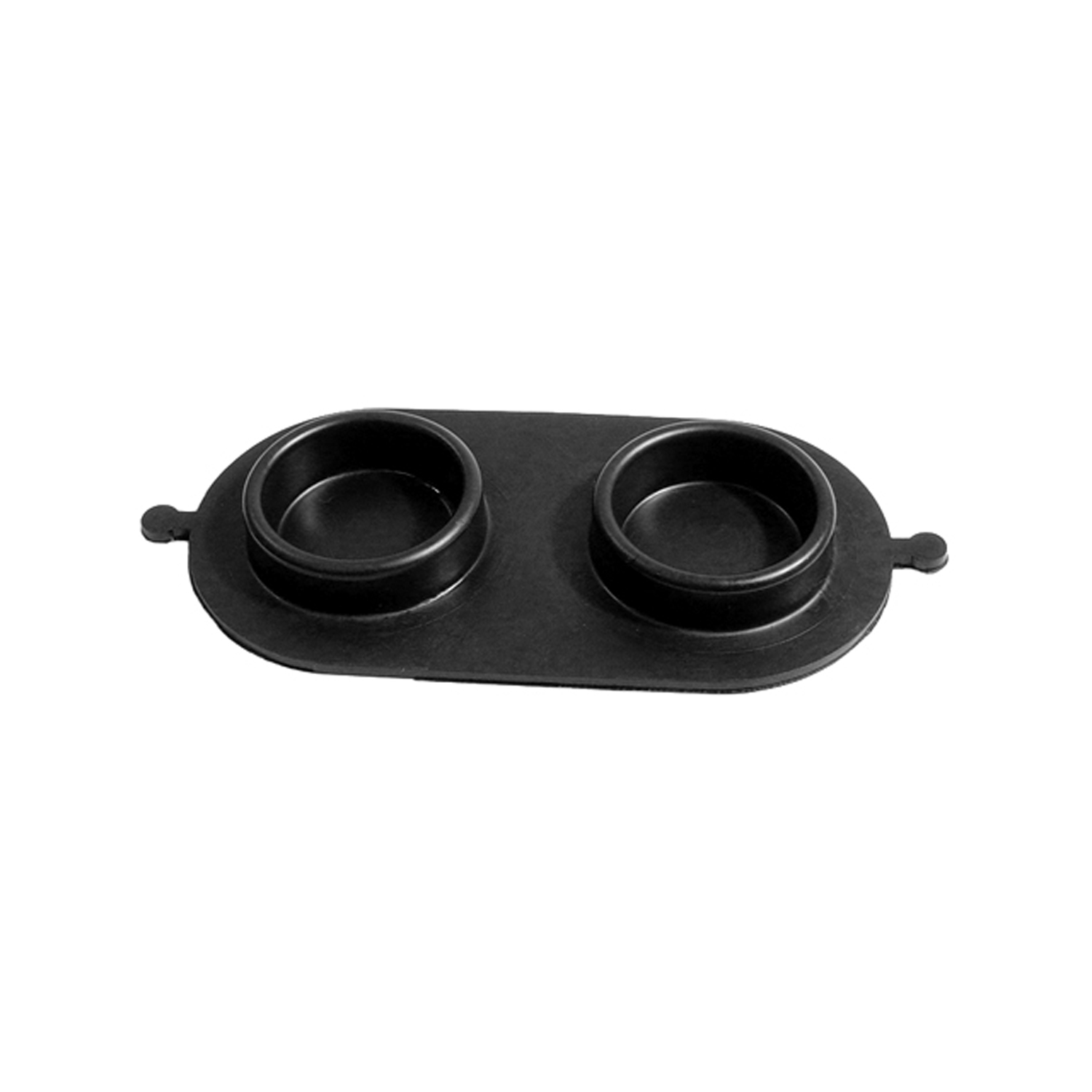 1973 Lincoln Mark IV Brake Master Cylinder Cover Seal. Replaces OEM #C7AZ2167-A-RP 2-BBrake Master Cylinder Cover Seal. Replaces OEM #C7AZ2167-A. Each
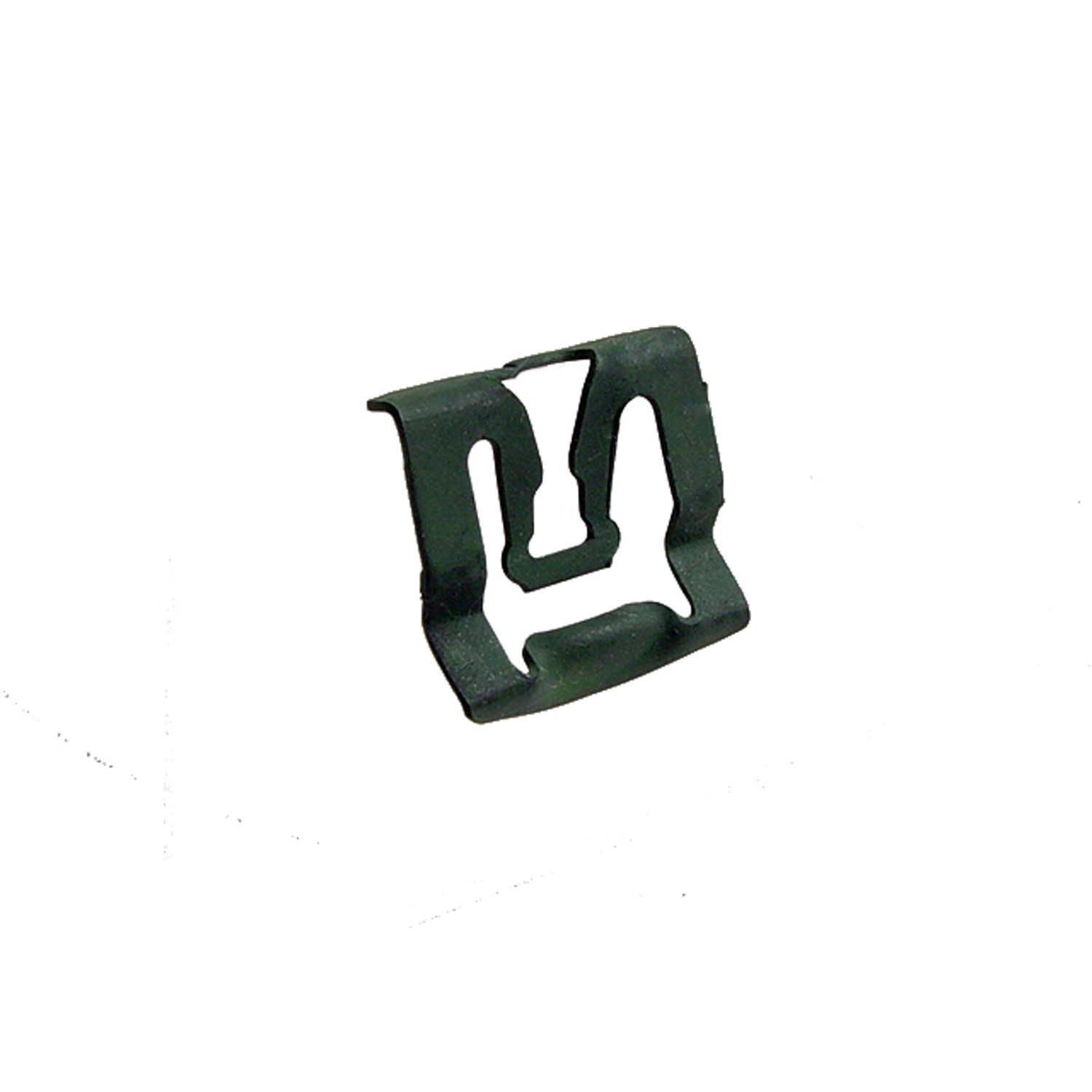 1973 Lincoln Mark IV Windshield Reveal Molding Clip. Made of steel. Each-WF 228-AWindshield Reveal Molding Clip. Made of steel. Each
Why Choose Metro?
For over 100 years, Metro Moulded Parts has been the pinnacle of quality in classic car restoration parts. Our commitment to precision and authenticity in every component ensures a perfect fit and an OEM-level appearance.
- Expert Craftsmanship & Quality: Each part is a testament to our dedication to reliability and perfection, crafted from original designs and thoroughly tested.
- Advanced Technology: We use cutting-edge techniques to create flawless, long-lasting parts that surpass others in performance.
- SuperSoft Sponge – The Ultimate Door Seal: Not only are our door seals 30% softer than competitors', but they're also guaranteed to never leak. They effectively reduce wind and road noise, enhancing your classic car's comfort and driving experience.
- Proudly American: Our parts are a product of American craftsmanship, made in the USA with a spirit of excellence and heritage.
- Unrivaled Warranty: We back our products with a 30-year industry-leading warranty, a testament to our confidence in their quality.
Join us in preserving the legacy of classic cars with parts that are crafted for perfection, not just made.