
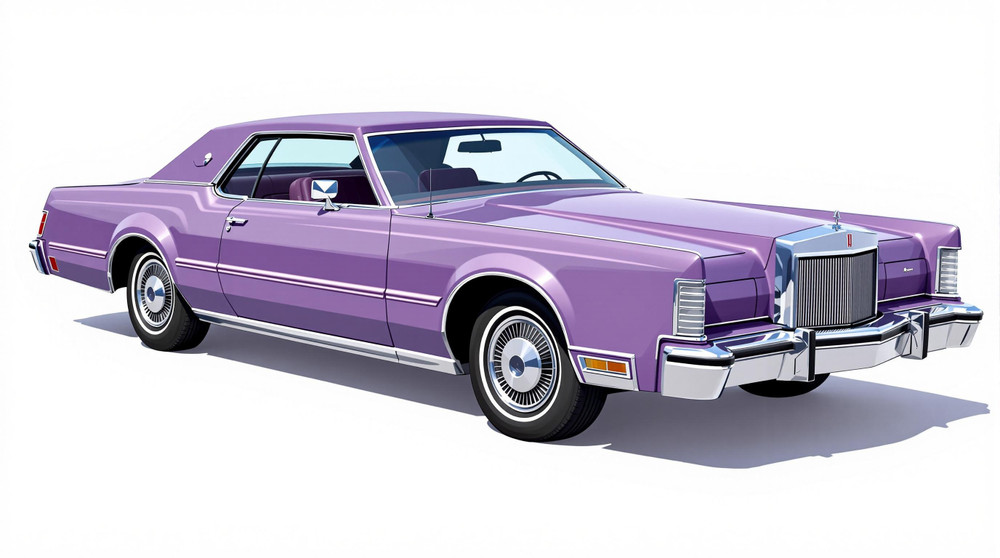
Image of 1974 Lincoln Continental, Note: These illustrations use artistic license and may differ from actual historical models.
Performance Metrics
Fundamental Metrics
Emotional Appeal
MMP Rating
| Engine Specifications | |
|---|---|
| Engine: | 460 CID 4V V-8 |
| Displacement: | 460 cubic inches (7.5 liters) |
| Horsepower: | 220 HP |
| Torque: | 355 lb-ft |
| Compression Ratio: | 8.0:1 |
| Ignition System: | Electronic Ignition System |
| Cooling System: | Liquid-cooled |
| Performance Specifications | |
| 0-60 Time: | 10 seconds |
| 1/4 Mile Time: | 17.5 seconds |
| Top Speed: | 120 mph |
| Transmission and Drive | |
| Drive Type: | Rear-wheel drive |
| Transmission Type: | 3-speed automatic |
| Fuel and Efficiency | |
| Fuel System Type: | Carburetor |
| MPG: | 10-12 mpg |
| Dimensions and Brakes | |
| Brakes: | Power-assisted front disc and rear drum brakes |
| Wheelbase: | 127.2 inches |
| Weight: | 5,000 lbs |
Note: Specifications for classic cars are given to the best of our ability, considering the limited and variant data available.
1974 Lincoln Continental: The Last Word in American Luxury
The 1974 Lincoln Continental brought American luxury to full, imposing scale: a long hood, broad formal roofline, quiet cabin, and a big V8 designed to move nearly two and a half tons with unhurried authority. Built by Ford Motor Company’s Lincoln division, it was part of a lineage that had represented top-tier American motoring since the 1930s. By 1974, the Continental was also a snapshot of a changing era, combining traditional size and comfort with the new realities of fuel shortages, emissions rules, and tougher bumper standards.
One detail captures its character particularly well: the car’s concealed headlamps sat behind front-end covers that lifted when the lights were switched on. It was a stylish flourish, but also a reminder that the Continental was engineered to make even practical details feel ceremonial.
Formal Styling and Plush Comfort
The 1974 Continental was unmistakably large, with a long, squared-off body, a tall grille, and substantial chrome bumpers. Its front end looked upright and confident rather than sleek. At the rear, sculpted fenders and a raised central trunk treatment echoed the classic Continental spare-tire motif without carrying an external spare. Federal bumper requirements added bulk, but the car’s designers incorporated the heavier bumpers into its substantial appearance.
Inside, the Continental offered the sort of soft, quiet environment buyers expected from a flagship. Depending on trim and upholstery choice, the cabin could be finished in leather, cloth, or vinyl, with padded surfaces, wood-tone trim, and broad, comfortable seats. Power windows, power locks, power-adjustable seats, power steering, and power brakes were among the available conveniences. Equipment varied by car, but options could include air conditioning, cruise control, tilt steering, an AM/FM radio, and an eight-track player.
Period color palettes included restrained luxury shades such as white, black, silver, blue, green, and several browns, alongside richer interior combinations. Exact paint names and availability varied by market and trim. Neutral exterior colors paired with a contrasting vinyl roof and a coordinated leather or velour interior were especially in keeping with the Continental’s formal image.
Buyers could choose a two-door coupe or a four-door sedan. The range included the more formally appointed Town Coupe and Town Car versions, with the Town Car sedan particularly associated with the model’s traditional luxury character. The four-door sedan was the practical choice for chauffeur-style use and family travel, while the coupe delivered a more personal-luxury look.
Continental in a Changing America
The 1974 Continental arrived during a major shift in the American car industry. The 1973 oil crisis had made fuel consumption a pressing concern, while emissions regulations and safety standards were reshaping vehicle design. Lincoln stayed committed to the large, powerful luxury car, but its approach was increasingly at odds with the smaller, more economical vehicles gaining attention.
What set the Continental apart from many contemporaries was its emphasis on space, quietness, and a dignified ride rather than sporty handling or compact efficiency. Cadillac was its principal rival, and both brands competed through size, comfort, prestige, and a long list of convenience features. The Continental’s influence was less about introducing a single breakthrough technology and more about sustaining a distinctly American idea of luxury: generous dimensions, a powerful V8, and a cabin designed to insulate occupants from the road.
Its styling also preserved the formal, upright look that had defined Lincoln for decades. While later luxury cars would become smaller and more aerodynamic, the 1974 Continental remains an especially clear expression of the full-size American luxury sedan and coupe at their peak.
460 V8 Performance and Road Manners
Power came from Ford’s 460-cubic-inch V8, paired with an automatic transmission. Output figures depend on the rating method and specification, but the engine delivered roughly 220 horsepower in period net ratings, with strong low-speed torque. Its purpose was not to make the Continental feel nimble. It was to provide smooth, quiet acceleration with minimal effort.
Period performance figures vary with test conditions, equipment, and the car’s condition today. A healthy example is generally estimated to reach 60 mph in roughly 10 to 12 seconds, with a top speed in the neighborhood of 115 to 120 mph. Those numbers are estimates, not a promise for every surviving car. A 1974 Continental was built for relaxed high-speed cruising, not repeated full-throttle runs.
On the road, the car feels substantial and softly sprung. It absorbs ordinary bumps and expansion joints with a calm, floating motion, while its long wheelbase helps it settle into a steady highway rhythm. On winding roads, however, its size and comfort-oriented suspension are obvious. The steering is light, the body leans through corners, and quick direction changes are not its strong suit. In crosswinds, the broad body can require more correction than a modern car.
The V8’s sound is a low, muted rumble rather than a sharp performance-car bark. Behind the wheel, the driver sits amid wide seats, a broad hood, and controls designed for comfort. It is a car that encourages smooth inputs and long, unhurried trips, with a ride that feels most at home on open roads.
Owning a 1974 Continental
Today, these Lincolns are most often used as weekend cruisers, show cars, and nostalgic long-distance tourers. Their size and fuel consumption make them less convenient as everyday transportation, particularly in heavy traffic or tight parking. Fuel economy is commonly in the single digits to low teens in miles per gallon, depending on condition, gearing, tuning, and driving style.
Routine mechanical work is within reach for a capable home mechanic. The 460 V8 is a familiar Ford big-block, and many service procedures are straightforward. The greater challenge is often finding trim-specific parts and keeping age-related systems in good order. Buyers should inspect the body and frame for rust, check the transmission and cooling system, and test electrical accessories. The concealed-headlamp mechanism, power equipment, air conditioning, and vacuum-operated components deserve particular attention. A well-maintained car can be enjoyable and dependable for occasional use, but neglect can turn its many comfort features into a long repair list.
Trivia, Rarity, and Common Complaints
The 1974 Continental belongs to a generation that delivered luxury through sheer presence. Its hidden headlights, formal roof treatments, and bold grille gave it a distinctive look even among other large American cars. It should not be confused with the Lincoln Continental Mark IV, a separate personal-luxury coupe sold during the same period. The two shared Lincoln’s design language, but the Mark IV was a different model with its own body and market position.
Production is generally reported at about 57,000 1974 Continental cars across the model line, though totals can differ depending on how sources classify body styles and trim. That makes the car neither exceptionally rare nor common in today’s collector market. The best-preserved Town Car and Town Coupe examples, especially those with desirable colors and complete original equipment, are less frequently encountered than ordinary driver-quality cars.
The main criticisms are familiar: high fuel use, difficult parking, heavy handling, and the complexity that comes with decades-old power accessories. Those drawbacks are part of the ownership calculation, not hidden surprises. The Continental was not designed to be economical or agile. It was designed to make passengers comfortable and make an entrance.
Collector Value and Market Outlook
Values vary considerably with rust, originality, mechanical condition, trim, and documentation. As a broad 2026 guide, a project car may sell for around $2,000 to $6,000. A usable driver in fair-to-good condition often falls in the $6,000 to $15,000 range, while a clean, well-maintained example may bring roughly $15,000 to $25,000. Exceptional, highly original cars or especially desirable examples can reach $25,000 to $40,000 or more, though top-tier sales are less typical.
The Continental is a niche collector car, and its market is generally steady rather than explosive. Its large size and fuel costs limit demand, while its unmistakable styling and comfortable ride attract enthusiasts who value period-correct American luxury. Prices have tended to reward condition and originality more than ambitious restoration spending. A careful, well-documented car is usually a stronger buy than a shiny example with unresolved mechanical or rust issues.
A Full-Size Lincoln with Lasting Presence
The 1974 Lincoln Continental stands out for its formal styling, roomy cabin, smooth 460 V8, and unapologetically generous proportions. It arrived at a turning point for the industry, just as fuel concerns and new regulations were challenging the big-car tradition. Today, it is best enjoyed for what it does exceptionally well: turning an ordinary drive into a quiet, comfortable cruise. Few cars capture the confidence and ceremony of 1970s American luxury quite so completely.
1974 Lincoln Continental Catalog of Parts
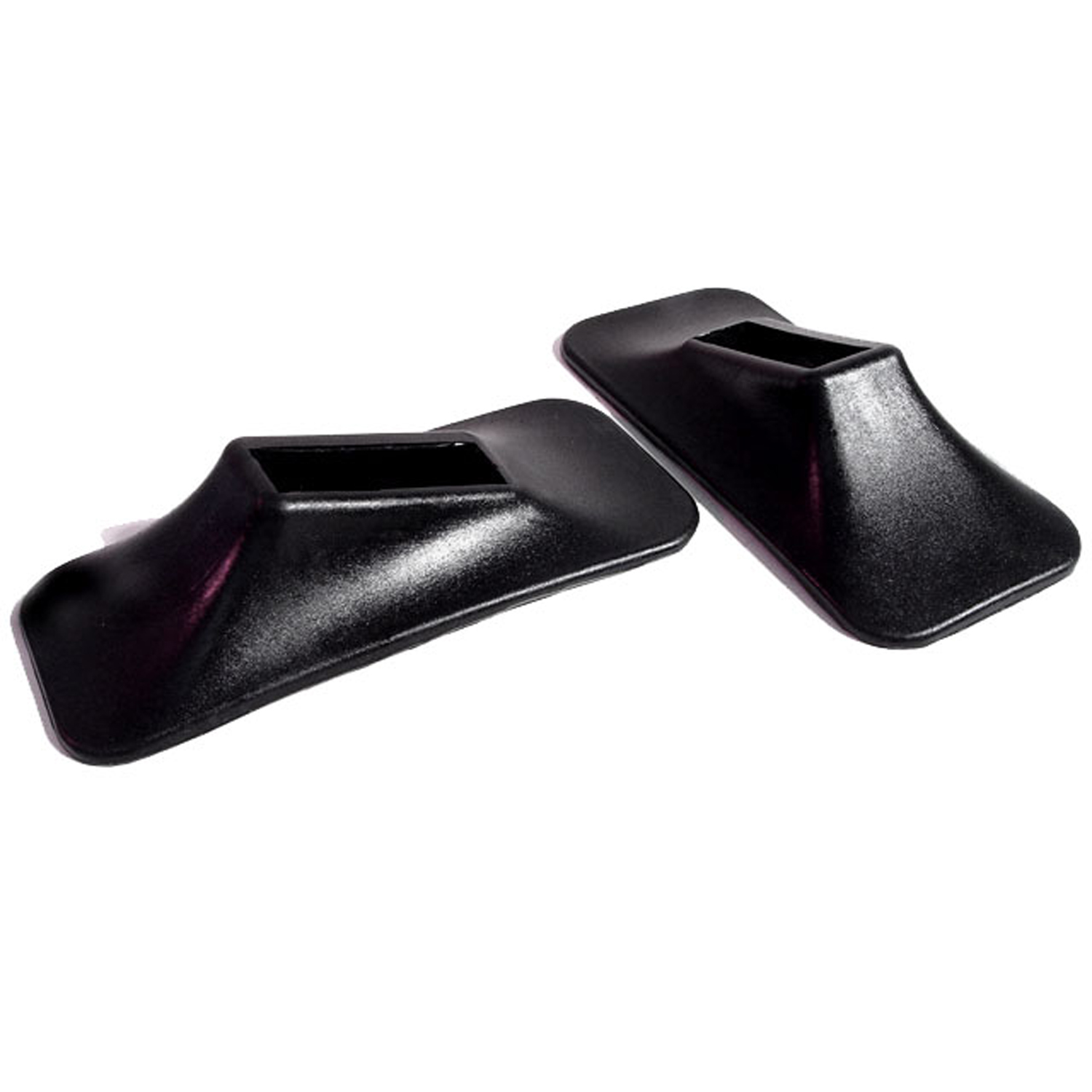 1974 Lincoln Continental Front Bumper Arm Grommets-BG 47Front Bumper Arm Grommets. 2" wide X 4-1/2" long, with 1-3/4" long inner slot. Pair
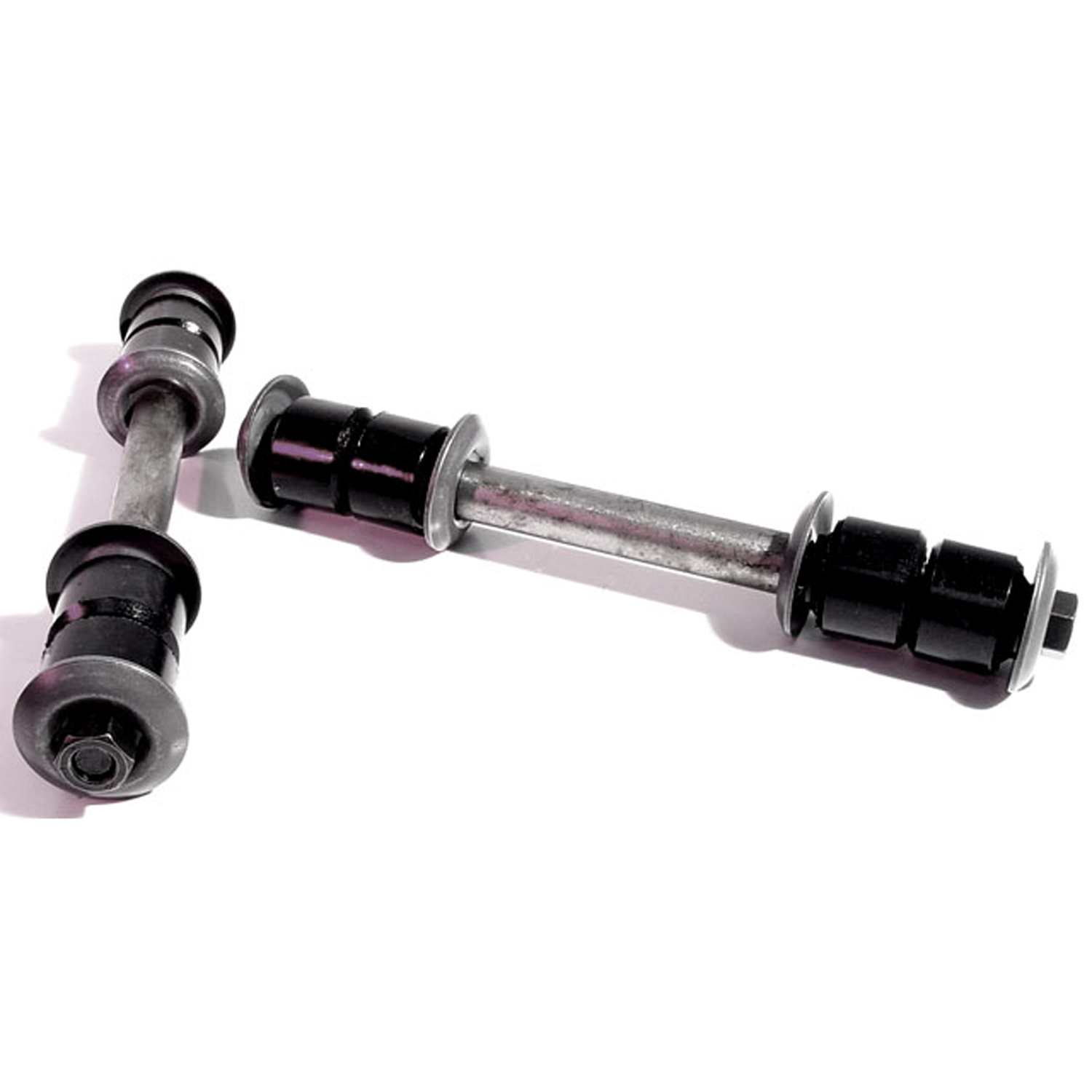 1974 Lincoln Continental Front Stabilizer End Repair Kit-BNK 21Front Stabilizer End Repair Kit. 22-piece set for two stabilizer bars. Contains all rubber bushings, washers, bolts and nuts, enough for one front end. Set
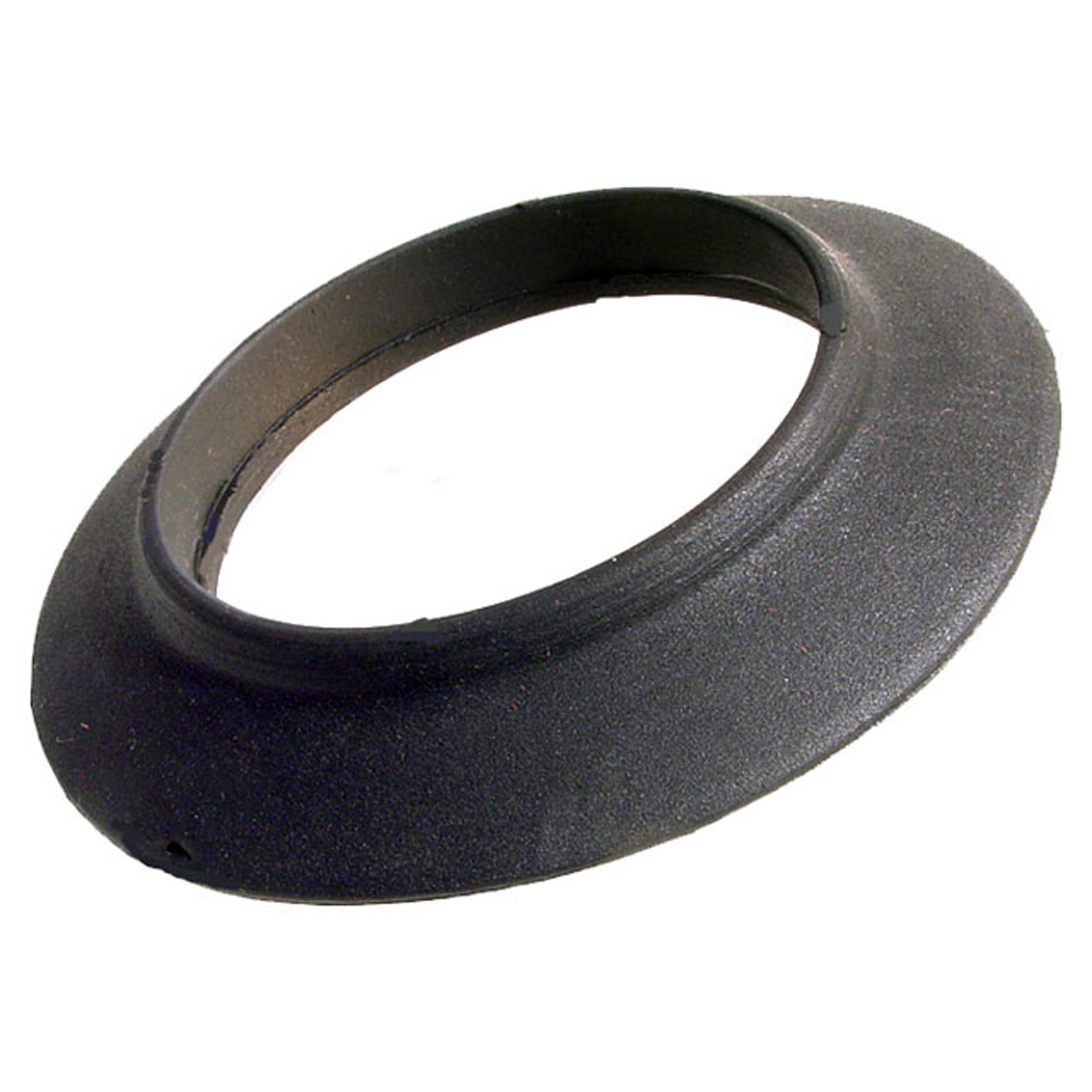 1974 Lincoln Continental Gas Filler Grommet. 2-1/2" I.D., 4-1/8" O.D. Each-GF 24Gas Filler Grommet. 2-1/2" I.D., 4-1/8" O.D. Each
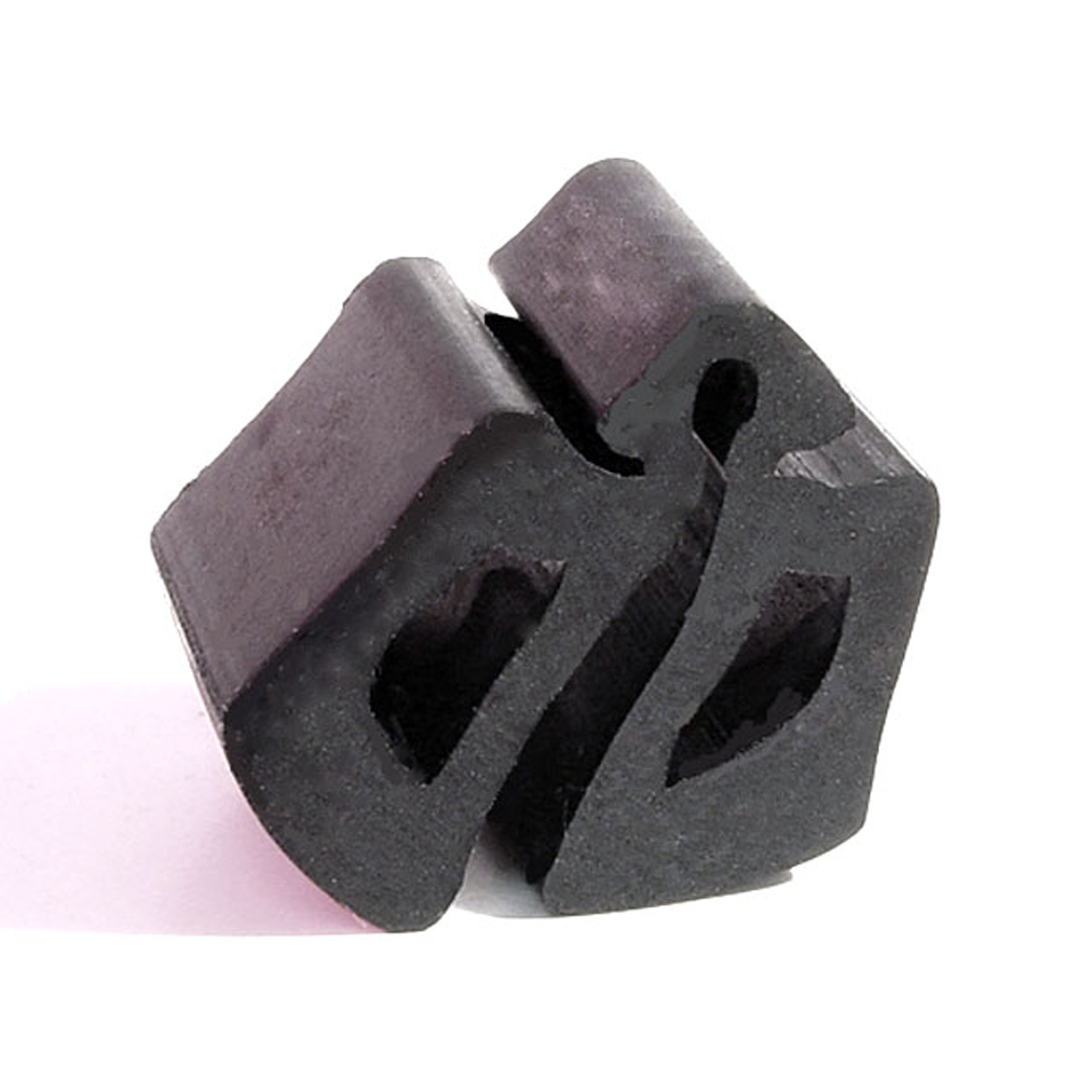 1974 Lincoln Continental Hood Bumper. Each-HF 2Hood Bumper. Each
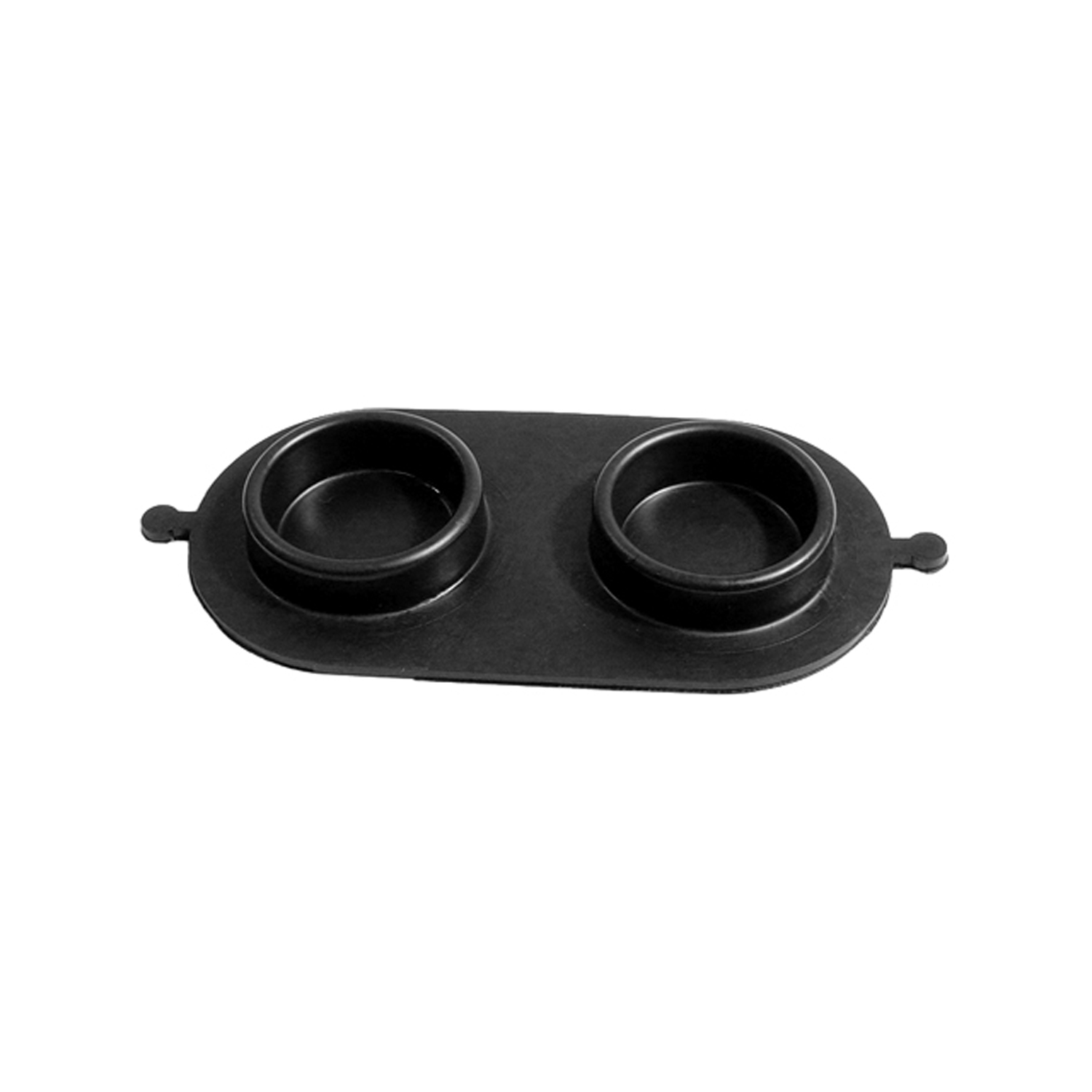 1974 Lincoln Continental Brake Master Cylinder Cover Seal. Replaces OEM #C7AZ2167-A-RP 2-BBrake Master Cylinder Cover Seal. Replaces OEM #C7AZ2167-A. Each
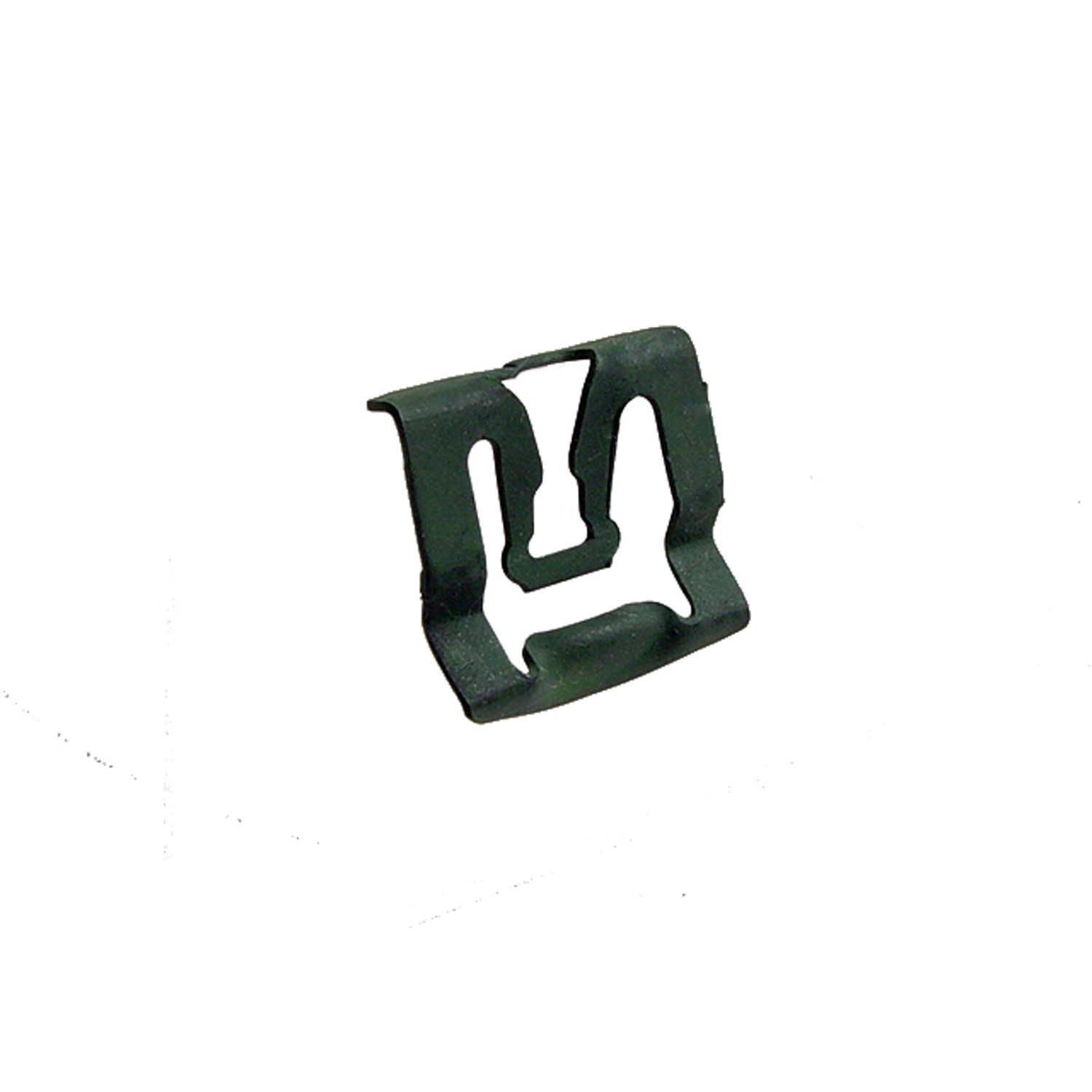 1974 Lincoln Continental Windshield Reveal Molding Clip. Made of steel. Each-WF 228-AWindshield Reveal Molding Clip. Made of steel. Each
Why Choose Metro?
For over 100 years, Metro Moulded Parts has been the pinnacle of quality in classic car restoration parts. Our commitment to precision and authenticity in every component ensures a perfect fit and an OEM-level appearance.
- Expert Craftsmanship & Quality: Each part is a testament to our dedication to reliability and perfection, crafted from original designs and thoroughly tested.
- Advanced Technology: We use cutting-edge techniques to create flawless, long-lasting parts that surpass others in performance.
- SuperSoft Sponge – The Ultimate Door Seal: Not only are our door seals 30% softer than competitors', but they're also guaranteed to never leak. They effectively reduce wind and road noise, enhancing your classic car's comfort and driving experience.
- Proudly American: Our parts are a product of American craftsmanship, made in the USA with a spirit of excellence and heritage.
- Unrivaled Warranty: We back our products with a 30-year industry-leading warranty, a testament to our confidence in their quality.
Join us in preserving the legacy of classic cars with parts that are crafted for perfection, not just made.