

Image of 1974 Lincoln Mark Iv, Note: These illustrations use artistic license and may differ from actual historical models.
Performance Metrics
Fundamental Metrics
Emotional Appeal
MMP Rating
| Engine Specifications | |
|---|---|
| Engine: | 460 CID 4V V-8 |
| Displacement: | 460 cubic inches (7.5 liters) |
| Horsepower: | 220 HP |
| Torque: | 355 lb-ft |
| Compression Ratio: | 8.5:1 |
| Ignition System: | Electronic Ignition System |
| Cooling System: | Liquid-cooled |
| Performance Specifications | |
| 0-60 Time: | 10.5 seconds |
| 1/4 Mile Time: | 17.5 seconds |
| Top Speed: | 120 mph |
| Transmission and Drive | |
| Drive Type: | Rear-wheel drive |
| Transmission Type: | 3-speed automatic |
| Fuel and Efficiency | |
| Fuel System Type: | Carburetor |
| MPG: | 10-12 mpg |
| Dimensions and Brakes | |
| Brakes: | Power-assisted front disc and rear drum brakes |
| Wheelbase: | 120.4 inches |
| Weight: | 5,264 lbs |
Note: Specifications for classic cars are given to the best of our ability, considering the limited and variant data available.
1974 Lincoln Mark IV: A Personal-Luxury Classic
With its concealed headlights, towering grille, and unmistakable spare-tire-inspired trunk lid, the 1974 Lincoln Continental Mark IV made even an ordinary trip feel like an occasion. Built by Ford’s Lincoln-Mercury Division, the Mark IV was a large, rear-wheel-drive luxury coupe aimed at buyers who wanted comfort and presence in equal measure.
The Mark IV debuted for 1972 as the successor to the Mark III, continuing Lincoln’s tradition of expensive personal-luxury cars. It shared its basic platform with the contemporary Ford Thunderbird, but wore more formal styling and a distinctly upscale cabin. The 1974 model arrived during the energy crisis, a challenging moment for a car powered by a 460-cubic-inch V8. Yet the Mark IV’s grand proportions and plush appointments remained deeply appealing: Lincoln built approximately 57,316 examples for the model year.
One of its most memorable details was the raised contour on the trunk lid, a styling flourish that evoked the external spare-tire carriers of earlier Continental models. The spare tire itself was stored inside the trunk. That blend of historical reference and modern luxury helped make the Mark IV instantly recognizable.
Formal Lines and a Tailored Cabin
The Mark IV was offered in one body style: a two-door personal-luxury coupe. Its long hood, upright grille, hidden headlamps, and crisp fender lines gave it a formal, almost architectural look. A padded vinyl roof and small rear opera windows emphasized the car’s elegant profile. At roughly 228 inches long, it had a commanding road presence even among large American cars of the period.
Inside, the Mark IV was designed for relaxed, quiet cruising rather than sporty driving. Buyers could choose richly upholstered interiors, including leather and cloth or vinyl arrangements, with wood-tone trim and plush carpeting contributing to the upscale atmosphere. Power accessories were central to the experience. Depending on equipment, owners could enjoy features such as power windows, power door locks, power seats, cruise control, and automatic climate control. A stereo system was available for drivers who wanted to bring their soundtrack along.
Lincoln offered the Mark IV in a wide range of period colors, including deep blues, greens, browns, reds, and traditional black, white, and metallic finishes. The best-known look paired a restrained exterior color with a contrasting vinyl roof and a coordinated leather interior. Exact paint and trim availability varied, so original build documentation is helpful when identifying a specific car’s factory specification.
The 1974 Mark IV should not be confused with the designer-edition models that became especially well known later in the Mark IV’s run. The Cartier, Bill Blass, Givenchy, and Pucci designer series arrived for the 1976 model year. The 1974 car’s appeal instead rests on its classic Mark IV styling, extensive comfort equipment, and large-displacement V8.
Why the Mark IV Mattered
The Mark IV helped define the American personal-luxury coupe: a vehicle with room and comfort for long-distance travel, but with a more individual and formal character than a conventional four-door sedan. Its combination of a long hood, concealed lamps, opera windows, and a simulated Continental spare-tire motif became a visual shorthand for Lincoln luxury.
Compared with many contemporaries, the Mark IV put greater emphasis on styling and passenger comfort than on cornering performance or fuel economy. It was not a sports coupe in disguise. Instead, it offered a distinctive alternative to Cadillac’s luxury coupes and to the Thunderbird, its close platform relative. Its influence is most evident in the way later personal-luxury cars used formal roofs, decorative rear-quarter windows, and dramatic proportions to signal prestige.
The 1974 model also captures a turning point in American motoring. New emissions requirements and the oil crisis were reshaping the market, while large V8-powered cars still represented the height of domestic luxury. The Mark IV is a snapshot of that transition: lavish and powerful by the standards of its era, but increasingly out of step with the emerging demand for smaller, more economical cars.
460 V8 Power and Highway Manners
Every 1974 Mark IV used a 460-cubic-inch, or 7.5-liter, V8 paired with a three-speed automatic transmission and rear-wheel drive. The engine produced about 220 horsepower using the net-rating system adopted in this period. Its substantial torque was better suited to effortless acceleration and quiet highway cruising than to high-revving performance.
Published performance figures vary with vehicle condition, test methods, and equipment. A healthy example typically takes roughly 10 to 12 seconds to accelerate from 0 to 60 mph. Top speed is generally estimated in the neighborhood of 110 to 120 mph, though the Mark IV was not designed as a high-speed performance car. Its real strength was relaxed momentum, with the automatic transmission and V8 moving the heavy coupe along without requiring much effort from the driver.
On smooth roads, the car feels spacious, quiet, and composed. Its soft suspension absorbs ordinary bumps well, though large potholes and broken pavement can make the substantial body move around. On winding roads, the Mark IV’s size, weight, and comfort-oriented suspension call for smooth inputs rather than quick changes of direction. Crosswinds and narrow streets also remind the driver that this is a very large coupe.
Behind the wheel, the experience is more lounge-like than athletic. The V8 delivers a subdued, deep sound, while power steering makes low-speed maneuvering easier than the car’s dimensions might suggest. The long hood and broad body demand attention when parking, but on an open highway the Mark IV settles into an unhurried cruise that suits its character perfectly. Fuel consumption is a major trade-off: owners should expect single-digit or low-teens miles per gallon, depending on condition and driving style.
Living With a 1974 Mark IV
Today, the Mark IV is most often used as a weekend cruiser, a show car, or a distinctive addition to a collection of American luxury cars. Some owners drive them regularly, but the car’s fuel use, size, and age make it less practical as a modern daily driver. A well-maintained example can still be enjoyable on local outings and highway trips.
Routine mechanical work is manageable for an experienced home mechanic. The 460 V8 and C6 automatic transmission are familiar Ford components, and many maintenance parts remain available through classic-car suppliers. The more challenging jobs often involve trim, interior fittings, electrical accessories, and model-specific body parts. Power equipment and the vacuum-operated concealed-headlamp system deserve careful inspection. Vacuum leaks can prevent the headlamp doors from operating correctly, while worn window mechanisms, deteriorated weatherstripping, and aging climate-control components can take time and money to sort out.
Before buying, inspect the car for rust, especially around the lower body, floor areas, trunk, and vinyl-roof edges. Check that the engine runs smoothly, the transmission shifts properly, the brakes work evenly, and the electrical accessories function. A car that looks polished but has a long list of deferred repairs can quickly become more expensive than a sound, well-documented example.
Notable Details and Common Criticisms
The Mark IV’s trunk-lid hump is one of the model’s signature features, but it is decorative rather than a storage mount for an exposed spare tire. Another point of interest is the concealed-headlamp design, which kept the front end visually clean when the lamps were closed. Both features show how the Mark IV used styling to balance tradition and modernity.
There is no separate 1974 Mark IV convertible or sedan: the model was sold as a coupe. The designer labels frequently associated with Mark IVs belong to later 1976 editions, so a 1974 car advertised as a Cartier or Bill Blass edition deserves careful verification. The model’s production of roughly 57,316 units makes it uncommon compared with ordinary mass-market cars, but not truly rare in collector terms.
Its most consistent criticism is fuel economy, a weakness made especially conspicuous by the 1974 oil crisis. Some drivers also find the car too large and soft-riding for modern roads. Those drawbacks are closely tied to what the Mark IV was built to be: a substantial, comfortable American coupe rather than an efficient commuter or a corner-carving sports car.
Collector Values and Market Outlook
Values depend heavily on rust, mechanical condition, originality, mileage, and the quality of any restoration. As a broad U.S. market estimate, a project car may sell for around $3,000 to $7,000. A usable driver in fair to good condition often falls near $8,000 to $18,000, while a very clean, well-preserved example may bring approximately $20,000 to $35,000. Exceptional cars with outstanding originality or a high-quality restoration can exceed that range, though prices vary widely by region and buyer demand.
The 1974 Mark IV is generally available through classic-car listings, specialty dealers, and auctions, but finding one that is both rust-free and mechanically sorted can take patience. With tens of thousands built, it is not a production rarity. Its value comes from its condition, period-correct details, and appeal to collectors of large American luxury cars.
Market performance has been selective rather than explosive. Clean examples have a stronger following than rough cars, but the model has not generally seen the sharp appreciation enjoyed by some rare muscle cars. Well-kept Mark IVs appear to be holding their appeal, with the best cars attracting more attention as original 1970s luxury coupes become harder to find in sound condition. Buyers should treat any price range as a guide, not a guarantee, and compare recent sales for similar cars before making an offer.
The Mark IV’s Lasting Appeal
The 1974 Lincoln Mark IV brought together a huge V8, a richly appointed cabin, concealed headlights, and unmistakable formal styling in one unmistakably American coupe. It was built for comfort and presence, not thrift or agility, and its size and fuel consumption reflect the era in which it was created.
For today’s enthusiast, that character is precisely the point. A well-preserved Mark IV is more than a big old luxury car: it is a rolling example of American design at a moment when confidence, comfort, and bold proportions ruled the road.
1974 Lincoln Mark Iv Catalog of Parts
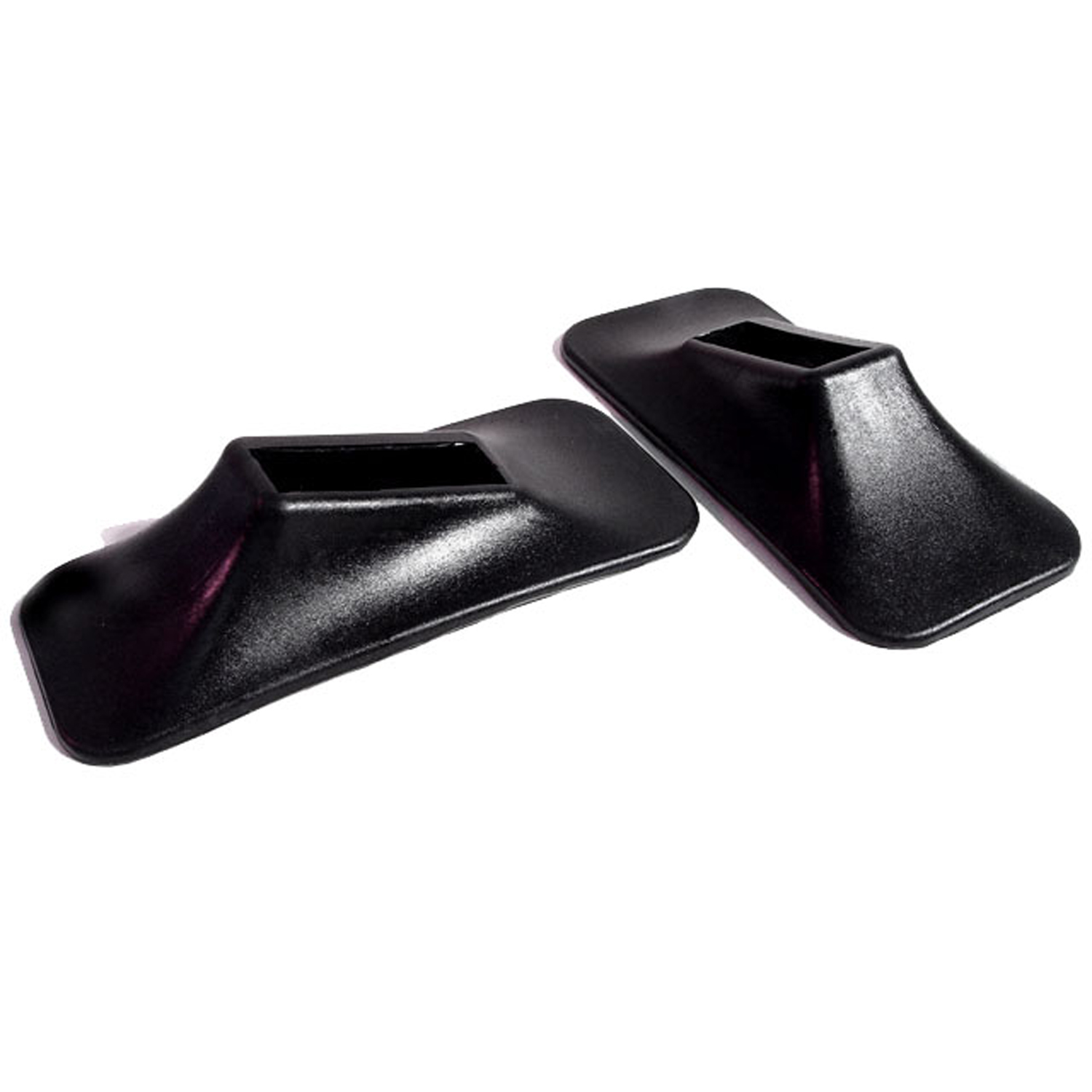 1974 Lincoln Mark IV Front Bumper Arm Grommets-BG 47Front Bumper Arm Grommets. 2" wide X 4-1/2" long, with 1-3/4" long inner slot. Pair
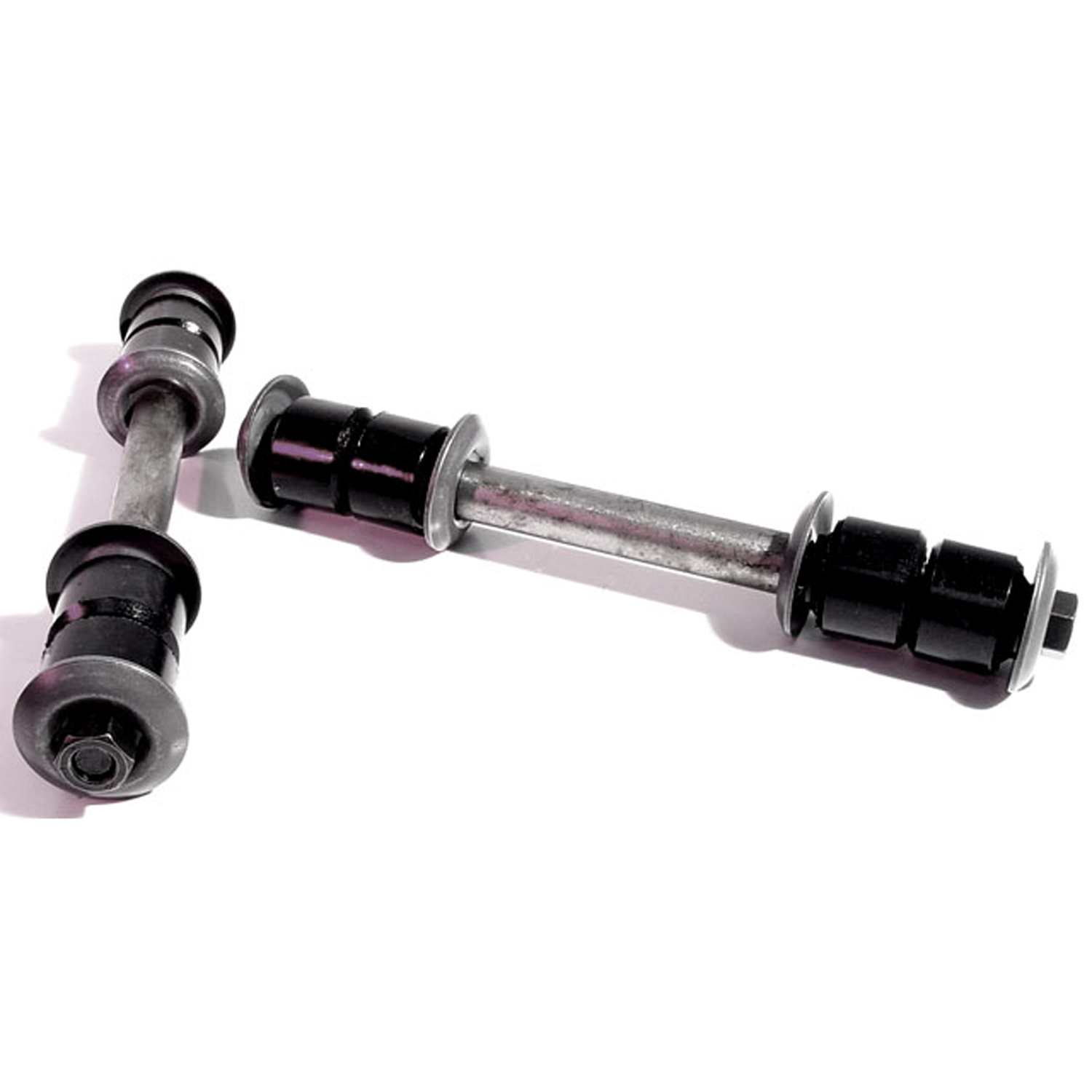 1974 Lincoln Mark IV Front Stabilizer End Repair Kit-BNK 21Front Stabilizer End Repair Kit. 22-piece set for two stabilizer bars. Contains all rubber bushings, washers, bolts and nuts, enough for one front end. Set
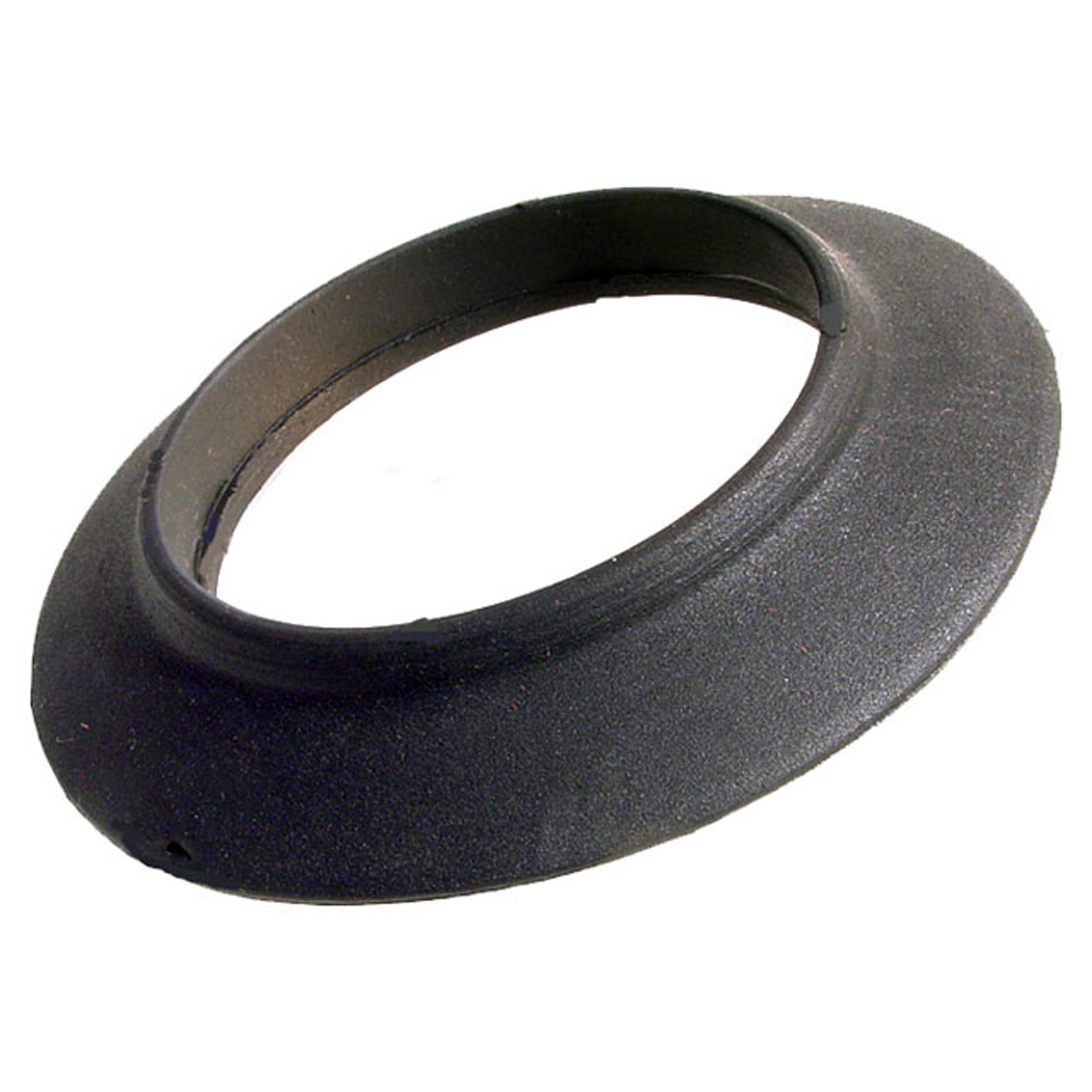 1974 Lincoln Mark IV Gas Filler Grommet. 2-1/2" I.D., 4-1/8" O.D. Each-GF 24Gas Filler Grommet. 2-1/2" I.D., 4-1/8" O.D. Each
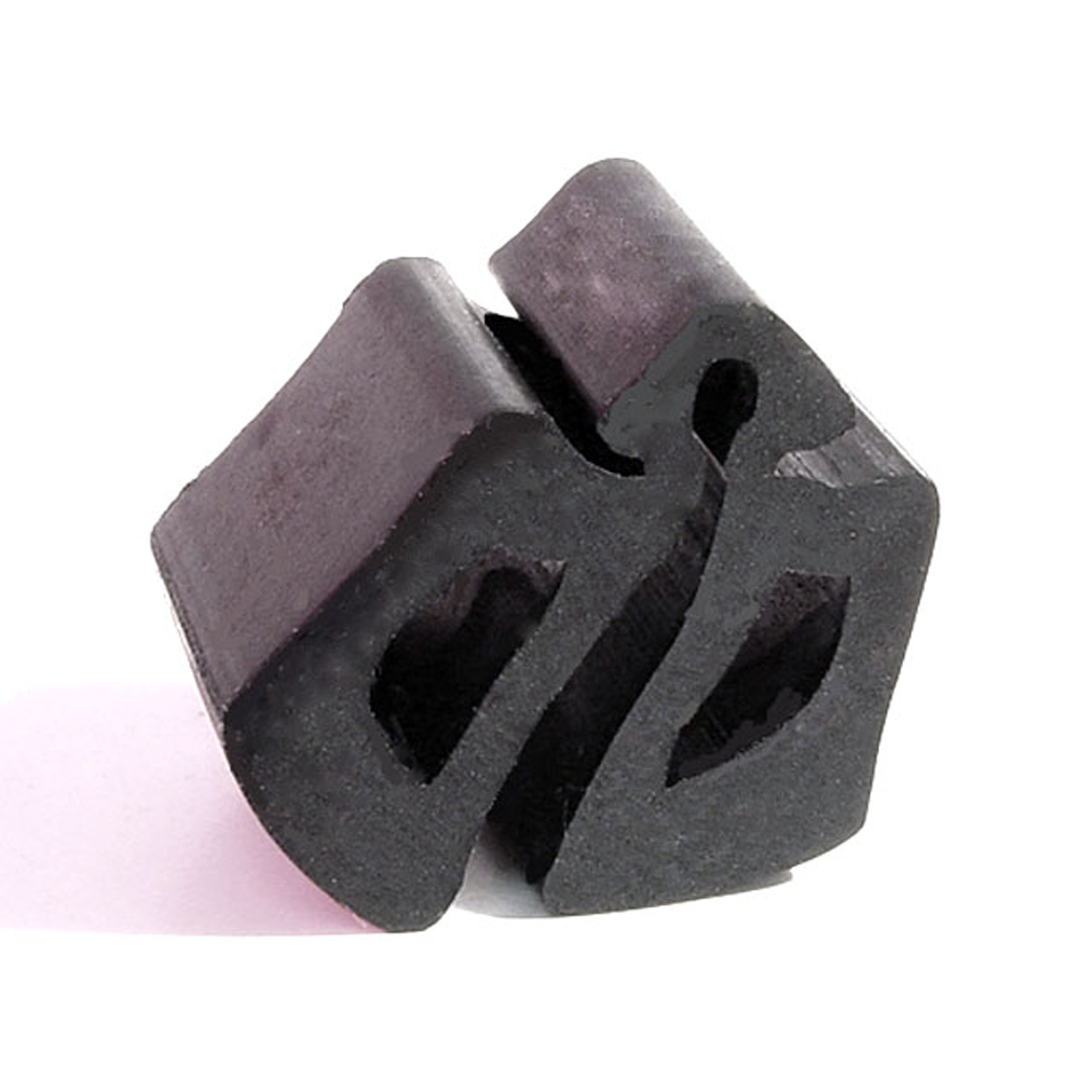 1974 Lincoln Mark IV Hood Bumper. Each-HF 2Hood Bumper. Each
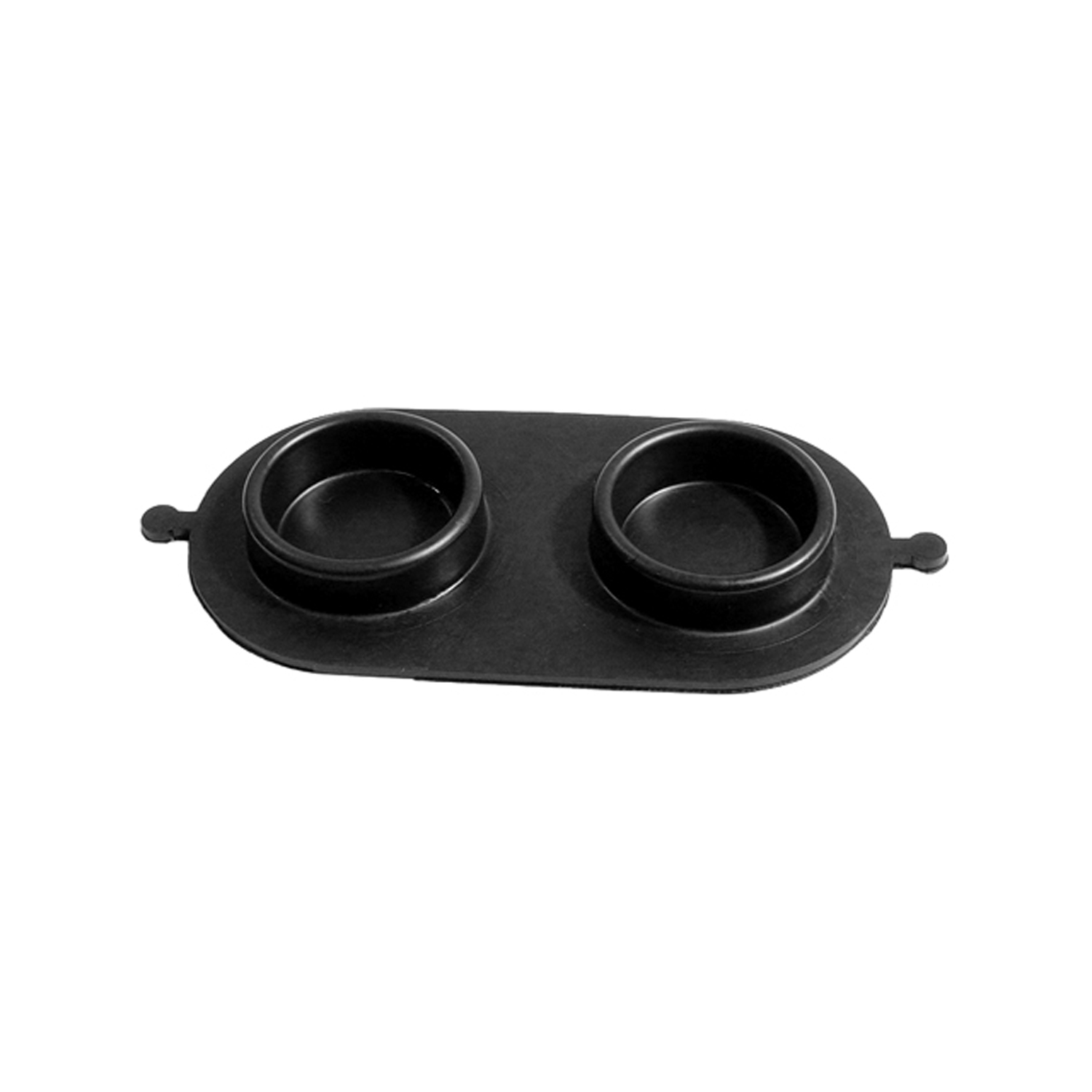 1974 Lincoln Mark IV Brake Master Cylinder Cover Seal. Replaces OEM #C7AZ2167-A-RP 2-BBrake Master Cylinder Cover Seal. Replaces OEM #C7AZ2167-A. Each
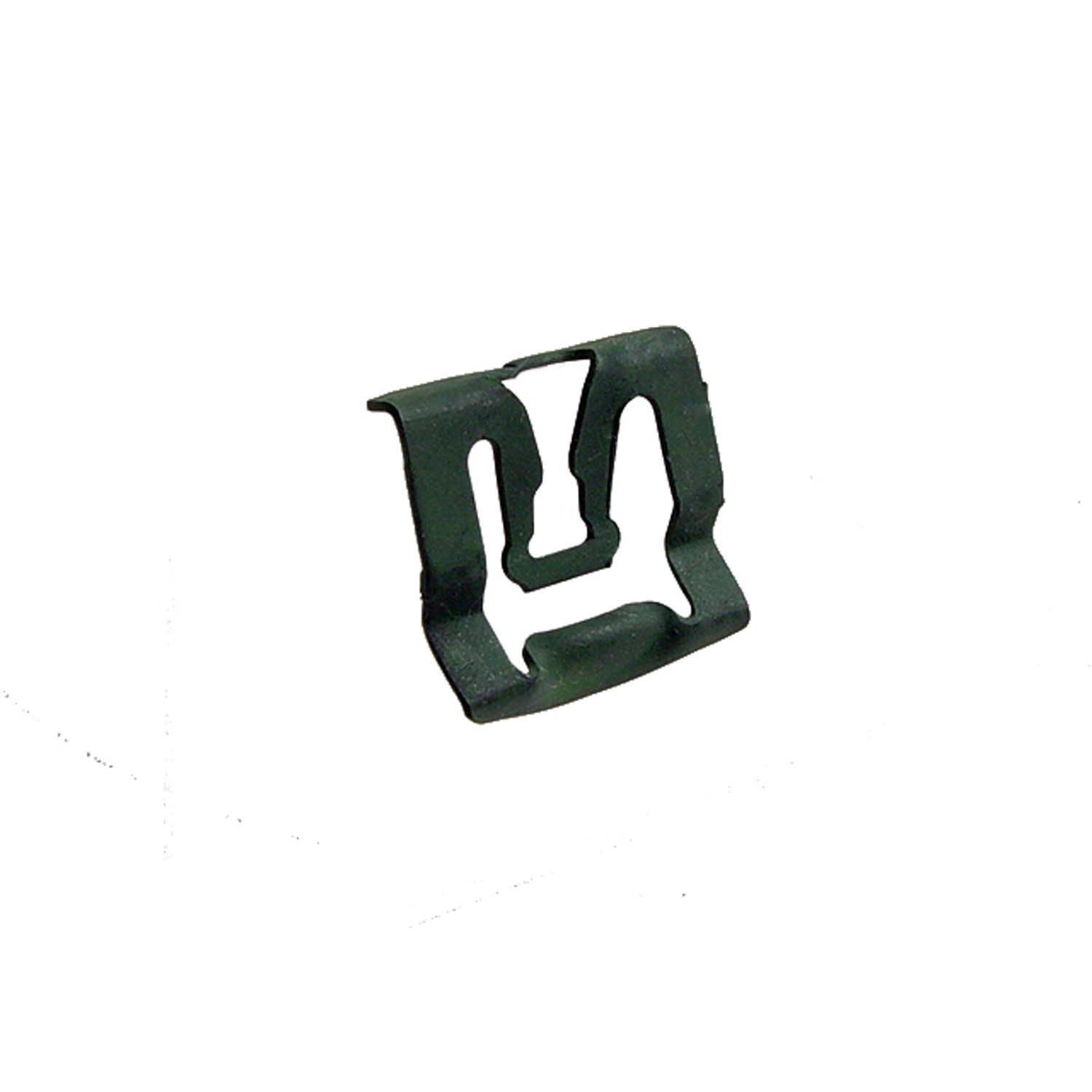 1974 Lincoln Mark IV Windshield Reveal Molding Clip. Made of steel. Each-WF 228-AWindshield Reveal Molding Clip. Made of steel. Each
Why Choose Metro?
For over 100 years, Metro Moulded Parts has been the pinnacle of quality in classic car restoration parts. Our commitment to precision and authenticity in every component ensures a perfect fit and an OEM-level appearance.
- Expert Craftsmanship & Quality: Each part is a testament to our dedication to reliability and perfection, crafted from original designs and thoroughly tested.
- Advanced Technology: We use cutting-edge techniques to create flawless, long-lasting parts that surpass others in performance.
- SuperSoft Sponge – The Ultimate Door Seal: Not only are our door seals 30% softer than competitors', but they're also guaranteed to never leak. They effectively reduce wind and road noise, enhancing your classic car's comfort and driving experience.
- Proudly American: Our parts are a product of American craftsmanship, made in the USA with a spirit of excellence and heritage.
- Unrivaled Warranty: We back our products with a 30-year industry-leading warranty, a testament to our confidence in their quality.
Join us in preserving the legacy of classic cars with parts that are crafted for perfection, not just made.