
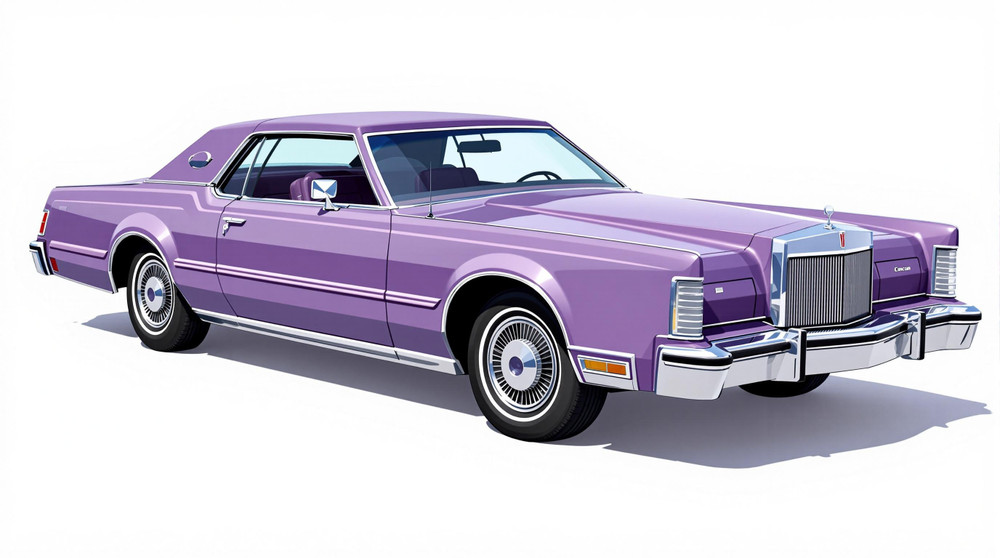
Image of 1975 Lincoln Continental, Note: These illustrations use artistic license and may differ from actual historical models.
Performance Metrics
Fundamental Metrics
Emotional Appeal
MMP Rating
| Engine Specifications | |
|---|---|
| Engine: | 460 CID 4V V-8 |
| Displacement: | 460 cubic inches (7.5 liters) |
| Horsepower: | 202-224 hp |
| Torque: | 352 lb-ft |
| Compression Ratio: | 8.0:1 |
| Ignition System: | Electronic |
| Cooling System: | Liquid-cooled |
| Performance Specifications | |
| 0-60 Time: | 10.5 seconds |
| 1/4 Mile Time: | 17.5 seconds |
| Top Speed: | 120 mph |
| Transmission and Drive | |
| Drive Type: | Rear-wheel drive |
| Transmission Type: | 3-speed automatic |
| Fuel and Efficiency | |
| Fuel System Type: | Carburetor |
| MPG: | 10-12 mpg |
| Dimensions and Brakes | |
| Brakes: | Power-assisted disc brakes |
| Wheelbase: | 127.2 inches |
| Weight: | 5,000 lbs |
Note: Specifications for classic cars are given to the best of our ability, considering the limited and variant data available.
1975 Lincoln Continental: The Last Word in American Luxury
The 1975 Lincoln Continental turned a parking space into a small event: long, square-shouldered, richly trimmed, and powered by a V8 that seemed better suited to moving a house than hurrying to the shops. Built by Ford Motor Company’s Lincoln division, it represented the traditional American luxury car at a pivotal moment, as fuel shortages and stricter emissions rules began challenging the big-engine formula.
Part of the fifth-generation Continental line introduced for 1970, the 1975 model stayed true to Lincoln’s established recipe: imposing size, smooth automatic driving, a quiet cabin, and unmistakable styling. Its timing makes it especially interesting. The country was still feeling the effects of the 1973 oil crisis, yet Lincoln continued to offer a full-size luxury car with a 460-cubic-inch V8. One notable detail is that the 1975 range included both the Continental Town Car and Town Coupe, prestigious trim versions that helped make “Town Car” a familiar Lincoln name long before it became a separate model.
Continental Styling and Cabin Comfort
The 1975 Continental has the unmistakable proportions of a classic American luxury car. Its long hood, broad front end, upright grille, and crisp, squared-off body sides give it a formal presence. Concealed headlamps keep the front styling clean when they are switched off, while the pronounced rear deck and Continental-style spare-tire impression in the trunk lid provide a memorable finishing touch. The bumpers are substantial, reflecting federal impact requirements as well as the car’s substantial scale.
Inside, the emphasis is on space and comfort rather than a sporty, driver-focused layout. Wide seats, thick carpeting, generous door panels, and wood-toned trim gave the cabin a suitably upscale feel. Depending on trim and options, buyers could choose plush cloth or leather upholstery, power-adjustable seating, power windows and locks, air conditioning, cruise control, and a stereo radio. The Town Car and Town Coupe packages brought a more luxurious interior presentation, making them especially desirable versions today.
For 1975, buyers could choose a two-door coupe or a four-door sedan. Town Coupe and Town Car were higher-trim versions of those body styles, not separate body configurations. The sedan is the classic choice for a formal chauffeur-style look, while the coupe has a more personal-luxury character. Period paint choices covered a broad range of subdued and bold shades, including white, cream, silver, blue, green, red, and various browns. White, dark blue, and rich metallic or earth tones suit the car particularly well, though availability depended on the exact paint code and trim combination.
Technology in a Changing Era
Lincoln equipped the Continental to make long-distance travel easy. Power steering and power-assisted front disc brakes reduced effort at the wheel and pedal, while the three-speed automatic transmission handled shifting without demanding much attention from the driver. Air conditioning, power accessories, and available automatic climate-control equipment brought convenience that many buyers expected in an expensive car.
The 1975 model also reflects the industry’s move toward tighter emissions regulation. Catalytic converters and unleaded-fuel requirements were becoming part of the American-car landscape, and emissions controls affected the way large engines performed. The Continental retained its traditional V8 character, but it did so in a period when manufacturers were balancing power, fuel use, and new regulations.
Why the 1975 Continental Matters
The Continental did not introduce a radically new body style or a groundbreaking mechanical layout in 1975. Its significance is more cultural: it carried forward the full-size American luxury ideal at a time when that ideal was under pressure. Where smaller imported cars and more economical domestic models were gaining attention, the Lincoln offered a very different answer: more cabin, more quiet, more equipment, and more road presence.
It also stood apart from many contemporaries through its formal styling and emphasis on isolation from the road. The Continental was not trying to be a sports sedan. It was built to make highway miles feel calm and effortless, with the driver perched behind a broad hood and passengers surrounded by space. That formula helped define Lincoln’s identity for decades, and the Town Car name became one of the brand’s most enduring badges.
460 V8 Performance and Road Manners
Most 1975 Continentals came with Ford’s 460-cubic-inch V8, a 7.5-liter engine paired with a three-speed automatic and rear-wheel drive. Published output figures vary by source and measurement method, but the engine produced roughly 200 to 215 horsepower in period net ratings, with abundant low-speed torque. That torque, rather than high-revving power, is what suited the car: it helped the heavy Lincoln gather speed with a relaxed, unhurried feel.
Expect a 0-to-60-mph time in roughly the 10-to-12-second range, depending on condition, equipment, and test method. Top speed is generally estimated at around 110 mph, though the Continental’s size, gearing, and soft suspension make steady cruising a more natural use than high-speed driving. Fuel economy is decidedly old-fashioned. A car in good tune may return roughly 8 to 12 miles per gallon, with city driving and heavy traffic often pushing it toward the lower end.
On ordinary roads, the suspension is tuned to absorb bumps and expansion joints rather than carve through corners. The car feels substantial and smooth, but its long wheelbase and considerable weight are obvious on narrow streets and winding roads. Body lean is part of the experience, and quick steering inputs are not rewarded. The V8 makes a deep, subdued sound under gentle acceleration, while the power steering and cushioned ride encourage a relaxed hand on the wheel. It feels less like a modern car asking for constant input and more like a quiet, rolling lounge.
Living With a 1975 Lincoln
Today, the Continental is most often used as a weekend cruiser, show car, parade vehicle, or occasional driver. It can cover highway distances comfortably, but its size and fuel consumption make it an impractical choice for many owners as a daily commuter. A clean, well-maintained example is at its best on open roads, where its broad seats and soft ride can be appreciated.
The 460 V8 is a familiar Ford engine, and many mechanical parts are shared with other Ford products of the era. That helps with routine service and repairs. Still, age is the main challenge. Buyers should inspect the engine and transmission, brakes, steering components, cooling system, electrical equipment, and air conditioning. Rust can affect the body and undercarriage, and worn trim, interior pieces, or model-specific parts may take more effort to source than common mechanical components.
For an owner comfortable with basic maintenance, the car is not inherently mysterious. But a neglected example can quickly become expensive, especially if it needs extensive bodywork, a full interior restoration, or repairs to multiple power accessories. A pre-purchase inspection by a mechanic familiar with older American cars is money well spent.
1975 Continental Facts and Misconceptions
The Continental name covered both two-door and four-door cars, while Town Coupe and Town Car identified more luxurious trim packages. That distinction matters when shopping: a seller may use “Town Car” casually, but the original badges, trim, and vehicle documentation can help establish how a particular car was equipped.
The 1975 Continental was not a racing or record-setting car. Its achievements were rooted in comfort, presence, and sales appeal rather than speed. It also should not be confused with the specially built presidential limousines that sometimes used Lincoln names or styling cues. The production Continental was a luxury car for private buyers, not the same vehicle as a custom presidential state car.
Common criticisms are easy to understand: very poor fuel economy, difficult parking, substantial weight, and handling that feels soft by modern standards. Emissions equipment and the car’s mass also mean it is not especially quick by today’s expectations. Those drawbacks are part of the ownership equation, not hidden surprises. The same size and ride quality that make it cumbersome in a crowded city are also central to its classic, floaty highway character.
Collector Values and Market Outlook
Production estimates vary by body style and trim, and public figures are not always presented consistently. A reasonable working estimate is roughly 90,000 to 100,000 1975 Continental-family cars across the coupe, sedan, Town Coupe, and Town Car versions. That makes the model far from rare in a general sense, though well-preserved examples and desirable trim combinations are less common than project cars.
As a broad 2026 market guide, a car needing substantial work may sell for around $3,000 to $7,000. A solid, running driver often falls in the $7,000 to $15,000 range, while a particularly clean, well-documented example may bring roughly $15,000 to $25,000. Exceptional restorations or unusually attractive, original Town Car and Town Coupe examples can exceed that range, sometimes reaching $30,000 or more. Actual prices depend heavily on condition, rust, originality, service history, and location.
Values have generally been more steady than explosive. The Continental appeals to buyers who want traditional American luxury, but high fuel costs and the expense of restoring a large car limit the pool of shoppers. The strongest examples are likely to remain the most desirable, while rough cars may be worth less than the cost of a proper restoration. For collectors, buying the best-condition car they can afford is usually more sensible than starting with the cheapest one available.
A Full-Size Lincoln With Lasting Presence
The 1975 Lincoln Continental captures a particular moment in American motoring: a time when luxury meant a big V8, a quiet cabin, formal styling, and enough space to make a long journey feel effortless. Its 460-powered performance is about relaxed torque, not speed, and its ride favors comfort over cornering precision.
It is not the most economical or convenient classic to own, but it remains a distinctive piece of Lincoln history. For drivers who appreciate scale, craftsmanship, and the unmistakable presence of a traditional American luxury car, the 1975 Continental still makes a grand entrance.
1975 Lincoln Continental Catalog of Parts
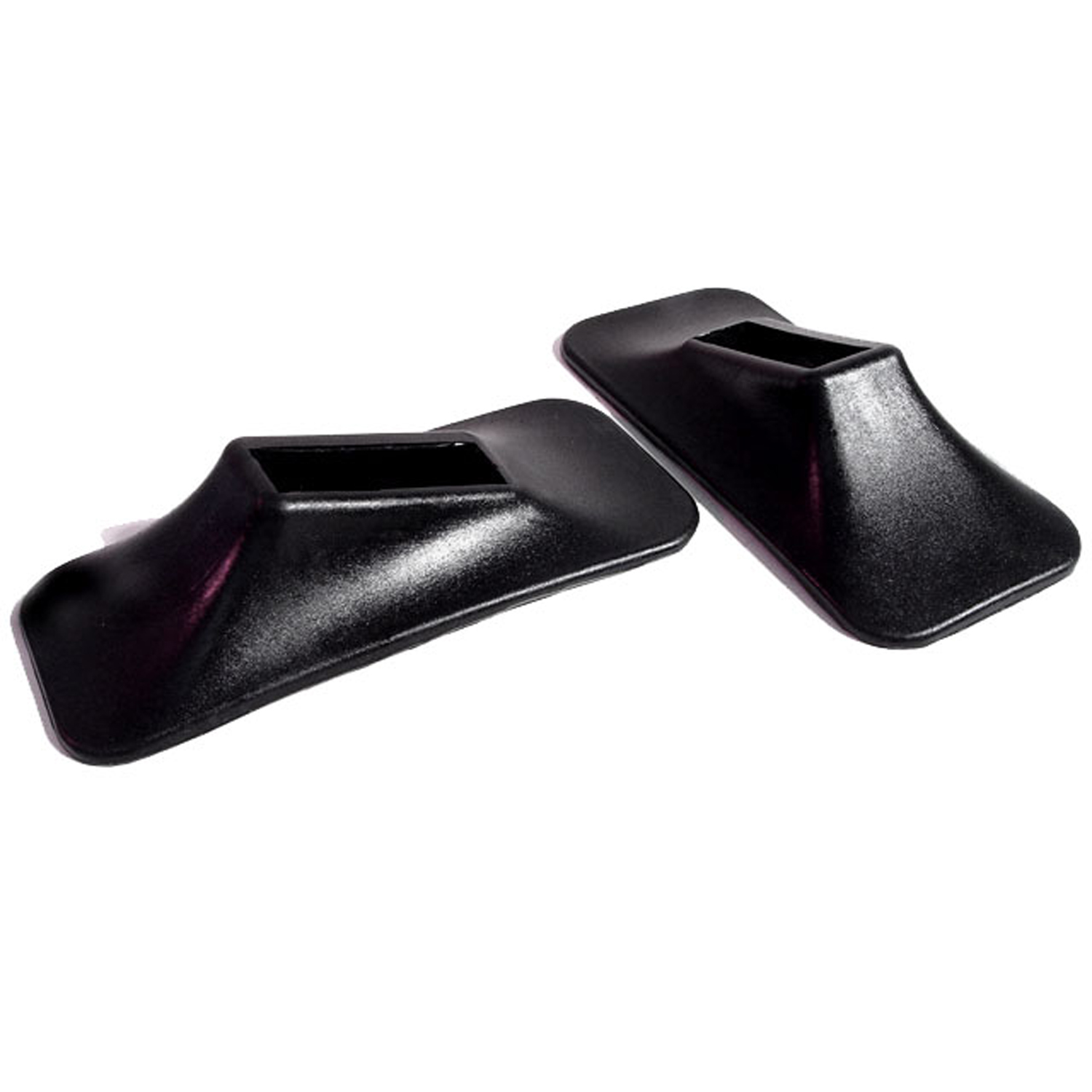 1975 Lincoln Continental Front Bumper Arm Grommets-BG 47Front Bumper Arm Grommets. 2" wide X 4-1/2" long, with 1-3/4" long inner slot. Pair
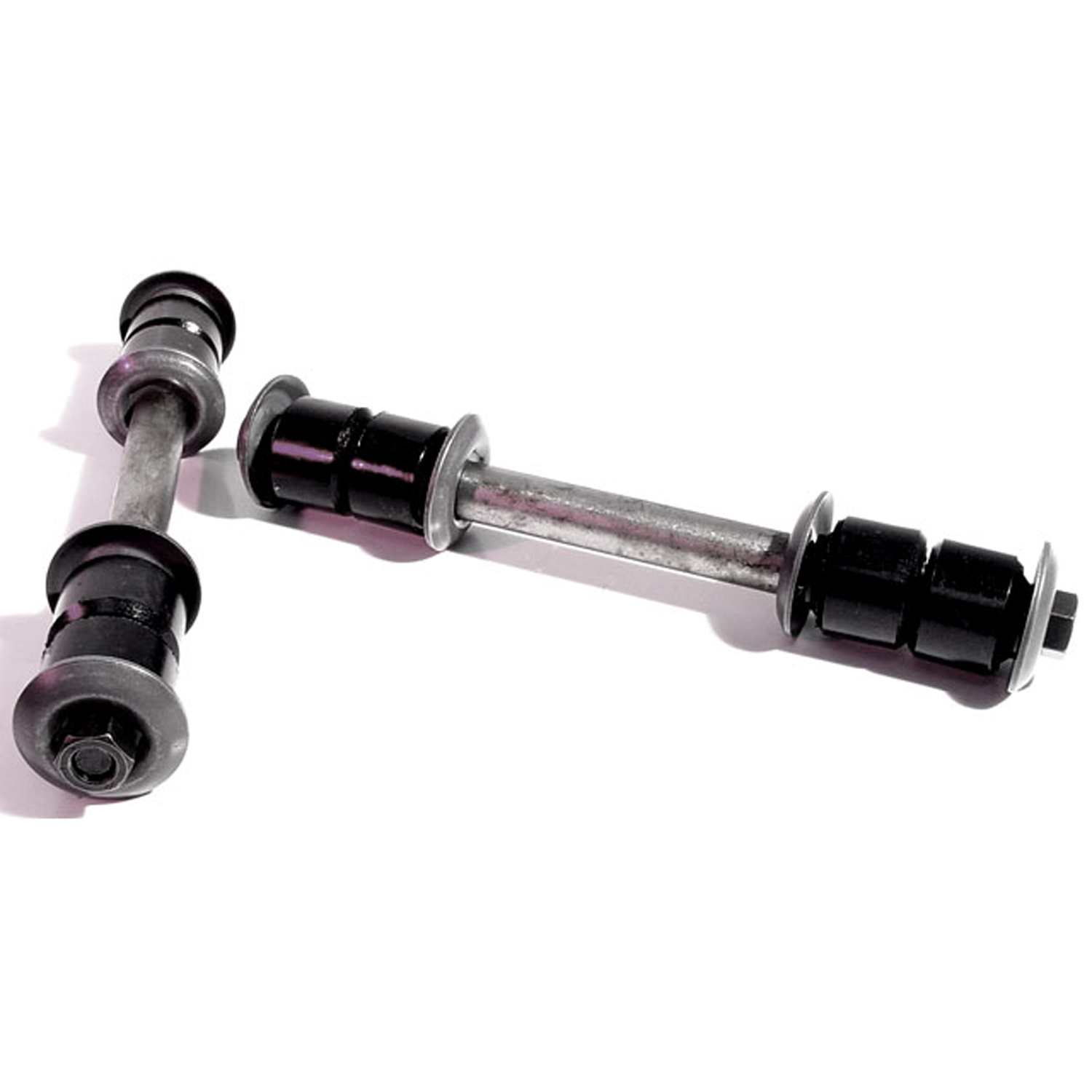 1975 Lincoln Continental Front Stabilizer End Repair Kit-BNK 21Front Stabilizer End Repair Kit. 22-piece set for two stabilizer bars. Contains all rubber bushings, washers, bolts and nuts, enough for one front end. Set
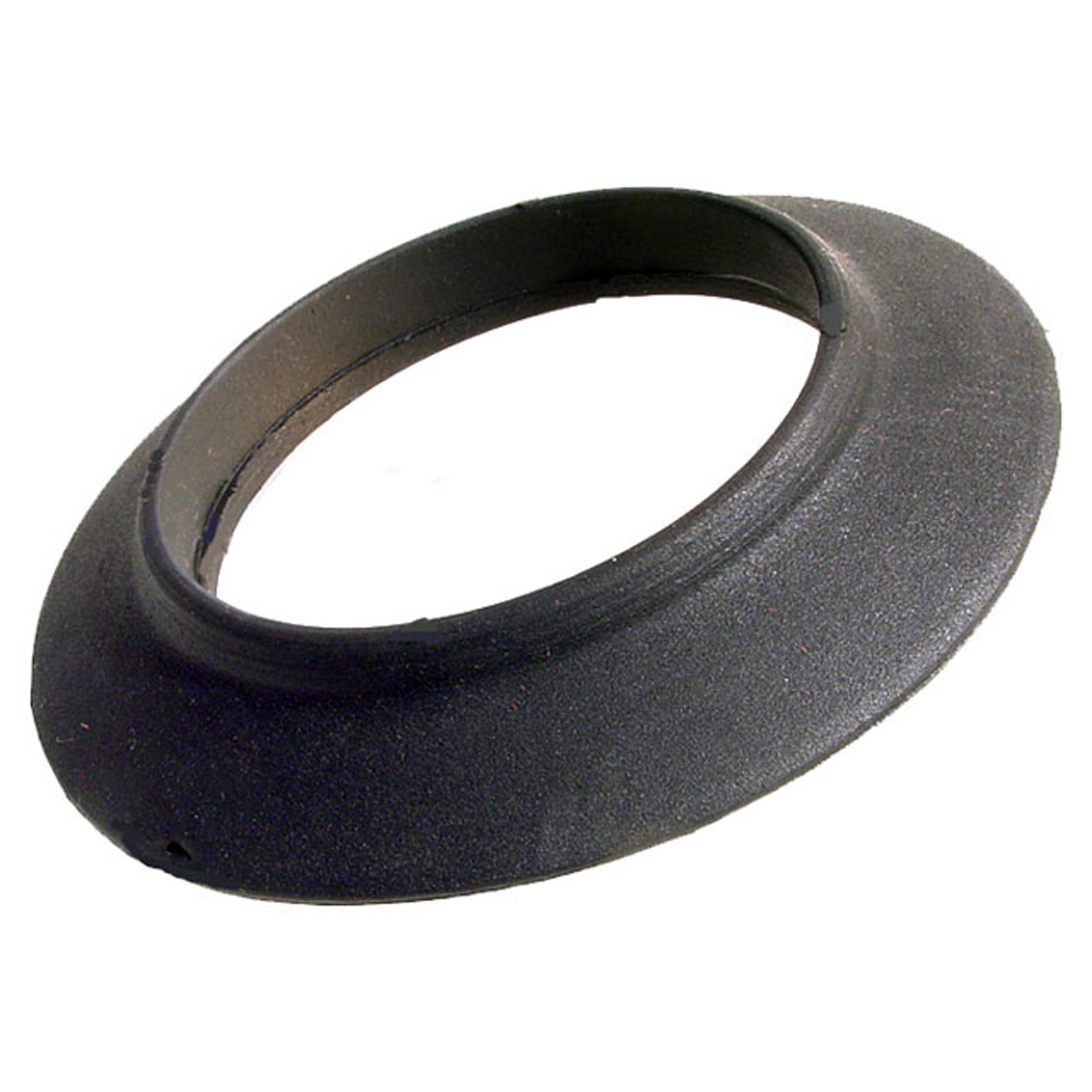 1975 Lincoln Continental Gas Filler Grommet. 2-1/2" I.D., 4-1/8" O.D. Each-GF 24Gas Filler Grommet. 2-1/2" I.D., 4-1/8" O.D. Each
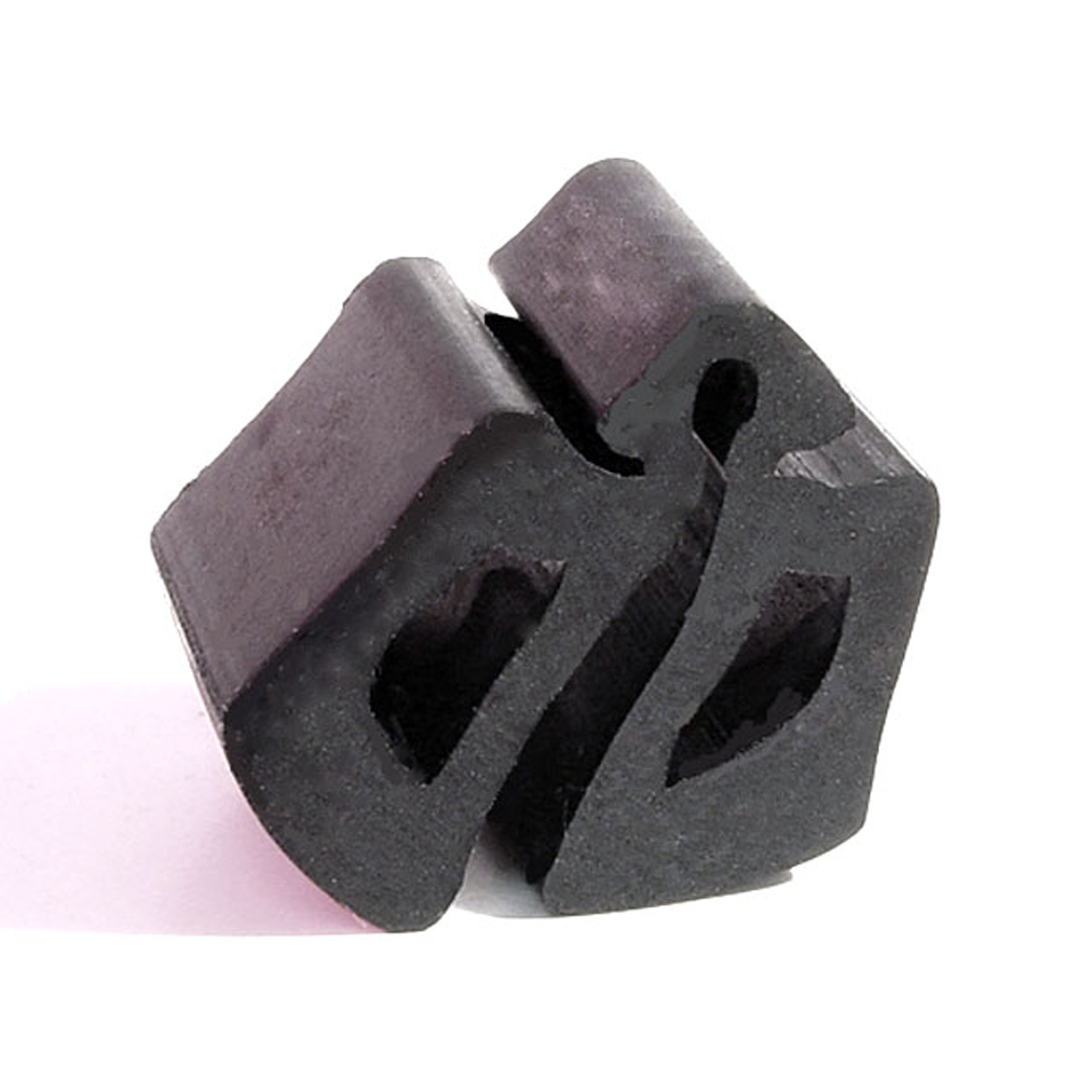 1975 Lincoln Continental Hood Bumper. Each-HF 2Hood Bumper. Each
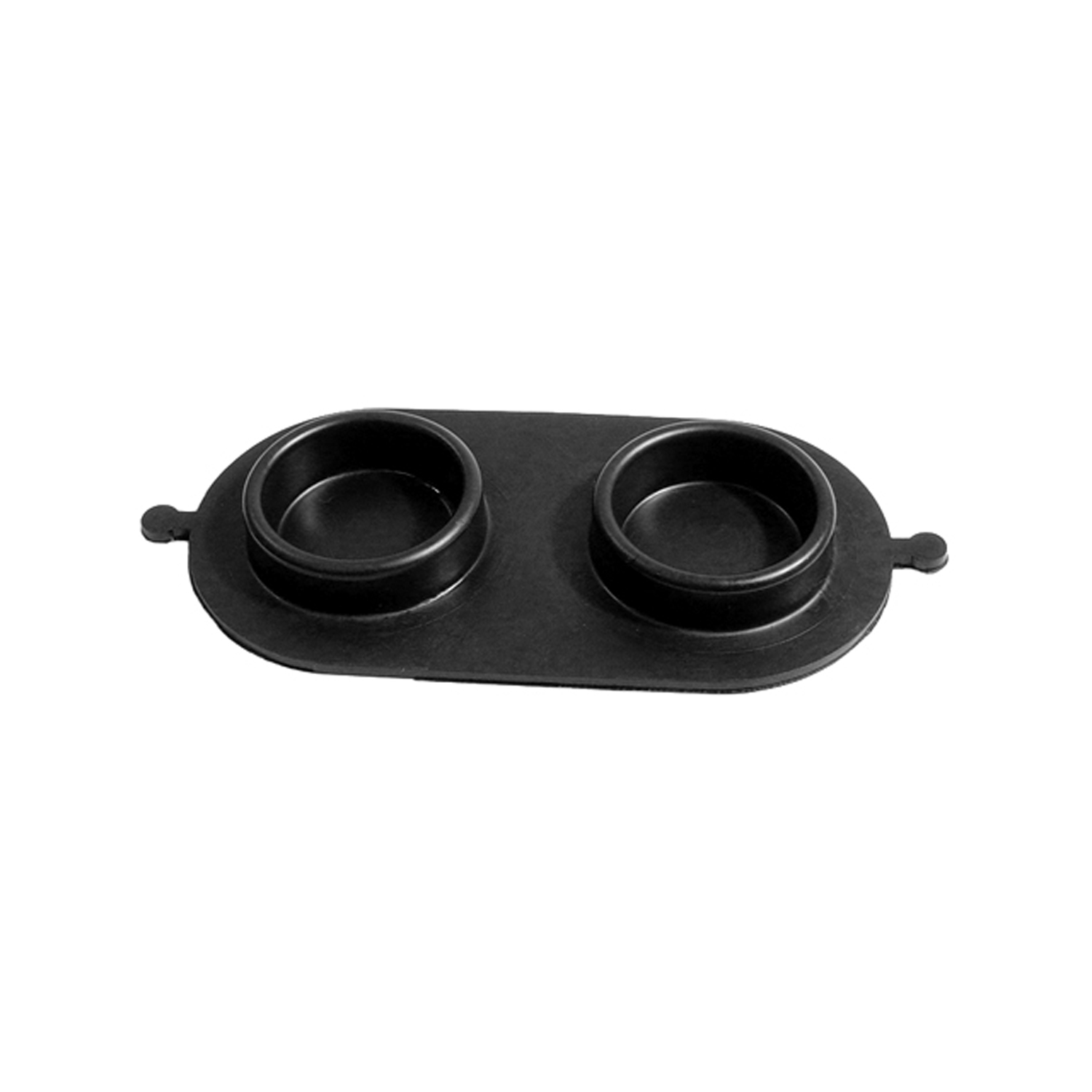 1975 Lincoln Continental Brake Master Cylinder Cover Seal. Replaces OEM #C7AZ2167-A-RP 2-BBrake Master Cylinder Cover Seal. Replaces OEM #C7AZ2167-A. Each
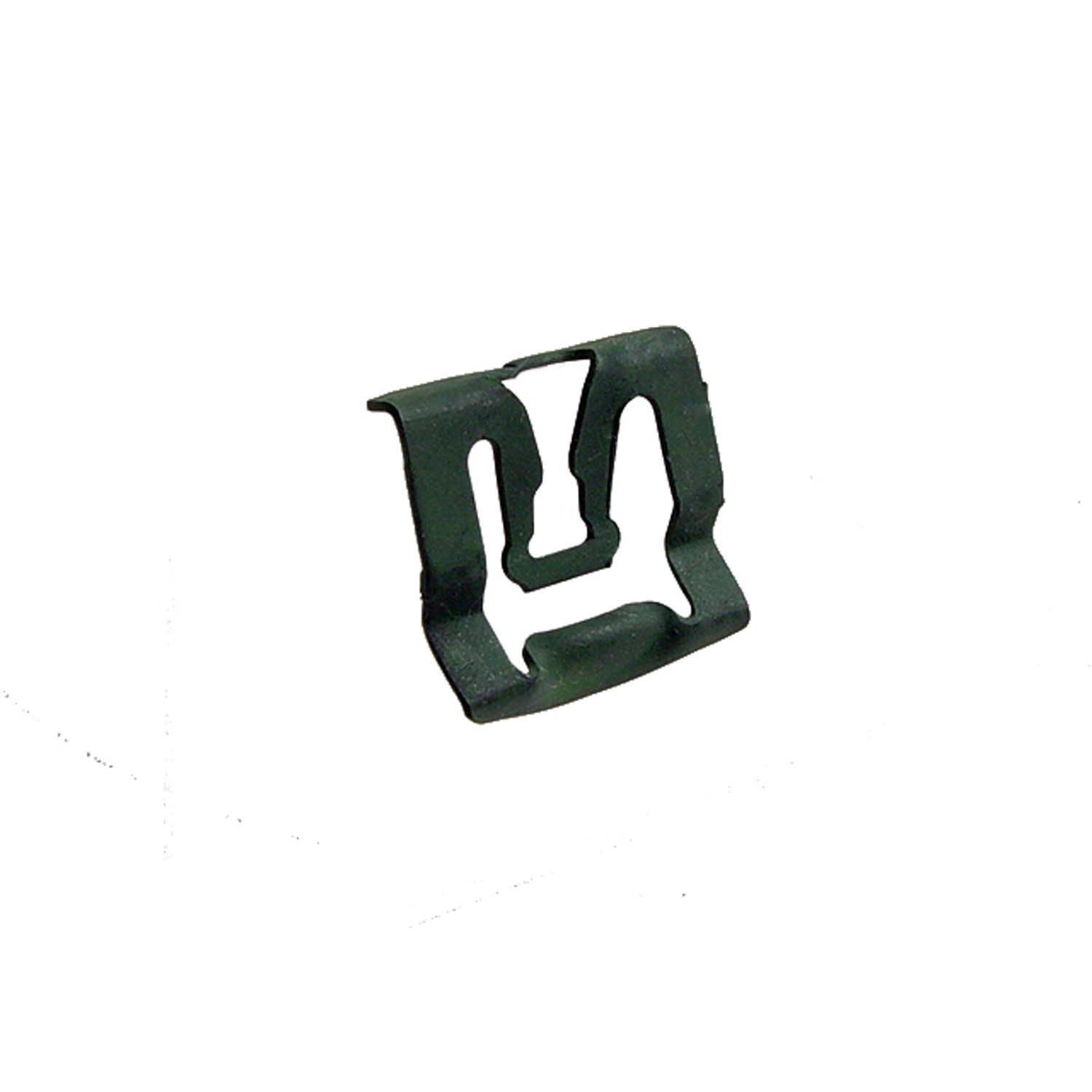 1975 Lincoln Continental Windshield Reveal Molding Clip. Made of steel. Each-WF 228-AWindshield Reveal Molding Clip. Made of steel. Each
Why Choose Metro?
For over 100 years, Metro Moulded Parts has been the pinnacle of quality in classic car restoration parts. Our commitment to precision and authenticity in every component ensures a perfect fit and an OEM-level appearance.
- Expert Craftsmanship & Quality: Each part is a testament to our dedication to reliability and perfection, crafted from original designs and thoroughly tested.
- Advanced Technology: We use cutting-edge techniques to create flawless, long-lasting parts that surpass others in performance.
- SuperSoft Sponge – The Ultimate Door Seal: Not only are our door seals 30% softer than competitors', but they're also guaranteed to never leak. They effectively reduce wind and road noise, enhancing your classic car's comfort and driving experience.
- Proudly American: Our parts are a product of American craftsmanship, made in the USA with a spirit of excellence and heritage.
- Unrivaled Warranty: We back our products with a 30-year industry-leading warranty, a testament to our confidence in their quality.
Join us in preserving the legacy of classic cars with parts that are crafted for perfection, not just made.