
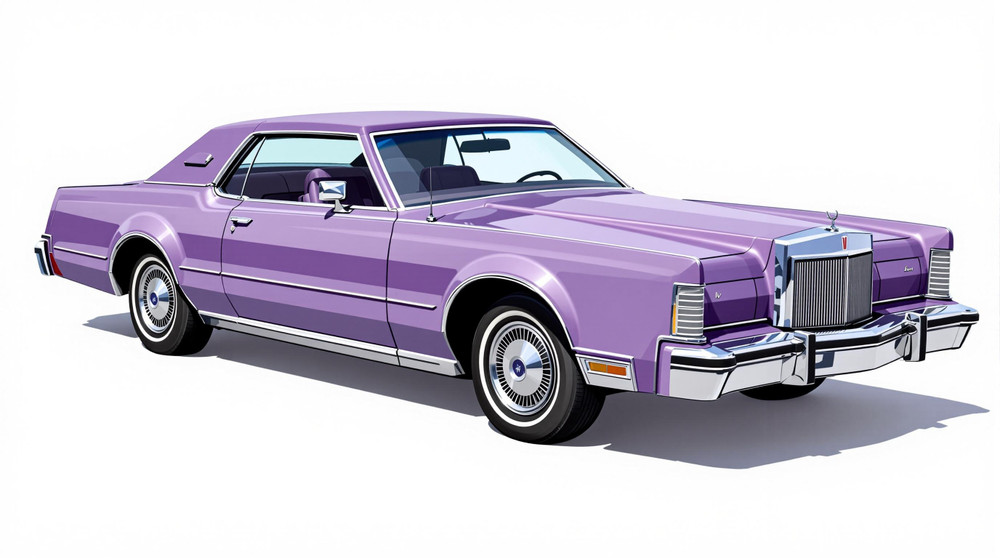
Image of 1975 Lincoln Mark Iv, Note: These illustrations use artistic license and may differ from actual historical models.
Performance Metrics
Fundamental Metrics
Emotional Appeal
MMP Rating
| Engine Specifications | |
|---|---|
| Engine: | 460 CID 4V V-8 |
| Displacement: | 460 cubic inches (7.5 liters) |
| Horsepower: | 202-224 hp |
| Torque: | 352 lb-ft |
| Compression Ratio: | 8.0:1 |
| Ignition System: | Electronic Ignition System |
| Cooling System: | Liquid-cooled |
| Performance Specifications | |
| 0-60 Time: | 10.8 seconds |
| 1/4 Mile Time: | 17.6 seconds |
| Top Speed: | 122 mph |
| Transmission and Drive | |
| Drive Type: | Rear-wheel drive |
| Transmission Type: | 3-speed automatic |
| Fuel and Efficiency | |
| Fuel System Type: | Carburetor |
| MPG: | 10-12 mpg |
| Dimensions and Brakes | |
| Brakes: | Power-assisted front disc and rear drum brakes |
| Wheelbase: | 120.4 inches |
| Weight: | 5,264 lbs |
Note: Specifications for classic cars are given to the best of our ability, considering the limited and variant data available.
1975 Lincoln Mark IV: A Personal-Luxury Giant
The 1975 Lincoln Continental Mark IV turned a stretch of pavement into its own private lounge. Built by Ford Motor Company’s Lincoln division, this imposing two-door coupe belonged to a generation of American luxury cars that prized presence, comfort, and V8 power over compact dimensions or sharp-edged handling.
The Mark IV was part of a lineage that reached back to the Continental Mark II of the 1950s, but the 1975 model was firmly a product of its own time. It arrived amid higher fuel prices and new emissions requirements, yet it remained unapologetically large. A notable detail of the year: 1975 U.S. cars had to use catalytic converters and unleaded fuel, bringing a major change to the way owners fueled and maintained their cars.
Opera Windows and Lincoln Luxury
At nearly 19 feet long, the Mark IV made a dramatic first impression. Its long hood, upright grille, concealed headlamps, and sharply defined fender lines gave it a formal, almost architectural profile. The rear deck carried Lincoln’s familiar simulated spare-tire bulge, a styling feature that nodded to earlier Continental models without requiring an externally mounted spare.
Small details made the design especially recognizable. Opera windows set into the rear roof pillars, opera lamps, a prominent hood ornament, and a broad expanse of bright trim all contributed to the car’s stately look. It was a coupe intended to be noticed from across a parking lot, not a discreet luxury car.
Inside, the Mark IV offered the plush materials and generous space expected of a high-end Lincoln. Depending on equipment and trim, buyers could choose upholstered seating in leather or cloth, wood-grain accents, carpeting, and a wide range of convenience features. Power windows, power locks, power-adjustable seats, air conditioning, cruise control, and an AM/FM stereo were among the features available. Lincoln’s automatic climate-control system was another appealing option for drivers who wanted the cabin temperature managed with minimal fuss.
The Mark IV was sold only as a two-door coupe. Buyers could select from a substantial paint and interior palette, including restrained shades such as white, silver, blue, and darker metallic colors, with combinations varying by trim and equipment. The most iconic look was arguably a light exterior over a rich, contrasting interior, though darker colors suited the car’s formal character just as well. The well-known Designer Series, with special themes associated with designers such as Cartier and Bill Blass, began with the 1976 Mark IV, not the 1975 model.
Why the 1975 Mark IV Mattered
The Mark IV helped define the American personal-luxury coupe: a large, comfortable, two-door car with a powerful V8 and a distinctive identity separate from a standard full-size sedan. Its chief rival was Cadillac’s Eldorado. Both cars competed on comfort, prestige, and visual presence, but the Lincoln’s formal roofline, concealed headlamps, and Continental-inspired rear styling gave it a character all its own.
Its significance was not that it introduced a radical new technology. Rather, it represented the high-water mark of a particular American approach to luxury, one built around a roomy cabin, soft suspension, extensive power accessories, and imposing size. The 1975 model also captured a transition: traditional big-block luxury continued even as fuel economy and emissions rules began reshaping the industry. Later downsizing would make cars like the Mark IV seem even more representative of the era’s grand scale.
460 V8 Performance and Road Manners
Power came from Ford’s 460-cubic-inch V8, paired with a three-speed automatic transmission. Output was approximately 220 horsepower in the period’s net-rating system, with abundant low-speed torque. Exact figures vary by specification and source, but a 0-to-60-mph time in the neighborhood of 10 seconds and a top speed around 115 to 120 mph are reasonable estimates for a healthy, properly maintained car. The Mark IV was built for relaxed progress, not drag-strip launches.
On the road, its long wheelbase and soft suspension made ordinary pavement seams and bumps feel less intrusive. The car settled into a smooth, quiet cruise, with the V8 turning at an easy pace on the highway. Its mass and soft suspension also meant it leaned noticeably in corners. On a winding road, the Mark IV prefers deliberate steering and a relaxed pace rather than quick direction changes. Strong crosswinds can make a large, high-sided coupe feel less composed than a modern car, and braking distances are not comparable to contemporary vehicles.
Behind the wheel, the experience is more about atmosphere than agility. The engine produces a deep, subdued V8 rumble, while the power steering keeps low-speed maneuvering manageable despite the car’s size. Drivers sit in a broad, comfortable cabin with a long view over the hood. It feels substantial and unhurried, especially on an open highway.
Living With a Mark IV Today
Most 1975 Mark IVs now serve as weekend cruisers, show cars, or occasional-use classics. They can be driven regularly, but their size, thirst, and age make them less practical as everyday transportation. Fuel economy is poor by modern standards, commonly landing in the single digits or low teens depending on condition, tune, traffic, and driving style.
The 460 V8 has a reputation as a durable, straightforward engine when maintained, and many mechanical parts are shared with other Ford products of the period. Routine service is familiar to a competent classic-car mechanic, and experienced home restorers can handle basic maintenance. However, the Mark IV’s age and equipment bring their own challenges. Carburetor tuning, vacuum leaks, aging wiring, air-conditioning faults, power-seat mechanisms, and concealed-headlamp hardware can all require careful diagnosis. Rust deserves close inspection, particularly around the lower body, floors, trunk, and roof beneath the vinyl covering. Missing trim and model-specific interior pieces can be harder to source than common engine parts.
Mark IV Trivia and Common Complaints
The 1975 Mark IV was a single-body-style car: a two-door coupe, with no sedan or convertible version. Its formal roof and opera windows made it especially easy to identify, while the simulated spare-tire shape on the trunk kept a signature Continental design cue in view.
Lincoln built approximately 47,145 Mark IVs for the 1975 model year. That makes the car available enough to find with patience, but condition varies widely. There is no broadly recognized speed or endurance record associated with the model; its claim to fame is its place in the personal-luxury era and its unmistakable styling.
Common criticisms are easy to understand: the car is extremely large, uses a lot of fuel, and feels soft in corners. Its complex power accessories can also become troublesome with age. Those drawbacks are part of the ownership calculation, but they are also tied to what makes the Mark IV appealing: it delivers a distinctly old-school, full-size luxury experience that a smaller or more modern coupe cannot quite reproduce.
1975 Lincoln Mark IV Values and Availability
Collector prices depend heavily on rust, originality, mechanical condition, interior completeness, and the quality of any restoration. As a broad current-market estimate, a project or rough driver might sell for about $3,000 to $7,000. A usable, presentable example may fall around $8,000 to $15,000, while a very clean, well-preserved or professionally restored car can bring roughly $18,000 to $30,000. Exceptional examples may exceed that range, but they are the exception rather than the norm. These are general estimates, not guaranteed sale prices.
The Mark IV market has been relatively selective. Clean, original cars attract more attention than neglected projects, but the model has generally not behaved like a high-growth investment car. Values are best described as steady to modestly appreciating for standout examples, with ordinary cars still priced according to condition and local demand. With roughly 47,145 built for 1975, it is not exceptionally rare, though finding a rust-free car with intact trim and working luxury equipment can take time.
The Lasting Appeal of the 1975 Lincoln Mark IV
The 1975 Lincoln Mark IV combined a big-block V8, a richly appointed cabin, and formal American styling in one unmistakable coupe. It was not designed to be economical or nimble. It was designed to make a long drive feel calm and a short arrival feel important.
For classic-car enthusiasts, the Mark IV remains a rolling snapshot of American luxury just before the industry changed course. Find a sound example, keep its systems in order, and it still knows how to make an ordinary highway cruise feel like a first-class trip.
1975 Lincoln Mark Iv Catalog of Parts
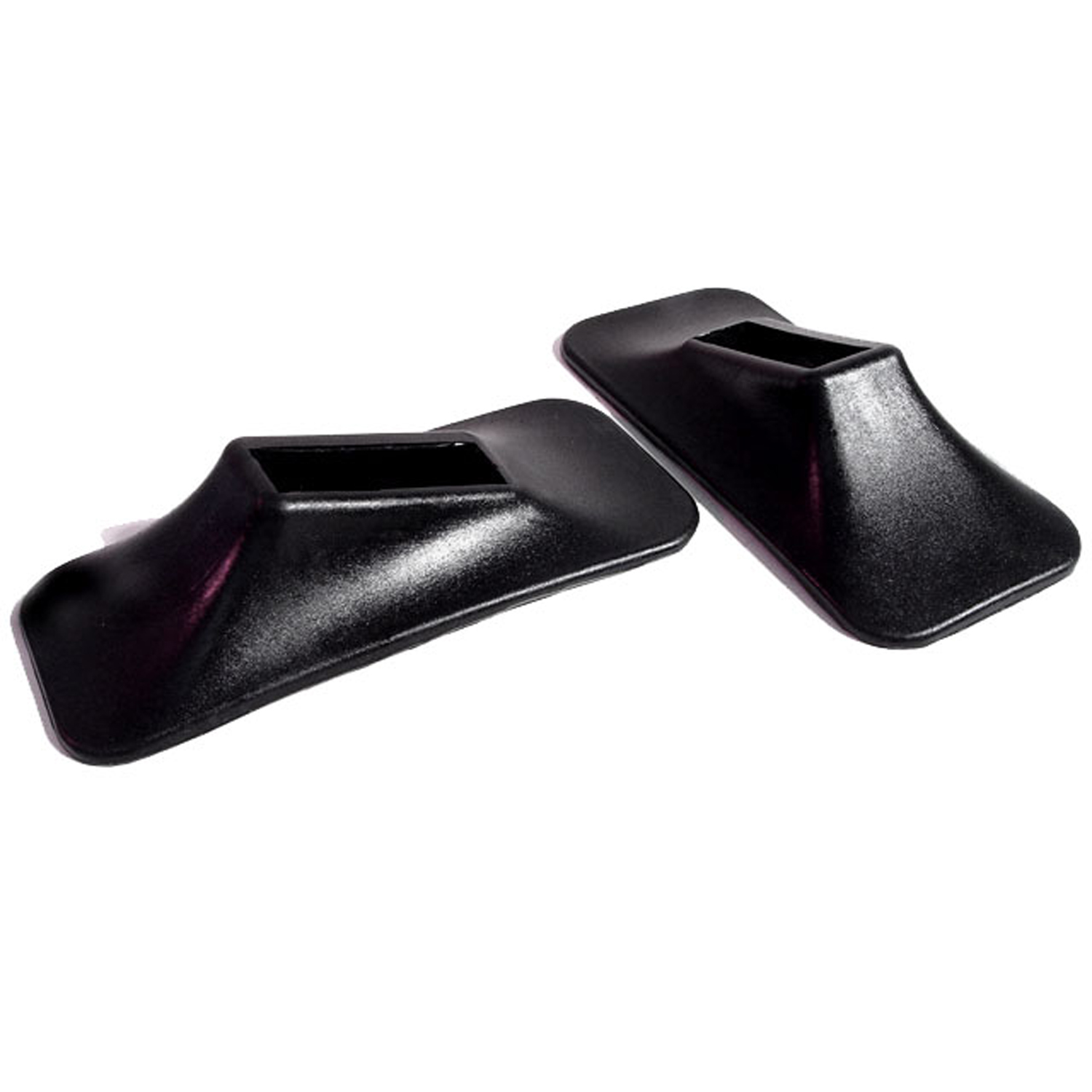 1975 Lincoln Mark IV Front Bumper Arm Grommets-BG 47Front Bumper Arm Grommets. 2" wide X 4-1/2" long, with 1-3/4" long inner slot. Pair
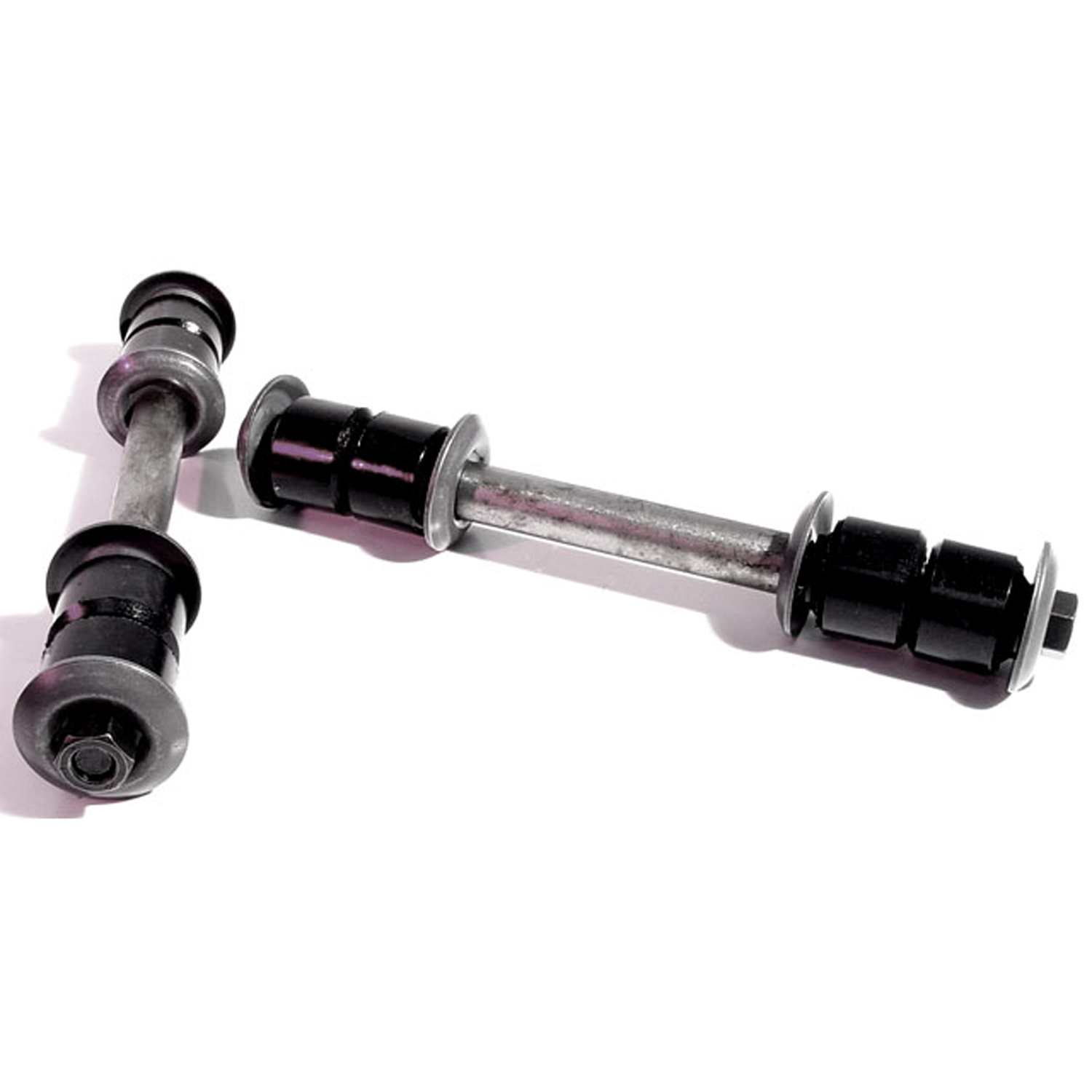 1975 Lincoln Mark IV Front Stabilizer End Repair Kit-BNK 21Front Stabilizer End Repair Kit. 22-piece set for two stabilizer bars. Contains all rubber bushings, washers, bolts and nuts, enough for one front end. Set
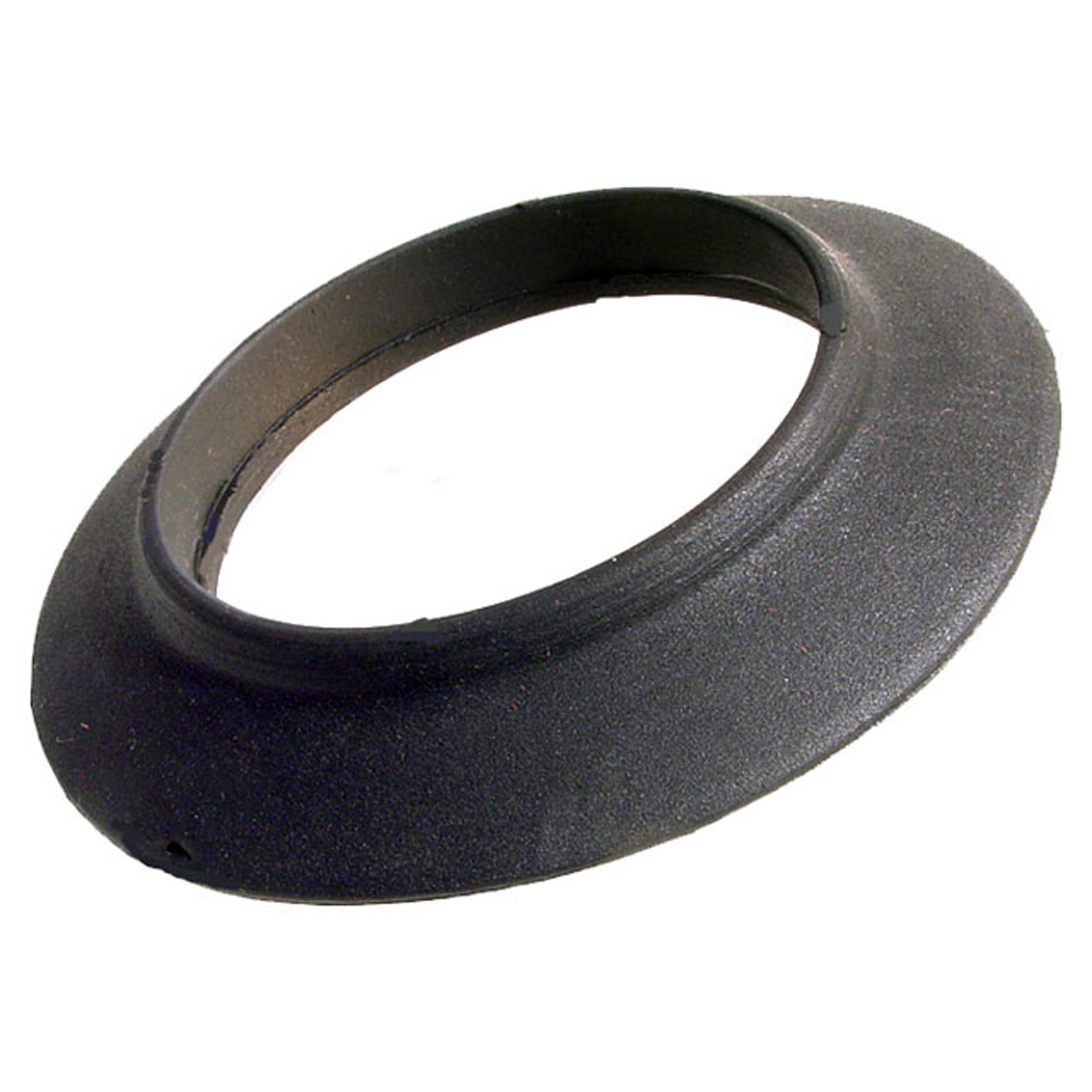 1975 Lincoln Mark IV Gas Filler Grommet. 2-1/2" I.D., 4-1/8" O.D. Each-GF 24Gas Filler Grommet. 2-1/2" I.D., 4-1/8" O.D. Each
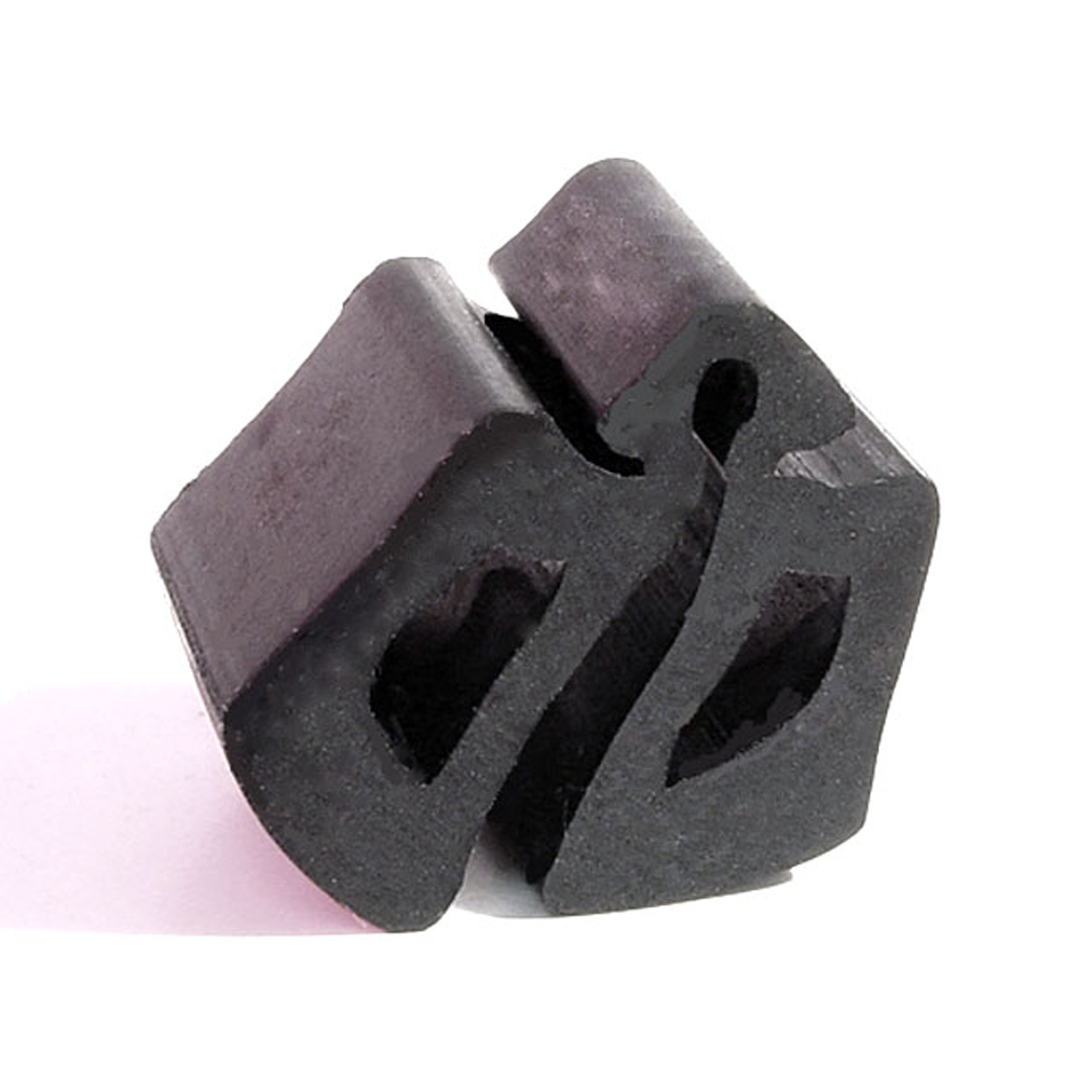 1975 Lincoln Mark IV Hood Bumper. Each-HF 2Hood Bumper. Each
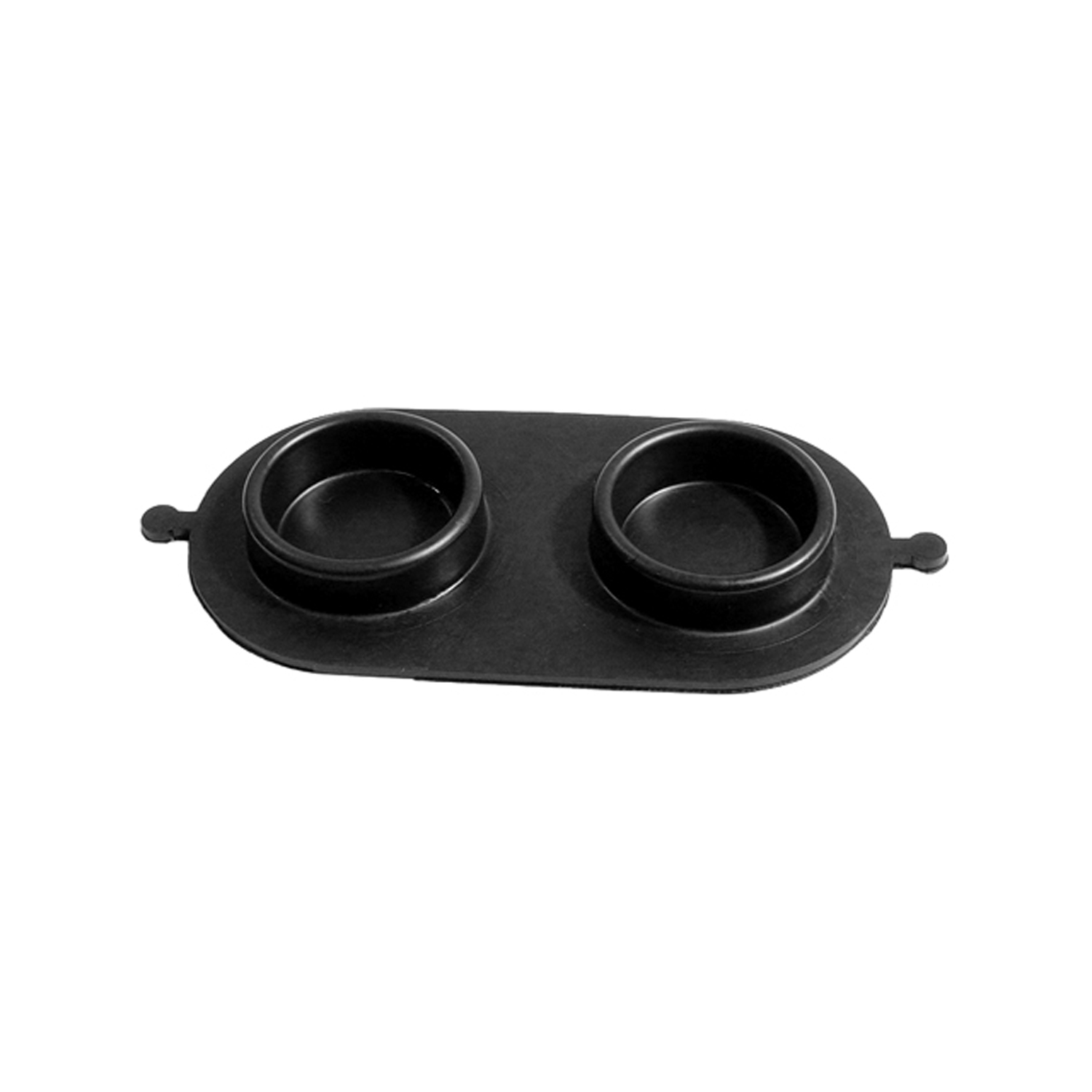 1975 Lincoln Mark IV Brake Master Cylinder Cover Seal. Replaces OEM #C7AZ2167-A-RP 2-BBrake Master Cylinder Cover Seal. Replaces OEM #C7AZ2167-A. Each
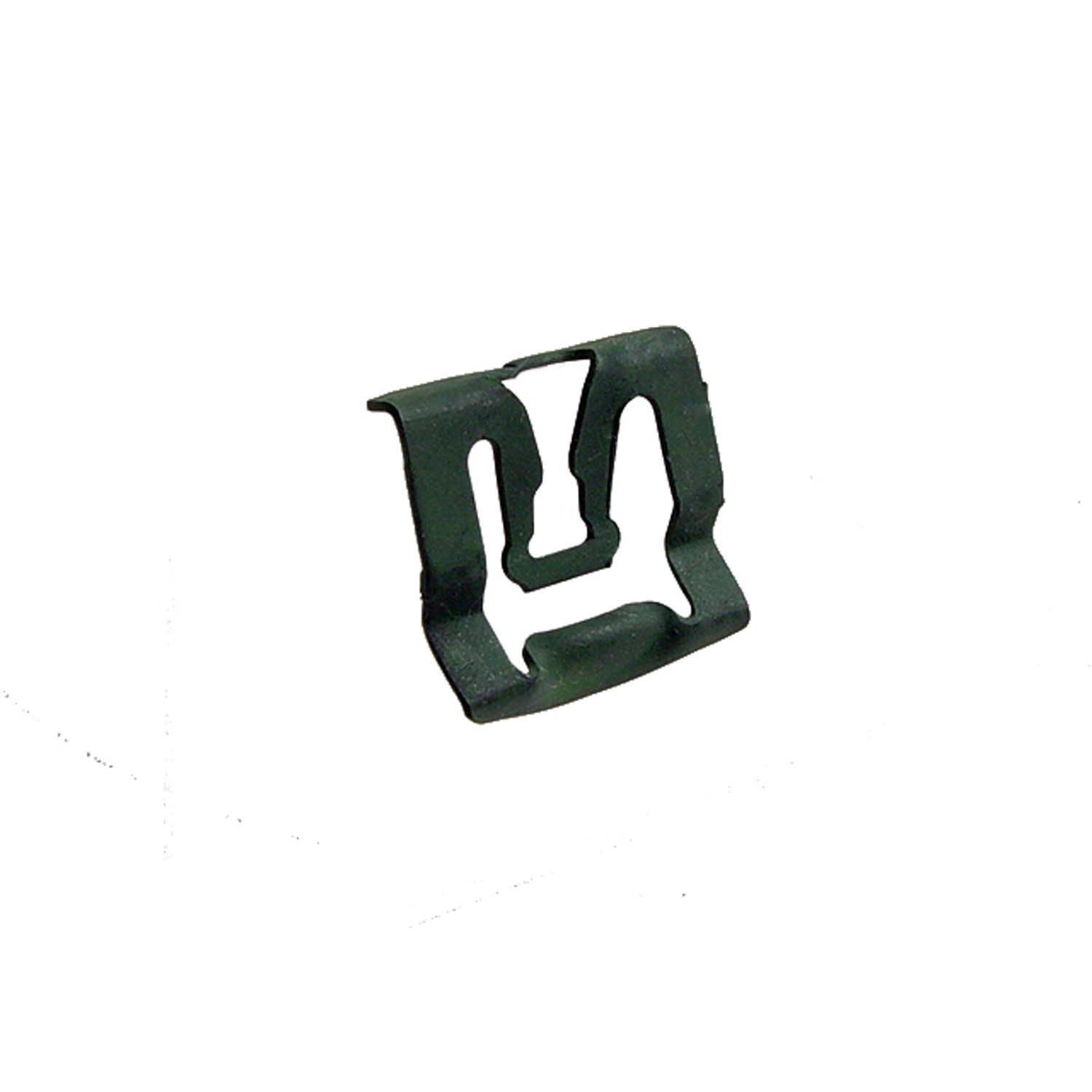 1975 Lincoln Mark IV Windshield Reveal Molding Clip. Made of steel. Each-WF 228-AWindshield Reveal Molding Clip. Made of steel. Each
Why Choose Metro?
For over 100 years, Metro Moulded Parts has been the pinnacle of quality in classic car restoration parts. Our commitment to precision and authenticity in every component ensures a perfect fit and an OEM-level appearance.
- Expert Craftsmanship & Quality: Each part is a testament to our dedication to reliability and perfection, crafted from original designs and thoroughly tested.
- Advanced Technology: We use cutting-edge techniques to create flawless, long-lasting parts that surpass others in performance.
- SuperSoft Sponge – The Ultimate Door Seal: Not only are our door seals 30% softer than competitors', but they're also guaranteed to never leak. They effectively reduce wind and road noise, enhancing your classic car's comfort and driving experience.
- Proudly American: Our parts are a product of American craftsmanship, made in the USA with a spirit of excellence and heritage.
- Unrivaled Warranty: We back our products with a 30-year industry-leading warranty, a testament to our confidence in their quality.
Join us in preserving the legacy of classic cars with parts that are crafted for perfection, not just made.