
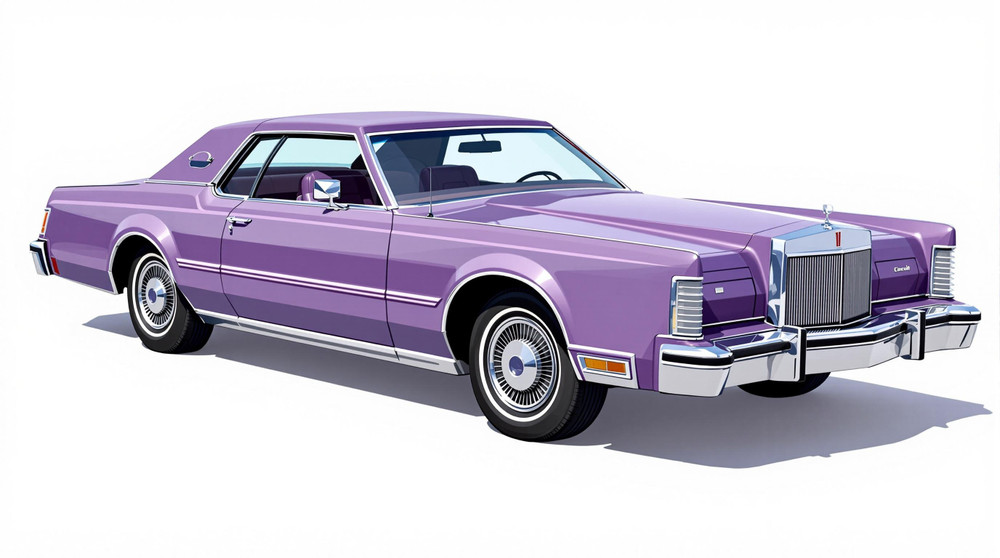
Image of 1976 Lincoln Continental, Note: These illustrations use artistic license and may differ from actual historical models.
Performance Metrics
Fundamental Metrics
Emotional Appeal
MMP Rating
| Engine Specifications | |
|---|---|
| Engine Options: | 460 CID 4V V-8 |
| Displacement Range: | 460 cubic inches (7.5 liters) |
| Horsepower Range: | 202-224 hp |
| Torque: | 352 lb-ft |
| Compression Ratio: | 8.0:1 |
| Ignition System: | Electronic |
| Cooling System: | Liquid-cooled |
| Performance Specifications | |
| 0-60 Time: | 10.5 seconds |
| 1/4 Mile Time: | 17.5 seconds |
| Top Speed: | 120 mph |
| Transmission and Drive | |
| Drive Type: | Rear-wheel drive |
| Transmission Type: | 3-speed automatic |
| Fuel and Efficiency | |
| Fuel System Type: | Carburetor |
| MPG: | 10-12 mpg |
| Dimensions and Brakes | |
| Brakes: | Power-assisted disc brakes |
| Wheelbase: | 120.4 inches |
| Weight: | 5,000 lbs |
Note: Specifications for classic cars are given to the best of our ability, considering the limited and variant data available.
1976 Lincoln Continental: The American Luxury Land Yacht
The 1976 Lincoln Continental did not whisper luxury. It announced it with a long hood, acres of polished trim, a quiet V8 and enough rear-seat room to make a full-size sedan feel like a private lounge. Built by Ford Motor Company’s Lincoln division, the Continental was a flagship for buyers who valued comfort, presence and traditional American craftsmanship over compact dimensions or sporting agility.
By 1976, the Continental represented a mature version of the postwar American luxury car. Its enormous body and formal styling came from an era when a premium car was expected to look unmistakably substantial. At the same time, it was being built amid fuel shortages, emissions rules and growing pressure to improve efficiency. That contrast makes the ’76 Continental a particularly interesting snapshot of American motoring just before the industry’s major shift toward smaller cars.
One detail that can confuse shoppers: the 1976 Lincoln Continental is not the Continental Mark IV. The Mark IV was a separate personal-luxury coupe, sharing the Lincoln name and period style but using its own model identity. The regular Continental came as a two-door coupe or four-door sedan.
Formal Styling and a Roomy Cabin
The Continental’s exterior was all measured formality. A broad, upright grille anchored the front end, while concealed headlamps kept the nose clean when the lights were off. Long, straight body sides, substantial chrome bumpers and tall rear lamps emphasized the car’s considerable length. The trunk lid’s raised center contour, often described as a spare-tire hump, echoed the classic Continental design language without being an actual external spare tire.
At roughly 233 inches long, the car occupied the road with confidence. Its proportions were not subtle, but they were carefully balanced: a long hood, a spacious passenger compartment and a broad rear deck. Federal bumper standards also shaped the look of the period. The thick bumpers were built to withstand low-speed impacts, adding weight and visual heft to an already imposing body.
Inside, the Continental prioritized comfort and a hushed, upscale atmosphere. Depending on trim and equipment, buyers could choose leather, cloth or vinyl upholstery, along with woodgrain accents, deep carpeting and generously padded seating. The wide dashboard placed its controls within easy reach, and the broad bench-seat layout made the cabin feel more like a sitting room than a cockpit. Power windows, power door locks, power seats, cruise control, automatic climate control and an AM/FM radio or 8-track player were among the available conveniences, though equipment varied by car.
Lincoln offered the Continental in a wide range of period colors, including whites, blacks, blues, greens, reds, silvers and several shades of brown and gold. Muted metallics, dark blues and traditional whites suited the car’s formal character, while two-tone combinations could make its long flanks even more conspicuous. A well-preserved original color is often a selling point today, especially when paired with a coordinated interior.
The two body styles served different tastes. The four-door sedan was the practical choice for families and chauffeur-driven use, while the coupe delivered a more personal, dramatic look. Town Car equipment and trim were available on the sedan, adding a particularly formal presentation. For many buyers, the four-door Continental Town Car best expressed the model’s stately, chauffeur-friendly personality.
Why the 1976 Continental Matters
The 1976 Continental did not introduce a revolutionary drivetrain or a new type of body construction. Its significance lies in how confidently it represented a traditional luxury formula at a time when that formula was under pressure. It offered a body-on-frame chassis, rear-wheel drive, a large-displacement V8 and an expansive cabin, all wrapped in styling that placed presence ahead of aerodynamic efficiency.
Compared with smaller luxury imports and emerging compact American cars, the Lincoln’s size and soft ride were its defining advantages. It was built for long-distance comfort and effortless cruising, not quick direction changes or tight city parking. In that sense, it carried forward the classic American idea of luxury: space, quietness, power assistance and a generous level of convenience.
Its era was drawing to a close, however. Fuel economy concerns and increasingly strict emissions and safety requirements were changing what manufacturers could build. The 1976 Continental stands near the end of the big, traditional American luxury-car period, making it an appealing choice for enthusiasts who want the experience in a mature, well-equipped form.
460 V8 Power and Highway Manners
Most 1976 Continentals were powered by Ford’s 460-cubic-inch, or 7.5-liter, V8 paired with a three-speed automatic transmission and rear-wheel drive. Output figures depend on the source and measurement standard, but period specifications commonly put the engine at about 202 horsepower and 365 lb-ft of torque. That torque, rather than high-revving horsepower, was the point. The V8 was designed to move a heavy car smoothly with minimal effort.
Performance was respectable for a vehicle of this size, but not sports-car quick. A healthy example generally takes around 10 to 12 seconds to reach 60 mph, depending on its condition, gearing and test method. Top speed is roughly in the 110 to 120 mph range, though age, tire ratings and mechanical condition matter far more than the theoretical figure. The Continental is happiest settling into a steady highway pace rather than being driven hard.
On ordinary roads, the suspension favors a soft, composed ride. It absorbs pavement joints and broad bumps well, while the long wheelbase helps the car feel settled on the highway. On a winding road, the trade-offs are obvious: substantial body lean, slow steering response and a sense of considerable mass. Strong crosswinds can also make a large, tall-sided car feel less planted than a modern sedan.
From behind the wheel, the experience is more about ease than engagement. Power steering keeps low-speed maneuvering manageable, and the automatic transmission shifts without asking much of the driver. The V8 produces a low, muted rumble under acceleration, while at cruising speed the cabin is intended to keep road and engine noise at a distance. It feels like a car designed to cover miles calmly, with the driver insulated from the rough edges of the journey.
Living With a Classic Lincoln
Today, a 1976 Continental is best suited to weekend cruising, classic-car shows, special occasions and relaxed road trips. It can be used regularly, but its size makes parking and narrow streets a challenge, and fuel consumption is significant. A realistic period-style figure is often in the single digits to low teens in miles per gallon, depending on tune, route and driving habits.
Many routine jobs are manageable for an experienced home mechanic. The 460 V8 and three-speed automatic are conventional, and many mechanical components are familiar to Ford specialists. The main ownership challenge is not that the car is impossible to repair, but that age has affected every example differently. Vacuum-operated equipment, power accessories, climate-control components, wiring, weather seals and trim can require patient troubleshooting. Body and interior parts may take more searching than common engine service items.
Before buying, check for rust around the lower body, wheel openings, floorpans and trunk. Inspect the frame, brake system, suspension and steering, and test every electrical accessory. A car that runs well but has neglected brakes, deteriorated tires or a failing fuel system can quickly become an expensive project. On a large, heavy classic, sound brakes and quality tires are essential, not optional upgrades.
Useful Trivia and Common Criticisms
Production sources generally put 1976 Continental output at about 54,700 cars, combining the regular Continental body styles. That is a substantial number, so the model is not exceptionally rare. Finding a clean, original car with good trim and a documented maintenance history is much harder than finding a project or a driver with worn cosmetics.
The model year also coincided with the United States Bicentennial. Special Bicentennial-themed cars are often associated with the Lincoln name, but the best-known 1976 Bicentennial package belonged to the separate Continental Mark IV, not the standard Continental. Buyers should confirm the model and original equipment rather than relying on a seller’s description.
The Continental’s most common criticisms are also the traits that define it: high fuel use, massive exterior dimensions, soft cornering manners and the cost of restoring neglected luxury equipment. It was not built to set speed or economy records. Its strengths were comfort, room and a dignified road presence, and those qualities explain why it still attracts attention at shows and on the road.
Collector Values and Market Outlook
As a practical 2026 market estimate, a 1976 Continental needing substantial work may sell for roughly $2,000 to $5,000. A running, presentable driver commonly falls around $6,000 to $12,000, while a very clean, well-maintained example may reach about $13,000 to $20,000. Exceptional, highly original cars or carefully restored examples can ask more, sometimes above $20,000, but condition, provenance and local demand make a major difference. These are broad estimates, not a formal appraisal.
The Continental is generally available, but individual cars vary widely in quality. Values have tended to be more affordable than those of the most famous 1950s and 1960s American classics. Clean examples have become more appealing as enthusiasts look for distinctive cars from the 1970s, but the model is not a guaranteed investment. Its market is likely to reward originality and careful upkeep more than expensive modifications or over-restoration.
For most buyers, the best purchase is a solid, complete car rather than the cheapest one on the market. Restoring bodywork, interior trim and power accessories can cost more than expected, while a cared-for driver lets its next owner enjoy the car without taking on every repair at once.
A Lasting Symbol of American Luxury
The 1976 Lincoln Continental combines a big 460 V8, a broad and carefully finished cabin, formal styling and a soft highway ride in one unmistakable package. It is not economical, nimble or rare, but it offers an experience that modern cars have largely left behind: spacious, unhurried travel in a machine built to make every road feel like a grand entrance.
For classic-car fans, the ’76 Continental is more than a large old sedan. It is a rolling reminder of the final confident years of the American land yacht, when luxury meant room to stretch out, a V8 under the hood and no need to apologize for taking up space.
1976 Lincoln Continental Catalog of Parts
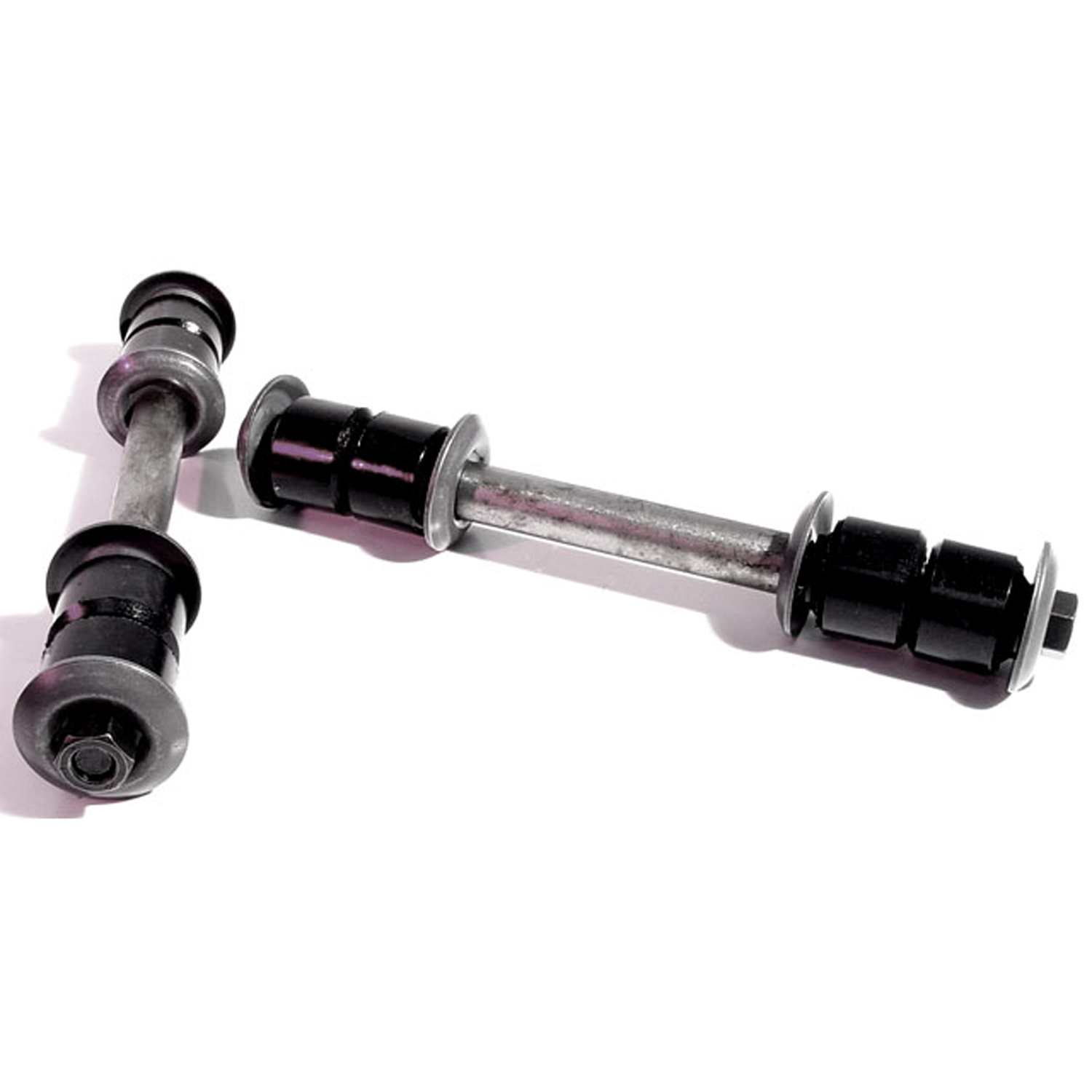 1976 Lincoln Continental Front Stabilizer End Repair Kit-BNK 21Front Stabilizer End Repair Kit. 22-piece set for two stabilizer bars. Contains all rubber bushings, washers, bolts and nuts, enough for one front end. Set
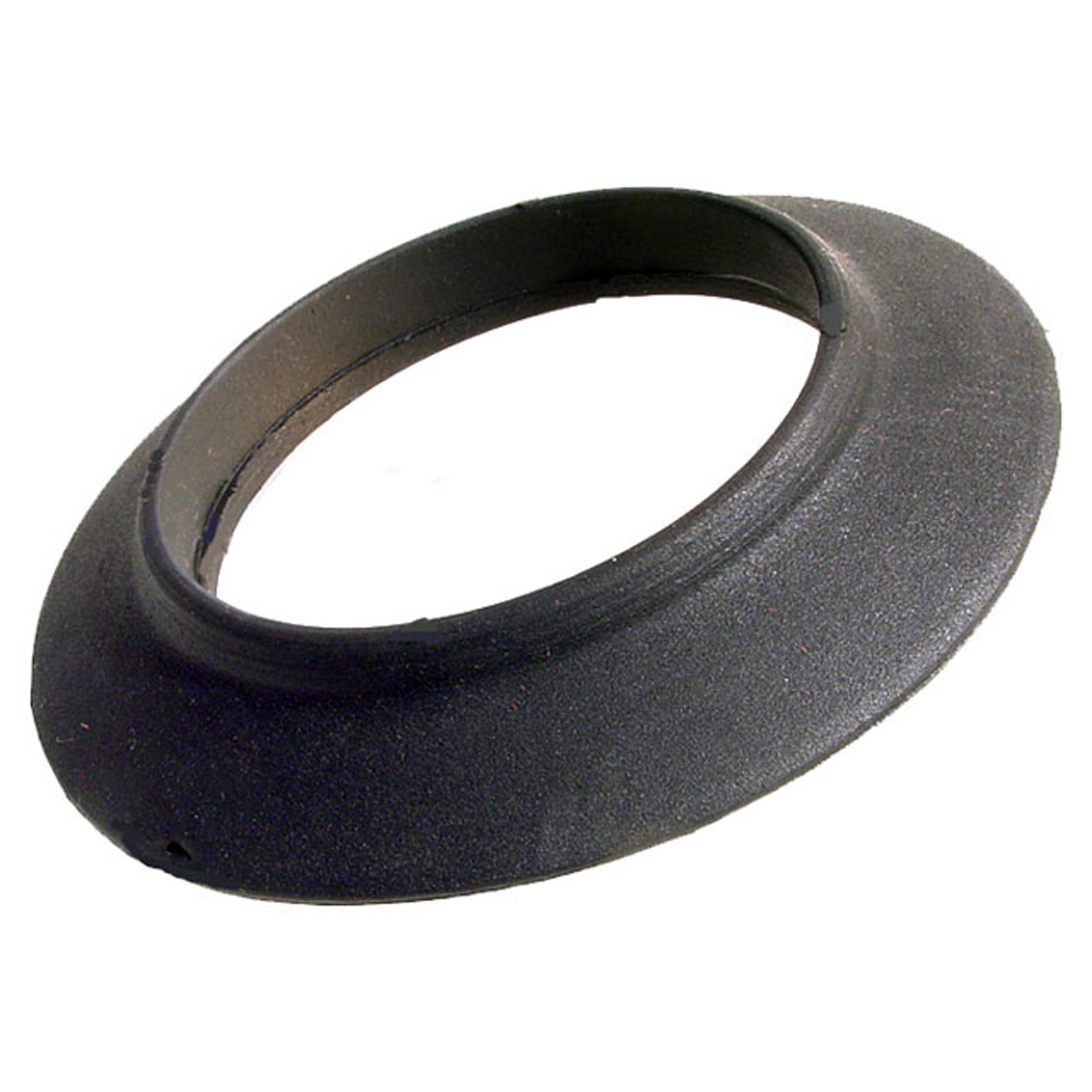 1976 Lincoln Continental Gas Filler Grommet. 2-1/2" I.D., 4-1/8" O.D. Each-GF 24Gas Filler Grommet. 2-1/2" I.D., 4-1/8" O.D. Each
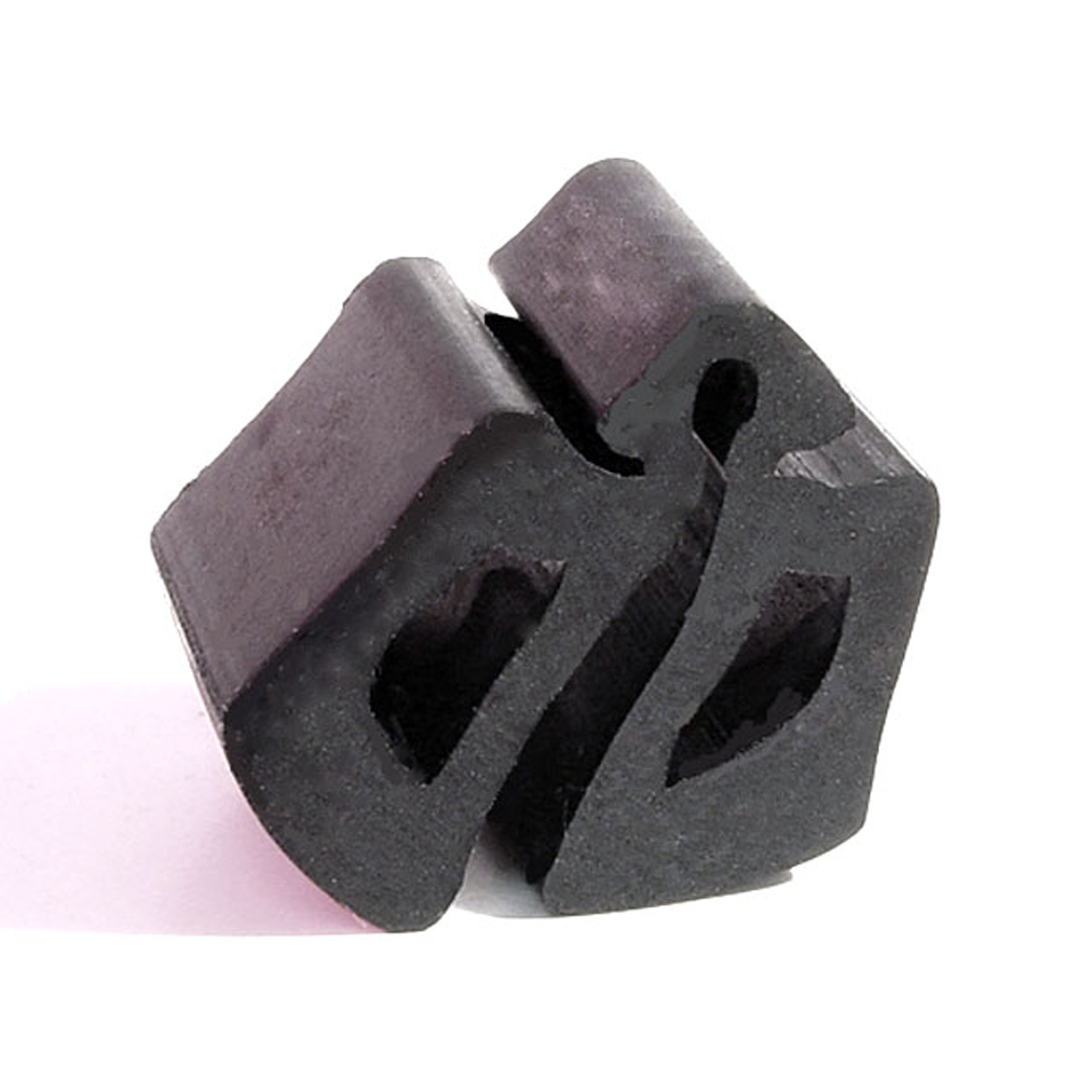 1976 Lincoln Continental Hood Bumper. Each-HF 2Hood Bumper. Each
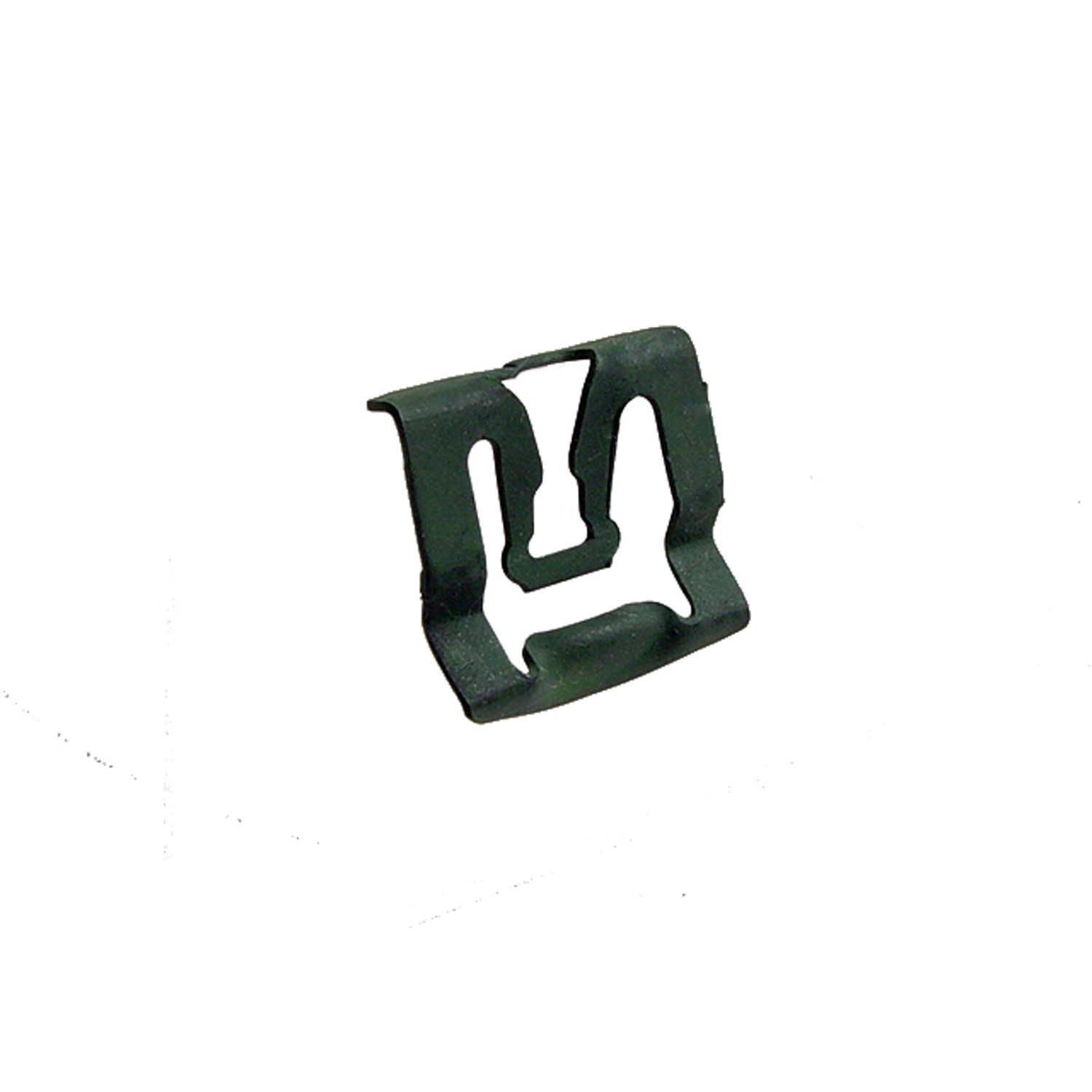 1976 Lincoln Continental Windshield Reveal Molding Clip. Made of steel. Each-WF 228-AWindshield Reveal Molding Clip. Made of steel. Each
Why Choose Metro?
For over 100 years, Metro Moulded Parts has been the pinnacle of quality in classic car restoration parts. Our commitment to precision and authenticity in every component ensures a perfect fit and an OEM-level appearance.
- Expert Craftsmanship & Quality: Each part is a testament to our dedication to reliability and perfection, crafted from original designs and thoroughly tested.
- Advanced Technology: We use cutting-edge techniques to create flawless, long-lasting parts that surpass others in performance.
- SuperSoft Sponge – The Ultimate Door Seal: Not only are our door seals 30% softer than competitors', but they're also guaranteed to never leak. They effectively reduce wind and road noise, enhancing your classic car's comfort and driving experience.
- Proudly American: Our parts are a product of American craftsmanship, made in the USA with a spirit of excellence and heritage.
- Unrivaled Warranty: We back our products with a 30-year industry-leading warranty, a testament to our confidence in their quality.
Join us in preserving the legacy of classic cars with parts that are crafted for perfection, not just made.