
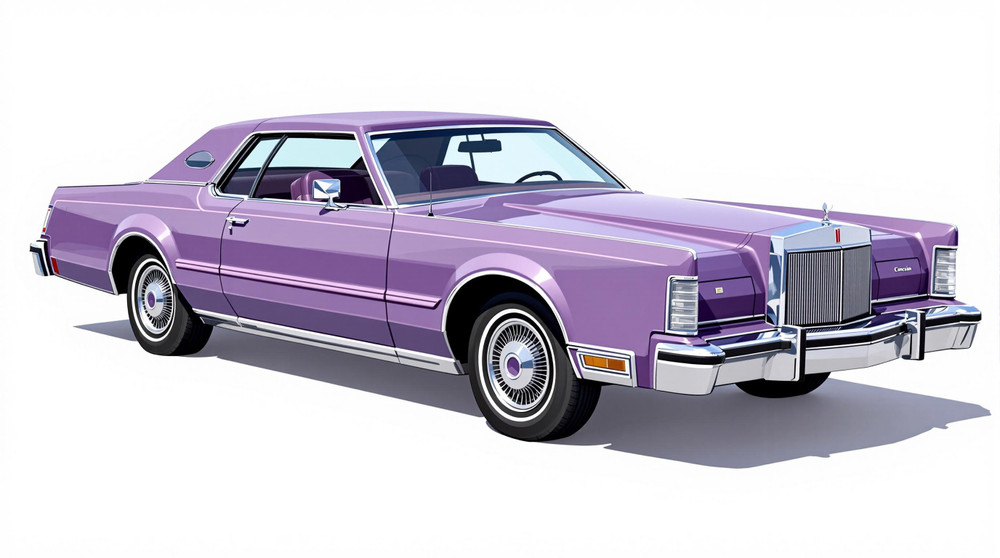
Image of 1977 Lincoln Continental, Note: These illustrations use artistic license and may differ from actual historical models.
Performance Metrics
Fundamental Metrics
Emotional Appeal
MMP Rating
| Engine Specifications | |
|---|---|
| Engine Options: | 460 CID 4V V-8 |
| Displacement Range: | 460 cubic inches (7.5 liters) |
| Horsepower Range: | 208-220 hp |
| Torque: | 356 lb-ft |
| Compression Ratio: | 8.5:1 |
| Ignition System: | Electronic |
| Cooling System: | Liquid-cooled |
| Performance Specifications | |
| 0-60 Time: | 11 seconds |
| 1/4 Mile Time: | 18 seconds |
| Top Speed: | 115 mph |
| Transmission and Drive | |
| Drive Type: | Rear-wheel drive |
| Transmission Type: | 3-speed automatic |
| Fuel and Efficiency | |
| Fuel System Type: | Carburetor |
| MPG: | 10-12 mpg |
| Dimensions and Brakes | |
| Brakes: | Power-assisted disc brakes |
| Wheelbase: | 127.2 inches |
| Weight: | 5,000 lbs |
Note: Specifications for classic cars are given to the best of our ability, considering the limited and variant data available.
1977 Lincoln Continental: The Last Word in American Luxury
The 1977 Lincoln Continental did not whisper that it was luxurious. It announced itself with a towering grille, a long, formal profile, and a cabin built for stretching out rather than rushing anywhere. Made by Ford’s Lincoln division, this full-size American luxury car carried forward a tradition that began with the original Lincoln Continental of the 1930s: comfort, presence, and a distinctly American sense of occasion.
The 1977 model arrived during a period of change. Fuel economy and emissions rules were reshaping the industry, but Lincoln had not yet downsized its flagship Continental. It remained a big, body-on-frame car, offering buyers a generous alternative to the Cadillac Fleetwood and Chrysler New Yorker. One noteworthy detail is its place in the final run of truly full-size Lincolns: the Continental would be substantially downsized for 1979, making the 1977 and 1978 cars snapshots of an outgoing American luxury-car era.
Formal Styling and Spacious Luxury
Long, squared-off, and unmistakably 1970s, the Continental looked imposing even among other large cars. Its upright grille and concealed headlamps gave the front end a clean, formal face. Along the sides, restrained brightwork emphasized the car’s length, while the rear carried Lincoln’s familiar Continental spare-tire impression in the trunk lid. Depending on trim, a padded vinyl roof and opera windows added an especially formal touch.
Inside, the Continental was designed around comfort. Buyers could find broad bench seating, plush cloth or velour upholstery, and available leather trim. Wood-tone accents, thick carpeting, and soft-touch surfaces helped create a lounge-like atmosphere. Power-adjustable front seats, power windows and door locks, cruise control, air conditioning, and an AM/FM stereo were among the conveniences available, with equipment varying by trim and options. Automatic climate control and an eight-track player could make a well-equipped example feel remarkably indulgent for its time.
Lincoln offered the Continental as a four-door sedan and a two-door coupe. Town Car and Town Coupe versions added more formal trim, including distinctive roof treatments. The four-door Town Car is often the best-known version today, thanks to its stately roofline and rear opera-window look, although the coupe has its own appealing long-and-low proportions. The Continental was sold in a wide range of period colors, from traditional blacks, whites, and silvers to deeper blues, greens, and browns. Dark, conservative shades remain especially popular with collectors seeking the classic Lincoln look.
Full-Size Significance in a Changing Era
The 1977 Continental was not a technological revolution, and that was part of its appeal. It refined the traditional American luxury formula: substantial size, a smooth V8, a quiet cabin, and a soft ride. Its body-on-frame construction and long wheelbase helped deliver the solid, isolated feel buyers expected from a high-end domestic car.
What set it apart from many contemporaries was the scale and confidence of its design. The Continental looked like a formal automobile, not merely a family sedan with extra trim. Its concealed headlights, upright grille, spare-tire styling, and generous roof treatments helped preserve a recognizable Lincoln identity. The car also represents a turning point in the broader industry. As fuel prices, emissions requirements, and changing tastes pushed manufacturers toward smaller cars, the 1977 Continental stood among the last of the big, traditionally proportioned American luxury sedans.
V8 Performance and Highway Comfort
Depending on configuration, a 1977 Continental could be equipped with a 400-cubic-inch V8 or the larger 460-cubic-inch V8. Exact output varied with engine, emissions equipment, and calibration. Period net ratings were roughly 179 horsepower for the 400 and about 208 horsepower for the 460, with abundant low-speed torque. Both engines were paired with an automatic transmission, suited to relaxed cruising rather than spirited gear changes.
As a very heavy car, the Continental was never a stoplight sprinter. A healthy example may reach 60 mph in roughly 10 to 13 seconds, depending on engine and condition. Top speed is best treated as an estimate, but around 110 to 120 mph is plausible for a mechanically sound car. Neither figure captures what the Lincoln was built to do: gather speed smoothly and cover long distances without making the driver work hard.
The ride is soft and composed over ordinary bumps, with the long wheelbase helping the car glide over uneven pavement. On a winding road, its size and comfort-oriented suspension become more obvious. Expect body roll, a broad turning circle, and steering that feels less precise than a modern car. From behind the wheel, the V8’s low rumble and the gentle sweep of the speedometer are part of the experience. The Continental feels most at home on an open highway, where it settles into a quiet, unhurried rhythm.
Living With a 1977 Continental
Today, the Continental is most often used as a show car, weekend cruiser, or distinctive classic for special occasions. Some owners do drive them regularly, but the car’s size, thirsty V8s, and age make it less practical as an everyday commuter. Fuel consumption can be very high by modern standards, and actual mileage depends heavily on engine, tuning, traffic, and driving style.
Mechanical repairs are generally approachable for an owner familiar with older American cars. The V8s and automatic transmissions are conventional designs, and many routine service jobs do not require specialized tools. The bigger ownership challenge is often finding trim and body parts in good condition. Before buying, check for rust, worn suspension components, transmission behavior, cooling-system problems, and electrical faults. Power accessories, vacuum-operated components, and older air-conditioning systems may need patient troubleshooting.
Lincoln Facts Worth Knowing
The Continental’s imposing dimensions are part of its personality. It measures roughly 19 feet from bumper to bumper, depending on body style, and its long wheelbase contributes to the relaxed ride. Its scale also helps explain why parking and tight urban streets can feel like a separate driving challenge.
The 1977 Continental was available in both coupe and sedan form, with the Town Car and Town Coupe providing more upscale trim. It is not the same car as the Continental Mark V, a separate personal-luxury coupe that shared the Lincoln name and period styling cues. That distinction matters when comparing production figures, prices, and parts.
One common criticism is that the Continental is simply too large and too inefficient for modern life. Others point to its heavy handling and the maintenance demands of aging luxury equipment. Those are fair observations, but they are also part of the car’s character: the 1977 Lincoln was built when American luxury meant generous space, a soft ride, and a V8 with room to spare.
Collector Value and Availability
For a broad guide, a 1977 Continental in project or rough-driver condition may sell for around $2,000 to $6,000. A usable, presentable car often falls in the $6,000 to $15,000 range, while a very clean, well-maintained example can reach roughly $15,000 to $25,000 or more. Exceptional originality, low mileage, desirable equipment, and documented restoration can push a price higher. These are general estimates, not fixed market values, and local demand and condition make a major difference.
The Continental is not especially rare in the collector-car world. A reasonable estimate for total 1977 Continental production across body styles and trims is roughly 160,000 to 180,000 cars, though exact totals depend on which versions are counted. That makes ordinary examples fairly attainable, while an unusually original Town Car or a clean, well-optioned coupe can be harder to find.
Values have generally remained affordable compared with more famous classic Lincolns and premium muscle cars. Interest has grown among buyers drawn to 1970s design and full-size cruisers, but the model is not a guaranteed investment. The best examples may appreciate gradually, while cars needing extensive rust repair or trim restoration can remain costly projects. Buy condition and originality first, and treat any rise in value as a bonus.
Why the 1977 Continental Still Matters
The 1977 Lincoln Continental brought together the qualities that defined a traditional American luxury car: imposing styling, a richly appointed cabin, V8 power, and a ride made for long-distance comfort. Its broad availability makes it more attainable than many collector favorites, while its size and formal design give it an unmistakable presence.
It was not built to chase corners or sip fuel. It was built to make the road feel smaller and the journey feel slower. More than a big old Lincoln, the 1977 Continental is a rolling reminder of the moment just before American luxury cars began to change for good.
1977 Lincoln Continental Catalog of Parts
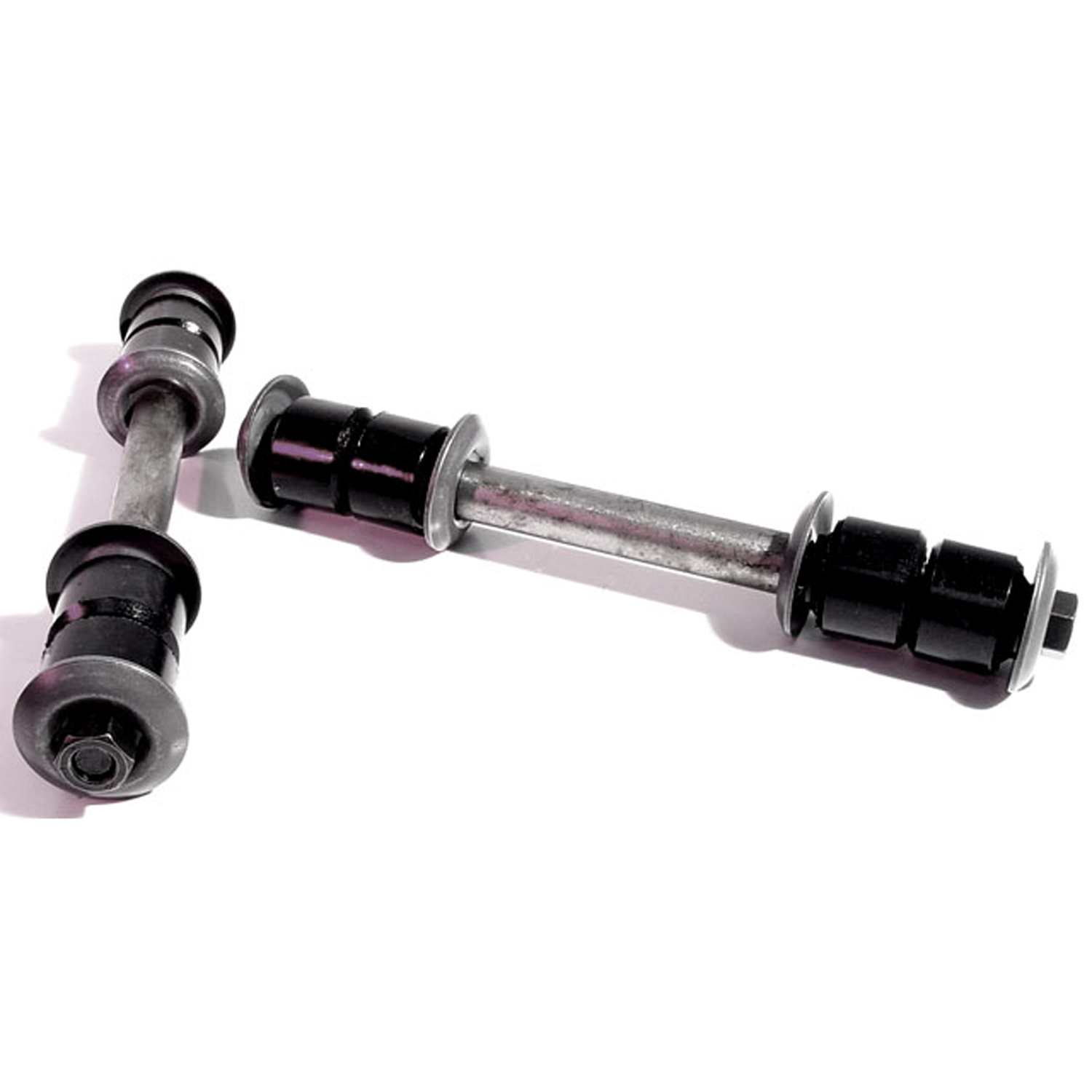 1977 Lincoln Continental Front Stabilizer End Repair Kit-BNK 21Front Stabilizer End Repair Kit. 22-piece set for two stabilizer bars. Contains all rubber bushings, washers, bolts and nuts, enough for one front end. Set
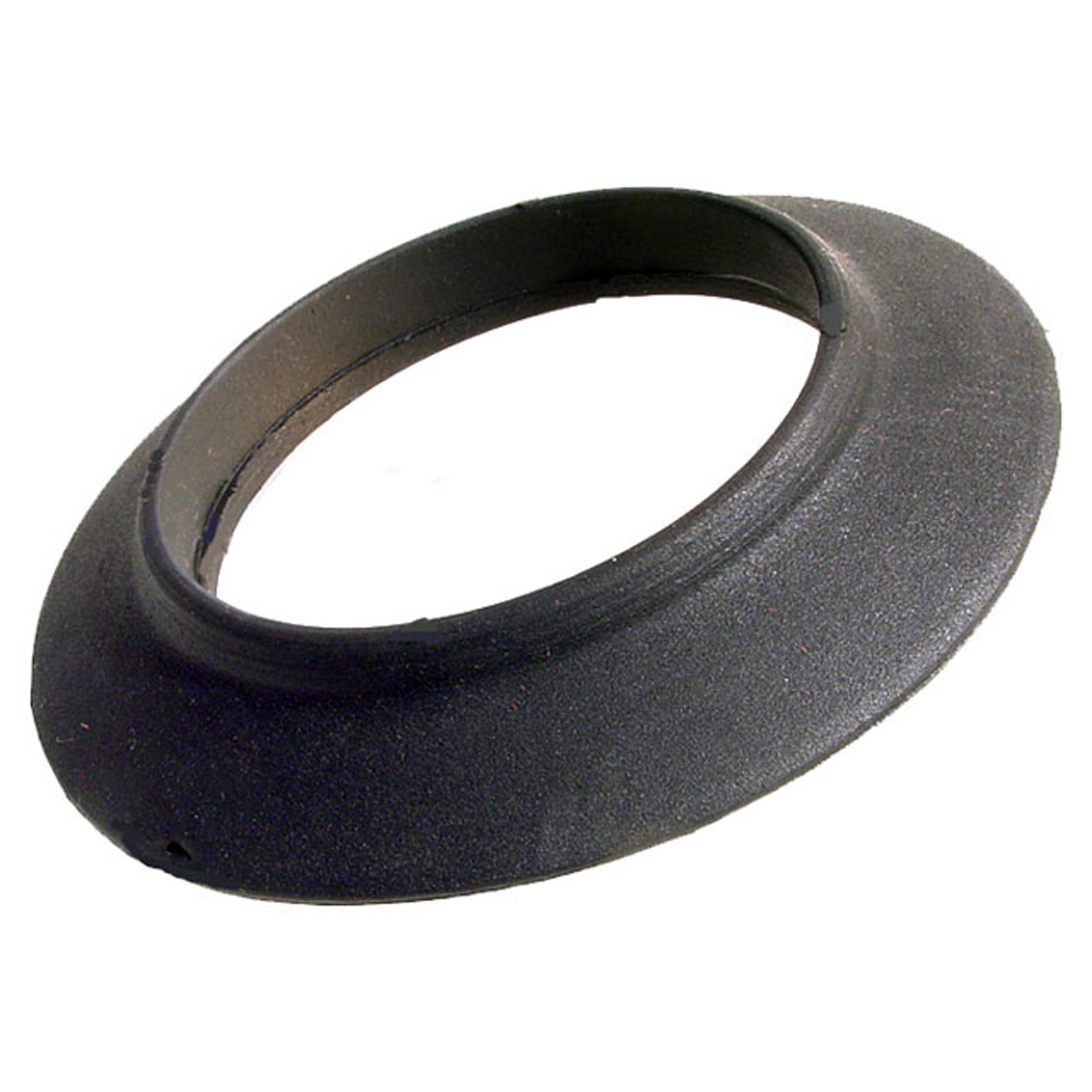 1977 Lincoln Continental Gas Filler Grommet. 2-1/2" I.D., 4-1/8" O.D. Each-GF 24Gas Filler Grommet. 2-1/2" I.D., 4-1/8" O.D. Each
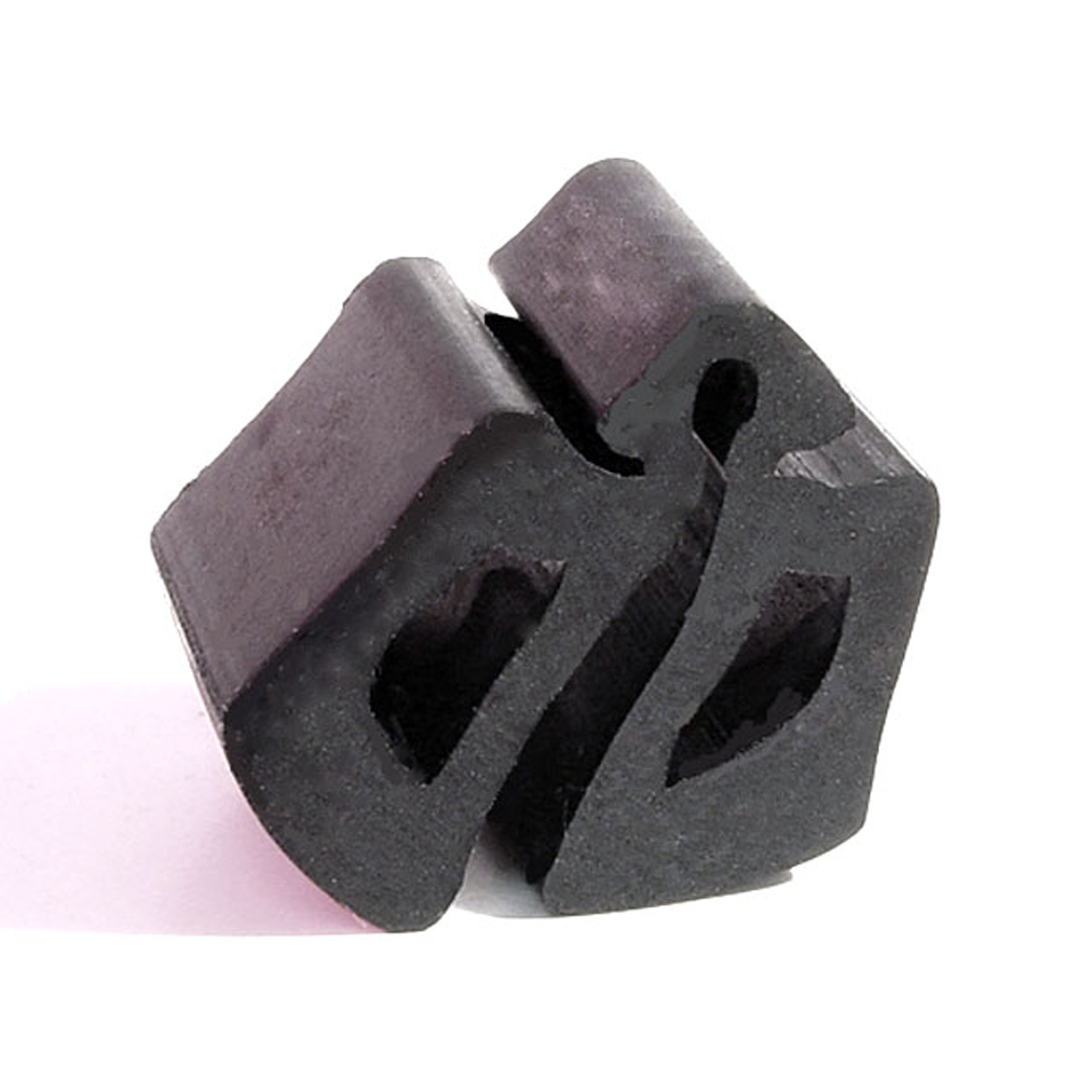 1977 Lincoln Continental Hood Bumper. Each-HF 2Hood Bumper. Each
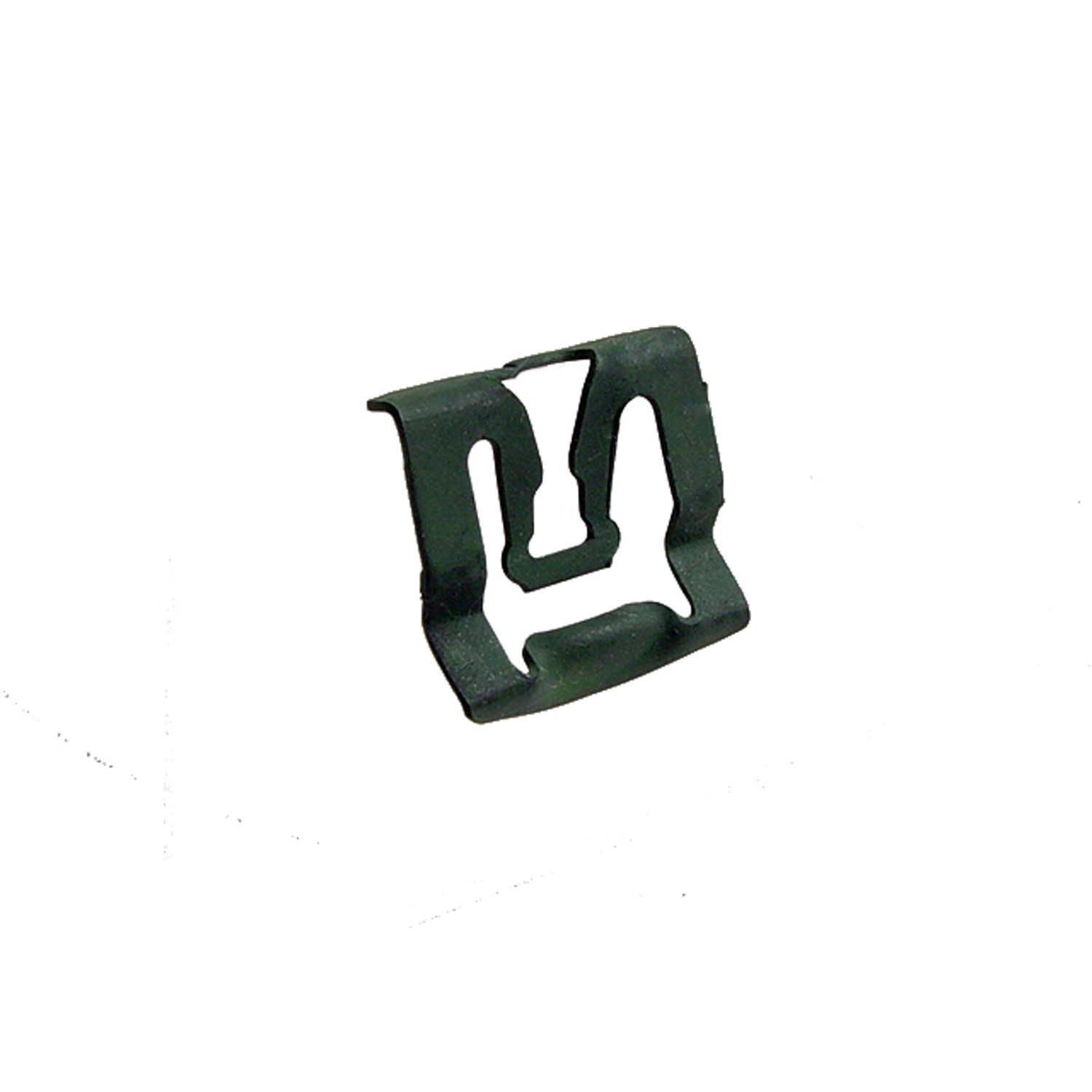 1977 Lincoln Continental Windshield Reveal Molding Clip. Made of steel. Each-WF 228-AWindshield Reveal Molding Clip. Made of steel. Each
Why Choose Metro?
For over 100 years, Metro Moulded Parts has been the pinnacle of quality in classic car restoration parts. Our commitment to precision and authenticity in every component ensures a perfect fit and an OEM-level appearance.
- Expert Craftsmanship & Quality: Each part is a testament to our dedication to reliability and perfection, crafted from original designs and thoroughly tested.
- Advanced Technology: We use cutting-edge techniques to create flawless, long-lasting parts that surpass others in performance.
- SuperSoft Sponge – The Ultimate Door Seal: Not only are our door seals 30% softer than competitors', but they're also guaranteed to never leak. They effectively reduce wind and road noise, enhancing your classic car's comfort and driving experience.
- Proudly American: Our parts are a product of American craftsmanship, made in the USA with a spirit of excellence and heritage.
- Unrivaled Warranty: We back our products with a 30-year industry-leading warranty, a testament to our confidence in their quality.
Join us in preserving the legacy of classic cars with parts that are crafted for perfection, not just made.