

Image of 1977 Lincoln Versailles, Note: These illustrations use artistic license and may differ from actual historical models.
Performance Metrics
Fundamental Metrics
Emotional Appeal
MMP Rating
| Engine Specifications | |
|---|---|
| Engine: | 302 cu in (4.9 L) Windsor V8 |
| Displacement: | 4942 cc |
| Horsepower: | 130-140 hp |
| Torque: | 244 lb-ft |
| Compression Ratio: | 8.4:1 |
| Ignition System: | Electronic |
| Cooling System: | Liquid-cooled |
| Performance Specifications | |
| 0-60 Time: | 12 seconds |
| 1/4 Mile Time: | 18 seconds |
| Top Speed: | 105 mph |
| Transmission and Drive | |
| Drive Type: | Rear-wheel drive |
| Transmission Type: | 3-speed C4 automatic |
| Fuel and Efficiency | |
| Fuel System Type: | Carburetor |
| MPG: | 15-18 mpg |
| Dimensions and Brakes | |
| Brakes: | Disc brakes |
| Wheelbase: | 109.9 in |
| Weight: | 3,880 lbs |
Note: Specifications for classic cars are given to the best of our ability, considering the limited and variant data available.
1977 Lincoln Versailles: Lincoln Luxury in a Smaller Package
The 1977 Lincoln Versailles brought a formal, Town Car-inspired look to a compact American sedan, pairing Lincoln trim with the bones of the Ford Granada. Built by Ford Motor Company under its Lincoln division, the Versailles was designed for buyers who wanted traditional American luxury without the bulk of a full-size Continental.
Its arrival reflected a major shift in the luxury-car market. The 1970s brought higher fuel prices and growing interest in smaller premium cars, and Cadillac’s Seville had already shown that a compact luxury sedan could attract buyers. Lincoln answered with the Versailles, introduced during the 1977 model year. One detail still makes it stand out among American cars of the period: it came with four-wheel disc brakes, including rear discs, at a time when rear drum brakes were the norm.
Formal Styling and Lincoln Comfort
The Versailles had the upright proportions of a classic American luxury car, scaled down to fit its shorter platform. At the front, a tall, closely spaced grille gave the sedan an unmistakably Lincoln face. Rectangular headlamps, a squared-off hood, and restrained brightwork reinforced its formal character. From the side, the roofline and rear styling echoed larger Lincoln models, while the compact body revealed its connection to the Granada.
The Versailles was offered only as a four-door sedan. There was no coupe, convertible, or wagon, so its defining configuration was the formal sedan with a vinyl-covered roof and upscale exterior trim. Those familiar with the Granada might recognize the basic body shape, but the Lincoln-specific grille, rear styling, trim, and roof treatment gave the Versailles a more substantial presence.
Inside, the car aimed for a traditional luxury feel rather than a sporty one. Depending on equipment and upholstery choice, buyers could find plush carpeting, wood-tone trim, power accessories, and leather seating. The dashboard and basic cabin layout shared much with the Granada, but Lincoln added richer materials and extra sound insulation to make the cabin feel quieter and more refined. Period paint choices ranged across the subdued metallics and deep, formal shades popular in the late 1970s. Silver, dark blue, black, and burgundy examples suit the car’s understated character particularly well.
Convenience equipment was a major part of the Versailles appeal. Power steering and brakes, power windows and locks, air conditioning, and cruise control were among the features available, with equipment varying by car. Its four-wheel disc-brake setup was the standout engineering feature. The brakes were not anti-lock, but having discs at all four corners offered a more sophisticated braking arrangement than the drum-brake systems common on many domestic sedans.
Why the Versailles Mattered
The Versailles represented Lincoln’s attempt to adapt its brand to a market that no longer wanted every luxury car to be enormous. Its smaller footprint made it easier to maneuver and park than a full-size Lincoln, while its equipment and styling promised a familiar luxury experience. In that sense, it anticipated the ongoing move toward premium cars that were more manageable in size.
Its shared platform was both a practical advantage and a lasting source of criticism. The Versailles was based on the Ford Granada, and the two cars shared much of their underlying structure and basic cabin architecture. That let Ford develop a compact Lincoln without creating an entirely new platform, but some buyers felt the Versailles asked a premium price for a car with visible mainstream roots. The Cadillac Seville, its most obvious rival, had a more distinct design and helped set a high bar for purpose-built compact luxury.
Still, the Versailles deserves credit for bringing Lincoln equipment and finish to a smaller sedan and for using four-wheel disc brakes in a segment where they were far from universal. Its history captures a familiar challenge in the car business: making a smaller, less expensive vehicle feel genuinely special when customers can see the family resemblance beneath the trim.
Engine, Speed, and Road Manners
The 1977 Versailles was powered by a 351-cubic-inch (5.8-liter) Ford V8, paired with an automatic transmission. Later Versailles model years used smaller V8s, so it is worth checking the model year and engine identification when shopping. As with many cars of the period, horsepower figures can vary by source and measurement standard, and the 1977’s V8 delivered relaxed low-speed power rather than modern performance-car urgency.
Period-style estimates put a 1977 Versailles’ 0-to-60-mph time around 10 to 12 seconds, with a top speed in the neighborhood of 100 to 110 mph, depending on condition and gearing. Treat those as approximate figures, not guaranteed test results for every surviving car. The Versailles was built for smooth progress, not quick launches or high-speed cornering.
On a typical road, the V8’s low rumble and automatic transmission encourage an unhurried driving style. The steering is power-assisted and light by classic-car standards, making parking and city driving manageable. Its suspension is tuned for comfort, so it generally takes bumps and broken pavement in a softer, more compliant way than a sporty sedan. On winding roads, the Versailles feels more like a traditional luxury cruiser than a nimble handler: body roll is noticeable, and its size and weight favor steady, measured inputs.
That driving character is part of the car’s appeal. The engine supplies the familiar sound and feel of a period Ford V8, while the cabin and suspension take the edge off ordinary trips. A well-maintained example should feel composed, though old tires, worn suspension bushings, tired shocks, and out-of-adjustment brakes can quickly undermine the experience.
Living With a Versailles
Most Versailles owners today use their cars as weekend cruisers, local show cars, or occasional drivers. The model is not generally considered a racing platform, and its comfortable suspension, luxury equipment, and modest performance suit relaxed road use far better than competition.
Mechanical upkeep is reasonably approachable for an owner familiar with classic Fords. The V8, automatic transmission, and many chassis components are related to widely produced Ford parts, which helps with routine servicing and repairs. The Ford 9-inch rear axle is also a familiar and well-supported design. The more challenging items are often the Versailles-specific pieces: body trim, grille parts, interior fittings, upholstery details, and some rear-disc brake components. Those may require patience, specialist suppliers, or a donor car.
As with any nearly 50-year-old car, condition matters more than the badge. Inspect the body carefully for rust, especially around the lower panels, wheel openings, trunk area, and places where vinyl-roof trim can hide corrosion. Check that the rear disc brakes operate properly, that the parking brake works, and that power accessories function. A thorough inspection of the cooling system, transmission, and suspension is also wise before buying.
Versailles Trivia and Common Criticisms
The Versailles’ best-known engineering talking point is its four-wheel disc braking system, which helped distinguish it from many contemporary American sedans. Its other claim to historical interest is less flattering but equally important: it became a classic example of the debate over platform sharing. Lincoln gained a smaller luxury model quickly, but critics argued that the car’s Granada connections were too apparent for its price.
The Versailles was not a high-volume model. Lincoln built approximately 15,400 examples for the 1977 model year, and production across the 1977–1980 run totaled about 50,000 cars. Those figures make it less common than the Granada on which it was based, but it is not so rare that one never appears for sale. The exact condition and equipment of each surviving car matter greatly when assessing its desirability.
There is no widely recognized Versailles speed, endurance, or sales record, and it is not particularly famous for celebrity ownership. Its place in automotive history comes instead from its role in Lincoln’s response to the compact luxury-car trend, its unusual braking hardware, and the controversy surrounding its shared platform. That combination gives it more historical interest than its modest production numbers might suggest.
Collector Values and Availability
Versailles values remain comparatively accessible for a Lincoln, though clean, original examples are increasingly appealing to collectors who enjoy overlooked American cars. As a broad U.S. market estimate, a driver-quality car might sell for roughly $4,000 to $10,000. A well-kept example with sound bodywork and a tidy interior could bring about $10,000 to $18,000, while an exceptionally clean, restored, or unusually well-documented car may exceed that range. Project cars can be cheaper, but rust and missing model-specific trim can make restoration costs add up quickly.
These are general estimates rather than a formal appraisal. Local demand, originality, mechanical condition, service records, and the quality of any restoration all influence the final price. Values have generally been steady to mildly stronger for the best cars, while ordinary examples remain affordable. The Versailles is not a guaranteed investment, but its relative rarity and distinctive place in Lincoln history give good survivors a stronger case than their once-overlooked reputation might suggest.
A Compact Lincoln With a Big Story
The 1977 Lincoln Versailles combined a formal Lincoln appearance, V8 power, a comfort-focused ride, and four-wheel disc brakes in a smaller package than the brand’s traditional full-size cars. Its Granada underpinnings made it controversial, but also made it an important snapshot of how American luxury brands adapted to changing tastes in the 1970s.
Today, the Versailles is best appreciated on its own terms: not as a miniature Continental or a sports sedan, but as a distinctive, comfortable Lincoln with a complicated family tree and a surprisingly modern braking feature. Find a solid, complete example, and you get more than an affordable classic cruiser. You get a reminder of the moment Lincoln tried to redefine luxury without giving up its traditional sense of occasion.
1977 Lincoln Versailles Catalog of Parts
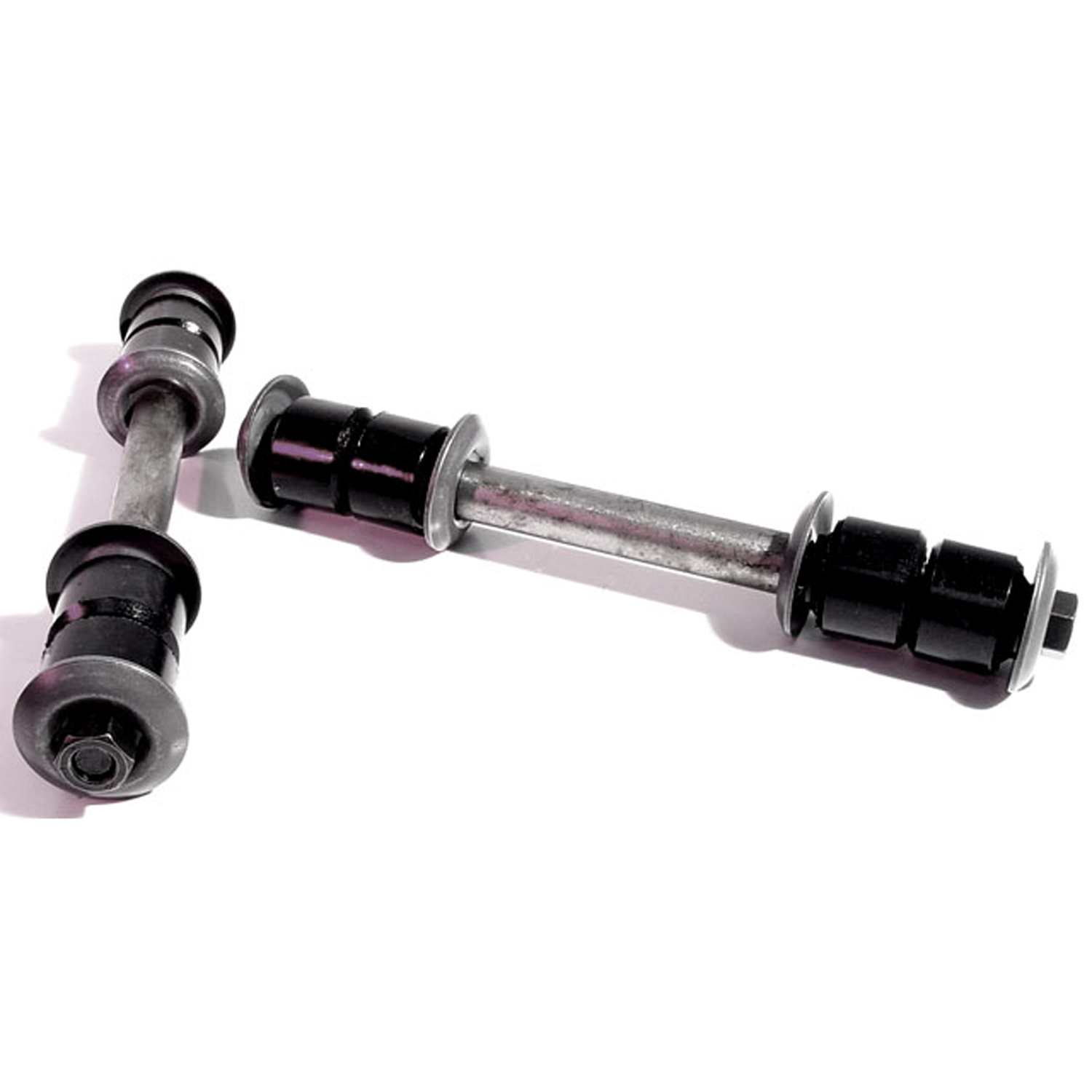 1977 Lincoln Versailles Front Stabilizer End Repair Kit-BNK 21Front Stabilizer End Repair Kit. 22-piece set for two stabilizer bars. Contains all rubber bushings, washers, bolts and nuts, enough for one front end. Set
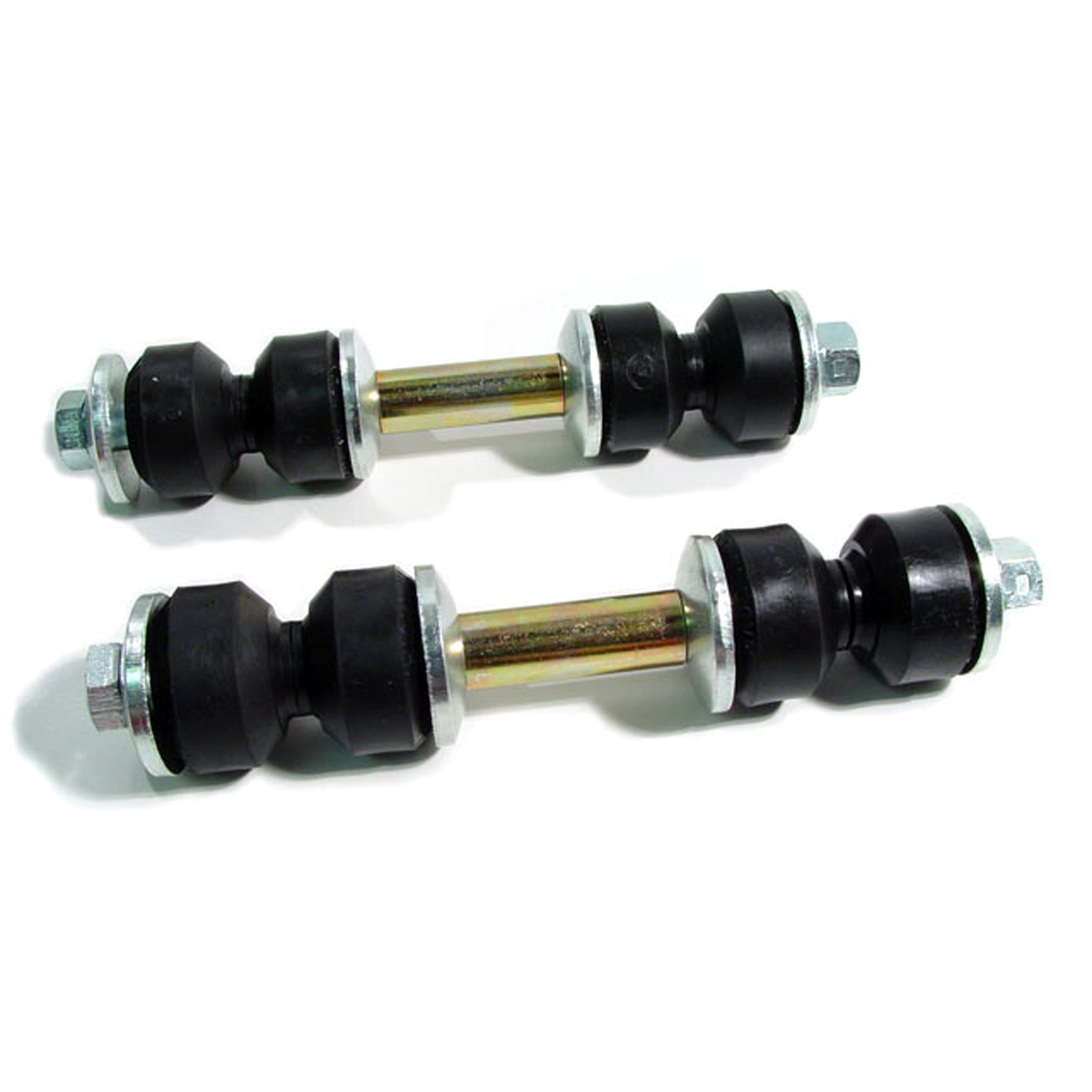 1977 Lincoln Versailles Front Stabilizer End Repair Kit-BNK 22Front Stabilizer End Repair Kit. 22-piece set for two stabilizer bars. Contains all rubber bushings, washers, bolts and nuts, enough for one front end. Set
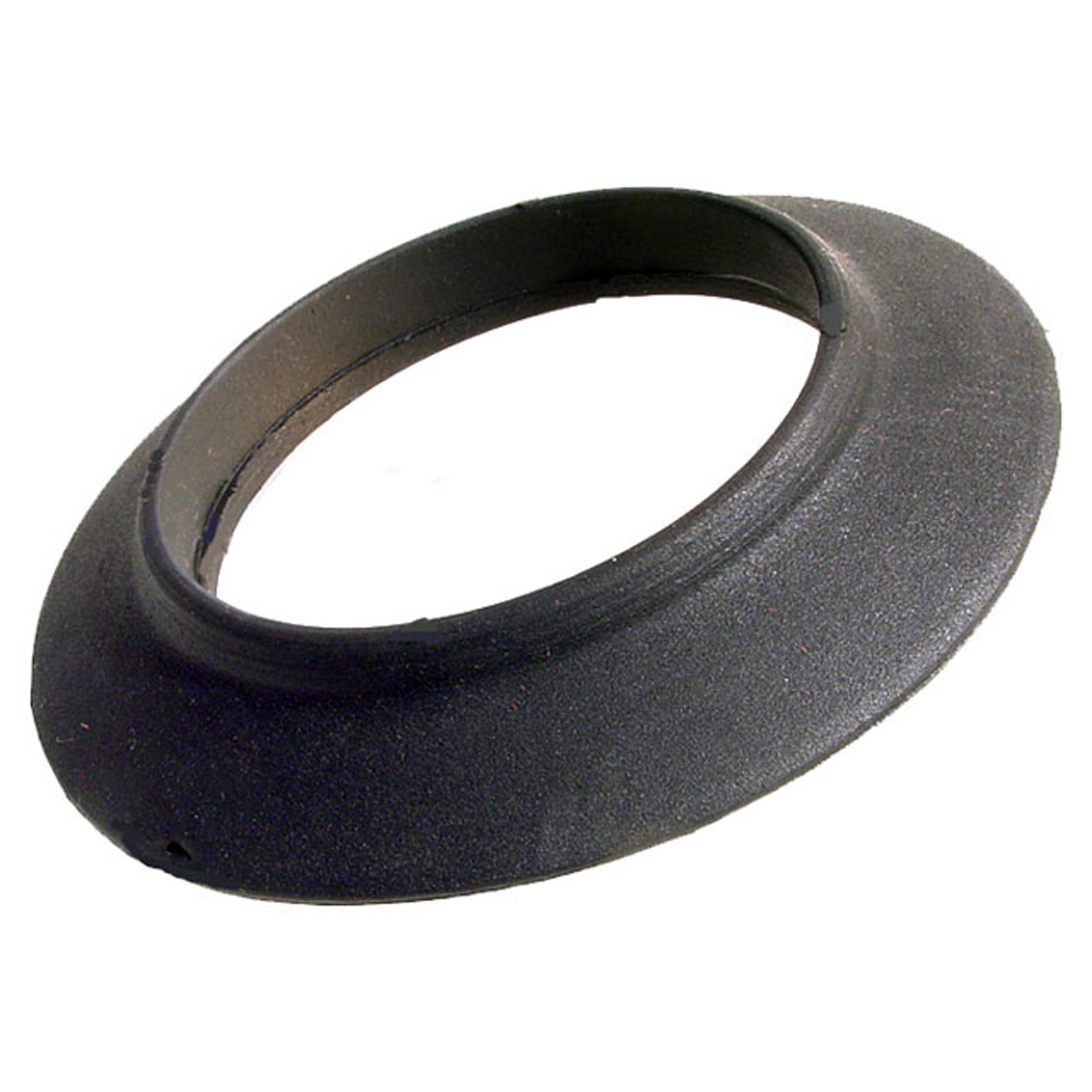 1977 Lincoln Versailles Gas Filler Grommet. 2-1/2" I.D., 4-1/8" O.D. Each-GF 24Gas Filler Grommet. 2-1/2" I.D., 4-1/8" O.D. Each
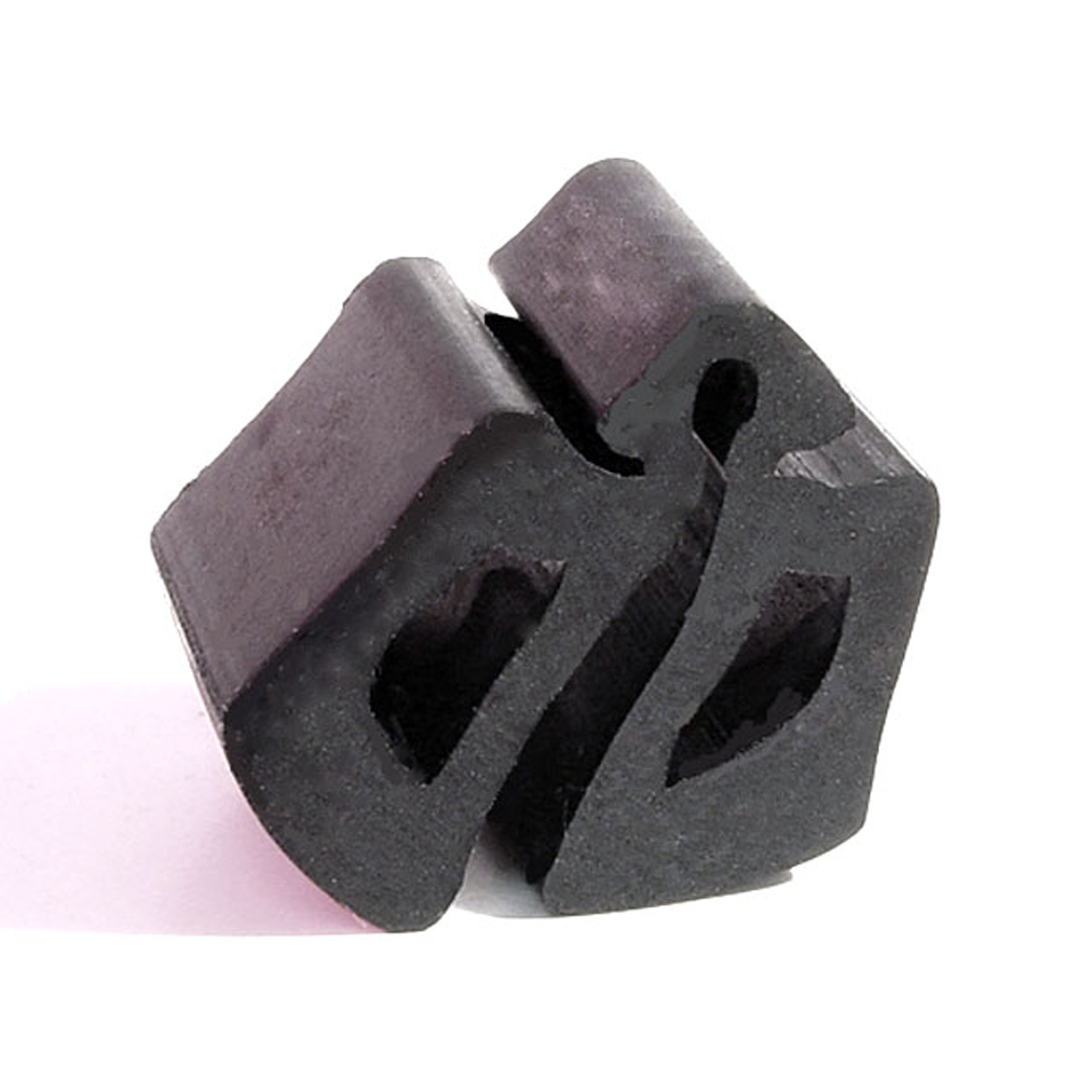 1977 Lincoln Versailles Hood Bumper. Each-HF 2Hood Bumper. Each
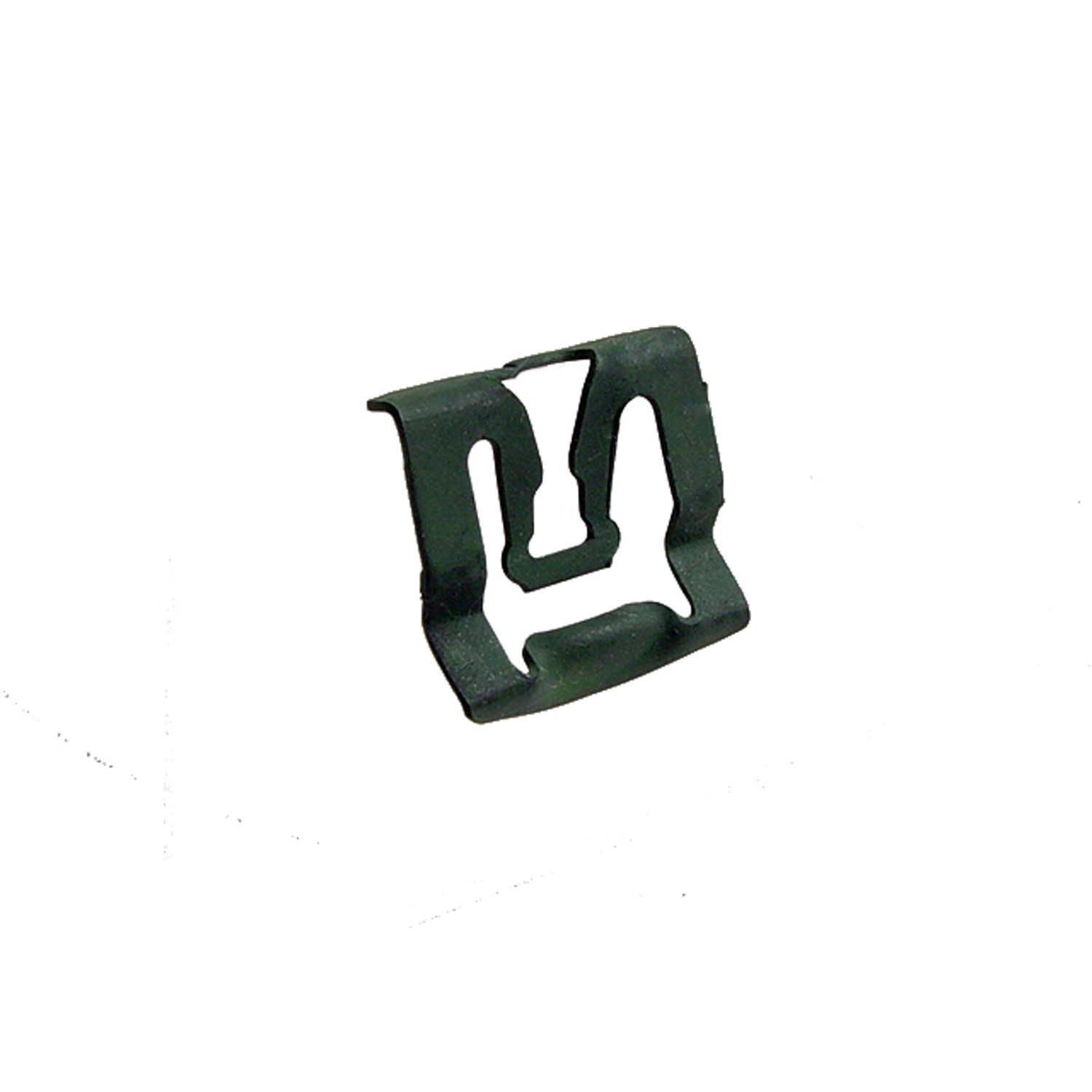 1977 Lincoln Versailles Windshield Reveal Molding Clip. Made of steel. Each-WF 228-AWindshield Reveal Molding Clip. Made of steel. Each
Why Choose Metro?
For over 100 years, Metro Moulded Parts has been the pinnacle of quality in classic car restoration parts. Our commitment to precision and authenticity in every component ensures a perfect fit and an OEM-level appearance.
- Expert Craftsmanship & Quality: Each part is a testament to our dedication to reliability and perfection, crafted from original designs and thoroughly tested.
- Advanced Technology: We use cutting-edge techniques to create flawless, long-lasting parts that surpass others in performance.
- SuperSoft Sponge – The Ultimate Door Seal: Not only are our door seals 30% softer than competitors', but they're also guaranteed to never leak. They effectively reduce wind and road noise, enhancing your classic car's comfort and driving experience.
- Proudly American: Our parts are a product of American craftsmanship, made in the USA with a spirit of excellence and heritage.
- Unrivaled Warranty: We back our products with a 30-year industry-leading warranty, a testament to our confidence in their quality.
Join us in preserving the legacy of classic cars with parts that are crafted for perfection, not just made.