

Image of 1978 Lincoln Continental, Note: These illustrations use artistic license and may differ from actual historical models.
Performance Metrics
Fundamental Metrics
Emotional Appeal
MMP Rating
| Engine Specifications | |
|---|---|
| Engine: | 400 CID 2V V-8, 460 CID 4V V-8 |
| Displacement: | 400-460 cubic inches |
| Horsepower: | 166-210 hp |
| Torque: | 320-356 lb-ft |
| Compression Ratio: | 8.0:1 |
| Ignition System: | Electronic ignition system |
| Cooling System: | Liquid-cooled |
| Performance Specifications | |
| 0-60 Time: | 11-13 seconds |
| 1/4 Mile Time: | 18-20 seconds |
| Top Speed: | 115-120 mph |
| Transmission and Drive | |
| Drive Type: | Rear-wheel drive |
| Transmission Type: | 3-speed automatic |
| Fuel and Efficiency | |
| Fuel System Type: | Carburetor |
| MPG: | 10-12 mpg |
| Dimensions and Brakes | |
| Brakes: | Power-assisted disc brakes |
| Wheelbase: | 127.2 inches |
| Weight: | 4,900-5,300 lbs |
Note: Specifications for classic cars are given to the best of our ability, considering the limited and variant data available.
1978 Lincoln Continental: The Last Era of American Grandeur
The 1978 Lincoln Continental was built for a time when luxury meant generous proportions, a quiet cabin, and a long, effortless ride. Produced by Ford Motor Company’s Lincoln division, it belonged to the final generation of full-size, traditional Lincolns before the brand’s major downsizing for 1980. It was not a Lincoln Continental Mark V: that was a separate personal-luxury coupe with its own styling and model identity.
The Continental name reached back to Edsel Ford’s custom 1939 Lincoln Continental, a car that helped establish the idea of the American luxury automobile. By 1978, the name represented a different kind of prestige: formal styling, plush appointments, and a substantial body-on-frame chassis. A notable detail is the sedan’s sculpted trunk lid, whose raised center section echoed the classic Continental spare-tire treatment, even though the spare itself was carried inside the trunk.
Formal Styling and Cabin Comfort
The 1978 Continental wore its size confidently. Its long hood, squared-off roofline, upright grille, and crisp body sides gave it the stately profile expected of a top-tier American sedan. Hidden headlamps helped keep the front end clean when the lights were off, while the vertical grille and prominent hood ornament made the car unmistakably Lincoln. Depending on trim and equipment, opera-style side windows and a padded vinyl roof added an even more formal look.
Buyers could choose a two-door coupe or a four-door sedan. The four-door was the more practical choice for family and chauffeur use, while the coupe offered a sleeker, more personal-luxury character. Town Car and Town Coupe trim packages added upscale touches; the Town Car name would become a separate Lincoln model in 1981.
Inside, the Continental emphasized comfort over sportiness. Depending on the chosen upholstery and trim, buyers could find leather, cloth, or velour seating, along with wood-look accents and deep carpeting. Wide seats, generous legroom, and a broad dashboard made the cabin feel more like a quiet lounge than a driver-focused cockpit. Power windows, power locks, power-adjustable seats, air conditioning, cruise control, and automatic climate features were available, though equipment varied by car.
Lincoln offered a broad palette of period colors, including shades of white, blue, green, red, brown, and silver, with coordinated vinyl roofs and interior colors available on many examples. Darker exterior colors paired with a contrasting padded roof were especially suited to the car’s formal character. Original paint and trim combinations can be an appealing detail for collectors, particularly when the interior remains in good condition.
Big-Car Engineering at a Turning Point
The Continental reflected the priorities of late-1970s American luxury: a body-on-frame construction, substantial dimensions, soft suspension tuning, and a large V8. It was part of the final full-size generation introduced for 1977, a period when fuel prices and changing regulations were beginning to put pressure on traditional oversized cars. Lincoln would respond with a much smaller Continental for 1980, making the 1978 model a representative of the brand’s last years of pre-downsizing scale.
Rather than introducing a single revolutionary technology, the 1978 Continental brought familiar comfort and convenience features together in a large, well-equipped package. Its significance lies in that combination and in its place at the end of an era. Compared with the more compact luxury cars that followed, it offered a notably imposing presence and the relaxed, isolated ride many buyers still expected from a Lincoln.
V8 Performance and Road Manners
Most 1978 Continentals were powered by a 400-cubic-inch V8 paired with a three-speed automatic transmission. A 460-cubic-inch V8 was also available in some configurations, although engine availability could vary by production date and market. Published output figures differ among references and depend on rating standards; the 400 was generally listed at roughly 160 to 170 net horsepower. The larger engine offered more low-speed pulling power.
Performance was measured in smoothness rather than quick acceleration. A 400-powered car typically needed about 11 to 13 seconds to reach 60 mph, depending on condition, equipment, and test method. Top speed is not consistently documented as a factory performance figure, but a healthy example could reach roughly 100 to 110 mph. These are estimates, not guaranteed results, and today’s age, tire condition, and mechanical health matter far more than a period brochure number.
On the road, the Continental’s long wheelbase and soft suspension helped it absorb broken pavement and highway seams with an easy, floating quality. The trade-off was noticeable body lean in quick corners and less agility on narrow, winding roads. Crosswinds could also make a large, high-sided car require more steering attention than a modern sedan. Its natural habitat was the open highway, where the V8’s subdued burble and the automatic transmission’s unhurried shifts encouraged a relaxed pace.
The steering was power-assisted and light, while the brakes and controls were designed for comfortable everyday operation rather than sporting precision. Drivers sit high behind a broad hood, with the car’s size always apparent when parking or maneuvering in tight spaces. The experience is less about carving a corner and more about settling into a quiet, cushioned ride.
Living With a 1978 Continental
Today, the Continental is most often used as a weekend cruiser, show car, or occasional-use classic. Its roomy cabin and relaxed highway character make it a natural choice for local events and scenic drives. It can be driven more often, but its fuel consumption, dimensions, and age make it less convenient as a modern daily driver. Owners should expect fuel economy in the neighborhood of 10 to 13 mpg, with results varying according to engine, traffic, and condition.
Routine service is familiar to many classic-car mechanics. The V8, automatic transmission, and traditional rear-wheel-drive layout are not exotic, and common maintenance work is generally straightforward for an experienced home mechanic. The bigger challenge is often finding parts for trim, body, interior, and some model-specific components. Before buying, check the frame and body for rust, inspect vinyl-roof edges and lower body panels, and test the power accessories, air conditioning, and automatic climate controls. A smooth-running engine is important, but a complete, well-preserved car can be the better investment.
Trivia, Editions, and Common Criticisms
One frequent source of confusion is the 1978 Continental Mark V Diamond Jubilee Edition. It was a special edition of the Mark V coupe, not the four-door Continental sedan or its standard two-door counterpart. The Mark V and Continental shared Lincoln’s luxury-market world, but they were distinct models.
The 1978 Continental is not widely known for a speed or endurance record, and no single celebrity association defines the model. Its more compelling claim to distinction is its timing: it captures the full-size American luxury car just before downsizing changed the category. Its sheer length, soft handling, and poor fuel economy are also the most common criticisms. Those same traits, however, are part of what makes the car feel so different from a contemporary luxury sedan.
Collector Values and Market Outlook
Production is generally estimated at around 75,000 to 80,000 1978 Lincoln Continentals, though totals can vary among published references and may depend on how body styles and trim packages are counted. That makes the car uncommon today, but not exceptionally rare. Clean examples do appear on the market, while original, rust-free cars with well-preserved interiors are harder to find than ordinary project cars.
As a broad 2026 U.S. market estimate, a running driver in fair-to-good condition might sell for about $5,000 to $12,000. A clean, well-maintained example could bring roughly $12,000 to $20,000, while an exceptional, highly original car may reach $20,000 to $30,000 or more in the right sale. These are general ranges, not appraisals; location, documentation, originality, body condition, and working accessories can shift a price substantially.
Values have generally been more affordable than those of rare or high-performance classics, and the model is best viewed as a condition-sensitive collector car rather than a guaranteed investment. Interest in 1970s luxury cars has helped good examples attract attention, but mediocre cars still tend to be limited by repair costs and fuel use. Buying the best-preserved Continental you can find is usually wiser than starting with a cheap car that needs extensive body and trim work.
Why the 1978 Continental Still Matters
The 1978 Lincoln Continental combined imposing size, formal styling, V8 power, and a pillowy ride in the classic American luxury-car formula. It was comfortable rather than quick, stately rather than nimble, and unmistakably shaped by its era. As one of the final full-size Lincolns before a major change in direction, it offers a particularly vivid snapshot of how American luxury looked and felt at the end of the 1970s.
For enthusiasts who want a spacious, distinctive cruiser rather than a compact sports classic, the 1978 Continental delivers a generous dose of old-school Lincoln character. Its appeal is right there in the long hood, quiet cabin, and unhurried V8: a reminder that, for a time, luxury meant bringing the whole boulevard with you.
1978 Lincoln Continental Catalog of Parts
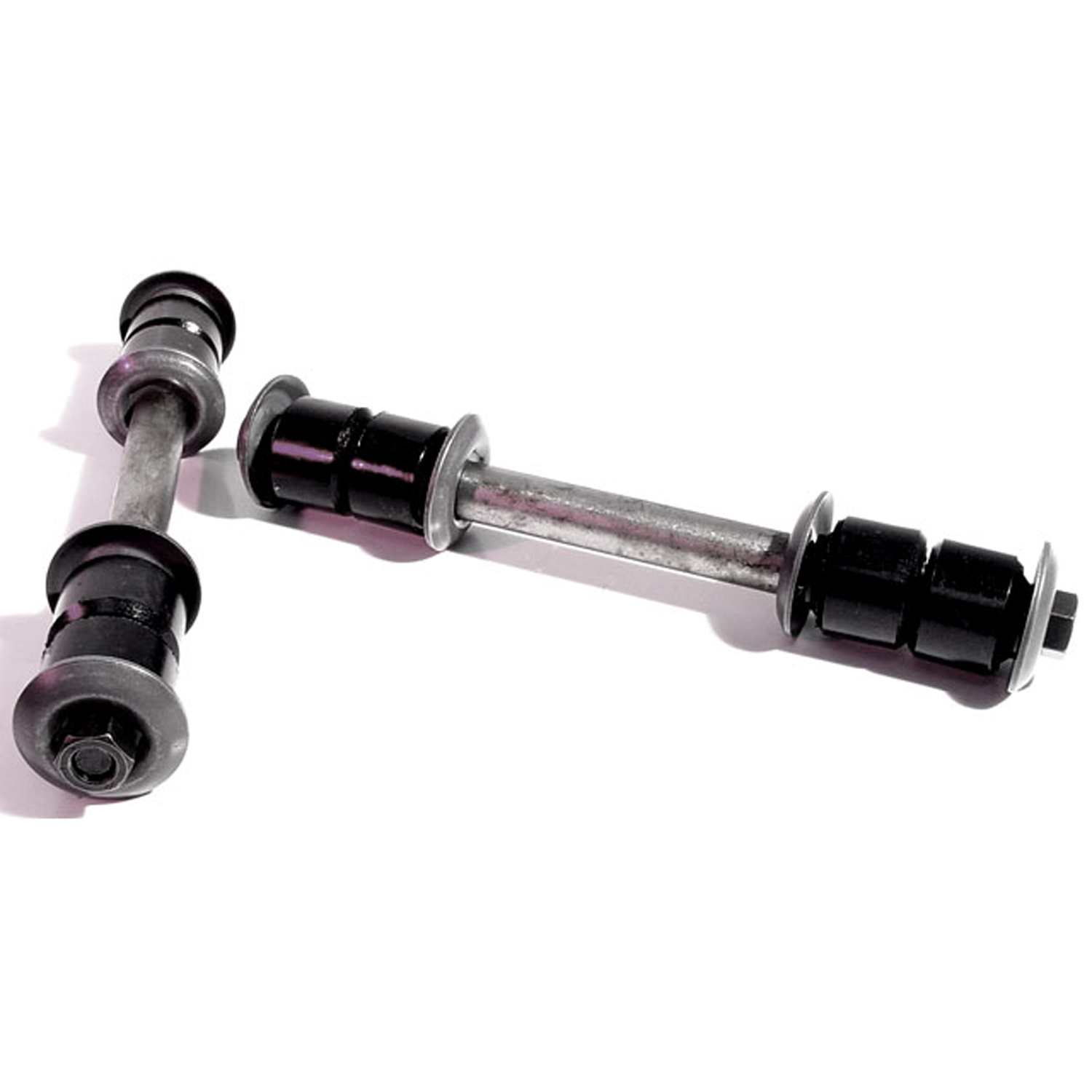 1978 Lincoln Continental Front Stabilizer End Repair Kit-BNK 21Front Stabilizer End Repair Kit. 22-piece set for two stabilizer bars. Contains all rubber bushings, washers, bolts and nuts, enough for one front end. Set
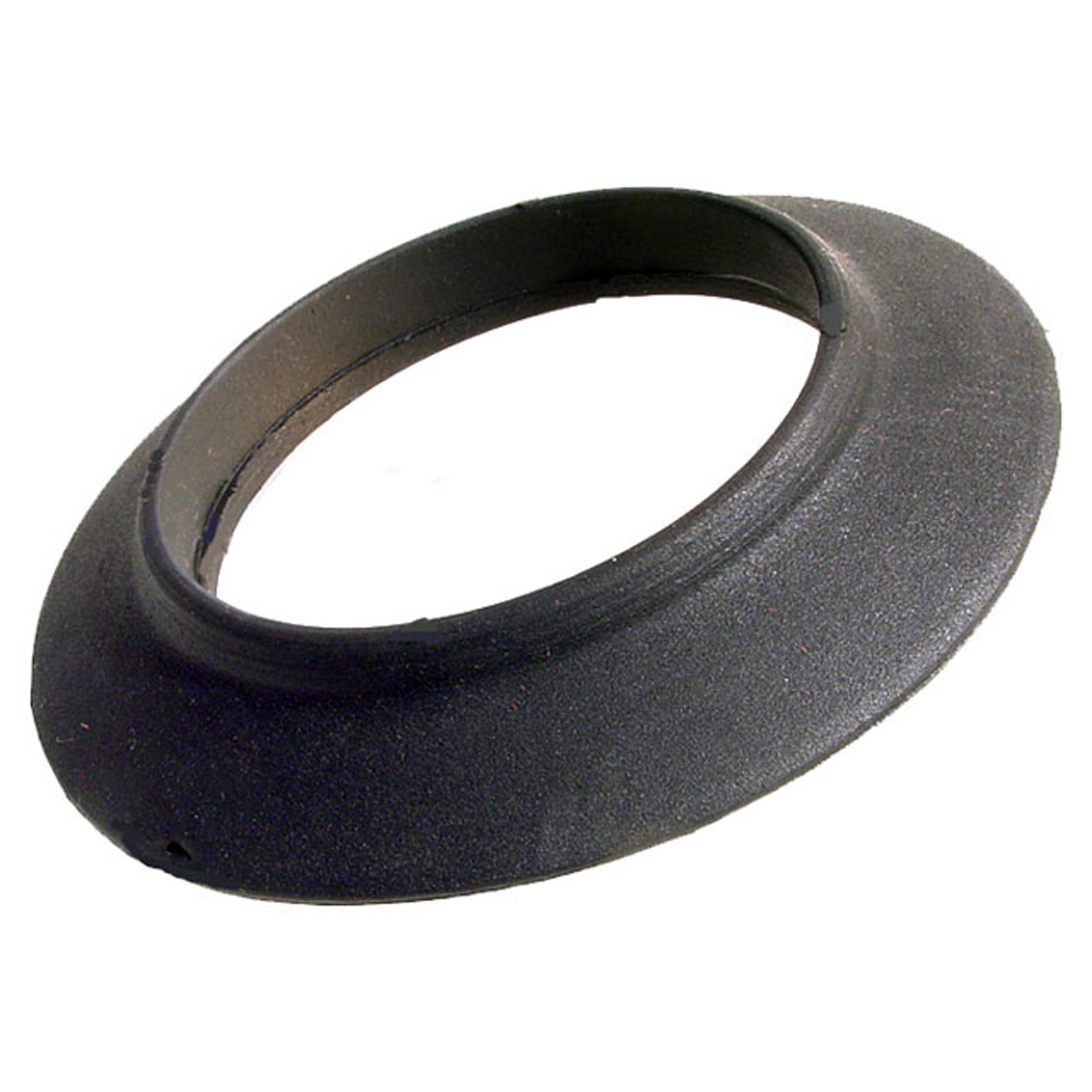 1978 Lincoln Continental Gas Filler Grommet. 2-1/2" I.D., 4-1/8" O.D. Each-GF 24Gas Filler Grommet. 2-1/2" I.D., 4-1/8" O.D. Each
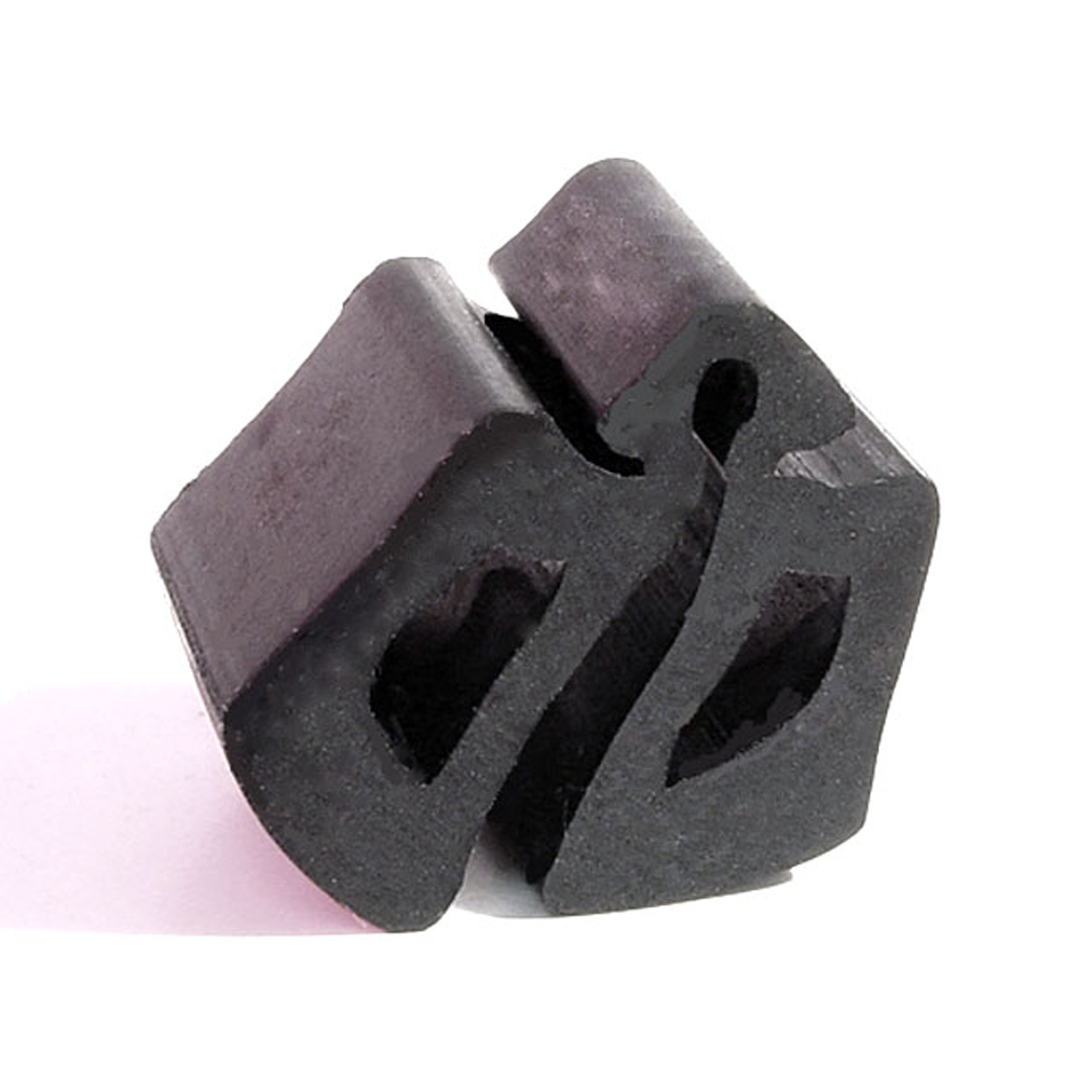 1978 Lincoln Continental Hood Bumper. Each-HF 2Hood Bumper. Each
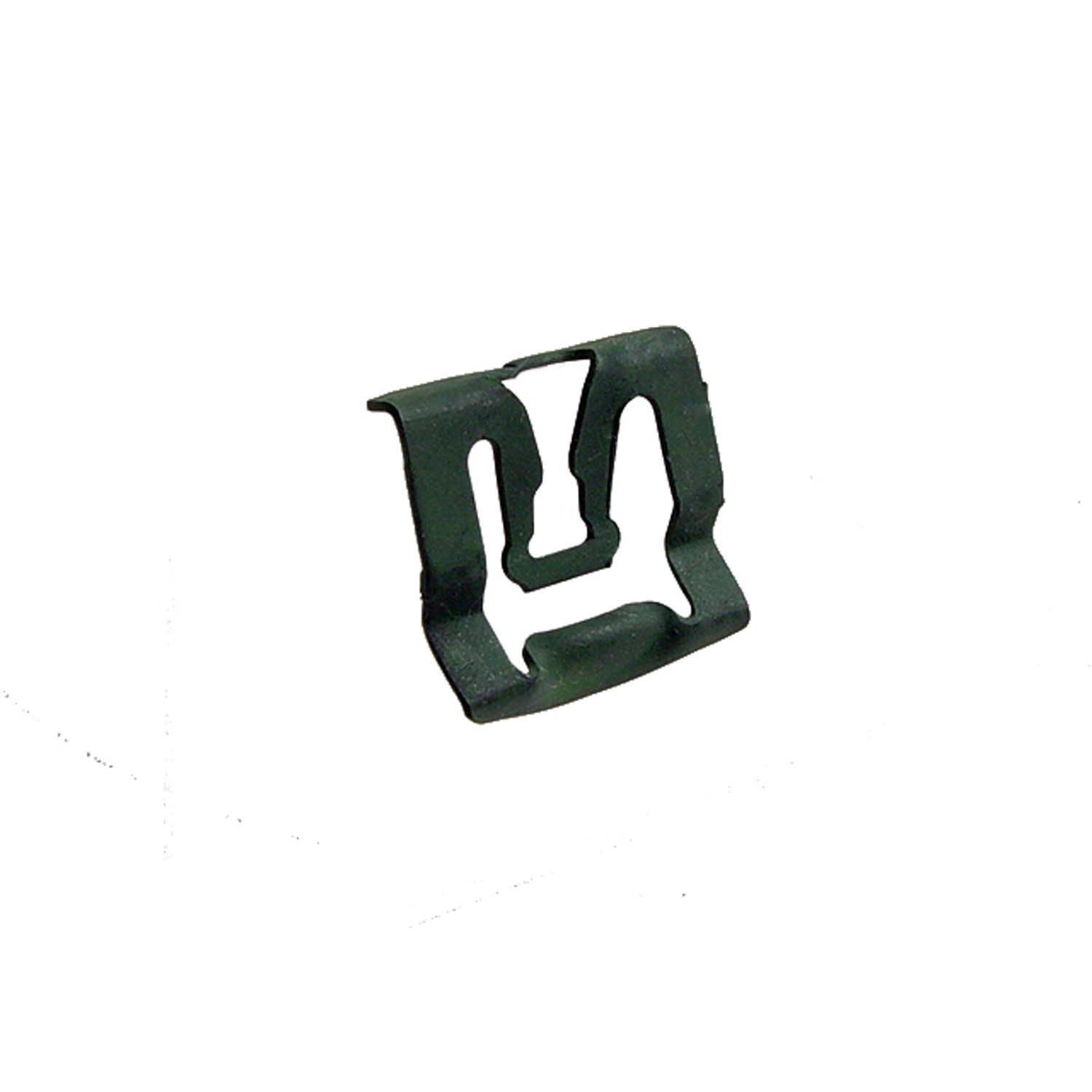 1978 Lincoln Continental Windshield Reveal Molding Clip. Made of steel. Each-WF 228-AWindshield Reveal Molding Clip. Made of steel. Each
Why Choose Metro?
For over 100 years, Metro Moulded Parts has been the pinnacle of quality in classic car restoration parts. Our commitment to precision and authenticity in every component ensures a perfect fit and an OEM-level appearance.
- Expert Craftsmanship & Quality: Each part is a testament to our dedication to reliability and perfection, crafted from original designs and thoroughly tested.
- Advanced Technology: We use cutting-edge techniques to create flawless, long-lasting parts that surpass others in performance.
- SuperSoft Sponge – The Ultimate Door Seal: Not only are our door seals 30% softer than competitors', but they're also guaranteed to never leak. They effectively reduce wind and road noise, enhancing your classic car's comfort and driving experience.
- Proudly American: Our parts are a product of American craftsmanship, made in the USA with a spirit of excellence and heritage.
- Unrivaled Warranty: We back our products with a 30-year industry-leading warranty, a testament to our confidence in their quality.
Join us in preserving the legacy of classic cars with parts that are crafted for perfection, not just made.