

Image of 1978 Lincoln Mark V, Note: These illustrations use artistic license and may differ from actual historical models.
Performance Metrics
Fundamental Metrics
Emotional Appeal
MMP Rating
| Engine Specifications | |
|---|---|
| Engine: | 400 CID 2V V-8, 460 CID 4V V-8 |
| Displacement: | 400-460 cubic inches |
| Horsepower: | 166-208 hp |
| Torque: | 315-356 lb-ft |
| Compression Ratio: | 8.0:1 (400 CID), 8.5:1 (460 CID) |
| Ignition System: | Electronic Ignition System |
| Cooling System: | Liquid-cooled |
| Performance Specifications | |
| 0-60 Time: | 11 seconds |
| 1/4 Mile Time: | 18 seconds |
| Top Speed: | 115 mph |
| Transmission and Drive | |
| Drive Type: | Rear-wheel drive |
| Transmission Type: | 3-speed automatic |
| Fuel and Efficiency | |
| Fuel System Type: | Carburetor |
| MPG: | 10-12 mpg |
| Dimensions and Brakes | |
| Brakes: | Power-assisted disc brakes |
| Wheelbase: | 120.4 inches |
| Weight: | 4,650-4,900 lbs |
Note: Specifications for classic cars are given to the best of our ability, considering the limited and variant data available.
1978 Lincoln Mark V: The Grand Tourer at the End of an Era
The 1978 Lincoln Mark V brought American luxury to full, dramatic scale: a long hood, a sculpted roofline, a hidden-headlamp face, and enough plush trim to make an ordinary commute feel like a formal occasion. Built by Ford Motor Company’s Lincoln-Mercury Division, the Continental Mark V was the third and final generation of the Mark series’ large, rear-wheel-drive personal luxury coupes.
The Mark V arrived for 1977 and carried on through 1979, when changing tastes, tighter fuel-economy standards, and rising fuel prices were beginning to challenge cars of its size. Yet 1978 was a high point. Lincoln sold 72,602 Mark Vs that year, and the model became a rolling showcase for the American luxury-car ideal: imposing, comfortable, highly personalized, and unapologetically extravagant.
One especially memorable 1978 model was the Diamond Jubilee Edition, created to mark Ford Motor Company’s 75th anniversary. With distinctive trim, special colors, and a lavish cabin, it was among the most expensive American-built cars of its day. It captured the Mark V’s greatest strength: making a personal luxury coupe feel like a bespoke event.
Long, Low, and Unmistakably Lincoln
The Mark V’s exterior was defined by its proportions. At roughly 230 inches long, it had a broad, low body, a lengthy hood, and a short rear deck finished with Lincoln’s signature simulated spare-tire hump. The grille stood upright and formal, while concealed headlamps gave the front end a clean, uninterrupted look when their vacuum-operated doors were closed. Opera windows, opera lamps, and available padded landau roofs completed the unmistakable late-1970s luxury-car profile.
There was only one body style: a two-door personal luxury coupe. Its scale gave it a substantial road presence, but the details let buyers tailor the car to their taste. Lincoln offered several Designer Series versions, including Bill Blass, Cartier, Givenchy, and Pucci. Each paired special exterior and interior treatments, with carefully coordinated colors, fabrics, emblems, and trim. The Cartier edition was particularly associated with elegant, restrained luxury, while the designer models made the Mark V feel more individual than a standard showroom car.
Color choices ranged from formal whites, silvers, and dark blues to burgundy, brown, and other rich period shades. Designer Series cars added distinctive combinations, and the Diamond Jubilee Edition used special paint and trim to set itself apart. White and dark blue were especially fitting choices for the car’s formal character, but the model’s broad palette was part of its appeal: buyers could choose understated elegance or something far more conspicuous.
A Plush Cabin with Period Technology
Inside, the Mark V emphasized comfort and finish over sportiness. Depending on the trim and options, the cabin could feature leather or richly upholstered seating, thick carpeting, wood-tone accents, soft-touch surfaces, and an abundance of bright trim. The front seats were wide and heavily padded, and the rear bench offered generous room for a personal luxury coupe. Designer Series and Diamond Jubilee interiors added special materials, stitching, colors, and identifying details.
For its era, the Mark V could be equipped with a long list of convenience features: power windows and door locks, power seats, cruise control, automatic climate control, and premium radio equipment, including an available 8-track player. These systems were not modern electronics, but they helped make the Mark V feel like a high-tech luxury car in the late 1970s. Its concealed headlamps and automatic comfort features also reinforced the sense that the car was designed to make long journeys effortless.
The Diamond Jubilee Edition deserves special mention. It offered unique exterior and interior combinations and commemorative details, with an original price around $22,000, an extraordinary sum for an American car in 1978. Production is commonly estimated at about 5,000 Mark V Diamond Jubilee cars, making the edition much less common than the regular model.
Why the Mark V Mattered
The Mark V arrived as the American personal luxury coupe reached its peak. Its rivals included the Cadillac Eldorado, Chrysler Cordoba, and other large, well-equipped coupes competing for buyers who wanted comfort and prestige without choosing a four-door sedan. The Lincoln’s formula was distinctive: exceptionally large proportions, formal styling, a plush ride, and a level of personalization that made the car feel more exclusive than its production numbers suggest.
Its significance was not that it introduced a revolutionary engine or a new category of car. Rather, the Mark V refined a particular vision of luxury. The long hood, opera-window roof, padded landau treatment, and spare-tire-style decklid became visual shorthand for the era’s grand American coupe. The Designer Series also showed how a manufacturer could use fashion-world names and coordinated styling to make a mass-produced car feel individual.
The 1978 model stands near the end of that tradition. The fuel crisis had made the Mark V’s size and appetite harder to justify, but buyers still chose it in substantial numbers. Its successor, the smaller 1980 Mark VI, reflected a new era of downsizing. In that sense, the 1978 Mark V is both a high-water mark for traditional American luxury and a farewell to the truly oversized personal coupe.
V8 Power and a Cushioned Ride
Most 1978 Mark Vs used a 400-cubic-inch (6.6-liter) V8, rated at about 166 horsepower in period net figures. A 460-cubic-inch (7.5-liter) V8 was also available in some configurations, producing roughly 208 horsepower. Both engines were paired with a three-speed automatic transmission. These were engines built to move a heavy luxury car smoothly, not to deliver sports-car response.
Performance figures vary with engine, equipment, condition, and test method. A 400-powered Mark V generally takes around 11 to 13 seconds to reach 60 mph. The larger 460 can bring that time closer to roughly 10 or 11 seconds. A healthy example may reach approximately 105 to 115 mph, though top speed was not the car’s main purpose. Its substantial weight, tall gearing, and comfort-oriented setup favored relaxed cruising over quick acceleration.
On the road, the Mark V feels like a classic body-on-frame luxury car. Its suspension softens broken pavement and expansion joints, and the long wheelbase helps it settle down on the highway. Steering is power-assisted and light, making parking less demanding than the car’s size suggests. On a tight, winding road, however, the Mark V’s length, weight, and soft suspension are obvious. It leans through corners and is happiest when driven smoothly rather than hurriedly.
The V8’s sound is a muted, low-pitched rumble rather than a sharp performance bark. Acceleration arrives with a gradual swell, and the automatic transmission shifts in keeping with the car’s easygoing character. Behind the wheel, the experience is less about carving corners than watching the road unwind from a broad, quiet cabin. A well-maintained Mark V feels like a long-distance cruiser first and a boulevard statement second.
Living with a Mark V
Today, the Mark V is most often used as a weekend cruiser, show car, or collection centerpiece. It can be driven regularly, but its size, fuel use, and age make it less convenient as an everyday vehicle. Owners should expect fuel economy in the single digits or low teens, depending on engine, tune, traffic, and driving style.
The mechanical package is comparatively straightforward. The 400 and 460 V8s belong to well-known Ford engine families, and the C6 automatic transmission is durable when properly maintained. Many service parts can be sourced through classic Ford specialists and parts suppliers. A mechanically sound car is generally manageable for an experienced home mechanic, though age-related repairs can quickly add up.
Before buying, inspect the body and structure carefully. Pay close attention to rust around the lower body, wheel openings, floorpans, cowl, rear window, and vinyl-roof edges. Check that the concealed headlamps operate correctly, since vacuum leaks and worn components can make them unreliable. Power accessories, climate-control systems, aged wiring, carburetor condition, and neglected cooling systems also deserve attention. Interior trim, designer-specific pieces, and correct exterior details can be harder to find than routine mechanical parts.
Notable Editions, Trivia, and Trade-Offs
The Designer Series was one of the Mark V’s most distinctive features. Bill Blass, Cartier, Givenchy, and Pucci each gave the coupe a different style identity, turning factory-order options into part of the car’s fashion statement. The Diamond Jubilee Edition added anniversary exclusivity and commemorative touches, making it one of the most recognizable special versions of the 1978 model year.
The Mark V’s strongest “record” is its scale and sales success within its class, rather than a speed or endurance achievement. Its 1978 production of 72,602 cars shows that demand for large personal luxury coupes remained strong even as the market began changing. The Diamond Jubilee’s original price, around $22,000, also made it one of the priciest American cars then available.
Common criticisms are easy to understand: the car is very large, consumes plenty of fuel, and feels soft and heavy compared with smaller or more sporting cars. Vacuum-operated headlamp covers and decades-old electrical equipment can also require attention. But those traits are part of the period character. Buyers who want nimble handling or modern efficiency are looking in the wrong place; buyers who want quiet, comfort, and unmistakable presence are much closer to the Mark V’s intended audience.
1978 Lincoln Mark V Values and Rarity
With 72,602 produced for 1978, the regular Mark V is not rare in the strict production-number sense. However, condition makes a major difference in availability. Worn drivers can still appear on the market, while rust-free, original cars with complete trim and working accessories are increasingly difficult to find. Designer Series and Diamond Jubilee examples attract added interest, especially when their distinctive equipment remains intact.
As a broad current-market estimate, a project or rough-running car may sell for around $3,000 to $7,000. A usable driver in fair to good condition might bring roughly $7,000 to $15,000, while a clean, well-maintained example can reach about $15,000 to $25,000. Exceptional, highly original cars and desirable special editions may sell for $25,000 to $35,000 or more. These are general estimates, not guarantees: rust, originality, documentation, mechanical condition, and local demand can shift a price substantially.
Values have generally risen as interest in 1970s American luxury cars has grown, but the Mark V remains a condition-sensitive collector car rather than a guaranteed investment. The best examples are likely to hold attention because they preserve a style of American motoring that disappeared soon afterward. A documented Diamond Jubilee or Designer Series car may command a premium, but a neglected example can cost more to restore than it will be worth when finished.
The Mark V’s Lasting Appeal
The 1978 Lincoln Mark V combines imposing late-1970s styling, a comfortable V8-powered ride, an unusually plush cabin, and a remarkable range of special editions. It was not designed to be economical or nimble. It was designed to make distance feel easy and to arrive with presence.
As one of the grandest expressions of the American personal luxury coupe, the Mark V remains a rolling snapshot of an era when more size, more comfort, and more style were considered the ultimate road-going luxuries.
1978 Lincoln Mark V Catalog of Parts
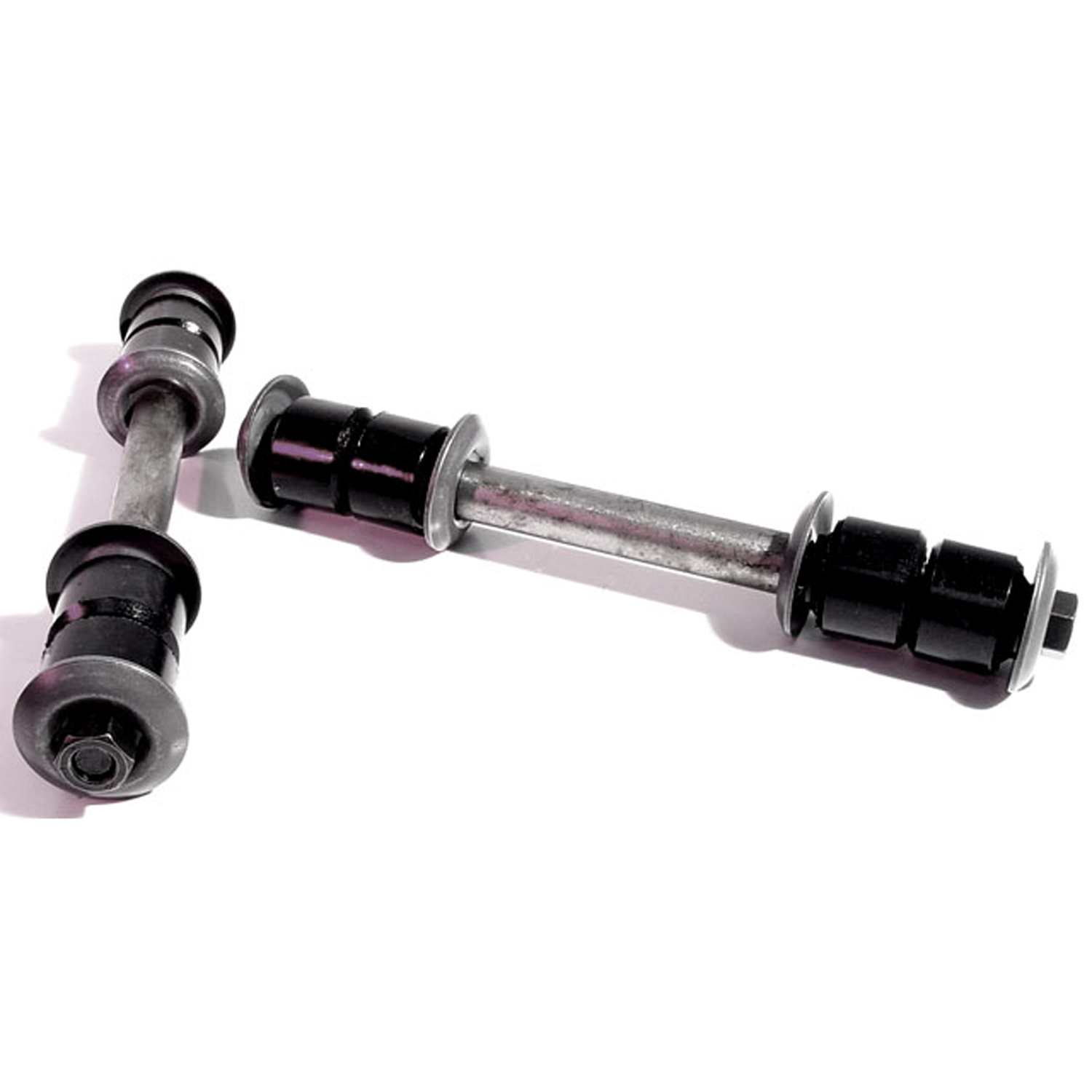 1978 Lincoln Mark V Front Stabilizer End Repair Kit-BNK 21Front Stabilizer End Repair Kit. 22-piece set for two stabilizer bars. Contains all rubber bushings, washers, bolts and nuts, enough for one front end. Set
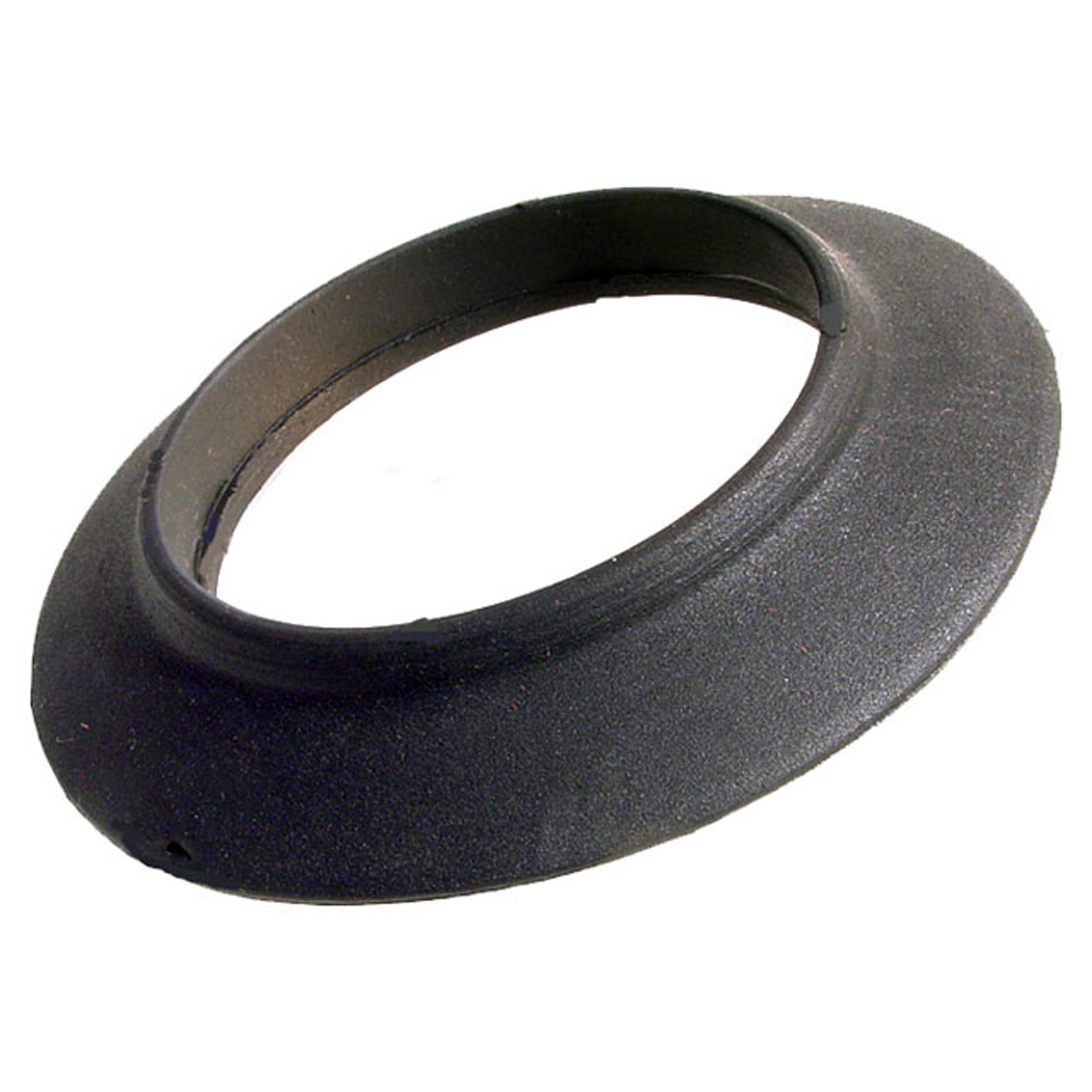 1978 Lincoln Mark V Gas Filler Grommet. 2-1/2" I.D., 4-1/8" O.D. Each-GF 24Gas Filler Grommet. 2-1/2" I.D., 4-1/8" O.D. Each
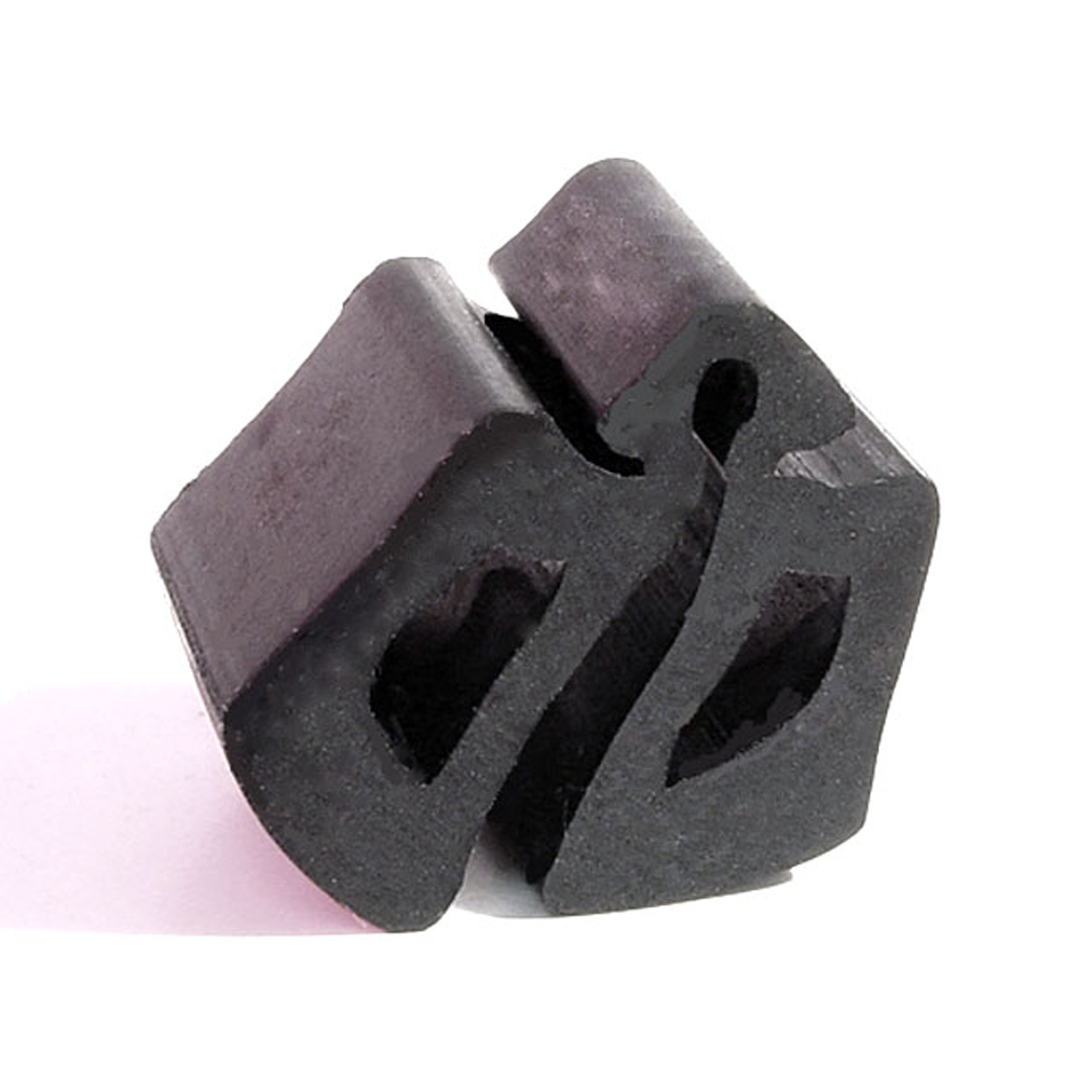 1978 Lincoln Mark V Hood Bumper. Each-HF 2Hood Bumper. Each
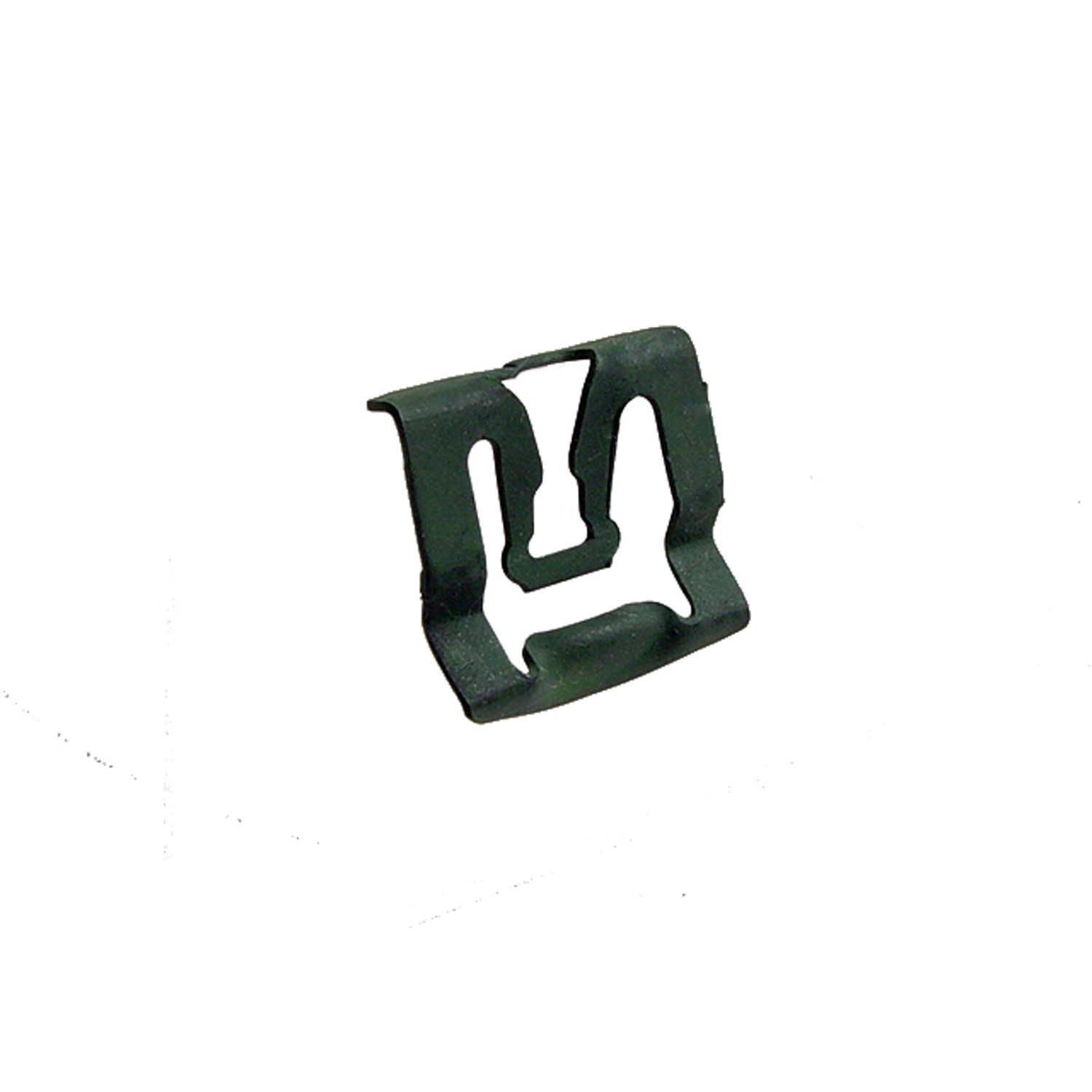 1978 Lincoln Mark V Windshield Reveal Molding Clip. Made of steel. Each-WF 228-AWindshield Reveal Molding Clip. Made of steel. Each
Why Choose Metro?
For over 100 years, Metro Moulded Parts has been the pinnacle of quality in classic car restoration parts. Our commitment to precision and authenticity in every component ensures a perfect fit and an OEM-level appearance.
- Expert Craftsmanship & Quality: Each part is a testament to our dedication to reliability and perfection, crafted from original designs and thoroughly tested.
- Advanced Technology: We use cutting-edge techniques to create flawless, long-lasting parts that surpass others in performance.
- SuperSoft Sponge – The Ultimate Door Seal: Not only are our door seals 30% softer than competitors', but they're also guaranteed to never leak. They effectively reduce wind and road noise, enhancing your classic car's comfort and driving experience.
- Proudly American: Our parts are a product of American craftsmanship, made in the USA with a spirit of excellence and heritage.
- Unrivaled Warranty: We back our products with a 30-year industry-leading warranty, a testament to our confidence in their quality.
Join us in preserving the legacy of classic cars with parts that are crafted for perfection, not just made.