
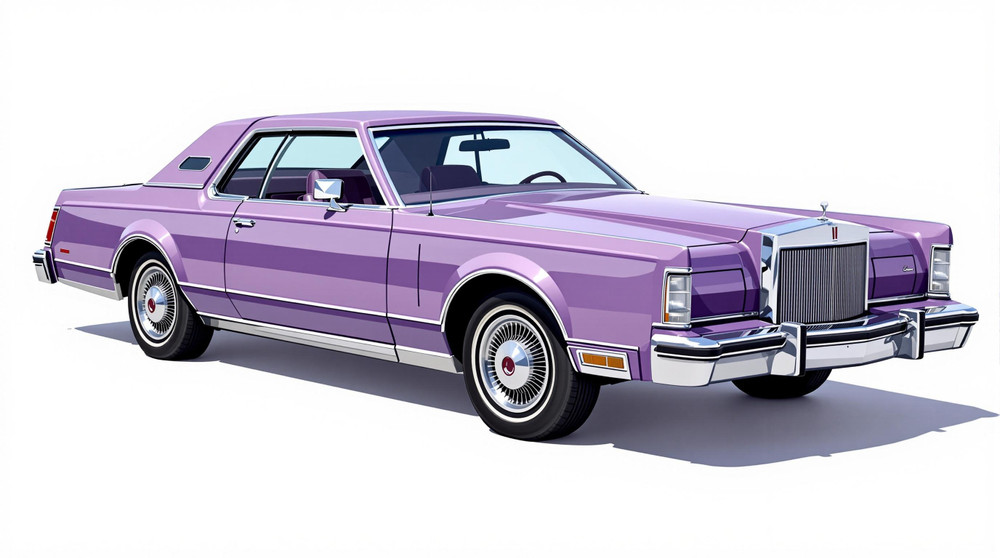
Image of 1979 Lincoln Continental, Note: These illustrations use artistic license and may differ from actual historical models.
Performance Metrics
Fundamental Metrics
Emotional Appeal
MMP Rating
| Engine Specifications | |
|---|---|
| Engine: | 400 CID 2V V-8, 460 CID 4V V-8 |
| Displacement: | 400-460 cubic inches |
| Horsepower: | 159-210 hp |
| Torque: | 315-356 lb-ft |
| Compression Ratio: | 8.0:1 (400 CID), 8.5:1 (460 CID) |
| Ignition System: | Electronic |
| Cooling System: | Liquid-cooled |
| Performance Specifications | |
| 0-60 Time: | 11-13 seconds |
| 1/4 Mile Time: | 18-20 seconds |
| Top Speed: | 115-120 mph |
| Transmission and Drive | |
| Drive Type: | Rear-wheel drive |
| Transmission Type: | 3-speed automatic |
| Fuel and Efficiency | |
| Fuel System Type: | Carburetor |
| MPG: | 10-12 mpg |
| Dimensions and Brakes | |
| Brakes: | Power-assisted disc brakes |
| Wheelbase: | 127.2 inches |
| Weight: | 4,900-5,200 lbs |
Note: Specifications for classic cars are given to the best of our ability, considering the limited and variant data available.
1979 Lincoln Continental: The Last Great Land Yacht
The 1979 Lincoln Continental brought 1970s American luxury to its full, chrome-bright, V8-powered crescendo. Built by Ford Motor Company’s Lincoln division, it was a huge, rear-wheel-drive luxury car designed for quiet cruising, generous passenger space, and unmistakable road presence. It also marked the final model year before Lincoln downsized the Continental for 1980, making this one of the last truly massive examples of the marque’s traditional full-size flagship.
A memorable detail is that the 1979 Continental could be ordered with a 460-cubic-inch V8, a giant of an engine that suited the car’s grand touring character. The following year brought a much smaller Continental on a new platform, so the ’79 stands at the end of an era: big body, body-on-frame construction, and effortless V8 torque.
Continental Styling and Signature Details
The 1979 Continental wore its size confidently. Its long hood, broad shoulders, formal roofline, upright grille, and restrained chrome trim gave it a dignified rather than sporty appearance. Concealed headlamps kept the front end clean when the lights were off, while the sculpted trunk lid carried Lincoln’s familiar spare-tire hump styling. That raised contour was a design signature, not a visible spare tire sitting on the outside of the car.
Buyers could choose a two-door coupe or a four-door sedan. The four-door was the practical and widely recognized choice, while the coupe offered a more personal-luxury feel with a longer-looking profile and sweeping side glass. Trim and roof treatments varied, and the upscale Town Car and Town Coupe names appeared as trim packages within the Continental line. They were not yet separate Lincoln models as they would become in later years.
Inside, the Continental emphasized comfort and polished presentation. Broad bench seating, plush upholstery, wood-tone accents, carpeting, and abundant sound insulation created a lounge-like cabin. Depending on trim and options, upholstery choices included cloth, vinyl, and leather. The dashboard was wide and formal, with clear analog instruments and controls positioned for relaxed, straightforward use.
Exterior paint choices varied by trim and production batch, but buyers could find the car in classic luxury shades such as white, black, silver, dark blue, burgundy, and a range of metallic gold, tan, and green finishes. Light colors paired especially well with contrasting vinyl roofs, while dark paint and a matching roof gave the Continental a more formal, imposing look. The exact combinations depended on factory options and interior selection.
Comfort Technology for 1979
The Continental’s innovations were less about sporty performance gadgets and more about making long trips easier. Available equipment included power windows and locks, power seats, cruise control, air conditioning, and automatic climate control. Audio options ranged from AM/FM radio to upgraded stereo systems, and some cars were ordered with extras such as a CB radio. These features made the car feel thoroughly equipped for its time, though today they are also potential repair items in an aging luxury vehicle.
Underneath, the Continental used traditional body-on-frame construction and rear-wheel drive. That robust layout was familiar to American mechanics and well suited to a large, heavy car. It was not cutting-edge engineering, but it delivered the solid, isolated ride Lincoln buyers expected.
Why the 1979 Continental Matters
The 1979 model captures a turning point in American automotive history. Rising fuel costs, tighter emissions rules, and federal fuel-economy requirements were pushing manufacturers toward smaller, lighter cars. Lincoln’s 1980 redesign responded with a substantially downsized Continental on Ford’s Panther platform. The 1979 car, by contrast, represents the final expression of Lincoln’s traditional full-size formula before that change.
What set it apart from many contemporaries was its combination of scale, comfort, and formal styling. It was not simply a large sedan with extra trim. Its long wheelbase, quiet cabin, broad seating, and carefully arranged details made it a prestige car meant to be enjoyed from either side of the steering wheel. Its design also helped keep Lincoln’s visual identity distinct, particularly through the upright grille and spare-tire-style trunk contour.
The Continental’s influence is most visible in how it defined the American luxury-car experience of its period: soft-riding, generously equipped, and unapologetically substantial. Later Lincolns became smaller and more efficient, but the big ’79 remains a vivid reference point for the classic land-yacht era.
V8 Performance and Road Manners
Most 1979 Continentals were powered by a 400-cubic-inch V8, with a 460-cubic-inch V8 available on some configurations. Both engines were paired with a three-speed automatic transmission and sent power to the rear wheels. Output varied by engine, emissions calibration, and equipment, but these cars were tuned for low-speed torque and smooth cruising rather than quick launches or high-revving performance.
Period-style performance estimates put a 400-equipped car’s 0-to-60 mph time in roughly the 11-to-13-second range. A 460-equipped example could be somewhat quicker, commonly estimated around 10 to 12 seconds, depending on condition and gearing. Top speed is not a particularly meaningful measure for a car of this character, but a healthy Continental could reach highway speeds comfortably, with estimates generally in the neighborhood of 105 to 115 mph. Actual results vary with engine, tires, maintenance, and the car’s considerable weight.
On smooth highways, the Continental feels calm and insulated. The V8 produces a subdued, low-frequency rumble, while the automatic transmission shifts without drama when properly maintained. The suspension favors a soft ride, so the car glides over smaller bumps and expansion joints. Larger potholes can reveal the limits of aged shocks, bushings, and springs, and a worn example may float or bounce more than it should.
On winding roads, the Continental’s size and soft suspension become impossible to ignore. Steering is light, body roll is pronounced by modern standards, and the car asks its driver to plan corners rather than attack them. Crosswinds and narrow streets also require attention because of the car’s length and broad sides. Its natural habitat is an open road, where it can settle into a steady pace and deliver the relaxed ride it was built for.
Living with a 1979 Lincoln
Today, a 1979 Continental is most often a weekend cruiser, show car, or nostalgic project. It can be driven regularly, but its size, fuel consumption, and age make it less convenient than a modern daily driver. The big V8s are thirsty, especially in city traffic, and parking a car this long takes practice.
Mechanical repairs are generally approachable for an experienced home mechanic. The engines and automatic transmission are conventional, and many basic service procedures are familiar to shops that work on older American cars. The harder part can be finding trim-specific pieces, restoring the interior, and troubleshooting electrical or comfort-system faults. Before buying, check for rust in the floors, frame, lower body panels, and trunk, as well as signs of neglected cooling-system or transmission maintenance.
Originality matters to collectors. Confirm that the engine, trim, roof treatment, and interior match the car’s documentation where possible. A complete, well-kept example is often a better purchase than a cheap car missing hard-to-find brightwork or upholstery pieces.
Notable Facts and Common Criticisms
The 1979 Continental is often confused with the Lincoln Mark V, but they were different cars. The Mark V was Lincoln’s personal-luxury coupe, while the Continental was the full-size sedan and coupe line. Likewise, the 1979 Town Car was a Continental trim designation, not yet the standalone model that arrived in 1981.
The year is notable as the last chance to buy a new full-size Continental before Lincoln’s 1980 downsizing. It is also associated with the final years of the huge-displacement Lincoln V8 era, including the optional 460. Production totals are commonly estimated at roughly 160,000 to 170,000 cars across the Continental line and its trim variations, though figures can differ depending on how versions are counted.
The usual criticisms are easy to understand: the car is big, heavy, fuel-hungry, and softly sprung. Its handling feels dated beside a modern luxury sedan, and older examples may need substantial work to bring their power accessories and climate systems back to full function. For enthusiasts, those drawbacks are part of the trade-off for a spacious, unmistakably period-correct American cruiser.
1979 Lincoln Continental Values
As a general U.S. market estimate, a project car or rough driver may sell for about $2,500 to $5,000. A presentable, running example in decent condition commonly falls around $7,000 to $14,000, while a clean, well-maintained car can bring roughly $15,000 to $25,000. Exceptional, highly original examples or especially desirable configurations may be advertised above that range, although asking prices do not always reflect completed sales.
The 1979 Continental is available often enough that buyers can usually find examples, but the best survivors are far less common than the overall production number suggests. Values remain modest compared with better-known classic Lincolns, and the market is selective. In general, the car has been more of an affordable classic than a fast-appreciating investment. Strong condition, documented history, original details, and a rust-free body matter more than ambitious restoration spending.
The Final Word on the 1979 Continental
The 1979 Lincoln Continental is a richly equipped, full-size American luxury car from the closing chapter of the land-yacht era. Its formal styling, spacious interior, V8 power, and soft highway ride tell a story that changed dramatically the following year, when Lincoln embraced a smaller and more efficient design. For collectors and casual enthusiasts alike, the ’79 offers a memorable way to experience that transition firsthand: not as a museum piece, but as a grand old cruiser built to make the road feel wide and unhurried.
1979 Lincoln Continental Catalog of Parts
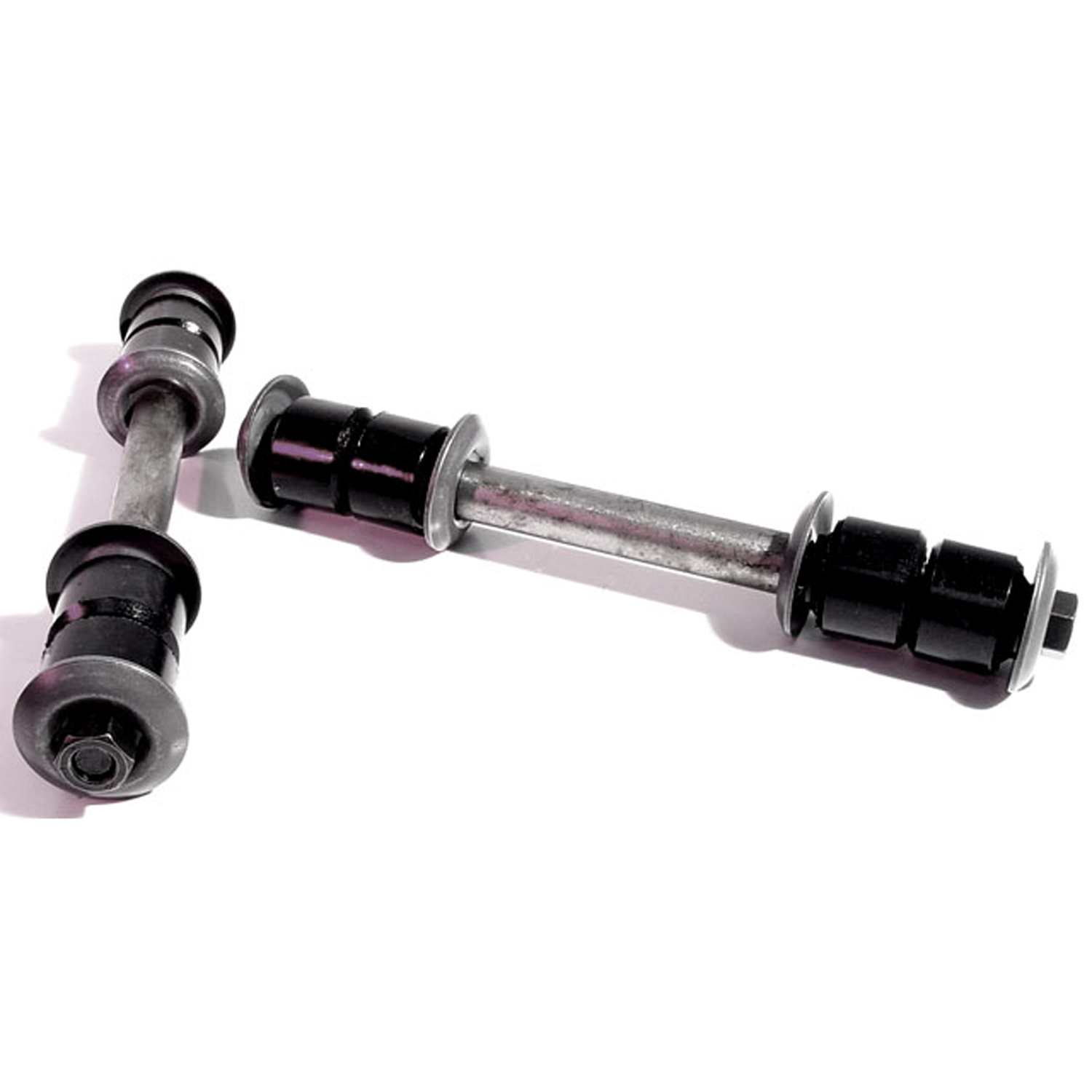 1979 Lincoln Continental Front Stabilizer End Repair Kit-BNK 21Front Stabilizer End Repair Kit. 22-piece set for two stabilizer bars. Contains all rubber bushings, washers, bolts and nuts, enough for one front end. Set
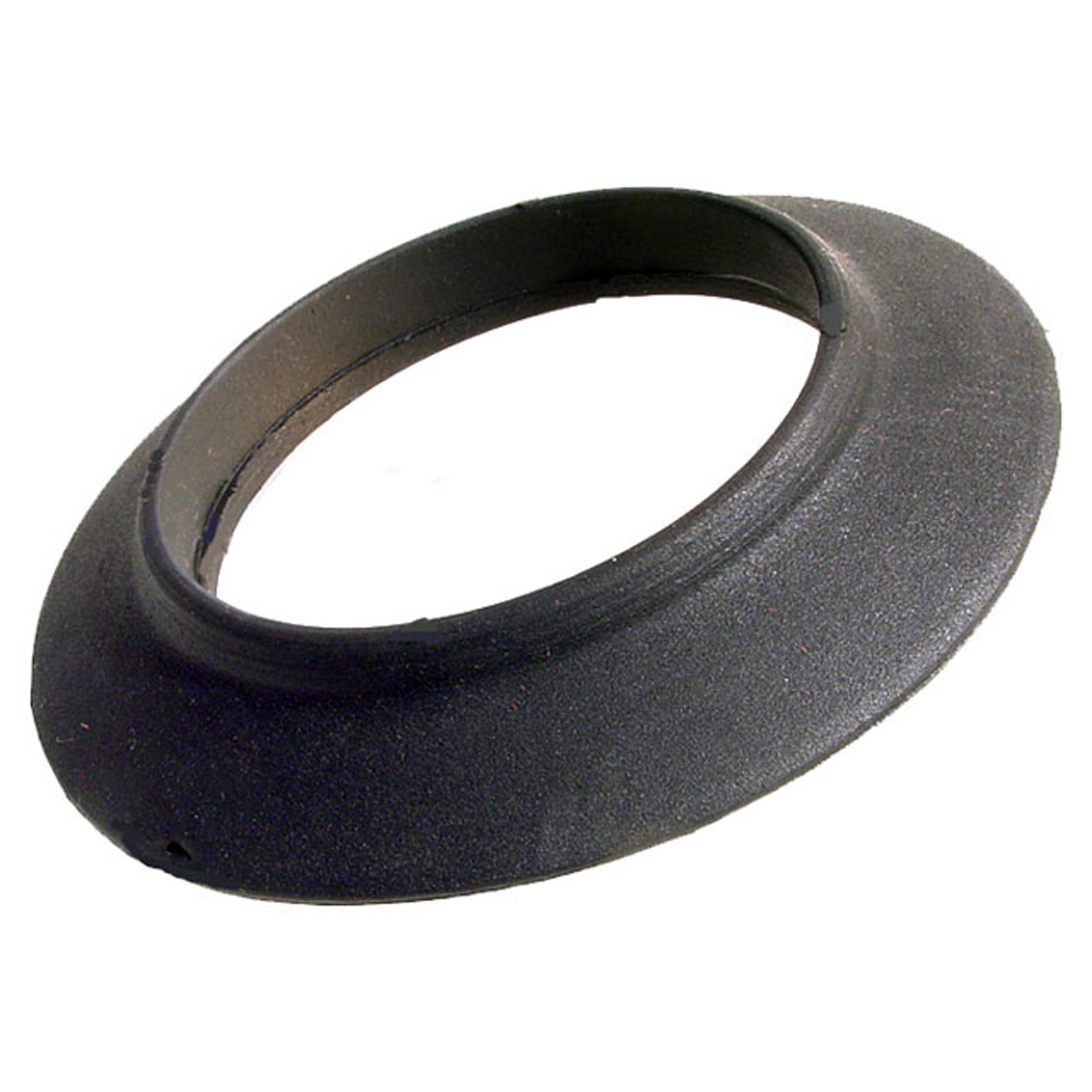 1979 Lincoln Continental Gas Filler Grommet. 2-1/2" I.D., 4-1/8" O.D. Each-GF 24Gas Filler Grommet. 2-1/2" I.D., 4-1/8" O.D. Each
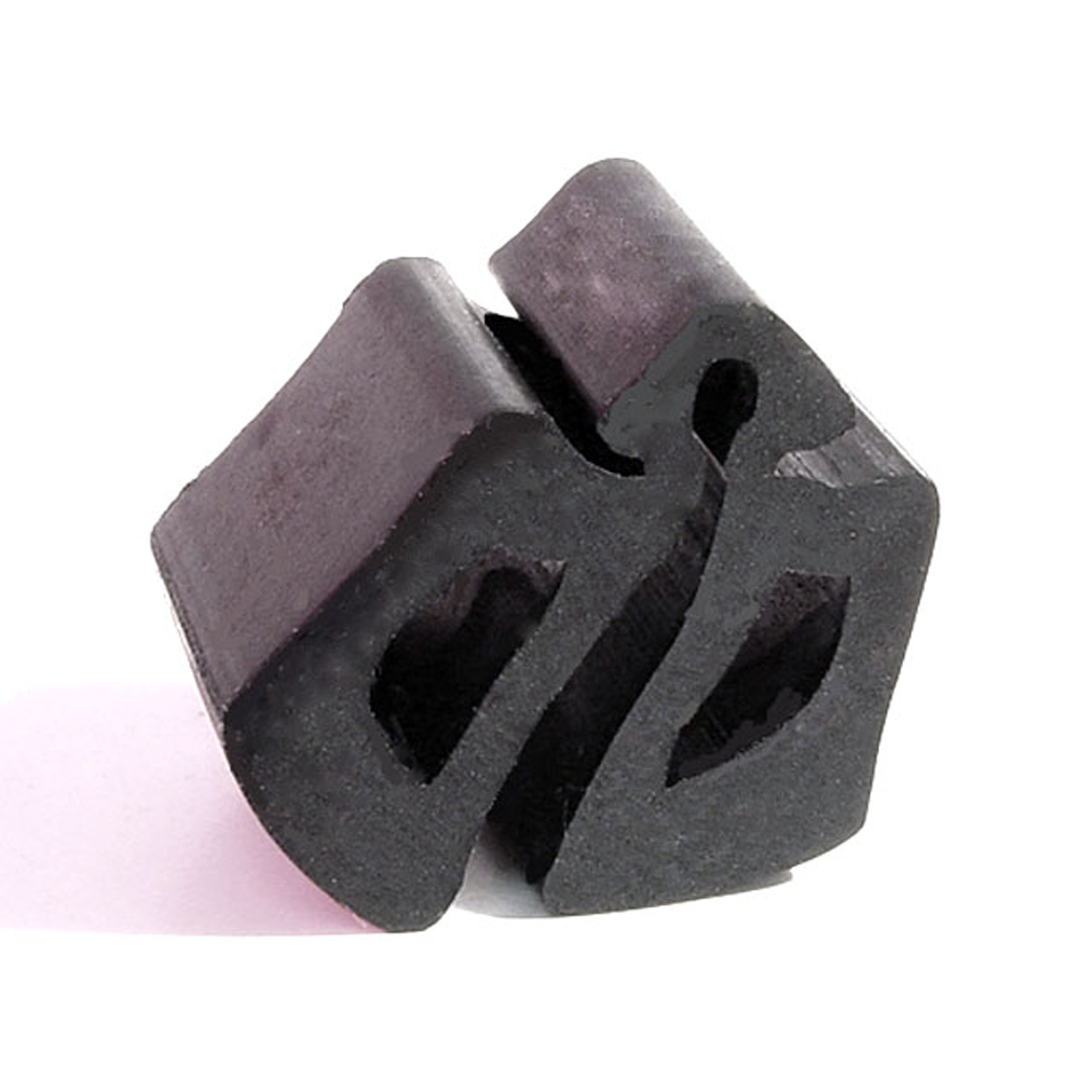 1979 Lincoln Continental Hood Bumper. Each-HF 2Hood Bumper. Each
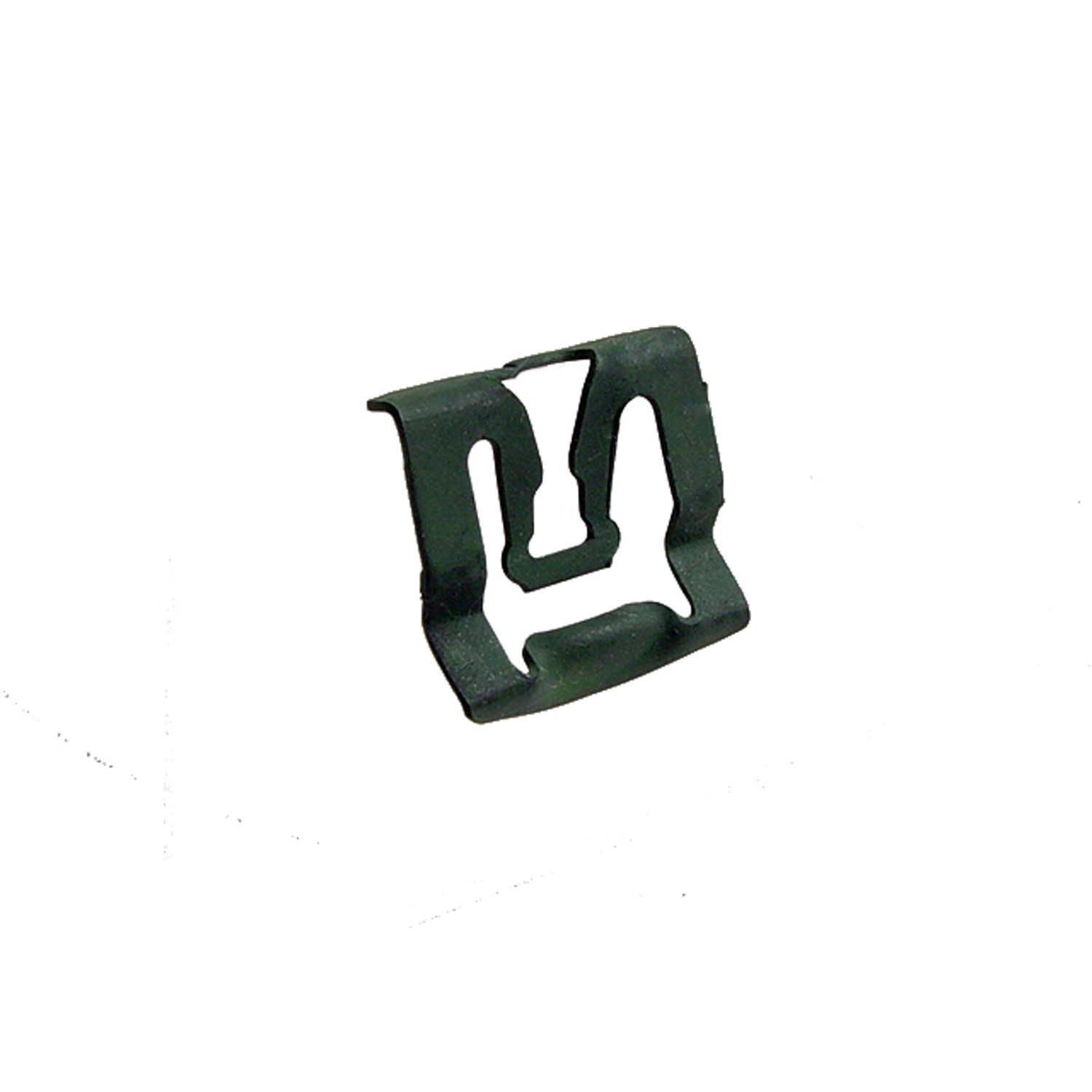 1979 Lincoln Continental Windshield Reveal Molding Clip. Made of steel. Each-WF 228-AWindshield Reveal Molding Clip. Made of steel. Each
Why Choose Metro?
For over 100 years, Metro Moulded Parts has been the pinnacle of quality in classic car restoration parts. Our commitment to precision and authenticity in every component ensures a perfect fit and an OEM-level appearance.
- Expert Craftsmanship & Quality: Each part is a testament to our dedication to reliability and perfection, crafted from original designs and thoroughly tested.
- Advanced Technology: We use cutting-edge techniques to create flawless, long-lasting parts that surpass others in performance.
- SuperSoft Sponge – The Ultimate Door Seal: Not only are our door seals 30% softer than competitors', but they're also guaranteed to never leak. They effectively reduce wind and road noise, enhancing your classic car's comfort and driving experience.
- Proudly American: Our parts are a product of American craftsmanship, made in the USA with a spirit of excellence and heritage.
- Unrivaled Warranty: We back our products with a 30-year industry-leading warranty, a testament to our confidence in their quality.
Join us in preserving the legacy of classic cars with parts that are crafted for perfection, not just made.