
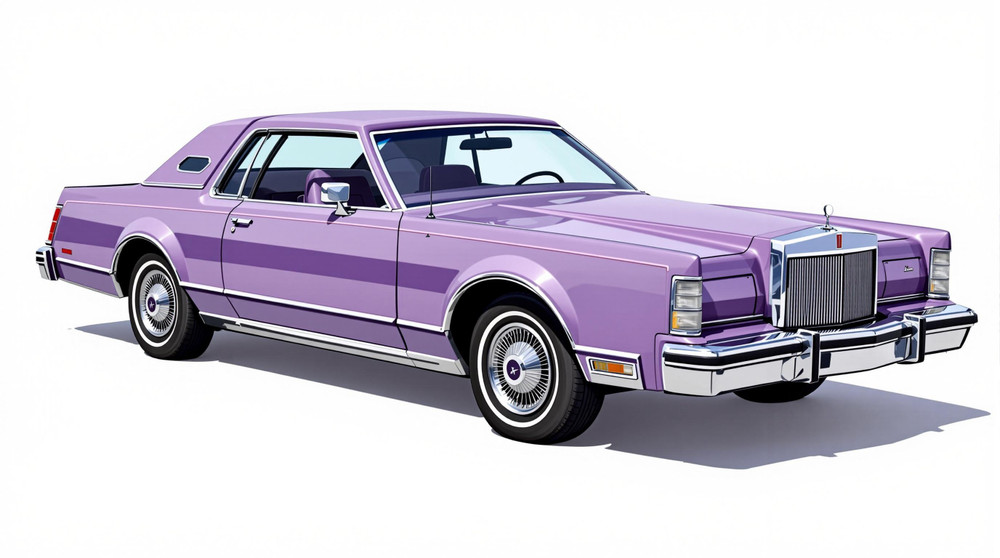
Image of 1979 Lincoln Mark V, Note: These illustrations use artistic license and may differ from actual historical models.
Performance Metrics
Fundamental Metrics
Emotional Appeal
MMP Rating
| Engine Specifications | |
|---|---|
| Engine: | 400 CID 2V V-8, 460 CID 4V V-8 |
| Displacement: | 400-460 cubic inches |
| Horsepower: | 159-210 hp |
| Torque: | 315-356 lb-ft |
| Compression Ratio: | 8.0:1 (400 CID), 8.5:1 (460 CID) |
| Ignition System: | Electronic ignition system |
| Cooling System: | Liquid-cooled |
| Performance Specifications | |
| 0-60 Time: | 11 seconds |
| 1/4 Mile Time: | 18 seconds |
| Top Speed: | 118 mph |
| Transmission and Drive | |
| Drive Type: | Rear-wheel drive |
| Transmission Type: | 3-speed automatic |
| Fuel and Efficiency | |
| Fuel System Type: | Carburetor |
| MPG: | 10-12 mpg |
| Dimensions and Brakes | |
| Brakes: | Power-assisted disc brakes |
| Wheelbase: | 120.4 inches |
| Weight: | 4,650-4,900 lbs |
Note: Specifications for classic cars are given to the best of our ability, considering the limited and variant data available.
1979 Lincoln Mark V: The Last Great American Personal Luxury Coupe
The 1979 Lincoln Mark V turned excess into an art form: nearly 19 feet of sculpted sheet metal, a formal roofline, and a cabin designed to make every trip feel like a special occasion. Built by Ford Motor Company under its Lincoln division, the Mark V was the final and most developed version of the fifth-generation Continental Mark, a series that began in 1972. In 1979, it represented the grand American personal luxury coupe just as changing fuel prices and new regulations were pushing the industry toward smaller cars.
The Mark V’s timing gave it a memorable place in Lincoln history. It was the last Mark to wear this especially long, imposing body before the downsized Mark VI arrived for 1980. It was also a major sales success: Lincoln sold roughly 75,900 Mark Vs for the 1979 model year, an impressive figure for an expensive two-door luxury car. One of the year’s most distinctive offerings, the Collector’s Series, was created to mark the end of the big Mark V era.
Formal Styling and Designer Details
The Mark V was instantly recognizable from almost any angle. Its long hood, squared-off front end, upright grille, and sharply creased fenders gave it a formal, almost architectural presence. Hidden headlamps sat behind vacuum-operated doors, keeping the front end clean when the lights were off. At the rear, the Continental-style spare-tire hump was a styling feature rather than a conventional externally mounted spare, while the opera windows and vinyl roof reinforced the car’s club-like, private-cabin character.
At about 230 inches long, the Mark V was a substantial car even by late-1970s standards. It came in one body style: a two-door hardtop coupe. Buyers could choose among regular production trims, special Designer Series editions, and the 1979 Collector’s Series. There was no convertible Mark V, though the frameless door glass and open-feeling cabin gave the coupe a lighter appearance when the windows were down.
Lincoln’s Designer Series brought fashion-house names to the showroom. The Bill Blass, Cartier, Givenchy, and Pucci editions paired coordinated exterior colors, roof treatments, upholstery, trim, and identifying badges. The specific combinations varied by year, but the idea was consistent: a Mark V could be ordered as a carefully matched luxury statement rather than just a car with a long options list. The 1979 Collector’s Series offered its own special appearance, with distinctive trim and equipment that made it a fitting send-off for the model.
Color choices ranged from restrained whites, silvers, and dark blues to warmer browns, reds, and metallic shades. Designer Series cars often used coordinated, sometimes two-tone, combinations. While tastes differ, the dramatic dark colors and richly matched vinyl roofs tend to show off the Mark V’s formal lines especially well. The most sought-after examples today are often Designer Series or Collector’s Series cars with their original colors and interior trim intact.
A Plush Cabin Built for Quiet Cruising
Inside, the Mark V put comfort and presentation ahead of sporty minimalism. Wide seats, padded surfaces, plush carpeting, and wood-tone accents created the relaxed atmosphere expected of a high-end Lincoln. Upholstery materials and patterns depended on trim and options, with Designer Series models receiving especially coordinated interiors. A well-preserved cabin still makes a strong impression, though age can take its toll on vinyl, carpeting, dashboards, and decorative trim.
Power accessories were part of the Mark V’s luxury appeal. Depending on equipment, buyers could have power windows, power-adjustable seats, cruise control, automatic climate control, and upgraded sound systems. AM/FM stereo, an 8-track player, and a CB radio were among the period-appropriate entertainment and communication choices. These features feel charmingly analog today, but they made the car a well-equipped long-distance cruiser in its own time.
The Mark V’s technology was aimed at convenience rather than cutting-edge performance. Its concealed headlamps, automatic comfort features, power equipment, and extensive sound insulation helped create an easygoing driving environment. Safety and driver-assistance technology, however, was limited by modern standards. Buyers should not expect contemporary airbags, stability control, or modern braking assistance, and any surviving electrical or vacuum-operated equipment deserves careful inspection.
Why the Mark V Mattered
The 1979 Lincoln Mark V captured the American personal luxury car at its most expressive. Rather than compete as a sports coupe, it sold an image of space, status, and effortless travel. Its closest rivals included the Cadillac Eldorado, Chrysler Imperial, and Ford Thunderbird, but the Mark V’s hidden headlights, formal roof, rear spare-tire motif, and designer-branded editions gave it a visual identity all its own.
Its significance also comes from its position at a turning point. The Mark V was a product of the era when large-displacement V8s and expansive bodies still defined domestic luxury. The following year, Lincoln introduced a substantially smaller Mark VI in response to fuel-economy pressures and changing market demands. The contrast between the two generations makes the 1979 car a particularly vivid example of the transition from traditional American excess to the more restrained 1980s luxury coupe.
The Mark V did not invent the personal luxury coupe, but it helped define the segment’s late-1970s look: formal, highly personalized, and unmistakably upscale. Its Designer Series concept also demonstrated how a manufacturer could use fashion and lifestyle branding to distinguish luxury models. That approach remains familiar in modern automotive marketing, even if the opera windows and faux spare-tire humps have mostly disappeared.
V8 Performance and Road Manners
For 1979, the Mark V used a 400-cubic-inch (6.6-liter) V8 paired with a three-speed automatic transmission. The engine was tuned for smooth, low-speed torque rather than high-revving performance. Output was modest by the standards of the car’s displacement, reflecting the horsepower losses and emissions requirements of the period. The 460-cubic-inch V8 had been available in earlier Mark Vs but was not part of the 1979 lineup.
Performance figures vary with condition, gearing, equipment, and the testing source. A healthy 1979 Mark V is generally estimated to reach 60 mph in roughly 10 to 12 seconds, with a top speed around 105 to 115 mph. Those figures are best treated as period-car estimates, not promises for a decades-old example. Today, the car’s appeal is less about acceleration than about the steady, relaxed way its V8 moves a very large coupe down the road.
On smooth pavement, the Mark V feels quiet, composed, and substantial. Its soft suspension absorbs ordinary bumps and expansion joints, while the long wheelbase helps it settle into highway cruising. On a winding road, the trade-off becomes clear: the car leans more than a modern sport coupe, and its size and weight ask the driver to plan ahead. Crosswinds and narrow roads can also make the car feel imposing. The steering is light and geared toward ease, not sharp feedback.
From behind the wheel, the experience is more lounge than sports car. The V8 delivers a subdued burble, the automatic transmission shifts without drama when properly maintained, and the broad seats encourage an unhurried pace. The car feels best on a long open road, where its quiet cabin and cushioned ride make its original mission easy to understand.
Owning a 1979 Lincoln Mark V
Most Mark Vs today are used as weekend cruisers, show cars, or nostalgia pieces rather than daily transportation. They are comfortable enough for regular driving, but their length, fuel consumption, and age make them less convenient than a modern car. Expect fuel economy to be low, often in the neighborhood of 10 to 14 mpg depending on traffic, mechanical condition, and driving style.
Basic mechanical work is within reach for an experienced home mechanic. The V8 and automatic transmission are conventional American components, and many service parts remain obtainable through specialist suppliers and the broader Ford parts network. That said, a large luxury car has plenty of systems to inspect. Pay close attention to vacuum-operated headlamp doors, power accessories, air-conditioning operation, cooling-system health, transmission behavior, brake condition, and rust in the body and frame areas.
Trim and interior parts can be harder to source than routine mechanical components. Special-edition upholstery, badges, moldings, and Designer Series details may be costly or difficult to replace. A complete, original car is usually a better starting point than a cheap project missing unique trim. Before buying, check that the car’s equipment and badging match its claimed edition, and have the engine, transmission, brakes, and structural condition assessed.
Mark V Trivia and Common Complaints
The Designer Series gave the Mark V an unusual fashion connection: Bill Blass, Cartier, Givenchy, and Pucci were not simply names on an advertisement, but part of the car’s trim and color identity. The 1979 Collector’s Series, meanwhile, made the final model year feel like a farewell to the large Mark. Its special presentation is one reason collectors often pay closer attention to documented, original examples.
The Mark V is not known for a major speed record or endurance achievement. Its notable record is commercial and cultural: the 1979 model sold in the tens of thousands, and the Mark V generation became one of Lincoln’s most recognizable personal luxury coupes. Although celebrity ownership is often mentioned in connection with luxury cars of this period, individual ownership stories should be verified with reliable documentation rather than assumed from a car’s trim or appearance.
Common criticisms are easy to understand. The Mark V is thirsty, very large, and not nimble on tight roads. Its emissions-era V8 is not especially powerful by modern standards, and age-related electrical, vacuum, and trim problems can complicate ownership. For enthusiasts, though, those drawbacks are part of the bargain: the car offers a kind of size, visual confidence, and soft-riding character that modern production cars rarely attempt.
Collector Values and Availability
With roughly 75,900 examples sold for 1979, the Mark V is not rare in the broad sense. Good survivors are becoming less common, however, especially cars with clean bodywork, original interiors, complete equipment, and verifiable Designer Series or Collector’s Series specifications. Buyers can still find ordinary examples on the market, but condition and originality make a substantial difference.
As a general U.S. market guide in 2026, a project car may sell for about $2,000 to $5,000. A usable driver in fair-to-good condition might bring roughly $6,000 to $12,000, while a clean, well-kept example can land around $12,000 to $22,000. Exceptional, highly original cars, particularly desirable special editions, may reach $20,000 to $35,000 or more. These are broad estimates, not guaranteed sale prices; rust, mechanical needs, documentation, location, and buyer interest can shift the value considerably.
Values have generally been supported by nostalgia and the Mark V’s unmistakable styling, but the market remains selective. A worn, incomplete car can be difficult to sell at a premium, while a beautifully preserved example attracts collectors who want the full late-1970s luxury experience. The best long-term prospects belong to original, well-documented cars rather than heavily modified or poorly restored ones.
Why the 1979 Mark V Still Turns Heads
The 1979 Lincoln Mark V brought together a smooth V8, a lavishly appointed cabin, and one of the most recognizable shapes of its era. It stood apart through its formal styling, designer collaborations, and unapologetically large scale. Today, it is less a practical daily driver than a rolling piece of automotive history, best enjoyed at a relaxed pace and cared for with an eye toward originality.
As the final big-bodied Mark before Lincoln’s shift to a smaller generation, the 1979 Mark V remains a vivid farewell to an era when American luxury meant long hoods, soft rides, and room to spare.
1979 Lincoln Mark V Catalog of Parts
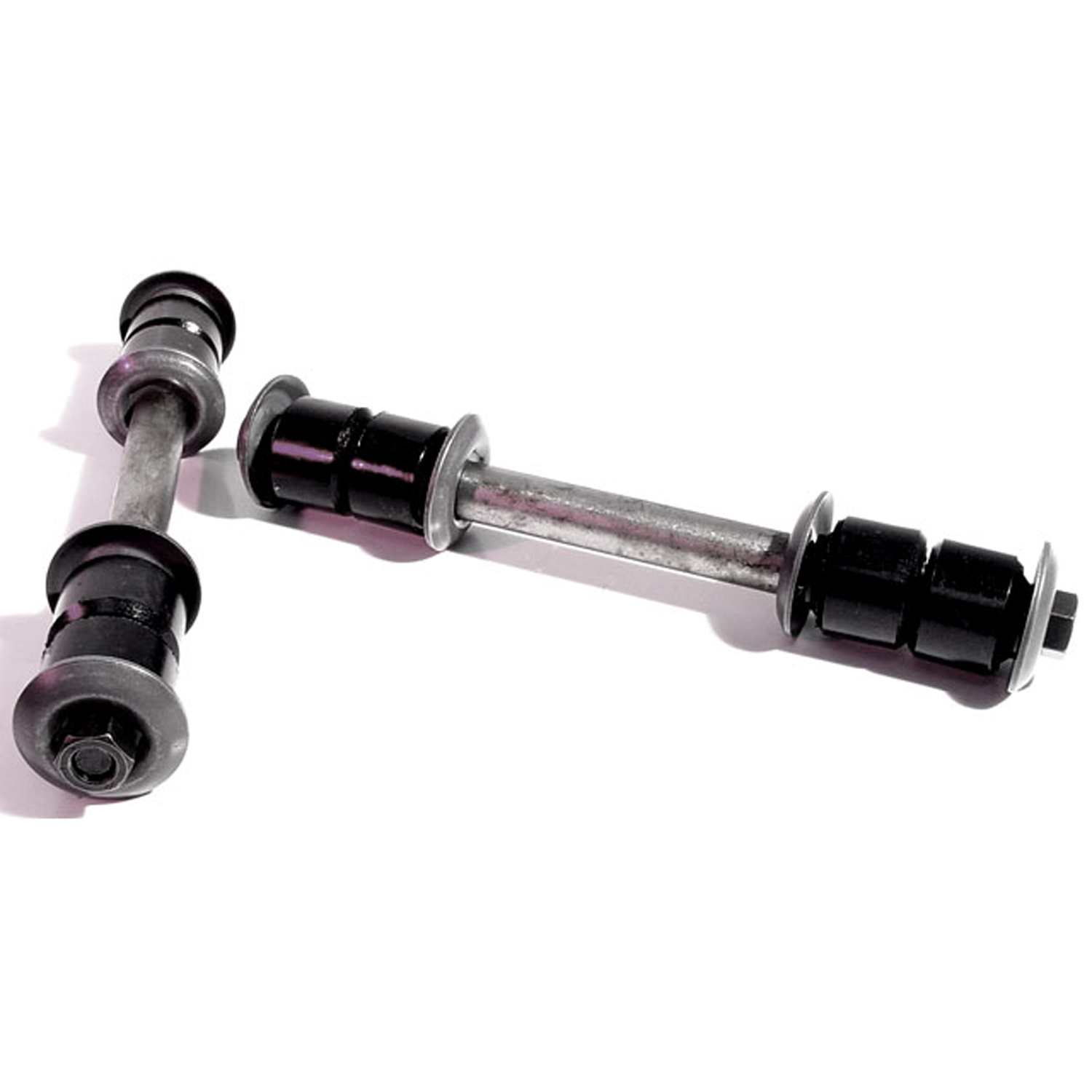 1979 Lincoln Mark V Front Stabilizer End Repair Kit-BNK 21Front Stabilizer End Repair Kit. 22-piece set for two stabilizer bars. Contains all rubber bushings, washers, bolts and nuts, enough for one front end. Set
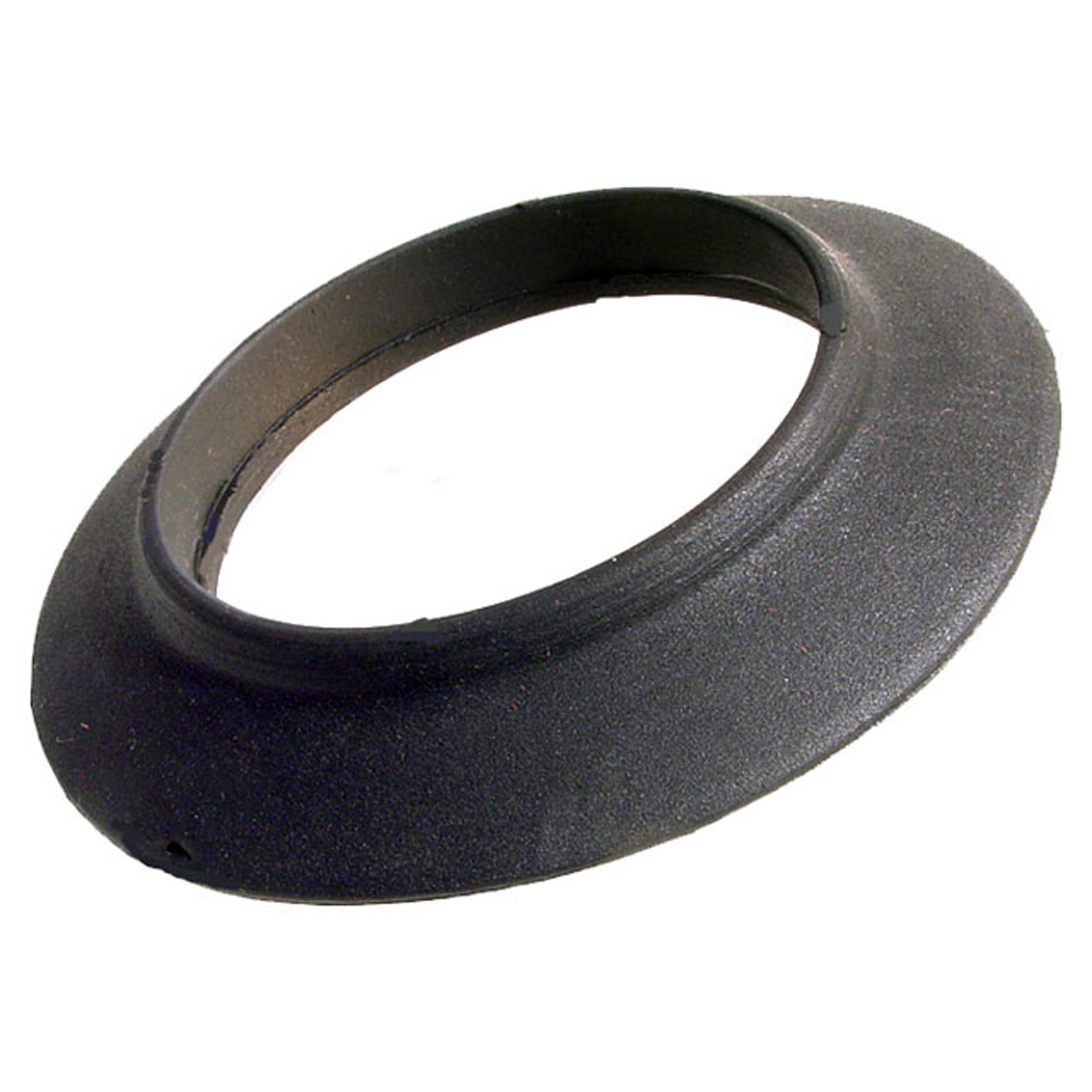 1979 Lincoln Mark V Gas Filler Grommet. 2-1/2" I.D., 4-1/8" O.D. Each-GF 24Gas Filler Grommet. 2-1/2" I.D., 4-1/8" O.D. Each
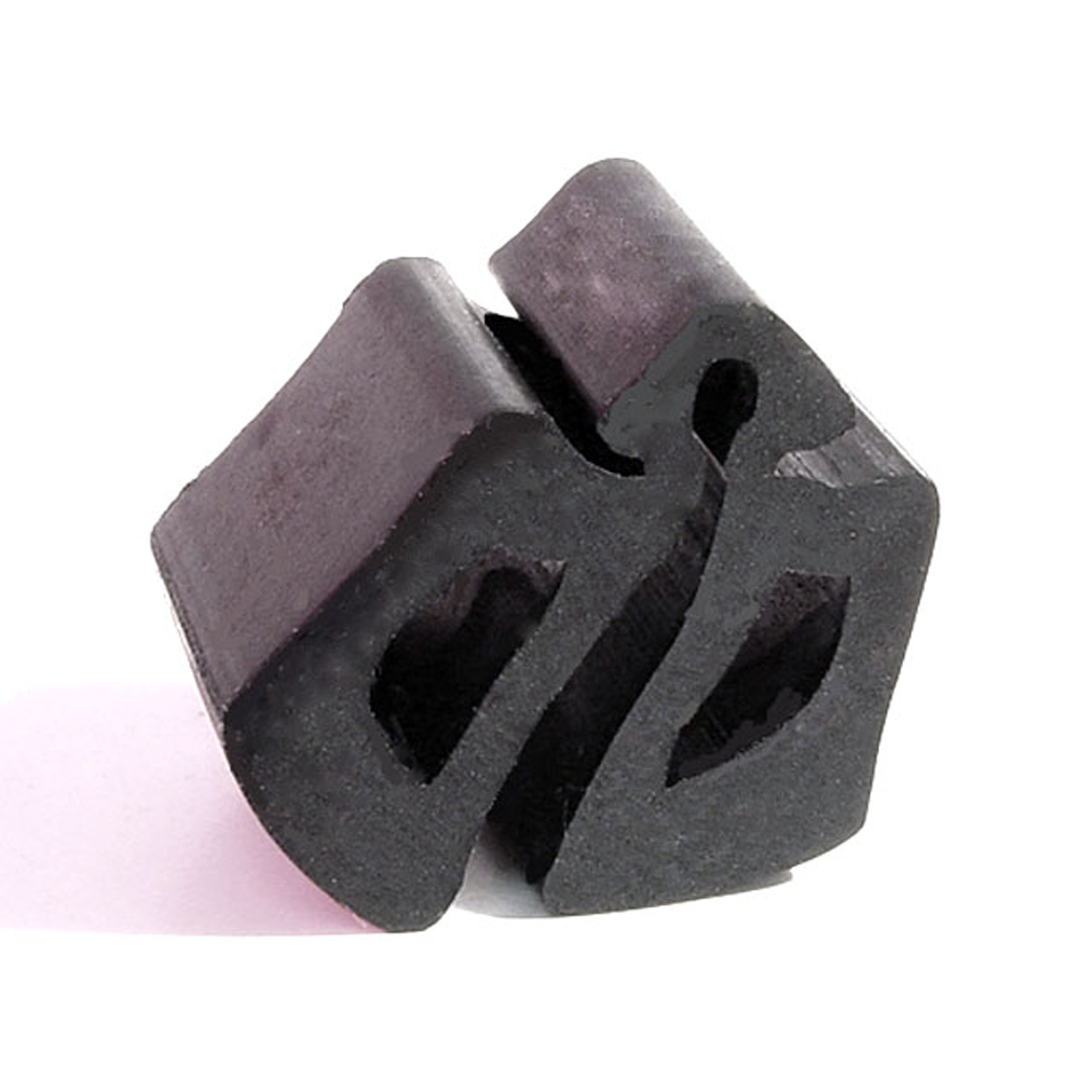 1979 Lincoln Mark V Hood Bumper. Each-HF 2Hood Bumper. Each
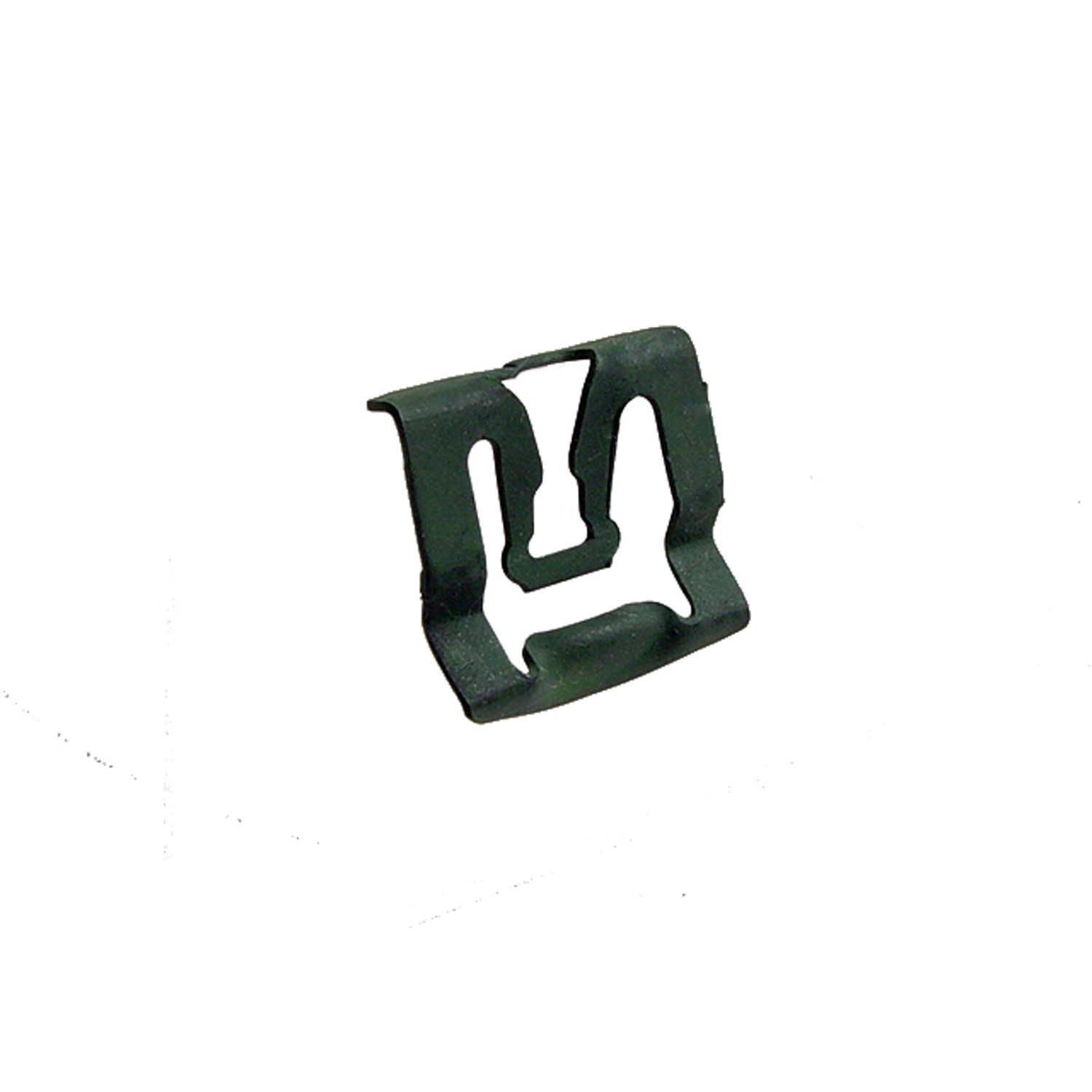 1979 Lincoln Mark V Windshield Reveal Molding Clip. Made of steel. Each-WF 228-AWindshield Reveal Molding Clip. Made of steel. Each
Why Choose Metro?
For over 100 years, Metro Moulded Parts has been the pinnacle of quality in classic car restoration parts. Our commitment to precision and authenticity in every component ensures a perfect fit and an OEM-level appearance.
- Expert Craftsmanship & Quality: Each part is a testament to our dedication to reliability and perfection, crafted from original designs and thoroughly tested.
- Advanced Technology: We use cutting-edge techniques to create flawless, long-lasting parts that surpass others in performance.
- SuperSoft Sponge – The Ultimate Door Seal: Not only are our door seals 30% softer than competitors', but they're also guaranteed to never leak. They effectively reduce wind and road noise, enhancing your classic car's comfort and driving experience.
- Proudly American: Our parts are a product of American craftsmanship, made in the USA with a spirit of excellence and heritage.
- Unrivaled Warranty: We back our products with a 30-year industry-leading warranty, a testament to our confidence in their quality.
Join us in preserving the legacy of classic cars with parts that are crafted for perfection, not just made.