

Image of 1979 Lincoln Versailles, Note: These illustrations use artistic license and may differ from actual historical models.
Performance Metrics
Fundamental Metrics
Emotional Appeal
MMP Rating
| Engine Specifications | |
|---|---|
| Engine: | 302 cu in (4.9 L) Windsor V8 |
| Displacement: | 4942 cc |
| Horsepower: | 140 hp |
| Torque: | 250 lb-ft |
| Compression Ratio: | 8.4:1 |
| Ignition System: | Electronic ignition |
| Cooling System: | Liquid-cooled |
| Performance Specifications | |
| 0-60 Time: | 12 seconds |
| 1/4 Mile Time: | 18 seconds |
| Top Speed: | 105 mph |
| Transmission and Drive | |
| Drive Type: | Rear-wheel drive |
| Transmission Type: | 3-speed C4 automatic |
| Fuel and Efficiency | |
| Fuel System Type: | Carburetor |
| MPG: | 15 mpg |
| Dimensions and Brakes | |
| Brakes: | Disc brakes front and rear |
| Wheelbase: | 109.9 in |
| Weight: | 3,900 lbs |
Note: Specifications for classic cars are given to the best of our ability, considering the limited and variant data available.
1979 Lincoln Versailles: A Compact Lincoln with a Big Ambition
The 1979 Lincoln Versailles tried to deliver the quiet, formal character of a full-size luxury car in a package small enough for a changing America. Built by Ford Motor Company’s Lincoln division, it was Lincoln’s first compact luxury sedan and a direct response to buyers looking for premium comfort without the size and fuel appetite of a traditional land yacht.
The Versailles arrived for 1977, when rising fuel costs and the success of smaller luxury cars were reshaping the American market. Its most obvious rival was Cadillac’s Seville, but the two cars took different routes: Cadillac gave the Seville a distinct body, while Lincoln adapted the Ford Granada platform. That decision helped make the Versailles quick to bring to market, but it also became the car’s most enduring controversy.
One feature that gave the Versailles a genuine technical distinction was its standard four-wheel disc brakes, an unusual offering in an American luxury sedan of the period. Its rear disc-brake hardware and Ford 9-inch rear axle have since become especially prized by hot rodders and custom-car builders.
Formal Styling, Familiar Foundations
The Versailles had the upright proportions expected of a Lincoln, with a tall, squared-off grille, rectangular headlamps, formal roofline, and restrained brightwork. Its front end and rear details helped distinguish it from the Ford Granada and Mercury Monarch, but the basic body shape and many panels were shared with those less expensive cars. The result was tidy and dignified rather than dramatically original.
At the back, the trunk lid wore a raised, Continental-style spare-tire impression. It was a styling flourish, not an externally mounted spare: the actual spare tire was carried inside the trunk. Vertical taillamps and a clean, squared-off rear panel completed the formal look. For 1979, Lincoln revised details including the grille and lighting, giving the car a fresher face while preserving its familiar profile.
There was just one body style: a four-door sedan. Buyers could choose from a range of period colors, including subdued metallics and traditional luxury shades such as blue, green, silver, brown, red, and white. Darker tones and metallic finishes suited the car’s stately character particularly well. Upholstery and trim depended on equipment and order, with plush cloth or velour and available leather contributing to a more upscale cabin than the Granada’s.
A Quiet Cabin and Period Luxury
Inside, the Versailles emphasized comfort over sporting flair. The dashboard and door panels used woodgrain accents, while padded surfaces, thick carpeting, and broad seats gave the cabin a suitably plush atmosphere. The design was familiar to Ford-product owners, but Lincoln added trim details and materials meant to create a more exclusive feel.
Features varied with equipment, but the car offered the conveniences expected of a late-1970s luxury sedan, including power accessories and automatic climate-control equipment on appropriately equipped examples. The cabin was not radically futuristic. Its appeal was the traditional one: a comfortable driving position, soft seating, a quiet atmosphere, and controls that did not demand a learning curve.
What Made the Versailles Significant
The Versailles was important less for transforming automotive styling than for showing how Detroit’s luxury divisions were adapting to downsizing. Lincoln needed a smaller car to compete with the growing market for compact premium sedans, and the Versailles brought that idea into the Lincoln showroom.
Its shared Granada-family structure was both a practical advantage and a public-relations problem. Common mechanical components could make servicing easier, but the resemblance to a much cheaper Ford became a frequent criticism. Some shoppers felt that the Lincoln did not look or feel different enough to justify its premium price. That debate has followed the car ever since.
Still, the Versailles had a more substantial legacy in its braking and rear-axle hardware. Its four-wheel discs were a notable Lincoln first, and the combination of a Ford 9-inch axle and disc brakes made the car’s rear-end assembly attractive for performance and custom applications. In that respect, an understated luxury sedan found an unexpected second life in the hot-rod world.
302 V8 Performance and Road Manners
The 1979 Versailles was powered by Ford’s 302-cubic-inch (5.0-liter) V8, paired with a three-speed automatic transmission and rear-wheel drive. Output was modest by modern standards, at roughly 130 horsepower in period net ratings, but the V8 delivered the relaxed low-speed torque that suited a luxury sedan. Exact figures can vary with emissions equipment, tune, and the condition of an individual car.
Expect measured rather than brisk acceleration. A healthy example typically needs roughly 12 to 14 seconds to reach 60 mph, while top speed is in the neighborhood of 100 to 105 mph. Those are approximate real-world estimates, not a promise of factory-tested performance. The Versailles was designed to cruise comfortably, not chase sports sedans.
On the road, its suspension and substantial body give it a composed, cushioned feel over ordinary pavement. It can soften the impact of bumps and expansion joints, though worn bushings, tired shocks, and old tires can quickly spoil the ride. On winding roads, the car feels more like a traditional front-engine, rear-drive sedan than a nimble compact. There is body lean in corners, and its steering response is relaxed rather than sharp.
From behind the wheel, the experience is defined by the low V8 burble, the smooth shifts of the automatic, and the sense that the car prefers an unhurried pace. It is at its best gliding through town or settling into a steady highway cruise, with the driver enjoying the comfortable cabin rather than working the car hard.
Living with a Versailles
Today, the Versailles is most often used as a weekend cruiser, a show car, or an unusual entry in a collection of American luxury cars. It can also serve as a relaxed local driver, provided the owner is comfortable maintaining a 1970s car and accepts that age-related repairs are part of the deal. It was not built for racing, though its rear axle and brake components are popular with builders adapting them for other projects.
Routine mechanical work is generally approachable for an experienced home mechanic. The 302 V8, automatic transmission, and many chassis components belong to the broad Ford parts family, so service items are not usually the hardest part of ownership. The more challenging items can be Versailles-specific trim, body details, interior pieces, and certain brake components. Shared Granada-family panels may help with some repairs, but the Lincoln’s unique grille, lamps, trim, and trunk details can take more searching.
As with any survivor, inspect carefully for rust, neglected brake systems, cooling problems, worn suspension parts, and improvised previous repairs. A car that has sat for years may need fuel-system and electrical work even if its engine turns over. Original, complete examples are often more appealing than cars with missing trim or poorly executed modifications.
Versailles Trivia and Common Criticisms
The Versailles was produced only as a four-door sedan, and it never became a high-volume fixture of the Lincoln lineup. Its most famous mechanical calling card is the rear disc-brake and 9-inch axle combination, which has made it a donor-car favorite among some hot-rod and custom builders.
There is no widely recognized speed, endurance, or sales record associated with the Versailles. Nor is it chiefly remembered for a headline-grabbing celebrity connection. Its most notable place in automotive history is more practical: it brought four-wheel disc brakes to Lincoln’s compact luxury offering and supplied useful Ford hardware that enthusiasts continue to seek.
The familiar criticism is that the Versailles looked too much like a Granada for its price. That perception affected its reputation when new and remains part of the conversation today. Fans counter that the car offered a comfortable Lincoln interior, V8 power, distinctive trim, and serious braking hardware in a more manageable size. Both views help explain why the Versailles remains an interesting, if sometimes misunderstood, classic.
Collector Values and Market Outlook
Lincoln produced approximately 21,000 Versailles sedans for the 1979 model year. Across the full 1977–1980 run, production is generally estimated at about 50,000 cars. Those numbers make the Versailles less common than many mainstream Fords of the era, but rarity alone has not made it expensive. Demand remains niche, and condition, originality, and completeness have a major effect on value.
As a broad 2026 market estimate, a running project or rough driver might sell for around $2,500 to $5,000. A usable, presentable example could fall in the $5,000 to $12,000 range, while a very clean, well-kept car may bring roughly $12,000 to $20,000. Exceptional, highly original, or carefully restored examples can reach the low-to-mid $20,000s, with individual sales varying by location and buyer interest.
Versailles values have generally remained modest compared with better-known Lincolns, though strong original cars have become more appealing as distinctive 1970s American luxury models gain attention. The market is best described as steady and selective rather than rapidly appreciating. A sound purchase is usually one made for the car’s character and engineering, not an expectation of a quick investment return.
A Small Lincoln with a Lasting Story
The 1979 Lincoln Versailles combined a compact Ford foundation with Lincoln comfort, a 302 V8, formal styling, and the unusual distinction of standard four-wheel disc brakes. Its Granada resemblance kept it from winning universal approval, but its technical features and practical size gave it a character all its own.
For collectors, the Versailles is not simply a smaller Lincoln. It is a snapshot of an industry adapting to new expectations, and a reminder that even a controversial car can leave behind parts and ideas that enthusiasts value long after production ends.
1979 Lincoln Versailles Catalog of Parts
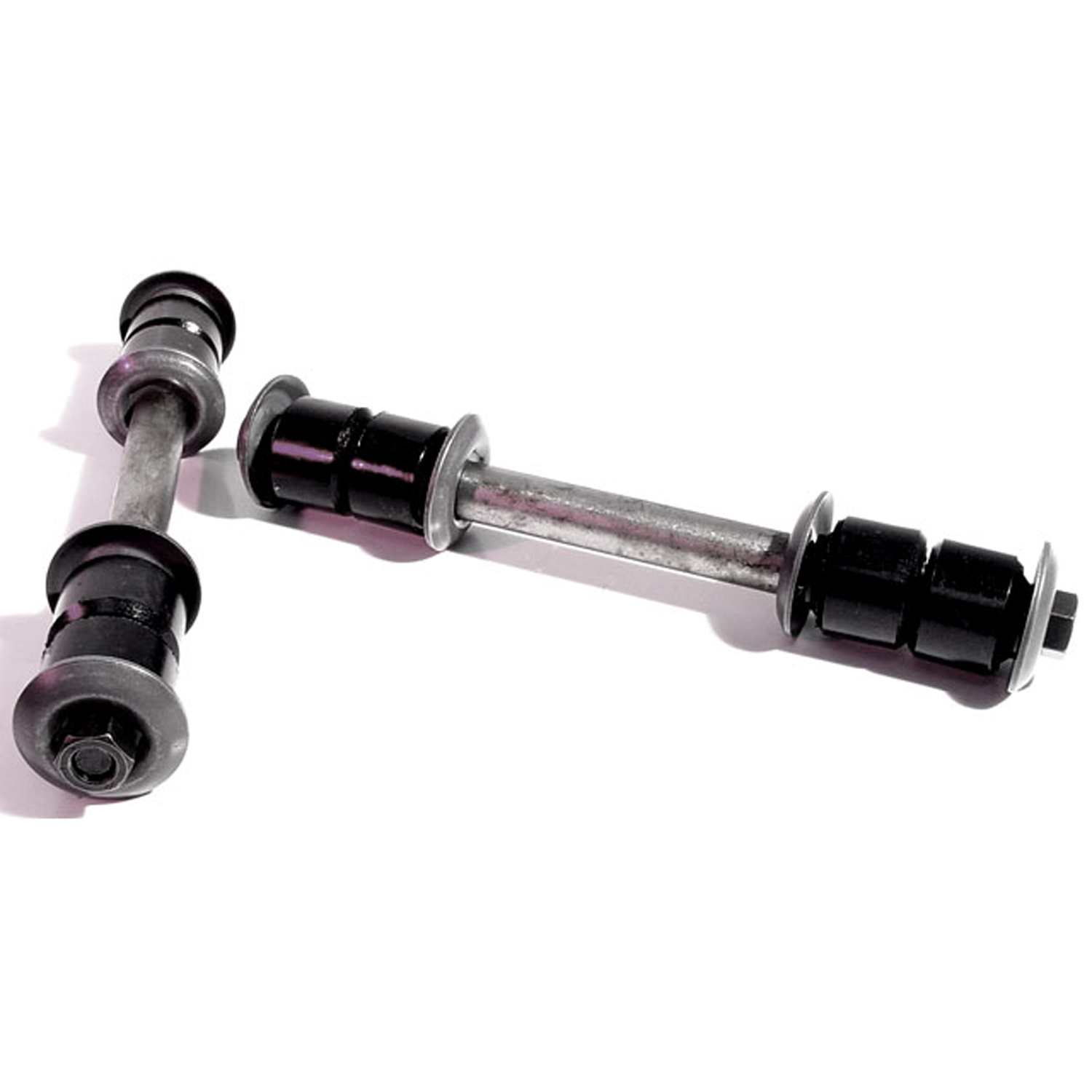 1979 Lincoln Versailles Front Stabilizer End Repair Kit-BNK 21Front Stabilizer End Repair Kit. 22-piece set for two stabilizer bars. Contains all rubber bushings, washers, bolts and nuts, enough for one front end. Set
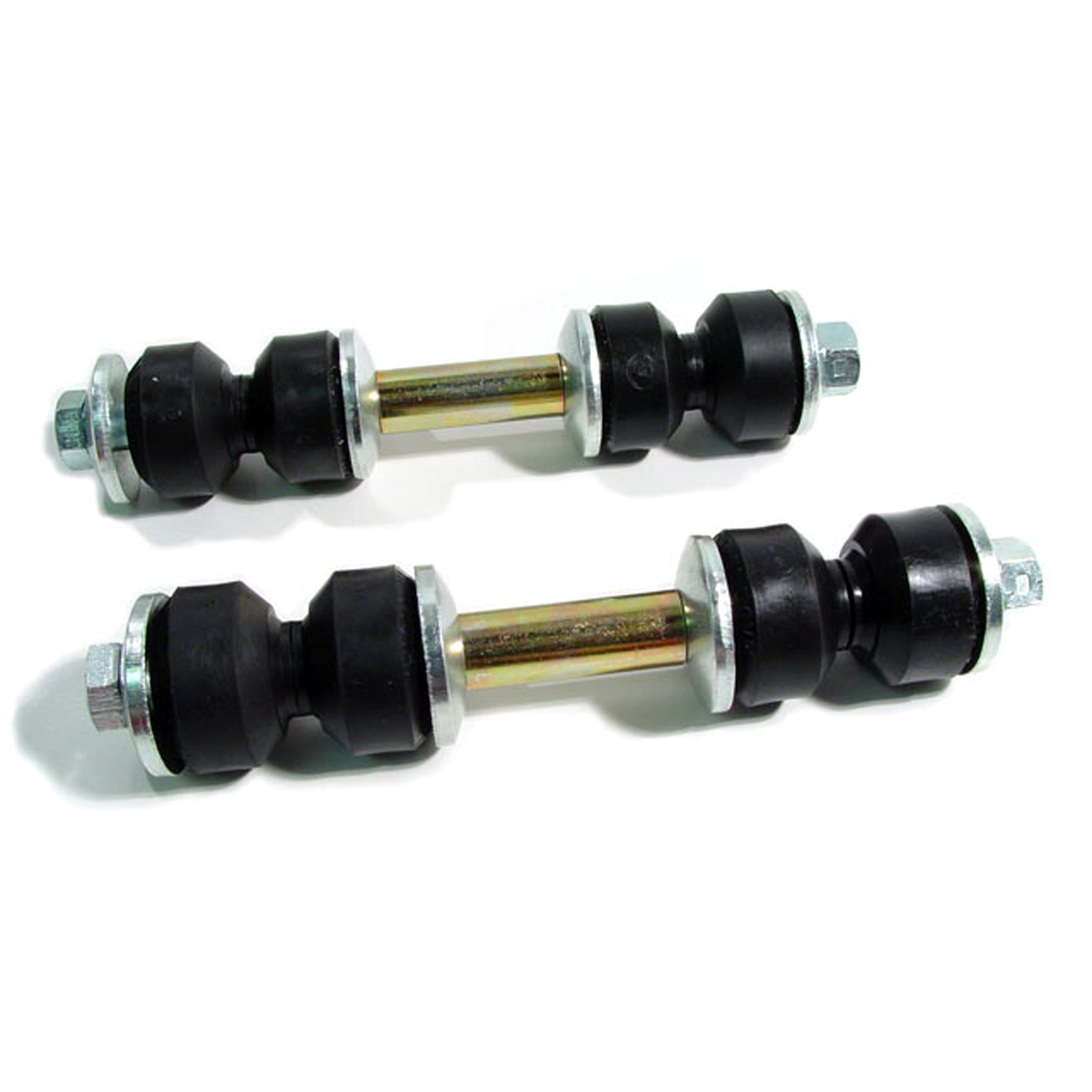 1979 Lincoln Versailles Front Stabilizer End Repair Kit-BNK 22Front Stabilizer End Repair Kit. 22-piece set for two stabilizer bars. Contains all rubber bushings, washers, bolts and nuts, enough for one front end. Set
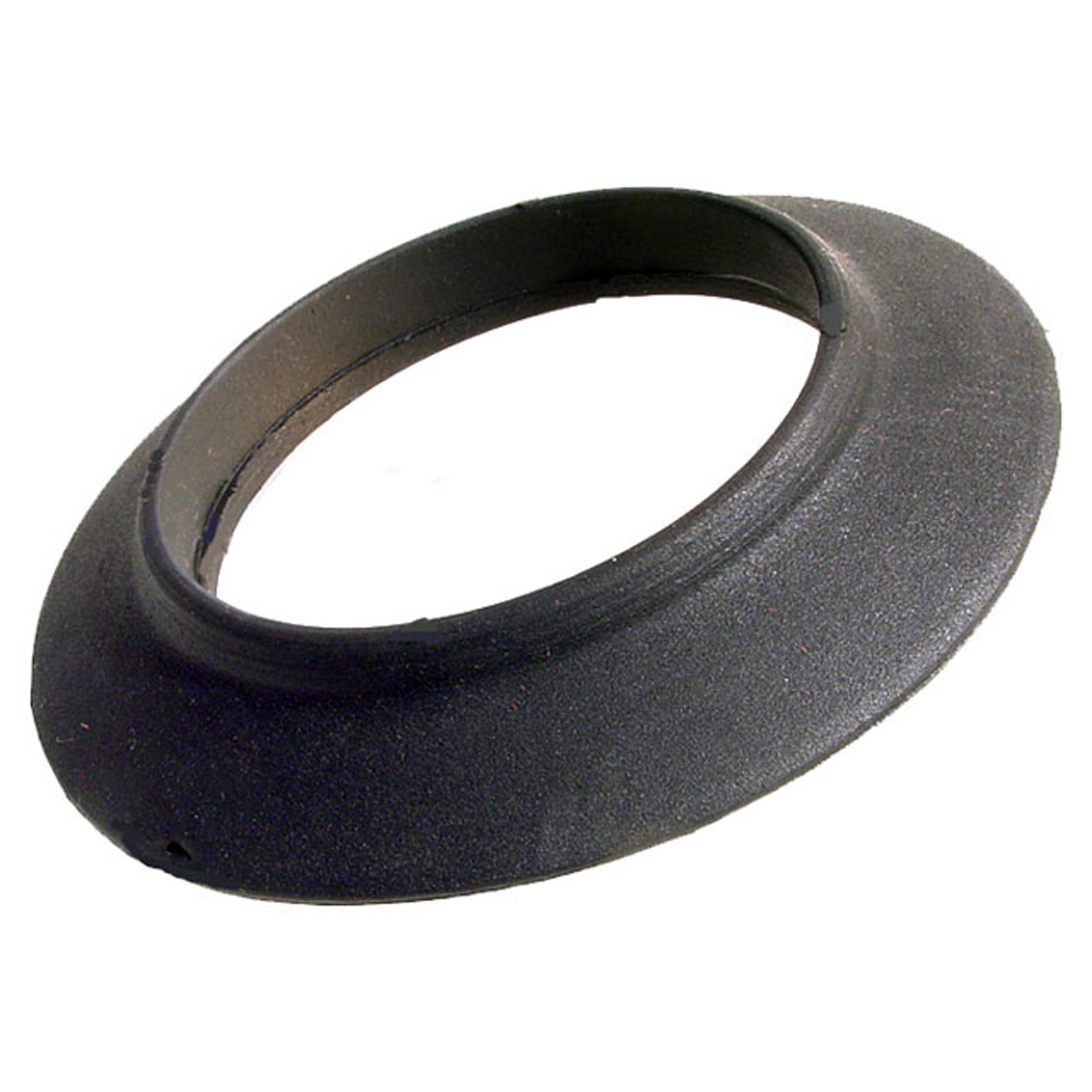 1979 Lincoln Versailles Gas Filler Grommet. 2-1/2" I.D., 4-1/8" O.D. Each-GF 24Gas Filler Grommet. 2-1/2" I.D., 4-1/8" O.D. Each
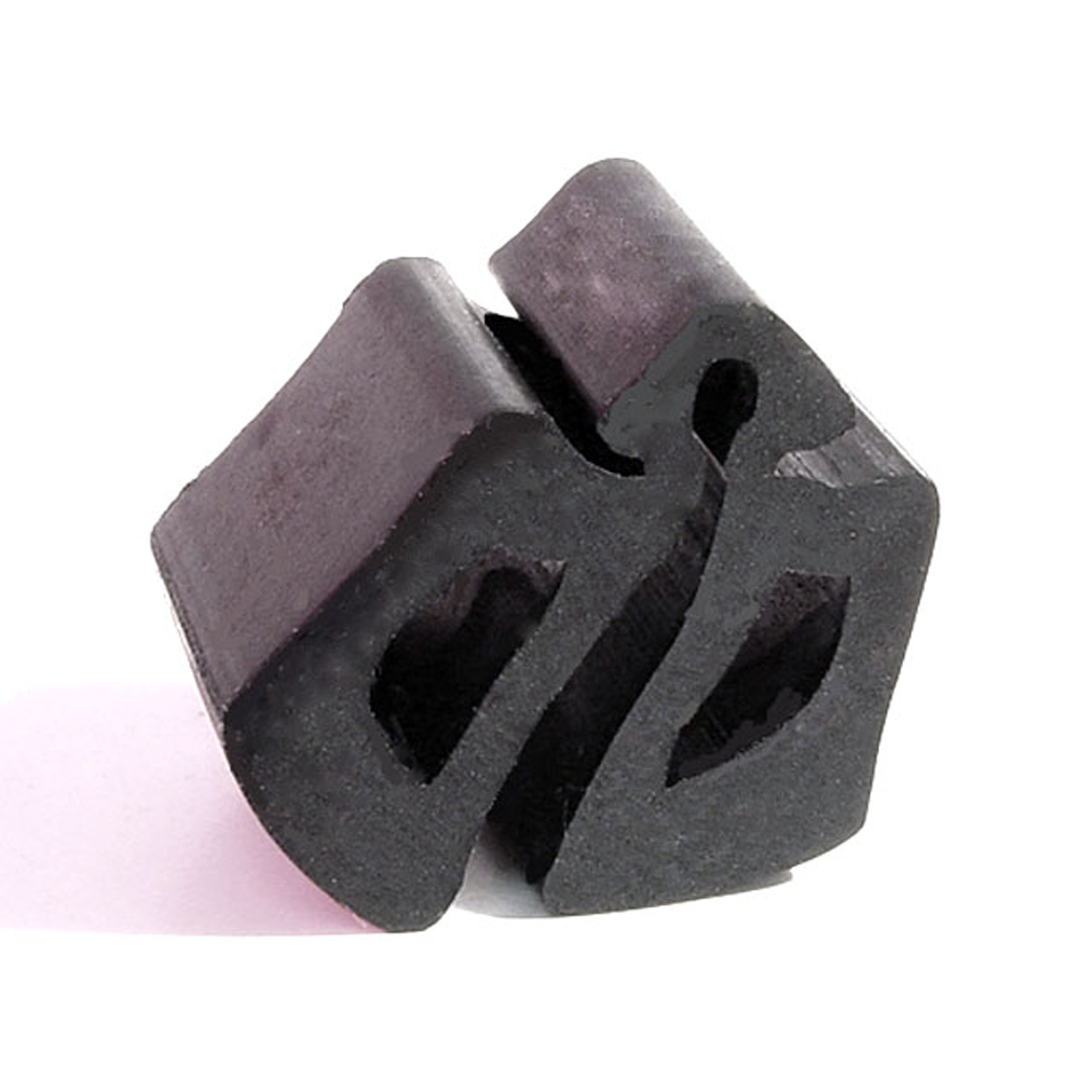 1979 Lincoln Versailles Hood Bumper. Each-HF 2Hood Bumper. Each
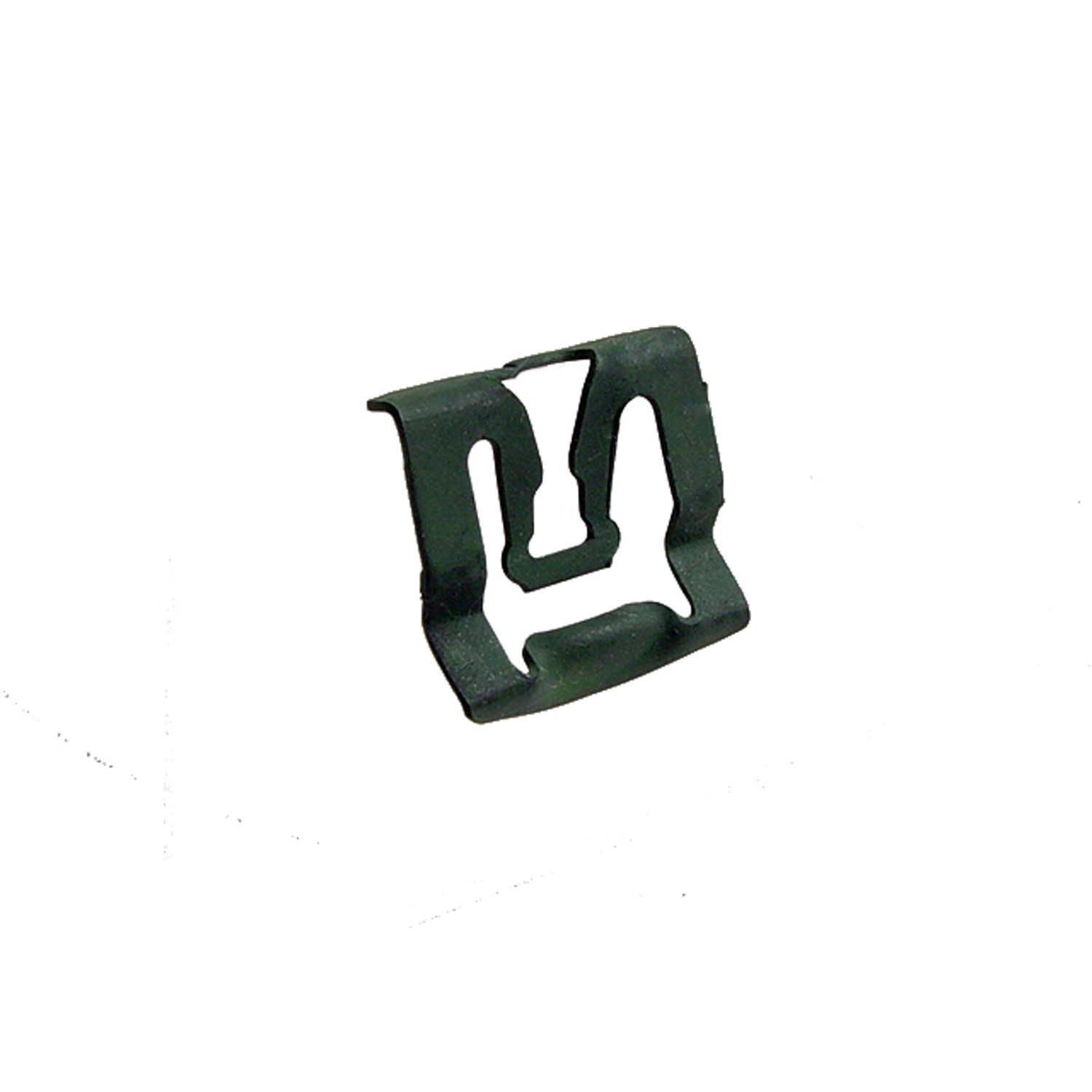 1979 Lincoln Versailles Windshield Reveal Molding Clip. Made of steel. Each-WF 228-AWindshield Reveal Molding Clip. Made of steel. Each
Why Choose Metro?
For over 100 years, Metro Moulded Parts has been the pinnacle of quality in classic car restoration parts. Our commitment to precision and authenticity in every component ensures a perfect fit and an OEM-level appearance.
- Expert Craftsmanship & Quality: Each part is a testament to our dedication to reliability and perfection, crafted from original designs and thoroughly tested.
- Advanced Technology: We use cutting-edge techniques to create flawless, long-lasting parts that surpass others in performance.
- SuperSoft Sponge – The Ultimate Door Seal: Not only are our door seals 30% softer than competitors', but they're also guaranteed to never leak. They effectively reduce wind and road noise, enhancing your classic car's comfort and driving experience.
- Proudly American: Our parts are a product of American craftsmanship, made in the USA with a spirit of excellence and heritage.
- Unrivaled Warranty: We back our products with a 30-year industry-leading warranty, a testament to our confidence in their quality.
Join us in preserving the legacy of classic cars with parts that are crafted for perfection, not just made.