
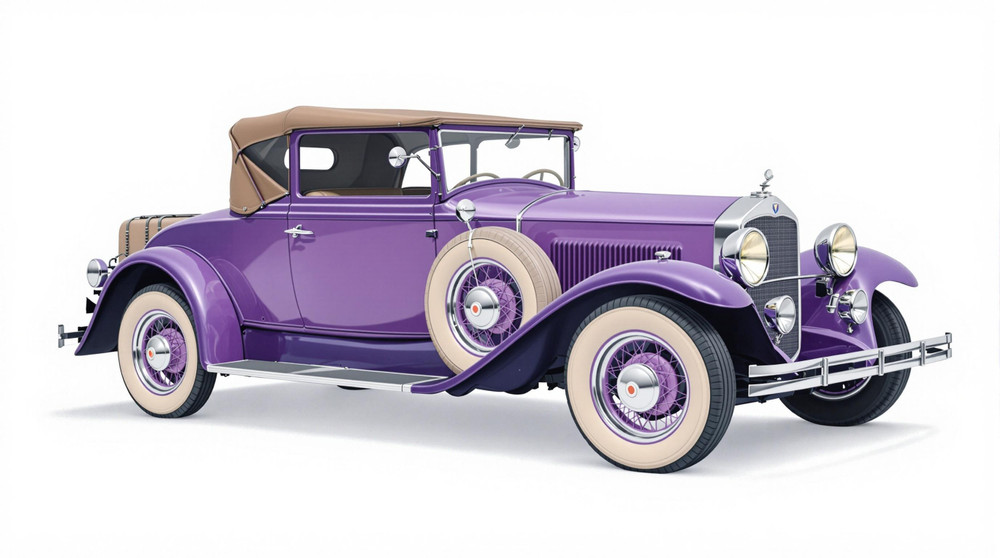
Image of 1928 Marmon Series 78, Note: These illustrations use artistic license and may differ from actual historical models.
Performance Metrics
Fundamental Metrics
Emotional Appeal
MMP Rating
| Engine Specifications | |
|---|---|
| Engine: | Straight-8 |
| Displacement: | 340 cubic inches |
| Horsepower: | Estimated 81-92 hp |
| Torque: | Not available |
| Compression Ratio: | Not available |
| Ignition System: | Distributor and coil |
| Cooling System: | Water-cooled |
| Performance Specifications | |
| 0-60 Time: | Not available |
| 1/4 Mile Time: | Not available |
| Top Speed: | 70-75 mph |
| Transmission and Drive | |
| Drive Type: | Rear-wheel drive |
| Transmission Type: | 3-speed manual |
| Fuel and Efficiency | |
| Fuel System Type: | Carburetor |
| MPG: | Not available |
| Dimensions and Brakes | |
| Brakes: | Mechanical drum brakes |
| Wheelbase: | 125 inches |
| Weight: | Estimated 3500-4000 lbs |
Note: Specifications for classic cars are given to the best of our ability, considering the limited and variant data available.
1928 Marmon Series 78: A Refined American Six
The 1928 Marmon Series 78 brought the Indianapolis maker’s engineering reputation to a more accessible six-cylinder automobile. Built by Nordyke Marmon & Company in Indianapolis, Indiana, it combined conservative American luxury with the smooth power and substantial road presence expected of a quality car in the late 1920s.
Marmon had already earned a place in motoring history: its Wasp won the inaugural Indianapolis 500 in 1911. The Series 78 was not a racing car, but it came from a company with a genuine competition pedigree and a reputation for technical ambition. One point worth keeping straight is that the “78” is the model designation, commonly associated with the engine’s horsepower rating, not a claim that this was a 78-cubic-inch car.
Exact specifications can vary by body and source, but the Series 78 is generally described as a six-cylinder model producing about 78 horsepower. It offered buyers a substantial, well-appointed automobile at a time when American manufacturers were rapidly expanding their ranges and making enclosed cars increasingly desirable.
Long Lines, Formal Style
The Series 78 had the upright proportions typical of a late-1920s luxury car, but its long hood and graceful fenders gave it a more flowing profile than many earlier automobiles. A tall radiator, prominent headlamps, sweeping front fenders and running boards established its formal road presence. Depending on the body, a rear-mounted spare tire or luggage carrier added to the touring-car silhouette.
Inside, the emphasis was on comfort and finish rather than lightweight construction. Owners could expect substantial seating, quality upholstery and polished metal or wood trim, with materials varying by body style and specification. Enclosed models offered protection from weather and road dust, while open cars provided the breezy, social motoring experience that remained popular among affluent buyers.
Period paint choices were not limited to one standard Series 78 palette. Buyers could encounter dark, sober colors as well as richer combinations, sometimes with contrasting fenders or body accents. The exact colors depended on the body and order, so surviving examples may reflect original factory combinations, later restorations or period repainting.
Body Styles and Equipment
The Series 78 was offered in several body configurations during the period, with enclosed sedans and coupes appealing to buyers who wanted year-round practicality. Open touring and roadster-style bodies offered a more sporting look. Availability and naming could differ by model year and coachwork, so a particular car’s original body should be checked against its chassis number, period literature and restoration records.
The sedan is often the most recognizable choice today because it shows off the Marmon’s formal proportions and suits the car’s comfortable, long-distance character. Open models can be especially striking at shows, but they are not automatically more valuable: condition, authenticity, documentation and the desirability of the specific body all matter.
Engineering in Context
The Series 78’s appeal was not a single breakthrough feature. Its importance lies in how it represented Marmon’s attempt to bring smooth, capable six-cylinder motoring to a broader market while preserving the refinement associated with the marque. In an era when many cars still relied on simpler four-cylinder engines, a six offered buyers more effortless power and a smoother feel on the road.
Its mechanical layout was conventional by modern standards: a front-mounted engine, rear-wheel drive and a manual transmission. That familiarity helped make it usable, while Marmon’s reputation for thoughtful engineering gave it credibility among buyers comparing established American marques. The Series 78 did not reshape automotive design in the way the Model T or later mass-production cars did, but it illustrates the period’s move toward better performance, enclosed comfort and increasingly sophisticated model ranges.
Marmon’s wider history adds another layer to the car’s significance. The company’s 1911 Indy 500 victory with the Wasp and its later creation of the technically ambitious Marmon Sixteen demonstrate the firm’s range. The Series 78 sits between those landmarks as a more conventional, road-focused Marmon rather than a direct record-setter.
Performance and Road Manners
With a six-cylinder engine commonly rated at about 78 horsepower, the Series 78 had enough power for confident touring, though it was a heavy car by the standards of a small modern vehicle. A three-speed manual transmission and rear-wheel drive were typical of the period. Published, verified performance testing is scarce, so speed figures should be treated as estimates rather than factory guarantees. A sound, correctly tuned example might reach roughly 60 to 70 mph, depending on bodywork, gearing, tires and mechanical condition.
A modern 0-to-60 mph figure is even harder to pin down. Period cars were not routinely evaluated using today’s standardized acceleration tests, and a large sedan with period gearing would take considerably longer to reach 60 than a contemporary family car. A rough estimate might be in the 25-to-35-second range, but the result would vary widely. The useful takeaway is that the Marmon was designed for steady, comfortable progress, not quick launches.
On the road, the Series 78’s size and conventional suspension favor a measured driving style. It can absorb ordinary road imperfections with the soft, deliberate motion associated with cars of its era, but rough surfaces still make their presence known through the chassis and body. On winding roads, its weight, steering effort and period tires call for smooth inputs and generous braking distance. Mechanical brakes, where fitted in original configuration, require more anticipation than modern hydraulic systems.
Behind the wheel, the experience is tactile. The driver works the clutch and gear lever, listens to the engine’s steady mechanical note and reads the road without the assistance of power steering, modern damping or contemporary brakes. A well-maintained six should sound purposeful rather than frantic. It is a car to enjoy at a touring pace, not to hustle through corners.
Living With a Marmon
Today, a Series 78 is most at home on club tours, heritage rallies, display lawns and carefully planned local drives. It can be driven, but it is rarely a sensible daily-use vehicle. Traffic speeds, modern braking expectations and the age of the car’s components make regular commuting a demanding proposition.
Maintenance is manageable for an owner familiar with prewar machinery, but it is not simply a matter of finding every part at a local auto-parts store. Routine work includes attention to ignition, carburetion, lubrication, cooling, brakes, tires and the condition of the electrical system. Specialized parts may require repair, reproduction or patient searching through marque networks and vintage-car suppliers.
Reliability depends heavily on restoration quality and ongoing care. A car with a documented mechanical rebuild and regular use may be more dependable than one that has spent years sitting in a collection. For a prospective buyer, a pre-purchase inspection by a mechanic experienced with early American cars is especially valuable. Check the chassis and body structure, engine condition, transmission, brake operation, electrical equipment and the availability of model-specific components.
Familiar Name, Less-Familiar Model
The Marmon name is often remembered through the Wasp’s Indy 500 win and the later Marmon Sixteen. The Series 78 has a quieter story: it was a road car, not a competition special, and there is no widely recognized speed or endurance record associated specifically with it. Its connection to racing comes through the company’s broader history rather than a notable race campaign by the 78 itself.
That distinction also helps explain a common criticism. The Series 78 lacks the instant name recognition and dramatic headline story of some better-known Marmons. It can also be challenging to restore because the marque is relatively obscure and surviving cars are not supported by the vast parts ecosystem available for mass-produced Fords or Chevrolets.
A charming detail of Marmon history is the contrast between the company’s different personalities: it built the Wasp, a pioneering Indy winner, and later the extravagant V16-powered Sixteen, while also producing practical touring cars such as the Series 78. The 78 is the less famous member of that family, but it gives enthusiasts a more approachable way to experience the marque’s craftsmanship.
Rarity and Collector Values
There is no dependable, widely cited production total for the 1928 Series 78 alone. As a best-guess estimate, production may have been in the several-thousand range, perhaps roughly 5,000 to 10,000 cars across the relevant run. That estimate should not be treated as an audited factory figure. The number surviving in usable, correctly identified condition is much smaller, and individual body styles can be far harder to find than the model name suggests.
As a broad present-day guide, a project car could fall around $10,000 to $25,000, while a sound driver or older restoration might bring roughly $25,000 to $50,000. A high-quality, well-documented restoration or especially desirable body could reach approximately $50,000 to $80,000 or more. These are approximate market ranges, not appraisals: condition, originality, provenance, location and sale venue can move the price substantially.
Values for specialist prewar cars tend to be selective rather than uniformly rising. Exceptional, authentic examples can attract strong interest, but the smaller pool of buyers and the cost of restoration limit the market for ordinary cars. The Series 78 is best viewed as a long-term enthusiast purchase, where condition and the pleasure of owning a distinctive Marmon matter at least as much as short-term appreciation.
Why the Series 78 Still Matters
The 1928 Marmon Series 78 brought together a smooth six-cylinder engine, handsome late-1920s styling and the engineering heritage of an ambitious American manufacturer. It was not a record-breaking racer or a mass-market revolution. Instead, it represents the confident middle ground of its era: a refined touring car built by a company whose history stretched from the Indianapolis 500 to some of the most technically adventurous American automobiles of the early 1930s.
For collectors, the Series 78 offers a chance to look beyond the famous Marmon models and experience the marque in a more practical form. Its rarity, period character and connection to a remarkable manufacturer make it more than an old sedan. It is a rolling reminder that automotive history was shaped not only by the cars that set records, but also by the well-made machines that carried people into a new age of motoring.
1928 Marmon Series 78 Catalog of Parts
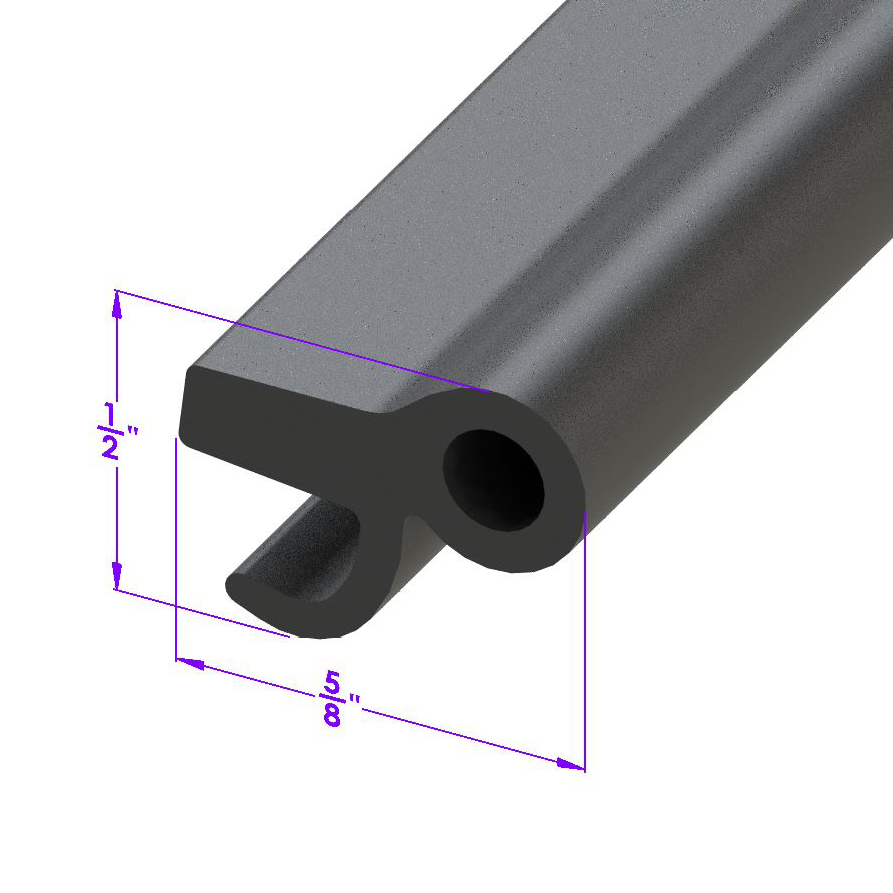 1928 Marmon Series 78 Swing-Out Windshield Seal-LP 97-CSwing-Out Windshield Seal. For both one- and two-piece windshields. Sold by the foot
Why Choose Metro?
For over 100 years, Metro Moulded Parts has been the pinnacle of quality in classic car restoration parts. Our commitment to precision and authenticity in every component ensures a perfect fit and an OEM-level appearance.
- Expert Craftsmanship & Quality: Each part is a testament to our dedication to reliability and perfection, crafted from original designs and thoroughly tested.
- Advanced Technology: We use cutting-edge techniques to create flawless, long-lasting parts that surpass others in performance.
- SuperSoft Sponge – The Ultimate Door Seal: Not only are our door seals 30% softer than competitors', but they're also guaranteed to never leak. They effectively reduce wind and road noise, enhancing your classic car's comfort and driving experience.
- Proudly American: Our parts are a product of American craftsmanship, made in the USA with a spirit of excellence and heritage.
- Unrivaled Warranty: We back our products with a 30-year industry-leading warranty, a testament to our confidence in their quality.
Join us in preserving the legacy of classic cars with parts that are crafted for perfection, not just made.