

Image of 1982 Mazda 626, Note: These illustrations use artistic license and may differ from actual historical models.
Performance Metrics
Fundamental Metrics
Emotional Appeal
MMP Rating
| Engine Specifications | |
|---|---|
| Engine: | 2.0L I4 |
| Displacement: | 1970 cc |
| Horsepower: | 75-90 hp |
| Torque: | 105-115 lb-ft |
| Compression Ratio: | 8.6:1 |
| Ignition System: | Electronic |
| Cooling System: | Water-cooled |
| Performance Specifications | |
| 0-60 Time: | 12-14 seconds |
| 1/4 Mile Time: | 18-20 seconds |
| Top Speed: | 100-105 mph |
| Transmission and Drive | |
| Drive Type: | Front-wheel drive |
| Transmission Type: | 5-speed manual or 3-speed automatic |
| Fuel and Efficiency | |
| Fuel System Type: | Carburetor |
| MPG: | 20-25 mpg |
| Dimensions and Brakes | |
| Brakes: | Front disc, rear drum |
| Wheelbase: | 98.8 inches |
| Weight: | 2400-2600 lbs |
Note: Specifications for classic cars are given to the best of our ability, considering the limited and variant data available.
1982 Mazda 626: The Family Car That Helped Mazda Move Forward
The 1982 Mazda 626 brought front-wheel drive, tidy proportions, and a surprisingly polished road manner to the midsize family-car class. Built by Hiroshima-based Mazda, it was part of the 626’s second generation, known internally as the GC series. In Japan, the same line was sold as the Capella, a name with a long history in Mazda’s lineup.
The timing mattered. Automakers were adapting to rising fuel costs and changing expectations around efficiency, packaging, and everyday comfort. The new 626 reflected that shift: its front-drive layout freed up cabin space and gave Mazda a strong contender in markets where buyers were comparing Japanese imports with established European and American sedans.
One notable change was the move to front-wheel drive for this generation. Earlier 626s used a rear-drive layout, so the GC-series car marked a major engineering step for the nameplate. It helped establish the 626 as a practical, export-focused model that Mazda could sell around the world.
Clean Lines, Useful Cabin
The 626’s styling was crisp rather than flashy. Its relatively low hood, straight flanks, large glass area, and squared-off corners gave it the purposeful look common to early-1980s cars. Slim bumpers and simple, rectangular lighting kept the design uncluttered, while the broad side windows helped the cabin feel open and made parking easier than the car’s midsize footprint might suggest.
Depending on the market, the range included sedan and hatchback body styles, with coupe versions also offered in some markets and model years. The sedan was the classic family-car choice. The hatchback, with its large rear opening and foldable rear seat, was especially useful for owners who needed more cargo flexibility without stepping up to a wagon.
Inside, the 626 emphasized function. The dashboard was straightforward, with clearly arranged controls and easy-to-read instruments. Upholstery and trim varied by market and specification, from practical cloth and vinyl to richer cloth combinations in better-equipped versions. The materials were durable and generally well assembled, though they were not intended to imitate a luxury car.
Paint choices differed across countries and trim levels. Period colors commonly included white, silver, red, blue, and neutral shades such as beige or brown. Silver and white suited the car’s sharp, modern lines, while red added a little more visual punch. Exact factory color names and availability depend on the market, so surviving paint codes are the best reference for a particular car.
Technology for Everyday Driving
The 626’s most important technical feature was its front-wheel-drive layout. With the engine and transmission packaged at the front, Mazda could provide a roomy passenger compartment without making the car unusually long. It also delivered predictable traction in rain and light snow, especially on cars fitted with suitable tires.
Engine and equipment choices varied significantly by country. Many North American examples used a 2.0-liter four-cylinder engine, commonly with a carburetor, while other markets offered different petrol engines and, in some cases, a diesel. Manual gearboxes were widely available, and automatic transmission was offered in many versions. Equipment such as air conditioning, power steering, power windows, a sunroof, and cruise control depended on the market and trim.
By modern standards, the 626’s electronics were modest. Its appeal was less about advanced computer systems and more about thoughtful packaging, straightforward controls, and mechanical simplicity. That made it approachable for drivers who wanted a well-equipped car without a complicated ownership experience.
A Turning Point in the 626 Story
The 1982 model sits at an important point in Mazda’s history. The switch to front-wheel drive brought the 626 into line with a broad industry move toward more space-efficient layouts. Mazda did not invent the front-drive family car, but the GC-series 626 showed how effectively the company could apply the format to a comfortable, export-ready midsize car.
Compared with many contemporaries, the 626 stood out for its balance. It offered sensible cabin space, an efficient four-cylinder powertrain, and a composed ride without feeling as large or heavy as some domestic alternatives. Its international identity also helped Mazda build recognition beyond Japan. The Capella name at home and 626 name in many export markets reflected the model’s role as a bridge between Mazda’s domestic range and its growing overseas business.
The car’s influence was evolutionary rather than revolutionary. It helped normalize the idea that a family sedan could be spacious, economical, and front-wheel drive while still being pleasant to drive. Later 626 generations continued that formula, refining comfort and technology as the midsize market became more competitive.
Performance and Road Manners
A typical 1982 626 was built for dependable everyday pace, not drag-strip numbers. Performance varied with engine, transmission, market, and vehicle condition. As a general guide, a North American 2.0-liter model may take roughly 10 to 12 seconds to reach 60 mph, with a top speed in the neighborhood of 100 to 105 mph. These are period-car estimates, not guaranteed factory figures for every specification.
The four-cylinder engine delivers a modest, steady sound rather than a sporting snarl. It is happiest when allowed to build revs, especially when paired with the manual gearbox. The automatic versions trade some urgency for relaxed commuting. Either way, a well-maintained example feels more eager in normal traffic than its age and horsepower figures might suggest.
On broken pavement, the suspension is tuned to take the edge off bumps without making the body feel excessively soft. The steering is light at low speeds, which helps around town, and the front-drive layout gives the car reassuring traction in wet conditions. On a winding road, it is composed and predictable, although it is not a sports sedan. Push hard and the front tires tend to run out of grip first, a familiar trait of front-wheel-drive cars from the period.
In good condition, the 626 feels easy to place on the road. The large windows provide useful visibility, the controls are uncomplicated, and the ride is comfortable enough for longer trips. A worn suspension, aged tires, or loose steering components can change that character considerably, so condition matters more than a badge or trim level.
Living With a 1982 Mazda 626
Most 626s were bought as practical transport: commuting cars, family sedans, and dependable long-distance companions. Today, a clean example is more likely to be used as a weekend classic, a period-correct show car, or an enthusiast’s inexpensive vintage daily driver than as a competition car.
Routine service is generally straightforward for an owner familiar with older Japanese cars. Oil changes, brake work, ignition service, and many suspension jobs use conventional methods. The engine bay is not overloaded with modern electronics, which can make basic diagnosis less intimidating. Still, the car is now more than four decades old, so brittle hoses, corroded connectors, worn rubber parts, and neglected cooling systems deserve close attention.
Parts availability is mixed. Common service items may be found through specialist suppliers or general parts channels, but model-specific trim, body panels, interior pieces, and certain mechanical components can take patience to locate. Rust is a key inspection point, particularly around the lower body, wheel arches, floor, and areas that trap moisture. A complete, rust-free car is usually a better buy than a cheap project missing hard-to-find parts.
Useful Facts and Common Criticisms
The 626 name was used in many export markets, while Japanese-market versions carried the Capella badge. That makes the model a small piece of Mazda’s international history: one car family, adapted to different markets and sometimes sold under different names.
There is no widely recognized 1982 626 speed or endurance record, and no dependable production total for the model year across all markets. The 626’s achievement was its broad commercial reach and long-running role in Mazda’s global lineup, rather than a headline-grabbing motorsport record. No celebrity ownership story is firmly associated with the 1982 model.
Common complaints are familiar for an older midsize car: modest acceleration, limited modern safety equipment, and a cabin that feels basic beside newer vehicles. Some drivers may also find the handling less engaging than that of a rear-drive sports sedan. On the other hand, straightforward controls and a comfortable ride are part of its appeal.
Collector Value and Availability
The 1982 Mazda 626 remains an uncommon sight, but it is not generally a high-priced collector car. Values depend heavily on location, body style, rust, originality, and mechanical condition. As a broad present-day guide, a running driver-quality car might sell for about US$1,500 to US$4,000. A well-kept, largely original example could bring roughly US$4,000 to US$8,000, while an exceptional or unusually rare market-specific version may exceed that range. These are estimates, not formal appraisals.
Exact 1982 production figures are difficult to establish because Mazda’s published totals do not provide a clear, consistent worldwide count by model year, market, and body style. A cautious estimate is that production of the broader GC-generation 626 and Capella ran into the hundreds of thousands across its full production life, while the number of 1982-badged cars alone was far smaller. Individual versions are now scarce in many countries, particularly rust-free hatchbacks and cars with complete original trim.
Prices have generally stayed modest compared with better-known Japanese classics. The model’s rarity and period styling have attracted more interest from 1980s-car enthusiasts, but condition and originality still drive most sales. Appreciation is possible for unusually clean cars, though buyers should not assume that every 626 is a major investment. The best examples are becoming harder to find, which could gradually support values.
Why the 1982 626 Still Matters
The 1982 Mazda 626 was not a supercar or a radical styling icon. Its significance lies in how successfully it handled the everyday job: carrying people comfortably, making efficient use of space, and giving Mazda a competitive front-wheel-drive midsize car for a changing market. It also marks a major turning point for the 626 name, moving the model into a layout that would define much of its future.
For today’s classic-car enthusiast, the 626 offers a less obvious route into Japanese motoring history. Find a sound, complete example and you get more than a practical old sedan. You get a snapshot of Mazda at a pivotal moment, when smart engineering and quiet confidence helped turn an everyday family car into a lasting part of the brand’s story.
1982 Mazda 626 Catalog of Parts
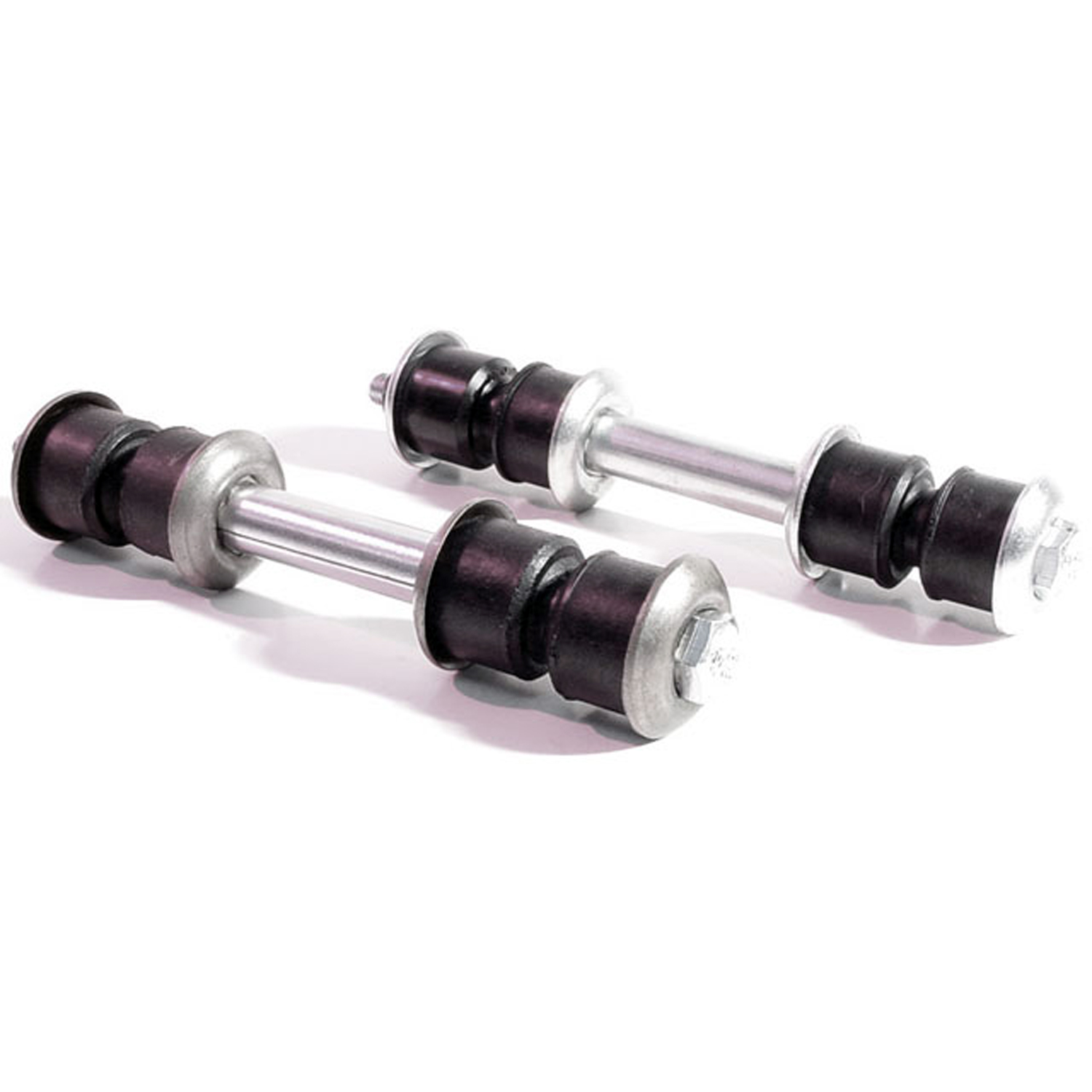 1982 Mazda 626 Front Stabilizer End Repair Kit-BNK 24Front Stabilizer End Repair Kit. 22-piece set for two stabilizer bars. Contains all rubber bushings, washers, bolts and nuts, enough for one front end. Set
Why Choose Metro?
For over 100 years, Metro Moulded Parts has been the pinnacle of quality in classic car restoration parts. Our commitment to precision and authenticity in every component ensures a perfect fit and an OEM-level appearance.
- Expert Craftsmanship & Quality: Each part is a testament to our dedication to reliability and perfection, crafted from original designs and thoroughly tested.
- Advanced Technology: We use cutting-edge techniques to create flawless, long-lasting parts that surpass others in performance.
- SuperSoft Sponge – The Ultimate Door Seal: Not only are our door seals 30% softer than competitors', but they're also guaranteed to never leak. They effectively reduce wind and road noise, enhancing your classic car's comfort and driving experience.
- Proudly American: Our parts are a product of American craftsmanship, made in the USA with a spirit of excellence and heritage.
- Unrivaled Warranty: We back our products with a 30-year industry-leading warranty, a testament to our confidence in their quality.
Join us in preserving the legacy of classic cars with parts that are crafted for perfection, not just made.