

Image of 1934 Mercedes-Benz 540k, Note: These illustrations use artistic license and may differ from actual historical models.
Performance Metrics
Fundamental Metrics
Emotional Appeal
MMP Rating
| Engine Specifications | |
|---|---|
| Engine: | Straight 8 |
| Displacement: | 5.4L |
| Horsepower: | Estimated 115-180 HP |
| Torque: | Not available |
| Compression Ratio: | Not available |
| Ignition System: | Coil and distributor |
| Cooling System: | Water-cooled |
| Performance Specifications | |
| 0-60 Time: | Not available |
| 1/4 Mile Time: | Not available |
| Top Speed: | 105-110 mph |
| Transmission and Drive | |
| Drive Type: | Rear-wheel drive |
| Transmission Type: | 4-speed manual |
| Fuel and Efficiency | |
| Fuel System Type: | Carburetor |
| MPG: | Not available |
| Dimensions and Brakes | |
| Brakes: | Hydraulic drum brakes |
| Wheelbase: | 129 inches |
| Weight: | Estimated 5000 lbs |
Note: Specifications for classic cars are given to the best of our ability, considering the limited and variant data available.
1934 Mercedes-Benz 540K: The Date Behind the Legend
Few prewar cars turn a road into a red carpet quite like the Mercedes-Benz 540K, with its towering grille, sweeping fenders, and long, supercharged straight-eight engine. There is one important detail to clear up, though: Mercedes-Benz did not build a 540K in 1934. The model arrived in 1936. The great Mercedes of 1934 was the 500K, its predecessor and close relative.
The distinction matters to collectors, but it does little to diminish the 540K’s appeal. Built by Mercedes-Benz in Stuttgart, the 540K was a high-performance luxury car for wealthy buyers who wanted speed, presence, and coachbuilt individuality in one remarkable package. It also arrived during a turbulent period in European history, when the automobile was becoming both a symbol of engineering progress and a conspicuous display of status.
A curious feature of the 540K is that its supercharger was not intended to operate continuously. The engine could run in a quieter, less stressed mode, with the mechanically driven compressor brought into action when the driver pressed the accelerator hard. That sudden change in character helped give the car its famous Kompressor drama.
Long Bonnet, Bespoke Coachwork
The 540K’s proportions were designed to make an entrance. A tall, upright radiator grille led into a long bonnet, while exposed headlights, flowing front wings, and running boards emphasized the car’s considerable length. From the side, the body seemed to stream backward over the rear axle. The result was formal yet surprisingly athletic, especially in roadster form.
Inside, the experience depended on the body style and the original buyer’s specifications. Mercedes-Benz’s Sindelfingen coachworks offered carefully finished cabins with leather upholstery, polished wood trim, finely made instruments, and generous space for occupants. These were expensive hand-finished cars, not mass-produced luxury vehicles, so details could vary from one example to another. A closed cabriolet might feel like an elegant private salon, while an open roadster put its occupants closer to the weather and the sound of the engine.
There was no single signature paint color. Buyers could order individualized combinations of body, fender, and interior colors, and surviving cars have appeared in everything from dark formal shades to lighter, more dramatic finishes. Deep black, dark green, burgundy, and other rich colors suit the car’s stately character, while two-tone treatments can make its sculpted fenders stand out. Original specification and quality of restoration are more important to collectors than any one color choice.
Mercedes-Benz offered the 540K in several body styles, including cabriolets, coupes, touring cars, and roadsters. The most celebrated is the Spezial Roadster, with its distinctive flowing rear bodywork, low windscreen, and dramatic open cockpit. It is the version most often pictured in period glamour photography and the one most likely to command headline auction prices.
Engineering for Speed and Comfort
At the heart of the 540K was a 5.4-liter inline-eight. In normal operation, it produced about 115 horsepower. Engaging the Roots-type supercharger raised output to approximately 180 horsepower, giving the big Mercedes performance that was exceptional for a luxury car of its time. A four-speed manual transmission, hydraulic brakes, and sophisticated suspension helped make that power usable in a substantial, coachbuilt automobile.
The 540K’s supercharger was mechanically driven and designed for bursts of additional power rather than constant use. When called upon, it added a distinctive mechanical whine and a forceful surge of acceleration. The system was an impressive piece of engineering, but it also added complexity and required careful maintenance.
Mercedes-Benz did not publish one universally applicable modern-style 0-to-60 mph figure for every body configuration. Weight, gearing, condition, and coachwork all affected performance. Period and later estimates generally put acceleration to 60 mph in the mid-to-high teens, roughly 15 to 18 seconds. Top speed was commonly quoted at about 105 mph, or 170 km/h, although the exact result depended on body style and gearing.
How the 540K Drives
The 540K is not a nimble sports car in the modern sense. Its long wheelbase, considerable weight, and large body call for measured inputs. On a smooth open road, however, it feels composed and imposing. The straight-eight delivers its power with a steady, refined pull, then becomes more urgent when the supercharger comes in. The mechanical whine is part of the occasion, not merely background noise.
Its suspension was intended to provide comfort as well as control, and the car can settle into a relaxed rhythm on good roads. Broken pavement and sharp bumps demand more care than they would in a modern car, particularly on a valuable restored example. On winding roads, the driver needs to plan ahead, respect the car’s size, and avoid treating it like a lightweight sports machine. Steering, braking, and shifting all reward deliberate movements.
That slower, more involved interaction is central to the experience. The driver sits behind a broad bonnet, watches the road unfold from a high-quality cockpit, and manages a manual gearbox and a powerful engine without modern electronic assistance. A 540K is at its best on a scenic tour, at a concours, or on a carefully planned drive, not in stop-and-go traffic.
Why the 540K Mattered
The 540K represented the top end of Mercedes-Benz engineering and craftsmanship in the late 1930s. It combined a large supercharged engine with bespoke bodywork and a chassis designed for fast, comfortable touring. At a time when many luxury cars emphasized either sporting performance or formal refinement, the 540K made a persuasive case for both.
Its importance also lies in the way it brought advanced engineering into a highly individual luxury car. The supercharger offered striking extra power when needed, while the variety of coachbuilt bodies let customers commission a car that reflected their own tastes. That blend of engineering and personal specification remains a defining idea in the collector-car world.
The 540K’s lasting influence is visible less in a direct line of mass-market successors than in the enduring image of the high-performance grand tourer: a car with a powerful engine, a long-distance chassis, and a body designed to make it unforgettable. Its contemporaries could be fast, elegant, or rare. The 540K made all three qualities part of its identity.
Ownership, Care, and Common Criticisms
Today, a 540K is primarily a collector car, show car, and occasional touring machine. Its value and rarity make everyday use impractical for nearly every owner. A well-prepared example can take part in rallies and historic motoring events, but it needs expert preparation and a support plan appropriate to a car of its age and value.
Maintenance is specialized and costly. The engine, supercharger, transmission, brakes, and coachbuilt body all require knowledgeable attention, and authentic parts can be difficult to source. Repairing one is not a realistic project for the average owner without specialist tools, experience, and access to marque experts. Even routine work can involve significant expense, especially when originality and historical correctness are priorities.
Common criticisms are practical rather than aesthetic. The 540K is large, heavy, thirsty, and mechanically complex by the standards of an ordinary car. Its performance should not be confused with that of a modern sports car, and its supercharger system calls for informed operation and upkeep. Its rarity also means owners must balance driving enjoyment against preservation and financial risk.
Rare Facts and Notable Examples
The 540K followed the 500K, which Mercedes-Benz introduced in 1934. The 500K’s name referred to its five-liter engine and Kompressor equipment; the later 540K increased displacement to 5.4 liters. So a car described as a “1934 540K” is usually a mistaken date, a misidentified 500K, or a reference to the broader family of Mercedes supercharged luxury cars.
Production estimates commonly place total 540K output at approximately 419 cars, built between 1936 and 1939. Exact counts can vary depending on how bodies and surviving chassis are categorized. Only a small portion were Spezial Roadsters, making that body style especially scarce and sought after.
The 540K was a car for the wealthy and powerful, and examples were associated with prominent figures and official circles in prewar Europe. Individual histories need to be checked carefully, since celebrity and political ownership claims are sometimes repeated without strong documentation. A well-established ownership record can add substantial interest and value, but an attractive story is no substitute for reliable provenance.
One memorable market milestone came in 2012, when a 1936 Mercedes-Benz 540K Spezial Roadster sold at a Bonhams auction for about $11.77 million. That result illustrates the premium paid for the rarest body styles and the strongest examples. It does not represent the value of every 540K, and auction prices can vary widely with condition, originality, documentation, and provenance.
540K Collector Values and Availability
There is no single price for a 540K. As a broad guide, a car with a less sought-after body style or significant restoration needs might fall in the low millions of dollars. Strong, well-restored examples can bring several million, while the most desirable Spezial Roadsters with excellent provenance can reach roughly $8 million to $15 million or more. Exceptional cars may exceed that range, but such sales are rare and highly dependent on the individual example.
Availability is extremely limited. With only about 419 built, and many now held in established collections or museums, a genuine 540K may not appear on the open market for years. Buyers should commission marque specialists to verify the chassis, engine, body, restoration history, and provenance before making a purchase.
Long-term values for top-tier prewar Mercedes-Benz cars have generally benefited from their scarcity, craftsmanship, and international collector appeal. Still, the market is thin, so prices do not rise in a straight line. A spectacular Spezial Roadster and an ordinary-condition example are effectively different market categories. Condition and authenticity can matter more than short-term market trends.
The Mercedes Supercharged Legacy
The 1934 date belongs to the Mercedes-Benz 500K, while the 540K arrived two years later. Together, the cars define one of the great prewar Mercedes-Benz chapters: large supercharged engines, coachbuilt bodies, advanced engineering, and an unmistakable road presence.
More than a beautiful antique, the 540K is a remarkable expression of what happened when engineering ambition met bespoke craftsmanship. Its rarity, sound, and dramatic proportions still make it a showstopper, but its true achievement is the way it turned grand touring into theater.
1934 Mercedes-Benz 540k Catalog of Parts
 1934 Mercedes-Benz 540K Headlight Pads. 3-5/8" wide X 12" long. Pair R&L-MP 823-EHeadlight Pads. 3-5/8" wide X 12" long. Pair R&L
 1934 Mercedes-Benz 540K Headlight Pads. 5-3/8" wide X 7-3/8" long. Pair-MP 823-FHeadlight Pads. 5-3/8" wide X 7-3/8" long. Pair
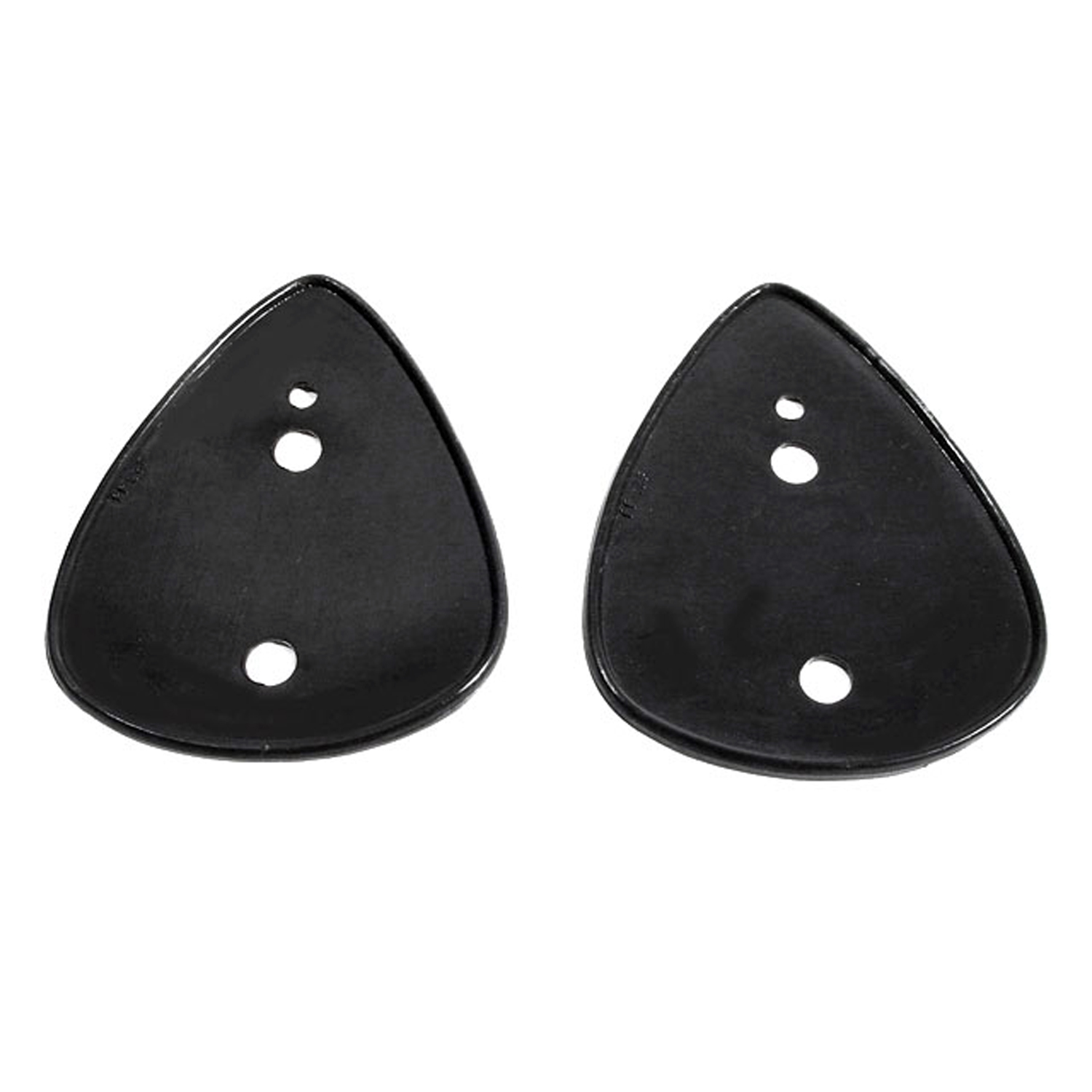 1934 Mercedes-Benz 540K Park Light Pads. Made for the stamped fender light-MP 823-JJPark Light Pads. Made for the stamped fender light. 3-7/8" wide X 5-1/8" long. Pair
 1934 Mercedes-Benz 540K Headlight Bar Pads. 2" wide X 4-3/4" long. Pair-MP 823-KHeadlight Bar Pads. 2" wide X 4-3/4" long. Pair
 1934 Mercedes-Benz 540K Trunk Hinge Pads. 1-5/8" wide X 12" long. Set-MP 823-PTrunk Hinge Pads. 1-5/8" wide X 12" long. Set
 1934 Mercedes-Benz 540K Coupler to Engine Seal. 1-1/8" I.D., 2-3/4" O.D. Each-RP 15Coupler to Engine Seal. 1-1/8" I.D., 2-3/4" O.D. Each
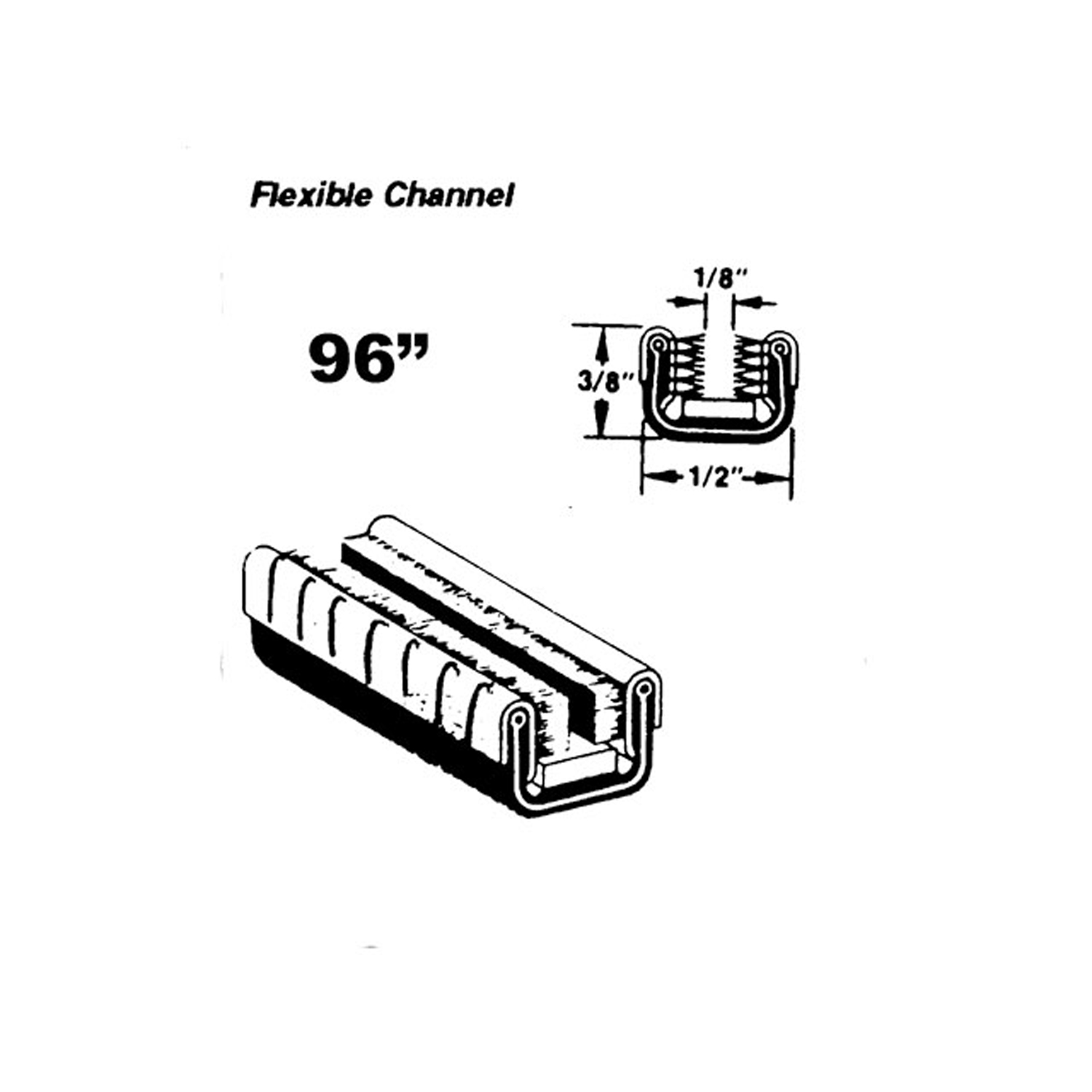 1934 Mercedes-Benz 540K Flexible glass-run channel. Rubber covered and pile lined-WC 12-96Flexible glass-run channel. Rubber covered and pile lined. Unbeaded. 96 in. long. Each. NOTE: $20 special shipping charge applies for domestic orders. Call or email for overseas shipping costs. Part can be sectioned in two or three equal lengths to reduce overseas shipping costs.
Why Choose Metro?
For over 100 years, Metro Moulded Parts has been the pinnacle of quality in classic car restoration parts. Our commitment to precision and authenticity in every component ensures a perfect fit and an OEM-level appearance.
- Expert Craftsmanship & Quality: Each part is a testament to our dedication to reliability and perfection, crafted from original designs and thoroughly tested.
- Advanced Technology: We use cutting-edge techniques to create flawless, long-lasting parts that surpass others in performance.
- SuperSoft Sponge – The Ultimate Door Seal: Not only are our door seals 30% softer than competitors', but they're also guaranteed to never leak. They effectively reduce wind and road noise, enhancing your classic car's comfort and driving experience.
- Proudly American: Our parts are a product of American craftsmanship, made in the USA with a spirit of excellence and heritage.
- Unrivaled Warranty: We back our products with a 30-year industry-leading warranty, a testament to our confidence in their quality.
Join us in preserving the legacy of classic cars with parts that are crafted for perfection, not just made.