

Image of 1936 Mercedes-Benz 170 V, Note: These illustrations use artistic license and may differ from actual historical models.
Performance Metrics
Fundamental Metrics
Emotional Appeal
MMP Rating
| Engine Specifications | |
|---|---|
| Engine: | Inline 4 |
| Displacement: | 1.7L |
| Horsepower: | Estimated 38 HP |
| Torque: | Information not available |
| Compression Ratio: | Information not available |
| Ignition System: | Distributor ignition system |
| Cooling System: | Liquid cooled |
| Performance Specifications | |
| 0-60 Time: | Information not available |
| 1/4 Mile Time: | Information not available |
| Top Speed: | 68 mph |
| Transmission and Drive | |
| Drive Type: | Rear wheel drive |
| Transmission Type: | 4-speed manual |
| Fuel and Efficiency | |
| Fuel System Type: | Carburetor |
| MPG: | Information not available |
| Dimensions and Brakes | |
| Brakes: | Drum brakes |
| Wheelbase: | 112.2 inches |
| Weight: | 2,425 lbs |
Note: Specifications for classic cars are given to the best of our ability, considering the limited and variant data available.
The 1936 Mercedes-Benz 170 V brought big-car engineering into a compact, carefully built package, and it helped define what a practical Mercedes could be. Its upright grille and sweeping fenders look unmistakably prewar, but beneath that formal styling sat a modern chassis that made the 170 V one of the most important Mercedes-Benz models of its era.
Mercedes-Benz 170 V: A New Kind of Mercedes
Mercedes-Benz introduced the 170 V, factory designation W 136, in 1936. The “V” stood for Vorne, German for “front,” distinguishing it from the rear-engined 170 H. The new car was powered by a front-mounted four-cylinder engine and was designed to deliver Mercedes-Benz quality in a more accessible, economical form than the company’s larger six- and eight-cylinder models.
The timing mattered. European buyers wanted cars that were comfortable and well engineered but less costly to buy and run. The 170 V answered with a modest engine, a spacious cabin for its size, and an advanced independent suspension system. It was not a budget car in the modern sense, but it broadened the appeal of the Mercedes-Benz name.
Its story also crossed a major turning point in German history. Production stopped during the Second World War, then resumed in 1947 as Mercedes-Benz rebuilt its passenger-car business. The 170 V became a key postwar model, too, helping put the company back on the road before newer designs arrived.
Upright Styling, Carefully Finished
The 170 V wore the classic proportions of a 1930s automobile: a tall, chrome-edged radiator grille, separate round headlamps, a long hood, pronounced front and rear fenders, and running boards between the wheels. Its roofline and cabin were relatively compact, while the rounded bodywork gave the car a dignified, almost formal presence. The overall effect was elegant rather than flashy.
Inside, the 170 V was built for comfort and durability. Depending on body style and specification, buyers could find cloth or leather upholstery, a broad bench-style seat, a painted or wood-trimmed dashboard, and neatly arranged instruments. Open models offered a more special atmosphere, with their folding tops and, on some versions, richer trim. Materials and equipment varied, so not every 1936 car left the factory with the same finish.
Period color choices depended on body style, market, and customer specification. Dark shades such as black, navy, and deep green or maroon suited the car’s formal character, while lighter finishes were also possible. Black is a common sight among surviving examples, but it should not be taken as the only original choice.
Body Styles and Special Versions
Mercedes-Benz offered the 170 V in a broad range of forms. The four-door sedan was the practical, familiar choice and the most recognizable version today. Open models included cabriolets and roadsters, while touring bodies, chassis supplied for coachwork, and commercial variants served buyers with different needs. The exact range changed over the model’s long production life.
The cabriolets were especially appealing to buyers who wanted open-air motoring without giving up the finish and comfort expected of a Mercedes-Benz. Commercial versions, including delivery vehicles and ambulances, showed that the sturdy chassis could do more than carry private owners. For most people picturing a 1936 170 V, however, the upright four-door sedan remains the signature body style.
Engineering Ahead of Its Class
The 170 V’s most important innovation was not a dramatic styling flourish. It was its chassis. A strong central tubular frame supported independent front suspension and a swing-axle rear suspension, giving the car a more sophisticated ride than the solid-axle layouts common on many contemporary vehicles. Hydraulic brakes provided another modern feature for the period.
This combination helped the 170 V feel composed and comfortable on imperfect roads. Independent suspension allowed each wheel to respond more separately to bumps, reducing some of the harshness and body disturbance associated with simpler suspension designs. The swing-axle layout had its own handling characteristics, especially when pushed hard, but it was an ambitious solution for a car in this class.
The model also demonstrated a lasting Mercedes-Benz strategy: use advanced engineering to make a smaller car feel reassuringly substantial. It was not a mass-market car built to the lowest possible price. Instead, it offered a more compact route into the marque, with a level of chassis sophistication that helped distinguish it from many rivals.
Four-Cylinder Performance and Road Manners
Power came from a 1,697 cc inline-four with side valves and a carburetor. In 1936 specification, it produced about 38 metric horsepower, or roughly 37 brake horsepower. A four-speed manual gearbox sent power to the rear wheels. The engine was designed for steady, dependable progress rather than rapid acceleration.
Period performance figures vary by body style and source, but a healthy 170 V could reach approximately 65 to 67 mph, or about 105 to 108 km/h. A 0-to-60 mph run was a lengthy affair, likely around 30 to 40 seconds in ordinary conditions. That acceleration estimate is best treated as a modern approximation, not a definitive factory test figure.
On the road, the engine delivers a measured four-cylinder note, becoming busier as speed rises. The steering and controls require more physical involvement than a modern car, and the driver must plan overtakes and hills with patience. The suspension is a highlight: it softens rough surfaces and gives the car a settled, comfortable gait. On winding roads, smooth inputs suit it best. Its rear swing axle rewards sensible cornering rather than abrupt steering or enthusiastic throttle use.
Living With a 170 V
Today, a 1936 170 V is generally a show car, touring car, or cherished collector vehicle rather than a daily driver. It is well suited to club events and relaxed vintage motoring, where its comfortable ride and period character can be enjoyed without asking it to keep pace with modern traffic.
Maintenance is straightforward in principle, but age and parts availability matter. The engine and mechanical systems are conventional enough for a specialist familiar with prewar Mercedes-Benz cars to service, and some repairs can be handled by a capable owner with the right tools and workshop information. However, sourcing correct components, rebuilding the suspension, and preserving original bodywork can be time-consuming and expensive.
Reliability depends heavily on condition and restoration quality. A carefully maintained example can be dependable for touring, but a neglected car may need significant work on its brakes, fuel system, cooling system, electrical equipment, or chassis. Before buying, inspect the frame and body for corrosion, check the suspension and brakes, and confirm that the engine and gearbox are healthy. A car that has been restored properly is usually a better proposition than one that merely looks polished.
Wartime Service and Postwar Importance
The 170 V’s robust construction made it useful beyond private ownership. Variants served as taxis, police vehicles, commercial transports, and military vehicles. During the war, the model was adapted for practical duties, including staff transport and ambulance use. These roles reflect the car’s versatility, though they also mean that surviving examples can differ considerably from their original civilian specification.
After production resumed in 1947, the 170 V helped Mercedes-Benz restore passenger-car output in a country still recovering from wartime damage. Its postwar role gives the model a significance beyond its original 1930s design. It became a bridge between the company’s prewar engineering tradition and its postwar recovery.
There is no widely cited speed or endurance record associated with the 170 V. Its achievement was more practical: it was a durable, adaptable model that served private motorists and working fleets, then helped sustain Mercedes-Benz through the difficult years after the war.
Collector Values and Rarity
Mercedes-Benz built roughly 75,000 170 V vehicles during the prewar production run, commonly dated from 1936 to 1942. Production resumed after the war, and totals for the wider 170 V family vary depending on which later versions are counted. That overall production figure does not mean 1936 cars are common: early examples, especially unusual body styles and well-documented cars, are far less frequently encountered than the model’s total suggests.
As a broad 2026 market estimate, a presentable 170 V sedan might sell for approximately US$25,000 to US$60,000, with exceptional restorations potentially reaching US$70,000 to US$100,000 or more. Cabriolets and rarer open versions can bring substantially higher prices, often somewhere around US$100,000 to US$250,000 depending on originality, provenance, condition, and body style. These are general ranges, not appraisals; location, restoration quality, and authenticity can shift a price considerably.
Values have tended to be strongest for rare, original, or professionally restored examples. Good sedans remain more attainable than the open cars, while lesser-quality projects can be costly to restore relative to their finished value. In recent years, the market has generally rewarded condition and documentation more than simple model-year claims. A genuine, well-preserved car with known history is usually a safer collector purchase than an attractive but poorly documented restoration.
Why the 1936 170 V Still Matters
The 1936 Mercedes-Benz 170 V combined graceful prewar styling, a useful four-cylinder engine, and unusually sophisticated suspension for its class. Its sedan, cabriolet, and commercial forms made it adaptable, while its postwar return gave it an important role in Mercedes-Benz history. It was not built to win a drag race or set a speed record. Its accomplishment was making comfort, durability, and advanced engineering work together in a compact car.
Nearly a century later, the 170 V remains a compelling reminder that progress is not always loud. Sometimes it arrives in the form of a handsome sedan that rides well, works hard, and helps carry an entire company into its next chapter.
1936 Mercedes-Benz 170 V Catalog of Parts
 1936 Mercedes-Benz 170 V Hood Corners. 2 Front and 2 Rear Corners. 4-Piece Set-HC 26Hood Corners. 2 Front and 2 Rear Corners. 4-Piece Set
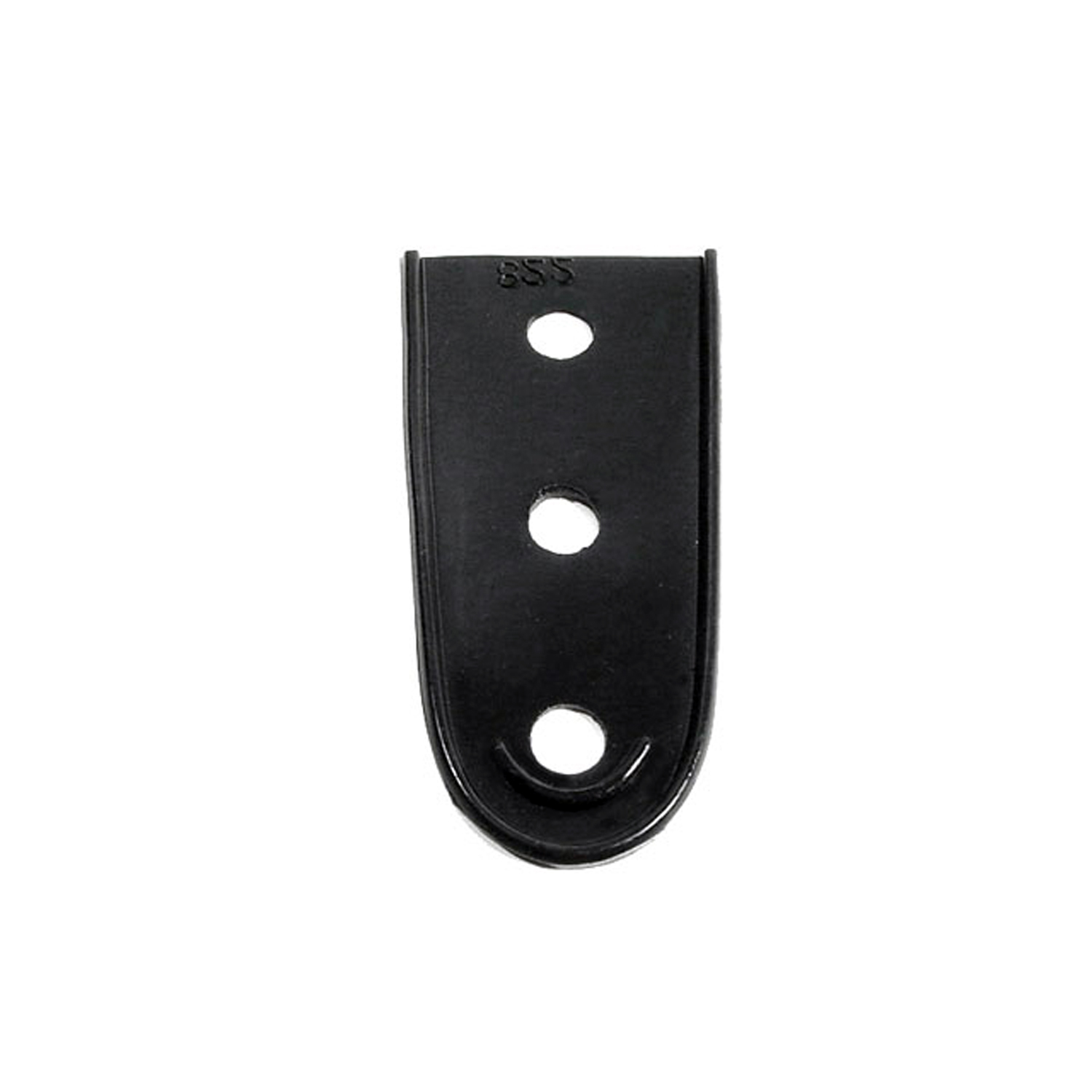 1936 Mercedes-Benz 170 V Trunk Lower Hinge Pad. 2-1/8" wide X 4-1/4" long. Each-MP 822Trunk Lower Hinge Pad. 2-1/8" wide X 4-1/4" long. Each
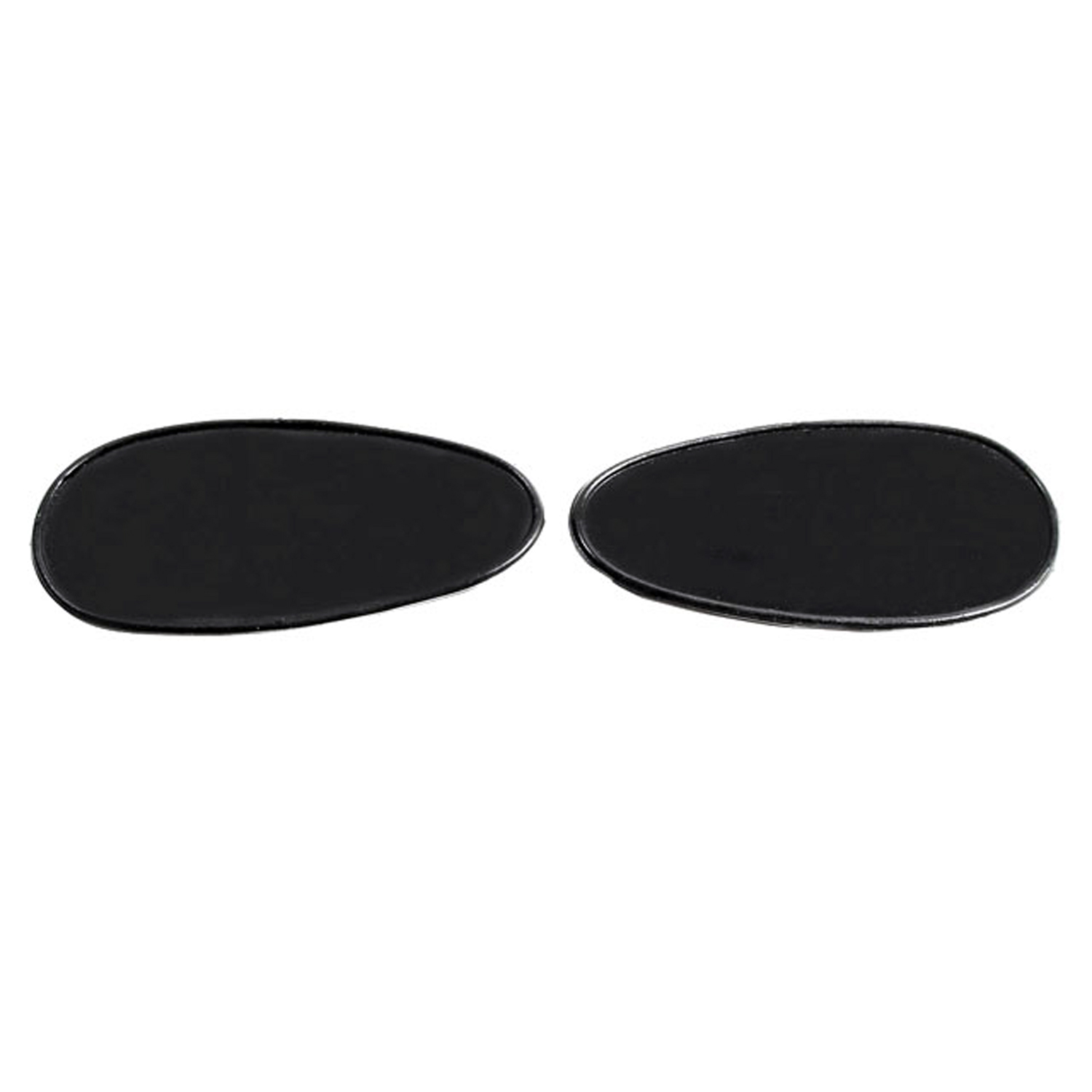 1936 Mercedes-Benz 170 V Tail-light Pads. 2-1/4" wide X 4-5/8" long. Pair-MP 823-BTail-light Pads. 2-1/4" wide X 4-5/8" long. Pair
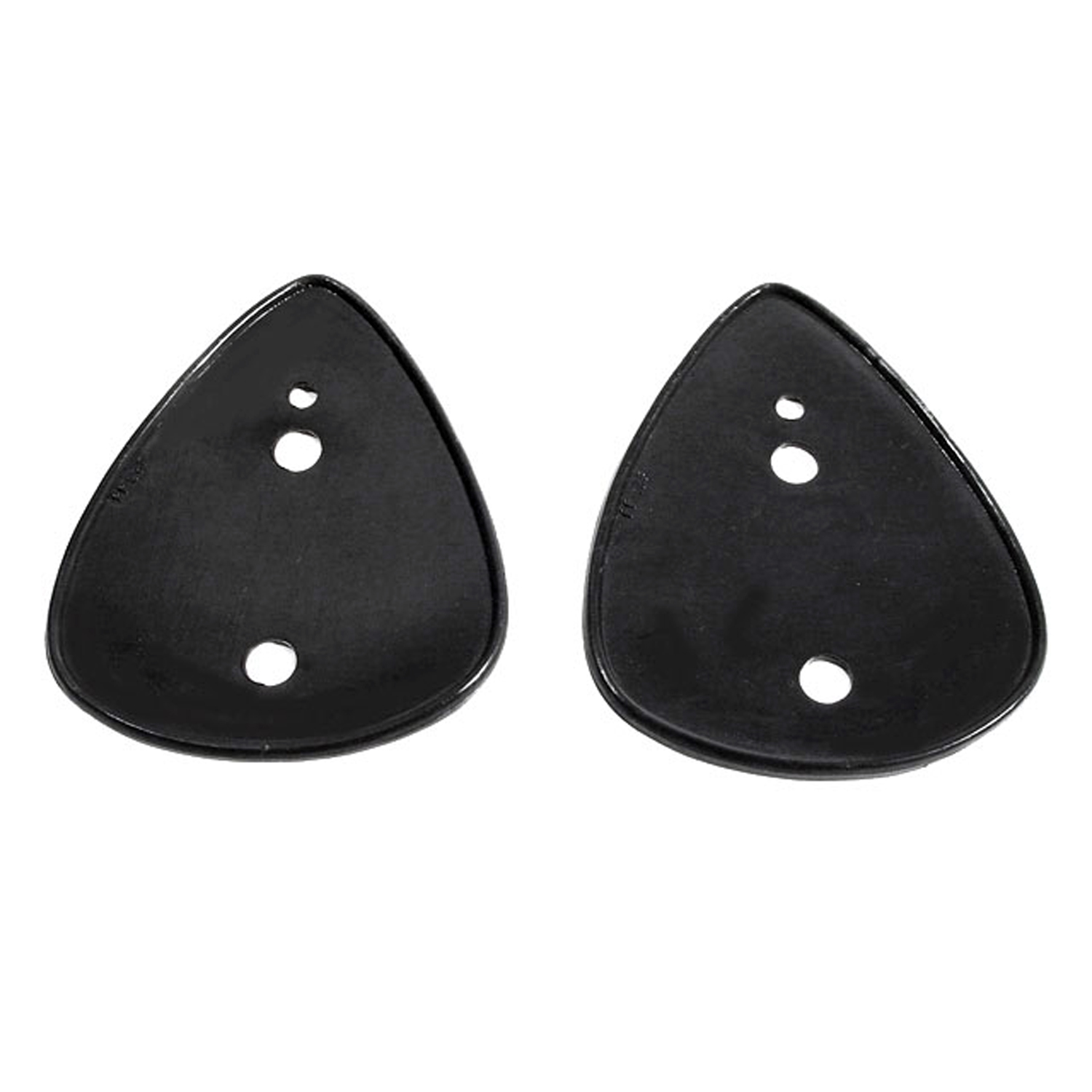 1936 Mercedes-Benz 170 V Park Light Pads. Made for the stamped fender light-MP 823-JJPark Light Pads. Made for the stamped fender light. 3-7/8" wide X 5-1/8" long. Pair
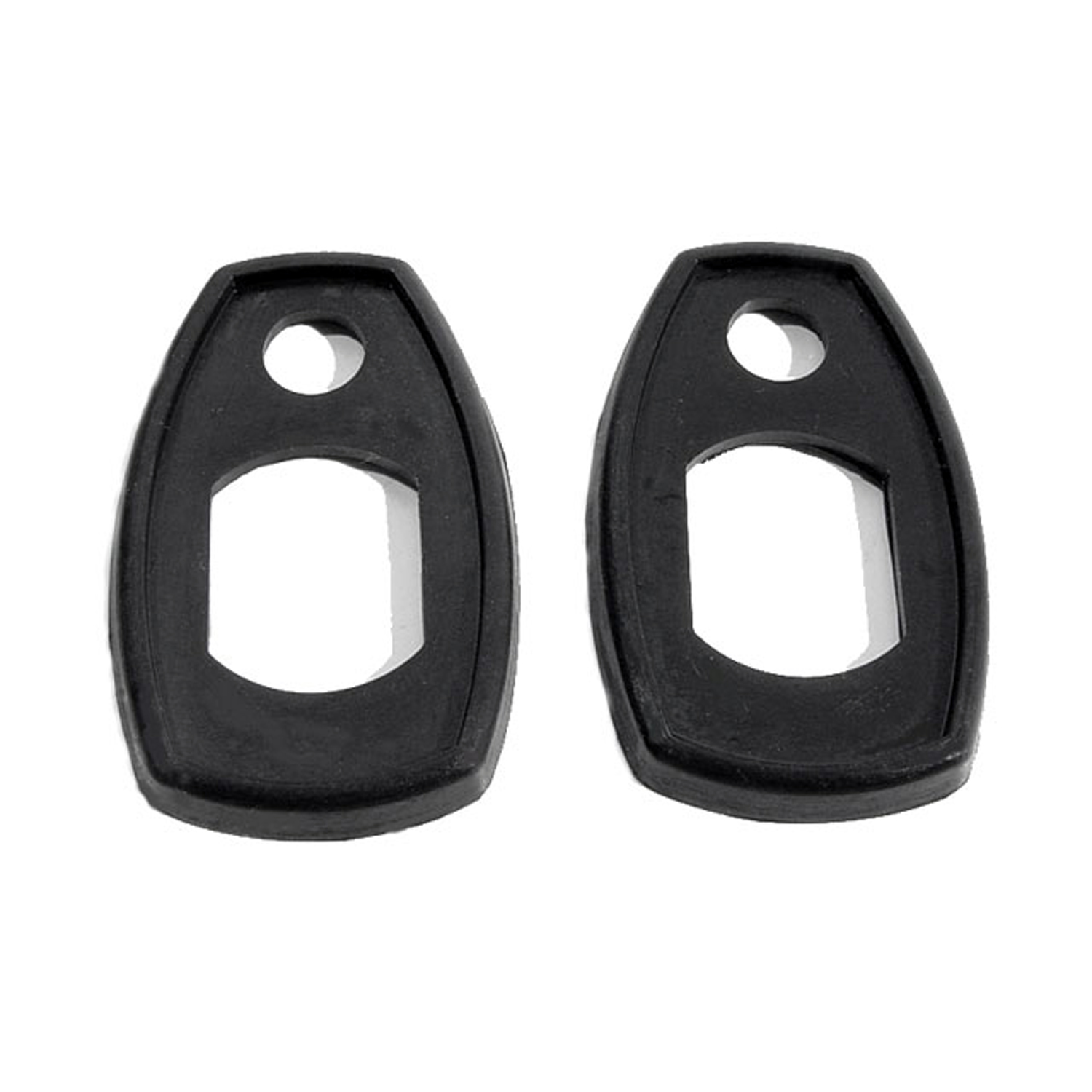 1936 Mercedes-Benz 170 V Door Handle Pads. 1-1/2" wide X 2-1/2" long. Pair-MP 823-NDoor Handle Pads. 1-1/2" wide X 2-1/2" long. Pair
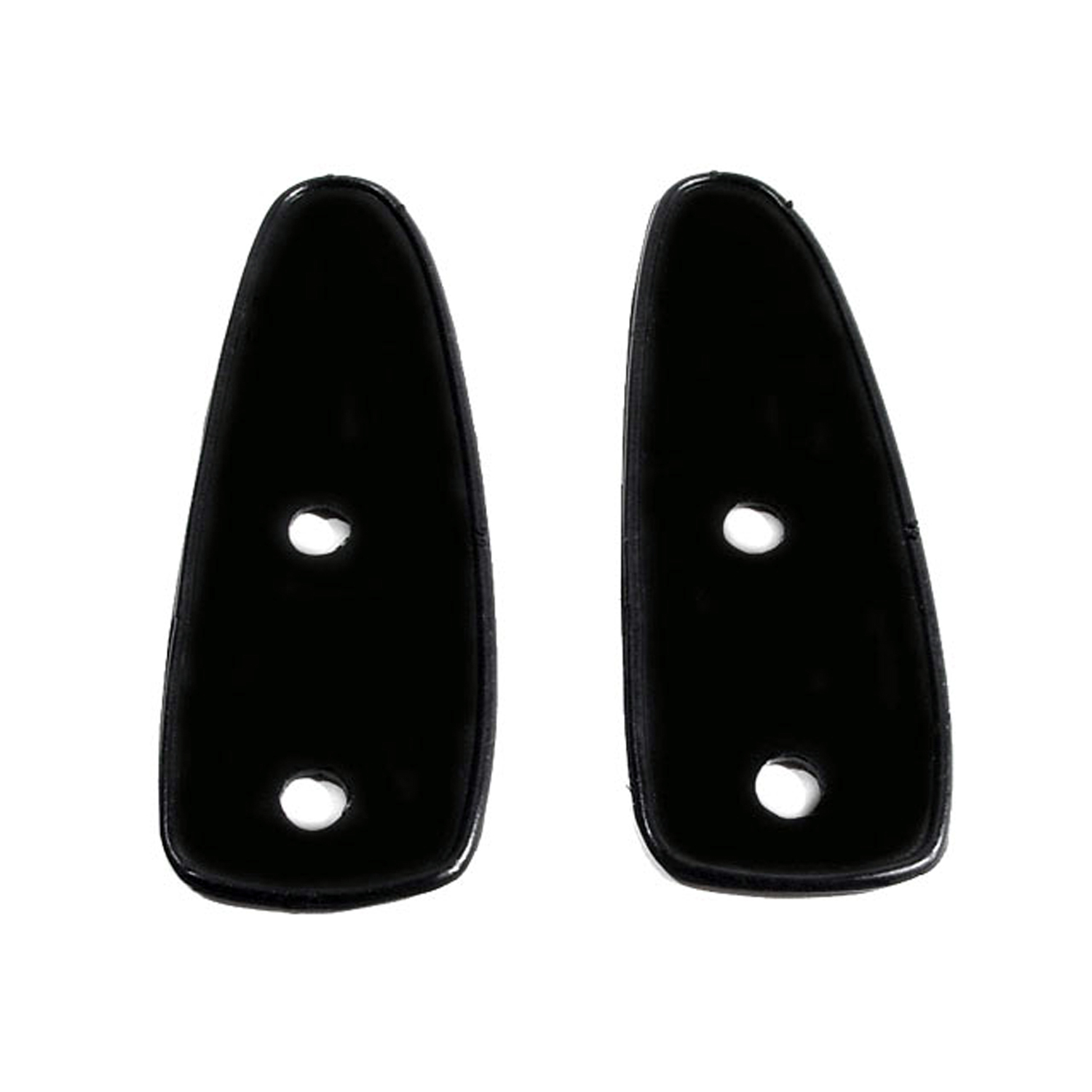 1936 Mercedes-Benz 170 V Park Light Pads. 2-1/4" wide X 6-1/8" long. Pair-MP 823-QPark Light Pads. 2-1/4" wide X 6-1/8" long. Pair
 1936 Mercedes-Benz 170 V Headlight Pads. 3-1/2" wide X 7-5/8" long. Pair-MP 824-PHeadlight Pads. 3-1/2" wide X 7-5/8" long. Pair
 1936 Mercedes-Benz 170 V Coupler to Engine Seal. 1-1/8" I.D., 2-3/4" O.D. Each-RP 15Coupler to Engine Seal. 1-1/8" I.D., 2-3/4" O.D. Each
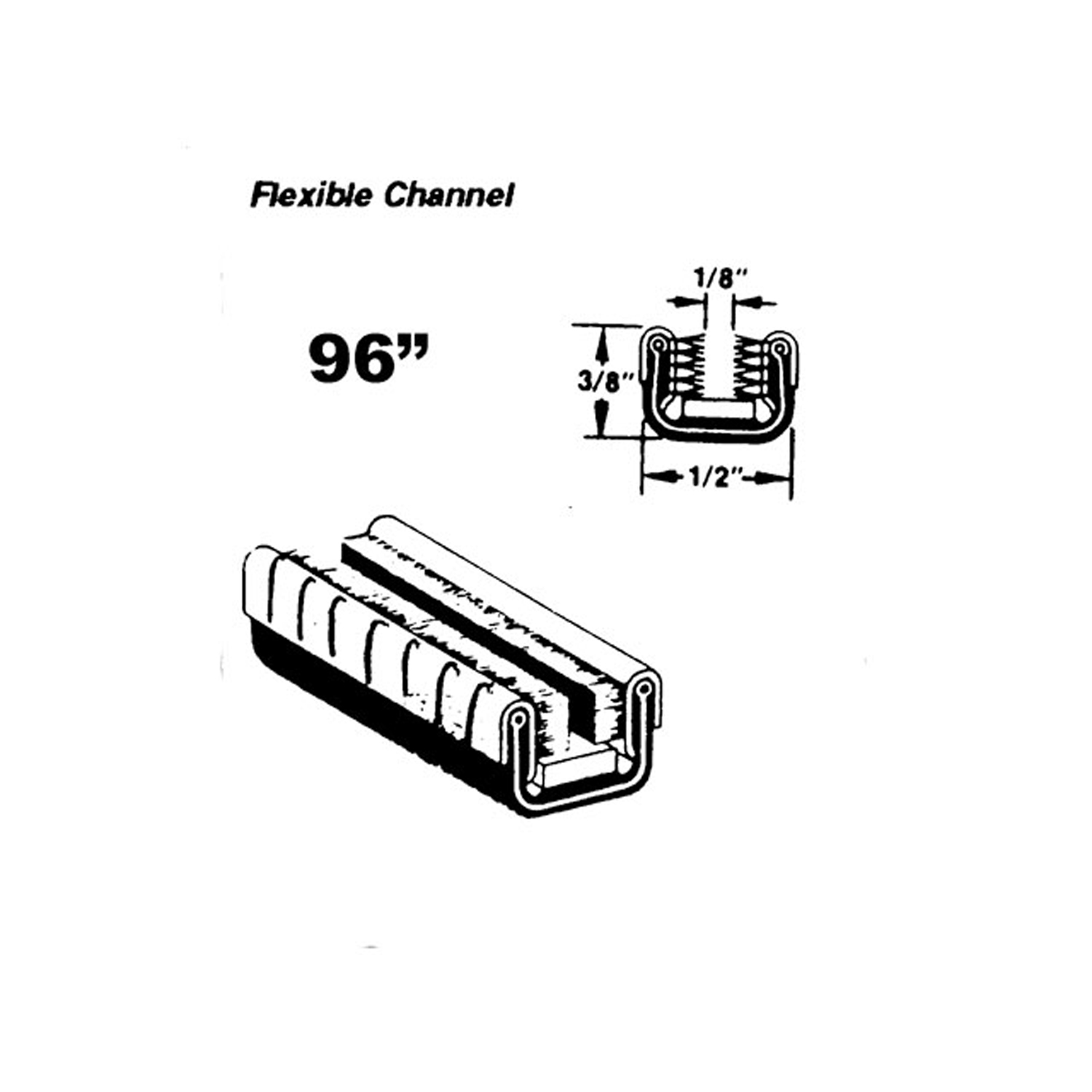 1936 Mercedes-Benz 170 V Flexible glass-run channel. Rubber covered and pile lined-WC 12-96Flexible glass-run channel. Rubber covered and pile lined. Unbeaded. 96 in. long. Each. NOTE: $20 special shipping charge applies for domestic orders. Call or email for overseas shipping costs. Part can be sectioned in two or three equal lengths to reduce overseas shipping costs.
Why Choose Metro?
For over 100 years, Metro Moulded Parts has been the pinnacle of quality in classic car restoration parts. Our commitment to precision and authenticity in every component ensures a perfect fit and an OEM-level appearance.
- Expert Craftsmanship & Quality: Each part is a testament to our dedication to reliability and perfection, crafted from original designs and thoroughly tested.
- Advanced Technology: We use cutting-edge techniques to create flawless, long-lasting parts that surpass others in performance.
- SuperSoft Sponge – The Ultimate Door Seal: Not only are our door seals 30% softer than competitors', but they're also guaranteed to never leak. They effectively reduce wind and road noise, enhancing your classic car's comfort and driving experience.
- Proudly American: Our parts are a product of American craftsmanship, made in the USA with a spirit of excellence and heritage.
- Unrivaled Warranty: We back our products with a 30-year industry-leading warranty, a testament to our confidence in their quality.
Join us in preserving the legacy of classic cars with parts that are crafted for perfection, not just made.