

Image of 1936 Mercedes-Benz 320, Note: These illustrations use artistic license and may differ from actual historical models.
Performance Metrics
Fundamental Metrics
Emotional Appeal
MMP Rating
| Engine Specifications | |
|---|---|
| Engine: | Inline 6 |
| Displacement: | 3.4 L |
| Horsepower: | Estimated 78-85 HP |
| Torque: | Not available |
| Compression Ratio: | Not available |
| Ignition System: | Coil ignition |
| Cooling System: | Water-cooled |
| Performance Specifications | |
| 0-60 Time: | Not available |
| 1/4 Mile Time: | Not available |
| Top Speed: | 78 mph |
| Transmission and Drive | |
| Drive Type: | Rear-wheel drive |
| Transmission Type: | 4-speed manual |
| Fuel and Efficiency | |
| Fuel System Type: | Carburetor |
| MPG: | Not available |
| Dimensions and Brakes | |
| Brakes: | Drum brakes |
| Wheelbase: | 129.5 inches |
| Weight: | Estimated 3,300 lbs |
Note: Specifications for classic cars are given to the best of our ability, considering the limited and variant data available.
1936 Mercedes-Benz 320: A Prewar Luxury Classic
A Mercedes-Benz 320 wears its luxury in every detail: a tall, gleaming radiator grille, a long bonnet, sweeping fenders and the quiet authority of a hand-finished prewar automobile. There is one important date correction, though: the Mercedes-Benz 320 discussed here, factory designation W142, was introduced in 1937, not 1936. A car advertised as a “1936 320” may have an incorrect listing date or a registration history that needs checking against its chassis records.
Built by Daimler-Benz in Germany, the 320 replaced the Mercedes-Benz 290 as a large, six-cylinder touring car. It arrived during a period when manufacturers were combining traditional coachbuilt elegance with increasingly sophisticated chassis engineering. Mercedes-Benz offered it in several body styles and wheelbases, from formal saloons to open cabriolets. Production continued until wartime conditions brought civilian manufacture to a halt in 1942.
One striking detail is how readily the 320 could change character. In a closed limousine body it was a dignified formal car; in cabriolet form, the same substantial chassis became an open-air grand tourer. That versatility helped make the 320 one of the most appealing Mercedes models of its era.
W142 Design and Interior
The 320’s exterior has the balanced proportions that define many great prewar Mercedes-Benzes. Its upright grille sits proudly at the front, flanked by round headlamps and broad, separate front fenders. The hood stretches back toward a cabin set well behind the front axle, while running boards connect the front and rear fenders in a long, uninterrupted line. At the rear, the body tapers neatly around a spare wheel, often carried externally.
Body details varied with the model and coachwork. Closed sedans and limousines favored a formal silhouette, while cabriolets added a folded fabric roof and exposed brightwork. The longer-wheelbase versions gave rear passengers more room and suited chauffeur-driven use. Cabriolet A models, with their sporting two-door profile, are especially memorable to modern enthusiasts.
Inside, the 320 was designed for comfort rather than minimalism. Buyers could expect quality upholstery, substantial door trim, polished wood or carefully finished metal details, and instruments arranged in a broad dashboard. Exact materials and fittings depended on body style, specification and any special coachwork. In a well-preserved example, the cabin feels more like a compact salon than a utilitarian car, with a large steering wheel and generous seating that suit the car’s leisurely touring character.
Factory paint choices and special-order finishes varied over the production run, so there is no single definitive color palette for every 320. Black was a natural choice for formal saloons, while dark blue, green, gray and deep red shades suited both closed and open cars. Two-tone treatments and distinctive coachbuilder finishes can also appear, particularly on special bodies. Original paint codes and chassis documentation are the best way to verify a specific car’s period-correct color.
Body Styles and Model Choices
Mercedes-Benz offered the 320 with a range of factory body styles, including saloons and limousines, touring cars and several cabriolet configurations. Cabriolet A was a two-door, open touring body with a particularly elegant, sporting appearance. Other cabriolet versions offered different seating and door arrangements, while the more formal limousine bodies emphasized passenger space and weather protection.
The W142 was also built with different wheelbases. The longer chassis made room for more spacious bodies and was well suited to limousine and touring use. The variety is part of the model’s appeal today, but it complicates comparisons: two cars called a 320 can differ substantially in size, weight, equipment and collector value.
Engineering and Historical Significance
At the heart of the 320 was a 3,208 cc, side-valve inline-six. It produced about 78 PS, approximately 77 horsepower, and sent power to the rear wheels through a four-speed manual gearbox. The car used a separate chassis, hydraulic drum brakes and independent front suspension. These features gave Mercedes-Benz a strong foundation for a large, comfortable touring car, even as the body and trim preserved a distinctly traditional look.
The 320 was not a revolutionary clean-sheet design, nor did it invent independent suspension or the luxury touring car. Its significance lies in how it brought established Mercedes-Benz engineering together in a refined, versatile package. The chassis and suspension were intended to provide a more composed ride than a rigid-axle arrangement, while the hydraulic brakes offered more consistent stopping than older mechanical systems when properly maintained.
Compared with many contemporaries, the 320 stood out for its combination of build quality, body variety and long-distance comfort. It was an expensive, substantial automobile rather than an everyday economy car. Its design also reflected a broader prewar trend: buyers increasingly expected a luxury car to offer more than imposing styling, including better road manners and a choice of body configurations.
Performance and Driving Feel
Mercedes-Benz quoted a top speed in the neighborhood of 130 km/h, or about 81 mph, depending on body style and gearing. A factory 0-60 mph figure is not commonly available. Based on the car’s power, weight and period performance, a representative estimate is roughly 23 to 30 seconds, with heavier limousine bodies likely toward the slower end. These figures are best treated as period-car estimates, not modern standardized test results.
The 320’s inline-six is made for smooth, measured progress. Expect a subdued mechanical hum that builds into a deeper, more purposeful note under acceleration, rather than the sharp exhaust bark of a sports car. The four-speed gearbox calls for deliberate shifts, and the driver benefits from planning overtakes and hills rather than expecting instant response. With its substantial mass and modest power by modern standards, the 320 rewards a relaxed pace.
On decent roads, the suspension and long wheelbase help the car settle into an easy touring rhythm. Over bumps, the ride is more comfortable than that of many short-wheelbase cars of its period, though a 1930s chassis cannot isolate passengers as completely as a modern luxury vehicle. On winding roads, the 320 feels dignified rather than nimble. Its large steering wheel, body roll and considerable size encourage smooth inputs and sensible cornering speeds.
Wind, road surface and body style all matter. An open cabriolet can feel more exposed at speed, while a closed limousine offers better shelter and a quieter cabin. In every version, the experience is physical and engaging: the driver works the clutch and gearbox, reads the road ahead and treats the brakes with respect. It is a touring car that asks for attention, not a car designed to disappear beneath its driver.
Ownership, Maintenance and Reliability
Today, the Mercedes-Benz 320 is primarily a collector car, show car and occasional touring machine. Some owners take well-sorted examples on vintage rallies and long-distance classic-car events, but using one as a daily driver is uncommon. Traffic speeds, modern road conditions, security concerns and the value of original components all argue for selective use.
Maintenance is manageable for an experienced classic-car specialist, but it is not an easy project for the average owner without tools, workshop space and access to period-car expertise. The engine, brakes, gearbox, suspension and electrical system need careful inspection and regular servicing. Age-related issues can include worn suspension components, leaking seals, deteriorated wiring, corrosion and problems with fuel delivery. Restorations may also involve coachwork, wood framing or interior materials, depending on the body.
Parts availability is better for some mechanical components than for unique trim, body panels and cabriolet fittings. Correct parts can be costly, and improvising repairs may damage a valuable car or compromise safety. The best ownership experience comes from buying a car with a documented restoration or a thorough condition report, then budgeting for specialist maintenance rather than assuming that a prestigious badge guarantees modern reliability.
Rare Facts and Common Criticisms
The 320’s broad choice of bodies is one of its most interesting features. A cabriolet and a limousine may share the model name and core mechanical layout, yet look and feel like entirely different cars. It was also used in Germany during the Second World War, including in staff-car roles. Surviving cars with unusual original bodies, clear histories or documented special-order equipment are especially appealing to historians and collectors.
There is no single widely recognized speed or endurance record that defines the 320. Its reputation rests instead on luxury, versatility and careful engineering. Nor is there a universally documented celebrity-owner story that applies to the model as a whole; claims about famous former owners should be checked against reliable provenance rather than repeated as fact.
Common criticisms are practical ones. The 320 is heavy and slow by modern standards, its braking performance requires respect, and open models offer limited weather protection. Restoration costs can be high, especially when rare coachwork or trim is involved. Those drawbacks are part of the bargain with a complex prewar luxury car, and they help explain why many owners reserve their 320 for special occasions.
Mercedes-Benz 320 Collector Values
Production is commonly estimated at about 6,800 examples across the W142 range, with approximately 6,861 often cited. Figures can vary by source and by how body and chassis variants are counted. That makes the 320 uncommon, but rarity alone does not determine value: body style, condition, originality, restoration quality and documentation have a major effect.
As a broad 2026 estimate in the U.S. market, a saloon or limousine in usable but imperfect condition might fall around $50,000 to $150,000. A strong, well-restored closed car can be worth more. Cabriolets and distinctive open bodies generally command a premium, with many attractive examples potentially ranging from about $150,000 to $350,000. Particularly rare, exceptional or concours-quality cabriolets can exceed $500,000. These are indicative ranges, not appraisals; individual cars can sell outside them.
Values for the best prewar Mercedes-Benz models have generally held up well over the long term, and exceptional examples remain highly desirable. The market is selective, however. A documented, correctly restored cabriolet is likely to attract more attention than a tired car with unclear history, while restoration costs can easily outweigh the value of a modest example. Prices also vary by country, auction conditions and currency, so recent comparable sales matter more than broad online asking prices.
Why the 320 Still Matters
The Mercedes-Benz 320 combines graceful prewar styling, a refined six-cylinder engine and a chassis designed for comfortable travel. Its range of saloons, limousines and cabriolets gave buyers unusual choice, while its engineering marked a thoughtful evolution of the luxury touring car rather than a single dramatic breakthrough. Remember that the W142 was introduced in 1937, despite the occasional “1936” listing.
For collectors, the 320 is more than a handsome old Mercedes. It is a rolling example of an era when craftsmanship, coachwork and mechanical engineering came together in a single, highly individual automobile. On the right road, at the right pace, it still makes every mile feel like an occasion.
1936 Mercedes-Benz 320 Catalog of Parts
 1936 Mercedes-Benz 320 Coupler to Engine Seal. 1-1/8" I.D., 2-3/4" O.D. Each-RP 15Coupler to Engine Seal. 1-1/8" I.D., 2-3/4" O.D. Each
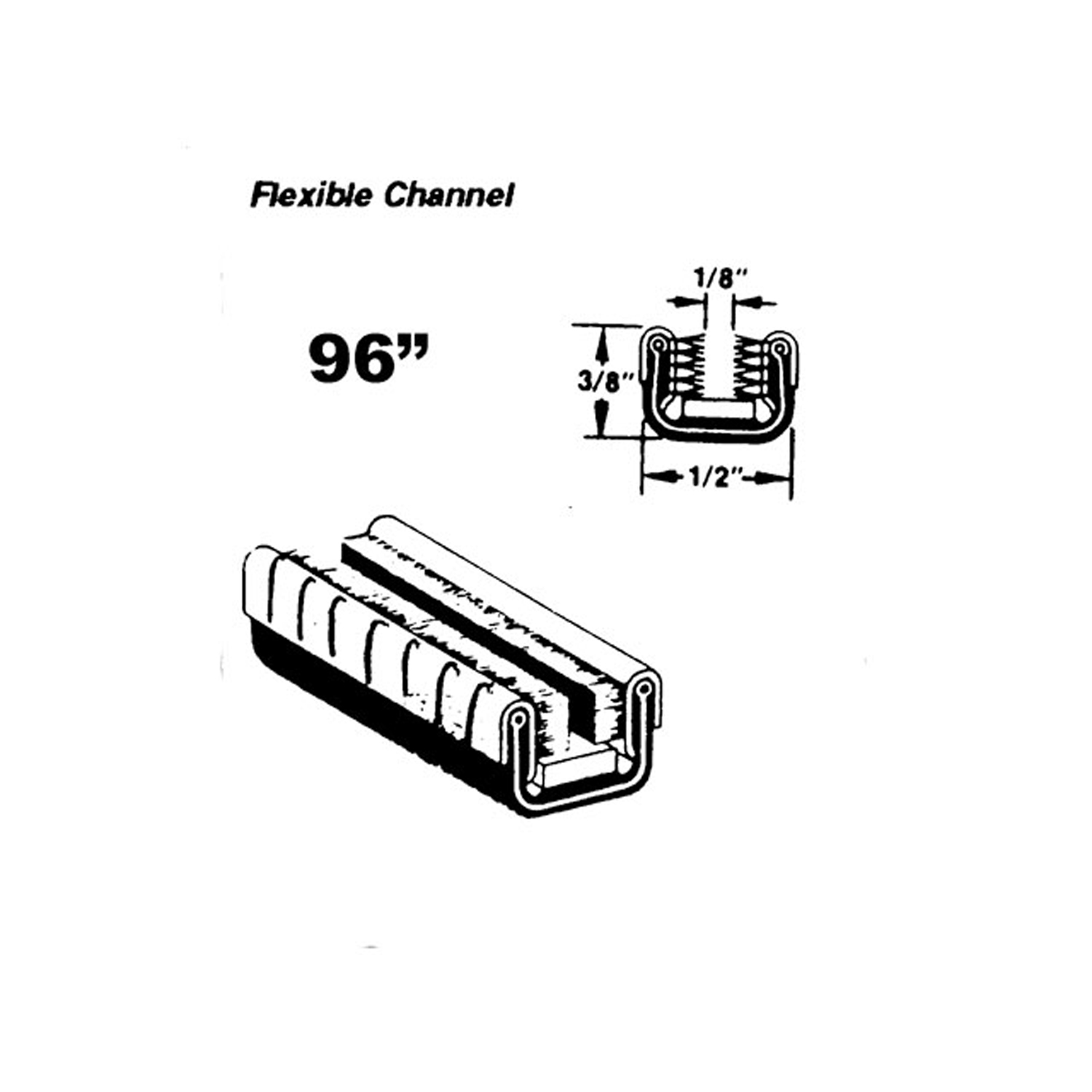 1936 Mercedes-Benz 320 Flexible glass-run channel. Rubber covered and pile lined-WC 12-96Flexible glass-run channel. Rubber covered and pile lined. Unbeaded. 96 in. long. Each. NOTE: $20 special shipping charge applies for domestic orders. Call or email for overseas shipping costs. Part can be sectioned in two or three equal lengths to reduce overseas shipping costs.
Why Choose Metro?
For over 100 years, Metro Moulded Parts has been the pinnacle of quality in classic car restoration parts. Our commitment to precision and authenticity in every component ensures a perfect fit and an OEM-level appearance.
- Expert Craftsmanship & Quality: Each part is a testament to our dedication to reliability and perfection, crafted from original designs and thoroughly tested.
- Advanced Technology: We use cutting-edge techniques to create flawless, long-lasting parts that surpass others in performance.
- SuperSoft Sponge – The Ultimate Door Seal: Not only are our door seals 30% softer than competitors', but they're also guaranteed to never leak. They effectively reduce wind and road noise, enhancing your classic car's comfort and driving experience.
- Proudly American: Our parts are a product of American craftsmanship, made in the USA with a spirit of excellence and heritage.
- Unrivaled Warranty: We back our products with a 30-year industry-leading warranty, a testament to our confidence in their quality.
Join us in preserving the legacy of classic cars with parts that are crafted for perfection, not just made.