

Image of 1936 Mercedes-Benz 540 K, Note: These illustrations use artistic license and may differ from actual historical models.
Performance Metrics
Fundamental Metrics
Emotional Appeal
MMP Rating
| Engine Specifications | |
|---|---|
| Engine: | Straight 8 |
| Displacement: | 5.4 L (5401 cc/329 cu in) |
| Horsepower: | 115-180 HP |
| Torque: | Not available |
| Compression Ratio: | Not available |
| Ignition System: | Coil and distributor |
| Cooling System: | Water-cooled |
| Performance Specifications | |
| 0-60 Time: | Not available |
| 1/4 Mile Time: | Not available |
| Top Speed: | 105-110 mph |
| Transmission and Drive | |
| Drive Type: | Rear-wheel drive |
| Transmission Type: | 4-speed manual |
| Fuel and Efficiency | |
| Fuel System Type: | Carburetor |
| MPG: | Not available |
| Dimensions and Brakes | |
| Brakes: | Hydraulic drum brakes |
| Wheelbase: | 129.5 in |
| Weight: | 5000 lbs |
Note: Specifications for classic cars are given to the best of our ability, considering the limited and variant data available.
1936 Mercedes-Benz 540 K: A Supercharged Grand Tourer
The 1936 Mercedes-Benz 540 K combined the presence of a coachbuilt luxury car with the force of a supercharged straight-eight, creating one of the most memorable grand tourers of the prewar era. Built by Mercedes-Benz in Germany, it was the successor to the 500 K and a flagship for buyers who wanted speed, craftsmanship, and unmistakable road presence in a single machine.
The 540 K made its debut in 1936, during a period when European manufacturers were exploring how to make powerful cars faster and more refined. Its name pointed to its 5.4-liter engine and its Kompressor, or supercharger. One intriguing detail is that the blower was mechanically engaged when the driver pressed the accelerator firmly, transforming the car’s already substantial engine note into a sharper, more urgent roar.
Long Bonnet, Handcrafted Body
The 540 K’s styling is all drama and proportion. A tall, upright radiator grille leads into an exceptionally long bonnet, while sweeping front wings flow back toward running boards and a broad rear body. Large headlamps, polished trim, and the distinctive side-exhaust pipes give the car an unmistakable profile. On many examples, the exhaust pipes run along the side of the bonnet beneath perforated metal covers, making the supercharged model look as potent as it sounds.
Mercedes-Benz’s Sindelfingen bodyworks built many 540 K bodies, with additional one-off commissions shaped to individual customers’ specifications. The range included Cabriolet A, B, and C models, coupes, touring cars, and open roadsters. The glamorous Special Roadster, with its low windscreen, long tail, and spare wheel mounted at the rear, is the best-known and most coveted version. The more practical cabriolets offered weather protection and room for touring, while closed bodies provided a quieter, more formal cabin.
Inside, the 540 K was trimmed as a luxury automobile rather than a stripped performance car. Depending on the body and commission, owners could expect supple leather upholstery, polished wood, elegant metal fittings, and carefully arranged instruments. Paint and trim were often selected to suit the buyer, so there was no single definitive color palette. Black, dark blue, deep red, and restrained two-tone combinations all suited the car’s formal lines; individual cars could be finished to a customer’s taste.
Engineering Ahead of Its Time
Under the bonnet sat a 5,401 cc inline-eight. In naturally aspirated form, it produced about 115 horsepower. Engaging the Roots-type supercharger raised output to roughly 180 horsepower, an impressive figure for a large luxury car in the 1930s. The blower was not simply an always-on feature: it engaged under strong acceleration, giving the driver a useful reserve of power when needed.
The 540 K also benefited from the advanced chassis engineering Mercedes-Benz had developed for the 500 K. It used independent front suspension and a swing-axle rear arrangement, along with hydraulic brakes and a four-speed manual gearbox. These features helped make a heavy, powerful car more composed and controllable than its size might suggest. The result was a sophisticated touring machine, not merely a large engine wrapped in decorative coachwork.
Why the 540 K Mattered
The 540 K represents the prewar luxury-car ideal: bespoke bodywork, high engineering standards, and performance suited to fast-distance travel. It stood apart from many contemporaries through the combination of its supercharged straight-eight and its tailor-made bodies. Buyers could choose a formal cabriolet or a dramatic roadster without giving up the underlying mechanical specification.
Its influence is less about a single technology that every later car copied and more about the standard it set for the high-performance grand tourer. The 540 K showed how a manufacturer could pair serious speed with comfort, craftsmanship, and visual authority. Its long bonnet, side exhausts, and flowing coachwork also helped define the image of the 1930s supercharged Mercedes-Benz.
The car’s story also belongs to a complicated historical period. It was built in Germany under the Nazi regime, when luxury vehicles could serve as symbols of wealth and power. That context is part of the 540 K’s history, though individual cars had different owners and uses. It was principally a costly private automobile and touring car, not a mass-produced vehicle or a dedicated racing model.
Speed, Ride, and Road Manners
Performance varied with body style, gearing, and the condition of the individual car. A 540 K could reach approximately 105 mph, while period-style estimates put acceleration from 0 to 60 mph at around 16 seconds. These figures are remarkable for a large coachbuilt car of the era, but they should be treated as approximate rather than identical for every example.
On a smooth open road, the 540 K feels most at home. The long wheelbase and substantial mass lend it a steady touring character, and the supercharger provides a noticeable burst of power when the driver calls for it. The ride is composed by 1930s standards, though the suspension cannot disguise sharp bumps as effectively as a modern luxury car. On winding roads, the driver must account for the car’s weight, body movement, and period steering and braking. It rewards anticipation and smooth inputs rather than hurried cornering.
Starting the engine brings a measured straight-eight rumble. Press harder on the accelerator and the compressor comes into play, adding a pronounced mechanical whine to the exhaust note. The experience is physical and involving: the driver works a manual gearbox, feels the road through the steering wheel, and plans braking well ahead. It is fast for its time, but it does not isolate its occupants from the machinery.
Owning a 540 K
Today, a 540 K is primarily a collector and show car, though carefully maintained examples may still be driven on tours and special events. Its size, value, age, and rarity make daily use impractical for nearly every owner. Even a short outing calls for careful preparation and a secure place to store the car.
Maintenance is specialist work. The supercharger, engine, chassis, brakes, and coachbuilt body all require knowledge of period Mercedes-Benz engineering, and replacement parts can be costly or difficult to source. Repairs are not an easy weekend project for the average owner. A car with complete records and regular attention is far preferable to a neglected example, since restoration can involve extensive mechanical, electrical, and bodywork costs.
Common ownership complaints are familiar for a machine of this age: high running costs, limited modern safety equipment, demanding brakes and steering compared with contemporary cars, and a ride that can feel firm over rough surfaces. Its size also makes narrow roads and tight parking awkward. Those compromises are part of the bargain, but they explain why most owners reserve their cars for carefully chosen drives.
Notable Cars and 540 K Trivia
Mercedes-Benz built approximately 419 examples of the 540 K, making it rare even among prestigious prewar cars. Production figures can vary slightly between references depending on how chassis and completed bodies are counted, but the total was only a few hundred. The Special Roadster was produced in particularly small numbers, which helps explain its standing as one of the most valuable versions.
A famous 1936 540 K Special Roadster once belonged to Jack Warner, the Warner Bros. studio executive. At a 2012 auction, that car sold for about $11.77 million, setting a landmark price for a prewar automobile at the time. The sale helped bring wider attention to the 540 K’s combination of provenance, rarity, and coachbuilt design.
The 540 K was not designed to collect racing records. Its distinction lies instead in its road performance, engineering, and luxury. The same qualities that make it desirable also draw criticism: it was extraordinarily expensive when new, thirsty by modern standards, and complex to maintain. It was a grand tourer for a very small group of buyers, not an everyday car for the wider public.
Collector Value and Rarity
Values depend heavily on body style, originality, restoration quality, documentation, and ownership history. As a broad 2026 estimate, a well-presented 540 K Cabriolet or coupe might bring roughly $1.5 million to $4.5 million, with exceptional examples potentially exceeding that range. A genuine Special Roadster can command approximately $8 million to $20 million or more, especially when its provenance and restoration are outstanding. These are indicative ranges, not appraisals, and a single auction result can differ substantially.
The market is selective. The finest, most original, and best-documented cars have generally remained highly sought after, while lesser examples can be affected by the cost of restoration and changing demand for prewar classics. In nominal terms, elite examples have appreciated substantially over the long run, but auction prices do not rise in a straight line. Buyers should assess each car on its own history and condition rather than assume every 540 K will follow the same price trend.
A Prewar Mercedes-Benz at Its Peak
The 1936 Mercedes-Benz 540 K brought together a supercharged straight-eight, advanced chassis design, and coachbuilt elegance in a car that remains instantly recognizable. Its small production run and celebrated Special Roadster body have secured its place among the most important collector automobiles of the 1930s.
More than a fast vintage Mercedes, the 540 K is a snapshot of an era when engineering ambition and bespoke craftsmanship met on the open road. Its presence is striking, its mechanical character unmistakable, and its legacy enduring.
1936 Mercedes-Benz 540 K Catalog of Parts
 1936 Mercedes-Benz 540 K Headlight Pads. 3-5/8" wide X 12" long. Pair R&L-MP 823-EHeadlight Pads. 3-5/8" wide X 12" long. Pair R&L
 1936 Mercedes-Benz 540 K Headlight Pads. 5-3/8" wide X 7-3/8" long. Pair-MP 823-FHeadlight Pads. 5-3/8" wide X 7-3/8" long. Pair
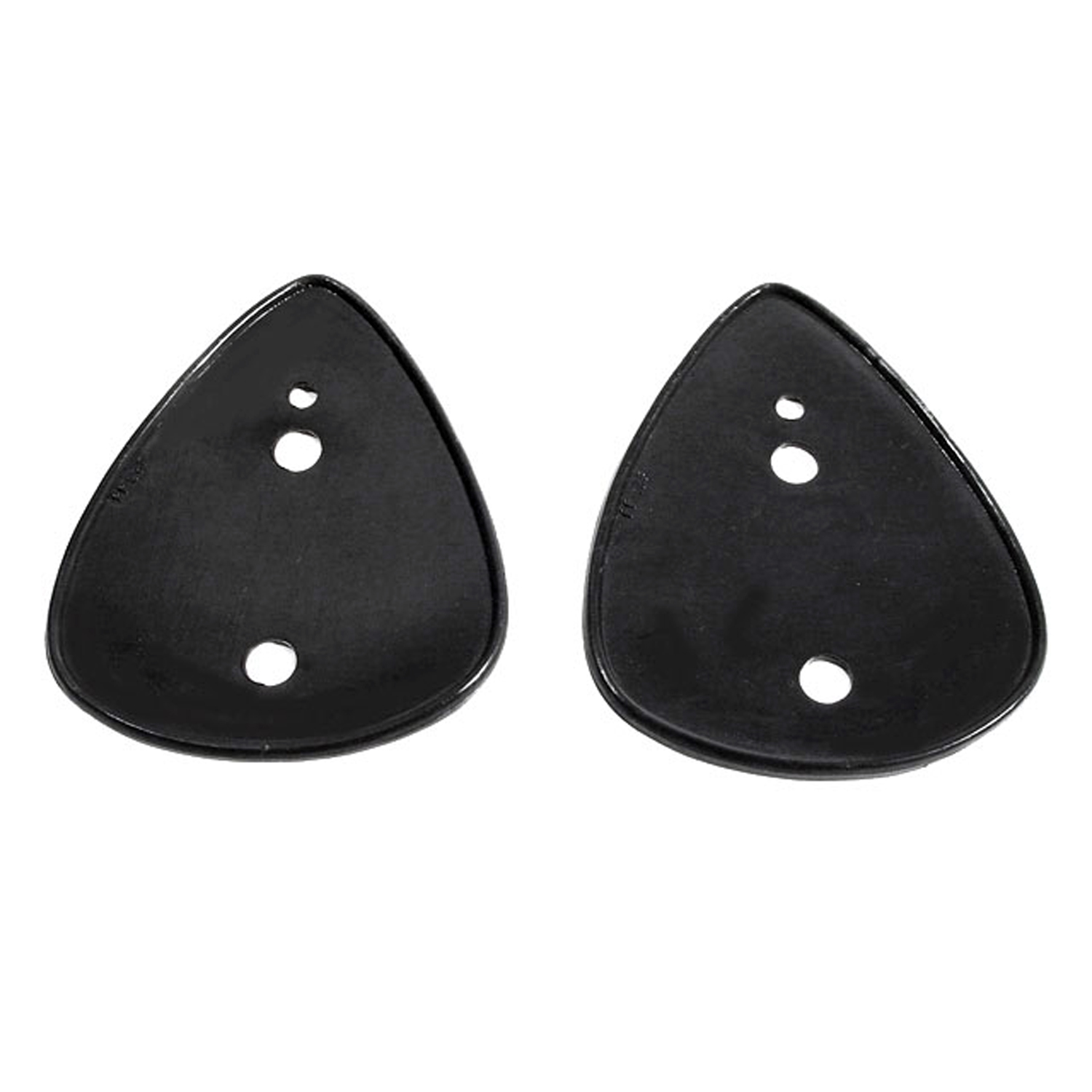 1936 Mercedes-Benz 540 K Park Light Pads. Made for the stamped fender light-MP 823-JJPark Light Pads. Made for the stamped fender light. 3-7/8" wide X 5-1/8" long. Pair
 1936 Mercedes-Benz 540 K Headlight Bar Pads. 2" wide X 4-3/4" long. Pair-MP 823-KHeadlight Bar Pads. 2" wide X 4-3/4" long. Pair
 1936 Mercedes-Benz 540 K Trunk Hinge Pads. 1-5/8" wide X 12" long. Set-MP 823-PTrunk Hinge Pads. 1-5/8" wide X 12" long. Set
 1936 Mercedes-Benz 540 K Coupler to Engine Seal. 1-1/8" I.D., 2-3/4" O.D. Each-RP 15Coupler to Engine Seal. 1-1/8" I.D., 2-3/4" O.D. Each
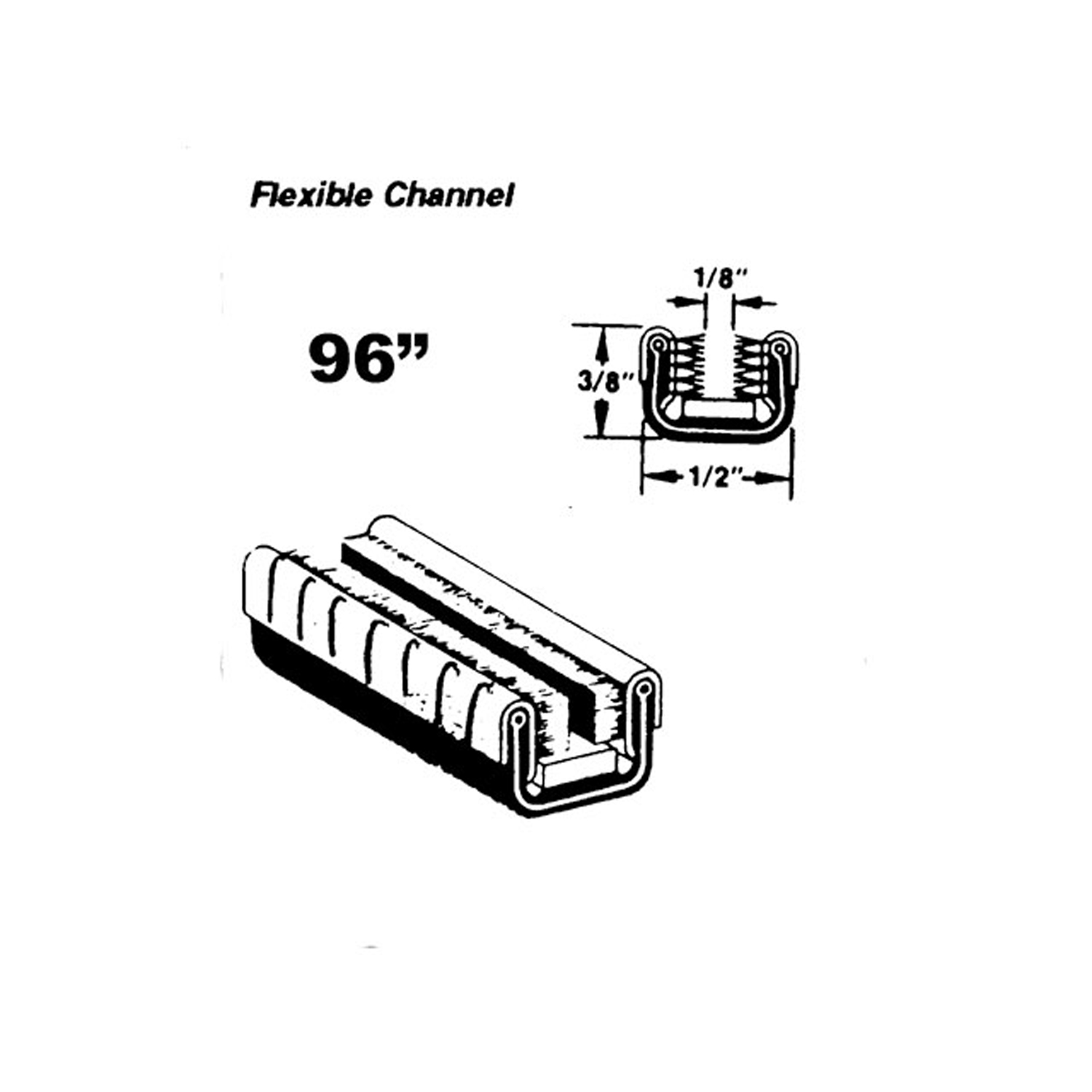 1936 Mercedes-Benz 540 K Flexible glass-run channel. Rubber covered and pile lined-WC 12-96Flexible glass-run channel. Rubber covered and pile lined. Unbeaded. 96 in. long. Each. NOTE: $20 special shipping charge applies for domestic orders. Call or email for overseas shipping costs. Part can be sectioned in two or three equal lengths to reduce overseas shipping costs.
Why Choose Metro?
For over 100 years, Metro Moulded Parts has been the pinnacle of quality in classic car restoration parts. Our commitment to precision and authenticity in every component ensures a perfect fit and an OEM-level appearance.
- Expert Craftsmanship & Quality: Each part is a testament to our dedication to reliability and perfection, crafted from original designs and thoroughly tested.
- Advanced Technology: We use cutting-edge techniques to create flawless, long-lasting parts that surpass others in performance.
- SuperSoft Sponge – The Ultimate Door Seal: Not only are our door seals 30% softer than competitors', but they're also guaranteed to never leak. They effectively reduce wind and road noise, enhancing your classic car's comfort and driving experience.
- Proudly American: Our parts are a product of American craftsmanship, made in the USA with a spirit of excellence and heritage.
- Unrivaled Warranty: We back our products with a 30-year industry-leading warranty, a testament to our confidence in their quality.
Join us in preserving the legacy of classic cars with parts that are crafted for perfection, not just made.